
胖东来

Search documents
许昌经验闪耀全国商品市场论坛 河南三家市场跻身全国百强
Sou Hu Cai Jing· 2025-11-28 01:09
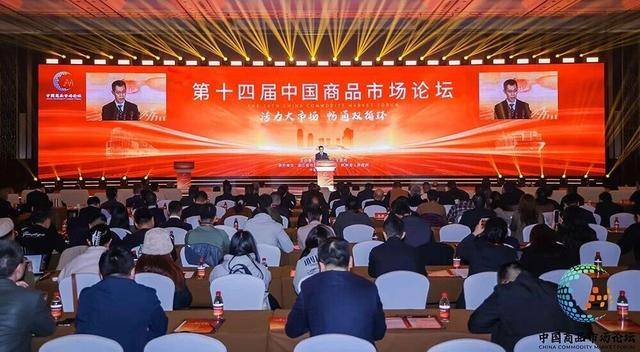
论坛传来喜讯,河南省市场表现亮眼。主论坛发布的《中国商品市场发展报告》显示,经河南省市场监 管局推荐,商丘农产品中心批发市场、黄淮农产品股份有限公司、洛阳宏进农副产品批发市场有限公司 等3家市场,凭借其2021至2024年的平均交易额,成功跻身全国商品交易市场百强榜单,彰显了河南商 品市场的强大实力。 11月26日,第十四届中国商品市场论坛在杭州隆重举行。本届论坛以"活力大市场 畅通双循环"为主 题,聚焦建设全国统一大市场,深入探讨商品市场在提振消费、畅通双循环及推动平台经济高质量发展 中的关键作用。 更为瞩目的是,作为全国网络市场监管与服务示范区创建城市代表,河南省许昌市人民政府受邀在分论 坛上作典型发言,向全国分享"许昌经验"。许昌市以"信用电商 品质消费 推动数实双向赋能的新质生产 力高质量发展"为主题,系统阐述了其以"监管服务创新+品质信任升级"为核心的双轮驱动实践路径。 这一创新模式成效显著。自开展示范区创建以来,许昌市以信任促消费,有效激发了市场活力。2024 年,全市社会消费品零售总额与电子商务交易额分别同比增长8.2%和7.3%。其中,本土明星企业"胖东 来"线上商城营收同比增长超4倍,成为" ...

胖东来分级开放引热议,模式输出迈入价值共享2.0时代
Sou Hu Cai Jing· 2025-11-27 20:32
Core Insights - The recent initiatives by Pang Donglai, including the establishment of "Pang Donglai Open Day" and high-cost training programs, signify a shift towards a more tiered and shared model of business operation, marking the evolution into a 2.0 output model [1] - The "Pang Reform" has led to differentiated growth among supermarket brands, with notable success stories such as Bubugao achieving a revenue of 3.194 billion yuan and a net profit increase of 357.71% [2] - The transformation of brands like Yonghui Supermarket and Yajiale demonstrates the potential for recovery and growth through structural optimization, despite facing challenges [2][4] - The application of AI technology in Wumart's stores has resulted in over 70% product turnover, showcasing the effectiveness of tech-driven brand upgrades [3] - The core logic of the Pang Donglai model addresses traditional supermarket pain points by creating a value ecosystem among employees, customers, and the enterprise [3] - The retail industry's ultimate competition lies in financial endurance, product depth, and organizational resilience, rather than superficial imitation of successful models [4] - The Pang Donglai model emphasizes the importance of trust and co-creation in brand value, suggesting that true transformation requires a comprehensive restructuring rather than mere imitation [4][5] Industry Trends - The supermarket industry is entering a phase of "stock competition," where traditional large-scale models are being challenged by smaller, more specialized formats [3] - The coexistence of store closures and growth trends indicates a complex landscape where differentiation and homogenization are in constant competition [4] - The future of supermarket competition will focus on precision and value resonance rather than mere expansion and price competition [5]

今年已卖1200亿+,山姆在中国没有对手?
3 6 Ke· 2025-11-27 02:51
Core Insights - Sam's Club in China has achieved record sales of over 120 billion yuan, marking a 20% year-on-year increase, with expectations to exceed 130 billion yuan for the year [1] Group 1: Sales Growth Factors - The significant sales growth is attributed to three main factors: strong performance in online-to-home services, with online sales expected to reach 65 to 70 billion yuan, accounting for over 50% of total sales [2] - Rapid expansion of physical stores, with plans to open approximately 11 new stores in 2025, driven by the demand for high-quality products from the growing middle class in China [2][3] - Same-store sales growth, with projections indicating an increase in the number of stores generating over 500 million yuan in annual sales from 2 to 8 by 2025 [3] Group 2: Trust and Quality Issues - Despite record financial performance, member trust in Sam's Club has reached a historical low, with over 13,000 complaints reported on consumer platforms, highlighting issues with product quality and discrepancies between advertised and actual products [4][6] - The decline in trust is exacerbated by the removal of approximately 200 exclusive products and a decrease in the proportion of private label goods from 38% to 30% [7] - Specific complaints include quality issues with various products, leading to dissatisfaction among long-term members, who express concerns over the value of their membership fees [6][7] Group 3: Competitive Landscape - The retail landscape in China is evolving, with domestic players like Yonghui gaining competitive advantages through localized supply chains and optimized product offerings, posing challenges to foreign giants like Sam's Club [8][9] - Sam's Club is expanding into high-potential county markets, but faces competition from new retail formats such as Hema and JD Fresh, which leverage supply chain upgrades to offer high-quality alternatives [9]


浙商证券:服务消费好于商品消费 跨境核心市场向东南亚、拉美等多区域渗透
智通财经网· 2025-11-27 02:48
Core Insights - The report from Zheshang Securities indicates a warming trend in pricing, with service consumption outperforming goods consumption, and a steady demand for tourism, while business travel shows signs of marginal recovery [1] Travel Industry - The travel sector is experiencing a beta phase, with business travel showing signs of recovery. Key factors influencing travel decisions include emotional value, time efficiency, and cost-effectiveness. The preference for travel is shifting from mere sightseeing to experiential activities [2] - In the OTA (Online Travel Agency) segment, accommodation services are performing better than transportation, with overall growth remaining stable. The competitive landscape for OTAs has not been significantly disrupted, and there is potential for improvement in OTA ARPU (Average Revenue Per User) [2] - For scenic spots, performance in 2025 is expected to vary, with natural attractions outperforming artificial ones. Increased competition and capacity limits during peak seasons are putting pressure on individual scenic spots, making asset integration a crucial growth strategy [2] - Hotel RevPAR (Revenue Per Available Room) is anticipated to rebound after two years of decline, with supply expected to stabilize. Leading hotel companies are likely to enhance their pricing power, and those with strong membership systems and operational capabilities may navigate through competitive pressures effectively [2] Offline Retail - The pricing environment is showing marginal improvement, benefiting same-store sales in supermarkets. The brand momentum of Fat Donglai continues to be released, and its benchmark status in adjustments is evident, leading to potential performance releases for leading players [3] Local Services - Competition in local services is expected to intensify by 2025, with a return to rational competition in home delivery services anticipated in 2026, which may lead to profit recovery. Platforms are increasing investments in instant retail, while the "takeaway war" in 2025 may exert continuous pressure on profitability [4] E-commerce - The e-commerce sector is experiencing moderate growth, with a focus on enhancing user experience and platform merchant ecosystems rather than solely on GMV (Gross Merchandise Volume) by 2025. Instant retail is emerging as a new growth engine, with significant participation from Alibaba and JD.com [5] - During the 2025 Double Eleven shopping festival, platforms extended promotional periods and simplified discount rules, indicating a shift towards rational sales strategies. Instant retail is expected to accelerate in 2026, with AI and e-commerce driving industry efficiency [5] Cross-border E-commerce - The sector is addressing short-term disruptions from tariffs and compliance policies, but the export side remains resilient due to China's stable supply chain advantages. Core markets are expected to expand from saturated regions to Southeast Asia and Latin America [6] - Focus is on two types of targets: those with strong barriers and stable performance, leveraging logistics, compliance, and digital capabilities, and strong cross-border sellers with robust branding and localized operations [6]

南极的鸡汤,为何引发不了打工人的共情
Sou Hu Cai Jing· 2025-11-26 04:31
Core Viewpoint - The essence of corporate culture is not merely a slogan but a foundational framework that drives employee behavior and decision-making, akin to a product's underlying architecture [2][6][17] Group 1: Organizational Challenges - Many companies face a common dilemma where the cultural values promoted by leadership do not resonate with the actual experiences and needs of employees, leading to a disconnect [5][6] - This disconnect often manifests in employee dissatisfaction and a lack of engagement with the company's cultural initiatives [5][6] Group 2: Cultural Development Process - Effective cultural development should mirror the product development process, involving thorough "user research" to understand employee needs and pain points [8][11] - Cultural values must be translated into actionable behaviors that employees can easily understand and implement in their daily work [12][13] - Continuous feedback and data-driven adjustments are essential for cultural evolution, ensuring that it remains relevant and effective [14] Group 3: Employee Engagement and Co-Creation - Successful companies transition from a top-down approach to culture to one where employees actively participate in shaping and co-creating the culture [15][16] - When employees are involved in the cultural development process, they are more likely to internalize and embody the values, leading to a more cohesive organizational identity [16][19] Group 4: Cultural Impact on Business - A well-integrated culture acts as a critical asset for companies, influencing employee behavior and ultimately impacting business performance [17][18] - The true test of a company's culture is whether employees would act in alignment with its values even in the absence of formal guidelines or oversight [18][19]



【地评线】贺兰山网评:零售业如何以真诚赢得消费信心
Sou Hu Cai Jing· 2025-11-25 08:31
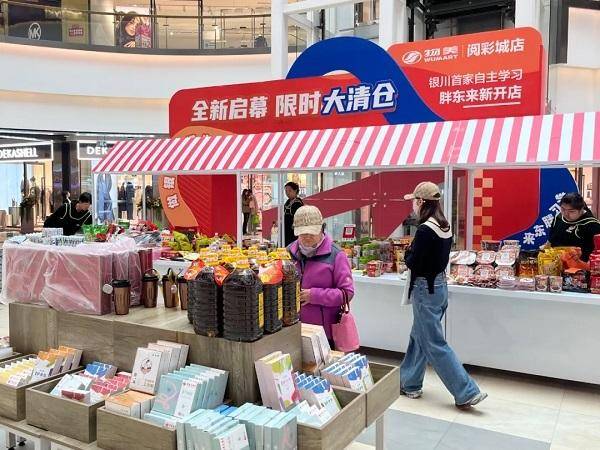
Core Insights - The opening of the first "Fat Modified Store" in Yinchuan marks a significant shift in the retail landscape of Ningxia, inspired by the successful operational model of "Fat Donglai" [1][5] - This new retail format emphasizes building trust with consumers and adapting to changing market dynamics, particularly in a period of slowing consumption growth [1][5] Group 1: Store Features and Consumer Experience - The Yinchuan "Fat Modified Store" introduces unique features such as a fresh flower section priced at 9.9 yuan and 19.9 yuan, enhancing the shopping experience [3] - The store offers over 40 free services, including a "no worries return policy," pet storage, and live fish processing, reflecting a deep understanding of consumer needs [3][4] - The store's approach contrasts sharply with traditional hypermarkets, focusing on sincerity and quality rather than excessive marketing [3][4] Group 2: Employee Welfare and Service Quality - The employee welfare system has been significantly upgraded, with benefits including free meals, improved working conditions, and salary increases of 30%-50% [4] - By treating employees as valuable assets, the store enhances service quality, leading to better customer experiences [4][6] - The distribution of 50% of shares to frontline employees and 40% to management fosters a sense of ownership and motivation among staff [4] Group 3: Product Strategy and Market Positioning - The "Fat Donglai" model focuses on reshaping product quality, with popular items like cooking oil and NFC juice quickly selling out [4][5] - The model emphasizes high-quality, cost-effective products and a customer-centric service approach, which has resonated well with consumers [4][5] - The success of the "Fat Donglai" model reflects a broader market trend where consumers prioritize quality and experience over low prices [5][6] Group 4: Business Model and Expansion Strategy - The Yinchuan store is not merely a replication of the "Fat Donglai" model but incorporates local consumer characteristics through a comprehensive approach to product optimization and service enhancement [5][6] - The gradual expansion strategy mirrors the "honeycomb layout" of "Fat Donglai," focusing on regional density to ensure supply chain efficiency and brand recognition [5][6] - The future of retail is seen as a shift from rapid expansion to creating deeper value, as evidenced by "Fat Donglai" achieving nearly 20 billion yuan in sales with only 13 stores [6]
渠道洞察特辑Vol.4:区域性连锁零售vs.全国零售:差异化增长逻辑
凯度消费者指数· 2025-11-25 03:52
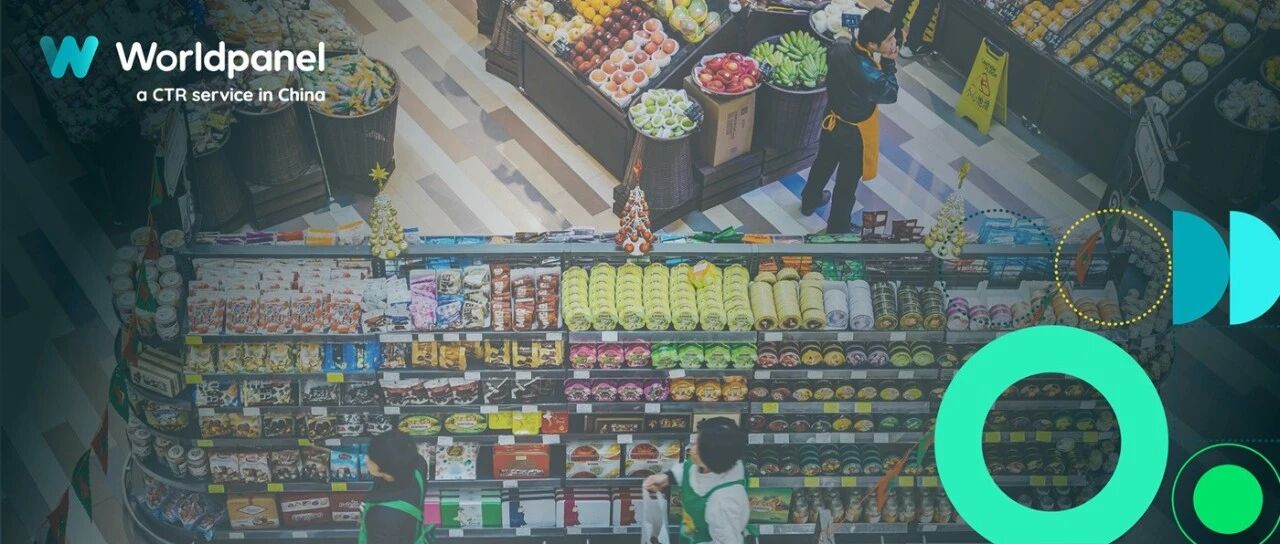
Core Insights - The article highlights the steady growth of regional chain retail in the context of rapid omnichannel development, emphasizing their unique approach of "community convenience" and "localization" rather than pursuing rapid scale expansion or engaging in price wars [1] Group 1: Market Performance - Regional retailers have shown a 21% year-on-year sales growth as of June 13, 2025, primarily driven by increased penetration rates, indicating potential for further development [1] - The frequency index for fast-moving consumer goods (FMCG) purchases in regional chain retail is 105, while the single purchase volume index is 84, reflecting a trend of frequent but smaller purchases [4] Group 2: Consumer Demographics - The core customer group for regional chain retail consists of middle-aged and elderly families (aged 45 and above), with a buyer index of 108, focusing on essential living needs [6] - These families show a higher consumption of cooking essentials, with spending on condiments and rice being 1.2 times that of the top five national retailers [6] Group 3: Regional Performance - In terms of sales distribution, the Western and Northern regions account for approximately 6% and 5% of sales, respectively, while the Eastern region shows a growth rate of 6.8%, driven by increased penetration [8] - Notable performers in the Eastern region include Hejiafu Supermarket with a 17.7% growth rate and Pang Donglai with a remarkable 41.0% growth, both challenging the perception that regional chains are synonymous with low prices [8] Group 4: Strategic Insights - Regional chain retailers are enhancing their market position through private labels and experiential upgrades, creating opportunities for brand collaboration and targeted product offerings [11] - The Price Packaging Optimization (PPE) tool assists brands in identifying high-potential market segments by analyzing consumer preferences for price and packaging combinations [11][12] Group 5: Competitive Landscape - The growth of regional retailers such as Pang Donglai and Hejiafu demonstrates that higher average price indices (109 and 123, respectively) can coexist with significant growth, countering the notion that low prices are the only path to success [8][9] - In the Northern region, the retailer Biyoute achieved a growth rate of 45.4%, focusing on discount strategies while maintaining quality through optimized SKU and supply chain management [9]
商超自有品牌竞争,价值跃升成为“新赛点”
3 6 Ke· 2025-11-24 02:05
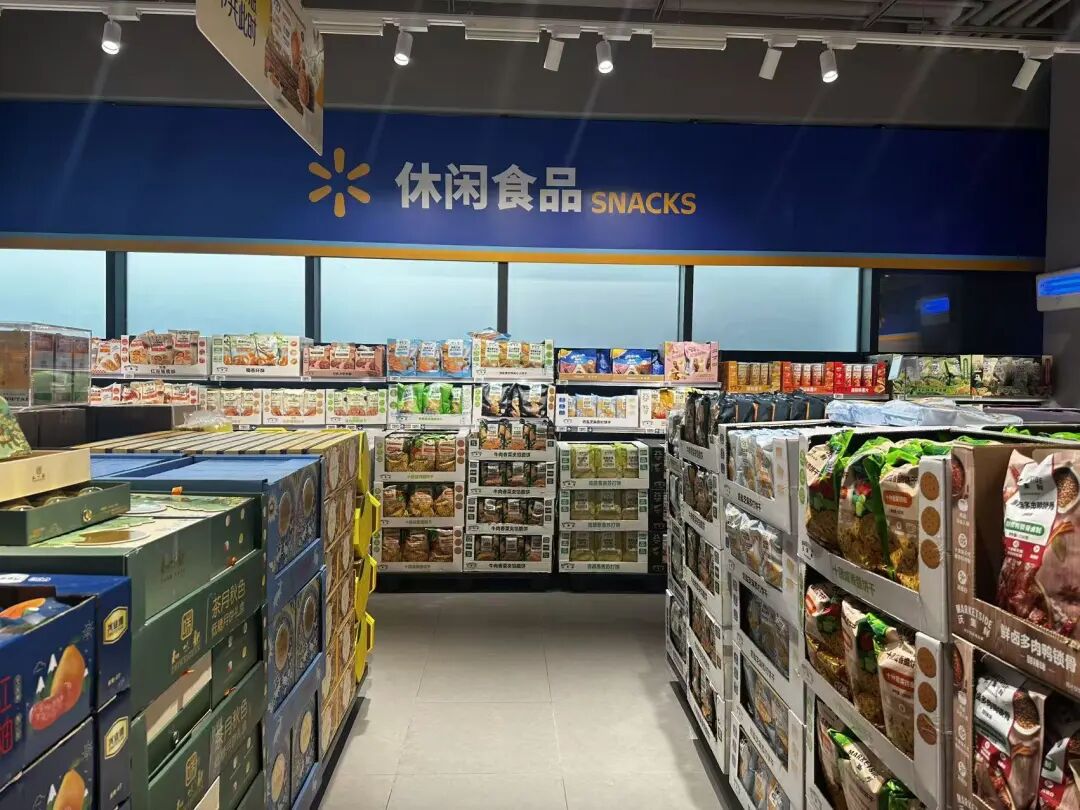
Core Insights - The retail industry is experiencing a significant shift towards private label brands, driven by consumer demand for high quality and cost-effective products [1][2][9] - Private label sales in China have surpassed 380 billion yuan, growing by 17% year-on-year and accounting for 9.2% of the overall retail market [1][8] - Major retailers are increasingly focusing on developing their own brands to enhance product differentiation and improve profit margins [3][5][8] Industry Trends - The average number of new private label products developed by retailers is expected to rise from 83 to 142 annually between 2022 and 2024, indicating rapid growth in this sector [1][8] - Over 45% of urban households in China purchased private label products in the first three quarters of this year, a 10% increase from the previous year [1][8] - The trend towards private labels is not only a response to market competition but also a strategy to enhance supply chain efficiency and consumer loyalty [8][9] Retailer Strategies - Retailers like Walmart and CR Vanguard are leveraging their supply chain advantages to create unique private label offerings that cater to diverse consumer needs [3][5][11] - Walmart's private label "沃集鲜" has been upgraded to include nearly a thousand new or improved products, focusing on stringent selection and quality control [3][11] - CR Vanguard has established a comprehensive matrix of private label brands to target different consumer demographics and preferences [5][8] Market Potential - The private label market in China has significant growth potential, with current market share at only 9.2% compared to 38.7% in Europe and 20.7% in the U.S. [8][9] - The domestic private label retail market is projected to grow at an annual rate of 15% over the next five years [9][10] - Retailers are increasingly focusing on health-oriented products, with sales of health-related private label items expected to grow by over 120% in 2024 [13][15] Challenges - The industry faces challenges such as product homogenization and reliance on supply chains, which can hinder long-term growth [9][10] - Many retailers still operate private label development under procurement departments, lacking the specialized focus needed for successful brand differentiation [9][10] - Continuous product innovation and adaptation to consumer trends are essential for maintaining competitive advantage in the private label market [12][15]
8点1氪:霸王茶姬创始人发朋友圈辟谣;俞敏洪再发全员信道歉,回应被叫“老登”;《哪吒之魔童闹海》未入围奥斯卡大名单
36氪· 2025-11-24 00:05
张俊杰表示:此前围绕他婚姻和创业的诸多谣言,让其本人及家人受到了很大伤害,"有必要站出来说话"。 整理 |娃娃菜 点击上方【36氪随声听】,一键收听大公司热门新闻。听完音频记得添加进入 【我的小程序】 中哟! 霸王茶姬创始人发朋友圈辟谣 日前霸王茶姬创始人张俊杰本人通过朋友圈证实了婚讯,并透露已于今年6月登记领证。在感谢公众祝福的同时,张俊杰也表示:此前围绕他婚姻和创业 的诸多谣言,让其本人及家人受到了很大伤害,"有必要站出来说话"。"我郑重声明:在我遇见我妻子(高海纯)前,从未有过婚姻,也从未发生'茶叶富 商残疾女儿'的任何故事。"(新浪财经) 俞敏洪再发全员信道歉,回应被叫老登 11月22日深夜,俞敏洪再发全员全员信再向员工道歉,并详细解释了自己写信的缘由和初衷。对于"用员工的血汗钱旅游"的说法,俞敏洪认为这样的表达 不妥,你在努力工作的同时,老板们也在拼命努力,并承担更大的风险,确保公司的正常发展。 此外,俞敏洪还表示尽管被叫"老登",自己还是要说几句: 尽管有些人骂我老登,但有关工作和成长的事情,我还是要啰嗦几句。如果你在新东方工作,并且没有放弃这份工作,我觉得你就有责任维护新东方的发 展和形象。如果 ...

8点1氪|霸王茶姬创始人发朋友圈辟谣;俞敏洪再发全员信道歉,回应被叫“老登”;《哪吒之魔童闹海》未入围奥斯卡大名单
3 6 Ke· 2025-11-24 00:04
今日热点导览 TOP3大新闻 西贝降价,幅度在5%—20%不等 11月22日,根据此前西贝回应公告中的信息,记者前往西贝南京砂之船店探访。当日西贝门店首日开 业,晚高峰就餐人流旺盛,出现明显排队情况。店长向记者介绍,近期西贝全国门店产品降价调改,门 店近40道产品降价,幅度在5%—20%不等。服务员向记者证实此前媒体报道的西贝全员平均涨薪500元 情况属实。(现代快报) 霸王茶姬创始人发朋友圈辟谣 日前霸王茶姬创始人张俊杰本人通过朋友圈证实了婚讯,并透露已于今年6月登记领证。在感谢公众祝 福的同时,张俊杰也表示:此前围绕他婚姻和创业的诸多谣言,让其本人及家人受到了很大伤害,"有 必要站出来说话"。"我郑重声明:在我遇见我妻子(高海纯)前,从未有过婚姻,也从未发生'茶叶富 商残疾女儿'的任何故事。"(新浪财经) 俞敏洪再发全员信道歉,回应被叫老登 11月22日深夜,俞敏洪再发全员全员信再向员工道歉,并详细解释了自己写信的缘由和初衷。对于"用 员工的血汗钱旅游"的说法,俞敏洪认为这样的表达不妥,你在努力工作的同时,老板们也在拼命努 力,并承担更大的风险,确保公司的正常发展。 此外,俞敏洪还表示尽管被叫"老登",自 ...