
龙湖集团

Search documents
房地产行业点评报告:高基数下销售疲软,年末市场延续以价换量趋势
KAIYUAN SECURITIES· 2025-12-15 14:14
Investment Rating - The industry investment rating is "Positive" (maintained) [2] Core Viewpoints - The real estate market is experiencing weak sales under high base conditions, with a trend of exchanging price for volume continuing towards the end of the year [1][5] - The overall performance of the sales market has been lackluster since the second half of the year, with a significant decline in sales data reflecting persistent market hesitation [8][33] Summary by Sections Sales Data - From January to November 2025, the national commercial housing sales area was 787 million square meters, down 7.8% year-on-year, with residential sales area down 8.1% [5][14] - In November 2025, the sales area and amount of commercial housing decreased by 17.3% and 25.1% year-on-year, respectively, with a notable trend of price reduction to stimulate sales [5][14] Construction Data - The new construction area from January to November 2025 was 535 million square meters, down 20.5% year-on-year, with residential new construction down 19.9% [6][19] - The completion area was 395 million square meters, down 18.0% year-on-year, indicating continued pressure on construction data [6][19] Investment Data - Real estate development investment from January to November 2025 was 7.86 trillion yuan, down 15.9% year-on-year, with residential development investment down 15.0% [7][23] - The funds available to real estate developers were 8.51 trillion yuan, down 11.9% year-on-year, with significant declines in various funding sources [7][25] Investment Recommendations - Recommended companies include those with strong credit and good urban fundamentals, such as Greentown China, China Merchants Shekou, and China Overseas Development [8][35] - Companies benefiting from both residential and commercial real estate recovery, such as China Resources Land and Longfor Group, are also recommended [8][35]


行业点评报告:11月新房价格环比降幅缩小,上海新房同比领涨
KAIYUAN SECURITIES· 2025-12-15 09:15
Investment Rating - The investment rating for the real estate industry is "Positive" (maintained) [1] Core Insights - The report indicates that new housing transaction areas for both new and second-hand homes have decreased year-on-year, emphasizing the need to stabilize the real estate market [3] - The overall trend in the real estate market is moving towards stabilization, supported by various policies aimed at halting the decline [8] - The report highlights that while new home prices have shown a slight decrease, the decline in second-hand home prices has remained stable [21] Summary by Sections New Housing Prices - In November 2025, new housing prices in first, second, and third-tier cities decreased by -0.4%, -0.3%, and -0.4% respectively, with the overall decline in 70 cities being -0.4%, a reduction in the rate of decline compared to October [15][17] - Year-on-year, new housing prices in first, second, and third-tier cities fell by -1.2%, -2.2%, and -3.5%, leading to an overall year-on-year decline of 2.8% across 70 cities [15][17] Second-Hand Housing Prices - The second-hand housing prices in November 2025 saw a month-on-month decline of -0.7%, with first, second, and third-tier cities experiencing declines of -1.1%, -0.6%, and -0.6% respectively [21] - Year-on-year, second-hand housing prices across 70 cities decreased by -5.7%, with first, second, and third-tier cities showing declines of -5.8%, -5.6%, and -5.8% respectively [21] Market Performance in Key Cities - In November 2025, new housing prices in key cities showed mixed results, with cities like Shanghai leading with a year-on-year increase of +5.1% [29][30] - The report notes that second-hand housing prices in 35 key cities have uniformly declined, with significant drops in cities like Chengdu and Hohhot [30] Investment Recommendations - The report recommends focusing on real estate companies with strong credit ratings and good fundamentals in cities, such as Greentown China, China Overseas Development, and China Merchants Shekou [8] - It also suggests companies that benefit from both residential and commercial real estate sectors, like China Resources Land and Longfor Group, as well as high-quality property management firms under the "Good House, Good Service" policy [8]
中央经济工作会议地产表态解读:政策改革促稳提质,好房建设新程启航
Haitong Securities International· 2025-12-15 05:27
Investment Rating - The investment rating for the real estate industry is "Outperform" with a focus on quality companies [26][30]. Core Insights - The primary goal of the industry is to stabilize the real estate market, with a clear policy direction to maintain stability and prevent fluctuations in fundamentals [31][34]. - Supply-side issues and housing security are emphasized, with a shift towards utilizing existing housing for security purposes rather than new construction [32][33]. - Demand-side support focuses on reforming the housing provident fund system and promoting quality housing construction, with an aim to stabilize prices and expectations [33][34]. - The development model is shifting from exploration to deepening, indicating a collaborative breakthrough in supply optimization, inventory reduction, and demand stabilization [34][11]. Summary by Sections Investment Recommendations - Preferred companies include: 1) Development: A-Shares - China Vanke, Poly Developments, China Merchants Shekou, Gemdale; H-Shares - China Overseas Land & Investment 2) Residential and Commercial: Longfor Group 3) Property Management: Onewo, China Resources Mixc, China Overseas Property, Poly Property, China Merchants Property, ChongQing New DaZheng 4) Cultural Tourism: Shenzhen Overseas Chinese Town [26][30]. Market Stability - The focus on stabilizing the real estate market has been consistent since September 2024, with policies aimed at preventing fluctuations in the market fundamentals [31][8]. - The meeting emphasized city-specific policies to control new supply, reduce inventory, and optimize supply, aligning with previous approaches [32][9]. Supply-Side Focus - The meeting highlighted the importance of controlling new supply and reducing inventory, with an emphasis on converting existing housing for social welfare purposes [32][9]. - Future policies may continue to revolve around government acquisition of existing properties to balance supply and demand [9][11]. Demand-Side Support - The reform of the housing provident fund system is expected to expand its scope and functionality, providing sustainable financial support for housing [33][10]. - Quality housing construction is set to be a key topic in the Fifteenth Five-Year Plan, aiming to stabilize market prices and expectations [33][10]. Development Model - The emphasis on accelerating the new real estate development model indicates a transition from exploration to a more structured approach, focusing on optimizing supply and stabilizing demand [34][11].




贝壳贝好家贝宸S1亮相成都,50余家房企考察
Cai Jing Wang· 2025-12-15 04:50
Core Insights - The article discusses the launch of the high-end residential project "Financial City·Beicheng S1" by Beike's subsidiary Beihome, which has garnered significant industry attention due to its innovative design and technology [1] Group 1: Project Overview - Beicheng S1 features a pioneering architectural style, three-dimensional landscape design, and comprehensive smart home technology [1] - The project is based on a C2M (Customer-to-Manufacturer) model, introducing a series of innovations that differentiate it from traditional residential offerings [1] Group 2: Industry Response - Following the opening of the Beicheng S1 demonstration area, over 50 real estate developers, including major players like China Resources Land, China Merchants Shekou, Vanke, and others, visited for inspection [1]


商场运营,就该带点孩子气
3 6 Ke· 2025-12-15 02:55
Core Insights - The article emphasizes the importance of incorporating a childlike approach in retail operations to enhance customer engagement and emotional connection, contrasting it with the cold, data-driven adult approach that often overlooks consumer emotions [1][32]. Group 1: Current Retail Operations - Adult-style operations prioritize efficiency and risk management, leading to a standardized and impersonal shopping experience that lacks warmth and connection [2][4]. - Many retail spaces focus on data-driven decisions without considering the actual experiences and emotions of customers, resulting in a disconnect between offerings and consumer needs [3][5]. - Standardized communication often creates barriers between staff and customers, making interactions feel robotic rather than genuine [6][5]. Group 2: Childlike Operations - A childlike approach in retail is about fostering curiosity, playfulness, and empathy, which can lead to more meaningful customer interactions and experiences [7][32]. - Encouraging teams to ask deeper questions about customer needs can transform operations from mere imitation to genuine understanding [9][11]. - Retailers should embrace small-scale experiments that allow for trial and error, fostering innovation without the fear of failure [12][14]. Group 3: Emotional Engagement - Understanding and responding to unspoken customer emotions is crucial for creating a welcoming retail environment [15][19]. - Retailers that adapt their offerings based on customer feedback and emotional cues can enhance customer loyalty and satisfaction [17][19]. Group 4: Implementation Strategies - Companies should seek passionate individuals who bring enthusiasm and curiosity to their roles, rather than just experience [21][22]. - Reducing unnecessary work hours can help employees maintain their creativity and emotional awareness, leading to better customer engagement [22][23]. - Collaborating with consumers and local organizations can generate fresh ideas and enhance community involvement in retail spaces [24][25]. Group 5: Organizational Change - Simple mechanisms can be introduced to encourage a childlike spirit within teams, such as brainstorming sessions and cross-departmental experiences [26][27]. - Reducing the emphasis on strict KPIs can foster a culture of innovation and experimentation, allowing teams to focus on customer experience rather than just metrics [28][29]. Conclusion - The best retail environments balance operational efficiency with emotional engagement, creating spaces that resonate with customers and foster loyalty [32][33].

交银国际_房地产行业:2026年展望,在新平衡中拥抱拐点与复苏_
2025-12-15 02:13
Summary of Key Points from the Conference Call Industry Overview - **Industry**: Real Estate - **Focus**: Chinese mainland and Hong Kong real estate markets - **Outlook for 2026**: The industry is expected to explore new development models under strong policy support, despite facing challenges. Structural opportunities from "good houses" and "good cities" are emerging [1][6][10]. Core Insights and Arguments Chinese Mainland Real Estate - **Sales Forecast**: The total sales area of commercial housing in China is projected to be between 900 million to 950 million square meters in 2026, down from approximately 970 million square meters in 2024. The expected sales amount is around 10 to 11 trillion RMB, including 8 to 9 trillion RMB from residential sales [1][11]. - **Investment Preference**: The preferred investment ranking is as follows: state-owned enterprises (SOEs) or SOE-backed developers > leading private enterprises with land reserves in first and second-tier cities > other private developers [1][26]. - **Market Dynamics**: The market is transitioning from quantity expansion to quality improvement, with a focus on "good housing" standards. The demand is shifting towards improvement-type housing, which is expected to dominate the market [10][13]. Hong Kong Real Estate - **Market Recovery**: Key catalysts for recovery include improved macroeconomic uncertainty (notably interest rate cuts), significant policy easing, and a return of fundamental demand drivers. The recovery is expected to be gradual, with residential properties leading the way, followed by quality retail assets and core office spaces [3][37]. - **Rental Growth**: Residential rents are expected to increase by approximately 3% in 2026, with small to medium-sized unit prices rising by 5%. The retail sector is also anticipated to see moderate growth due to stabilizing local consumption and increased tourist arrivals [3][39]. - **Investment Strategy**: Investors are advised to focus on residential recovery as a high-quality proxy, particularly in the context of the anticipated market rebound [3][37]. Additional Important Insights - **Policy Environment**: The current policy framework is expected to remain supportive, with a focus on maintaining a stable demand-side policy and normalizing supply-side regulations. The emphasis is on improving housing quality and service standards [10][12]. - **Market Segmentation**: The market is experiencing significant segmentation, with first and second-tier cities showing resilience while third and fourth-tier cities face structural adjustments. The share of sales in first and strong second-tier cities is expected to increase from 30% to 35-40% by 2026 [12][15]. - **Supply Dynamics**: New construction is projected to be between 550 million to 600 million square meters in 2026, reflecting cautious market expectations and cash flow conditions among developers. This is expected to help digest existing inventory levels [21][22]. - **Financial Health of Developers**: The industry is shifting towards a focus on cash flow management, with a significant emphasis on achieving positive operating cash flow as a key indicator of operational capability. Developers with strong cash flow management are likely to be favored by the market [24][25]. Conclusion The real estate industry in both the Chinese mainland and Hong Kong is at a pivotal point, with emerging opportunities driven by policy support and changing market dynamics. Investors are encouraged to adopt a selective approach, focusing on quality and location to capitalize on the anticipated recovery in the sector [25][26].
中国房地产-中央经济工作会议聚焦:化解风险,力稳楼市-China Property CEWC Focus on Defusing Risk Strive to Stabilize Property Market
2025-12-15 01:55
Summary of the Conference Call on China Property Sector Industry Overview - **Industry**: China Property Sector - **Event**: Central Economic Work Conference (CEWC) held on December 10-11, 2025 Key Points and Arguments 1. **Risk Management and Market Stabilization**: - The conference emphasized the need to take proactive steps to defuse risks in key areas and stabilize the property market through city-specific policies aimed at controlling new supply, reducing inventory, and optimizing existing supply [1][2][7] - The focus is on encouraging inventory purchases for social housing and deepening the reform of the housing provident fund [1][7] 2. **Policy Tone and Intentions**: - Compared to previous meetings, the tone in December 2025 is seen as more proactive than in April and July 2025, but less decisive than in December 2024 [2] - The language used indicates a shift from a strong push for stabilization to a more moderate approach, recognizing the imbalance of weak domestic demand against strong supply [2] 3. **Local Stimulus and Monetary Policy**: - A new round of local demand-side stimulus is anticipated, including home purchase and mortgage interest subsidies, although these are not expected to significantly alter home price expectations due to abundant supply [3] - There is a low likelihood of targeted monetary easing or pro-leverage initiatives in the near term, but urban renewals and REIT approvals are expected to accelerate [3] 4. **Market Reactions and Sales Outlook**: - The property sector experienced a share price correction in early December due to weak sales and price declines, particularly in Tier 1 cities, alongside expectations of policy easing following Vanke's debt extension [4] - A short-lived policy-driven rebound in share prices is expected, with continued soft sales projected for Q4 2025 and limited improvement in household confidence [4] 5. **Investment Recommendations**: - Analysts suggest late December as a better entry point for reviewing the sector after the recent price corrections, with top picks including Jinmao, C&D, and CRL [4] Other Important Insights - The conference highlighted the importance of stabilizing investment and resolving local government debt risks while maintaining a necessary fiscal deficit and ensuring stable economic growth [1][7] - The need for a moderate recovery in price levels and stabilization of investment from further decline was acknowledged, indicating a cautious approach to future developments in the property market [2][3] This summary encapsulates the critical discussions and insights from the conference call regarding the current state and future outlook of the China property sector, emphasizing risk management, policy intentions, and market dynamics.
三座荟聚打包变身专项基金 长期资本成“最佳合伙人”
Bei Jing Shang Bao· 2025-12-14 12:11
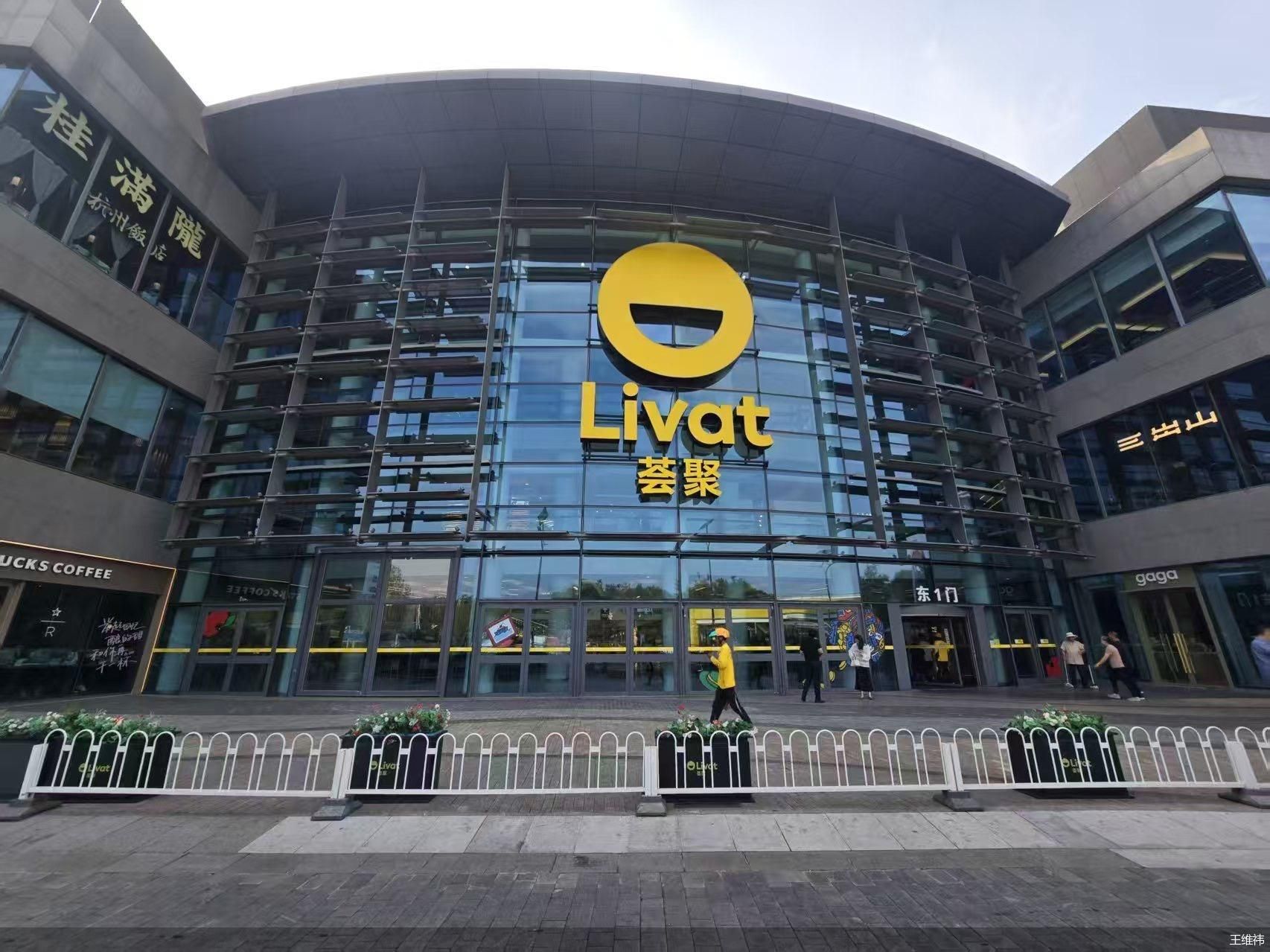
"荟聚打包被卖"传闻靴子落地,一场资产交易悄然改写中国商业地产的格局。近日,英格卡集团正式官宣与高和资本达成战略合作,双方成立专项基金持有 无锡、北京、武汉三座核心荟聚项目。荟聚的交易并非孤例,凯德投资在近期也完成了第二只境内子基金募集,旨在运用青岛凯德MALL项目。除了商业地 产方面,如汉堡王中国、星巴克中国等外资品牌也接连将中国业务出售给本土资方。可见,不论是外资商业巨头还是中国商业地产商,均已彻底告别"开发 商时代",迈入"资产管理人时代"。 英格卡联手高和资本 继汉堡王、星巴克后,又一消费领域外资品牌找到了自己的"中国合伙人"。近日,英格卡购物中心宣布与高和资本达成战略合作,双方将成立一只专项不动 产基金,共同持有无锡荟聚、北京荟聚、武汉荟聚三座体验中心。 这一合作模式下,英格卡将继续持有荟聚品牌,并继续以荟聚品牌独家管理和运营所有体验中心。据介绍,宜家中国将于无锡荟聚内开设并运营一家新的门 店。宜家无锡商场现有物业资产将作为交易的一部分,改造为无锡荟聚全新租赁空间。 英格卡购物中心全球总裁安心迪表示,英格卡集团扎根中国市场多年,不断贴近本土需求,提供更加触手可及、可持续的服务和体验。去年,该集团以全 ...
信用利差周度跟踪 20251212:利率回暖信用债企稳二永债表现相对强势-20251214
Huafu Securities· 2025-12-14 11:18
利率回暖信用债企稳 二永债表现相对强势 —— 信用利差周度跟踪 20251212 投资要点: 华福证券 2025 年 12 月 14 日 ➢ 利率震荡下行信用债企稳,信用利差多数略有走阔。本周利率债总体 震荡偏强,信用债除 7Y 期品种外,收益率多数跟随利率下行。1Y 期 AA 及以上等级信用债收益率下行 1BP,AA-级下行 7BP;3Y 期各等级信用债 收益下行 1-3BP;5Y 期 AAA 级信用债收益率下行 3BP,AA+级持平,AA 级上行 2BP,AA-级下行 1BP;7Y 期各等级信用债收益率上行 1-2BP;10Y 期各等级信用债收益率下行 1BP。信用利差多数略有走阔。 ➢ 本周城投债利差多数上行 1-2BP。外部评级 AA 和 AA+平台信用利差 总体较上周均上行 2BP,AAA 平台总体上行 1BP。分行政级别来看,省级、 地市级和区县级平台信用利差总体较上周均上行 2BP。 ➢ 产业债利差总体上行,混合所有制和民企地产债利差升幅较大。本周 央国企地产债利差上行 3-4BP,混合所有制地产债利差上行 17BP,民企地 产债利差上行 26BP。各等级煤炭债利差上行 1BP;AAA 等级钢铁 ...
地产及物管行业周报(2025/12/6-2025/12/12):经济工作会议定调,着力稳定房地产、积极稳妥化解风险-20251214
Shenwan Hongyuan Securities· 2025-12-14 07:16
Investment Rating - The report maintains a "Positive" rating for the real estate and property management sectors [1]. Core Insights - The real estate market is expected to stabilize, with core cities likely to see a recovery sooner. Two major opportunities are identified: the rise of "good housing" policies and the strong performance of quality commercial enterprises during a monetary easing cycle [1][26]. - The report highlights a significant decline in new and second-hand housing transactions, with new home sales in 34 key cities dropping by 12.3% week-on-week and 32% year-on-year in December [2][5]. - The report emphasizes the importance of policy measures from the Central Economic Work Conference aimed at stabilizing the real estate market, including city-specific strategies for inventory reduction and supply optimization [26][27]. Summary by Sections Industry Data - New home sales in 34 key cities totaled 242.3 million square meters, down 12.3% week-on-week, with first and second-tier cities seeing a 12.9% decline [2][5]. - Year-on-year, December sales in 34 cities decreased by 32%, with first and second-tier cities also down by 32% [5][6]. - The inventory of unsold residential properties in 15 cities increased by 0.2% week-on-week, with a current available area of 90.05 million square meters [19][20]. Policy and News Tracking - The Central Economic Work Conference held on December 10-11 focused on stabilizing the real estate market through various measures, including encouraging the acquisition of existing properties for affordable housing [26][27]. - Qingdao introduced the first national "Good Housing" construction standard system, aiming to add at least 12,000 quality housing units by 2026 [29][30]. - New policies in Changsha regarding housing provident funds aim to ease home purchasing for families with two or more children and streamline processes for workers from other regions [29][30]. Company Dynamics - Major real estate companies reported significant declines in sales for November, with Poly Developments down 24.9% to 18.02 billion yuan and China Jinmao down 0.02% to 8 billion yuan [33][34]. - New City Holdings issued bonds worth 1.75 billion yuan with a 4% interest rate, while Yuexiu Property secured a 2 billion yuan loan [33][34]. - The report notes that the average price-to-earnings ratio for mainstream A/H listed real estate companies is projected at 21.2 for 2025 and 18.5 for 2026 [1].
