
阿里云

Search documents
氪星晚报|SpaceX已通知员工进入IPO前的静默期;空客中国总装第800架A320系列飞机今日交付;影片《阿凡达3》预售总票房突破6000万
3 6 Ke· 2025-12-17 10:05
Group 1: AI and Technology Collaborations - Aishi Technology has signed a comprehensive cooperation agreement with Alibaba Cloud to establish deep collaboration in AI capabilities and global layout, focusing on AI video generation practices [1] - Tencent has undergone an organizational adjustment, establishing new departments including AI Infra and AI Data, with Vinces Yao, a former OpenAI researcher, appointed as Chief AI Scientist [2] Group 2: Aerospace and Automotive Developments - Airbus has delivered its 800th A320 series aircraft assembled in China, marking a significant milestone for its Tianjin assembly line, which has been operational since 2008 [5] - BYD has initiated comprehensive testing for L3-level autonomous driving in Shenzhen, completing over 150,000 kilometers of real-world verification [8] Group 3: Financial and Investment Activities - Santos, an Australian gas producer, has announced the divestiture of non-core assets, including a 42.86% operational interest in a joint venture in Queensland, which will yield an initial payment of AUD 40 million [10] - "Zhixiang Future" has completed an A+ round of financing, with participation from JD Group and Jinwa Empowerment Fund, aimed at business expansion and technology development [14] - OpenAI is in negotiations with Amazon for a financing deal of at least $10 billion, intending to utilize Amazon's AI chips [15] Group 4: User Metrics and Ecosystem Growth - Xiaomi's global active user count has reached 742 million, with its AIoT platform connecting 1.04 billion devices and a developer community of 1.2 million [6]




模力工场 024 周 AI 应用榜:从“能力秀场”到“角色战场”,AI 价值锚点已迁移
AI前线· 2025-12-17 08:00
Core Insights - The article highlights the evolution of AI applications from showcasing capabilities to becoming integral roles in daily life and work, emphasizing the shift towards practical utility and reliability [4][10]. Event Announcements - An important AI ecosystem event titled "AI Shining in China" will take place on December 28, 2025, in Xiamen, where the annual "AI Application Ecosystem Research" results will be revealed [1]. - The first AI hardware exhibition of the year will be held from January 8 to 11, 2026, in Shenzhen, featuring over 76 categories, 200 exhibitors, and 1000 cutting-edge products [3]. AI Application Trends - The latest AI application rankings reveal three main trends: the specialization of productivity tools, the industrial leap in design tools, and the rise of AI in everyday life and education [4][10]. - AI applications are increasingly focusing on delivering specific outcomes rather than emphasizing technical specifications, with tools becoming more integrated into existing workflows [10]. Featured Applications - Notable applications include Youdao Translation AI Writing, which integrates translation and writing processes, and a gamified homework assistant for children that transforms assignments into engaging activities [6][7][8]. - Other applications mentioned are SocialEcho for managing multiple overseas social media accounts, and tools like Chuangkit and Gaoding AI that focus on design and content production [7]. Application Ranking Mechanism - The ranking of AI applications is based on community feedback, with core metrics including comment counts, collections, and recommendations from registered users [10][11].



杭港企业携手竞逐未来产业新赛道
Mei Ri Shang Bao· 2025-12-17 06:37
会前,香港工业总会代表团走访了宇树科技、阿里云、强脑科技、云深处等杭州新兴科技企业,切身感 受杭州在人工智能和战略性新兴产业发展方面的创新活力与实践成果。 商报讯(记者 郑炜)"我刚介绍完公司名称,同桌的香港朋友立刻表示'了解并关注我们的发展近况', 这种基于彼此了解的沟通,非常务实高效。"12月12日,参加2025杭港企业合作交流会的浙江大华技术 股份有限公司公共事务部总监李道良感慨道。 本次交流会由中国国际商会杭州商会主办,以"潮起钱塘 联通东方"为主题,聚焦人工智能与未来产业 赛道,吸引了来自中国国际商会杭州商会与香港工业总会的50余家企业代表参与,共同探讨合作新机 遇。 香港工业总会主席、金源发展国际实业(000159)有限公司行政总裁及副主席林世豪介绍,香港工业总 会作为香港唯一的法定商会及四大商会之一,汇聚制造业及相关行业力量,致力于推动香港新型工业化 与国际化合作。此次杭州之行,旨在实地考察当地领军企业,深入了解人工智能应用与营商环境,探寻 投资合作新空间。 交流会上,浙江麦尚食品、中控技术、浙江立镖机器人、杭萧钢构(600477)、杭州安托未来科技、玳 能科技、鲁尔物联、浙江大华技术、太希智能 ...


研判2025!中国负载均衡器行业分类、产业链及市场规模分析:凭借软件定义与云原生架构创新突破,推动国产化替代进入规模化应用与份额提升新阶段[图]
Chan Ye Xin Xi Wang· 2025-12-17 01:41
Core Insights - The Chinese load balancer industry is undergoing rapid technological iteration and accelerated domestic substitution, driven by digital transformation, cloud computing becoming mainstream, and the surge in demand for 5G and edge computing scenarios. The market size is expected to reach approximately 18.65 billion yuan in 2024, reflecting a year-on-year growth of 6.88% [1][6]. Industry Overview - Load balancers are network devices, software, or services that intelligently distribute network or application traffic across multiple servers. They ensure balanced server load distribution and enhance system performance, availability, and fault tolerance [2][3]. Industry Development History - The development of the Chinese load balancer industry has evolved through four key stages, closely aligned with the rise of the internet, cloud computing, and digital transformation [3]. Industry Supply Chain - The upstream of the load balancer industry includes processors, chips, network interface modules, and various software and system components. The midstream involves the manufacturing of load balancers, while the downstream applications span finance, IT, telecommunications, government, public services, IoT, edge computing, and healthcare [4][5]. Market Size - The load balancer market in China is expanding, with a projected market size of approximately 18.65 billion yuan in 2024, marking a 6.88% increase year-on-year. This growth indicates a strong demand for traffic scheduling and high availability solutions, as domestic manufacturers advance in software-defined and cloud-native architectures [6][7]. Key Companies' Performance - The market is characterized by a dual oligopoly in hardware led by Deepin Technology and Sangfor Technologies, with cloud services dominated by Alibaba Cloud, Tencent Cloud, and Huawei Cloud. Sangfor has penetrated government and financial sectors, while Deepin excels in customized services for telecom operators and large enterprises [7][8]. Industry Development Trends 1. **Integration of Cloud Native and AI Technologies**: Load balancers are transitioning from traditional hardware to intelligent cloud-native solutions, utilizing AI-driven algorithms for dynamic resource allocation [10]. 2. **Accelerated Domestic Substitution**: Domestic manufacturers like Sangfor and Huawei are gaining market share through the use of domestic chips and operating systems, supported by policy and market demand [11]. 3. **Diversified Market Demand**: Emerging technologies such as 5G, IoT, and AI are driving the growth of load balancer demand across various sectors, including finance, healthcare, and education [12].


真正的AI战场在产业
虎嗅APP· 2025-12-16 13:38
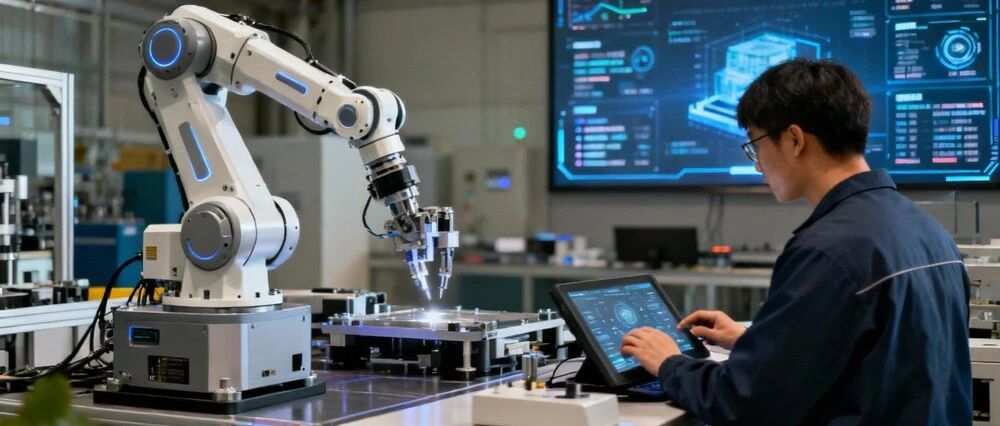
Core Insights - The AI industry is experiencing a unique state of high activity as it approaches 2025, with a surge in the release of large models and an emphasis on their enhanced capabilities [2][3] - Despite the technological advancements, the practical experience for users and enterprises is not as seamless as advertised, leading to concerns about the effectiveness of AI investments [4][5] - The true value of AI technology is expected to emerge from real-world applications rather than theoretical models, necessitating integration into industries with low tolerance for error and complex processes [6][7][8] Industry Dynamics - The AI sector is at a critical juncture where the competition based on model parameters is becoming unsustainable; the focus must shift to practical applications and industry-specific adaptations [12][18] - Advanced manufacturing, particularly represented by companies like TCL, is seen as a key area for AI implementation, where the stakes are high due to low tolerance for errors and intricate process chains [13][14][15] Company Case Study: TCL - TCL has invested significantly in R&D, with over 60 billion RMB projected from 2019 to 2024, establishing a robust foundation for AI applications across its diverse product lines [21][22] - The company has developed specialized AI models tailored to its manufacturing processes, such as the Xingzhi model for display technology and the Deep Blue model for photovoltaic applications, which address specific industry challenges [27][23] - TCL's approach emphasizes collaboration with ecosystem partners to create domain-specific models that integrate seamlessly into existing manufacturing processes, enhancing efficiency and reducing costs [23][24] Practical Applications and Outcomes - In the semiconductor display sector, TCL's collaboration with Alibaba Cloud has led to a model that improves defect diagnosis efficiency by approximately 20% and material development efficiency by 30% [31] - In the photovoltaic sector, AI has enabled operators to manage over 300 crystal growth furnaces, increasing efficiency and reducing operational costs by about 21% [34] - These advancements not only enhance B2B operations but also translate into improved consumer products, with TCL's innovations leading to higher market shares and better user experiences [41][43] Future Outlook - The ongoing evolution of large models will continue, but companies lacking real-world applications may struggle to remain relevant in the industry [45][49] - The integration of AI into manufacturing processes is expected to redefine operational efficiencies and user experiences, positioning AI as an essential infrastructure in the future [48][49]

细看百度财报
YOUNG财经 漾财经· 2025-12-16 11:50
Core Viewpoint - Baidu's recent financial performance reflects significant challenges, particularly in its core online marketing revenue, which has seen a continuous decline, raising questions about its future growth potential in the face of shifting user behavior and competition from other platforms [3][4][6]. Revenue Structure Adjustment - Baidu's online marketing revenue for Q3 2025 was 153 billion yuan, a substantial decline of 18% year-on-year, marking the sixth consecutive quarter of negative growth [4]. - In contrast, the overall Chinese internet advertising market grew by 6.4% year-on-year, reaching 1,875.1 billion yuan, with competitors like Tencent and Kuaishou showing strong revenue growth [5]. User Attention Shift - The decline in Baidu's advertising business is attributed to a shift in user attention towards platforms like Douyin and Xiaohongshu, which offer more engaging content and direct transaction capabilities [6][8]. - Baidu's monthly active users (MAU) grew only 1% year-on-year to 708 million, while Douyin's MAU reached 936 million, growing 14.7% [6]. AI and Business Transformation - Baidu is attempting to pivot towards AI-driven marketing solutions, with AI-native marketing services revenue increasing by 262% to 28 billion yuan, although this growth includes a shift of traditional advertising budgets rather than new market expansion [8][12]. - The company has restructured its business to focus on AI, with AI-related revenues growing over 50% year-on-year to approximately 100 billion yuan, accounting for nearly 40% of core revenue [10]. Profitability Challenges - Baidu reported a net loss of 112.32 billion yuan for Q3 2025, primarily due to a 161.90 billion yuan impairment of long-term assets, which was a strategic move to optimize its AI infrastructure [9]. - The company's sales costs rose by 12% year-on-year to 183 billion yuan, driven by increased investments in smart cloud infrastructure and content costs [9]. Autonomous Driving Business - Baidu's autonomous driving service, "Luobo Kuaipao," saw a significant increase in orders, reaching 3.1 million, with a year-on-year growth rate accelerating to 212% [12][13]. - The service has achieved full autonomous operation in all major cities in mainland China and is expanding internationally, although it has not yet reached profitability [13]. Market Sentiment and Future Outlook - Despite Baidu's short-term financial struggles, several investment firms maintain positive ratings, viewing the company as transitioning from a traditional search giant to an AI-driven technology group [14]. - Analysts highlight the potential for Baidu's AI capabilities and autonomous driving business to drive future growth, with significant valuations assigned to these segments [15][16].

AI投资为什么转向产业链?
虎嗅APP· 2025-12-16 10:38
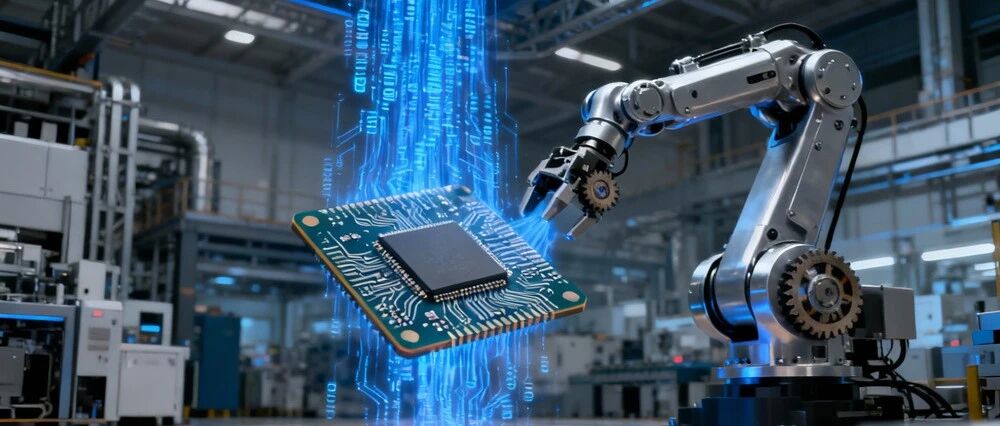
Core Viewpoint - The article emphasizes that 2025 is a "golden window period" for AI investment, driven by a deep resonance of policy, technology, and demand, transitioning the industry from "possibility" to "certainty" [4]. Policy Support - The Chinese government has elevated AI as a core engine for economic transformation, with a goal of over 70% penetration of smart terminals by 2027 and a fully intelligent society by 2035 [6]. - In Q1 2025, domestic AI-related companies received government subsidies that increased by 38% year-on-year, with subsidies for computing infrastructure and intelligent robotics exceeding 50% growth [6]. Technological Breakthroughs - OpenAI's release of the o3 and o4-mini models has advanced AI capabilities from understanding to performing tasks [6]. - The establishment of the Agentic AI Foundation (AAIF) aims to unify industry standards, enhancing AI application development efficiency by 40% and reducing implementation costs by 25% [6]. Demand Surge - Global tech giants are aggressively investing in AI infrastructure, with Microsoft planning to invest $17.5 billion in India over four years and Alibaba Cloud aiming for over 380 billion yuan in the next three years [7]. - The demand for AI has expanded from consumer entertainment to B2B applications, with smart factories improving efficiency by 30% and medical AI achieving over 92% accuracy in imaging diagnostics [7]. Investment Strategy - The complexity and volatility of the AI industry necessitate diversified investment strategies, as individual stock performance can be significantly affected by changes in policy, technology, and production schedules [9]. - Index-based investments are highlighted as a superior solution for ordinary investors, allowing them to capture industry growth while mitigating risks associated with individual stocks [9]. ETF Products - The company has developed a range of ETFs that cover the entire AI industry chain, catering to different risk appetites. These include: - The AI ETF focusing on "computing devices + software services + application scenarios" [10]. - The Sci-Tech AI ETF targeting core areas like AI chips [10]. - The Software ETF concentrating on AI software and fintech [10]. - The Robotics ETF, which has a high concentration on humanoid robots [10]. Risk Management - The company employs a robust risk management system that includes real-time monitoring and diversified asset allocation to mitigate the impact of uncertainties in the AI sector [13].
2025年AI精准医疗市场专题分析
易观分析· 2025-12-16 07:47
Investment Rating - The report rates the AI precision medicine industry as having a positive investment outlook, with significant growth potential driven by technological advancements and policy support [10][39]. Core Insights - AI precision medicine is transforming healthcare from experience-based to data-driven approaches, emphasizing personalized treatment through genetic testing and big data [9][10]. - The market for AI precision medicine is expected to grow rapidly, with projections indicating a market size of 351 billion RMB by 2024 and 760 billion RMB by 2028, reflecting a compound annual growth rate (CAGR) of 21.49% [39]. - The integration of AI technologies into healthcare is enhancing diagnostic accuracy, treatment efficiency, and patient experience, addressing the challenges of uneven resource distribution in the healthcare system [17][40]. Summary by Sections Evolution of AI Precision Medicine - The evolution of AI precision medicine has progressed from research achievements to clinical applications, with significant advancements in technology and policy frameworks supporting this transition [8][9]. Policy Support - Policies are driving the development of a comprehensive and accessible precision medicine framework, enhancing regulatory systems and approval processes to facilitate the integration of AI in healthcare [10][11]. Market Trends - The AI precision medicine market is expanding rapidly, with a projected CAGR of 19.8% from 2022 to 2024 and 21.49% from 2024 to 2028, indicating strong growth potential [37][39]. Technological Advancements - AI technologies are significantly improving diagnostic capabilities, with advancements in multi-modal data integration and real-time health monitoring enhancing patient care and treatment outcomes [26][71]. Application Scenarios - AI is being applied in various healthcare settings, including personalized treatment plans, early disease detection, and long-term health management, thereby transforming traditional healthcare models [43][40]. Industry Collaboration - The report highlights the importance of collaboration across the healthcare ecosystem, leveraging data and AI to create a more integrated and efficient healthcare delivery system [78][79].
第六届中国人工智能大赛配套论坛举办
Zhong Guo Jing Ji Wang· 2025-12-16 06:37
在主论坛分享环节,由中国工程院院士沈昌祥领衔,华为、科大讯飞(002230)、国投创新院、阿里云 等知名企业及科研机构的专家代表,围绕人工智能技术创新、算力底座、智能体等关键议题分享前沿观 点。两场主题论坛与项目路演同期举行,打造大赛成果转化新通道。人工智能安全治理论坛聚焦AI安 全与治理相关热点,发布人工智能安全基准、2025年第二批人工智能安全测评结果等重要成果;人工智 能创新发展论坛围绕新质生产力培育、具身智能落地、行业场景创新等方向,通过主题分享与圆桌讨 论,全方位拆解AI技术与行业融合的难点、痛点,展望人工智能技术发展趋势与跨领域应用前景,为 产业创新发展注入新动能。厦门市招商办、市财政局现场就厦门市招商政策和"财政+金融"支持措施进 行专题推介。6个涵盖酶促合成、数字员工、海洋机器人、具身机器人等领域的优质人工智能项目依次 完成路演与答辩,为项目落地与产业资源对接搭建了高效桥梁。 据悉,论坛的举办既搭建了一个开放包容的交流平台,又促进了前沿技术成果的集中展示与产业资源的 精准对接。未来,厦门将继续以大赛为牵引,在大模型创新、智能制造、智能治理等领域持续拓展应用 场景,以赛事驱动产业升级,以应用带动 ...
倒计时1天!21世纪经济报道“新消费大会”嘉宾全阵容来袭!
2 1 Shi Ji Jing Ji Bao Dao· 2025-12-16 00:57
Core Insights - The "2025 New Consumption Conference" will take place on December 17 in Shanghai, focusing on the transformative changes in the consumer industry and the emergence of new growth forces [1] - The conference will feature discussions on various aspects of the consumer sector, including trends, business models, and innovative products, aimed at providing insights into brand growth and strategies for the new consumption landscape [2] Group 1 - The consumer industry is undergoing significant changes, with trends such as the rise of IP and trendy products appealing to Generation Z, the integration of AI in consumption and e-commerce, and the competitive landscape of food delivery services [1] - Numerous consumer brands are entering the capital market, and Chinese brands are expanding into global markets, while niche sectors like pet and technology consumption are experiencing robust growth [1] Group 2 - The conference will include a review of classic consumer business cases from 2025 and will analyze innovative products and models within the industry [2] - The event will also unveil typical case studies that showcase the resilience and innovative power of the consumer industry [3]