
巨子生物

Search documents
三角防务、巨子生物实控人严建亚入股三人行,斥资超4.51亿成第二大股东
2 1 Shi Ji Jing Ji Bao Dao· 2025-12-02 02:35
Core Viewpoint - The announcement by Sanrenxing (605168.SH) regarding the transfer of shares to Yan Jianya highlights a significant change in the company's ownership structure, with Yan becoming the second-largest shareholder after the transaction [1] Group 1: Share Transfer Details - Yan Jianya acquired approximately 16,865,359 shares for a total of about 451 million yuan, representing 8.00% of the company's total equity [1] - The share transfer price was set at 26.76 yuan per share, based on the closing price of the trading day prior to the signing and aligned with the lower limit of block trading prices [1] - Post-transaction, Yan Jianya will become the controlling shareholder and the second-largest shareholder outside of the company's concerted actions [1] Group 2: Yan Jianya's Background - Yan Jianya is a well-known entrepreneur and seasoned industry investor, currently serving as the chairman of listed company Triangle Defense and the chairman of the board of Juzhi Biotechnology [1] - His business interests span multiple sectors, including aerospace and military, advanced manufacturing, new materials, and biotechnology [1] - Yan and his concerted actions hold a total of 15.18% of shares in Triangle Defense and 55.34% in Juzhi Biotechnology, indicating significant equity stakes [1]


三人行:控股股东及其一致行动人拟协议转让公司8%股份
Xin Lang Cai Jing· 2025-12-01 12:33
Core Viewpoint - The company announced a share transfer agreement where its controlling shareholder and actual controllers will transfer a total of 16.8654 million unrestricted circulating shares, representing 8% of the total share capital, to Yan Jianya at a price of 26.76 yuan per share, totaling 451 million yuan. This transfer will result in Yan Jianya becoming the second-largest shareholder of the company, optimizing the shareholder structure and allowing the company to leverage strategic shareholder resources for future business expansion [1]. Group 1 - The share transfer involves 16.8654 million shares, accounting for 8% of the company's total share capital [1] - The transfer price is set at 26.76 yuan per share, amounting to a total of 451 million yuan [1] - Yan Jianya will become the second-largest shareholder after the transfer, enhancing the company's shareholder structure [1] Group 2 - The company aims to utilize strategic shareholder resources to focus on core elements of new productive forces and expand its diversified business ecosystem [1]
舆情监测与新媒体营销如何重塑美妆快消行业
Sou Hu Cai Jing· 2025-12-01 05:31
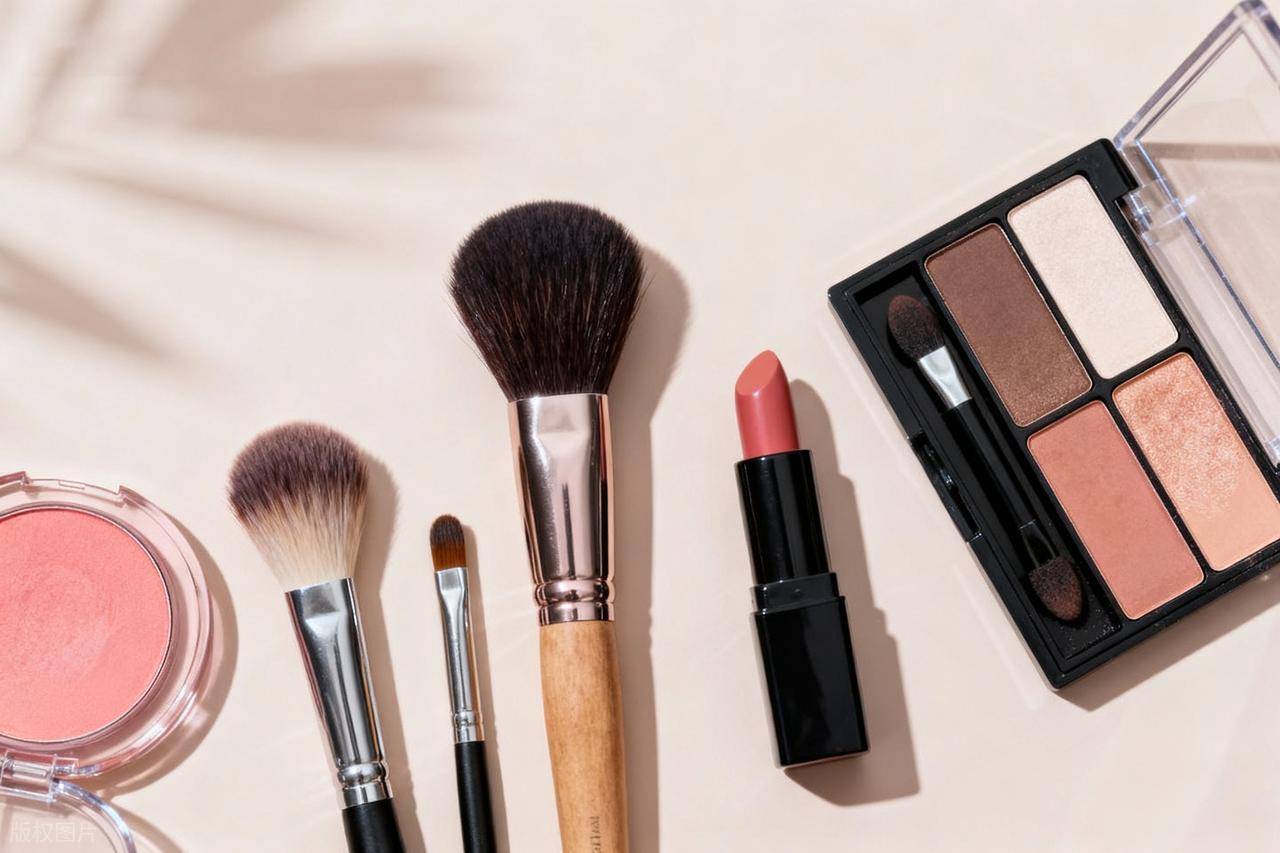
Core Insights - The success of beauty brands increasingly relies on effective public opinion monitoring and new media marketing in the digital age [1] - The cosmetics industry in China is experiencing significant growth, with retail sales projected to rise from 251.4 billion yuan in 2017 to 435.7 billion yuan in 2024, reflecting a compound annual growth rate of 8.17% [1] Industry Transformation: New Ecosystem in Beauty Marketing - By 2025, the beauty and personal care industry is undergoing a dual wave of channel transformation and consumer upgrading, characterized by "omni-channel resonance, refined demand, and technology-driven innovation" [3] Trends in Consumer Preferences - Trends such as health, personalization, and sustainability are gaining traction, with consumers seeking more than just functional products [4] - Sales of hand creams with soothing scents have increased by nearly 40%, while searches for fatigue-relief shower gels surged by 200% [4] Risks: Public Opinion Crisis - The cosmetics industry faces escalating public opinion risks, with the China Consumers Association reporting a total of 1.7619 million complaints in 2024, a year-on-year increase of 32.62% [5] - Complaints related to cosmetics reached 251,800, with 97,600 concerning product quality and 22,300 related to advertising [5] - Negative information can rapidly escalate online, with brand crises typically unfolding within 48 hours if not managed effectively [5] Crisis Management: Golden Rules of Public Opinion Monitoring - Advanced public opinion monitoring systems are essential for beauty companies to act as a "firewall" against potential crises [7] - Successful crisis management follows the "48-hour golden rule," which includes crisis detection and assessment within the first 6 hours, team formation within 6-12 hours, official response within 12-24 hours, and ongoing monitoring within 24-48 hours [8] Marketing Innovation: Rise of New Media Channels - The online cosmetics market in China is projected to reach 405.527 billion yuan in 2024, with Tmall holding a market share of 41.1% and Douyin at 37.8% [8] - Live commerce has surpassed 5 trillion yuan in transaction volume, creating a vast commercial ecosystem and reshaping the business model of the cosmetics industry [8] Future Trends: Technology-Driven and Channel Integration - AI technology is expected to further transform marketing strategies in the beauty industry, with systems like VOC+ providing structured reputation monitoring and market insights [9] - Beauty brands should leverage centralized media advantages to build brand consensus and enhance brand momentum [10] - Continuous exploration in technology application and strategic innovation is crucial for the beauty industry to effectively manage crises and maintain consumer trust [10]

化妆品医美行业周报:多品牌全球化+AI赋能,化妆品年会指明未来发展-20251130
Shenwan Hongyuan Securities· 2025-11-30 13:43
Investment Rating - The report gives a "Buy" rating for the cosmetics and medical beauty industry, highlighting potential growth opportunities in the sector [4][13]. Core Insights - The cosmetics and medical beauty sector is currently underperforming compared to the market, with the Shenwan Beauty Care Index rising by only 0.5% from November 21 to November 28, 2025, which is lower than the overall market performance [5][4]. - The sixth China Cosmetics Annual Conference emphasized the importance of multi-brand globalization and AI empowerment for future development, with industry leaders discussing strategies for growth and market adaptation [10][4]. - The report anticipates that domestic brands will thrive during the industry's consolidation phase, leveraging innovation and consumer demand to drive growth [11][4]. Summary by Sections Industry Performance - The cosmetics and medical beauty sector has shown weak performance, with the Shenwan Cosmetics Index increasing by 1.4%, which is 1.6 percentage points lower than the Shenwan A Index [5][4]. - Key stocks in the sector include Yanjiang Co. (+22.0%), Mingchen Health (+17.9%), and Lihe Technology (+9.9%) [6][4]. Market Trends - The report identifies trends such as the need for brands to localize when expanding internationally, the role of AI in upgrading the industry, and the focus on men's skincare and body care segments [10][4]. - The medical beauty market is expected to see growth driven by new products and consumer demand, despite some economic pressures [12][4]. Company Analysis - Qingmu Technology is highlighted as a leading player in the full-service e-commerce operation sector, with a strong focus on data and technology to drive growth [16][4]. - The report notes that the company has shown significant revenue growth, with projected revenues of 15.1 billion, 19.0 billion, and 23.4 billion yuan for 2025-2027, respectively [19][4]. Investment Recommendations - Recommended stocks include brands with strong channel and brand matrices such as Maogeping, Shuangmei, and Proya, as well as companies in the medical beauty sector like Aimeike [13][4]. - The report suggests focusing on companies with strong R&D capabilities and a broad product pipeline, particularly in the medical beauty segment [13][4].
商贸零售行业周报:品牌建设+科技美学,谱写国货美妆增长答案-20251130
KAIYUAN SECURITIES· 2025-11-30 07:11
Investment Rating - The investment rating for the retail industry is "Positive" (maintained) [1] Core Views - The retail industry is experiencing a shift towards quality growth and long-term strategies, moving away from reliance on traffic bonuses [25][26] - The industry is focusing on emotional consumption themes, with high-quality companies in sectors like gold jewelry, offline retail, cosmetics, and medical aesthetics being highlighted as investment opportunities [5][29][30] Summary by Sections Retail Market Review - The retail industry index rose by 3.45% during the week of November 24-28, 2025, outperforming the Shanghai Composite Index by 2.05 percentage points [4][13] - The multi-format retail sector showed the highest growth this week, with a 6.18% increase, while the jewelry sector led the year-to-date performance with a 22.11% increase [18][19] Retail Insights: Brand Building and Technological Aesthetics - The 2025 Cosmetics Annual Conference highlighted the importance of brand building and technological aesthetics for domestic beauty brands to achieve growth [25][26] - Companies like Shiseido and Shanghai Jahwa are focusing on quality and profitability, while Elysian Group is transitioning from operational to technological drivers [26][27] Investment Recommendations - **Gold Jewelry**: Focus on brands with differentiated product offerings and consumer insights, recommending companies like Chow Tai Fook and Lao Pu Gold [5][29] - **Offline Retail**: Highlighting companies adapting to trends and exploring AI-enabled cross-border e-commerce, with recommendations for Yonghui Supermarket and Aiyingshi [5][30] - **Cosmetics**: Emphasizing brands that meet emotional value and safety innovation, recommending companies like Maogeping and Proya [5][30] - **Medical Aesthetics**: Targeting differentiated product manufacturers and expanding medical chains, recommending companies like Aimeike and Kedi-B [5][30] Company-Specific Insights - **Chow Tai Fook**: Achieved revenue of HKD 38.986 billion in FY2026H1, with a slight decline in revenue but a stable profit margin [36][37] - **潮宏基 (Chao Hong Ji)**: Reported a revenue increase of 28.4% in Q1-Q3 2025, with a strong performance in Q3 [39][40] - **永辉超市 (Yonghui Supermarket)**: Experienced a revenue decline of 22.2% in Q1-Q3 2025, but is undergoing a transformation towards quality retail [43][44]





北交所里的守望者
远川投资评论· 2025-11-28 07:18
这一天,北交所 81 家公司集体敲钟上市, 10 只新股暴涨, "N 同心 " 最高涨幅接近 500% 。与此同 时,首批 8 只北交所主题基金也正式获批。这座被市场寄予厚望的新生交易所,不仅是服务中小企业的 主阵地,更是孕育专精特新小巨人的孵化池。 作为华夏首批北交所产品的基金经理,顾鑫峰心情复杂。 2015 年,他就在新三板摸爬滚打,把青春献 给了这个地方,如今亲眼见证新三板升格为独立的交易所,感慨就像 " 土鸡变凤凰。 " 然而 2022 年,沪深单边熊市叠加流动性枯竭,北交所随之泥沙俱下,即使有的公司业绩不断兑现,估 值也不讲道理地下杀。在那段黑暗的日子,顾鑫峰多次表达投资北交所可以 " 一鱼三吃 " : 第一,赚流 动性持续改善、整体估值水平提升的钱;第二,赚企业业绩成长的钱;第三,赚跨市场转板的钱。 经过市场屡次打击,没人相信 " 一鱼三吃 " 的理论。但顾鑫峰相信,北交所处于流动性拐点、产业周期 拐点和投资者信心拐点。他目睹手中的优质公司估值从 20 倍跌到 10 倍,正是没有半场割肉,顾鑫峰的 产品在 2023 年暴力反弹。后来,他所管理的华夏北交所精选两年定开,业绩和规模都做到近三年同类 第 ...

“烂脸”的年轻人,买爆药妆
3 6 Ke· 2025-11-28 00:33
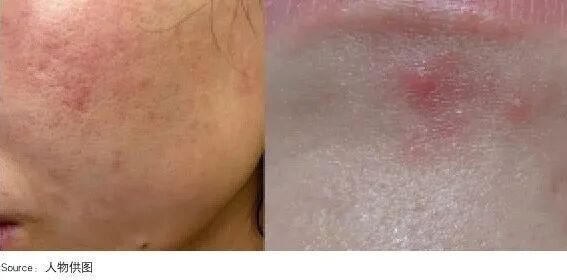
Core Insights - The article discusses the rising demand for sensitive skin care products in China, driven by a significant portion of the population experiencing skin sensitivity issues, with estimates suggesting that 30% of individuals are affected [3][4][6]. - The sensitive skin care market in China is projected to reach a scale of 66.44 billion yuan by June 2025, indicating a robust growth trajectory [4]. - Domestic brands, particularly those focusing on sensitive skin, have gained substantial market share, with brands like Winona and Huaxi Biological showing remarkable growth in sales and market presence [6][11][17]. Market Dynamics - The sensitive skin care market is characterized by a high incidence of skin sensitivity, with a daily occurrence rate of 64.1% among consumers [3]. - The demand for sensitive skin care products has led to the emergence of a billion-dollar market, with brands capitalizing on the need for effective solutions [4][6]. - The competitive landscape is shifting, with domestic brands outperforming international counterparts in terms of market share, reaching nearly 49.1% by 2022 [17]. Consumer Behavior - Consumers are increasingly willing to invest in skin care products to address their skin issues, often resorting to multiple purchases and trying various products to find effective solutions [6][25]. - The article highlights the psychological impact of skin conditions on consumers, leading to a cycle of purchasing and dissatisfaction as they seek effective remedies [9][28]. - The trend of "medical beauty" is on the rise, with a growing number of individuals seeking cosmetic procedures to enhance their appearance, further fueling the demand for sensitive skin care products [8][9]. Brand Strategies - Domestic brands have shifted their strategies from affordability to premium pricing, with significant price increases observed in their product lines [20][21]. - The article notes that brands are increasingly focusing on innovation and technology to differentiate themselves in a crowded market, with a notable increase in patent applications related to sensitive skin care [32]. - Marketing strategies have evolved, with brands now emphasizing product efficacy and scientific backing rather than solely relying on influencer endorsements [32][33].
A股AI硬件板块爆发,反弹还会持续吗?
Sou Hu Cai Jing· 2025-11-26 13:11
Group 1 - Nvidia's Q3 earnings report exceeded expectations, yet warnings about an AI bubble persist, with Michael Burry predicting Nvidia as a precursor to market downturns [1] - Global markets, including A-shares, have experienced declines due to concerns over the AI bubble, a retreat in Federal Reserve rate cut expectations, and cautious investor sentiment [1] - The fundamental factors supporting the current Chinese stock market and its potential for upward movement remain in question [1] Group 2 - The recent volatility in global markets highlights the nature of the current tech bull market, driven by grand narratives and abundant liquidity, suggesting that any downturn may be a temporary "interlude" in a larger trend [3] - The AI revolution continues to provide significant market imagination, and as long as this narrative remains unchallenged and macro liquidity does not tighten drastically, the current market enthusiasm may persist [3] - The real challenge lies in understanding the current phase where narrative outweighs reality, rather than predicting each adjustment's peak [3] Group 3 - Kweichow Moutai, a symbol of traditional consumer upgrades, faces competition from emerging tech companies like Cambrian, indicating a shift in market dynamics [5] - The decline in the wholesale price of Moutai, which has fallen below 1700 yuan, suggests potential further adjustments in response to market supply and demand changes [6] - The rise of companies like CATL in the battery sector reflects a broader market trend where tech stocks are replacing traditional consumer and real estate stocks as market leaders [8] Group 4 - The semiconductor industry is facing challenges despite the rise of AI, with the Netherlands' ASML grappling with its position in the global supply chain amid AI-related anxieties [10] - Domestic alternatives in the semiconductor sector, particularly in photoresists, are gaining attention as the market shifts towards local production capabilities [12] - The competition in the facial mask market is intensifying, with leading brands like敷尔佳 experiencing market share declines due to increased competition and changing consumer preferences [16]




深度 | 蔓迪港股递表,引爆防脱“新战局”
FBeauty未来迹· 2025-11-25 14:18
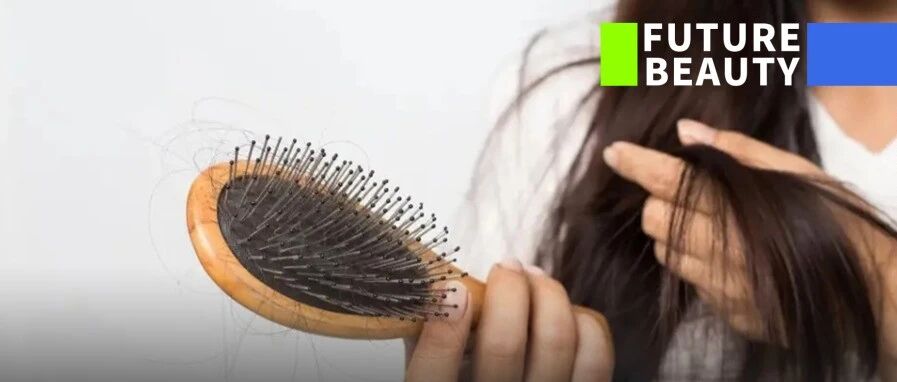
Core Insights - The core viewpoint of the article is that the power dynamics in China's anti-hair loss market have shifted from traditional daily chemical brands to pharmaceutical companies, driven by a growing consumer base and evolving market demands [4][5]. Market Dynamics - The anti-hair loss market in China has seen a significant transformation, with over 300 million people affected by hair loss, particularly among the 26-35 age group, indicating a shift from a minor issue to a widespread concern [4]. - Pharmaceutical companies, particularly those with OTC pipelines and dermatological resources, have emerged as the primary players in the market, leading to a dual oligopoly dominated by Sanofi's Mandi and Zhendong Pharmaceutical's Dafeixin [4][8]. - The market for anti-hair loss products has reached 5.247 billion yuan in sales within the first ten months of 2025, reflecting a year-on-year growth of over 47% [10][13]. Brand Strategies - Pharmaceutical companies are creating a new narrative of "anti-hair loss = medicine + consumer," leveraging high margins and professional barriers while extending their product lines into daily care categories [5][19]. - Brands like Mandi and Dafeixin are combining pharmaceutical and cosmetic products, promoting them through "scientific anti-hair loss salons" to capture consumer interest [6][9]. Competitive Landscape - Traditional daily chemical brands are struggling, with companies like Bawang reporting a significant decline in profits despite a slight revenue increase, highlighting a structural challenge in the market [8]. - The consumer focus has shifted from "shampoo for hair loss" to "medical treatment and scalp management," indicating a demand for more scientifically-backed solutions [9][10]. Emerging Trends - The average price of anti-hair loss products has risen to over 113 yuan, suggesting consumers are willing to invest more in effective scalp care solutions [13]. - New brands such as EHD and Off&Relax are gaining traction, with EHD leading in sales at 371 million yuan, showcasing a trend towards professional and functional care [16][18]. Future Directions - To compete effectively, beauty brands must transition from traditional narratives to scientific and medical language, focusing on the mechanisms behind hair loss and scalp health [19][23]. - The integration of devices with hair care products is emerging as a trend, with brands like Kérastase introducing scalp care devices that enhance treatment efficacy [25][27]. Conclusion - The anti-hair loss market is evolving into a sector characterized by scientific, medical, and long-term management approaches, with pharmaceutical companies redefining the rules and traditional brands being compelled to adapt [19].

上万元一支的面部“骨性生物支架”火了!有这些坑→
第一财经· 2025-11-25 05:21
Core Viewpoint - Social media has become the primary information source for young cosmetic surgery consumers, with a focus on a new injectable material called Calcium Hydroxylapatite (CaHA), which is gaining popularity in the aesthetic market [3][5]. Market Overview - In the global dermal filler market, hyaluronic acid holds a dominant 77% market share, while Calcium Hydroxylapatite accounts for 7% [3]. - Merz Aesthetics' Radiesse is currently the only FDA-approved Calcium Hydroxylapatite facial filler, recently launched in China [5]. Regulatory and Compliance Issues - There are concerns regarding the high prices of these new products, leading to potential exploitation by some cosmetic institutions [6]. - Only two approved products for facial injection in China are Radiesse and Aphranel, while others are approved for non-weight-bearing bone defects [6]. - The use of Calcium Hydroxylapatite in aesthetic applications must adhere to strict regulatory standards, with a clear distinction between products intended for medical and aesthetic use [9]. Consumer Awareness and Safety - Consumers are advised to be cautious and verify the legitimacy of products before use, as many products are not intended for aesthetic applications [8][10]. - Misleading advertising and unverified information on social media pose significant risks to consumers, particularly younger individuals [10]. - The importance of using qualified medical professionals for injections is emphasized, as improper techniques can lead to serious complications [10].
