
问界

Search documents
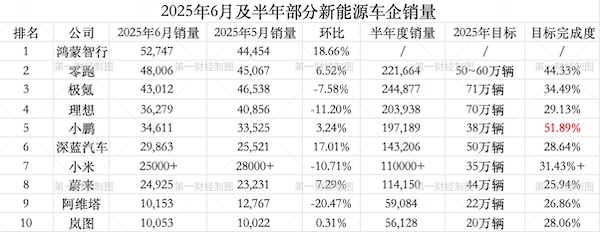
新势力“期中考”成绩出炉,仅一家品牌年度目标完成率过半
Di Yi Cai Jing· 2025-07-01 12:53
Core Insights - The new energy vehicle brands are facing significant challenges, with half of them achieving less than 30% of their annual sales targets [1][3] - Xiaopeng Motors is the only brand that has met its mid-year sales target, with a completion rate exceeding 50% [1][3] Sales Performance - Overall sales in June remained stable compared to May, but there was notable divergence among brands [2] - Hongmeng Zhixing (including Wanjie, Zhijie, Xiangjie, and Zunji) saw the highest month-on-month increase in June sales at 18.66%, followed by Deep Blue at 17.01% [2] - Avita, Ideal, and Zeekr experienced declines, with Avita's sales dropping over 20% and Ideal's down by 11.2% [2] Brand-Specific Performance - Hongmeng Zhixing achieved a record monthly sales of 52,747 units, becoming the monthly sales champion among new energy vehicle brands [2] - Leap Motor delivered 48,006 units in June, marking a 6.52% increase and ranking second among new energy brands [2] - Xiaomi's vehicle deliveries fell to over 25,000 units in June, a decrease of approximately 3,000 units from the previous month, primarily due to delivery challenges rather than sales [2] Cumulative Delivery and Targets - In the first half of the year, besides Leap Motor, Zeekr and Ideal also surpassed cumulative deliveries of 200,000 units, while Xiaopeng Motors approached this figure [3] - Xiaopeng Motors is the only brand with a mid-year sales target completion rate exceeding 50%, while five brands, including Ideal and Deep Blue, have achieved less than 30% of their annual sales targets [3] - Xiaomi's cumulative delivery exceeded 110,000 units, falling short of its target of 350,000 units, with future deliveries dependent on the capacity of its second-phase factory [3]



续航、加速双升,优惠仍“满配”,特斯拉Model 3长续航版涨价万元
Bei Jing Shang Bao· 2025-07-01 07:50
Core Viewpoint - Tesla China has increased the price of the Model 3 Long Range All-Wheel Drive version by 10,000 yuan, raising the price from 275,500 yuan to 285,500 yuan, while keeping the prices of the other Model 3 variants unchanged [1] Group 1: Price Adjustments and Model Upgrades - The price increase for the Model 3 Long Range version is attributed to model upgrades, including an extended CLTC range of 753 kilometers and a reduced 0-100 km/h acceleration time of 3.8 seconds [1] - The Model 3 Long Range version features a new battery pack with an updated chemical composition, enhancing durability and range without changing the battery capacity [1] - Tesla has also introduced a new acceleration enhancement software package worth 14,100 yuan for free, contributing to the improved acceleration time [1] Group 2: Market Context and Sales Performance - Tesla has raised prices twice in China this year, following upgrades to certain Model 3 and Model Y variants in January and March [2] - In Q1, Tesla's revenue fell by 9% year-on-year, and net profit dropped by 71%, with wholesale sales in China down 17.6% in the first five months [2] - The decline in sales may be linked to production adjustments at the Shanghai Gigafactory and consumer hesitation due to the launch of the refreshed Model Y [2] Group 3: Competitive Landscape - The domestic market for new energy vehicles priced between 250,000 and 300,000 yuan is highly competitive, with brands like Xiaomi and Zeekr gaining market share through aggressive pricing strategies [2] - The refreshed Model Y has not seen a price increase, possibly reflecting Tesla's assessment of the competitive environment [3] - Tesla continues to offer multiple incentives for the Model 3 Long Range version, including a 5-year interest-free financing option and various discounts [3]

BBA大幅降价 豪车格局要重新洗牌
Xi Niu Cai Jing· 2025-07-01 04:03
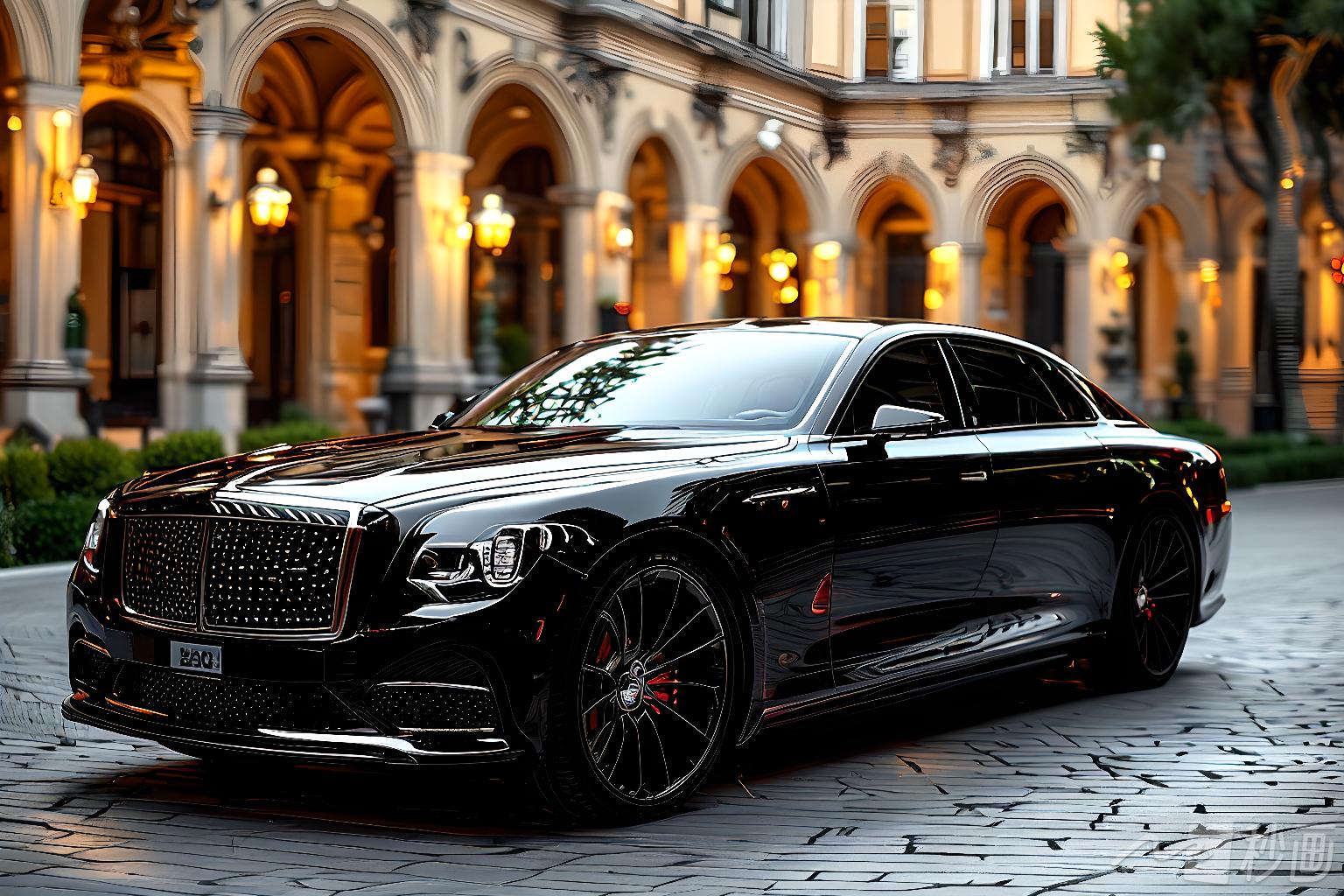
Core Viewpoint - The luxury automotive market, particularly the German trio of BBA (Benz, BMW, Audi), is experiencing a significant price drop due to the rise of electric vehicles and strong competition from domestic brands, leading to a collective price war that undermines their traditional premium positioning [3][4][6]. Price Cuts and Market Dynamics - Since 2025, BBA has engaged in aggressive price reductions, with Mercedes-Benz GLC seeing discounts up to 199,000 yuan, and the EQC dropping from 620,000 yuan to 220,000 yuan, a staggering decrease of 400,000 yuan [4][5]. - Audi's A4L has seen its price drop to the 200,000 yuan range, while the Q7's entry price has fallen below 500,000 yuan for the first time [4]. - BMW's 525Li has dropped to below 290,000 yuan, representing a 34% discount from its original price [5]. - The overall luxury car market is witnessing a collapse in pricing, with models like the Porsche Cayenne and Macan also seeing significant price reductions [5]. Impact of Electric Vehicles and Domestic Brands - The price decline is primarily driven by the competitive pressure from domestic electric vehicle brands, which are advancing rapidly in technology and market share [6][10]. - Domestic brands like Li Auto and AITO are offering advanced features that BBA's models lack, such as superior intelligent driving systems [7][8]. - BBA's sales in China are declining, with Mercedes-Benz down 7% to 683,600 units, BMW down 13.3% to 714,500 units, and Audi down 10.9% to 649,000 units in 2024 [10]. Challenges in Transformation - BBA is struggling with the transition to electric and smart vehicles, with significant investments required while their net profits are declining: Mercedes-Benz down 28.4%, BMW down 36.9%, and Audi down 33.1% [12]. - The lack of in-house battery production capabilities forces BBA to rely on expensive external suppliers, impacting their cost structure [12]. - BBA's attempts to collaborate with tech companies like Huawei for smart driving solutions may lead to a loss of brand identity and autonomy [13]. Strategic Responses - In response to the crisis, BBA plans to launch 36 new products from 2025 to 2027, with BMW aiming for a 20% efficiency improvement and Audi collaborating with Porsche on a new electric platform [11][12]. - Initial signs of recovery are noted, with models like the Audi Q4 e-tron and BMW i3 seeing increased orders after integrating advanced technologies [13]. Conclusion - The luxury car market's definition is shifting, and BBA's ability to reclaim its former status is increasingly uncertain, suggesting a potential long-term decline in brand value and consumer trust [14].
合资贴上“新标签”,市场买账吗?
Bei Jing Ri Bao Ke Hu Duan· 2025-06-30 08:30
Core Insights - Joint venture automakers are striving to regain dominance in the electric vehicle (EV) market by establishing new labels such as "restructuring" and "integration" [1][2] - The shift in strategy includes delegating decision-making power to local teams, which has led to improved product development and market responsiveness [2][3] - Despite some initial successes, the long-term sustainability of these changes is uncertain due to evolving consumer preferences and competitive pressures [5][7] Restructuring and Integration - The concept of "restructuring" is exemplified by companies like FAW Toyota and Dongfeng Honda, which are redefining their brand identities and product offerings to better align with consumer expectations [1][2] - "Integration" is highlighted by the emphasis on "Chinese definitions" in vehicle design, showcasing local engineers' contributions to global vehicle standards [1][2] Power Delegation - The delegation of authority to local teams has allowed joint venture brands to better understand and respond to local market demands, resulting in the launch of competitive EV models [2][3] - This shift marks a significant change from previous practices where foreign partners dominated product decisions, leading to a lack of competitiveness in the Chinese market [2] Market Performance - Some joint venture brands have seen positive market performance with their new EV models, such as Dongfeng Nissan's N7, which has gained traction due to its appealing features and competitive pricing [3] - The expansion of product lines to include various types of electric vehicles has also contributed to improved market positioning [3] Challenges Ahead - Despite recent progress, joint venture brands face challenges in maintaining their market share due to a late response to changing consumer preferences and reliance on outdated marketing strategies [5][6] - The traditional advantages of joint venture brands, such as reliability and fuel efficiency, are becoming less relevant in the EV market, necessitating a reevaluation of brand value propositions [7] Opportunities for Improvement - Industry experts suggest that joint venture brands can still capitalize on their strong customer base and brand image by enhancing localization and innovation in product development [8][9] - Focusing on high-end models that incorporate advanced technologies could provide a competitive edge, especially if these products are offered at more accessible price points [8][10]

江南春:都2025年了,品牌到底该怎么做?
3 6 Ke· 2025-06-30 04:17
Core Insights - The article discusses the challenges faced by companies in balancing short-term performance with long-term brand building in a rapidly changing market [1] - It emphasizes the importance of value elevation as a strategy to combat price wars and declining market demand [2][5] - The need for brands to establish a unique positioning in consumers' minds to ensure long-term success is highlighted [10][11] Group 1: Market Challenges - The Chinese market is experiencing a 10% reduction in demand while production capacity remains excessive, leading to price declines of 10% to 20% [2] - Companies are urged to avoid price cuts and instead focus on elevating product quality and service value to maintain competitiveness [2][5] - The article notes that many brands have relied on promotional strategies, which are insufficient for sustainable growth [6][12] Group 2: Value Elevation Strategies - Companies should enhance product quality and service value, as demonstrated by the success of brands like White Elephant and Tmall's VIP88 program [4][5] - Addressing consumer pain points, such as safety concerns in children's products, can lead to significant market growth [4][11] - The importance of reducing intangible costs and increasing intangible value is emphasized, with examples from brands like Lego and Nike [5] Group 3: Brand Building and Positioning - Brand building is a long-term endeavor that is crucial for sustained sales growth, even under short-term performance pressure [6][10] - Successful brands must create new categories or unique characteristics to differentiate themselves from competitors [6][10] - The article stresses that brands need to establish a strong mental association with consumers to ensure they are the first choice in their category [10][11] Group 4: Marketing Challenges - The article identifies three major challenges in marketing: weak brand presence despite high traffic, fragmented content, and excessive touchpoints leading to consumer distraction [12][14] - It suggests that brands should focus on building a unified brand identity and core values to stand out in a crowded market [15][17] - The need for brands to create emotional connections with consumers through impactful advertising is highlighted [15][20] Group 5: Future Recommendations - Companies are encouraged to elevate their value proposition and avoid low-end competition, especially in a highly competitive environment [19] - Consistency in brand messaging across various channels is crucial for maintaining consumer trust [19] - The article advocates for the use of centralized media to build strong brands, particularly in the early stages of brand development [19]

电动化及智能化专家交流
2025-06-30 01:02
Summary of Key Points from Conference Call Records Industry and Company Involved - **Industry**: Electric Vehicles and Autonomous Driving - **Companies**: Tesla, Xiaomi, Xpeng, Li Auto Core Insights and Arguments Tesla Robotaxi - Tesla's Robotaxi utilizes an end-to-end deep neural network, which, despite some jitter issues, provides a good overall experience and is cheaper than high-definition mapping solutions [1][2] - Initial trials of Robotaxi faced significant issues, including failure to recognize obstacles, requiring human intervention, and jitter during turns, but overall experience was rated as good [2] - The complete autonomous delivery is significantly more challenging than Robotaxi, with the need for AI to handle all scenarios without a safety driver, making large-scale deployment unlikely in the short term [4] - Robotaxi's rollout is expected to expand into at least five densely populated states within six months, indicating confidence in the technology [4] Xiaomi SU7 - Xiaomi's SU7 differentiates itself mainly through the integration of the Snapdragon 8 Gen 3 chip, which lowers costs and enhances performance compared to existing automotive-grade chips [5][6] - The SU7 aims to integrate with Xiaomi's ecosystem, allowing for a seamless connection with smart home devices, potentially positioning Xiaomi as a standard setter in the automotive aftermarket [6] - The steady sales forecast for SU7 is approximately 20,000 units per month, with the third model expected to reach 25,000 units per month [11][12] Market Dynamics - Tesla's Robotaxi has not significantly boosted overseas orders, and its impact on the Chinese market is difficult to trace [7] - Xiaomi's automotive success relies on unique design and brand influence, with long-term differentiation expected from leveraging its smart home ecosystem [9] - The competition among electric vehicles is intensifying, particularly in the low-end market, while high-end models face challenges in maintaining perceived value [21] Xpeng G7 - Xpeng's G7 is positioned as a balanced product but struggles to stand out in the competitive landscape, with its computing power being strong but still inferior to Tesla's [25][26] - The upcoming intelligent driving model will first be applied to the G7, aiming to enhance its capabilities and sales potential [26] Li Auto L6 - Li Auto's L6 targets family-oriented users, contrasting with the sportier positioning of competitors like Tesla's Model Y [10] - The pricing strategy for the L6 is expected to remain competitive, with a focus on maintaining market share against rivals [17] Other Important Insights - Tesla's Nevada lithium iron phosphate battery factory has begun production with an annual capacity of 7 GWh, aimed at enhancing supply chain self-sufficiency [14] - The global rollout of Tesla's Full Self-Driving (FSD) system is progressing, with plans to expand into more countries in Europe [16] - The electric vehicle market is seeing a shift towards more affordable models, with brands like BYD and Geely focusing on maintaining growth in this segment [21][22] This summary encapsulates the key points from the conference call records, highlighting the competitive landscape and strategic directions of the involved companies in the electric vehicle industry.
福州商场一楼“大换血” “四大金刚”挤走“老住户”
Sou Hu Cai Jing· 2025-06-27 15:12
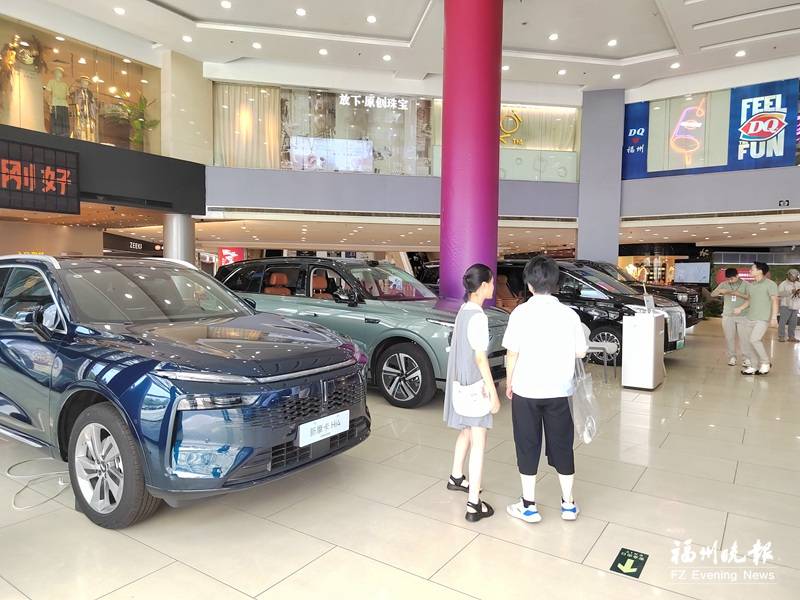
Core Insights - The layout of first floors in Fuzhou shopping malls has shifted from traditional cosmetics and jewelry stores to new categories such as trendy toys, electric vehicles, outdoor sports, and various tea brands, reflecting changes in consumer preferences and societal trends [1][4][16] Group 1: Electric Vehicles - Fuzhou shopping malls have transformed into showcases for electric vehicles, with brands like AITO, BYD, Xiaomi, NIO, Li Auto, Zeekr, and Xpeng occupying prime first-floor spaces [4] - The shift in consumer behavior has made purchasing cars in malls more common, with some customers deciding to test drive and buy vehicles after initially visiting for other purposes [4][5] - Traditional cosmetics brands are struggling with declining sales due to the rise of online shopping, leading to a shift in mall tenant composition towards electric vehicle brands [4][5] Group 2: Trendy Toys - The first floors of Fuzhou malls have become dominated by "二次元" (two-dimensional) trendy toy stores, attracting younger consumers and creating a vibrant shopping atmosphere [8][9] - Brands like Pop Mart are expanding rapidly, with a focus on prime locations despite high rental costs, as they aim to capture the attention of their target demographic [8][9] - The popularity of trendy toys has led to the establishment of dedicated areas in malls, such as the "二次元欢乐场" (Two-Dimensional Happy Land) in various shopping centers [9] Group 3: Tea Brands - New tea brands are increasingly targeting prime first-floor locations in malls, moving away from traditional food court placements [11][12] - Brands like Bawang Tea, Heytea, and Luckin Coffee are establishing a strong presence on the first floor, leveraging high foot traffic for marketing and brand visibility [12] - Bawang Tea reports that over 30% of its stores are located in shopping centers, with 80% of those on the first floor, highlighting the strategic importance of this space for brand positioning [12] Group 4: Sports Brands - The first floor of Fuzhou malls is seeing a rise in outdoor sports brands, with companies like FILA, Arc'teryx, and Lululemon establishing flagship stores in prime locations [15] - The increasing interest in outdoor and sports apparel among young consumers is driving the growth of these brands in shopping malls [15] - The trend reflects a broader shift in consumer behavior towards practical and stylish products, moving away from traditional luxury items [15][16]
鑫椤锂电一周观察 | ATL获电芯采购大订单!
鑫椤锂电· 2025-06-27 08:12
Core Viewpoint - The article discusses recent developments in the lithium battery industry, including significant orders, market trends, and price fluctuations in key materials such as lithium carbonate, ternary materials, and iron phosphate. Industry Highlights - Anker Innovations has terminated its partnership with Amperes due to recent power bank recalls and has established a new order with CATL for 45 million battery cells over three years [3] - The Democratic Republic of Congo has extended its temporary ban on cobalt exports for three months to alleviate market pressure from high inventory levels [4] - The upcoming Honor Magic V5 smartphone will feature a 6100 mAh silicon battery with 25% silicon content, promising improved performance and longer battery life compared to its predecessor [5] Lithium Battery Material Market 1. Lithium Carbonate - Domestic lithium carbonate prices have shown slight rebounds, with stable prices around 58,000 RMB/ton. However, the overall trend suggests potential declines due to supply-demand imbalances [8][9] 2. Ternary Materials - Strong demand for nickel materials was noted in June, with some manufacturers experiencing panic buying. Prices for ternary materials remain stable following the extension of cobalt export bans [10][11] 3. Iron Phosphate - The iron phosphate market remains stable, with a slight decrease in expected sales volume for June. The fourth-generation products are actively being promoted [12][14] 4. Anode Materials - Anode material prices have fluctuated due to geopolitical tensions, impacting profit margins for manufacturers. Demand remains weak with no significant increases expected in the short term [15][17] 5. Separators - Separator production is expected to maintain levels from June, with price reductions from lower-tier manufacturers to boost sales. A new separator production facility in Malaysia is set to enhance capacity [18] 6. Electrolytes - Electrolyte shipments did not show significant growth in June, with some manufacturers experiencing slight increases. Prices remain stable, with low operating rates affecting profitability [19][20] Downstream Market 1. Batteries - Domestic battery manufacturers are experiencing varied order volumes, with significant contributions from the new energy commercial vehicle sector. The energy storage market remains optimistic [20][21] 2. Vehicle Sales - Passenger vehicle sales reached 548,000 units, a year-on-year increase of 22.58%. New energy vehicle sales were 283,000 units, up 32.68% year-on-year [23] 3. Energy Storage - The energy storage market continues to thrive, with significant projects underway both domestically and internationally. Recent procurement projects have set new low prices for lithium iron phosphate battery systems [24]
从坐到躺 零重力座椅带来舱内革命
Zhong Guo Qi Che Bao Wang· 2025-06-27 01:55
Group 1 - The core concept of "zero gravity" seats is to enhance passenger comfort by redistributing body weight and reducing pressure on the spine, thereby alleviating fatigue during travel [4][7][19] - Various automotive manufacturers, including Deep Blue and AITO, have prominently featured zero gravity seats in their recent vehicle launches, indicating a growing trend in the industry [2][3] - The zero gravity seat design is inspired by NASA's zero-gravity posture, aiming to provide a more comfortable seating experience compared to traditional seats [4][6] Group 2 - The zero gravity seat's unique features include adjustable leg rests and seat angles, which contribute to a more ergonomic seating position [4][5] - Industry experts predict that the penetration rate of zero gravity seats will increase as consumer demand for comfort and multifunctionality in vehicles rises [7][19] - The automotive industry is witnessing a shift towards integrating advanced comfort features into vehicle design, with zero gravity seats serving as a focal point for enhancing user experience [6][8] Group 3 - Current national standards for automotive seats do not adequately address the unique requirements of zero gravity seats, highlighting a regulatory gap that needs to be filled [9][10] - The establishment of group standards is seen as a necessary step to ensure safety and comfort in the rapidly evolving market for zero gravity seats [9][10] - The development of new standards is underway, with a focus on safety measures and performance evaluation for zero gravity seating [10][11] Group 4 - The future of zero gravity seats is expected to involve greater integration of safety features and advanced technologies, enhancing both comfort and protection for passengers [14][17] - Industry stakeholders are exploring innovative designs that combine comfort with safety, ensuring that zero gravity seats meet evolving consumer expectations [15][17] - The market for seating solutions is projected to grow significantly, with zero gravity seats anticipated to capture a substantial share of the automotive seating market by 2030 [19]

“账期承诺”接连不断,“返利承诺”孤掌难鸣
Bei Jing Ri Bao Ke Hu Duan· 2025-06-25 08:23
Core Viewpoint - The automotive industry is facing intense competition and challenges, leading to a survival crisis for dealers. Car manufacturers are shortening rebate periods to help alleviate this pressure, but the effectiveness of these measures remains uncertain [1][2][4]. Group 1: Rebate Commitments - Several car manufacturers, including BMW, BAIC New Energy, and Lincoln, have committed to paying sales rewards and rebates to dealers within 60 days, with Lincoln reducing its rebate period to 20 days [1][2]. - The commitment to shorter rebate periods aims to restore trust within the supply chain and inject liquidity into the industry, providing a practical example for healthy industry ecology [2][4]. Group 2: Virtual Accounts and Rebate Mechanisms - The rebate mechanism often operates through virtual accounts rather than direct cash payments, complicating the financial dynamics for dealers [2][3]. - Dealers face restrictions on how they can use these rebates, with some manufacturers limiting the rebate usage to a percentage of the vehicle price, which can exacerbate financial pressures [3][4]. Group 3: Structural Imbalances - The automotive distribution industry is characterized by fragmented dealer networks, which diminishes their bargaining power against large manufacturers [4][5]. - Manufacturers often leverage their dominant position to extend rebate periods as a means of inventory management, placing additional financial burdens on dealers [5][6]. Group 4: Market Dynamics and Future Directions - The automotive market is experiencing a structural contradiction with an oversupply of brands and dealers, leading to increased competition and inefficiencies [8][9]. - To improve the situation, the industry may need to adopt new channel models, such as multi-brand integration stores, which could reduce costs and enhance profitability for dealers [8][9].
