
蜜雪冰城

Search documents
一场精心策划的“智商税”,收割了多少想暴富的县城青年
3 6 Ke· 2025-11-25 05:56
"奶茶界真正的新皇"、"小甜水界的唯一真神"、"联动界最高的山和最长的河",你以为这是喜茶或蜜雪冰城的新头衔? 不,网友把这些金光闪闪的称号,慷慨地送给了一个你大概率没听过的品牌:哪吒仙饮。 但可别以为网友是在夸他,其实这全是带着调侃的黑色幽默。 要是你刚好在这家店打工,大概率还会被"灵魂补刀:"这员工也太精明了,专门挑一个没活的店,往那一坐刷一天视频工资就到手了"。 在网友眼中,这家敢和蜜雪冰城正面硬刚、中门对狙的品牌,Bug实在太多了。 名字上明晃晃蹭《哪吒之魔童降世》的IP流量,"仙饮"还被网友调侃是借用了电影里哪吒撒尿给仙人喝的桥段。 而哪吒仙饮背后的加盟套路,才是真正的"槽点富矿"。 社交平台上找蜜雪冰城的加盟方式→被招商忽悠说这是蜜雪冰城的子品牌,自带流量 buff→脑子一热签了合同。 结果选址直接踩大坑,要么人流量少得可怜,要么周边全是奶茶卷王→开业后营业额低迷到怀疑人生,一天卖的钱还不够付房租水电→最后只能含泪关 店。 01 现实中谁不想来杯哪吒仙饮? 哪吒仙饮的门店出现在短视频里,评论区没有好奇,而是齐刷刷开启"预言家模式"。 "三个月后,那就好好告个别吧。" 这句毕业歌词,被网友用作预言新 ...


聚焦企业赴港上市,陆家嘴金融沙龙第37期解析新机遇与挑战
财联社· 2025-11-25 03:08
Core Viewpoint - The article discusses the recent trends and opportunities in the Hong Kong IPO market, highlighting the significant increase in IPO financing and the favorable conditions for companies considering listing in Hong Kong [3][4][5]. Group 1: Hong Kong IPO Market Performance - In 2023, Hong Kong's IPO financing exceeded 30 billion USD, with over 80 companies listed [4][5]. - The Hang Seng Index and Hang Seng Tech Index are expected to see substantial increases by 2025, although current valuations remain relatively low [4]. - The average daily trading volume in the Hong Kong market has nearly doubled, reaching approximately 130 billion HKD [4]. Group 2: Reasons for Companies to List in Hong Kong - Companies are increasingly choosing to list in Hong Kong as a step towards internationalization, allowing access to global capital and enhancing brand recognition [5]. - The Hong Kong Stock Exchange (HKEX) has introduced various rules, such as the 18A and 18C regulations, to accommodate companies at different stages, including those without commercial revenue [5][6]. Group 3: IPO Trends and Investor Participation - The top ten IPOs in Hong Kong accounted for over two-thirds of the total financing, indicating the importance of large projects in the market [8]. - The average first-day gain for IPOs was 38%, with a decrease in the IPO break-even rate from 34% last year to 23% this year [8][9]. - Over 85% of new IPOs included cornerstone investors, with a significant increase in the amount raised from these investors compared to the previous year [9]. Group 4: Challenges and Future Outlook - The article notes that while the market shows promise, it still faces uncertainties related to geopolitical factors and company valuations [9]. - The biopharmaceutical sector is highlighted as particularly capital-intensive, with the average cost to develop a new drug exceeding 2 billion USD [11]. - The HKEX's new measures are expected to facilitate the listing process for A-share companies, potentially increasing the number of firms opting for secondary listings in Hong Kong [6][12]. Group 5: Regulatory and Structural Considerations - The process for companies to list in Hong Kong typically involves either H-share or red-chip structures, with the latter requiring more complex arrangements [14]. - The China Securities Regulatory Commission (CSRC) has implemented a new overseas listing filing management system, which emphasizes legal compliance and data security [15][16]. - The average time for H-share projects to complete the CSRC filing is around 146 days, while more complex structures like VIE can take up to 287 days [16].

一场精心策划的“智商税”,收割了多少想暴富的县城青年
凤凰网财经· 2025-11-24 12:47
Core Viewpoint - The article discusses the rise and fall of the brand "Nezha Xianyin," which has gained attention through social media humor and irony, despite its questionable business practices and the dubious status of its parent company [1][3][27]. Group 1: Brand Perception and Social Media Impact - "Nezha Xianyin" has been humorously dubbed with titles like "the true new emperor of the milk tea world," reflecting a mix of irony and sarcasm from netizens [1][3]. - The brand's marketing strategy relies heavily on social media engagement, where users mockingly praise the product, creating a viral effect that boosts its visibility [26][14]. - Despite the negative commentary, the brand has sparked a unique online phenomenon where users express exaggerated support, contributing to its "black-red" popularity [26][16]. Group 2: Business Model and Franchise Issues - The franchise model of "Nezha Xianyin" has been criticized for misleading potential franchisees, often leading them to poor location choices and low sales [8][60]. - Reports indicate that the parent company of "Nezha Xianyin" was dissolved in December 2024, raising concerns about the legitimacy of the current franchise operations [28][27]. - The current franchise operator, "Hangzhou Fenghuolun Catering Management Co., Ltd.," has no clear connection to the original company and lacks a proper operational structure, as evidenced by zero social security contributions in 2024 [35][32]. Group 3: Franchisee Experiences and Financial Viability - Franchisees have reported significant financial losses, with some claiming that their daily sales barely cover operational costs, despite high initial investment requirements [48][45]. - The high costs associated with joining the franchise, including a franchise fee of 138,000 and additional expenses, have left many franchisees feeling deceived [48][56]. - Many franchisees were lured by promises of low barriers to entry and high returns, only to find themselves in a challenging business environment with little support from the franchisor [72][60].

国泰海通:“双十一”即时零售亮眼 电商品类表现分化
智通财经网· 2025-11-24 08:40
Overall Performance of "Double Eleven" - The overall e-commerce sales during the "Double Eleven" event showed stable growth, with a total online retail sales of 1.695 trillion yuan, representing a year-on-year increase of 14.2% [1] - The comprehensive e-commerce sales reached 1.619 trillion yuan, up 12.3% year-on-year, with Tmall, JD.com, and Douyin being the top three platforms [1] - Instant retail sales amounted to 67 billion yuan, marking a significant increase of 138.4% year-on-year, while community group buying sales fell by 35.3% [1] Category Performance - Categories such as clothing, cosmetics, and gold and silver jewelry performed well, with retail values increasing by 6.3%, 9.6%, and 37.6% respectively in October [3] - The sales of home appliances and audio-visual equipment saw a decline of 14.6%, while furniture sales increased by 9.6%, attributed to high base effects and fluctuations in the market [3] Discounts and Subsidies - The rules for the 2025 "Double Eleven" event have been simplified, with overall discounts remaining stable, and platforms like Tmall, JD.com, and Meituan increasing subsidies for instant retail, leading to substantial growth in this sector [4] Investment Insights - Strong gold prices have led jewelry companies to raise prices, with recommended stocks including Laopuhuang, Caibai, Chaohongji, Chow Tai Fook, and Luk Fook [5] - The changing market style favors new consumption with low valuations and high prosperity, with recommended stocks including Guming and benefiting stocks like Mixue Ice City [5] - Attention is drawn to supermarket adjustments, with recommended stocks including Bubugao, Huijia Times, Chongqing Department Store, Yonghui Supermarket, and Jiajia Yue [5] - The combination of consumption and technology remains a significant industry trend, with recommended stocks including Small Commodity City, Kante Optical, and Tianli International Holdings, along with benefiting stocks like Kevin Education [5]

即时零售亮眼,电商品类表现分化
Haitong Securities International· 2025-11-24 07:03
Investment Rating - The report indicates a positive investment outlook for the retail industry, particularly highlighting strong performance in jewelry and instant retail sectors [4][8]. Core Insights - The "Double 11" e-commerce sales showed steady growth, with instant retail experiencing significant increases. Categories such as clothing, cosmetics, and jewelry performed well, with jewelry retail sales increasing by 37.6% year-on-year [4][8]. - Instant retail sales reached RMB 67 billion, marking a 138.4% increase year-on-year, driven by platforms like Meituan and Taobao [4][8]. - The report emphasizes the importance of consumption combined with technology as a key industry trend, with specific companies identified for potential investment [4][8]. Summary by Sections Overall Performance - According to the National Bureau of Statistics, online retail sales of physical goods in October increased by 4.9% year-on-year, with a slowdown of 2.4 percentage points from September [4][8]. - The total e-commerce sales during the 2025 "Double 11" promotion are projected to reach RMB 1,695 billion, a 14.2% increase year-on-year [4][8]. Category Performance - Retail sales for clothing, cosmetics, and jewelry in October showed year-on-year increases of 6.3%, 9.6%, and 37.6% respectively, indicating a strong recovery in these categories [4][8]. - Household appliances and furniture saw a decline in retail sales, with figures of -14.6% and +9.6% respectively, attributed to high base effects and timing fluctuations from national subsidies [4][8]. Key Investment Targets - The report highlights several companies as key investment targets, including jewelry leaders like Chow Tai Fook and Lao Pu Gold, as well as companies benefiting from the new consumption trend such as Gu Ming and Mixue Bingcheng [4][8].


霸王茶姬、喜茶都在跟,年轻人正捧红一批“地域文旅奶茶”
3 6 Ke· 2025-11-24 03:49
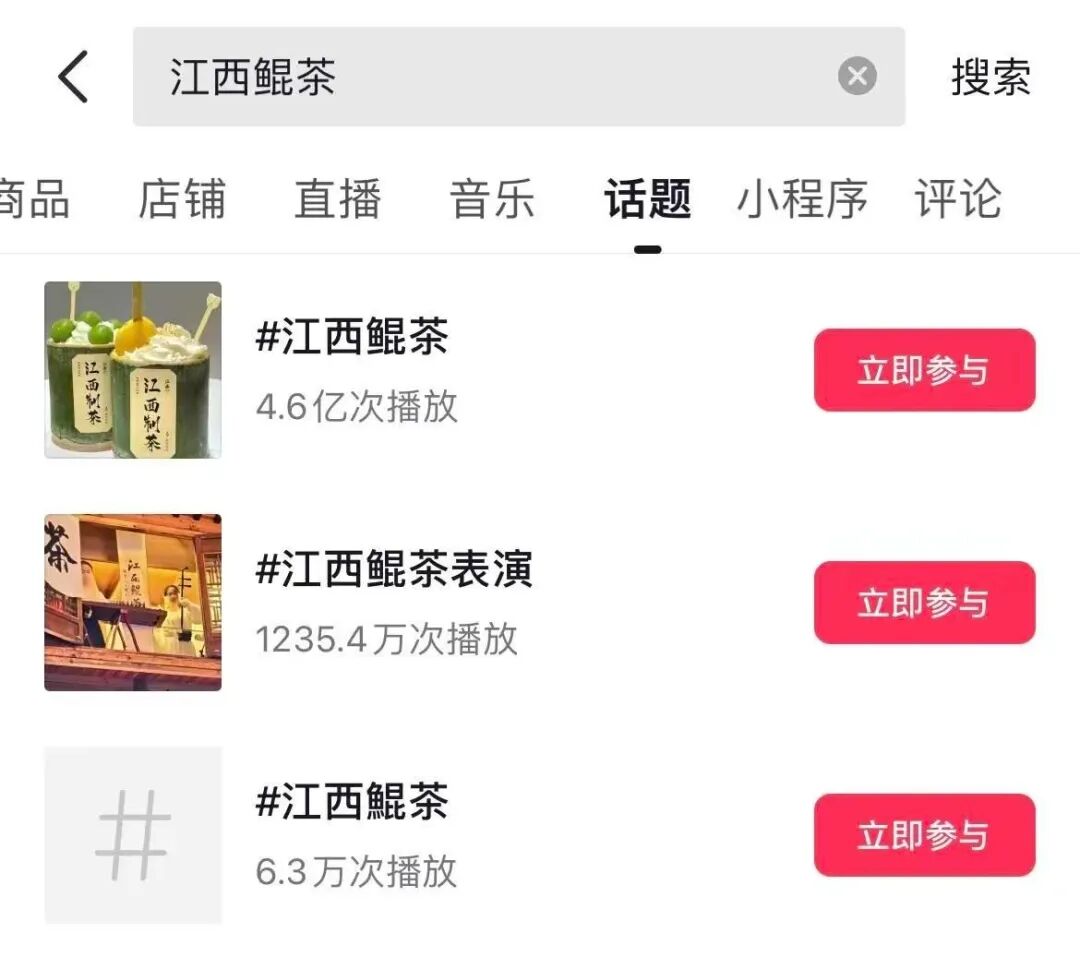
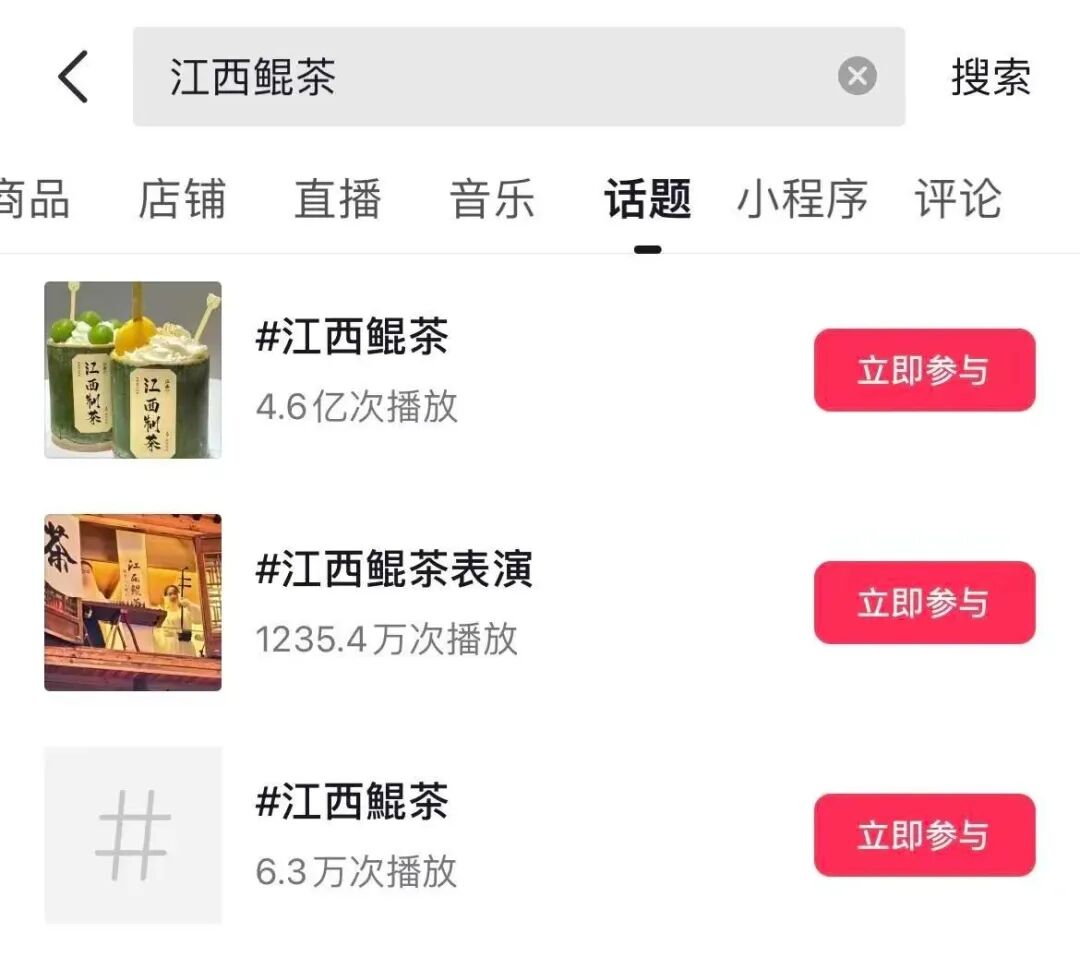
Core Insights - A new wave of tea shops focusing on "regional + cultural tourism" has emerged, gaining popularity among young consumers who view these experiences as essential during their travels [2][10][19] Group 1: Market Trends - Traditional tea shops are struggling with price wars, while those emphasizing regional and cultural tourism are experiencing rapid growth and national expansion [2][6] - For instance, Jiangxi Kuncha has achieved monthly revenues exceeding 1 million yuan at its Wan Shou Gong store, with a total of 20 locations across various cities [4][6] - Similarly, Xuzhou's Yunlong Tea has opened 8 stores, consistently ranking in the top three on local review platforms [4][6] Group 2: Consumer Engagement - The popularity of these tea shops is driven by their ability to create immersive cultural experiences, which resonate well with consumers [10][11] - For example, Kuncha's stores feature traditional decor that reflects local culture, enhancing the overall customer experience [11][12] - The integration of local ingredients into product offerings, such as Kuncha's "瓦罐系列" and Yunlong Tea's "徐州汉茶" series, further strengthens the connection to regional identity [13][14] Group 3: Marketing Strategies - Many tea brands are leveraging collaborations with cultural tourism IPs to enhance their market presence, such as Yi He Tang's partnership with Handan's cultural tourism [14][19] - The trend of co-branding is evident, with brands like Bawang Chaji embedding their products within cultural sites, thus creating a unique selling proposition [14][19] - Social media engagement is significant, with over 50 million posts related to "regional + cultural tourism" tea shops, indicating strong consumer interest [9][10] Group 4: Challenges and Competition - The rapid rise of these tea shops has led to a wave of imitation, resulting in a homogenization of offerings and decor styles across the market [15][18] - The challenge of maintaining unique brand identities is critical, as many shops struggle to differentiate themselves beyond surface-level cultural elements [15][18] - Experts suggest that true differentiation requires a deeper integration of local cultural elements into both product and store design [15][19]
年轻人正捧红一批“地域文旅奶茶”
Xin Lang Cai Jing· 2025-11-24 03:36
Core Insights - A new wave of tea shops focusing on "regional + cultural tourism" characteristics is gaining popularity, successfully expanding nationwide while traditional tea shops struggle with price wars [2][6][14] Group 1: Market Trends - The rise of tea shops like Jiangxi Kunchá and Yunglong Tea in Xuzhou showcases the success of integrating local culture and tourism into their branding, leading to significant social media engagement and sales [2][4][6] - Jiangxi Kunchá's Wan Shou Gong store reportedly achieves monthly revenues exceeding 1 million yuan, with a total of 20 locations established in various cities [4][6] - Yunglong Tea has opened 8 stores in Xuzhou, consistently ranking in the top three on local review platforms, indicating strong consumer demand [4][6] Group 2: Consumer Engagement - The popularity of these tea shops is driven by their ability to create immersive cultural experiences, appealing to young consumers who prioritize unique photo opportunities during their travels [2][6][11] - Social media platforms like Xiaohongshu and Douyin have seen significant discussions and views related to these tea brands, with Jiangxi Kunchá generating over 23,000 discussions and 460 million views on Douyin [2][4] Group 3: Product Innovation - Many of these tea shops incorporate local ingredients into their products, enhancing their connection to regional culture, such as Yunglong Tea's focus on Han culture and Jiangxi Kunchá's "Wagon Series" [12][13] - The use of local ingredients has been scaled, with brands like Quchashan utilizing nearly 1,000 tons of local materials in their products, showcasing a commitment to regional authenticity [12][13] Group 4: Competitive Landscape - The success of "regional + cultural tourism" tea shops has led to a surge in imitation stores, which often lack unique cultural elements and may face challenges in differentiation [14][17] - The industry is experiencing a trend of product and marketing homogenization, with many brands replicating popular items without innovation, leading to decreased consumer interest [17][18] Group 5: Strategic Collaborations - Collaborations with cultural tourism entities are becoming a strategy for brands to enhance their market presence, as seen with Yihe Tang's partnership with Handan tourism to create themed products [13][18] - Successful collaborations focus on deep cultural integration rather than superficial branding, as demonstrated by Bawang Chaji's engagement with local cultural performances [18]
茶饮出海:以东方韵味,打开海外茶饮新市场
Zhong Guo Jing Ji Wang· 2025-11-24 02:01
Core Insights - The Chinese tea beverage market is increasingly focusing on international expansion as domestic competition intensifies, with brands like Mixue Ice City, Heytea, and Bawang Tea Sister accelerating their overseas strategies [1][4] - Mixue Ice City has announced a significant push for international growth, launching dedicated channels for overseas franchises and expanding to 16 countries and regions [1][5] - Heytea has successfully entered multiple international markets, leveraging localized products and a comprehensive operational framework to enhance its brand presence [2][3] Group 1: Market Expansion - Mixue Ice City began its international expansion in 2018 and has since entered 12 countries, achieving notable success in Kazakhstan with a first-month revenue exceeding 430,000 yuan [1][2] - Heytea has opened stores in 11 cities across the U.S., Canada, and the U.K. since 2025, with its first LAB store in New York selling over 3,500 cups on its opening day [2][3] Group 2: Localization Strategy - Mixue Ice City emphasizes local consumer preferences, introducing products like chocolate ice cream in Malaysia and mint lemonade in Vietnam to cater to regional tastes [2][4] - Heytea has launched over 20 culturally inspired drinks in the past year, with products like "Matcha Coconut Blue" becoming bestsellers in North America and the U.K. [3] Group 3: Competitive Advantages - Chinese tea brands benefit from their cultural heritage, a robust supply chain, and the ability to blend traditional tea-making techniques with local consumer preferences, enhancing their appeal in foreign markets [4] - The industry recognizes the importance of understanding local markets and establishing a strong foothold before expanding further, promoting a win-win approach to local development [4]
中国最好的一批消费品牌是怎么诞生的?
3 6 Ke· 2025-11-24 01:18
刚刚过去的一个季度里,瑞幸的门店总数达到29214 家,这个数字是 2020 年退市时的6倍。五年时间里,它从每卖一杯亏 掉5.6 元,到如今单杯稳定获利1.2 元[1]。粉单市场上,它的股价从最低不到 1 美元一路反弹,不断逼近退市前 129 亿美元 的总市值峰点。 这些标志性的数字,构成了瑞幸重生的叙事。 这是近十年来中国商业史上最具代表性的"困境反转"案例。它修正了资本市场对于"中概股退市必死"的刻板印象,演绎了 一段投资机构逆势支持企业的佳话,更用一场起死回生告诉人们: 中国消费市场是一个庞大的存在,只要持续做好自己的产品,就可以活得比所有人以为的更有韧性。 2021年,生椰拿铁的上市宣布了瑞幸的"卷土重来"——单月销量突破 2000 万杯,相当于每秒钟卖出 7 杯,券后价格常年 9.9 元就能实现盈利。瑞幸又回到了最朴素的商业常识里:好产品是前面的1,其他能力是后面的0。规模只是产品的结果, 份额只是品牌的具象。 事实上,IDG资本从一开始就非常看好瑞幸,但一直没有找到合适的入局机会。公司投资团队判断瑞幸本身的品牌、门店 网络、数字化系统等都是良性健康的,只是在前期试图用大量补贴,在短期急速培养消费 ...

中国最好的一批消费品牌是怎么诞生的?
远川研究所· 2025-11-23 12:38
Core Viewpoint - Luckin Coffee's remarkable recovery illustrates the resilience of the Chinese consumer market, challenging the stereotype that Chinese concept stocks must fail after delisting, and highlighting the importance of product quality in driving business success [5][8]. Group 1: Company Performance - In the past quarter, Luckin Coffee's total number of stores reached 2,914, which is six times the number at the time of its delisting in 2020 [2]. - The company transitioned from losing 5.6 yuan per cup to a stable profit of 1.2 yuan per cup [2]. - Luckin's stock price rebounded from below 1 USD to approach its pre-delisting market cap of 12.9 billion USD [2]. Group 2: Investment and Market Dynamics - The delisting was initially seen as a fatal blow, but institutional investors remained focused on Luckin, with Snow Lake Capital raising its target price and major investments from firms like Dazhong Capital and IDG Capital totaling over 400 million USD [6][8]. - The shift in management and business model, driven by new investors, emphasized product innovation and data-driven strategies, leading to the successful launch of products like the coconut latte, which sold over 20 million cups in a month [8][9]. Group 3: Industry Trends - The current market environment has shifted from a focus on aggressive pricing and heavy spending to a model prioritizing product quality, high repurchase rates, and stable profits [11][13]. - The Chinese consumer market is characterized by its vast size and rapid feedback mechanisms, allowing even niche demands to be validated and turned into significant business opportunities [21][26]. - The investment landscape is evolving, with a focus on long-term value creation and the importance of identifying companies with strong product and brand capabilities [22][23]. Group 4: Case Studies of Success - Companies like Ying Shi and Pop Mart exemplify the new generation of consumer brands that have thrived by focusing on product excellence and innovation, leading to significant market impact [14][16]. - The success of these brands demonstrates that a deep understanding of consumer needs and a commitment to quality can lead to global recognition and market leadership [17][18]. Group 5: Future Outlook - The narrative of Chinese consumer entrepreneurship is shifting towards a focus on sustainable growth and the development of high-quality products that can compete globally [22][27]. - Investment institutions are increasingly playing a crucial role in supporting these brands, helping them navigate the complexities of both domestic and international markets [23][26].
