
华为技术有限公司

Search documents
开源鸿蒙迎来新风口,成都软件业如何借力强链突破?
Mei Ri Jing Ji Xin Wen· 2025-10-17 14:08
Group 1 - Huawei's terminal has fully entered the HarmonyOS era, with cities accelerating their embrace of the Harmony ecosystem [1] - The Huawei Software (Chengdu) Ecological Conference gathered over 200 upstream and downstream enterprises, showcasing the deepening connections within the Harmony ecosystem [1][2] - The Harmony ecosystem has achieved significant progress, with 3,100 partners and over 740 million devices connected [2] Group 2 - Open-source Harmony is expected to see a new wave of growth, with applications expanding across various industries [2][4] - The education sector is emerging as a popular area for open-source Harmony applications, with initiatives aimed at training youth in Harmony development [4] - Chengdu's software industry has shown robust growth, with a revenue increase of 11.2% year-on-year, providing a strong foundation for Huawei's ecosystem partners [6]

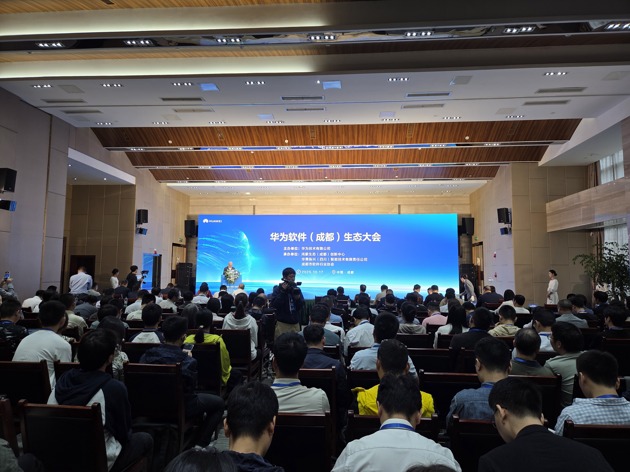
在成都建生态!200余家上下游企业齐聚,华为软件(成都)生态大会在蓉举办
Sou Hu Cai Jing· 2025-10-17 10:35
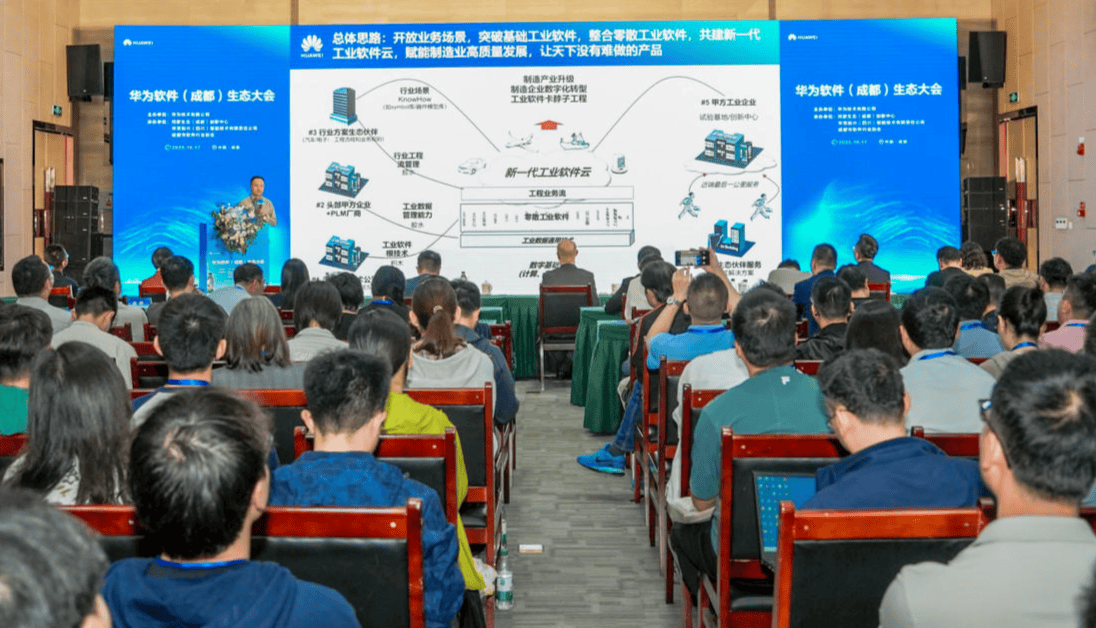
Core Insights - The Huawei Software (Chengdu) Ecological Conference was held on October 17, showcasing the growth of the Harmony ecosystem and its collaboration with over 3,100 partners, with ecosystem devices exceeding 740 million [1][10] - The conference emphasized the importance of collaboration among partners, universities, and local industries to drive innovation and application in key sectors such as equipment manufacturing and electronic information [4][8] Group 1: Event Overview - The conference attracted over 200 companies and universities, including major players like China Commercial Aircraft Corporation and Dongfang Electric [1] - The event highlighted the establishment of the Harmony Ecosystem (Chengdu) Innovation Center, which has served over 1,000 partners since its inception in June 2024, becoming a core hub for digital transformation in the region [6][10] Group 2: Industry Development - Huawei aims to open business scenarios and collaborate with partners to develop a new generation of industrial software cloud, enhancing high-quality development across various industries [8] - The software industry in Chengdu is thriving, with a reported main business income of 7,851.9 billion yuan in 2024, marking an 11.4% growth, and a total of 1,648 software companies in the city [10]
黄仁勋:中国市场份额归零
半导体芯闻· 2025-10-17 10:20
Core Insights - Nvidia's CEO Jensen Huang stated that due to U.S. export restrictions, the company's market share in China's advanced chip market has dropped from 95% to zero [1] - Huang emphasized that excluding Nvidia from the Chinese market is detrimental to both China and the U.S., as it could lead to a loss of competitive edge [1][2] - The Chinese government is pushing for self-sufficiency in semiconductors, with local competitors like Huawei and Alibaba investing heavily in chip development [2] Group 1 - Nvidia has been banned from exporting advanced AI chips to China since 2022, including the A100, H100, and H200 models [1] - Although Nvidia received permission to sell a low-power H20 chip tailored for China, the Chinese authorities have advised against its purchase due to security concerns [1] - Huang noted that China possesses about 50% of the world's AI researchers, highlighting the importance of maintaining access to this talent pool for U.S. technology [1][2] Group 2 - The White House AI director David Sacks warned that China is positioning itself to support Huawei in the global market, which poses a significant challenge to U.S. competitiveness [3][4] - Sacks argued for a nuanced approach to chip export controls, suggesting that maintaining some level of trade with China is essential for U.S. market competitiveness [4] - Recent reports indicate that China has expressed a desire to reduce reliance on U.S. chips, focusing instead on bolstering domestic companies like Huawei [4]


第五届环境监测与预警技术研讨会在济南召开
Qi Lu Wan Bao· 2025-10-17 07:31
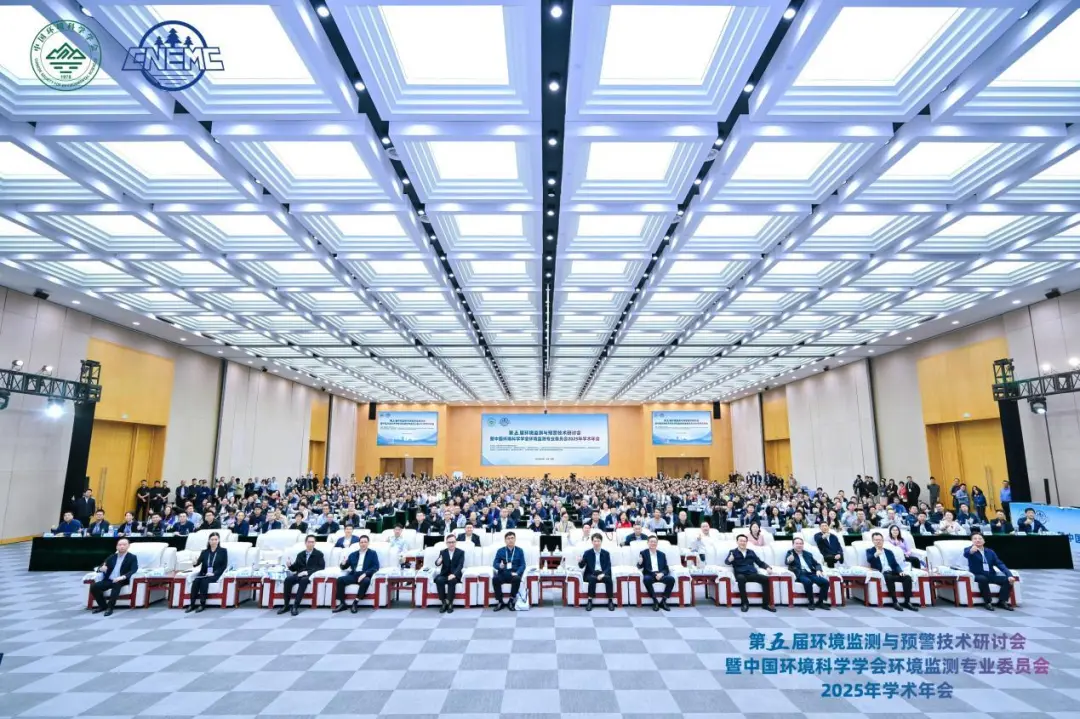
Core Insights - The conference focused on the theme "Integrated Monitoring of Sky, Land, and Sea: Empowering Intelligent Monitoring" to advance the digital transformation of ecological and environmental monitoring, supporting the construction of a comprehensive national ecological environment monitoring network 2.0 version [1] Group 1: Conference Overview - The event was co-hosted by the Chinese Society of Environmental Sciences and the China National Environmental Monitoring Center, with over 1,000 representatives from various sectors attending [1] - Keynote speeches were delivered by prominent figures, including Academician Wu Yirong and Huawei's senior consultant Zhang Boqiang, discussing integrated monitoring systems and digital transformation practices [1][2] Group 2: Key Presentations - Wu Yirong presented a quality control system for satellite data and products, emphasizing the need for enhanced applications of satellite data in greenhouse gas monitoring [2] - Zhang Boqiang shared Huawei's experiences in utilizing digital capabilities for complex system management and AI applications, providing valuable insights for the industry [2] Group 3: National Monitoring Network Insights - Zhang Dawei, Director of the Ecological Environment Monitoring Department, outlined the progress made in the digital transformation of the national ecological environment monitoring network, focusing on perception, operation control, data, and application systems [4] - He highlighted the importance of meeting ecological management needs and enhancing the value output of ecological monitoring through a new generation of monitoring networks [4] Group 4: Specialized Discussions - The conference featured seven specialized sub-forums covering topics such as integrated monitoring theory, intelligent sensing technologies, and pollution source monitoring, with a total of 146 specialized reports presented [5] - The aim was to foster consensus and clarify directions for the ongoing digital transformation of ecological environment monitoring [5]
三星APEC峰会亮剑三折手机 全球首秀双铰链”平板手机“
Zhi Tong Cai Jing· 2025-10-17 07:09
Group 1 - Samsung Electronics will launch its first tri-fold smartphone at the APEC summit in Gyeongju, South Korea, later this month [1] - The device features a dual-hinge design, allowing it to function as both a traditional smartphone and a larger tablet when fully opened [1] - The smartphone will be showcased at the Korea Advanced Technology Exhibition, but attendees may not be able to physically interact with it [1] Group 2 - Samsung aims to enhance its international reputation as an engineering pioneer by unveiling the new product at a high-profile diplomatic event [1] - The tri-fold smartphone is expected to be fully launched in late 2025, although specific timelines have not been disclosed [1] - Since entering the foldable phone market in 2019, Samsung has faced increasing competition, particularly from Chinese manufacturers [2] Group 3 - Samsung's Galaxy Z Fold7, launched in July, has achieved market success due to its lighter and thinner design, showcasing the company's ongoing innovation in the foldable segment [2] - The competition in the foldable smartphone market is set to intensify with Apple's plans to release its first foldable iPhone in 2026 [2]
今日新闻丨零跑D19正式亮相,增程版纯电续航500km!北京现代EO 弈欧开启预售!启境汽车首款产品设计定型!
电动车公社· 2025-10-16 15:59
Group 1 - GAC and Huawei have jointly developed the Qijing automobile, with the first product design officially finalized after 8 months of collaboration involving nearly 100 team members from both sides [1][2][5] - The new Zhiji LS6 Super Range Extender 52Max+ version has been launched at a limited-time price of 229,000 yuan, featuring a 52kWh lithium iron phosphate battery and a CLTC pure electric range of 370 km [6][10] - The new GAC Trumpchi Xiangwang M8 Master Edition has been launched with a price range of 269,900 to 289,900 yuan, featuring a 2.0T hybrid system and a CLTC pure electric range of 136 km [11][18] Group 2 - The new Dongfeng Nano 01 has been launched with a limited-time price range of 58,800 to 88,800 yuan, offering 8 models and a maximum power of 70 kW with a CLTC pure electric range of 330 to 430 km [20][25] - The Dongfeng Yipai 008 five-seat version has been launched at a limited-time price of 159,900 to 171,600 yuan, featuring both pure electric and range extender options [26][29] - Beijing Hyundai EO has opened pre-sales with a price range of 130,000 to 150,000 yuan, featuring a compact SUV design and a maximum power of 233 kW with a CLTC pure electric range of 518 to 722 km [30][40] Group 3 - The Leap D19 has officially debuted, showcasing its technological highlights and is set to be unveiled in late 2025, with pre-sales expected in the first half of 2026 [42][44] - The D19 features a luxurious design with advanced technology, including a 115 kWh battery pack providing a CLTC pure electric range of 720 km and a dual-motor all-wheel drive system [45][46]

广汽华为联合打造的启境品牌首款车已设计定型
Mei Ri Jing Ji Xin Wen· 2025-10-16 09:32
Core Insights - The new brand "Qijing" has been jointly developed by GAC and Huawei, with the first vehicle design now finalized [1] - The vehicle has entered the subsequent research and testing phase [1] Company Summary - GAC has partnered with Huawei to create a new automotive brand, indicating a strategic collaboration in the automotive sector [1] - The completion of the vehicle design suggests progress in the development timeline for the new brand [1] Industry Summary - The collaboration between GAC and Huawei reflects a growing trend of technology companies entering the automotive industry, particularly in electric and smart vehicle segments [1] - The advancement into the research and testing phase signifies a competitive move in the rapidly evolving automotive market [1]

苹果发布3款M5家族新品;刘强东开始抢汽车人丨科技风向标
2 1 Shi Ji Jing Ji Bao Dao· 2025-10-16 03:20
Group 1: Apple Developments - Apple has launched three new products in the M5 family, including the new M5 chip, MacBook Pro, iPad Pro, and Vision Pro, with the M5 chip featuring a new 10-core GPU architecture that offers over four times the peak computing performance for AI tasks compared to the M4 chip [2] - The M5 chip enhances the Vision Pro's micro-OLED display, allowing for a 10% increase in pixel rendering, resulting in clearer details and smoother dynamic displays [2] - Apple plans to increase its investment in China, with CEO Tim Cook expressing gratitude for the support from the Chinese government and emphasizing mutual development [4] Group 2: Automotive Sector Developments - JD.com has begun recruiting for its automotive division, offering high salaries for positions such as algorithm roles and automotive procurement heads, as it prepares to launch a new car model in collaboration with GAC Group and CATL [5] - CATL and JD.com have signed a strategic cooperation agreement to establish a direct sales channel for battery swapping services in the electric vehicle sector [6] Group 3: AI and Technology Innovations - Huawei has unveiled an AI-Centric AI WAN solution aimed at helping operators overcome growth bottlenecks and explore new market opportunities [4] - OPPO has announced a new AI strategy focusing on personalized AI operating systems and advanced computing technologies at its developer conference [11] - SenseTime and Cambricon have entered a strategic cooperation agreement to optimize software and hardware integration for AI infrastructure [8] Group 4: Semiconductor and Hardware Developments - Oracle plans to expand its partnership with AMD by offering AI cloud services powered by 50,000 AMD Instinct MI450 AI chips starting in Q3 of next year [15] - Chipmaker Xilinx has announced a cash acquisition of a controlling stake in a semiconductor company for approximately 930 million yuan [16] - NAR股份 is set to acquire at least 51% of a semiconductor testing company, aiming to enter the semiconductor equipment sector [18] Group 5: Financing and Investment Activities - Zero Gravity Aircraft Industry has completed a series of financing rounds totaling nearly 700 million yuan to support the development of electric aircraft and related infrastructure [20] - Junpu Intelligent plans to raise up to 1.161 billion yuan through a private placement to fund robotics and healthcare technology projects [21]

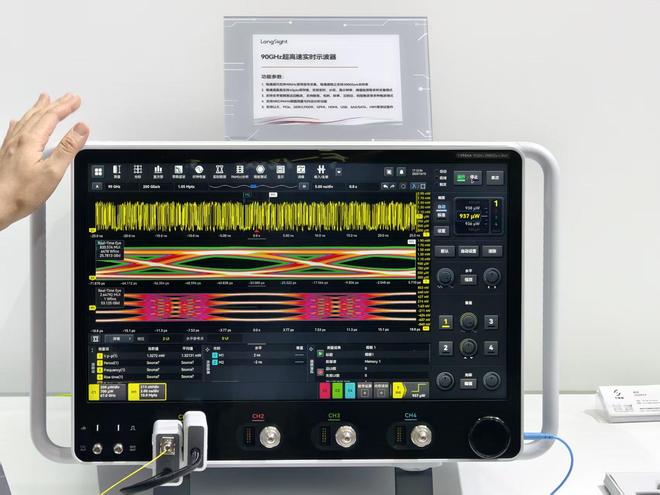
对话新凯来子公司:国产高端示波器如何突破西方封锁?
Guan Cha Zhe Wang· 2025-10-16 01:28
Core Viewpoint - The launch of the 90GHz ultra-high-speed real-time oscilloscope by Wanliyan marks a significant breakthrough in China's high-end electronic measurement instruments, breaking the long-standing technological blockade by foreign countries and providing crucial support for the development of next-generation communication, artificial intelligence, and aerospace technologies [1][3]. Group 1: Product Significance - The oscilloscope is described as the "crown jewel" of the electronic industry, essential for semiconductor research and development across the entire chain, including IP development, chip design, and packaging testing [3][4]. - The 90GHz bandwidth of the new oscilloscope represents a 500% improvement over previous domestic models, significantly narrowing the gap with the leading international oscilloscope, which has a bandwidth of 110GHz [5][8]. Group 2: Market Context and Challenges - The high-end oscilloscope market in China has been constrained by Western export controls, with devices over 60GHz being banned from entering China, leading to a significant performance gap between domestic and foreign products [4][7]. - The development of high-end ADC chips, crucial for the oscilloscope's performance, has been dominated by a few American companies, and strict export controls have hindered China's ability to produce competitive high-end measurement instruments [8][9]. Group 3: Company Background and Strategy - Wanliyan, established in September 2023, is a subsidiary of Xinkailai, with a focus on addressing the "bottleneck" issues in high-end electronic measurement instruments [11][12]. - The company has a strong R&D team, with approximately 80% of its over 600 employees dedicated to research and development, aiming to solve critical technological challenges [11][12]. Group 4: Customer Adoption and Future Outlook - Wanliyan has already secured clients such as Huawei and Shanghai Jiao Tong University, indicating a growing acceptance of its products in the market [13][14]. - The company aims to not only replace foreign products but also to innovate and advance the technology in the measurement instrument market, which is projected to grow to $660 million by 2025 [14].
研判2025!中国神经形态芯片行业产业链、市场规模及重点企业分析:3D堆叠+忆阻器技术使能效比飙升50倍,技术突破与市场需求双重推动行业发展[图]
Chan Ye Xin Xi Wang· 2025-10-16 01:20
Core Insights - The Chinese neuromorphic chip industry is entering a rapid development phase driven by technological breakthroughs and market demand, becoming a significant competitive field in the global semiconductor industry [1][5] - The market size of the Chinese neuromorphic chip industry is projected to reach approximately 2.548 billion yuan in 2024, representing a year-on-year growth of 12.89% [1][6] - Key technological advancements include Tsinghua University's "Tianji Chip" and Zhejiang University's billion-level neuron brain-like computer, showcasing China's technological strength [1][5] Industry Overview - Neuromorphic chips mimic the structure and function of human brain neural networks, integrating cognitive science and information science to create intelligent computing platforms capable of perception, processing, and learning [2][3] - The main implementation technologies for neuromorphic chips include digital CMOS, mixed-signal CMOS, and hybrid systems based on new devices [2] Industry Development History - The Chinese neuromorphic chip industry has evolved through three stages: academic research (2010-2018), engineering breakthroughs (2019-2023), and accelerated commercialization (2024-present) [3][4] - The industry is expected to experience a surge in commercialization by 2025, with advancements in 7nm process chips and a significant increase in production capacity [3][4] Industry Value Chain - The upstream of the neuromorphic chip industry includes semiconductor materials like single crystal silicon and germanium, as well as production equipment [5] - The midstream focuses on the research and production of neuromorphic chips, while the downstream applications span artificial intelligence, sensor systems, and smart devices [5] Market Size - The neuromorphic chip industry is becoming a crucial area in the global semiconductor sector, with a projected market size of approximately 2.548 billion yuan in 2024, growing by 12.89% year-on-year [1][6] Key Companies' Performance - The competitive landscape of the neuromorphic chip industry is characterized by "design leadership and manufacturing breakthroughs," with companies like Huawei HiSilicon, Cambricon, and Horizon Robotics leading in design [6][7] - Cambricon has achieved significant breakthroughs in the neuromorphic chip field, with its products already in mass production and applied in various sectors [6][7] Industry Development Trends 1. Continuous innovation in technical architecture will lead to energy efficiency breakthroughs, with the adoption of 7nm and below advanced processes [8] 2. Application scenarios for neuromorphic chips are expanding from specialized fields to consumer markets, including autonomous driving and healthcare [8] 3. The industry is accelerating domestic substitution, with significant advancements in design, manufacturing, and key materials, reducing reliance on imports [9][10]


