
Stellantis N.V.

Search documents
标致家族提名Robert Peugeot继续担任Stellantis董事会成员
Ge Long Hui A P P· 2025-12-17 13:47
Core Viewpoint - The Peugeot family has nominated Robert Peugeot to continue serving on the Stellantis board for a final two-year term, reaffirming their long-term commitment to the company [1] Group 1 - Robert Peugeot will hold the position of Vice Chairman at Stellantis [1] - The nomination will be presented at the 2026 Annual General Meeting (AGM) [1] - This nomination signifies a shift in the Peugeot family's representation on the Stellantis board, moving from an initial five-year term to a two-year term cycle [1]

大反转!欧盟,宣布放弃!丁仲礼院士的含金量还在上升
Zhong Guo Ji Jin Bao· 2025-12-17 13:44
Core Viewpoint - The European Union is planning to relax its 2035 ban on the sale of new internal combustion engine vehicles, marking a significant retreat from its green policies due to pressure from the automotive industry [2][3]. Group 1: EU Policy Changes - The EU Commission's new plan allows for the continued sale of certain non-pure electric vehicles, responding to demands from German and Italian automakers [2][3]. - The revised targets include a 90% reduction in carbon dioxide emissions by around 2035 compared to 2021 levels, down from the previous requirement of "zero emissions" for all new passenger cars and vans [3]. - The proposal provides a three-year window from 2030 to 2032 for automakers to average their emissions reductions, with passenger car emissions needing to be reduced by 55% compared to 2021 levels [3]. Group 2: Industry Reactions - Volkswagen, Europe's largest car manufacturer, supports the decision to open the internal combustion engine market while compensating for emissions, calling it a pragmatic approach [2]. - Analysts suggest that the global automotive industry is entering a "reset moment," rather than progressing linearly towards electrification [4]. - The CEO of Polestar warns that relaxing emission targets could harm both climate goals and Europe's competitiveness in the automotive sector [4]. Group 3: Competitive Landscape - The slowdown in electric vehicle transitions in the US and Europe may provide Chinese automakers an opportunity to solidify their market position, as they have established a leading edge in electric vehicles over the past decade [6][7]. - Traditional automakers like Ford are shifting focus back to fuel and hybrid models, indicating a retreat from aggressive electric vehicle plans [6][7]. - Despite potential impacts from reduced demand in Europe, Chinese automakers are expected to remain competitive, with the ability to expand into markets in South America, the Middle East, and Southeast Asia [7].

大反转!欧盟,宣布放弃!丁仲礼院士的含金量还在上升......
Zhong Guo Ji Jin Bao· 2025-12-17 13:42
Core Viewpoint - The European Union is planning to abandon its 2035 ban on the sale of new internal combustion engine vehicles, marking a significant retreat in its green policy efforts [3]. Group 1: EU Policy Changes - The EU Commission has proposed to relax the current arrangement that essentially bans the sale of new fuel vehicles starting in 2035, responding to pressure from the automotive industry [3]. - The proposal still requires approval from EU member states and the European Parliament, and if implemented, it will allow certain non-pure electric models to continue being sold [3]. - The new targets set by the EU include a 90% reduction in carbon dioxide emissions by around 2035 compared to 2021 levels, a shift from the previous requirement for all new passenger cars and vans to achieve "zero emissions" by 2035 [4]. Group 2: Industry Reactions - Major automotive companies, including Volkswagen, have welcomed the proposal, stating that it is a pragmatic approach to market realities while allowing for the continued existence of plug-in hybrid electric vehicles (PHEVs) and range-extended models [3]. - Analysts suggest that the global automotive industry is entering a "reset moment," rather than progressing linearly towards electrification [5]. - The CEO of Swedish electric vehicle manufacturer Polestar warned that relaxing emission targets could harm both climate efforts and Europe's competitiveness [5]. Group 3: Competitive Landscape - The relaxation of emission targets may weaken investments in critical areas such as charging infrastructure, potentially causing Europe to fall further behind China in the transition to cleaner transportation [5]. - Chinese electric vehicle manufacturers have established a leading position over the past decade, with companies like BYD and Xiaomi making rapid advancements in technology [7]. - Despite the EU's potential policy changes, analysts believe that Chinese companies will not face direct impacts and may continue to expand into markets in South America, the Middle East, and Southeast Asia [8].

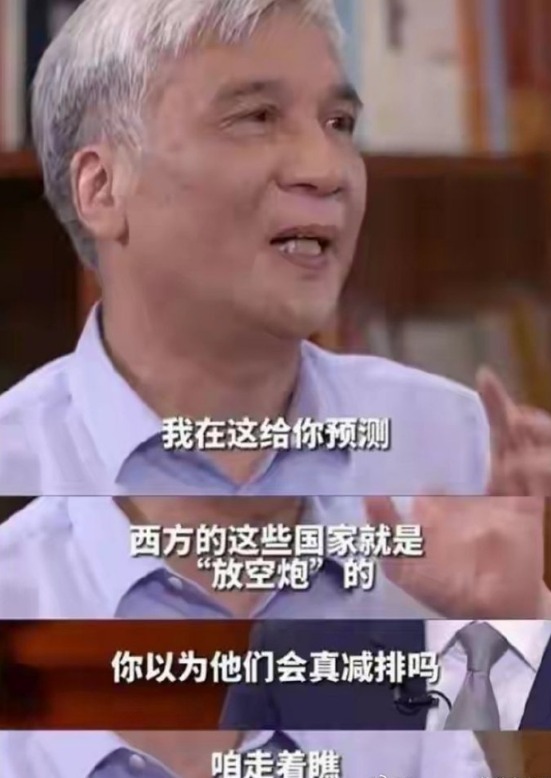
大反转!欧盟,宣布放弃!丁仲礼院士的含金量还在上升......
中国基金报· 2025-12-17 13:34
Core Viewpoint - The European Union is reconsidering its plan to ban the sale of new internal combustion engine vehicles by 2035, marking a significant retreat in its green policy [3][4]. Group 1: EU Policy Changes - The EU Commission plans to relax the current arrangement that essentially bans the sale of new fuel vehicles starting in 2035, responding to pressure from the automotive industry [3]. - The proposal allows for the continued sale of plug-in hybrid electric vehicles (PHEVs) and range-extended models, addressing the concerns of major car manufacturers like Volkswagen and Fiat [3][4]. - The new targets set by the EU include a 90% reduction in carbon emissions by around 2035 compared to 2021 levels, a shift from the previous requirement for all new passenger cars and vans to achieve "zero emissions" [4]. Group 2: Industry Reactions - Analysts suggest that the global automotive industry is entering a "reset moment," rather than progressing linearly towards electrification [5]. - Executives from electric vehicle manufacturers warn that relaxing emission targets could undermine investments in critical areas like charging infrastructure and hinder Europe's transition to cleaner transportation [5]. - The EU's decision follows Ford's announcement of a $19.5 billion impairment and restructuring costs, indicating challenges in the electric vehicle market [4]. Group 3: Competitive Landscape - The slowdown in electric vehicle transitions in the US and Europe may provide Chinese automakers an opportunity to solidify their advantages, as they have established a leading position in the electric vehicle market over the past decade [8]. - Traditional automakers like Ford are shifting focus back to fuel and hybrid models, indicating a need to adapt to local market demands [8]. - Despite potential impacts from reduced subsidies and the abandonment of the "ban on fuel vehicles," Chinese automakers are expected to remain competitive, even with EU tariffs in place [8][9].

美国汽车工业将走向“加拉帕戈斯化”危机?
Guan Cha Zhe Wang· 2025-12-17 11:30
【文/观察者网 潘昱辰 编辑/高莘】据路透社报道,在特朗普政府暂停了两项价值18亿美元的电动汽车 充电基础设施的拨款计划后,美国16个州和哥伦比亚特区于12月16日起诉了美国联邦政府。 事实上,自二次上任以来,特朗普已从多个方面针对电动汽车进行打压。今年6月,特朗普签署反对决 议,禁止加州在2035年前停售燃油车的规定,此外,他还签署了终止7500美元电动汽车税收抵免的行政 令;本月,特朗普还提议放宽前总统拜登于去年敲定的燃油经济性标准,以促进燃油车的销售。 有观点认为,此案是美国政策波动带来的撕裂性又一直接体现。一方面,美国联邦政府与州政府有关清 洁能源政策的诉讼争端进一步撕裂了美国社会,使其更加内耗与不稳定;另一方面,特朗普打压电动车 以促进燃油车销售的做法,虽然在短时间内让美国传统汽车制造商获得喘息机会,但长远来看只会撕裂 美国汽车产业与全球汽车产业的联系纽带。美国电动汽车发展也将更加落后,将不可避免地迎来"加拉 帕戈斯化"。 唯"利"是图 据路透社报道,此次参与起诉联邦政府的加利福尼亚州总检察长罗布·邦塔(Rob Bonta)表示,价值18 亿美元的电动汽车充电基础设施拨款,是2022年拜登政府制定的 ...


欧盟撤销全面电动化计划
Di Yi Cai Jing· 2025-12-17 11:29
Group 1: Core Views - The European Commission proposed a new amendment to relax the 2035 ban on the sale of fuel and diesel vehicles, changing the carbon emission reduction target from 100% to 90% [1] - Major automotive companies such as Mercedes-Benz, BMW, Stellantis, Volkswagen, and Renault support this amendment, citing high costs of electric vehicles and insufficient charging infrastructure as barriers to achieving the expected electric vehicle penetration by 2035 [1] - There are opposing views from companies like Volvo and Polestar, which argue that changing the ban could hinder the electric transition and lead to a lag behind other countries [1] Group 2: Market Trends - The global automotive market, including Europe, is undergoing an electrification transformation, with fuel vehicles losing market share to hybrid and electric vehicles [2] - According to ACEA data, new car registrations in the EU increased by 1.4% year-on-year in the first ten months of 2025, with hybrid vehicle registrations rising to 3.11 million, accounting for 34.6% of the market [2] - The market share of gasoline vehicles decreased from 34% to 27.4%, while pure electric vehicle registrations reached approximately 1.47 million, growing from 13.2% to 16.4% year-on-year [2] Group 3: Growth of Plug-in Hybrid Vehicles - The registration of plug-in hybrid vehicles in the EU surged to 819,200 units, with a market share of 9.1%, up from 7% the previous year [3] - Significant growth was observed in Spain (109.6%), Italy (76.5%), and Germany (63.4%) for plug-in hybrid vehicle sales [3] - Chinese automaker BYD reported substantial sales growth in the EU, with a 452.3% increase in Spain and a 647.5% increase in Germany [3] Group 4: Challenges for Traditional Automakers - Traditional automakers like Ford and Stellantis experienced a decline in sales, with Stellantis reporting a 6% drop in the first ten months of the year [4] - These companies face challenges in electric vehicle sales and rely heavily on external supply chains for key components like batteries [4] - German Chancellor Merz and Volkswagen CEO Oliver Blume expressed skepticism about the feasibility of a complete ban on internal combustion engines by 2035 [4] Group 5: Long-term Electrification Goals - The EU's new proposal includes a policy to support small electric vehicles, offering a reward mechanism for manufacturers that assemble small electric vehicles and battery packs in the EU [5] - Renault welcomed the new plan, emphasizing the need to accelerate the promotion of electric vehicles and the introduction of small electric cars [5][6] - Volkswagen described the new proposal as economically reasonable, highlighting the special support for small electric vehicles as a positive development [6]
China Automotive Systems Awarded First South American EPS Contract
Prnewswire· 2025-12-17 11:00
Core Viewpoint - China Automotive Systems, Inc. (CAAS) has secured a contract for its Column-Assist Electric Power Steering (C-EPS) project from a leading South American automotive manufacturer, marking a significant step in its international expansion strategy and aiming to achieve ambitious goals by 2030 [1][6] Group 1: Project Details - The C-EPS project will support a new vehicle platform that includes several gasoline and hybrid passenger vehicle models, with an expected annual sales volume exceeding 300,000 units and mass production anticipated to begin in early 2028 [2] - The project signifies a transition for Brazil Henglong from single-function mechanical steering products to advanced electric power steering systems, enhancing operational capabilities in the region [5] Group 2: Market Position and Strategy - Henglong has established a strong presence in the South American market, particularly in Brazil, where it holds over 30% market share in the steering system sector, leveraging advanced technologies and quality control [4] - The strategic plan includes building a comprehensive operational and support network in Brazil to promote electric power steering, which will involve new manufacturing capacity, engineering collaboration, and after-sales support [5] Group 3: Company Background - CAAS is a leading supplier of power steering components and systems in China, with an annual production capacity exceeding 8 million sets of steering gears, columns, and hoses, serving major automotive manufacturers both domestically and internationally [6]


小马智行王皓俊:财务指标不全反映技术价值,2023年或成商业化验证年
Zhi Tong Cai Jing· 2025-12-17 07:24
Core Insights - The announcement of the first batch of conditional L3 autonomous vehicle permits by the Ministry of Industry and Information Technology marks a clearer path for autonomous driving commercialization, particularly in the Robotaxi sector [1] - Companies like Mercedes, Stellantis, and Tesla are making significant advancements in Robotaxi testing and operations, with Waymo reporting a trip volume exceeding 14 million since 2025, and Xiaoma Zhixing achieving single-vehicle profitability [1][2] Group 1: Company Developments - Xiaoma Zhixing aims to achieve breakeven by 2030, emphasizing that financial metrics do not fully reflect technological value, and that profitability depends on cost control and revenue scale [2] - The company plans to operate fully autonomous Robotaxis in major cities, with an operational area exceeding 2,000 square kilometers and a projected 55 million kilometers of global autonomous driving testing mileage [2] - As of now, Xiaoma Zhixing has over 961 Robotaxi vehicles, with a target to exceed 1,000 by the end of 2025 and expand to over 3,000 by the end of 2026 [2] Group 2: Financial Performance - In Q3 2025, Xiaoma Zhixing reported total revenue of $25.4 million (approximately 181 million RMB), a 72% increase from $14.8 million in Q3 2024, driven by strong demand for autonomous driving services [3] - The gross margin improved to 18.4% in Q3 2025, up from 9.2% in the same period of 2024, attributed to an increase in high-margin autonomous driving service revenue [3] - The revenue from autonomous driving services grew by 89.5% year-on-year, with passenger fare income surging over 200% [3] Group 3: Autonomous Trucking Initiatives - Xiaoma Zhixing has accelerated its autonomous truck business, currently operating around 200 trucks and achieving over 1 billion ton-kilometers in freight transport [3][4] - The company has partnered with SANY Heavy Truck and Dongfeng Liuzhou Motor to develop a fourth generation of autonomous trucks, with plans for mass production of two models by 2026 [4] - The current scale of 200 trucks is strategically significant for meeting data needs for technological iteration, with plans for commercial scaling after 2-3 years of technology validation [4]
小马智行(02026)王皓俊:财务指标不全反映技术价值,2023年或成商业化验证年
智通财经网· 2025-12-17 07:23
Core Insights - The announcement of the first batch of conditional L3 autonomous vehicle permits by the Ministry of Industry and Information Technology marks a clearer path for autonomous driving commercialization, particularly in the Robotaxi sector, which is entering a competitive phase [1] Group 1: Company Developments - Xiaoma Zhixing has achieved single-vehicle profitability with its seventh-generation Robotaxi, aiming for breakeven by 2030 [1][2] - The company plans to operate fully autonomous Robotaxi services in major cities like Beijing, Shanghai, Guangzhou, and Shenzhen, covering over 2000 square kilometers [2] - Xiaoma Zhixing's Robotaxi fleet has grown from over 680 vehicles to more than 961, with a target of exceeding 1000 vehicles by the end of 2025 and expanding to over 3000 by the end of 2026 [2] Group 2: Financial Performance - In Q3 2025, Xiaoma Zhixing reported total revenue of $25.4 million (approximately 181 million RMB), a 72% increase from $14.8 million in Q3 2024, driven by strong demand for autonomous driving services and technology licensing [3] - The gross margin improved to 18.4% in Q3 2025, up from 9.2% in the same period in 2024, attributed to a higher contribution from high-margin autonomous driving services [3] - Revenue from autonomous driving services grew by 89.5% year-on-year, with passenger fare income surging over 200% [3] Group 3: Autonomous Trucking Initiatives - Xiaoma Zhixing's autonomous truck business has accelerated, with a fleet of approximately 200 trucks and a cargo transport volume exceeding 10 billion ton-kilometers [3][4] - The company has partnered with SANY Heavy Truck and Dongfeng Liuzhou Motor to develop a fourth-generation autonomous truck family, with plans for mass production of two models based on advanced electric platforms by 2026 [4] - The current scale of 200 autonomous trucks is strategically significant for meeting data needs for technology iteration, with plans for commercial scaling after 2-3 years of technology validation [4]
多机构预测明年全球锂市场将供不应求,有何缘由?
Zhong Guo Qi Che Bao Wang· 2025-12-17 01:24
Group 1 - The global lithium market is expected to face a supply shortage in 2024, attracting significant industry attention [2] - The electric vehicle (EV) market is projected to reach approximately 22 million units by 2026, with a market penetration rate nearing 30%, leading to a demand for 3,115 GWh of power batteries [3] - Solid-state batteries are emerging as a new highlight in battery technology, with lithium consumption per unit increasing by 22% and 45% compared to traditional lithium-ion batteries [3][4] Group 2 - The commercialization of solid-state batteries is accelerating, with major companies like Toyota and Samsung SDI investing heavily in R&D [4] - Solid-state batteries are expected to significantly increase lithium demand, with a potential need for 336 medium-sized lithium mines by 2035 if they capture 30% of the global battery market [4] - Current lithium mining capacity can only meet 50% of the projected global demand by 2030, highlighting a significant supply gap [5] Group 3 - The rising demand for lithium is expected to increase the cost of lithium carbonate to $17,000 per ton by 2026, a 70% increase from 2025 [6] - The cost of lithium is projected to account for over 40% of the total cost of electric vehicles, reversing the recent profit recovery for automakers [6] - Automakers are increasingly investing directly in lithium mining to secure supply chains, with companies like Stellantis acquiring stakes in lithium mining firms [7] Group 4 - The supply-demand imbalance in the lithium market will test the resilience of the global automotive industry, requiring a balance between cost control, technological preparedness, and supply chain security [8] - Policymakers face challenges in balancing environmental goals with industry realities as lithium becomes a strategic focus for the electric vehicle sector [8]
