东风汽车

Search documents
“苏超”爆火带飞股价,特朗普与马斯克的合与分丨一周热点回顾
Di Yi Cai Jing· 2025-06-07 02:09
Group 1: Su Chao and Cultural Tourism Consumption - The "Su Chao" football league has significantly boosted cultural tourism consumption in six host cities, with a total increase in consumption [1] - Over 180,000 fans attended matches, achieving attendance rates comparable to professional football leagues [1] - From June 2 to June 8, reservations for scenic spots in Jiangsu Province increased by 305% [1] - A-share football concept stocks surged, with multiple stocks hitting the limit up, including a five-day consecutive rise for Guochuang Turf and three consecutive 20% rises for Jinling Sports [1] Group 2: Changan and Dongfeng Restructuring - Changan Automobile and Dongfeng Automobile announced a pause in their restructuring plans due to the separation of Changan's indirect controlling shareholder [2][3] - The restructuring speculation had previously led to a surge in the capital market, but the current status remains unclear [3] - The automotive industry has seen a trend towards consolidation, indicating a maturation of the market [3] Group 3: National Standards for Intelligent Driving Assistance - A new mandatory national standard for intelligent connected vehicles' driving assistance systems is set to be established, with a project duration of 22 months [4][5] - The standard will cover technical requirements for motion control, driver monitoring, system safety, and testing methods [4] Group 4: Circle's IPO Performance - Circle, the issuer of the USDC stablecoin, saw its stock price surge by 168.48% on its first trading day, closing at $83.23 with a market cap exceeding $18 billion [6][7] - The company experienced a 25-fold oversubscription for its IPO, increasing the number of shares issued from 32 million to 34 million [6] - USDC's circulation has grown by 40% over the past year, significantly outpacing USDT's 10% growth [6] Group 5: Guangdong Government Investment Fund Regulations - Guangdong Province has introduced new regulations for government investment funds, stipulating that management fees must be paid from fund earnings rather than principal [8][9] - This change could lead to challenges for fund managers if the funds do not generate profits, potentially eliminating their primary income source [9] Group 6: South Korea's New President - Lee Jae-myung was inaugurated as South Korea's president, winning with 49.42% of the vote, ending a period of political uncertainty [10][11] - His administration aims to focus on developing emerging industries like AI and fostering a fair economy while navigating challenges in economic recovery and social cohesion [11] Group 7: US Steel and Aluminum Tariffs - The US has raised tariffs on steel and aluminum imports from 25% to 50%, citing national security concerns [12][13] - This move has faced criticism for potentially harming the US manufacturing sector and disrupting global supply chains [12] Group 8: Trump and Musk's Public Dispute - A public feud has erupted between former President Trump and Elon Musk, triggered by legislative changes affecting electric vehicle tax credits [13][14] - The conflict reflects deeper tensions between the two figures, impacting Tesla's stock price, which fell by 14.26% following the dispute [14]




每周股票复盘:东风股份(600006)间接控股股东暂不涉及重组,政府补助1000万
Sou Hu Cai Jing· 2025-06-06 18:35
Core Viewpoint - Dongfeng Motor Corporation's stock has experienced a decline of 10.76% this week, closing at 7.3 yuan, with a total market capitalization of 14.6 billion yuan as of June 6, 2025 [1] Company Announcements - On June 4, 2025, Dongfeng Motor Corporation announced that its indirect controlling shareholder, Dongfeng Motor Group Co., Ltd., will not be involved in any asset or business restructuring, and the company's normal production and operations will not be affected [1] - The company received a government subsidy of 10 million yuan on June 4, 2025, which accounts for 34.29% of the audited net profit attributable to shareholders for the fiscal year 2024, positively impacting the company's profits for 2025 [1] - On June 5, 2025, the company held its second extraordinary general meeting of shareholders for 2025, where a resolution to replace some directors was passed with 99.38% approval [1] Production and Sales Data - In May 2025, Dongfeng Motor Corporation produced 11,724 commercial vehicles, a year-on-year decrease of 1.27%, with a cumulative production of 56,454 vehicles, down 18.48% year-on-year [2] - The company sold 10,073 vehicles in May 2025, a year-on-year decline of 13.27%, with cumulative sales of 59,859 vehicles, down 14.45% year-on-year [2] - Light truck production was 11,225 units in May, up 8.09% year-on-year, but cumulative production for the year was down 16.34% [2] - Bus production fell significantly, with a May output of 267 units, down 78.83% year-on-year, and cumulative production down 52.46% [2] - New energy vehicle production increased by 109.82% year-on-year in May, totaling 3,621 units, but cumulative production for the year was down 36.56% [2] - Dongfeng Cummins engine production reached 18,168 units in May, up 20.16% year-on-year, with cumulative production up 5.24% [2]
长安“单飞”,不再等风
Hu Xiu· 2025-06-06 13:57
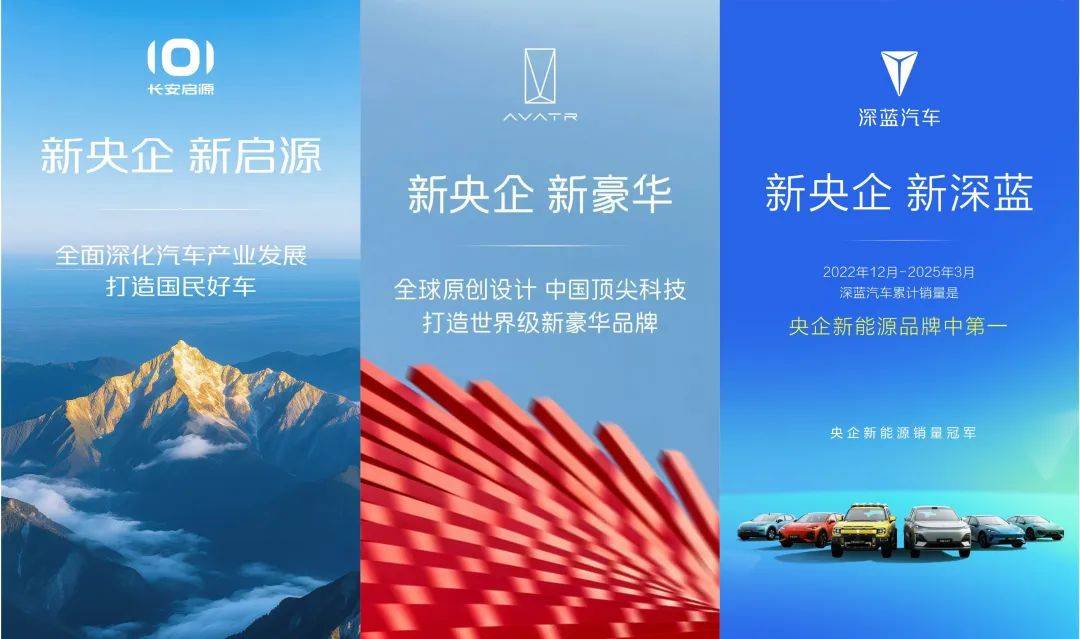
Group 1 - The core point of the article discusses the failed merger between Changan and Dongfeng, highlighting the challenges and implications of such corporate consolidations in the automotive industry [2][9][17] - Changan's transformation into an independent central enterprise is a significant development, as it will now be under the supervision of the State-owned Assets Supervision and Administration Commission (SASAC) [4][6][39] - The article emphasizes the ongoing trend of consolidation in the automotive industry, with many brands facing closure or restructuring, as predicted by Changan's chairman three years ago [7][9][18] Group 2 - Changan's sales figures for 2024 reached 2.684 million units, with a revenue of 59.733 billion yuan and a net profit of 7.321 billion yuan, while Dongfeng's sales were 2.48 million units with a revenue of 10.94 billion yuan [13][41] - The potential combined sales of Changan and Dongfeng could exceed 5.1 million units, positioning them as the largest automotive group in China and the fifth globally [14][18] - The article outlines the challenges of merging two large entities, including cultural differences, operational integration, and potential impacts on existing customers [15][17][18] Group 3 - Changan has developed three electric vehicle brands: Changan Qiyuan, Deep Blue, and Avita, each targeting different market segments [24][30] - The company aims to achieve a total sales target of 3 million units and revenue of 300 billion yuan by 2025, with plans to launch 13 new energy products [33][39] - Significant investments in research and development are noted, with 15.158 billion yuan allocated in 2024, maintaining a growth rate of over 10% [43][44]

长安“单飞”,不再等风
虎嗅APP· 2025-06-06 13:56
Core Viewpoint - The article discusses the recent developments in the automotive industry, particularly focusing on the failed merger between Changan and Dongfeng, and highlights Changan's transformation into a central enterprise, marking a new phase in its growth strategy [1][3][4]. Group 1: Merger and Restructuring - Changan and Dongfeng announced a merger on February 9, but the merger was terminated 116 days later, with both companies continuing to operate independently [1]. - The restructuring of Changan involves the separation of its automotive business into an independent central enterprise, with the State-owned Assets Supervision and Administration Commission (SASAC) overseeing it [3][4]. - The merger aimed to achieve a combined annual sales target exceeding 5.1 million vehicles, surpassing BYD to become the largest automotive group in China [11]. Group 2: Industry Trends and Challenges - The automotive industry is witnessing a wave of consolidation, with many smaller brands facing closure or restructuring, as predicted by Changan's chairman three years ago [6][8]. - Major traditional manufacturers are also consolidating their operations to reduce internal competition and focus on strategic goals [8]. - The challenges of merging two large entities like Changan and Dongfeng include differences in corporate culture, operational strategies, and potential impacts on employees [13]. Group 3: Changan's Strategic Positioning - Changan is positioned to become the 99th central enterprise in China and the third automotive central enterprise, indicating a significant shift in its operational framework [4]. - The company has developed three electric vehicle brands—Changan Qiyuan, Deep Blue, and Avita—targeting different market segments and aiming for substantial sales growth [18][19]. - Changan's sales reached 2.684 million units in 2024, with a 5.1% year-on-year increase, and it aims to achieve a total sales target of 3 million units by 2025 [22]. Group 4: Financial Performance and Future Goals - Changan's financial report for 2024 shows a total revenue of 276.72 billion yuan, with a significant increase in revenue from its new energy business, which accounted for 46.5% of total revenue [27]. - The company plans to invest heavily in research and development, with an expected R&D expenditure of 15.158 billion yuan in 2024, maintaining a growth rate of over 10% [27]. - Changan aims to achieve profitability for its Deep Blue brand by reaching a monthly sales target of 30,000 units, while Avita is expected to reach breakeven by 2026 [27].

电厂 | 强力降本,汽车公司逃离亏损泥潭的另外一种方式
Xin Lang Cai Jing· 2025-06-06 10:50
Core Viewpoint - The price war in the new energy vehicle (NEV) sector in China, which has lasted for nearly two and a half years, is showing signs of being called off due to unsustainable practices that have deviated from normal cost reduction paths [1] Industry Overview - In 2022, China's NEV production and sales reached 7.058 million and 6.887 million units, respectively, marking year-on-year growth of 96.9% and 93.4% [1] - By 2024, these figures are projected to rise to 12.888 million and 12.866 million units, with NEVs accounting for 41% of new car sales, nearing 50% [1] - The profit margin in the Chinese automotive industry has dropped to 4.2%, below the average of 5.4% for all industrial enterprises, and further declined to 4.1% in the first four months of the year [1] Company Performance - Changan Automobile's management indicated that their brand Deep Blue achieved breakeven with monthly sales of 30,000 units, while another brand, Avita, is expected to reach breakeven by 2026 [4] - Avita has accumulated losses of nearly 10 billion yuan from 2022 to 2024, with losses of 3.693 billion and 4.018 billion yuan in 2023 and 2024, respectively [4] - Li Auto has successfully implemented a cost reduction and growth model, achieving profitability in 2022, with a vehicle sales average price of 330,000 yuan and a gross margin increase from 12.7% to 20.2% in the fourth quarter [8][10] Pricing Strategies - Avita's pricing strategy has involved significant price reductions, with the starting price of Avita 11 dropping from 349,900 yuan to 309,900 yuan [6] - Lantu, another brand, has seen its starting price for the Lantu Dreamer decrease from 369,900 yuan to 339,900 yuan, while its first mass-produced model, Lantu FREE, has dropped from 313,600 yuan to 228,900 yuan [7] Cost Management - The automotive industry has a historical precedent where achieving annual sales of over 200,000 units significantly reduces fixed costs per vehicle, enhancing profit margins [12] - Xiaomi's automotive division is projected to achieve profitability within two years of launching its first vehicle, with a gross margin reaching 20.4% [12] - Leap Motor has managed to achieve a quarterly net profit of 8 million yuan in Q4 2024, despite a net loss of 2.82 billion yuan for the year [14] Strategic Initiatives - NIO has implemented a CBU (Cell Business Unit) mechanism to enhance cost efficiency rather than directly cutting costs, focusing on return on investment (ROI) for each project [18][20] - NIO's R&D expenses are expected to increase by 15% in Q2, reflecting a commitment to new model launches while aiming for a gross margin of 17-18% [20]
6月6日晚间重要公告一览
Xi Niu Cai Jing· 2025-06-06 10:24
Group 1 - Baiyunshan received drug registration certificate for Tadalafil tablets (2.5mg, 5mg) from the National Medical Products Administration, indicating its entry into the erectile dysfunction treatment market [1] - Huayin Power plans to invest approximately 1.398 billion yuan in three renewable energy projects with a total installed capacity of 230 MW [2] - GAC Group reported a 24.8% year-on-year decline in May automobile sales, with total sales of 117,700 units [3] Group 2 - Honghui Fruits and Vegetables announced a potential change in control due to share transfer negotiations, leading to a temporary suspension of its stock and convertible bonds [4] - Fuyuan Pharmaceutical's subsidiary received a drug registration certificate for Bromhexine Hydrochloride oral solution, aimed at treating respiratory diseases [5][6] - Jianghan New Materials plans to repurchase shares worth 200 million to 400 million yuan, with a maximum price of 30 yuan per share [7][8] Group 3 - Sinan Navigation received an administrative regulatory decision from the Shanghai Securities Regulatory Bureau due to multiple issues in its 2024 annual report [9][10] - Hesheng Co. received approval from the China Securities Regulatory Commission for a stock issuance to specific investors [11] - Daqin Railway reported a 1.85% year-on-year decrease in cargo transportation volume in May, totaling 32.96 million tons [13] Group 4 - Ningbo Construction's subsidiary won a design and construction project with a bid of 787 million yuan [14] - Yuehongyuan A announced the termination of a major asset restructuring plan due to failure to reach an agreement on key terms [15][16] - Mingyang Smart Energy reached a 190 million yuan repurchase agreement with Haiji New Energy [18] Group 5 - CNE Group's subsidiary plans to reduce registered capital from 430 million yuan to 330 million yuan [19] - ST Baili received an administrative penalty for failing to disclose non-operating fund occupation matters, resulting in a fine of 4 million yuan [21] - Baichuan Co. completed the repurchase of a 7.14% stake in its subsidiary for 50 million yuan [22] Group 6 - Dongrui Co. reported May sales of 155,400 pigs, generating revenue of 203 million yuan, a decrease of 8.77% month-on-month [25][26] - Pengding Holdings reported a 22.43% year-on-year increase in May consolidated revenue, totaling 2.598 billion yuan [27] - Dabeinong reported May sales of 727,600 pigs, with total revenue of 1.248 billion yuan [28] Group 7 - Lihua Co. reported a 4.77% year-on-year decrease in May chicken sales revenue, totaling 1.118 billion yuan [29][30] - Jindan Technology plans to use up to 300 million yuan of idle funds for entrusted wealth management [31] - Youxunda won a project from the State Grid worth approximately 176 million yuan [33][34] Group 8 - Shenglan Co. received approval for its convertible bond issuance from the Shenzhen Stock Exchange [35][36] - Jingfang Technology's shareholder plans to reduce holdings by up to 2% of the company's shares [37] - Shiji Information's subsidiary signed a significant contract with Marriott for cloud services [39] Group 9 - Northeast Securities' subsidiary plans to terminate its listing on the New Third Board [40] - Yaji International's supervisor is under investigation for insider trading [42][43] - Yian Technology signed a strategic cooperation framework agreement with Shenzhen Hive Interconnect Technology [44] Group 10 - Jinyu Group's subsidiary acquired a real estate project for 3.364 billion yuan [46][47] - Kaiweite's major shareholder plans to reduce holdings by up to 3% of the company's shares [48] - Ningbo Energy's subsidiary plans to publicly transfer fixed assets valued at approximately 17.4372 million yuan [49]


重卡市场爆发在即!27省市区出台2025报废更新补贴细则! | 头条
第一商用车网· 2025-06-06 06:51
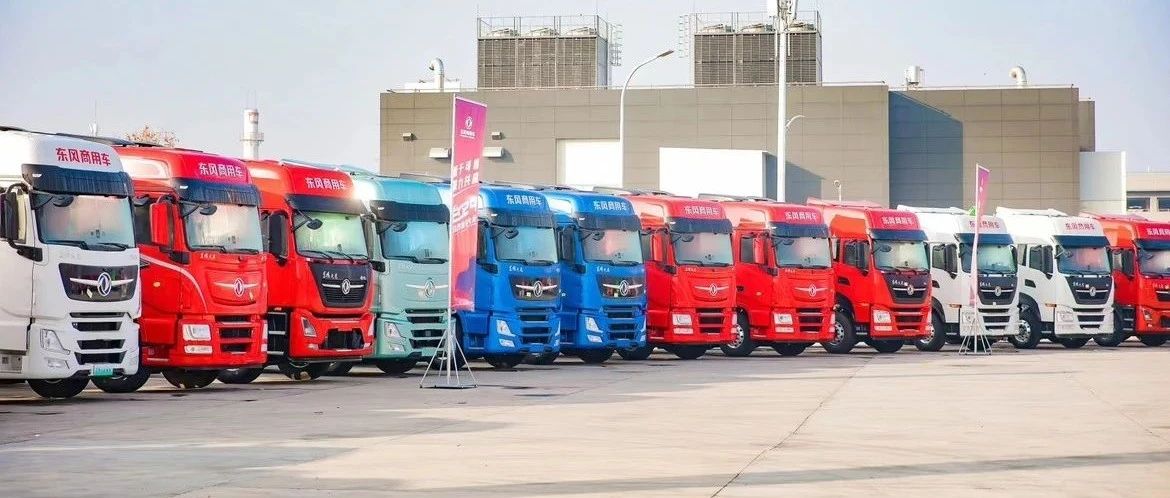
Core Viewpoint - The heavy-duty truck market is expected to experience a new surge in demand in the second half of 2025 due to government policies promoting the scrapping and updating of old trucks, particularly those meeting National III and IV emission standards [1][3][46]. Policy Overview - The Chinese government has significantly increased efforts to eliminate old operational trucks, expanding the scrapping policy to include National IV standards and providing differentiated subsidies for scrapping and purchasing new vehicles [3][4]. - As of now, 27 out of 32 provinces and municipalities have issued specific guidelines for the 2025 truck scrapping and updating subsidies, covering nearly 85% of the country [1][15]. Subsidy Details - The subsidy for scrapping old trucks can reach up to 45,000 yuan for the scrapped vehicle and up to 95,000 yuan for the new purchase, totaling a maximum of 140,000 yuan per vehicle [4][34]. - The subsidy structure varies by vehicle type and the duration of early scrapping, with specific amounts allocated for different categories of trucks [6][9][28]. Market Impact - In May 2025, the heavy-duty truck market saw sales of approximately 85,000 units, a year-on-year increase of about 9%, indicating a recovery in the market driven by the scrapping policies [11]. - The policies are expected to stimulate both terminal and wholesale sales, addressing the current challenges in the freight market, such as oversupply and low freight rates [11][46]. Regional Implementation - Regions like Shanghai and Beijing have implemented aggressive policies, with Shanghai aiming to eliminate National IV diesel trucks by 2027 and offering substantial subsidies for both scrapping and purchasing new vehicles [18][24]. - Other provinces have set specific targets for the number of trucks to be scrapped and updated, with Shanghai targeting 50,000 trucks and Zhejiang aiming for 40,000 [38][39]. Conclusion - The truck scrapping and updating policies are designed to lower the cost of purchasing new vehicles through financial subsidies, thereby invigorating the market and promoting the transition to greener logistics, aligning with national carbon reduction goals [46].
长安汽车(000625):重组方案初步落地 国际化进程有望提速
Xin Lang Cai Jing· 2025-06-06 06:30
Group 1 - The core point of the news is the restructuring of China Weapon Equipment Group, which will lead to the establishment of an independent central enterprise focused on the automotive business, enhancing resource allocation efficiency and accelerating internationalization [1][2] - The new automotive group is expected to be established within 2-3 months, with a focus on improving operational efficiency and receiving strong support from the State-owned Assets Supervision and Administration Commission (SASAC) and local governments [2] - The launch of the Deep Blue S09 pre-sale is part of the company's "big product" strategy transformation, with significant demand indicated by over 20,000 pre-orders within a month [2] Group 2 - The restructuring is anticipated to enhance resource allocation efficiency, with the company expected to achieve revenues of 186.9 billion, 211 billion, and 232.3 billion yuan from 2025 to 2027, alongside net profits of 7.91 billion, 10.03 billion, and 12.15 billion yuan respectively [3] - The company is advancing its strategic layouts, including "Beidou Tianshu," "Shangri-La," and "Haina Baichuan," as part of its transformation strategy [3]
00后老板的第一台车!江铃E福顺明窗版好品质、装的多、超能赚 | 头条
第一商用车网· 2025-06-06 02:05
Group 1 - A new independent state-owned automobile enterprise has been established as Dongfeng and Changan cancel their merger and restructuring plans [3] - In May, heavy truck sales reached 85,000 units, with Shandong Heavy Industry selling 23,000 units, Dongfeng and Jiefang over 14,000 units each, and Foton/Xugong increasing by 70% [3] - The Euromot heavy truck brand has seen a significant increase in sales, surpassing 10,000 units in May, driven by a diverse product lineup including fuel, gas, and new energy vehicles [3] Group 2 - Another large pure electric VAN vehicle is set to enter mass production [3] - A bidding project in Kunming has allocated 20 million yuan for the procurement of 25 large pure electric buses [3]

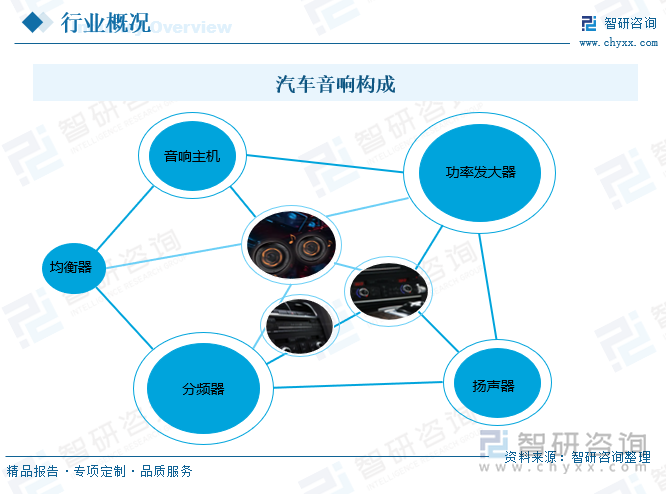
2025年中国汽车音响行业市场政策、产业链、发展现状、竞争格局及发展趋势研判:前装市场占比超90%[图]
Chan Ye Xin Xi Wang· 2025-06-06 01:46
Overview - The automotive audio market in China is experiencing rapid growth, with a projected market size of 68.618 billion yuan in 2024, representing a year-on-year increase of 4.60% [1][12] - Consumers are increasingly willing to pay higher prices for high-quality audio systems, leading to diverse demands for sound quality, functionality, and design [1][12] Market Policies - The Chinese government has implemented various policies to support the development of the automotive audio industry, including the "14th Five-Year" technology innovation plans and initiatives for recycling and upgrading equipment [5][7] Industry Chain - The automotive audio industry relies on upstream suppliers of metal materials and electronic components, while downstream demand comes primarily from automotive manufacturers, repair services, and customization markets [8][10] Current Development - The automotive audio market is predominantly driven by the pre-installed market, which accounts for over 90% of the total market, as manufacturers integrate audio systems into vehicles before sale [12] Competitive Landscape - The automotive audio market has high entry barriers, with domestic brands gradually breaking the dominance of foreign brands through improved quality and localized services [15] - Key players in the industry include companies like Aisico, Suzhou Shangsheng Electronics, and Guangdong HiVi Technology, with significant market presence in regions like Guangdong and Zhejiang [15][17][19] Future Trends - The integration of automotive audio systems with AI, IoT, and 5G technologies is expected to enhance user experience through smart voice assistants and personalized audio configurations [21]