深蓝

Search documents
还把“历史数据”当护城河?靠牛顿的笔记算不出相对论
混沌学园· 2026-03-25 12:04
Core Insights - The article emphasizes the shift from human-centric knowledge to AI-driven intelligence, highlighting that traditional human experience may become a cognitive constraint in the face of advanced AI models [1][17][21] - It introduces the concept of "large model thinking," which focuses on understanding the fundamental laws of things rather than merely optimizing existing knowledge [1][20][27] Group 1: Evolution of AI and Human Interaction - The first phase of human-machine competition was marked by IBM's Deep Blue defeating Garry Kasparov in 1997, showcasing the power of rule-based systems and exhaustive calculations [7] - The second phase saw the emergence of AlphaGo, which utilized neural networks and historical data to simulate human intuition, ultimately defeating Lee Sedol in 2016 [10][11] - The third phase introduced AlphaGo Zero, which learned solely through self-play without human data, achieving a 100:0 victory over its predecessor in just three days [17][18] Group 2: The Nature of Knowledge and Intelligence - Knowledge is described as "lossy compression," where valuable information is retained while redundant data is discarded, emphasizing the importance of abstraction [28][39] - The article discusses the concept of "insight," where accumulated observations lead to a sudden understanding of underlying patterns, enhancing predictive capabilities [33][38] - It highlights the "impossible triangle" of intelligence, which includes compression rate, loss rate, and computational cost, stressing the need for a new standard to measure intelligence [39] Group 3: Business Implications of AI Thinking - Companies must transition from a data-centric view to a focus on application scenarios, as most data in the market is deemed ineffective [70][71] - The article argues that the core competitive advantage lies in the ability to consume and transform intelligence rather than merely possessing data [67][70] - It suggests that organizations should adopt a probabilistic management approach, moving away from rigid deterministic processes to embrace uncertainty and creativity [61][66]


专栏丨人机共舞:智能时代的“中国节拍”
Xin Hua She· 2026-02-19 09:54
Group 1 - The article highlights the evolution of human-machine relationships, showcasing China's transition from a curious observer to an active participant and builder in the field of artificial intelligence (AI) [1][2] - China has established significant advantages in hardware supply chains, application scenarios, and policy support, positioning itself well for the new technological revolution represented by embodied intelligence [2] - In 2022, China accounted for approximately 90% of the global humanoid robot market, with an expected sales volume of 28,000 units in 2023 [2] Group 2 - The article emphasizes the need for global cooperation in addressing challenges posed by AI, such as employment structure adjustments, data security, algorithmic bias, and ethical norms [2] - China is actively promoting global governance in AI, proposing initiatives like the "Global AI Governance Initiative" and the establishment of a World AI Cooperation Organization [2][3] - The editorial in the journal Nature stresses that an AI arms race will not guarantee safety or prosperity, advocating for consensus on AI safety and utilization, and welcoming China's initiative for international collaboration [3]
长安汽车:回购计划开启强化信心,智能、电动化加速推进-20260212
Changjiang Securities· 2026-02-12 00:45
Investment Rating - The investment rating for the company is "Buy" and is maintained [5]. Core Insights - The company announced a share repurchase plan on February 4, 2026, intending to repurchase between 1 billion and 2 billion yuan using its own funds [3][9]. - The company's sales of self-owned new energy vehicles have significantly increased both year-on-year and quarter-on-quarter, driven by product structure optimization [9]. - The company is accelerating its transformation towards electric and intelligent vehicles, with rapid overseas expansion and continuous improvement in efficiency [9]. Summary by Relevant Sections Share Repurchase Plan - The repurchase plan includes a minimum of 700 million yuan and a maximum of 1.4 billion yuan for A shares, and a minimum of 300 million yuan and a maximum of 600 million yuan for B shares [9]. - The repurchase price cap is set at 150% of the average trading price over the 30 trading days prior to the board's approval of the repurchase plan [9]. Electric and Intelligent Transformation - The company has received the first official license plate for L3 level autonomous driving in the country, marking the beginning of the L3 era [9]. - The company is collaborating with Huawei on intelligent driving technologies and is developing humanoid robots, with a prototype expected to be released in 2026 [9]. Financial Performance and Projections - The company expects to achieve a net profit attributable to shareholders of 5.16 billion yuan in 2025 and 7.59 billion yuan in 2026, with corresponding P/E ratios of 21.5 and 14.7 [9]. - Revenue projections for the upcoming years are as follows: 159.73 billion yuan in 2024, 188.81 billion yuan in 2025, 204.06 billion yuan in 2026, and 229.06 billion yuan in 2027 [12].

长安汽车(000625):公司研究|点评报告|长安汽车(000625.SZ):长安汽车:回购计划开启强化信心,智能、电动化加速推进
Changjiang Securities· 2026-02-11 14:45
Investment Rating - The investment rating for the company is "Buy" and is maintained [8] Core Insights - The company announced a share repurchase plan on February 4, 2026, intending to repurchase between 1 billion and 2 billion yuan using its own funds, which is expected to enhance investor confidence [2][4] - The company's sales of self-owned new energy vehicles have significantly increased both year-on-year and quarter-on-quarter, driven by product structure optimization [2] - The company is accelerating its electric and intelligent transformation, with a strong focus on overseas expansion and continuous improvement in efficiency [6] - The expected net profit attributable to the parent company for 2025 and 2026 is projected to be 5.16 billion and 7.59 billion yuan, respectively, corresponding to a PE ratio of 21.5 and 14.7 times [6] Summary by Sections Share Repurchase Plan - The repurchase plan includes a minimum of 700 million yuan and a maximum of 1.4 billion yuan for A shares, and a minimum of 300 million yuan and a maximum of 600 million yuan for B shares [12] - The repurchase price will not exceed 150% of the average trading price over the 30 trading days prior to the board's approval of the repurchase plan [12] Electric and Intelligent Transformation - The company is advancing its electric and intelligent transformation, with a focus on enhancing cooperation with Huawei in smart driving technology [6] - The company has received the first official license plate for L3 level autonomous driving in the country, marking a significant milestone in its smart driving initiatives [12] Global Expansion - The company has accelerated its globalization strategy, having entered 117 countries and launched 41 models as of January 2026 [12] - The company is actively developing new products under multiple brands, including Changan, Deep Blue, and Avita, to capture market opportunities in the new energy vehicle sector [12]
全面推进智能网联新能源汽车之都建设 重庆如何迎接产业“下半场”
Zhong Guo Xin Wen Wang· 2026-01-30 08:10
Core Insights - Chongqing aims to produce 1.296 million new energy vehicles (NEVs) by 2025, a significant increase from 43,000 units in 2020, indicating a more than 30-fold growth in just a few years [1] - The city government has committed to building a smart connected NEV hub, supported by the establishment of major enterprises and advancements in technology [1] Group 1: Industry Growth and Development - The establishment of China Changan Automobile Group in Chongqing and its acquisition of the first national L3-level autonomous driving model approval are pivotal for the local NEV industry [1] - The "14th Five-Year Plan" emphasizes the rapid development of Chongqing's modern manufacturing cluster, transitioning from traditional fuel vehicles to new energy and independent brands [1] Group 2: Strategic Recommendations - Suggestions from local policymakers include enhancing the collaboration between vehicle manufacturers and component suppliers, focusing on upgrading vehicle technology and optimizing the industrial ecosystem [2][4] - Emphasis on differentiated development strategies, increased R&D support, and the establishment of a global R&D framework to boost innovation capabilities [2] Group 3: Policy and Infrastructure - Recommendations include creating local standards for L3/L4 autonomous driving and enhancing the service support system for the NEV industry [6] - The proposal to strengthen core product supply by fostering collaboration between major vehicle manufacturers and local suppliers to improve product customization and local production capabilities [6] Group 4: Investment and Ecosystem - Chongqing's industrial investment fund, totaling 200 billion yuan, plays a crucial role in supporting the NEV sector, alongside the collaboration of over 3,000 software companies [7] - The city is leveraging new ecosystems such as "whole vehicle and parts collaboration" and "cloud integration" to enhance its competitive edge in the NEV market [7]
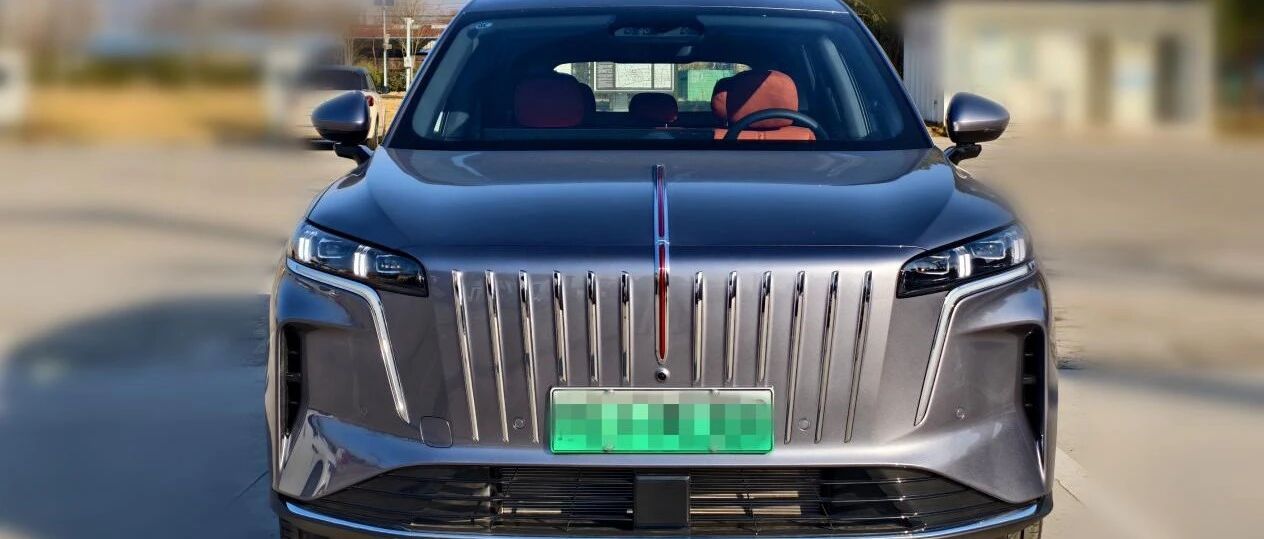
红旗HS6:现金优惠8000元,客户看中标配就有冰箱
车fans· 2026-01-22 00:30
Core Viewpoint - The article discusses the recent sales situation of the HS6 vehicle, highlighting customer feedback, competitive analysis, and promotional strategies. Group 1: Vehicle Arrival and Pricing - The HS6 was first available for test drives and display in early December, with the first batch of commercial vehicles arriving on December 17, including one 220 four-wheel drive hybrid version and three 240 two-wheel drive hybrid versions [2] - The HS6 has three configurations, but the 145 two-wheel drive hybrid version priced at 178,800 yuan is currently not in production [4] Group 2: Customer Engagement and Feedback - On average, nine groups of potential customers visit the dealership daily, with one group specifically interested in the HS6. The feedback indicates that while customers appreciate the vehicle's features, they find the exterior design unappealing and the pricing relatively high with limited discounts [8] - Customers comparing the HS6 primarily consider models such as BYD Tang, Hongqi HS5, Xingyue L, and Deep Blue. The main concern remains the pricing, with interested customers seeking more discounts [11] Group 3: Competitive Advantages and Disadvantages - The HS6 offers several competitive advantages, including a lifetime warranty on the three electric systems for the first owner, safety features exceeding the 2026 national standards, standard amenities like a refrigerator and large screen, and strong battery life that has set a Guinness World Record for hybrid vehicle range [11] - Disadvantages noted include a generally average exterior design and the current pricing being too firm [13] Group 4: Customer Experience and Features - The in-car refrigerator is highlighted as a practical feature, and the driving assistance technology has shown improvements during test drives, with no significant issues reported [14] - The vehicle's autonomous parking feature has been well-received, providing emotional value to customers who find it amusing to use against parking violators [14] Group 5: Financial Policies and Recommendations - Financial options include a two-year interest-free loan of 108,800 yuan for pre-sale orders, which drops to 52,000 yuan after the official launch. The total discount of 8,000 yuan is applicable after deducting the deposit and insurance benefits [15] - It is suggested to observe the market for a while before making a purchase decision, as prices may decrease and potential upgrades could enhance the vehicle's appeal [17] Group 6: Sales Perspective - The main issue currently is the low number of customers visiting the dealership. Despite the vehicle's strong selling points, such as long range and intelligent driving features, awareness of the HS6 is low, and the manufacturer needs to increase online marketing efforts [18]

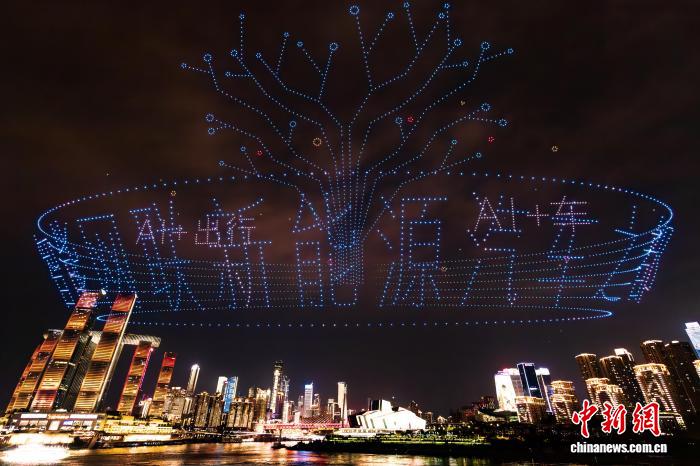
重夺“汽车第一城”,西部重镇杀回来了
Mei Ri Jing Ji Xin Wen· 2026-01-19 13:10
Core Insights - The competition for the title of "Automobile Capital" in China is intensifying, with Chongqing projected to produce 2.788 million vehicles in 2025, marking a 9.7% increase and solidifying its position as the top city in vehicle production [1] - Chongqing's automotive industry is experiencing a resurgence after a decade, with significant growth in new energy vehicles (NEVs), expected to reach 1.296 million units, a 36% increase [1] - The issuance of China's first L3-level autonomous driving license to Changan Automobile signifies a historic milestone in the large-scale application of intelligent driving technology, positioning Chongqing as a leader in this field [1] Industry Overview - The automotive industry in Chongqing aims to reclaim its status as a leader, having previously reached a peak production of 3.156 million vehicles in 2016 before experiencing a decline to 1.383 million in 2019 [2] - The shift in consumer preferences towards mid-to-high-end vehicles and the rise of NEVs have been pivotal in reshaping the automotive landscape [2] - Changan Automobile's strategic pivot towards electric vehicles, including the "Shangri-La" plan to cease traditional fuel vehicle production by 2025, reflects the industry's adaptation to market demands [3] Company Developments - Changan Automobile's collaboration with Huawei and CATL has led to the launch of new high-end NEV brands, contributing to a projected total vehicle sales of 2.913 million by 2025, with NEV sales expected to reach 1.11 million, a 51.1% increase [3] - Seres, another key player, has transitioned from traditional manufacturing to NEVs, achieving significant growth and profitability, with projected NEV sales of 472,300 units in 2025, a 10.63% increase [5] - The partnerships with Huawei have been crucial for both Changan and Seres, enabling them to leverage advanced technology and market positioning in the competitive NEV sector [6][9] Competitive Landscape - The automotive industry is entering a new competitive phase, with a consensus that the NEV market will see accelerated consolidation, leading to a "淘汰赛" (elimination round) among brands [10] - Chongqing's strategic initiatives, including the development of smart connected vehicles and the establishment of a comprehensive industrial ecosystem, are aimed at enhancing its competitive edge [12] - Other cities, such as Guangzhou, are also intensifying their efforts to reclaim leadership in the automotive sector, highlighting the competitive dynamics at play [13] Challenges and Opportunities - Despite its advancements, Chongqing faces challenges in AI and core technology competitiveness, ranking 14th nationally in AI industry strength, which may hinder its long-term leadership in intelligent driving [15] - The city is focusing on addressing its weaknesses in talent acquisition and technological infrastructure to maintain its position in the evolving automotive landscape [15]

回眸2025年,看见中国汽车业的向上力量
Bei Jing Ri Bao Ke Hu Duan· 2026-01-18 00:25
Core Insights - In 2025, China's automotive industry achieved record production and sales figures, with 34.53 million vehicles produced and 34.40 million sold, marking year-on-year growth of 10.4% and 9.4% respectively, showcasing resilience and vitality in the sector [1] - The year marked a significant shift in the market, with new energy vehicles (NEVs) surpassing 50% of domestic new car sales, indicating their transition from niche products to mainstream market leaders [2][3] - The automotive export volume exceeded 7 million units, with NEV exports reaching 2.615 million units, reflecting a robust growth trajectory and the establishment of overseas markets as new growth drivers [2][11] New Energy Vehicles (NEVs) as Market Leaders - NEVs accounted for 50.8% of domestic new car sales in 2025, with production and sales reaching 16.626 million and 16.49 million units respectively, representing year-on-year growth of 29% and 28.2% [3] - The competitive landscape has shifted, with domestic brands capturing nearly 70% of the passenger car market share, marking a significant reversal against joint venture brands [3][4] Technological and Policy Support - The growth of NEVs is attributed to supportive policies, technological advancements, and a well-structured supply chain, with over 11.5 million vehicles replaced under the trade-in policy, contributing to a sales boost of over 1.6 trillion yuan [5] - Innovations in technology have led to improved vehicle performance, with average electric vehicle ranges reaching around 500 kilometers and significant reductions in battery costs and charging times [6] Smart Driving Developments - The approval of the first L3-level conditional autonomous driving vehicles in December 2025 marks a pivotal moment in China's autonomous driving sector, transitioning from technology validation to mass production [7][9] - The penetration rate of vehicles equipped with L2-level driving assistance features reached 64% in the first three quarters of 2025, driven by decreasing costs and increased availability in lower-priced models [9] Global Expansion and Localization - China's automotive exports reached 7.098 million units in 2025, with a year-on-year increase of 21.1%, highlighting the importance of overseas markets for growth [11] - Localization efforts are intensifying, with over 20 Chinese automotive brands establishing manufacturing facilities in Thailand and Brazil, enhancing local production capabilities and supply chain integration [12] Market Competition Restructuring - The introduction of compliance guidelines aims to curb price wars and establish a more orderly competitive environment, shifting focus from price competition to quality and service [13][15] - The automotive industry is transitioning from a phase of scale expansion to one of quality enhancement, necessitating a comprehensive approach to governance and market regulation [15][16]

看见中国汽车业的向上力量
Jing Ji Ri Bao· 2026-01-17 21:59
Core Insights - In 2025, China's automotive industry achieved record production and sales figures, with 34.53 million vehicles produced and 34.40 million sold, marking year-on-year growth of 10.4% and 9.4% respectively, showcasing resilience and vitality in the sector [1] - The year marked a significant shift in the market, with new energy vehicles (NEVs) accounting for over 50% of domestic new car sales, indicating a transition from niche to mainstream [2][3] - The automotive export volume exceeded 7 million units, with NEV exports reaching 2.615 million units, reflecting a robust international market presence [11] New Energy Vehicles (NEVs) as Market Leaders - NEVs accounted for 50.8% of new car sales in 2025, with production and sales figures of 16.626 million and 16.49 million respectively, representing year-on-year growth of 29% and 28.2% [3] - The competitive landscape has shifted, with domestic brands capturing nearly 70% of the passenger car market share, reversing the dominance of joint venture brands [3][4] Technological Advancements and Policy Support - The growth of NEVs is attributed to supportive policies, technological innovations, and a robust supply chain, with over 11.5 million vehicles exchanged under the trade-in program, contributing to over 1.6 trillion yuan in new car sales [5] - Significant advancements in battery technology have led to a 30% reduction in battery costs and a 40% increase in battery lifespan, enhancing product competitiveness [6] Smart Driving Developments - The approval of the first L3-level conditional autonomous driving vehicles marks a pivotal moment in China's smart driving sector, transitioning from technology validation to mass production [7] - The penetration rate of L2-level vehicles with combined auxiliary driving functions reached 64% in the first three quarters of 2025, driven by decreasing costs and increased accessibility [9] Global Expansion and Localization - China's automotive exports reached 7.098 million units in 2025, with a 21.1% year-on-year increase, highlighting the importance of overseas markets as growth drivers [11] - Localization efforts are intensifying, with over 20 Chinese automotive brands establishing manufacturing facilities in Thailand and Brazil, enhancing local production capabilities [12] Market Competition and Regulation - The introduction of compliance guidelines aims to curb price wars and establish a more orderly competitive environment, shifting focus from price competition to quality and service [13] - The automotive industry is transitioning from a phase of scale expansion to one of quality enhancement, necessitating a comprehensive approach to regulate competition and promote sustainable growth [15]
重夺“汽车第一城”,西部大佬杀回来了
创业邦· 2026-01-17 01:36
Core Viewpoint - The competition for the title of "Automobile Capital" in China is intensifying, with Chongqing set to achieve a record automotive production of 2.788 million vehicles in 2025, marking a 9.7% increase, and a significant rise in new energy vehicle (NEV) production to 1.296 million units, up 36% [6][8]. Group 1: Historical Context and Challenges - Chongqing aimed to become "China's Detroit" in 2013, reaching a peak production of 3.156 million vehicles in 2016, but faced a decline starting in 2017, with production dropping to 1.383 million vehicles by 2019 [8][9]. - The decline was attributed to a mismatch between Chongqing's focus on mid-to-low-end vehicles and the market's shift towards mid-to-high-end preferences, alongside production capacity issues [8][9]. - The rise of NEVs began to disrupt the traditional automotive landscape, with national sales surpassing 100,000 units within three years after first exceeding 10,000 units in 2015 [9]. Group 2: Strategic Shifts and Collaborations - Changan Automobile, a leading player in Chongqing, announced a plan in 2017 to phase out traditional fuel vehicles by 2025, but initially struggled to keep pace with national NEV growth [9][10]. - A turning point occurred in 2021 when Changan partnered with Huawei and CATL to launch new high-end NEV brands, resulting in a significant increase in sales, with total vehicle sales reaching 2.913 million units and NEV sales up 51.1% to 1.11 million units [10][14]. - The collaboration with Huawei has been pivotal for both Changan and Seres, with Seres becoming the first company to benefit from Huawei's "Smart Selection" model, leading to increased competitiveness in the NEV market [13][14]. Group 3: Future Prospects and Competitive Landscape - The automotive industry is entering a new competitive phase, with Chongqing positioned to lead in NEVs and smart driving technologies, especially after receiving approval for L3-level autonomous driving vehicles [17][19]. - Chongqing's strategic focus on becoming a "Smart Connected New Energy Vehicle Capital" by 2024 aims to leverage its unique geographical features for testing smart vehicles [19][20]. - However, challenges remain, including a lack of competitiveness in AI technology and talent shortages, which could hinder Chongqing's ability to maintain its leading position in the next industrial competition [21][22].