零跑汽车

Search documents
汽车行业供应链迎成本与自主升级大考
Zhong Guo Zheng Quan Bao· 2026-01-22 20:56
Core Viewpoint - The automotive industry is facing significant cost pressures due to a systemic crisis in the supply chain, particularly driven by shortages and price increases in memory chips and raw materials like copper and silver [1][2][3]. Group 1: Cost Pressures and Supply Chain Challenges - The shortage of memory chips has escalated into a critical issue, with prices for automotive-grade DDR4 and DDR5 memory increasing by over 150% and 300% respectively since the second half of 2025 [2]. - Global storage prices are expected to rise by an additional 40% to 50% in the first quarter of 2026, with a supply gap for general DRAM projected to remain between 15% and 20% [2]. - The automotive sector is at a disadvantage in the competition for memory resources, as leading manufacturers prioritize supply to AI and cloud computing sectors, which offer higher profit margins [3]. Group 2: Raw Material Price Increases - Prices for essential raw materials such as copper and silver have also risen significantly since the second half of 2025, impacting the costs of automotive electrical systems and power batteries [3]. - The competition for these materials between the automotive and AI industries has intensified, although current price increases have not yet fully reached end consumers [3]. Group 3: Strategies for Mitigation - Automotive companies are implementing various strategies to combat rising costs, including technological innovations and supply chain partnerships [5]. - Companies like CATL are leveraging scale and technology to manage battery costs, while others are optimizing memory usage through software improvements [5]. - Long-term supply agreements and strategic partnerships are being established to mitigate price volatility in raw materials [6][7]. Group 4: Industry Impact and Future Outlook - The ongoing memory crisis is likely to lead to increased competition and differentiation within the automotive industry, with profit margins under pressure [8]. - Companies with robust supply chain management capabilities are better positioned to withstand these challenges, while smaller firms may struggle [8]. - The crisis may accelerate a shift towards vertical integration and the development of proprietary supply chains, as companies seek to enhance their resilience against future disruptions [9].





脑机接口遇上市场接口,托举民营经济的浙江样本
2 1 Shi Ji Jing Ji Bao Dao· 2026-01-22 12:49
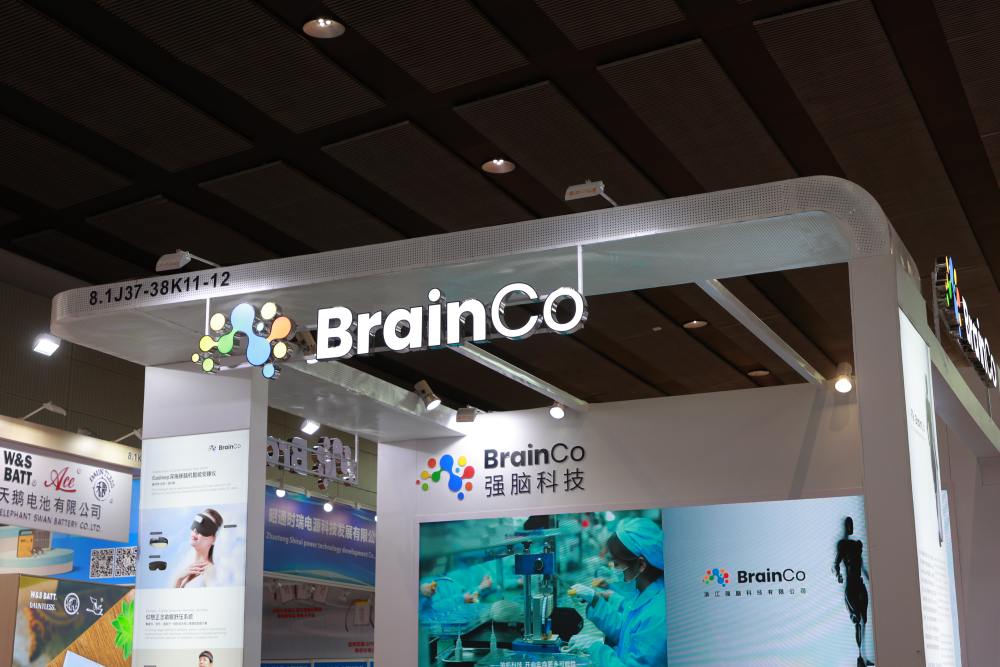
Core Insights - The article emphasizes the importance of providing space for innovators to transform technological advancements into public welfare, ultimately supporting the private economy and reserving possibilities for future societal progress [1] Group 1: Private Enterprises in Zhejiang - As of the end of 2025, Zhejiang province is expected to have a total of 3.7689 million registered private enterprises, with 56.5 private enterprises per 1,000 people [2] - Zhejiang's private enterprises have made significant breakthroughs in cultivating new productive forces, transitioning from scale expansion to value creation [2] - Strong Brain Technology, a leading company in the brain-computer interface field, has developed the world's first non-invasive brain-controlled bionic hand and is recognized as China's first brain-computer interface unicorn [2][3] Group 2: Strong Brain Technology's Mission - Strong Brain Technology aims to assist 1 million physically disabled individuals in regaining daily life through the use of neuro-controlled prosthetics within the next five to ten years [3] - The company has already helped over 2,046 individuals with the installation of smart bionic prosthetics, achieving a completion rate of 102% of its target [3][4] Group 3: Entrepreneurial Spirit and Government Support - The entrepreneurial journey of Strong Brain Technology's founder, Han Bicheng, reflects the essence of entrepreneurial spirit, which is to turn innovative ideas into practical market solutions [3][4] - Zhejiang's government has been proactive in creating a fair competitive environment for private enterprises, which has laid a solid foundation for their development [3][4] - The local government's support for innovation and industry development is illustrated by the metaphor "laying eggs along the way," indicating that nurturing technology and businesses locally can lead to broader market success [8] Group 4: Technological Advancements and Market Entry - Strong Brain Technology achieved the mass production of the world's first high-precision brain-computer interface product, with 100,000 units produced in 2022, marking its entry into the consumer market [7] - The company's product line has expanded to include attention training systems, autism rehabilitation solutions, and sleep intervention devices, driving growth in both medical rehabilitation and consumer applications [7] Group 5: Innovation Environment and Policy Support - Zhejiang's innovation policy includes a "3 70%" mechanism, ensuring that 70% of the support for industrial funds, new land, and energy consumption is directed towards private investment projects [11] - The province is exploring a "company recognition, government acknowledgment" mechanism to provide a more autonomous development environment for talent in private enterprises [11] - The government aims to open more application scenarios to encourage private and leading enterprises to develop digital platforms, fostering collaborative industrial development [11]

2025新能源汽车大战,谁赢、谁输?
3 6 Ke· 2026-01-22 12:47
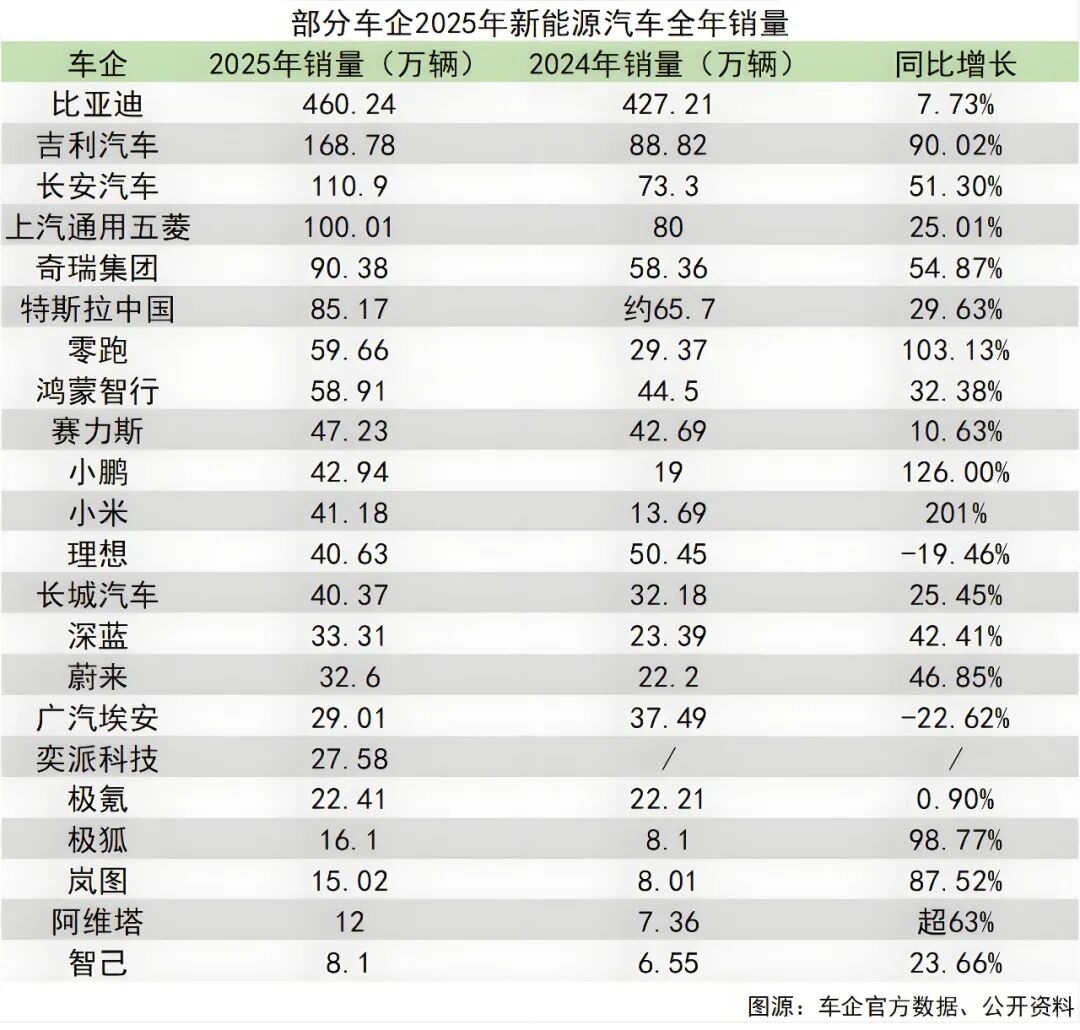
Core Insights - The Chinese automotive industry is experiencing a significant transformation, with total production and sales expected to exceed 34 million units by 2025, driven largely by the growth of new energy vehicles (NEVs) [1] - The market is increasingly dominated by domestic brands, with the top ten companies capturing over 70% of the market share, indicating a pronounced "Matthew Effect" [1] - Profitability has become the primary focus for companies, shifting from merely increasing sales volume to ensuring sustainable profits [1][6] Market Dynamics - NEV production and sales reached 16.62 million and 16.49 million units respectively in 2025, marking year-on-year growth of 29% and 28.2% [1] - The concentration of the NEV market is intensifying, with the top ten companies expected to hold over 74% of the market share by 2025, up from approximately 67% in 2024 [1] Company Performance - BYD leads the market with a total NEV sales volume of 4.60 million units in 2025, including 2.26 million pure electric vehicles, surpassing Tesla to become the global leader in pure electric sales [2] - Geely, Changan, and SAIC-GM-Wuling have joined the "million club," with Geely's NEV sales skyrocketing to 1.69 million units, marking a 90.02% increase year-on-year [3] - New entrants like Xiaomi and Leap Motor are rapidly gaining traction, with Xiaomi achieving over 410,000 units sold in 2025, while Leap Motor's sales reached 596,600 units, reflecting a 103.13% increase [3] Financial Performance - BYD reported revenues of 566.27 billion yuan and a net profit of 23.33 billion yuan for the first three quarters of 2025, maintaining a high gross profit margin of 17.87% [6][7] - New players like Leap Motor and Xiaomi have also reported significant revenue growth, with Leap Motor achieving a 174% increase in revenue for the first half of 2025 [8] Technological Advancements - AI technology has become a core competitive advantage in the NEV sector, transitioning from concept to practical application in 2025 [10] - Major companies are integrating advanced driver-assistance systems (ADAS) into more affordable models, making high-tech features more accessible [11] Management Strategies - Companies are focusing on refined management practices to navigate the competitive landscape, with an emphasis on organizational restructuring and supply chain management [14][16] - Cost control measures are evolving, moving away from extravagant marketing to data-driven customer acquisition strategies [16] Capital and Investment - The importance of capital is underscored by significant fundraising activities, with BYD raising 43.5 billion HKD in a major equity financing round [18] - Companies like NIO and Zero Run are also securing substantial investments to support their growth and technological advancements [18] Export Growth - The export of Chinese NEVs reached 2.62 million units in 2025, representing a year-on-year increase of over 100% and accounting for 36.84% of total automotive exports [19] - BYD remains the leader in exports, with 1.05 million units shipped abroad, benefiting from its overseas manufacturing presence [19]
易思维(688816) - 易思维首次公开发行股票并在科创板上市招股意向书
2026-01-22 12:16
本次发行股票拟在科创板上市,科创板公司具有研发投入大、经营风险高、业 绩不稳定、退市风险高等特点,投资者面临较大的市场风险。投资者应充分了解 科创板的投资风险及本公司所披露的风险因素,审慎作出投资决定。 易思维(杭州)科技股份有限公司 Isvision(Hangzhou)Technology Co.,Ltd. (浙江省杭州市滨江区江南大道 1088 号) 首次公开发行股票并在科创板上市 招股意向书 (深圳市福田区福田街道福华一路 119 号安信金融大厦) 保荐人(主承销商) 易思维(杭州)科技股份有限公司 招股意向书 重要声明 中国证监会、交易所对本次发行所作的任何决定或意见,均不表明其对发 行人注册申请文件及所披露信息的真实性、准确性、完整性作出保证,也不表 明其对发行人的盈利能力、投资价值或者对投资者的收益作出实质性判断或保 证。任何与之相反的声明均属虚假不实陈述。 根据《证券法》规定,股票依法发行后,发行人经营与收益的变化,由发 行人自行负责;投资者自主判断发行人的投资价值,自主作出投资决策,自行 承担股票依法发行后因发行人经营与收益变化或者股票价格变动引致的投资风 险。 1-1-1 易思维(杭州)科技 ...
富特科技(301607) - 2026年1月22日投资者关系活动记录表
2026-01-22 10:48
Group 1: Company Growth and Market Position - The company has established a strong talent pool with nearly 1,000 R&D team members, primarily from top universities, enhancing its competitive advantage [1] - Continuous high investment in R&D has led to the development of three major platform technologies, including bidirectional charging and GaN applications, with some technologies already converted into competitive products [2] - The company has diversified its customer base, covering major domestic and international automotive manufacturers, which has solidified its market share growth [2] Group 2: Product Applications and Partnerships - The company's vehicle power supply products are compatible with various domestic models, including NIO ES/ET/EC series and Xiaomi SU7/YU7, as well as international models like Renault R5 [3] - Overseas business is a key growth factor, with international revenue accounting for over 17% as of H1 2025, and ongoing collaborations with Renault and Stellantis [4] Group 3: New Business Development - The company is leveraging its expertise in high-voltage power supply to expand into V2G (Vehicle-to-Grid) technology, which allows electric vehicles to both draw from and supply energy back to the grid [5] - The V2G product is expected to play a crucial role in stabilizing and optimizing grid operations, with mass production anticipated in 2026 [5]
中国,为什么要让新能源车“减肥”?
虎嗅APP· 2026-01-22 10:18
Core Viewpoint - The article discusses the increasing weight of electric vehicles (EVs), particularly SUVs, and the implications of this trend on the industry, safety, and resource utilization. It highlights the need for the industry to adopt measures to reduce vehicle weight in response to new energy consumption standards set by the government [4][9][47]. Group 1: Industry Trends - By 2025, China's production and sales of new energy vehicles (NEVs) are projected to reach 16.626 million and 16.49 million units, respectively, marking a year-on-year growth of 29% and 28.2%, maintaining the global lead for 11 consecutive years [4]. - The average weight of new energy vehicles is 20%-30% heavier than traditional fuel vehicles, with some models exceeding 3 tons [14][11]. - The implementation of national energy consumption standards is pressuring the industry to reduce vehicle weight [8][49]. Group 2: Causes of Increased Weight - The primary reason for the increased weight of EVs is the battery, with electric versions of vehicles like the BMW X3 weighing significantly more due to larger battery packs [17][15]. - The trend of "oil-to-electric" conversions has led to redundant weight as manufacturers retrofit existing fuel vehicle platforms with batteries, resulting in additional structural reinforcements [20][22]. - The growing number of features and configurations in EVs, such as larger interiors and added amenities, contributes to the overall weight increase [25][27]. Group 3: Negative Consequences - Heavier vehicles pose safety risks, as increased weight affects braking efficiency and can lead to greater wear on components [34][35]. - The additional weight results in higher energy consumption, creating a cycle where increased battery capacity leads to heavier vehicles and diminished returns on range improvements [39][40]. - The inefficient use of resources in battery production exacerbates environmental concerns, contradicting the eco-friendly principles of EVs [45][46]. Group 4: Regulatory Response - The new national standard for electric vehicle energy consumption, effective from January 1, 2026, aims to bind energy consumption limits to vehicle weight, making it more challenging for manufacturers to rely on simply adding battery capacity [47][48]. - This standard encourages a shift away from the "stacking batteries" approach, promoting a focus on weight reduction and efficiency [49]. Group 5: Solutions for Weight Reduction - Upgrading materials, such as using aluminum and composite materials, can significantly reduce vehicle weight while maintaining strength [55][56]. - Structural optimization through advanced manufacturing techniques, like large-scale die-casting, can streamline production and reduce weight [58]. - System integration strategies can minimize redundant components, effectively lowering overall vehicle weight without compromising performance or safety [60][66].
理想下了“死命令”,势必拿回属于自己的一切
3 6 Ke· 2026-01-22 10:08
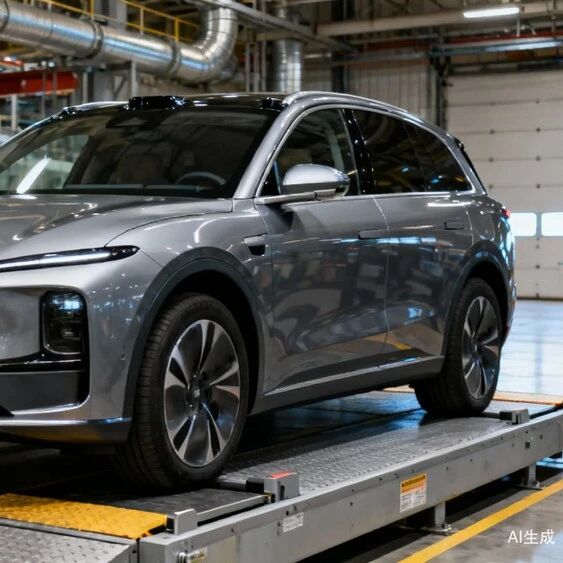
Core Viewpoint - Li Auto has established its strategic focus for 2026, aiming to regain its leading position in the range-extended vehicle segment [1] Group 1: Product Strategy - The company has issued a strict internal directive that its self-developed smart driving chip M100 must debut in the L9 model to ensure successful implementation [2] - The new L9 model is expected to feature significant enhancements, including a revamped exterior and interior design, with an anticipated increase in vehicle dimensions [4] - The L9 will incorporate a large front display and improved software interactivity, alongside a battery pack exceeding 70 kWh, aiming for a pure electric range of over 400 km, a notable increase from the current 280 km [5][6] Group 2: Market Performance - In 2024, Li Auto was the top seller among new energy vehicle manufacturers, with cumulative deliveries of 500,500 units, reflecting a year-on-year growth of 33.1% [8] - However, in 2025, sales dropped to 406,300 units, marking an 18.81% decline, leading to a shift from profitability to losses [9][10] - In Q3 2025, Li Auto reported revenues of 27.4 billion yuan, a 36.2% year-on-year decrease, with a net loss of 624 million yuan [11] Group 3: Competitive Landscape - The decline in sales is attributed to Li Auto's struggle to establish itself in the range-extended segment while facing strong competition from rivals like Tesla and others in the pure electric market [13][15] - The competitive landscape has intensified, with more manufacturers entering the range-extended segment, leading to increased pressure on Li Auto [13][15] - The company aims to reclaim its position in the market by reallocating resources to the L9 model, signaling a renewed focus on range-extended vehicles [15][16] Group 4: Industry Trends - The range-extended vehicle segment has seen explosive growth over the past four years, with market size reaching 1.075 million units in 2024, but has faced a downturn in 2025, with only a 2.1% year-on-year increase in sales [18][19] - As of October 2025, sales of range-extended vehicles have declined by 11.6% year-on-year, with market share dropping to 8.57% [20] - The future of range-extended vehicles is uncertain, as advancements in pure electric battery technology continue to improve range and charging speed [21][31]

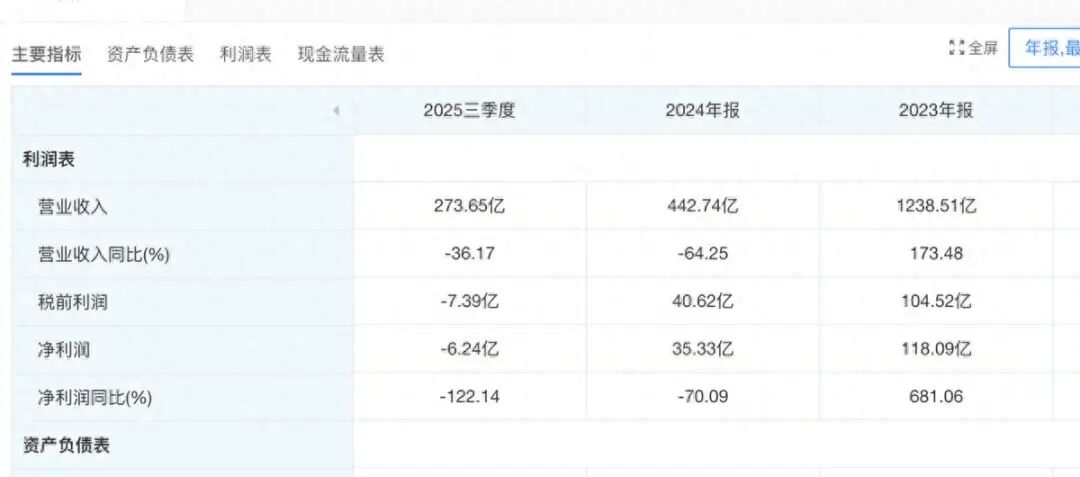
开年价格战重现:汽车公司从最难的第一季度开始更难的一年
Xin Lang Ke Ji· 2026-01-22 00:03
Core Viewpoint - The automotive industry in China is facing a significant shift in 2026, with predictions of a price war initiated earlier than expected, influenced by changes in subsidy policies and market dynamics [2][3]. Group 1: Market Predictions - The China Passenger Car Association (CPCA) forecasts that domestic car sales in Q1 2026 may remain flat year-on-year but could drop by 25% compared to Q4 2025, with overall annual sales expected to show zero or minimal growth [2]. - Morgan Stanley predicts a substantial decline in Q1 2026 sales by 30%-35% due to reduced purchase tax subsidies, with an annual decrease of 5% anticipated, potentially reaching 7% without considering export sales [2]. - UBS shares a similar outlook, projecting a 2% decline in annual car sales, with export growth slowing from 28% in 2025 to 15% [3]. Group 2: Policy Changes - The National Development and Reform Commission and the Ministry of Finance have yet to announce the continuation of "two new" subsidies for 2026, with significant changes expected in the subsidy structure for new energy vehicles (NEVs) [3]. - The new policy will halve the purchase tax for NEVs, increasing costs for consumers, while the subsidy for new cars will be more detailed and based on vehicle price, with a maximum of 20,000 yuan [3]. Group 3: Industry Sentiment - Industry executives express cautious optimism regarding their companies' growth, with many expecting double-digit growth driven by overseas market expansion, despite a general conservative outlook on overall market growth [7]. - The total sales target for nine major automakers in 2026 is set at 18.339 million units, surpassing the actual sales of 3.86 million units in 2025 [7]. - New energy vehicle manufacturers have aggressive growth targets, with some aiming for increases of 70%-121%, while traditional automakers maintain more conservative targets [9]. Group 4: Price War Dynamics - A price war has already begun, with companies like BMW and Tesla implementing significant price cuts and financing options to stimulate demand ahead of the anticipated subsidy changes [10][13]. - Over 20 automakers have introduced purchase tax guarantees to attract customers, but initial sales data for January 2026 indicate a decline in demand compared to previous months [10][11]. - The adjustment of subsidy policies has raised the entry barriers for consumers, particularly affecting lower-priced vehicles, which may suppress demand in that segment [11]. Group 5: Competitive Landscape - The competition in the high-end market is expected to intensify, with new energy vehicles priced above 300,000 yuan becoming more competitive due to favorable subsidy policies [13]. - Companies like NIO, Xiaomi, and Xpeng are preparing to launch multiple new models in 2026, indicating a strategic focus on high-end segments [13].
2025年中国汽车产业:“规模答卷”优异 “质量赛道”争先
Xin Lang Cai Jing· 2026-01-21 20:32
(来源:经济参考报) 产销双双突破3400万辆、产销连续17年稳居全球第一,新能源汽车新车销量占比近半、L2功能乘用车 渗透率达到64%……2025年,中国汽车产业交出了一份亮眼成绩单。 而在这些数据的背后,是技术创新持续突破,市场秩序与安全规范体系逐步完善,整体产业质量不断提 升。规模是过去的答卷,质量是未来的考卷。在政策指引下,随着电动化、智能化、网联化等的不断推 进,中国汽车产业从规模积累到质量跃升的转型正在不断深化。 交出连续17年全球第一"规模答卷" 2025年,我国汽车行业取得多方面突破。中国汽车工业协会(以下简称"中汽协")数据显示,2025年, 我国汽车产销分别完成3453.1万辆和3440万辆,同比分别增长10.4%和9.4%,高于年初预期。 中汽协副秘书长陈士华表示,2025年,汽车行业顶住贸易保护和全球产业链重构等外部压力,克服技术 攻关难题、行业"内卷"等多重挑战,展现出强大的发展韧性和活力。加上"两新"政策加力扩围,实现平 稳过渡与有序衔接,企业新品密集上市,终端需求持续释放,全年汽车产销实现超预期增长。 具体来看,新能源汽车方面,2025年在政策利好、供给丰富和基础设施持续改善等多 ...
免费领取!100+硅碳负极项目清单(第1批)——企业、产能、技术、进度......
DT新材料· 2026-01-21 16:05
| 800+ 200+ 30+ 50,000m | | --- | | 企业参展 科研院所 | | 2026 . 06 . 10 → 06 . 12 | 在新能源产业迭代升级的浪潮中,固态电池已成为撬动行业变革的核心支点,是衡量国家高端制造实力的重要 标志。 在固态电池体系中,负极直接决定电池的能量密度、循环寿命, 是制约电池整体性能升级的关 键环节 。 相比于传统石墨负极, 硅基负极凭借优异的性能 ( 硅理论 比容量 是传统石墨负极的10倍以上 )和与固态 电池体系的高匹 配 度( 降低 固-固界面阻抗,抑制锂 枝晶析出 ), 已成为当前固态电池体系主流选择 。 作为高能量密度电池的核心材料, 硅碳负极已成为固态电池产业链的关键布局方向。 2025年,国内硅碳负极 赛道更是呈现全面开花、项目密集落地的火热态势。 据 DT 新材料不完全统计,2025年国内硅碳负极落地项 目数量突破 100 个,规划总产能超 30 万吨,行业总投资额高达800 亿元! 我们已梳理2025年硅碳负极项目(涵盖受理、公示、开工、投产等全阶段)的核心信息 , 囊括产能规划、技 术路线、项目规模等关键内容。 扫描下方二维码,转发即可领 ...