
淘宝

Search documents
“爆得不能再爆了”!“喝不完,根本喝不完”!竞争形势将持续到双11?
第一财经· 2025-07-13 01:24
Core Viewpoint - The article discusses the ongoing subsidy war among food delivery platforms, highlighting the varying experiences of different stores and the preparations made by both merchants and delivery riders to handle increased order volumes during promotional events [1][2][4]. Group 1: Merchant Experiences - Some stores, like a specific location of Mixue Ice City, reported significant sales increases, with daily revenue surpassing 10,000 yuan compared to the usual 7,000 to 8,000 yuan, and expectations of reaching 20,000 yuan for the day [1]. - Not all stores experienced the same surge; another Mixue Ice City employee noted that their store was only slightly busier than usual, indicating variability in customer response to promotions [2]. - Merchants prepared in advance for the subsidy events, ensuring adequate stock and staffing to meet potential demand, reflecting lessons learned from previous chaotic weekends [2][3]. Group 2: Delivery Rider Insights - Delivery riders reported increased order volumes due to promotional activities, with one team expecting to handle over 3,600 orders, a significant rise from typical numbers [3]. - The efficiency of order pickups improved compared to previous weekends, with riders able to collect orders with minimal waiting time, indicating better coordination between stores and delivery personnel [3]. Group 3: Competitive Landscape - The competition among food delivery platforms is intensifying, with Meituan and Taobao actively engaging in promotional campaigns, including significant discounts and free items to attract customers [4]. - JD.com is shifting its subsidy strategy to focus on specific food categories, such as main meals and seafood, rather than just beverages, indicating a more targeted approach to competition [4]. Group 4: Industry Outlook - Analysts predict that the current competitive dynamics will persist at least until the Double Eleven shopping festival, with short-term operational pressures on merchants due to increased order volumes and associated costs [5]. - The long-term outlook suggests a trend towards industry consolidation, favoring companies with strong supply chain efficiency and brand power, as the competition evolves from a "capital war" to an "efficiency war" [5].



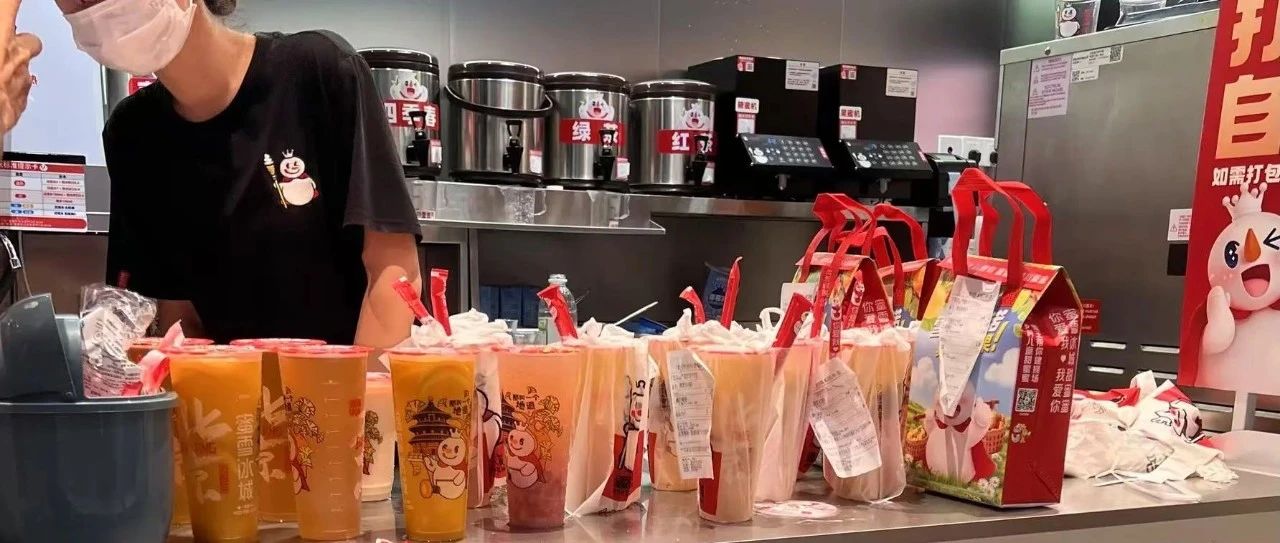
外卖奶茶再爆单:兑换0元购的人“长到看不见尾”
Xin Lang Cai Jing· 2025-07-12 14:00
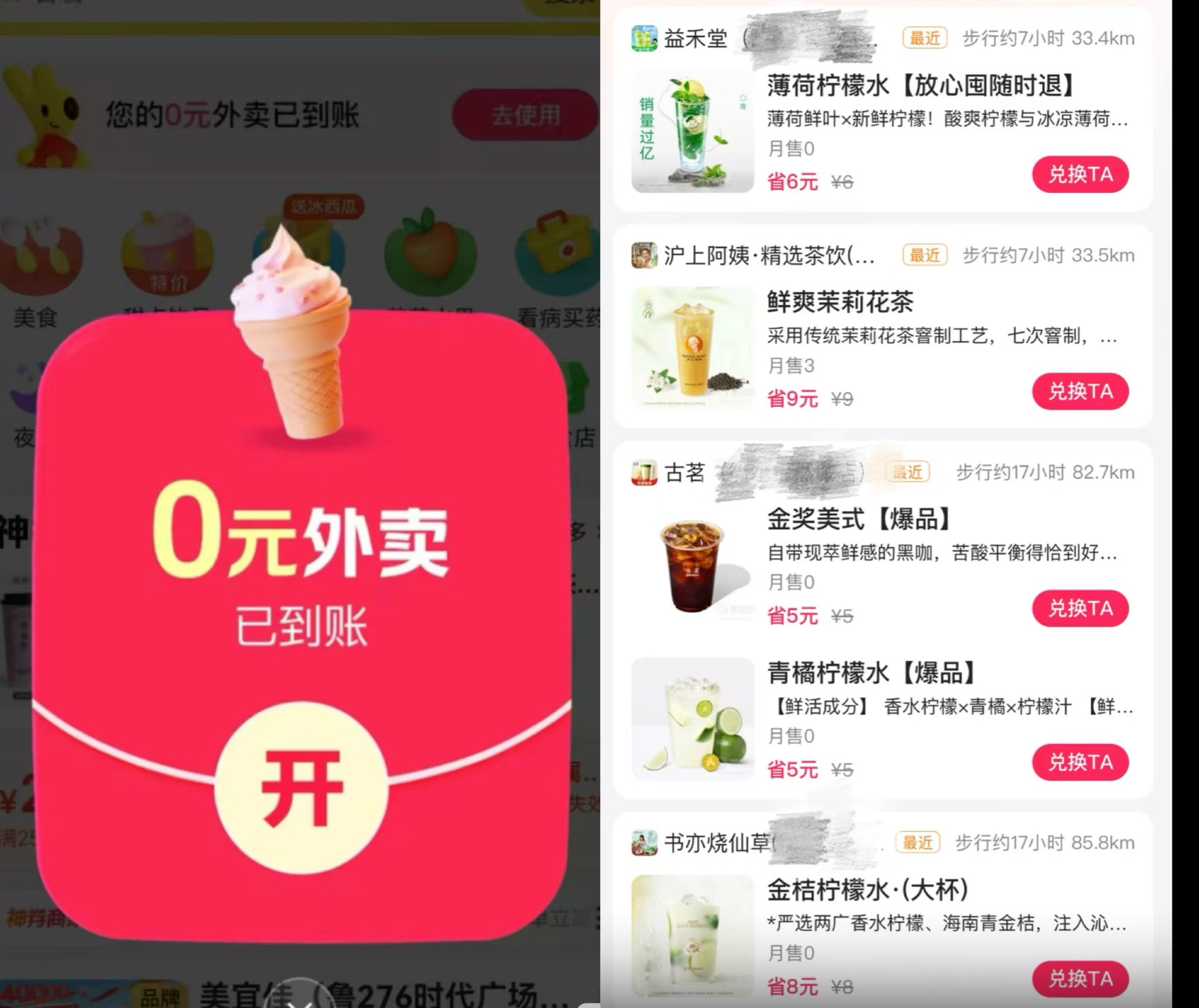
Core Viewpoint - The ongoing food delivery war in Shanghai has led to significant increases in order volumes and wait times for delivery personnel, with major platforms like Meituan and Taobao offering aggressive promotions to attract customers [1][4][10] Group 1: Market Dynamics - The food delivery platforms are engaged in a competitive battle, with Meituan offering substantial discounts such as 0 yuan coupons, leading to overwhelming demand for certain brands like Hu Shang A Yi and Mi Xue Bing Cheng [1][4] - On July 12, the order volume for Hu Shang A Yi exceeded 1000, compared to the usual 300-400 orders on weekends, indicating a dramatic spike in demand [4] - Meituan's promotional strategy has evolved, allowing users to select different pickup locations and times for their coupons, which has helped manage the influx of orders [5] Group 2: Operational Challenges - Many stores faced operational chaos due to the sudden influx of orders, with staff overwhelmed and systems experiencing malfunctions [4][5] - Some brands, like Mi Xue Bing Cheng and Gu Ming, reported that their staff were extremely busy, with long lines of customers redeeming 0 yuan offers [4][5] - Despite preparation, not all stores experienced the same level of demand, leading to discrepancies in order fulfillment and staffing needs across different locations [7][9] Group 3: Future Outlook - Analysts predict that the current delivery war may continue until September, with peak activity expected during this period, followed by a potential downturn in the latter half of the year [9][10] - Meituan reported a record high in instant retail orders, reaching nearly 40 million on July 12, indicating the scale of the ongoing competition [10]
记者直击补贴大战:美团加码“0元购”,沪上阿姨忙到闭店
Di Yi Cai Jing· 2025-07-12 07:47
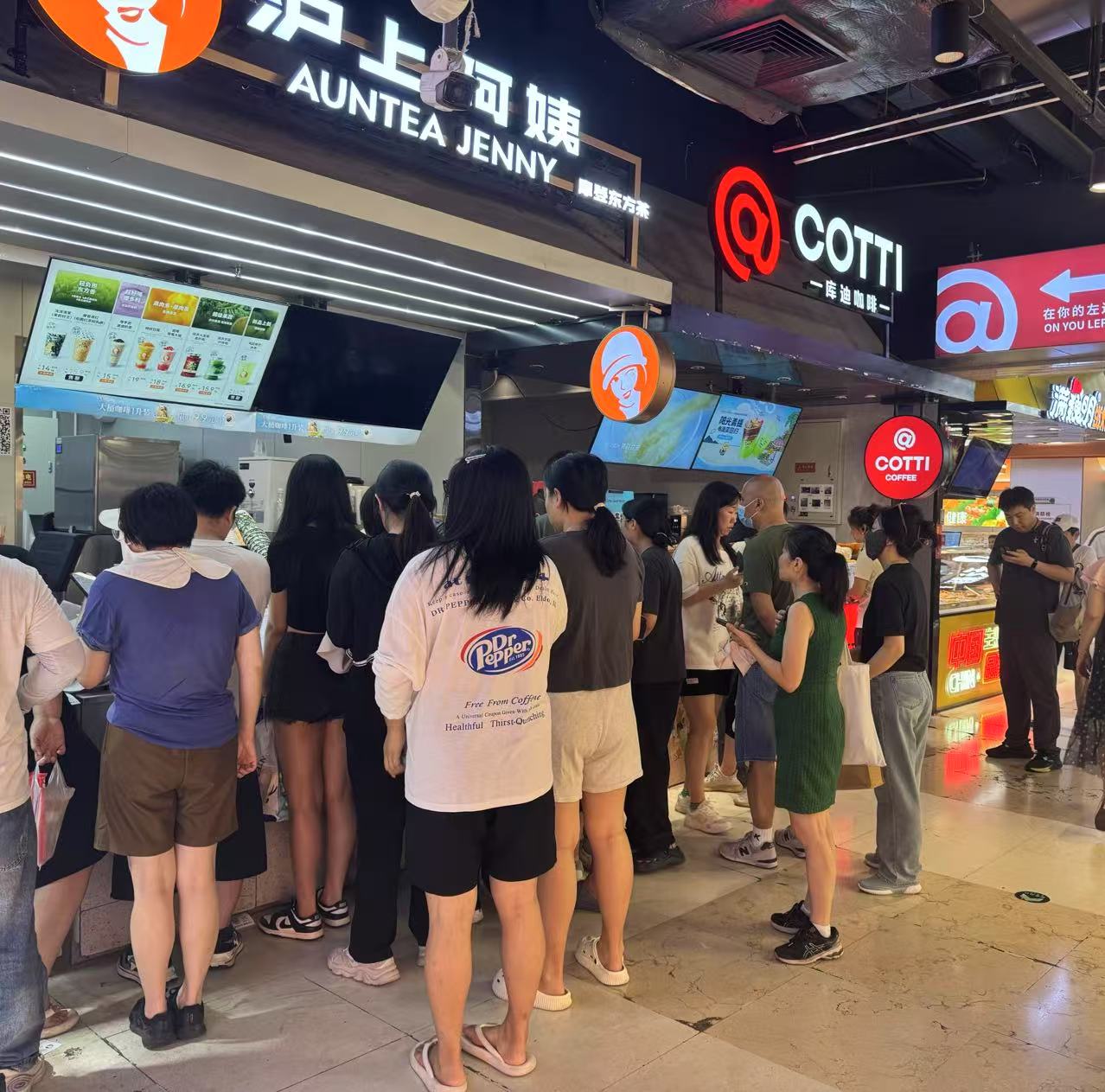
Core Viewpoint - The competition among food delivery platforms, particularly Meituan, is intensifying with new promotional strategies like "0 Yuan Purchase" coupons, leading to significant fluctuations in order volumes across various brands [5][6]. Group 1: Market Dynamics - The food delivery market is experiencing a chaotic environment, with some brands like "沪上阿姨" facing overwhelming order volumes, leading to operational challenges [3][5]. - Meituan's "0 Yuan Purchase" strategy has resulted in a surge of orders for specific brands, indicating a shift in consumer behavior towards promotional offers [5][6]. - Other platforms like Alibaba and JD are also adjusting their strategies, with Alibaba launching a new promotional event called "Super Saturday" and JD increasing subsidies for high-ticket items [6]. Group 2: Brand Performance - Brands such as "沪上阿姨," "益禾堂," and "书亦烧仙草" are benefiting from Meituan's promotional efforts, experiencing significant increases in order volumes [5][6]. - In contrast, brands like "瑞幸咖啡" and "蜜雪冰城" have seen a decline in activity, highlighting the volatility in consumer demand based on promotional strategies [5]. Group 3: Competitive Strategies - Meituan is focusing on enhancing partnerships with brands and targeting specific consumer segments through its promotional channels, which is leading to more effective order fulfillment [6]. - The competitive landscape is evolving, with platforms differentiating their approaches; for instance, JD is returning to quality-focused subsidies while Alibaba is attempting to create a recurring promotional event [6].
“外卖大战”为何卷土重来,即时零售将走向何方?
Xin Lang Cai Jing· 2025-07-12 00:09
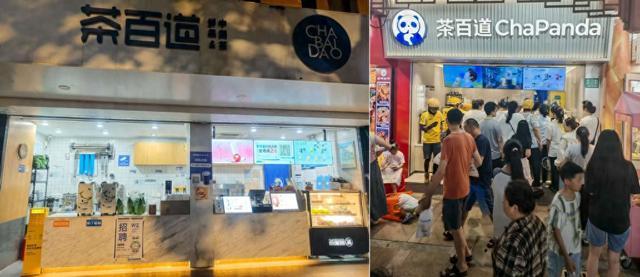
Core Insights - The recent surge in food delivery orders is attributed to a sudden increase in subsidies from platforms like Alibaba and JD, leading to a chaotic situation for restaurants and delivery personnel [1][3][4] - The competition among major platforms, including Alibaba, JD, and Meituan, has intensified, resulting in significant fluctuations in order volumes and delivery rider earnings [3][11][15] Group 1: Market Dynamics - The weekend's order spike was not coincidental; all three major food delivery platforms have been investing resources since Q1, expanding market capacity and increasing consumer engagement [4][10] - The introduction of a promotional event called "Super Saturday" by Alibaba aims to create a new consumer holiday, offering substantial cash redemptions for food delivery [3][12] Group 2: Financial Implications - Following the weekend's subsidy battle, stocks of various food and beverage companies surged, with Cha Bai Dao rising by 15% and Nayuki Tea by over 10% [5] - Despite the apparent increase in order volume, many merchants express concerns about the sustainability of profits due to high fixed costs and the potential for reduced orders once subsidies diminish [5][6] Group 3: Delivery Riders' Perspective - Delivery riders have experienced a temporary boost in earnings due to subsidies, but they face uncertainty as the platforms' subsidy policies fluctuate unpredictably [7][9] - The influx of new riders attracted by high subsidies may lead to increased competition and pressure on earnings once the promotional activities cease [9][10] Group 4: Competitive Landscape - The competition is not limited to food delivery; it extends to the broader instant retail market, with platforms vying for consumer attention and market share [11][15] - New entrants like Pinduoduo are also testing the waters in the instant delivery space, indicating that the battle for market dominance is far from over [15]


跨境网购成香港市民消费新常态
Ren Min Ri Bao Hai Wai Ban· 2025-07-11 21:25
Core Insights - The article highlights the growing trend of cross-border e-commerce in Hong Kong, driven by mainland Chinese platforms like Pinduoduo, Taobao, and JD.com, which offer competitive pricing and free shipping, enhancing consumer convenience and choice [1][3][4] E-commerce Expansion - Hong Kong residents are increasingly purchasing daily necessities from mainland e-commerce platforms, with significant price advantages noted, such as a 2/3 reduction in costs for certain products [1][3] - The introduction of free shipping policies by platforms like Taobao and Pinduoduo has transformed shopping habits, leading to a surge in online orders during promotional events [3][4] Consumer Behavior Changes - The shift from low-cost focus to service-oriented shopping is evident, with consumers now valuing the overall shopping experience, including logistics and after-sales service [4][5] - The establishment of offline experience stores by mainland platforms allows consumers to try products before purchasing, aligning with local shopping preferences [4] Market Dynamics - The competitive landscape is evolving, with mainland platforms enhancing their service offerings, including local return services and efficient delivery, which are crucial for building consumer trust [5][6] - The entry of lifestyle service platforms like Meituan and Didi into the Hong Kong market reflects a broader trend of integrating local and mainland consumer habits [6] Regional Economic Integration - The article discusses the transformation of Hong Kong from a traditional shopping hub to a cross-border e-commerce nexus, which is expected to stimulate economic growth in the Guangdong-Hong Kong-Macau Greater Bay Area [7]

茶饮店爆单后,股价飘红但未持续
Nan Fang Du Shi Bao· 2025-07-10 23:18
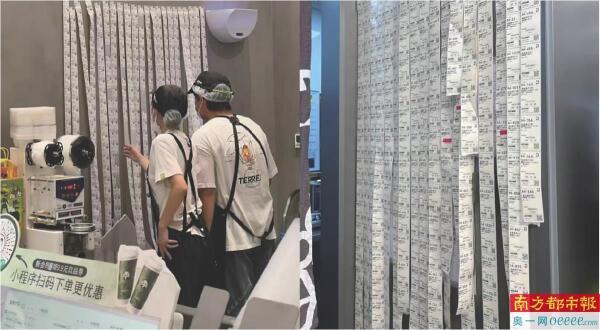
Group 1 - The core event was a significant increase in sales for tea beverage brands during a weekend promotion, with one brand reporting over 630 million yuan in total sales and individual store sales reaching 54,000 yuan per day [2] - Multiple tea beverage brands reported over 1 million orders across their national stores within the same two-day period [2] - On July 7, following the sales surge, stock prices for several listed tea beverage companies rose, with increases ranging from 3.95% to 11.04% [4] Group 2 - The three major food delivery platforms (Meituan, Ele.me, and JD) collectively processed over 200 million orders on July 5, indicating a substantial rise in demand due to increased subsidies [3] - Taobao Shanguo launched a subsidy plan worth 50 billion yuan, resulting in a 190% increase in orders for restaurant chain brands during its first week [3] - Meituan reported over 1.2 million orders on July 5, with more than 1 million being restaurant orders, highlighting the peak demand during the weekend [3] Group 3 - Analysts suggest that while promotional events can temporarily boost sales, they may not contribute to long-term brand loyalty and can lead to significant operational challenges [5] - Concerns were raised about employee dissatisfaction due to increased workloads during promotional periods, which could impact food safety and service quality [5] - Some tea beverage brands did not provide specific sales data post-promotion, indicating a lack of transparency in reporting [5]
外卖大战的尽头,是骑手和商家的眼泪
3 6 Ke· 2025-07-10 09:26
Core Viewpoint - The recent competition among food delivery platforms has led to increased consumer reliance on delivery services, but it has also resulted in delays and operational inefficiencies, particularly in the delivery of non-beverage items [1][20][32]. Group 1: Market Dynamics - The food delivery market is experiencing a new wave of competition, with platforms like Taobao and Meituan engaging in aggressive subsidy wars, reminiscent of past battles in the industry [4][16]. - Taobao has announced a substantial subsidy of 50 billion yuan over a year, significantly impacting order volumes, particularly for beverages like coffee and milk tea, which saw a surge of over 200% in order volume [4][5][17]. - The competition has led to a situation where the majority of orders are concentrated in the beverage category, causing operational strain on delivery services and restaurants [6][14][24]. Group 2: Consumer Behavior - Consumers are increasingly drawn to low-cost beverage options due to substantial subsidies, leading to a spike in orders that outstrip the capacity of many beverage outlets [14][23]. - The low price point of beverages makes them highly elastic in demand, allowing consumers to order more frequently, which exacerbates delivery delays for other food categories [14][22][26]. - The phenomenon of consumers hoarding beverages during promotional periods has been noted, indicating a shift in purchasing behavior driven by discounts [9][11]. Group 3: Operational Challenges - The influx of orders, particularly for beverages, has overwhelmed many restaurants and delivery personnel, leading to significant delays in service and a decline in on-time delivery rates [20][24][30]. - The operational inefficiencies have resulted in delivery personnel being stuck in long queues at beverage outlets, which detracts from their ability to fulfill other food orders in a timely manner [24][25]. - The competition has led to some restaurants temporarily halting their delivery services due to the inability to manage the surge in orders effectively [25][26]. Group 4: Strategic Implications - The current focus on beverage orders undermines the platforms' broader strategic goals of diversifying their offerings beyond food delivery to include instant retail [15][17]. - The heavy reliance on beverage orders may hinder the platforms' ability to establish a reputation for reliable delivery of a wider range of products, potentially limiting future growth [15][20]. - The ongoing subsidy wars may create a temporary boost in consumer engagement but could lead to long-term operational challenges and resource misallocation [19][36].
电影院告急:0人空场率达40%丨消费参考
2 1 Shi Ji Jing Ji Bao Dao· 2025-07-10 01:50
Industry Overview - The cinema industry is facing significant survival challenges, with structural contradictions becoming increasingly evident [2][5] - The total box office for the first half of 2025 reached 29.231 billion yuan, a year-on-year increase of 22.9%, nearing pre-pandemic historical peaks [2] - However, after a record-breaking February with a box office of 16.09 billion yuan, subsequent months saw a sharp decline, with June's box office at only 1.91 billion yuan, marking a ten-year low [2] Box Office Dynamics - The number of films grossing over 100 million yuan has sharply decreased to 23, with "Nezha 2" contributing 52.8% of the total box office [2] - The average number of viewers per cinema dropped to 2-4 people from March to June, with a 40% empty screening rate [2][5] Production and Investment Trends - The impact of short video platforms has led to increased investment risks in mid-tier films, prompting production companies to focus on larger projects [3] - The industry is experiencing a trend of cost reduction, with producers shortening production cycles and employing more refined cost management strategies [3] Shifts in Power Dynamics - The traditional influence of major directors is diminishing, with production companies gaining more power in negotiations [4] - Wang Changtian, chairman of Enlight Media, emphasized the need to change the profit distribution model in the industry, advocating for a more favorable split for production companies [4][6]
中国5G遥遥领先,美国星链弯道超车
3 6 Ke· 2025-07-09 11:21
Group 1 - China's 5G infrastructure is robust, with a total of 4.439 million 5G base stations expected by April 2025, which is more than three times the number in the United States [4][5] - Chinese companies hold over 40% of the global 5G standard essential patents, leading the world in this area [3][4] - Despite strong infrastructure, the economic returns from 5G have been relatively slow, with direct economic output estimated at approximately 5.6 trillion yuan since commercialization, and average revenue per user (ARPU) only about 10% higher than 4G [5][7] Group 2 - The U.S. approach to 5G is characterized by limited government involvement, with major telecom companies like Verizon and AT&T being conservative in their investments [8][10] - SpaceX's Starlink has emerged as a significant player in the U.S. communication landscape, deploying over 8,000 low Earth orbit satellites and achieving global coverage, with user numbers exceeding 4 million [10][11] - Starlink's business model demonstrates a successful market-driven approach, achieving profitability without heavy government support, contrasting with China's reliance on policy incentives for 5G deployment [10][11] Group 3 - The Chinese market has seen significant advancements in e-commerce and social communication applications, driven by market dynamics rather than government policy [11][13] - The current challenge for China's 5G lies in the lack of deep integration into high-value sectors such as industry and healthcare, with many applications remaining superficial [7][15] - There is a need for a better alignment between technological advancements and actual market demands to avoid creating "technology islands" that do not meet real-world needs [15][18]

百亿元外卖大战,让餐饮业缓了口气
2 1 Shi Ji Jing Ji Bao Dao· 2025-07-09 00:26
Group 1: Market Competition - The competition in the food delivery market is intensifying, with JD.com reporting nearly 200 restaurant brands achieving over 1 million sales on its platform within four months [1] - JD.com has launched a "Double Hundred Plan," investing over 10 billion yuan to support more brands in reaching 1 million sales [2] - Taobao and Ele.me announced a daily order count exceeding 80 million, with Taobao's flash purchase program starting a 50 billion yuan subsidy plan [3] Group 2: Industry Challenges - The restaurant industry is facing significant challenges, with approximately 46.4% of new restaurants expected to close by 2024 [4] - The average store efficiency has declined across most categories, leading to an increase in the number of closures to 4.09 million in 2024, with a closure rate of 61.2% [4] - Major brands like KFC and Pizza Hut are experiencing a continuous decline in average transaction value [6] Group 3: Pricing Strategies - The current price war is primarily focused on low average transaction value markets, where discounts are more pronounced [8] - A national restaurant brand founder stated that to survive, businesses must prioritize cost-effectiveness, leading to lower average transaction values [7] - The aggressive pricing strategies, while intensifying competition, provide temporary relief to restaurants through subsidies [9]