高通

Search documents
电子行业周报:高通IBM合作边缘测AI,星纪魅族AI产品亮相MWC-2025-03-13
Yong Xing Zheng Quan· 2025-03-13 03:07
Investment Rating - The industry investment rating is "Maintain Buy" for the electronics sector [6] Core Insights - Qualcomm announced a collaboration with IBM to develop enterprise-level generative AI applications for cloud and edge environments, indicating a positive trend for AI applications in the industry [11][27] - The consumer electronics segment is expected to benefit from the debut of AI-integrated products at MWC 2025, with a focus on cross-device collaboration and seamless connectivity [12][27] - The advanced packaging technology is projected to drive long-term growth in the global wafer foundry industry, with a compound annual growth rate (CAGR) of 13% to 15% from 2025 to 2028 [13][29] - Domestic semiconductor equipment sales are expected to grow by 35% in 2024, surpassing 110 billion yuan, indicating a speeding up of the domestic semiconductor industry chain [15][28] Summary by Sections 1. Core Insights and Investment Recommendations - AI Edge: Qualcomm's partnership with IBM aims to create generative AI solutions for enterprise applications, which is expected to benefit the related industry chain [11] - Consumer Electronics: The debut of AI products at MWC 2025 is anticipated to enhance the industry chain's growth, with a focus on AI and consumer electronics integration [12] - Advanced Packaging: The global wafer foundry industry is expected to see a revenue growth of 20% in 2025, driven by strong AI demand [13] - Domestic Substitution: The domestic semiconductor equipment market is projected to grow significantly, indicating a robust domestic industry chain [15] 2. Market Review - The A-share Shenwan Electronics Index fell by 4.87% during the week, underperforming the CSI 300 Index by 2.64 percentage points [18] - Among the sub-sectors, the semiconductor sector declined by 3.62%, while the components sector saw a drop of 9.78% [19] 3. Industry News - Qualcomm and IBM's collaboration will showcase generative AI applications at MWC 2025, highlighting the importance of AI in enterprise solutions [27] - Starry Meizu will present its AI ecosystem products at MWC 2025, including new smartphone models and smart glasses [12][27] 4. Company Dynamics - Jiangfeng Electronics is expanding its market share in ultra-high-purity metal sputtering targets due to its technological advantages [30] - Precision Electronics is focusing on optical materials and devices for smart wearable products [30] 5. Company Announcements - Jiangfeng Electronics reported a revenue increase of 39.11% year-on-year, with a net profit growth of 56.90% [33] - Lexin Technology anticipates a significant increase in net profit, projecting a growth of 271.70% [33]
四大巨头,瓜分英特尔?
半导体芯闻· 2025-03-12 10:48
Core Viewpoint - TSMC is considering acquiring a stake in a joint venture that would operate Intel's foundry business, with the aim of reviving Intel's struggling operations and supporting U.S. advanced manufacturing efforts [1][5][6] Group 1: TSMC's Proposal and Negotiations - TSMC has approached companies like Nvidia, AMD, and Broadcom regarding a potential investment in a joint venture for Intel's foundry operations, with TSMC not holding more than 50% of the stake [1][2] - The negotiations are in early stages and require approval from the Trump administration, which is concerned about foreign control over Intel [2][5] - TSMC's proposal is part of a broader strategy to enhance its presence in the U.S. semiconductor market, following a commitment to invest $100 billion in new chip factories [5] Group 2: Intel's Current Situation - Intel's stock has dropped over 50% in the past year, and the company reported a net loss of $18.8 billion in 2024, marking its first loss since 1986, primarily due to significant asset impairments [4] - The company’s foundry division has a book value of $108 billion as of December 31 [4] - Intel's board supports negotiations with TSMC, although there is internal opposition from some executives [6] Group 3: Technical and Operational Challenges - Any collaboration between TSMC and Intel will face significant challenges due to differences in manufacturing processes, chemicals, and equipment used by both companies [6][7] - TSMC aims for potential investors to not only be shareholders in the joint venture but also customers of Intel's advanced manufacturing business [7] - The 18A process technology has become a contentious point in negotiations, with Intel claiming it is more advanced than TSMC's 2nm process [7]



通信行业周报:AI应用再提速,寻找端侧硬件机会-2025-03-12
East Money Securities· 2025-03-12 07:46
Investment Rating - The report maintains a rating of "Outperform the Market" for the communication industry [6] Core Insights - The communication industry has shown strong performance, with the Shenyin Wanguo Communication Index rising by 2.8% over the past week, outperforming the broader market [2] - The report highlights the government's focus on 5G, AI, data and computing, and low-altitude economy as key development areas for 2025, suggesting a favorable environment for investment in these sectors [3][14] - The report emphasizes the acceleration of AI technology commercialization and recommends focusing on hardware opportunities in the application side, including AI chips, communication modules, robotics, and intelligent driving [3][38] Summary by Sections Market Review - The communication sector has outperformed the market, with a 2.8% increase in the Shenyin Wanguo Communication Index [2] - The overall valuation of the communication sector is at a historically high level, with a dynamic PE ratio of approximately 22, above the past two-year average of 19-20 [2][30] - Specific segments such as industrial internet, power communication, and 5G have seen significant weekly gains of 16.1%, 11.7%, and 8.0% respectively [2][34] - A total of 113 stocks in the sector rose, with notable performers including Yitong Technology and Lierda, which increased by 42.3% and 33.7% respectively [2][35] Configuration Suggestions - The report suggests focusing on hardware opportunities in the application side, particularly in AI chips (e.g., Rockchip, Espressif), communication modules (e.g., Quectel, Gree), robotics (e.g., Topband, Heertai), and intelligent driving (e.g., Zhucheng Technology) [3][38]



突发!台积电向英伟达、AMD、博通提议合资建厂!
国芯网· 2025-03-12 04:22
Core Viewpoint - TSMC is in discussions with major semiconductor companies like NVIDIA, AMD, and Broadcom to explore the possibility of jointly investing in a venture to operate Intel's foundry business, which has led to a significant increase in Intel's stock price by over 10% in after-hours trading [2]. Group 1 - TSMC will manage Intel's foundry operations but will not hold more than 50% ownership to comply with U.S. government regulations on foreign ownership [2]. - The negotiations focus on Intel's 18A technology, which Intel claims is superior to TSMC's 2nm process, with NVIDIA and Broadcom already testing the 18A process and AMD evaluating its applicability [2]. - The discussions involve complex technical and strategic challenges, including intellectual property protection and process differences, with TSMC requiring potential investors to also be customers of Intel's advanced processes to create synergies [2]. Group 2 - Qualcomm has withdrawn from earlier discussions to acquire a stake in Intel, while Intel's board members support the deal, although some executives are firmly opposed [2]. - Intel has rejected discussions about separating its chip design department from its foundry department for sale [2].


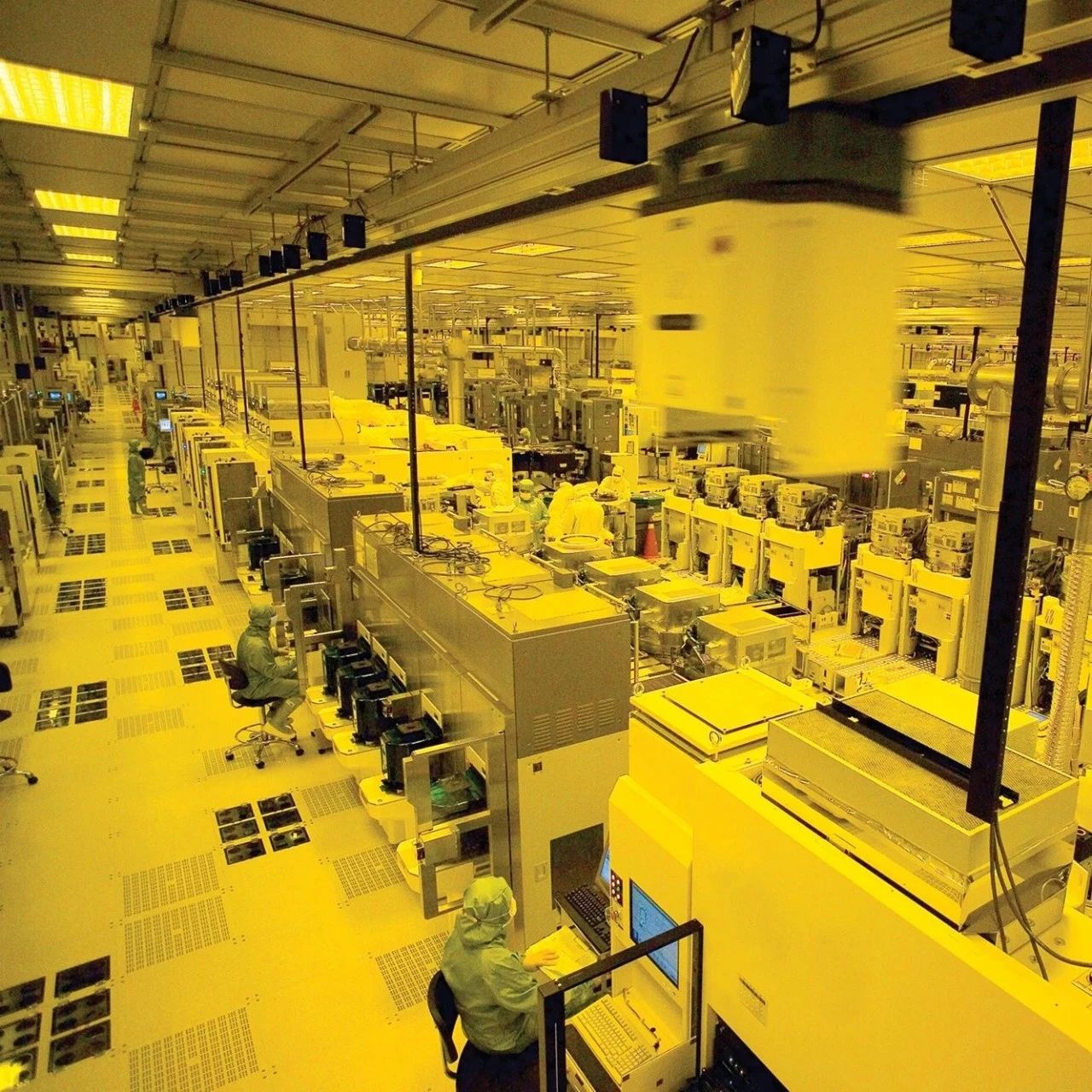
日本2nm,已过时!
半导体芯闻· 2025-03-11 10:38
如果您希望可以时常见面,欢迎标星收藏哦~ 来源:内容来自technews,谢谢。 报导提到Rapidus 最大不安因素,是目前没有足够客户需求。一旦开始生产,出货量将达到数亿 颗,但目前没有足够的客户需求作为支撑。目前先进半导体主要应用于智能手机或盛怒据中心服务 器处理器,但Rapidus 并未掌握这类客户。井上弘基质疑,「Rapidus 大量生产的芯片,究竟有谁 会购买?购买量又会有多少?」 台积电和三星电子开发先进半导体时,会事先与苹果、高通、英伟达等大型客户建立合作关系,确 保订单,并与客户步调一致地推进技术开发。这与Rapidus 的做法完全不同。客观来说,即使 Rapidus 成功建造最先进的产能基地,如果缺少买家,导致产能闲置,恐进而造成财务危机。 除了井上弘基负面看待日本对Rapidus 经营模式,过去日本政府和经济评论员古贺茂明也提到认为 目前Rapidus 失败的机率不断升高。 Rapidus 所需资金预估为5 万亿日圆,但来自民间投资的出资额为73 亿日圆,之后就再也没增 加,意味民间部门没人愿意接手这个专案。古贺茂明指出,虽然Rapidus 北海道千岁市工厂的开工 仪式,有许多企业高层助 ...
零跑汽车20250311
2025-03-11 07:35
Summary of Leap Motor Conference Call Company Overview - **Company**: Leap Motor - **Industry**: New Energy Vehicles (NEVs) Key Points and Arguments Market Trends and Projections - Leap Motor predicts that by 2027-2028, the penetration rate of new energy vehicles in China will reach 80%-90%, driven by the economic advantages of electric vehicles, which have operating costs only one-fourth that of fuel vehicles, and even lower in some regions [2][5] - The full electrification of the Chinese market will weaken the market share of traditional fuel vehicle manufacturers (e.g., BBA), with Chinese new energy vehicle companies further eroding their advantages globally [2][6] - The trend of electrification is expected to expand globally, with electric vehicles gradually replacing traditional fuel vehicles due to their economic and operational advantages [5] Technological Advancements - Smart technology is identified as a key factor in the second phase of electric vehicle development, with expectations for high-level intelligent driving on elevated highways by 2025 and gradual urban adoption [2][7] - Leap Motor ranks 11th globally in electric vehicle shipments, with expectations for increased sales and ranking improvements in 2024-2025, supported by advantages in core components like batteries and chips [2][8] Sales and Financial Performance - Leap Motor's sales target for 2025 is set at 500,000 vehicles, based on an average monthly sales forecast of 30,000 to 40,000 vehicles in 2024 [3][13] - In 2024, Leap Motor achieved significant results, doubling sales and achieving positive gross margins in Q4, with cash flow exceeding 10 billion yuan [4] Competitive Landscape - The Chinese new energy vehicle market is expected to undergo structural adjustments over the next three years, with traditional fuel vehicle companies losing significant market share in China [5][6] - Leap Motor emphasizes core technology research and product planning to enhance competitiveness, with plans to upgrade urban driving functions by Q3 and Q4 of 2025 [10][12] Product Development and Strategy - Leap Motor plans to launch three new models in the B series and fully update the C series to a 3.5 architecture platform, with an average range increase of 50 kilometers [3][13] - The company aims to maintain a competitive edge through detailed strategic planning, including a five-year strategic plan and annual business plans [17] International Expansion - Leap Motor established a network of over 300 dealers and achieved 3,700 units in exports by September 2024, with a goal of over 50,000 units by the end of 2025 [19][20] - The company is focusing on local manufacturing to reduce tariff costs and enhance competitiveness [20] Financial Goals and Profitability - For 2025, Leap Motor aims for a gross margin of 10%-11% and plans to control expenses while targeting sales of 500,000 vehicles, with a conservative estimate of achieving profitability [23][28] - The company anticipates that achieving sales of 1 million vehicles could lead to significant profitability, with potential earnings of 5 billion to 10 billion yuan [28] Strategic Partnerships and Collaborations - Leap Motor is progressing in strategic partnerships, including agreements with multiple companies for core components, with expectations for significant developments by 2026 [32][33] Chip Development and Market Dynamics - The chip market is highly competitive, with major players like Nvidia and Qualcomm dominating, while Leap Motor is investing in self-developed chips to enhance its technological capabilities [34][35] - The company is exploring the possibility of integrating its self-developed chips and algorithms into a model similar to Huawei's approach [33] Future Outlook - Leap Motor is optimistic about its growth trajectory, aiming to enhance brand recognition and consumer reputation while expanding its market presence both domestically and internationally [32][38]

DeepSeek后更大的机遇:AI端侧推理创新 | 智在终端
量子位· 2025-03-11 05:24
Core Viewpoint - The article discusses the significant impact of DeepSeek on the AI industry, particularly in the consumer electronics and automotive sectors, highlighting the shift towards edge AI and the emergence of new applications and models [1][5][25]. Group 1: DeepSeek's Influence - DeepSeek has been rapidly integrated by major consumer electronics brands such as Honor, OPPO, and Xiaomi, showcasing its widespread adoption [2][4]. - Over 20 automotive companies, including Geely and BYD, have announced their integration with DeepSeek, indicating a strong trend of AI and automotive convergence [3][4]. - The article emphasizes that AI is entering a new era of reasoning innovation, with DeepSeek acting as a catalyst for this transformation [5][7]. Group 2: AI Model Evolution - High-quality, small-scale AI models are becoming feasible, with DeepSeek-R1 providing innovative solutions to long-standing cost issues in edge AI [12][14]. - The article outlines four key trends in AI model development, including rapid evolution of AI models, shrinking model parameters, and the increasing availability of high-quality models for developers [15][17][20]. - Techniques such as quantization, pruning, and distillation are enabling the transfer of performance from large models to smaller ones, enhancing their applicability [18][20]. Group 3: Qualcomm's Role - Qualcomm is positioned as a leader in the edge AI space, having anticipated the shift of AI processing from cloud to edge, as outlined in their white paper on hybrid AI [28][29]. - The company has developed high-performance, energy-efficient chips that support advanced AI capabilities across various devices, including smartphones and automotive systems [32][33]. - Qualcomm's comprehensive ecosystem strategy facilitates developers in deploying AI models across multiple platforms efficiently [41][42]. Group 4: Future Implications - The transition of large models from cloud to edge presents significant opportunities for widespread application and user engagement [43]. - The article concludes that the ongoing innovations in edge AI are just beginning to emerge, with the potential for transformative impacts across industries [45][47].

深度|万字访谈半导体教父,台积电创始人张忠谋:我相信28纳米将会是我们的潮头;我们的下一个潮头,无论如何,还会有其他的
Z Potentials· 2025-03-11 03:27
Core Insights - The article discusses the history and key moments of TSMC, particularly focusing on its relationship with Nvidia and the evolution of the semiconductor industry under the leadership of Morris Chang [2][3][4]. Group 1: TSMC's Relationship with Nvidia - TSMC's relationship with Nvidia began in 1997 when Nvidia's CEO, Jensen Huang, reached out for manufacturing support, highlighting the importance of potential clients regardless of their size [3][4]. - At the time, Nvidia was a small company facing bankruptcy, while TSMC had already surpassed $1 billion in revenue [4][5]. - The partnership proved successful, with Nvidia becoming one of TSMC's major clients within a few years, significantly contributing to TSMC's growth [7][9]. Group 2: Challenges and Resolutions - In 2009, TSMC faced manufacturing and quality issues at the 40nm process node, which affected clients like Nvidia, leading to financial and operational challenges [10][12]. - Morris Chang returned as CEO to address these issues, emphasizing the importance of maintaining strong relationships with clients and resolving disputes amicably [12][25]. - A significant resolution occurred when TSMC proposed a settlement of over $100 million to Nvidia, which was accepted, reinforcing their long-term partnership [30][32]. Group 3: Strategic Decisions and Market Positioning - TSMC decided to invest heavily in the 28nm process node, which was seen as a pivotal moment for the company, coinciding with the rise of the smartphone market [34][42]. - The company set a research and development budget at 8% of revenue to ensure consistent innovation and competitiveness in the semiconductor industry [35][36]. - TSMC's strategic focus on advanced technology and market needs allowed it to maintain a leading position in the semiconductor manufacturing sector [42][43]. Group 4: Engagement with Apple - TSMC's relationship with Apple began when Apple sought TSMC's manufacturing capabilities, leading to discussions about economic terms and production timelines [60][62]. - The initial engagement with Apple highlighted TSMC's competitive edge in technology and manufacturing efficiency, which was crucial for securing Apple's business [63][66]. - TSMC faced challenges in meeting Apple's demands for new process nodes, but the company strategically managed its resources to accommodate these requests while maintaining its operational integrity [67][73].


AI周观察:博通业绩反映ASIC高景气度,Manus引发Agent热潮
SINOLINK SECURITIES· 2025-03-11 02:37
Investment Rating - The report does not explicitly state an investment rating for the industry or specific companies Core Insights - Oracle's cloud services and licensing business showed strong performance, particularly in IaaS driven by robust GPU demand, indicating high market activity and significant contract backlog [2] - Despite exceeding revenue expectations, Marvell's data center business growth significantly declined from 98% to 78%, leading to a nearly 20% drop in stock price, while Broadcom's strong AI orders resulted in a nearly 6% increase in stock price [2][11] - The report highlights the increasing demand for data security as more enterprises opt for cloud services for AI analysis, with zero trust architecture and AI-driven analytics expected to play a crucial role in cybersecurity [2][17] - Apple's C1 chip, supporting 5G mmWave bands, is positioned to potentially replace Qualcomm's baseband chips in the US, while the new Mac Studio with M3 Ultra processor exceeds expectations, showcasing Apple's significant advantage in AI PCs [2][18] Summary by Sections Financial Performance - Oracle's revenue for the last quarter was $14.1 billion, a year-over-year increase of 8.64% and a quarter-over-quarter increase of 5.65%, with cloud services revenue reaching $10.8 billion, up 12% year-over-year [6][10] - Marvell reported revenue of $1.817 billion, a year-over-year increase of 27.4%, while Broadcom's revenue was $14.916 billion, a year-over-year increase of 24.71% [11] AI Models and Applications - Domestic AI applications like Tencent's Yuanbao and Doubao saw over 10% week-over-week growth, while video generation applications like Sora experienced a significant 56% increase [21][24] - Alibaba's Qwen-QwQ model enhances edge deployment capabilities, and Inception Labs' Mercury significantly improves generation speed, indicating advancements in AI model capabilities [22] Market Trends - The report notes a shift towards AI-driven private cloud services, with increasing enterprise demand for data security solutions, suggesting a positive outlook for cybersecurity companies [17] - The report emphasizes the potential of low-cost, high-density ASIC chips benefiting from the deployment of large-scale inference services in the AI sector [11]

国产手机集体涨价,全怪AI?
创业邦· 2025-03-10 10:20
Core Viewpoint - The article discusses the rising prices of domestic flagship smartphones in China, indicating that the era of affordable flagship models priced around 2,000 to 3,000 yuan is over, with most brands now setting base models at around 4,000 yuan or higher [2][12]. Price Trends - The price increase for domestic flagship smartphones ranges from 100 to 500 yuan for base models and 300 to 1,000 yuan for top configurations [2]. - Specific price comparisons show that the starting price for the Xiaomi 15 series is 4,499 yuan, up 500 yuan from the previous model, while the OPPO Find X8 series starts at 4,199 yuan, an increase of 200 yuan [9][11]. Factors Driving Price Increases - The price hikes are attributed to rising costs of upstream components such as chips and storage, increased supply chain costs, and ongoing investments in research and development [2][15]. - AI technology is becoming a significant factor in driving hardware value and consumer willingness to pay, with companies investing heavily in AI development [19][20]. Market Dynamics - The global smartphone replacement cycle is extending, with Chinese users expected to replace their devices every 40 months, which may influence the demand for new smartphones [6]. - Despite the price increases, consumer sentiment is shifting, with a significant portion of users unwilling to accept higher prices, as evidenced by a reported 8% decline in flagship phone sales on platforms like JD.com [13]. Strategic Shifts in the Industry - Domestic brands are transitioning from a focus on hardware specifications to an emphasis on AI and ecosystem integration, with companies like Honor and Xiaomi leading this charge [4][5]. - The competition is intensifying as brands seek to establish themselves in the high-end market, with Honor's AI strategy and Xiaomi's ecosystem approach being notable examples [21][23]. Conclusion - The current price increases in domestic flagship smartphones reflect a combination of rising costs, technological advancements, and strategic shifts towards high-end markets, with AI playing a pivotal role in shaping future consumer experiences and brand positioning [15][20][23].