Momenta

Search documents
政策与技术护航汽车数据出境安全
Zhong Guo Zheng Quan Bao· 2025-06-16 20:58
Core Viewpoint - The acceleration of Chinese autonomous driving companies' overseas expansion raises concerns about automotive data security, prompting the release of the "Automotive Data Export Security Guidelines (2025 Edition)" draft for public consultation [1][2]. Group 1: Data Export Guidelines - The guidelines require automotive data processors to declare safety assessments for various scenarios of data export, particularly in automated driving contexts [1][2]. - Important data types that need to be declared include vehicle operation status data, road environment and personnel data, and in-vehicle personnel privacy data [1][3]. - Automotive data processors include manufacturers, parts and software suppliers, telecom operators, autonomous driving service providers, platform operators, dealers, maintenance organizations, and mobility service companies [1][2]. Group 2: Data Security Risks - The automotive industry has faced over $500 billion in losses due to cyberattacks in the past five years, with nearly 70% of threats stemming from remote network attacks [3]. - A single autonomous vehicle can generate up to 10TB of data daily, significantly more than traditional vehicles, with projections indicating that by 2025, vehicles with L2-level driving assistance will upload over 70,000PB of data annually [3][4]. - Key data categories include vehicle operation status, road environment and personnel data, and in-vehicle personnel privacy data, which pose risks if leaked or stolen [3][4]. Group 3: Recommendations for Data Management - Experts suggest establishing mandatory national standards for vehicle information security and developing internal security monitoring products to detect potential attacks [5][6]. - Companies should implement comprehensive data security management systems and enhance governance to mitigate risks associated with sensitive data, such as camera and GPS data [4][5]. - Recommendations include localizing data storage, employing data anonymization techniques, and establishing a risk warning system for cross-border data flow [5][6].


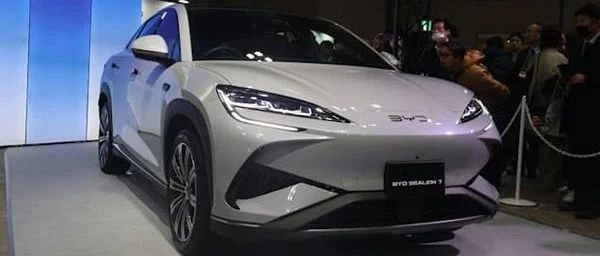
海外车型项目代号为15G!阿维塔科技与Momenta合作,相关测试工作预计9月底完成
Mei Ri Jing Ji Xin Wen· 2025-06-16 05:46
Core Insights - Avita Technology is accelerating its global market expansion, with the recent launch of Avita 11 and Avita 012 models at the 2025 Hong Kong Auto Show [1] - The company is collaborating with Momenta to develop an overseas vehicle project, code-named 15G, which is currently undergoing testing in the UAE and is expected to complete by the end of September [1][2] - Avita has signed a strategic cooperation agreement with Al Saqer Group to promote its products in the UAE market, where it has already launched two models [2] Group 1: Market Expansion - Avita Technology has entered ASEAN and Middle Eastern markets, launching in Thailand, UAE, and Qatar, with over 260 pre-orders in the UAE, capturing an 8.25% market share in the luxury new energy vehicle segment [1] - The overseas model developed with Momenta is likely to be first launched in the Middle East, with ongoing road tests planned for other countries in the region [2][3] Group 2: Strategic Partnerships - Avita has been utilizing Huawei's intelligent solutions for its current models and has deepened its strategic cooperation with Huawei, focusing on product development and marketing [1][4] - The collaboration with Momenta began around March this year, aiming to leverage Momenta's experience with international automakers like Mercedes and Toyota for the overseas model [3][4] Group 3: Future Plans - Avita plans to expand to over 50 countries and regions this year, with a goal to officially enter the European market by 2026, including the launch of a new flagship product next year [3][5] - The company is currently recruiting for various positions related to overseas operations, indicating a focus on enhancing its international presence [3][5] Group 4: R&D and Technology - Avita's R&D team is expanding, with a new facility in Chongqing capable of accommodating 1,000 personnel, in preparation for increased collaboration with both Huawei and Momenta [5] - Discussions are ongoing regarding the potential use of Momenta's solutions in domestic models, although no substantial progress has been reported yet [5][6]

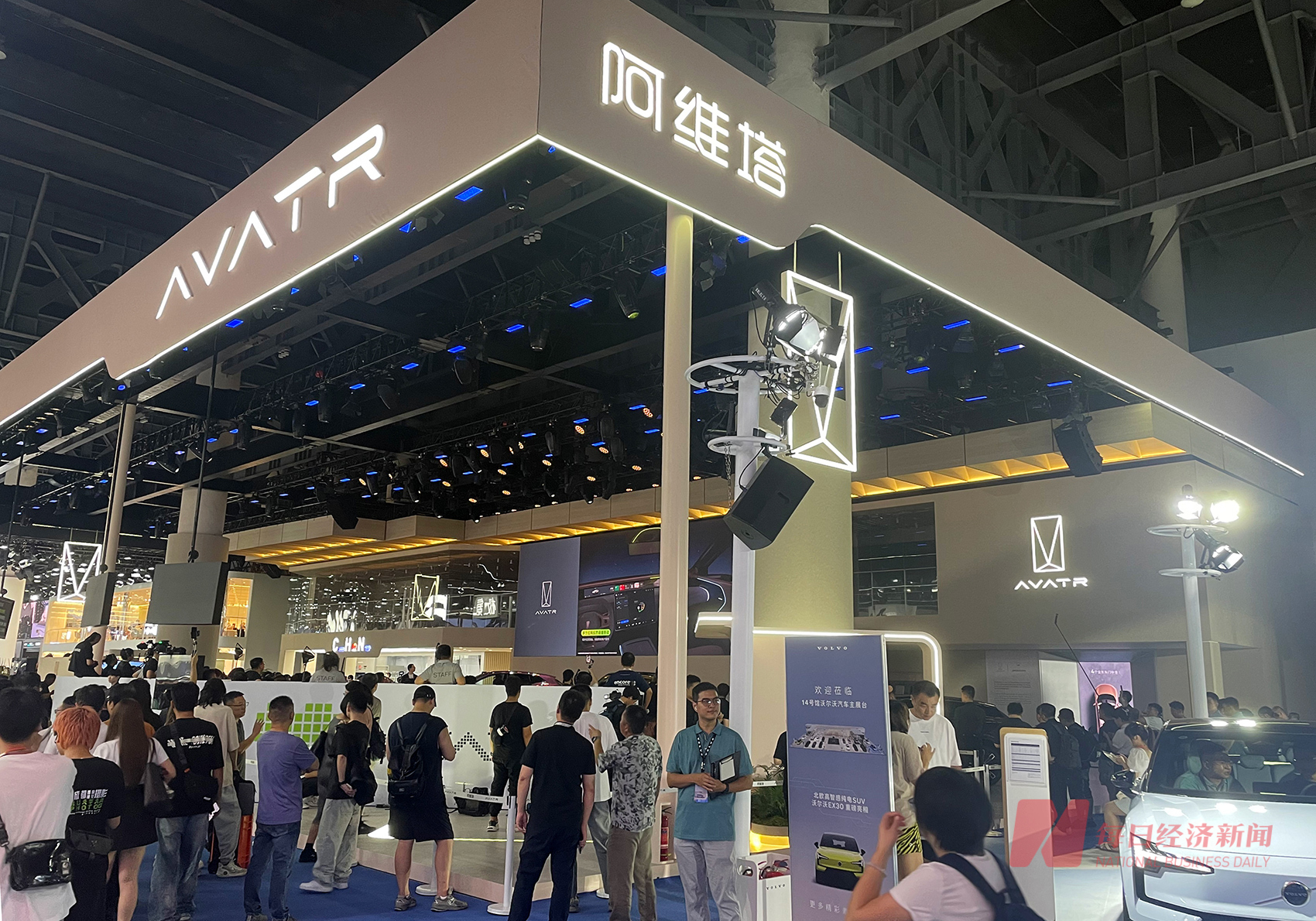
元戎启行VLA模型三季度要量产,能否冲破市场+技术壁垒?
Nan Fang Du Shi Bao· 2025-06-13 15:04
Core Insights - Yuanrong Qixing announced its VLA model will be launched to consumers in Q3 2025, with five vehicle models expected to be on the road within the year [1] - The VLA model features four key capabilities: blind spot detection, obstacle recognition, road sign interpretation, and voice control, generating significant interest in the industry [1][3] Company Overview - Yuanrong Qixing, established in 2018 and based in Shenzhen, has focused on autonomous driving and vehicle networking technologies [3] - The VLA model, or Vision Language Action Model, is considered the company's "secret weapon" and offers a differentiating factor compared to traditional end-to-end models by addressing the "black box problem" [3][4] Technology and Innovation - The VLA model enhances transparency by clearly displaying the reasoning process behind its decisions, which increases user trust in the autonomous driving system [4] - In Q4 2024, Yuanrong Qixing captured over 15% market share in the high-level intelligent driving assistance sector with a single mass-produced model [6] - The company has optimized costs through collaboration with Qualcomm, achieving complex scenario operations on a 100 TOPS platform, significantly reducing the price of its intelligent driving solutions [7] Market Challenges - The intelligent driving sector is highly competitive, with many players already established and partnerships formed with automotive manufacturers [8] - Yuanrong Qixing faces challenges in gaining market recognition and acceptance for the VLA model amidst increasing consumer caution due to recent accidents and stringent regulations [8] - The company has successfully raised $100 million in its C1 financing round in November 2024, but still faces financial pressures in a cooling investment environment [8][9] Strategic Considerations - The push to market the VLA model represents both a technological showcase and a market challenge, as the company shifts focus from L4 to L2 capabilities, potentially sacrificing some advanced technology for mass production [9] - The need for ongoing funding is critical to avoid disruptions in technology development and to maintain competitive positioning in the market [9]
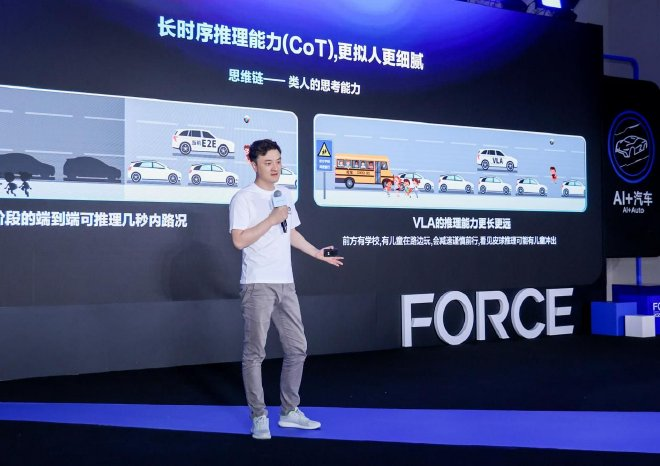
特斯拉Robotaxi“上链接”,最像它的中国智驾玩家同步起跑
3 6 Ke· 2025-06-13 09:17
Core Insights - Elon Musk has shifted focus back to Robotaxi, announcing plans to offer public services starting June 22 and the first fully autonomous Tesla vehicle delivery on June 28 [1][3] - Tesla's move signals a transition from testing to scaling in the Robotaxi sector, with competitors like Waymo also ramping up their services [3][4] - The commercial viability of Robotaxi faces challenges related to safety, cost, and scale, often referred to as the "impossible triangle" [4][10] Group 1: Company Strategies - Tesla's approach is characterized as a "gradualist" strategy, having started its autonomous driving technology development in 2014 and progressively enhancing features [6][8] - Waymo and other companies like Loongrun and Pony.ai represent a "leapfrogging" strategy, focusing on limited area testing with high safety standards [6][8] - Momenta adopts a "parallel" strategy, developing both L2 and L4 technologies simultaneously, and has formed partnerships with numerous car manufacturers [10][19] Group 2: Market Dynamics - The Robotaxi market is heating up, with major players in both the US and China vying for leadership [3][6] - Waymo recently reported a service volume of 250,000 rides per week, up from 200,000 in less than two months [3] - In China, companies like Loongrun and Momenta are accelerating their city expansion efforts, with Momenta planning to launch a mass-produced Robotaxi by the end of the year [3][10] Group 3: Cost and Data Utilization - The key to Robotaxi's success lies in reducing costs, with Cathie Wood emphasizing that the challenge is primarily a cost model issue [12][13] - The shift to mass-produced Robotaxi vehicles is seen as essential for achieving a viable return on investment [12][13] - Companies like Tesla and Momenta are leveraging existing L2 vehicles to gather extensive data, which is crucial for refining L4 algorithms [14][17] Group 4: Future Outlook - The competition between Tesla and Momenta is expected to shape the future of the Robotaxi market, with both companies aiming to validate their respective strategies [23] - Tesla's extensive production capabilities position it to integrate Robotaxi technology into millions of vehicles annually, while Momenta's open ecosystem approach may also yield significant advantages [23][24]

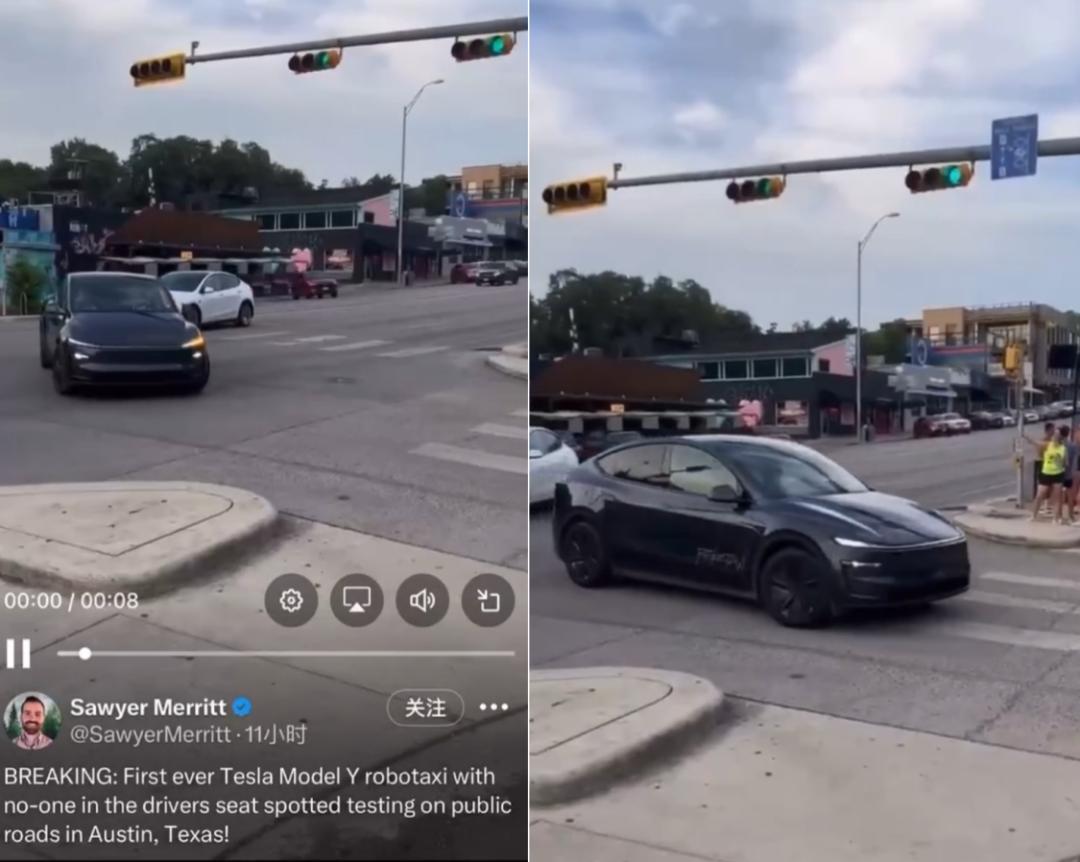
凭借RCE和AI两把利器,广汽丰田开启中国自研2.0时代
Zhong Guo Qi Che Bao Wang· 2025-06-13 02:47
Core Viewpoint - GAC Toyota aims to leverage AI technology and local resources to achieve 80% production and sales of smart electric vehicles by 2030 [1] Group 1: R&D and Development Strategy - GAC Toyota's new development model is led by local engineers under the Regional Chief Engineer (RCE) system, focusing on integrating local suppliers and AI technology [2][5] - The decision-making power for the development of smart electric products has been transferred from Japan to China, allowing RCE to lead all model developments, including new and updated versions of key models like Sienna, Highlander, and Camry [2][5] - GAC Toyota is entering a "self-research 2.0 era," emphasizing the importance of local engineers in defining product specifications and driving innovation [5] Group 2: Product Platforms and Innovations - GAC Toyota is developing two dedicated new energy platforms: a compact car platform for A and B class vehicles and a high-compatibility platform for C and D class vehicles [9] - The first model on the compact platform, the Platinum 3X, has seen high demand, while the first model on the high-compatibility platform, the Platinum 7, is set to launch in Q1 next year [9] Group 3: AI Integration and Manufacturing - AI is being utilized to enhance product capabilities, making vehicles more intelligent and responsive to user needs [10][12] - GAC Toyota is implementing AI in manufacturing processes, achieving a defect rate of 0.008 units per vehicle and improving supply chain quality to a record low of 0.26 PPM [16] - The company has integrated over 40 patents in AI logistics, achieving zero inventory through advanced automation technologies [16]

汽车早餐 | 广汽丰田联合华为、Momenta、小米打造AI生态圈;长安2028年实现人形机器人下线应用;哪吒通知员工居家办公
Zhong Guo Qi Che Bao Wang· 2025-06-13 01:11
Domestic News - The Cyberspace Administration of China released the annual list of online rumors, including "China's new energy product overcapacity" as one of the top ten classic rumors [2] - Hangzhou government issued the "Implementation Measures for the Innovative Application Management of Intelligent Connected Vehicles," effective from July 7, 2025, to promote the development of the intelligent connected new energy vehicle industry [3] - Shenzhen's mayor emphasized accelerating the development of artificial intelligence and low-altitude economy industries, aiming to gather resources and enhance growth [4] - Guangxi government announced a plan to support the replacement of old vehicles and 3C digital products, targeting a sales increase of over 38 billion yuan by 2025 [5] International News - Toyota held a shareholders' meeting where the vice president expressed support for the merger between Hino Motors and Mitsubishi Fuso [6] - Elon Musk urged the EU to expedite the approval of Tesla's Full Self-Driving (FSD) technology, claiming delays are detrimental to European safety [7] - Polestar announced plans to restart market expansion in France, aiming to make it one of its top three European markets [7] Corporate News - GAC Toyota announced a collaboration with Huawei, Momenta, and Xiaomi to create an AI ecosystem, launching new models equipped with advanced technologies [8] - Changan Automobile plans to invest over 200 billion yuan in emerging fields over the next decade, with goals to complete flying car test flights by the end of 2025 and humanoid robot applications by 2028 [9] - XPeng Motors officially launched the G7 model, which features L2-level intelligent driving assistance across its entire lineup [9] - GAC's first mass-produced flying car, GOVY AirCab, was unveiled in Hong Kong with a price not exceeding 1.68 million yuan, set for demonstration operations in the Guangdong-Hong Kong-Macao Greater Bay Area [10] - Neta Auto announced that employees will work from home starting June 12, with office access suspended [11] - Tengshi's Z9 model is expected to begin deliveries of a new three-spoke sports steering wheel after June 20, responding to user feedback [12]





广汽集团今日涨近5%,旗下合资品牌官宣与小米、华为合作
Di Yi Cai Jing· 2025-06-12 11:46
Company Highlights - GAC Toyota announced the launch of its first mass-produced flying car, the AirCab, with a price not exceeding 1.68 million yuan, marking a significant step in innovation [1] - GAC Toyota aims for 80% of its sales to come from new energy vehicles (NEVs) by 2030, expanding its product matrix to include pure electric, plug-in hybrid, and range-extended versions [2] - The company will transfer development decision-making authority to Chinese engineers, implementing a chief engineer system to enhance localization [2] - GAC Toyota has partnered with Chinese tech companies Xiaomi, Huawei, and Momenta to accelerate localization efforts, with a focus on integrating Xiaomi's ecosystem into its vehicles [2] Industry Trends - Japanese joint venture brands are increasingly pursuing the new energy wave, with several companies launching new electric vehicle models in the first half of the year [3] - GAC Toyota's electric vehicle model, the Platinum 3X, has a starting price of around 100,000 yuan and has received nearly 30,000 new car orders [3] - GAC Toyota has invested 6.34 billion yuan in a dedicated production line for new energy vehicles, with a designed capacity of 200,000 units per year [3]
从运营商视角看Robotaxi发展进程
2025-06-11 15:49
Summary of RoboTaxi Industry Conference Call Industry Overview - The RoboTaxi industry is experiencing accelerated commercialization, with cities like Shanghai and Wuhan expanding operational areas and issuing demonstration operation licenses for unmanned vehicles, paving the way for commercial charging [1][2] - The commercialization potential varies significantly across cities due to differences in policy openness and vehicle deployment [1] Key Technical Routes - Three main technical routes for RoboTaxi are identified: 1. **High-precision map solution**: Used by companies like Pony.ai and Baidu, relies on detailed map data [3] 2. **No-map solution**: Utilizes standard navigation systems for autonomous driving, exemplified by Momenta [3] 3. **End-to-end solution**: Represents the most advanced approach, as seen in Tesla's Full Self-Driving (FSD) [3][4] - Each route has its advantages and disadvantages, with high-precision maps being stable but costly, while no-map solutions require high computational power [15] Major Players - Domestic players are categorized into two types: 1. **Technology-driven companies**: Such as Pony.ai and Baidu, focusing on autonomous driving technology [5] 2. **Automaker-backed companies**: Like Cao Cao Mobility and T3 Mobility, which have advantages in cost control [5] - Pony.ai offers the best driving experience but at a higher cost, while automaker-backed companies can reduce single-vehicle costs to 200,000-300,000 yuan [5] Cost Structure - The cost structure of RoboTaxi includes: - License fees (e.g., 1 million yuan for unmanned demonstration operation in Shanghai) [6] - Vehicle procurement and modification costs, with most vehicles needing upgrades to Level 4 [6] - Personnel costs, including safety and ground staff [6] - Charging and battery swapping costs, along with base construction and operational costs [6] Commercialization Strategies - To achieve profitability, RoboTaxi companies must lower operational costs and enhance efficiency [7][8] - For instance, the company "Luo Bo Kua Pao" in Wuhan employs a high-discount pricing strategy but has yet to achieve profitability, aiming for a break-even point by the end of 2025 [9][13] Market Potential and City Analysis - Cities with high commercial potential for RoboTaxi include Shanghai, Wuhan, Shenzhen, and Hangzhou, characterized by high order volumes and favorable policies [9][10] - Shanghai's daily ride-hailing order volume is 1.5 million, with an average selling price (ASP) of 30-35 yuan, indicating significant market potential [12] Future Development and Trends - The RoboTaxi market is evolving with various business models, including: - Custom L4 production vehicles from automakers [25] - Technology licensing and operational revenue-sharing models [25] - Joint operations with regional partners to expand reach [26] - Companies are also exploring value-added services during rides, such as virtual shopping and in-car entertainment [26] Conclusion - The RoboTaxi industry is on a promising trajectory, with significant advancements in technology and policy support. However, achieving profitability remains a challenge that requires strategic cost management and innovative business models.
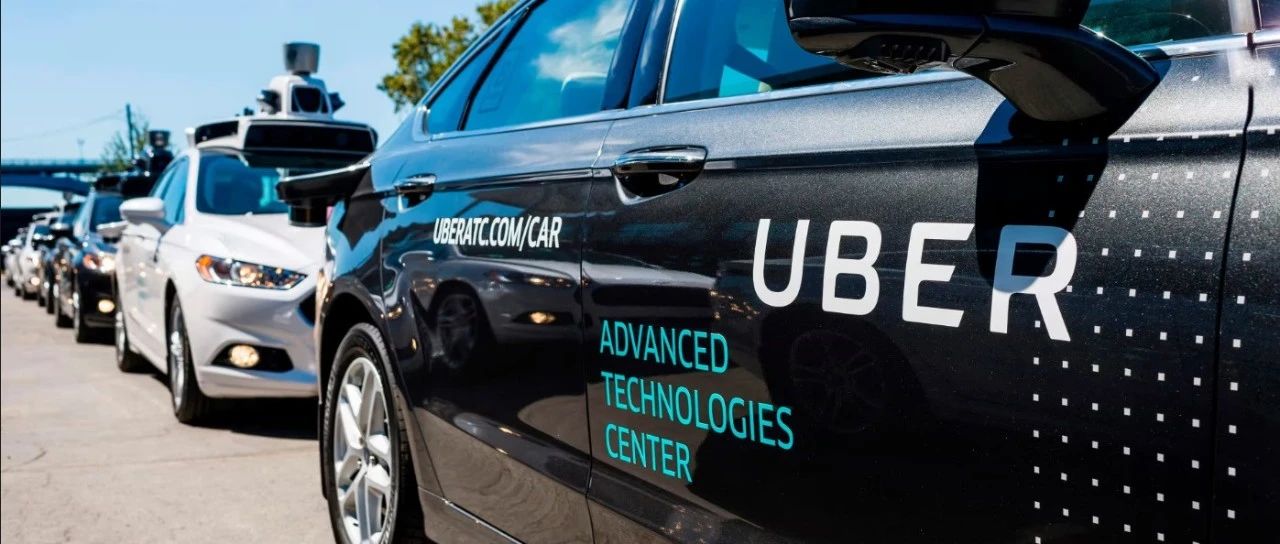
致命事故后沉寂7年!这家美企靠3家中国公司重新切分万亿蛋糕?
电动车公社· 2025-06-10 15:59
关注 「电动车公社」 和我们一起重新思考汽车 水面之上,中国汽车品牌正以迅雷不及掩耳之势掀动全球,主导权变革似乎正在眼前; 水面之下, 中国自动驾驶公司 也在暗度陈仓 ,看准了 全球 robotaxi 市场最大的蛋糕。 如同大众联手小鹏、Stellantis联手零跑,全球最大的网 约车平台 Uber 也 选择 牵手中国自动驾驶公司 ,布局将来以万亿计的 robotaxi 赛道。 而且一找就是三个! 短短的一周之内, Uber 就分别与 文远知行、小马智行、 Momenta 达成合作,具体合作方式都是由中方提供自动驾驶技术, Uber 出平台。 双方强强联合,只等 robotaxi 的需求爆发之时,一举引领全球出行市场新风向! 01. 投华一念起,顿觉天地宽? 虽然优步已经被滴滴收购、退出中国。但放眼全球, Uber的大名可是如雷贯耳—— 据估算,在Uber已经布局的市场中,其 市占率高达 65% ,是当之无愧的全球网约车龙头。 2024年,Uber 全年营收 439.78 亿美元,相当于半个特斯拉 ( 977 亿美元): | (以百万为单位,百分比除外) | | 2023 | 2024 | % 变化 | %变 ...

36氪精选:辅助驾驶人才争夺战:一把手下场挖人VS法务连续起诉
日经中文网· 2025-06-06 07:55
编者荐语: 日经中文网与36氪展开内容交换合作,精选36氪的精彩独家财经、科技、企业资讯,与读者分享。 以下文章来源于36氪Pro ,作者李安琪 李勤 36氪Pro . 36氪旗下官方账号。深度、前瞻,为1%的人捕捉商业先机。 车企的AI辅助驾驶人才饥渴症。 文 | 李安琪 编辑 | 李勤 封面来源 | 日经中文网 入职新公司第一天,张杨(化名)被要求"吐露"上家公司的辅助驾驶算法与代码。因没有积极配合,张杨没在新公司待多久就离 开了。 张杨的前东家是理想汽车,近年因迅速落地辅助驾驶而被行业关注,成为同行重点"探秘"的对象。 辅助驾驶的技术演化在持续喷发。从传统的基于规则的方案转向"端到端"模型路线后,车企的人才画像需求发生了极大变化,中 国车企像互联网大厂与AI公司一样渴求AI人才。 行业竞争激烈而持续。车企内部,团队赛马、立军令状、集体封闭式开发、"做不出来就换人"等,已经成为辅助驾驶部门的常 态。在高压的交付压力下,挖角高端人才、解密头部公司的技术,成为企业的一些"水下动作"。 尤其今年以来,辅助驾驶第一梯队公司的人才遭到了哄抢。有猎头人士告诉36氪,在端到端、AI大模型这波浪潮中,华为、理 想、Mom ...