奔驰

Search documents
备战2026 宝马亮出两张王牌
2 1 Shi Ji Jing Ji Bao Dao· 2025-12-01 23:13
Core Insights - The luxury automotive market is facing a pivotal moment in 2026, with brands like BMW needing to define luxury in the era of smart electric vehicles [1][4] - BMW is focusing on a new generation of technology, including electric drive systems and smart driving solutions, with the first product being the new generation BMW iX3, set to be produced in Shenyang in 2026 [1][7] - The company is experiencing pressure in the Chinese market, with a 11.2% decline in deliveries, highlighting the importance of electric vehicle sales as a growth engine [1][5] Electric Vehicle Strategy - BMW's electric vehicle sales reached 323,000 units in the first three quarters of 2025, marking a 10% year-on-year increase, but the company recognizes the need for accelerated electrification in China [1][6] - The sixth generation eDrive system will utilize large cylindrical batteries, which offer over 20% improvement in energy density and 30% increase in range compared to previous square batteries [5][7] - BMW has partnered with CATL and EVE Energy for battery supply, establishing a localized supply chain in China and Europe [7][8] Smart Technology Integration - BMW is integrating smart cockpit and driving features tailored for the Chinese market, collaborating with companies like Momenta and Huawei to enhance user experience [8][9] - The new generation smart cockpit system will debut with the iX3 and aims to differentiate BMW's offerings through a unique user interface and localized features [9][10] - The collaboration with Momenta for smart driving technology will utilize AI models to improve vehicle perception and decision-making, maintaining BMW's driving dynamics [10][11] Competitive Landscape - Other luxury brands like Mercedes-Benz and Audi are also focusing on 2026 for key product launches, indicating a competitive race in the electric and smart vehicle segments [3][11] - The automotive industry is witnessing a shift towards leveraging China's advanced supply chain and technology ecosystem to enhance product offerings [11]
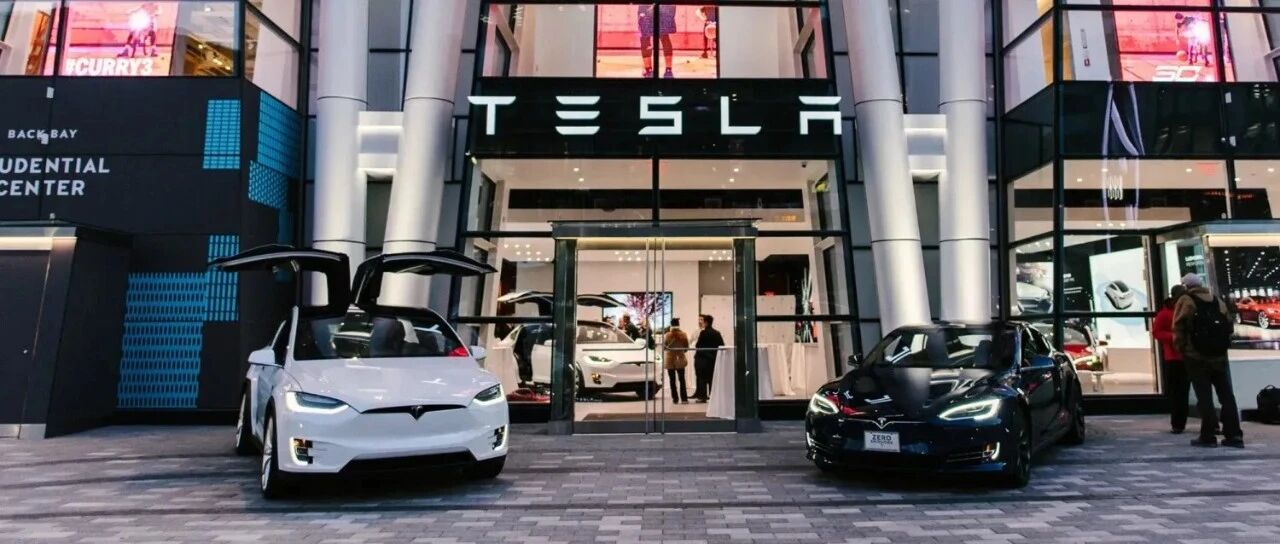
60天卖出100多辆,特斯拉印度天崩开局
汽车商业评论· 2025-12-01 23:06
Core Viewpoint - Tesla's entry into the Indian market has faced significant challenges, with low sales figures highlighting the difficulties of competing in a price-sensitive market dominated by local brands and high import tariffs [4][5][11]. Group 1: Market Entry and Initial Performance - Tesla opened its first experience center in Mumbai in July, marking its official entry into the Indian automotive market [4][8]. - Since opening orders in July, Tesla has sold only over 100 vehicles in India, which is notably low given the country's large population and growing automotive market [5][11]. - The Model Y, Tesla's only model available in India, had slightly over 600 orders by mid-September, but only a few converted to actual sales [5][11]. Group 2: Challenges Faced - High import tariffs, which can reach 100%, have historically hindered Tesla's ability to price competitively in India [7]. - A recent policy change reduced import tariffs to 15% for electric vehicles, contingent on local manufacturing commitments, but Tesla has opted to initially sell imported vehicles rather than invest in local production [7][11]. - The pricing of the Model Y in India is approximately 6.7 million rupees (around $80,000), significantly higher than its starting price of $40,000 in the U.S., making it unaffordable for most Indian consumers [11][12]. Group 3: Competitive Landscape - The Indian electric vehicle market is growing, with over 202,000 registrations this year, but Tesla's market share is minimal compared to local brands like Tata and Mahindra, which dominate the lower price segments [14][15]. - German luxury brands have sold around 4,000 electric vehicles in India this year, overshadowing Tesla's performance [15]. - Local brands are leveraging existing fuel vehicle platforms to offer more affordable electric options, making it difficult for Tesla to compete [14][15]. Group 4: Infrastructure and Consumer Hesitance - Currently, India has only two Tesla supercharging stations, which is insufficient for a country with a population of nearly 1.5 billion [12]. - Tesla plans to expand its charging network but still lags behind local competitors who have established more extensive charging infrastructures [12][14]. - Delivery delays and high prices have resulted in Tesla's early adopters being primarily high-income consumers, limiting broader market penetration [12][16].


乘用车终端需求跟踪及展望
2025-12-01 16:03
Summary of Conference Call Records Industry Overview: Automotive Market Key Insights and Arguments - The automotive market in 2025 is significantly influenced by policy changes, with subsidy reductions and stricter measures expected to suppress consumption, particularly affecting the economy car segment [1][4] - In October, discounts on vehicles increased but did not lead to a price war; brands like BYD and Geely launched new models while older models saw moderate price reductions [1][6] - The penetration rate of new energy vehicles (NEVs) in 2026 will depend on the continuation of policies and technological upgrades, with trends towards larger batteries, longer ranges, and fast-charging technologies [1][8] - High-end joint venture brands are expected to continue losing market share, especially in the price range above 250,000 yuan, due to competition from domestic NEVs [1][9] Market Demand and Trends - Overall demand and foot traffic in November decreased compared to October, primarily due to a pause in subsidy policies leading to consumer hesitation [2] - December is expected to see a rebound in demand, but year-on-year comparisons will still show a decline due to inventory clearance needs and potential tax increases from new technology [2][5] - The first quarter of 2026 is anticipated to be optimistic due to seasonal sales and government subsidies, although challenges are expected in March and April, particularly for economy cars [5][16] Discount and Pricing Strategies - Discounts in October and November were deeper than in September, particularly during the National Day holiday, but did not violate regulatory policies [6] - Discounts for brands like BYD and Xpeng decreased by approximately 10% in November compared to October, indicating a shift in pricing strategies [6] Company-Specific Insights BYD - BYD plans to launch the M6 and a new generation of plug-in hybrid technology in 2026, aiming to enhance electric range and low-temperature fast-charging capabilities [3][12] - Domestic retail sales for BYD in 2025 are projected to be between 3.2 to 3.3 million units, a decline from 3.5 million units in 2024, but a recovery is expected in 2026 with about 10% growth [13] Tesla - Tesla's market outlook for the next two years is cautious, with expectations of stagnation or potential decline unless improvements in their Full Self-Driving (FSD) technology are made [11] - The introduction of lower-priced Model 3 and Model Y variants is anticipated to expand market share in the first quarter of 2026 [11] Xiaomi - Xiaomi's current monthly delivery volume is around 50,000 units, with a significant portion of orders being speculative due to the second-hand market collapse [17] - The delivery cycle is currently projected at 20 to 25 weeks, but actual delivery may take longer, leading to an order backlog [17] Joint Venture Brands - High-end joint venture brands like BMW and Mercedes are expected to face significant pressure, particularly in the mid-range segment, while lower-priced joint venture brands remain competitive due to a lack of strong rivals [10] Future Challenges - The implementation of the trade-in policy has been smooth initially, but challenges are expected in March and April 2026 due to diminishing subsidy levels and potential inventory issues [16] Additional Important Insights - The competition between BYD and Geely in technology upgrades is likely to intensify, with both companies aiming to push the NEV penetration rate above 60% by March 2026 [1][8] - The market for traditional fuel vehicles is expected to face challenges from the increasing presence of electric models, particularly in the under 100,000 yuan segment [10]

纳百川(301667):注册制新股纵览 20251201:动力电池+储能热管理双轮驱动
Shenwan Hongyuan Securities· 2025-12-01 14:13
Investment Rating - The investment rating for the company is positioned in the middle to lower range, with an AHP score of 1.69, placing it in the 22.6% percentile of the non-innovation system AHP model [2][5]. Core Insights - The company has successfully transitioned from fuel vehicle thermal management to new energy vehicle battery thermal management and has expanded into the energy storage thermal management market. Its battery liquid cooling plates and related products are in mass production, with significant growth potential in both domestic and international markets [2][7]. - The company is a strategic supplier for CATL, with a market share of approximately 12.16% in 2024. It has also engaged in product testing with BYD and negotiations with LG Energy and Tata Group for overseas supply [7][8]. - The energy storage thermal management system has become a significant growth driver, with revenue from these products increasing from 0.36 billion in 2022 to 3.37 billion in 2024, representing a CAGR of 204% [8]. Summary by Sections AHP Score and Expected Allocation Ratio - The company achieved an AHP score of 1.69, indicating a middle to lower performance level in the market. The expected allocation ratios for different investor categories are 0.0211% for Class A and 0.0181% for Class B under neutral conditions [5][6]. New Stock Fundamentals and Highlights - The company leads in the liquid cooling plate segment and has successfully transitioned to new energy vehicle applications. It has established mass production capabilities for various cooling products and is in the market promotion phase for its battery integration box [6][7]. Comparable Company Financial Metrics - The company’s revenue for 2022-2024 was 10.31 billion, 11.36 billion, and 14.37 billion respectively, with net profits of 1.13 billion, 0.98 billion, and 0.95 billion. The company’s gross margin has been declining, with figures of 21.79%, 19.15%, and 17.36% over the same period, which is lower than comparable companies [14][17]. Fundraising Projects and Development Vision - The company plans to raise funds for a project to produce 3.6 million sets of water cooling plates annually, which will enhance its production capacity and support the integration of core components with battery boxes. The project is expected to yield significant returns [26][28].
纳百川(301667):动力电池+储能热管理双轮驱动
Shenwan Hongyuan Securities· 2025-12-01 13:15
Investment Rating - The report assigns a rating of "Neutral" to the company based on its AHP score of 1.69, which places it in the 22.6% percentile of the non-innovation system AHP model [7][8]. Core Insights - The company has successfully transitioned from fuel vehicle thermal management to new energy vehicle battery thermal management and has expanded into the energy storage thermal management market. It is a strategic supplier for CATL, with a market share of approximately 12.16% in 2024 [2][9]. - The company’s revenue from energy storage thermal management products has grown significantly, from 36 million yuan in 2022 to 337 million yuan in 2024, representing a CAGR of 204% [11]. - The global market for battery liquid cooling plates is projected to reach 14.5 billion yuan in 2025, with a growth rate of 95.95% compared to 2022 [13]. - The company is also focusing on capacity expansion and product upgrades, with plans to produce 3.6 million sets of water cooling plates annually, integrating core components with battery box production [16][32]. Summary by Sections AHP Score and Expected Allocation Ratio - The company’s AHP score, adjusted for liquidity premium factors, is 1.69, indicating a mid-to-low level performance in the market [7][8]. New Stock Fundamentals and Features - The company leads in the liquid cooling plate segment and has established a stable supply capability, with ongoing negotiations for product supply with major clients like BYD and LG Energy [9][10]. - The company has completed over 300 product projects for various automotive manufacturers, including NIO and Mercedes-Benz, and has adapted over 200 vehicle models [9][10]. Comparable Company Financial Metrics - The company’s revenue from 2022 to 2024 was 1.031 billion, 1.136 billion, and 1.437 billion yuan, respectively, with net profits declining from 113 million to 95 million yuan during the same period [20][21]. - The company’s gross margin has decreased from 21.79% in 2022 to 17.36% in 2024, which is below the average of comparable companies [20][22]. Fundraising Projects and Development Vision - The company plans to raise funds for a new production project aimed at producing 3.6 million sets of water cooling plates annually, with a projected internal rate of return of 7.06% [30][33].
专栏丨德企的选择,是中欧合作共赢生动写照
Xin Hua Wang· 2025-12-01 12:28
新华社柏林12月1日电 题:德企的选择,是中欧合作共赢生动写照 新华社记者李函林 大众集团近日在合肥启用全流程研发测试中心,首次实现在德国总部以外的新车平台"从概念到上 市"全链条开发,使整车研发周期缩短约三成,助力其更快响应全球最具活力汽车市场的需求。将核心 研发链条落地中国,不仅为顺应市场,更体现出对中国技术优势和产业生态的高度认可。 最新统计数据进一步印证了中德合作的韧性与潜力。2025年前9个月,中德双边贸易总额达1859亿 欧元,同比增长0.6%,中国再次成为德国最大贸易伙伴。双方贸易规模的稳步增长,凸显中德经贸互 补性:德国以工程技术和工业基础闻名,而中国企业以研发速度和技术进步著称,优势互补为企业开辟 了广阔发展空间。 在全球产业格局深刻调整、地缘竞争不断加剧的当下,德国企业持续加码中国市场,以务实行动为 中欧合作写下坚实注脚。尽管政治杂音和"去风险"叙事时有起伏,但德企以投资和研发布局中国的脚步 表明:以经济效益与技术创新为核心的理性判断,仍主导着企业的全球决策,而优势互补与互利共赢依 旧是中欧合作的稳固底色。 与此同时,中国企业也在德国稳步推进投资。德国联邦外贸与投资署数据显示,2024年, ...
美国激光雷达最后希望暴雷,CEO被罢免CFO跑路,现金流岌岌可危
3 6 Ke· 2025-12-01 09:24
Core Viewpoint - Luminar's market value has plummeted from a peak of $5 billion to approximately $70 million in less than three years, revealing significant operational and financial challenges [2][3][14] Financial Situation - Luminar announced a 25% workforce reduction to mitigate losses, with only $72 million in cash and securities remaining, which may only last until Q1 of next year without new financing [3][6] - The company has also faced debt defaults, indicating severe financial distress [5][6] - The recent departure of the CFO, who was instrumental in Luminar's IPO, suggests a lack of confidence in the company's financial health [6][14] Business Operations - Despite initial success in securing partnerships with major automotive companies, Luminar has struggled to convert these into profitable business outcomes, with only a few models actually utilizing their lidar technology [12][14] - The company's strategy of selling lidar units below cost to gain market share has not proven sustainable, leading to further financial strain [14][16] Technological Challenges - Luminar's choice of technology, specifically the 1550nm wavelength and 2D scanning structure, has made it difficult to compete with other players in the market who have adopted more cost-effective solutions [18][21] - Competitors using the 905nm wavelength have gained significant market share, with companies like Hesai and RoboSense dominating the ADAS and Robotaxi markets [23][25] Market Position - The company faces a challenging environment in the U.S. market, where the perception of lidar technology has been diminished, particularly by industry leaders like Tesla [25] - The potential for new opportunities in the lidar market may be overshadowed by the advancements made by Chinese competitors, who are rapidly gaining ground [25]
智能驾驶双轨演进:政策“破冰”激活技术“竞速”
Zhong Guo Qi Che Bao Wang· 2025-12-01 09:19
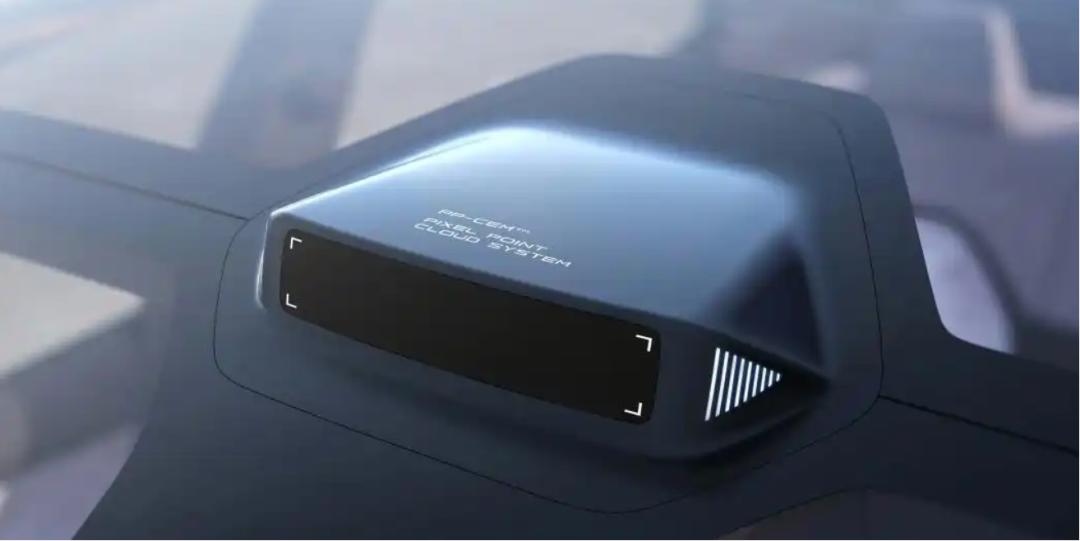
Core Insights - The integration of intelligent driving technology is reshaping lifestyles at an unprecedented pace, driven by advancements in artificial intelligence and a unique market environment in China [1][3] - The Chinese intelligent driving industry is transitioning from a phase of rapid growth to one of high-quality development, with regulatory frameworks being strengthened alongside pilot programs for higher-level autonomous driving [3][4] - The rapid adoption of electric vehicles is providing an optimal platform for intelligent driving technologies, creating a virtuous cycle between electrification and intelligence [4][6] Industry Trends - The emergence of cognitive intelligence technologies is transforming intelligent driving from a rule-based tool to a cognitive-driven entity, with new architectures like end-to-end and VLA opening new possibilities for high-level autonomous driving [3][5] - The intelligent driving sector is witnessing a clear focus on L4-level scenario-based applications, with significant investments directed towards areas like unmanned delivery and logistics [6][7] - Key components of the supply chain, such as sensor manufacturers and chip companies, are receiving substantial funding, highlighting their foundational role in the development of autonomous driving [7] Regulatory Environment - The regulatory landscape is evolving, with policies being introduced to facilitate the testing and commercialization of L3-level and above autonomous driving technologies in multiple cities [3][4] - The dual approach of relaxing pilot programs while simultaneously enhancing regulatory frameworks is creating clearer competitive advantages for companies with core competencies [3][4] Investment Landscape - Investment activities in the intelligent driving sector are increasingly concentrated in later-stage financing, indicating a shift from technology validation to large-scale commercial applications [7] - Traditional automotive companies are actively participating in investments to address technological gaps, while collaborations within the supply chain are emerging to build ecological advantages [7] Future Outlook - The competition in intelligent driving is entering a new phase where success will depend on the ability to integrate technology, compliance, and commercialization effectively [9] - The industry is at a historical turning point, with the potential for new industry giants to emerge from the convergence of technology, policy, and market dynamics [8][9]
【人民日报】柔性屏,打开“显示”新视窗
Ren Min Ri Bao· 2025-12-01 03:29
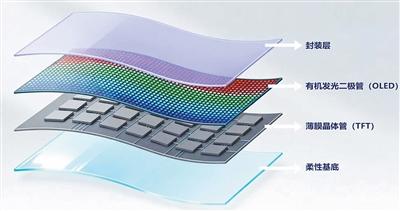
Core Insights - The article discusses the rapid advancement of flexible display technology, highlighting significant breakthroughs in materials and applications that are reshaping the industry landscape [3][4][6]. Group 1: Technological Advancements - Recent developments include the successful creation of high-performance stretchable polymer light-emitting diodes (PLED) by the Chinese Academy of Sciences, which show improved optical performance and mechanical stability [3]. - LG Display has showcased a prototype of a stretchable display capable of approximately 53% deformation, indicating significant progress in flexible display technology [3]. - The flexible display market is projected to exceed $173 billion by 2031, with a compound annual growth rate (CAGR) of 34.3% [6]. Group 2: Material and Structural Innovations - Achieving flexible displays requires a multi-layered approach, including flexible substrate materials, core electronic components, and advanced packaging technologies [4][5]. - Commonly used flexible substrate materials like polyimide and polyester can be as thin as 0.1 mm and withstand high temperatures and thousands of folds without deformation [4]. - The integration of high-performance electronic materials, such as oxide semiconductors and organic semiconductors, is crucial for ensuring rapid current flow and self-emission capabilities in flexible displays [5]. Group 3: Application Expansion - Flexible displays are increasingly being utilized across various sectors, including smart terminals, wearable devices, automotive, healthcare, and public services [6][7][8]. - In the automotive sector, flexible displays are enhancing user interaction, with companies like Mercedes and BMW integrating large OLED screens into their vehicles [7]. - The healthcare industry is adopting flexible displays for real-time monitoring, with products like flexible health patches and wearable medical devices becoming more prevalent [8]. Group 4: Future Prospects - The development of intrinsic flexible materials aims to address challenges such as fragility and resolution loss, potentially leading to new applications in smart homes and IoT [9][10]. - Intrinsic flexibility allows displays to bend and stretch without relying on external structures, enhancing durability and stability [10]. - Future flexible displays may incorporate sensors and AI algorithms for real-time data analysis and adaptive interaction, transforming user experiences and expanding the scope of applications [10].
“总有人不相信这个世界变化如此快!”
汽车商业评论· 2025-11-30 23:06
Group 1 - The article discusses the rapid advancements in the automotive industry, highlighting various voices from industry leaders regarding safety standards, supply chain management, and organizational strategies [4] - He Xiaopeng, CEO of Xiaopeng Motors, emphasizes the challenges of developing humanoid robots, stating that it is ten times more difficult than car manufacturing, with a goal to mass-produce high-end humanoid robots by the end of 2026 [6][7] - Li Bin, founder of NIO, addresses the issue of online rumors and emphasizes the importance of maintaining a positive public image while protecting user rights [10][11] - Li Xueyong, Executive Vice President of Chery Automobile, critiques the unrealistic marketing claims regarding vehicle braking capabilities, asserting that safety relies on proper vehicle control [15] - Dong Xiuhui, General Manager of FAW Toyota, reflects on the automotive industry's return to rationality and quality in 2025, emphasizing that a good car should enhance user experience rather than complicate it [21] Group 2 - Jia Yueting, founder of Faraday Future, reflects on the competitive landscape between LeEco and Xiaomi, noting that despite LeEco's initial success, Xiaomi has managed to expand into various sectors, including automotive [18] -段建军, President and CEO of Beijing Mercedes-Benz Sales Service, reaffirms the brand's commitment to maintaining its luxury status amid the transition to electric vehicles [23] - Li Xiang, founder of Li Auto, announces a return to a startup management model to adapt to the current market environment, emphasizing the importance of agility and collaboration in decision-making [34][36] - Russian President Vladimir Putin comments on the superiority and cost-effectiveness of Chinese electric vehicles compared to European counterparts, indicating a shift in the automotive market dynamics [39][41]