西门子

Search documents
冰轮环境20250714
2025-07-15 01:58
Summary of the Conference Call for Ice Wheel Environment Company Overview - Ice Wheel Environment is a long-established state-owned enterprise founded in 1956, primarily engaged in the production of refrigeration compressors with a comprehensive technology system. The company is controlled by the Yantai State-owned Assets Supervision and Administration Commission, and its management includes an employee stock ownership plan. In Q3 2023, the company completed a stock incentive plan, enhancing its governance mechanism towards a more market-oriented structure [8][10]. Industry Insights - The global demand for computing power is surging, particularly in the AI market, with significant increases in TOKEN volumes reported by major companies. For instance, Microsoft's TOKEN volume grew over five times year-on-year, while Google's TOKEN processing volume increased approximately 50 times. In China, the usage of TOKEN for large models surged over 130 times compared to the previous year [2][3]. - The demand for data centers is driving growth in construction and HVAC solutions, as evidenced by Johnson Controls' Q2 financial results exceeding expectations, with data center business revenue increasing and orders being double the delivery amount [2][6]. Key Business Developments - Ice Wheel Environment's IDC (Intelligent Data Center) business is experiencing rapid growth, with explosive order increases and rising revenue and profit contributions. The traditional refrigeration compressor business remains competitive domestically, holding the top market share in the cold chain sector. The company's valuation is considered relatively low, and recent share purchases by the controlling shareholder provide a safety margin [2][7][19]. - The company has expanded its central air conditioning and IDC business through the acquisition of Dunham-Bush, enhancing its competitiveness in the data center sector [3][4]. Financial Performance - The company reported that overseas revenue is gradually increasing, projected to reach 2 billion yuan in 2024, a year-on-year growth of 21%, accounting for nearly 30% of total revenue [4][9]. - The IDC business is expected to contribute significantly to overall performance, with revenue and profit shares anticipated to increase in 2025 and 2026 [18][19]. Competitive Advantages - Ice Wheel Environment's core competitive advantages include: 1. **Technical Innovation**: The company has a strong capability in technology innovation within the refrigeration compressor sector, being the only domestic enterprise with complete independent intellectual property rights [11]. 2. **Global Presence**: The company operates production bases in over 40 countries, enhancing its ability to meet global market demands [11]. 3. **IDC Business Strength**: The subsidiary Dunham-Bush is focused on specialized industrial sectors, contributing significantly to the central air conditioning revenue [11][12]. Market Trends and Future Outlook - The cold chain equipment sector is expected to maintain positive growth due to policy support and increasing investments in related industries, despite previous slowdowns caused by the pandemic [15]. - The energy and chemical equipment sector has faced challenges due to reduced capital expenditures from downstream customers, but signs of stabilization are emerging [16]. - The industrial heat management business is projected to grow significantly as industries seek to meet carbon reduction targets set for 2030, driving demand for energy-saving equipment [17]. Investment Logic - The core investment logic for Ice Wheel Environment includes: 1. Rapid growth in the IDC business driven by overseas demand. 2. Strong competitive positioning in the refrigeration compressor market. 3. Relatively low valuation levels, with recent share purchases by the controlling shareholder providing additional security [7][19].

前瞻全球产业早报:2025年中国外贸半年报出炉
Sou Hu Cai Jing· 2025-07-14 23:47
Group 1: China's Foreign Trade Report - In the first half of 2025, China's total goods trade value reached 21.79 trillion yuan, a year-on-year increase of 2.9%, accelerating by 0.4 percentage points compared to the first five months [1] - Exports amounted to 13 trillion yuan, marking the first time in history that exports exceeded 13 trillion yuan in the same period, with a year-on-year growth of 7.2% [1] - Imports totaled 8.79 trillion yuan, showing a year-on-year decline of 2.7%, but the decline narrowed by 1.1 percentage points compared to the first five months [1] Group 2: Domestic Instrument Equipment Replacement Rate - As of the end of 2024, there were 10.67 million sets of testing and inspection instruments in China, a year-on-year increase of 3.87% [2] - The number of domestic instruments reached 9.93 million sets, with a year-on-year growth of 4.11%, achieving a record high replacement rate of over 93% [2] Group 3: Automotive Ownership in Chengdu - As of June 2025, the total number of motor vehicles in China reached 460 million, with 359 million being cars [3] - Chengdu, along with Beijing and Chongqing, has an automotive ownership exceeding 6 million, ranking among the top three cities in the country [3] Group 4: Establishment of Guangdong North Bay Offshore Wind Power Development Co., Ltd. - Guangdong North Bay Offshore Wind Power Development Co., Ltd. was recently established with a registered capital of 1 billion yuan, focusing on power generation technology services [4] Group 5: Taobao Flash Sale Performance - Taobao Flash Sale announced a new record of over 80 million daily orders, with a week-on-week increase of 15% in active users [4] Group 6: New Model Launch by Moonlight Dark Side - The new open-source model Kimi K2 was launched by Moonlight Dark Side, aiming to regain market leadership amid fierce competition in the domestic large model sector [5] Group 7: Religious and Corporate Leadership Changes - After the passing of her father, Zong Fuli has taken over multiple companies under the name of Zong Qinghou, including Hangzhou Wahaha Group [6][7] Group 8: Nvidia's Market Position - Nvidia's market capitalization surpassed 4 trillion dollars on July 9, 2025, but the company faces challenges in the Chinese data center market due to limited product availability [8] Group 9: Green Hydrogen Project in Central Asia - The first green hydrogen EPC project in Central Asia, located in Tashkent, Uzbekistan, successfully achieved its first hydrogen production [8] Group 10: Federal Reserve Interest Rate Decisions - The probability of the Federal Reserve maintaining interest rates in July is 93.3%, with a 6.7% chance of a 25 basis point cut [9] Group 11: Siemens and SAP's Call for AI Regulation Changes - Siemens and SAP's CEOs urged the EU to amend its AI regulations, claiming current rules stifle innovation [10] Group 12: LG Electronics' Portable TV Launch - LG Electronics announced the global launch of its portable TV, StanbyME 2, starting in Hong Kong and Turkey [12] Group 13: Tata Steel's Electric Arc Furnace Project - Tata Steel has initiated the construction of an electric arc furnace project in the UK, part of a £1.25 billion renovation plan [12] Group 14: Bankruptcy of JS Foundry - JS Foundry, a Japanese semiconductor company, filed for bankruptcy with total liabilities of approximately 16.1 billion yen [13] Group 15: A-Share Market Performance - The A-share market showed mixed results, with the Shanghai Composite Index rising by 0.27% [14] Group 16: Bitcoin Price Surge - Bitcoin's price surpassed $120,000, setting a new historical high [15]
中科院青岛能源所李福利等:以CO2为原料的第三代生物炼制现状
合成生物学与绿色生物制造· 2025-07-14 13:29
Core Viewpoint - The article discusses the advancements in third-generation biorefining technology that utilizes one-carbon (C1) resources, such as CO2, to produce biofuels and chemicals, contributing to carbon capture and utilization, and supporting carbon neutrality goals [1][3][9]. Summary by Sections 1. Development of Biorefining Technology - The oil crisis in the 1970s spurred research and industrialization of biofuels, leading to the introduction of biorefining concepts in the 1980s [7]. - The first-generation biorefining technology, using food crops, faced challenges related to resource efficiency and competition with food production [8]. - The second-generation technology, based on lignocellulosic biomass, has potential but is hindered by high costs and technical barriers [8]. 2. Third-Generation Biorefining Technology - Third-generation biorefining aims to convert CO2 and renewable energy sources into fuels and chemicals, overcoming limitations of previous technologies [9]. - This technology has shown significant progress, with over 10 carbon fixation pathways validated, and some CO2 fixation technologies have reached commercialization [4][9]. - Examples include projects that convert industrial emissions into bioethanol, significantly reducing CO2 emissions [4]. 3. Carbon Fixation Pathways - More than 10 carbon fixation pathways have been identified, including natural pathways like the Calvin cycle and engineered pathways [11][36]. - The article details various pathways, such as the Wood-Ljungdahl pathway and reductive TCA cycle, highlighting their unique characteristics and potential for industrial application [16][33]. 4. Engineering of Carbon Fixation - Key factors influencing carbon fixation efficiency include energy sources, substrate types, and enzyme characteristics [36]. - Engineering efforts focus on optimizing microbial strains for better CO2 utilization and product yield, with examples of successful modifications in various microorganisms [38]. 5. Commercialization and Future Prospects - The commercialization of third-generation biorefining technologies is underway, with successful projects demonstrating the feasibility of using CO2 as a raw material [4][9]. - Future developments are expected to enhance the efficiency and cost-effectiveness of these technologies, contributing to sustainable bio-manufacturing [9][36].


日本囤了20年稀土原料,最后还得求中国代加工,这技术壁垒太可怕
Sou Hu Cai Jing· 2025-07-12 02:50
Core Viewpoint - China's dominance in the rare earth industry is underscored by Japan's 20-year stockpiling of rare earth materials, which has not led to independence but rather highlighted China's irreplaceable position in the supply chain [1][3]. Industry Insights - Japan's stockpiling of rare earths has not translated into self-sufficiency due to the lack of advanced processing capabilities, with 95% of global rare earth separation and processing capacity held by China [3][5]. - The technical gap in rare earth separation and purification has been built over decades, with Chinese institutions like the Baotou Rare Earth Research Institute and the Shanghai Institute of Organic Chemistry accumulating significant expertise [5][7]. - The complexity of downstream processing, such as the production of rare earth permanent magnets, presents further challenges for Japan, which struggles to match China's optimized processes and experience [5][7]. Competitive Landscape - Chinese companies like Minmetals Rare Earth and Guangdong Zhujiang Rare Earth have established strong profit margins, with an average gross margin exceeding 45% in 2024, indicating a highly profitable sector [7][9]. - Major global companies, including Tesla and Siemens, rely heavily on Chinese suppliers for rare earth components, demonstrating the critical role of Chinese technology and production capabilities in the global market [5][7]. Future Outlook - China's technological lead in rare earths is expected to widen, driven by advancements in recycling technologies and increasing demand from emerging sectors such as renewable energy and artificial intelligence [9]. - The long-term accumulation of technical advantages and a complete industrial chain in China makes it unlikely for other countries to disrupt this dominance in the near future [9].


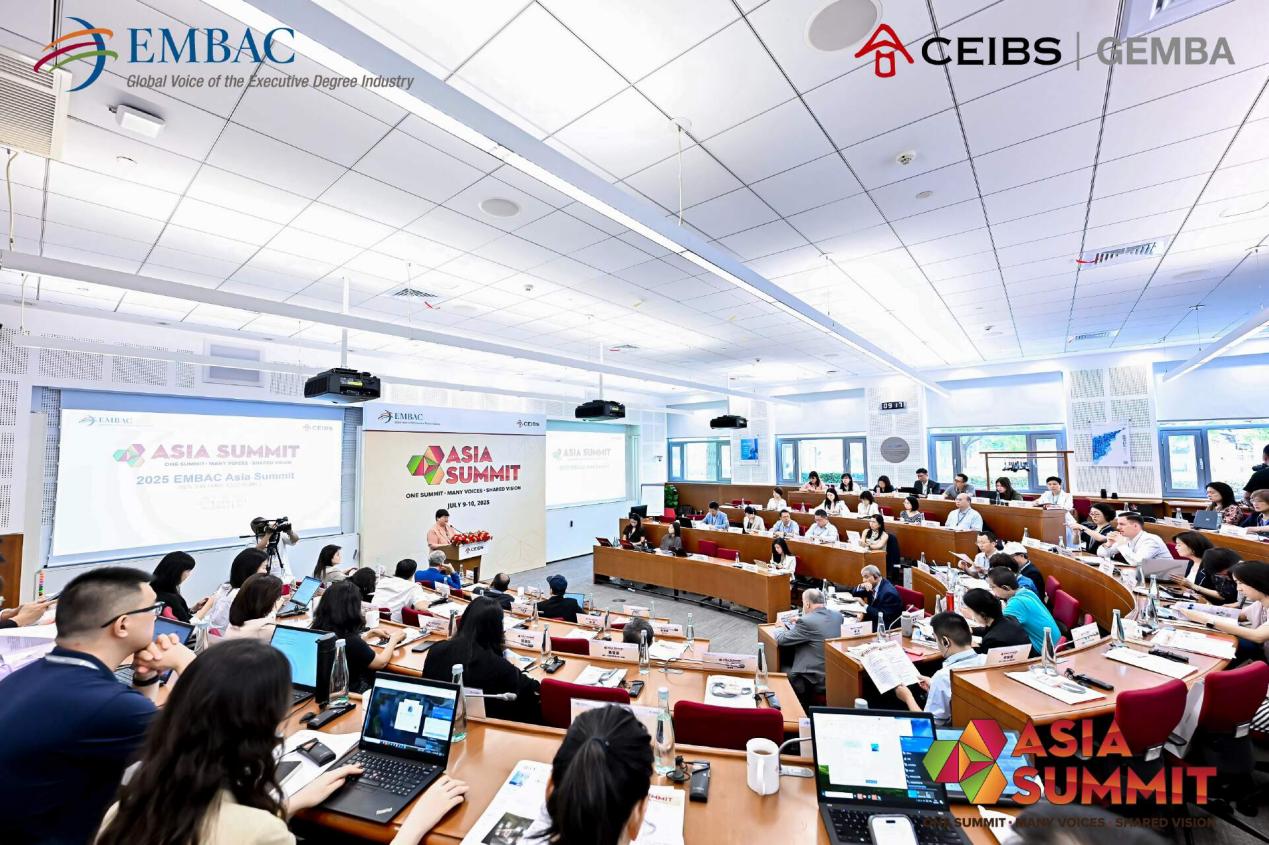
2025全球EMBA委员会亚洲峰会在中欧国际工商学院举行
Zhong Guo Jin Rong Xin Xi Wang· 2025-07-11 06:11
Core Insights - The 2025 Global EMBA Committee Asia Summit was held at CEIBS Shanghai campus, gathering top business school experts, executives, and industry elites to discuss trends, challenges, and innovations in business education [1][26] - The summit aimed to break traditional educational silos and build a future learning community [1] Group 1: Key Themes from Presentations - CEIBS President Wang Hong emphasized the need for management education to adapt to changes in the global business environment, focusing on three areas: deep transformation of cutting-edge academic knowledge, global dissemination of local wisdom, and educational empowerment through digital technology [3] - The summit highlighted four macro trends in global business education: a rebound in application numbers, geopolitical factors influencing study destinations, a decline in Chinese applicants' interest in the U.S., and a shift in skill demands towards AI and strategic thinking [6] - Fudan University’s Management School Dean Lu Xiongwen noted that over 90% of Chinese universities have management programs, creating a vast market for EMBA and MBA education driven by economic growth and innovation [8] Group 2: Discussions on Market Dynamics - The first roundtable discussion focused on the evolving expectations of companies regarding professional degrees, emphasizing the need for tailored short-term management courses that integrate industry insights [13] - The second roundtable explored the disruptive power of KOLs and KOCs in digital marketing, highlighting a shift from centralized to decentralized marketing strategies [15] - The final roundtable discussions addressed the impact of AI on education, with experts sharing insights on how AI can both challenge and empower educational practices [21] Group 3: Future Directions - The summit concluded with a high-level leadership roundtable discussing the challenges of higher education development, emphasizing the importance of cultivating leaders with a global perspective and social responsibility [23] - Participants expressed a strong desire for more high-level exchange activities to support the internationalization and innovation of Asian business education [26]
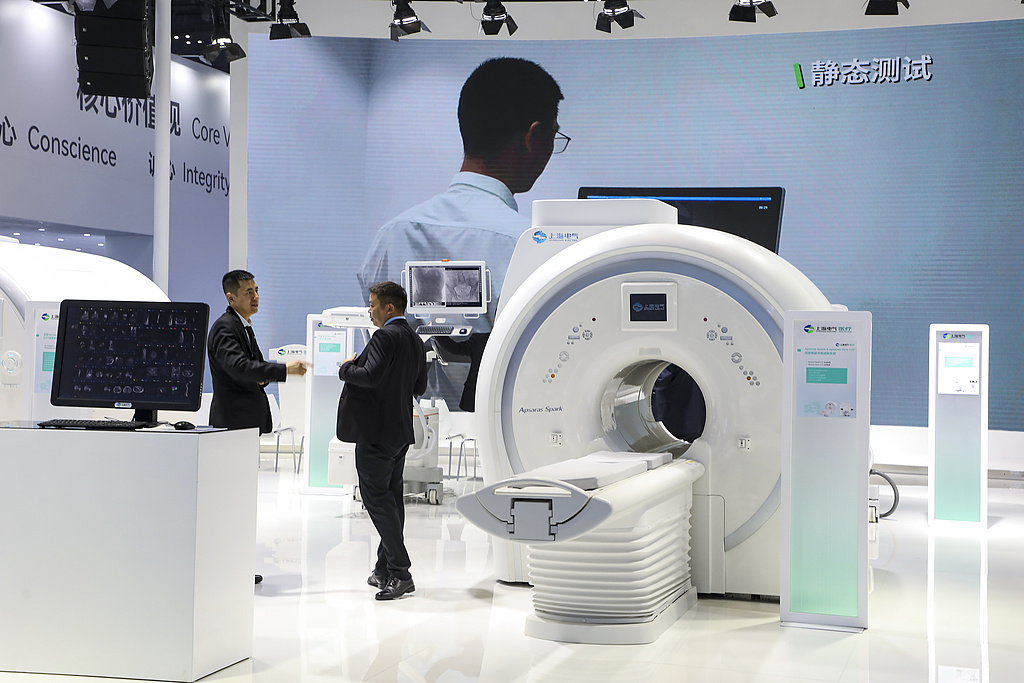
2025世界人工智能大会7月26日开幕 100余款“全球首发”“中国首秀”产品将亮相
Zheng Quan Shi Bao Wang· 2025-07-10 06:20
Group 1: Conference Overview - The 2025 World Artificial Intelligence Conference will be held in Shanghai from July 26 to July 28, focusing on the theme "Intelligent Era, Shared Future" [1][2] - The conference will feature a structure of "1+1+2+10+N," including an opening ceremony, a high-level global governance meeting, two plenary sessions, over ten ministerial forums, and numerous ecological forums [1] - The exhibition area will exceed 70,000 square meters, with over 800 participating companies, including leading AI firms and major international corporations [1][2] Group 2: New Initiatives and Features - A new "Investment and Incubation" section will be introduced, featuring over 200 startup projects and more than 100 investment institutions for on-site matching and funding services [2] - The conference aims to integrate AI deeply into urban life, showcasing products in embodied intelligence and smart hardware [2] Group 3: Technological Advancements and Market Trends - China's AI terminal shipment volume accounted for 42% of the global total in the first half of the year, with a projected 20% increase in shipments for the entire year [4] - The conference will highlight advancements in AI applications across various sectors, including transportation and healthcare, showcasing significant improvements in operational efficiency and diagnostic capabilities [4][5] Group 4: Global Collaboration and Governance - The conference aims to promote global cooperation in AI development, addressing the need for unity in innovation and preventing misuse of AI technologies [7] - The Ministry of Industry and Information Technology plans to establish a cooperation center for AI development among BRICS nations, promoting open-source collaboration [6]
酿和美之韵,谱共荣新篇:五粮液“和美全球行”品牌出海布点欧非
Zheng Quan Shi Bao Wang· 2025-07-10 04:06
Core Viewpoint - Wuliangye is actively promoting Chinese liquor culture globally through its "He Mei Global Tour," showcasing its rich cultural heritage and exceptional brewing techniques while fostering international cooperation and cultural exchange [1][2][3]. Group 1: Global Expansion and Cultural Promotion - The "He Mei Global Tour" includes events in Germany and Seychelles, highlighting Wuliangye's commitment to cultural exchange and its role as a leading Chinese liquor brand [1][2]. - In Germany, Wuliangye engaged in various activities, including a strategic partnership with Siemens to enhance digital transformation and a promotional event in Frankfurt [2][4]. - The brand's efforts in Seychelles involved brand promotion and cultural exchange, linking Chinese liquor culture with African culture [2][6]. Group 2: Market Potential and Industry Growth - The Chinese liquor industry is experiencing growth, with projected sales revenue of CNY 796.39 billion in 2024, a 5.3% increase year-on-year, and an export value of USD 966 million, up 20.13% [3]. - Despite the growth, Chinese liquor holds a relatively small share of the global spirits market, valued at USD 62 billion, indicating significant potential for expansion [3]. Group 3: Innovative Marketing Strategies - Wuliangye is innovating its marketing approach by collaborating with Chinese visa application centers to create cultural experiences for international visitors, enhancing brand recognition [4][5]. - The company is also targeting younger consumers through engaging marketing events, such as pop-up activities in popular venues [4][6]. Group 4: Strategic Partnerships and Collaborations - Wuliangye's partnership with Siemens aims to integrate digital and low-carbon solutions, enhancing the company's competitive edge and fostering international collaboration [6]. - The brand is exploring new market opportunities in Africa, particularly through its activities in Seychelles, to promote economic cooperation and cultural exchange [6][7].

财经观察:中方限制采购欧盟医疗器械,影响有多大?
Huan Qiu Shi Bao· 2025-07-08 22:46
Core Viewpoint - China has implemented restrictions on medical device procurement from European companies in response to similar measures taken by the EU against Chinese firms, indicating a tit-for-tat approach in trade relations [1][5]. Group 1: Government Procurement Measures - The Ministry of Finance announced that for medical device procurement budgets exceeding 45 million RMB, EU companies will be excluded from participation, except for EU-funded enterprises operating in China [2][4]. - The measures specifically target 50 types of medical devices imported from the EU, including both everyday medical instruments and high-end equipment like MRI and X-ray diagnostic devices [4][6]. Group 2: Impact on Domestic Industry - The restrictions are expected to significantly impact high-end medical device manufacturers from the EU, while domestic companies are increasingly filling the market gap with competitive products [5][6]. - Currently, imported medical devices account for 40% of a typical domestic company's business, with only 10% coming from the EU, indicating a shift towards non-EU suppliers [4][6]. Group 3: Future Trends in Domestic Medical Device Market - The domestic medical device industry is projected to see an increase in the replacement rate of imported products, with estimates suggesting that 60% to 80% of devices priced around 5 million RMB can be sourced domestically [7][8]. - The market for high-end medical devices is expected to grow significantly, with projections indicating that by the end of the 14th Five-Year Plan, the market size could reach approximately 2.27 trillion RMB, accounting for 28% of the global market [8][9].
【招银研究|行业深度】高端装备之船舶电动化——综合电力系统(IPS):船舶动力的绿色革命
招商银行研究· 2025-07-08 10:35
Core Viewpoints - The development of Integrated Power Systems (IPS) is driven by the dual forces of military-civilian integration and the green shipping revolution, emphasizing environmental protection, economic efficiency, and technological performance improvements [1][28]. Group 1: Development Trends - The IPS technology has expanded into civilian applications since the 2000s, with a focus on direct current (DC) networking and electric propulsion becoming dominant [1][4]. - The IPS consists of two main components: the energy system and the electric propulsion system, with the energy system evolving to support multiple energy sources, including traditional fossil fuels, nuclear energy, and renewables [5][7]. Group 2: System Architecture - The architecture of electric propulsion ships has fundamentally restructured the power and energy systems, focusing on four key areas: switching power sources, upgrading energy transmission, transforming propulsion methods, and integrating shore power systems [2][48]. - The transition from traditional mechanical propulsion to electric propulsion is accelerating, with electric propulsion systems offering significant advantages in efficiency and environmental impact [19][34]. Group 3: Competitive Landscape - China, as the world's largest shipping nation and second-largest shipbuilding country, is in a catch-up phase in the IPS field, with European giants currently holding nearly 50% of the global market share [2][3]. - Chinese companies are making substantial progress in core technologies, with notable advancements in key product development and engineering applications [2][3]. Group 4: Business Opportunities - The acceleration of Chinese enterprises in the IPS sector presents significant business opportunities, driven by the need for green transformation in the shipping industry [3][34]. - The market for shipborne generators and electric motors is experiencing steady growth, with the shipborne generator market in China projected to reach 48 billion yuan in 2023, growing by 7.5% year-on-year [51][70].
【产业互联网周报】华为盘古大模型被质疑抄袭;AI人才争夺加剧,DeepSeek在海外大举招聘人才;微软被曝将“AI使用量”纳入员工考核,直接挂钩绩效;设...
Tai Mei Ti A P P· 2025-07-08 03:37
Group 1 - Huawei's Pangu team announced the open-source release of the Pangu 7B dense and 72B mixture of experts models, but faced allegations of plagiarism from Alibaba's Tongyi Qwen-2.5 14B model, with a high similarity score of 0.927 in attention parameter distribution [2][3] - Huawei's Noah's Ark Lab responded that the Pangu Pro MoE model was developed and trained on its Ascend hardware platform and not based on other vendors' models [2] - An article published on GitHub by a self-identified member of Huawei's Pangu team claimed that the team fabricated technological breakthroughs and used competitor models for training [3] Group 2 - Tencent responded to user complaints about the new "AI search" feature in WeChat, clarifying that it integrates public information without using user privacy data [4][5] - Baidu announced its largest search business overhaul in a decade, allowing for over 1,000 characters in search queries and integrating AI writing and image generation capabilities [6] Group 3 - The 2025 Global Digital Economy Conference revealed a list of the top 100 talents in the AI field, with a significant representation of Chinese individuals [7] - DeepSeek is reportedly ramping up overseas recruitment, aiming to attract talent for positions focused on artificial general intelligence (AGI) [9] Group 4 - ByteDance has produced over 1,000 robots in two and a half years, with a long-term goal of achieving embodied intelligence [10] - Zhipu AI released and open-sourced the GLM-4.1V-Thinking series, a multimodal model with 9 billion parameters, demonstrating superior performance in various benchmark tests [10] Group 5 - Yonyou Network Technology submitted an H-share listing application to the Hong Kong Stock Exchange, marking a significant step in its internationalization strategy [14] - Wisdom Eye was included in KPMG's inaugural "China Health Technology Top 50" list for its innovative applications in healthcare AI [14] Group 6 - Baidu officially open-sourced the Wenxin large model 4.5 series, which includes various models with different parameter configurations [15] - DingTalk launched over 100 free templates for the e-commerce industry, integrating AI functionalities for various business needs [16] Group 7 - Siemens and other EDA companies confirmed the lifting of U.S. export restrictions on chip design software to China, allowing for renewed access to their technologies [17][18] - Trump announced new tariffs set to take effect on August 1, with rates potentially reaching up to 70% [19] Group 8 - Microsoft is set to lay off nearly 9,000 employees as part of a restructuring plan aimed at optimizing processes and reducing management layers [20] - Elon Musk's xAI company completed a $10 billion funding round to further develop its AI solutions and data centers [20] Group 9 - Google announced the global availability of its latest AI video generation model, Veo3, which significantly enhances video production capabilities [21] - CoreWeave became the first AI cloud service provider to deploy NVIDIA's GB300 NVL72 system, boasting high AI performance [22] Group 10 - Cursor apologized for a pricing communication issue regarding its Pro Plan and offered refunds to affected users [23] - Cursor's developer Anysphere hired two former executives from Anthropic to strengthen its leadership team [25] Group 11 - Microsoft is incorporating AI usage into employee performance evaluations, reflecting its commitment to integrating AI tools into daily operations [26] - Apple is considering using AI technologies from Anthropic or OpenAI for its Siri assistant, indicating a potential shift in its AI strategy [27] Group 12 - Meta established a new department called the "Meta Superintelligence Lab," recruiting several prominent figures from the AI industry [28] - Multiple European companies urged the EU to pause the implementation of the upcoming AI Act, citing concerns over its impact on innovation [29] Group 13 - Figma submitted its IPO application, aiming to list on the NYSE, following a previous failed acquisition attempt by Adobe [31] - Remark completed a $16 million Series A funding round to expand its online retail guidance services [32] Group 14 - Zhiyu Technology went public in Hong Kong, raising approximately 320 million HKD for research and international market expansion [37] - Domestic GPU company Sunrise raised nearly 1 billion RMB in funding to support its high-performance GPU development [38]