
古茗

Search documents
高光、失血与急转:喜茶加盟800天
虎嗅APP· 2025-11-01 14:11
Core Viewpoint - Heytea, once a leading brand in the tea beverage industry, faced significant operational pressures due to high costs and declining sales during the pandemic. The company opened franchising in late 2022 to accelerate expansion and reach lower-tier markets, which initially contributed over 50% of its revenue in 2023. However, the rapid expansion led to operational challenges and conflicts with franchisees, ultimately resulting in the suspension of the franchise program after two years [4][5][6][10]. Summary by Sections Franchise Strategy and Initial Success - Heytea's franchise model was seen as a "lifesaver," contributing significantly to revenue growth in 2023, with franchise operations accounting for over 50% of total income [4][10]. - The company initially maintained strict standards and brand integrity in its franchise operations, which provided some brand support during the early stages of franchising [4][5]. Challenges Faced by Franchisees - Franchisees encountered multiple challenges, including cost pressures, operational restrictions, and intense market competition, leading to a deterioration of confidence in the brand [5][6][10]. - Many franchisees reported long-term losses, with some expressing frustration over the lack of support from the headquarters, particularly regarding product launches and cost management [6][10]. Decline in Performance - Franchisees experienced a significant drop in sales, with average daily revenues declining from over 600,000 yuan to as low as 2,000 yuan per store within a year [7][10]. - The competitive landscape intensified, with brands like Gu Ming offering similar products at lower prices, further eroding Heytea's market position [8][10]. Operational Inefficiencies - Heytea's strict operational guidelines, aimed at ensuring food safety and quality, inadvertently increased costs for franchisees, leading to unsustainable business models [9][10]. - The company's franchise model struggled with efficiency, as the lengthy setup process and equipment delivery issues hampered timely openings for new stores [24][25]. Strategic Shift and Suspension of Franchising - In early 2024, Heytea announced the suspension of its franchise program, recognizing the need to reassess its operational strategy and address the underlying issues within the franchise system [10][36]. - The company is now focusing on refining its brand image and product offerings, aiming to return to a higher-end market position while providing better support for existing franchisees [37][38].

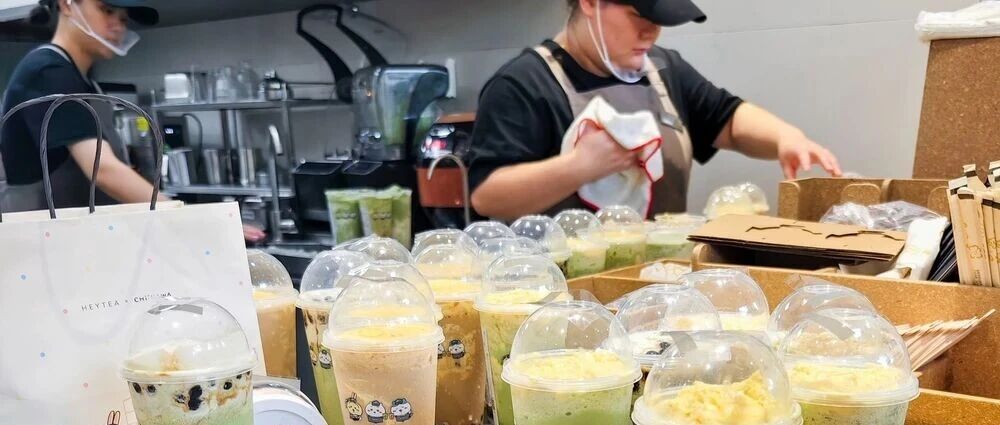
平价咖啡将诞生新万店品牌,咖啡市场进入“质价比”时代?
Xin Lang Ke Ji· 2025-10-31 08:04
Core Insights - The Chinese fresh coffee market is undergoing a significant transformation, shifting from a "brand premium" focus to a "quality-price ratio" emphasis, particularly in first-tier cities [1][3] - Starbucks is facing unprecedented competition from affordable coffee brands like Luckin Coffee, Kudi, and others, which are gaining dominance in this emerging market [1][3] Market Dynamics - The Chinese coffee market is projected to exceed 500 billion yuan by 2030, driven by three key industry variables: the entry of tea brands lowering coffee prices, low market concentration, and evolving consumer perceptions [3][5] - Consumers are increasingly willing to pay for quality rather than brand, leading to a trend where price equality becomes essential [3][5] Competitive Landscape - Starbucks' average price per cup is around 30 yuan, while competitors like Luckin Coffee and Kudi offer prices ranging from 4.5 to 16 yuan, creating a significant price gap that challenges Starbucks' competitive advantage [3][4] - Brands like Luckin Coffee have successfully attracted younger consumers by offering "low-price, high-quality" products, reshaping consumer perceptions of coffee pricing [3][4] Brand Performance - Luckin Coffee's "Coconut Latte" has achieved sales exceeding 300 million yuan, with over 30 million cups sold, showcasing its strong market presence [4] - The brand has expanded rapidly, with over 9,000 stores, doubling its scale since the beginning of the year, and has opened its first overseas store in Malaysia [4][5] Consumer Behavior - There is a notable shift in consumer behavior, with many opting for affordable coffee options, indicating a change in the perception of coffee consumption from a luxury to a daily necessity [5][6] - The demand for reasonably priced, quality coffee is consistent across different market segments, suggesting that the "high-quality, low-price" model has long-term potential [5][6] Supply Chain and Operational Efficiency - Luckin Coffee's competitive edge lies in its supply chain management, which includes significant production capacity and cost control, allowing it to maintain quality at lower prices [6] - The brand's operational model serves as a blueprint for the coffee industry, emphasizing the importance of supply chain foundations, product-market fit, and targeted expansion [6]
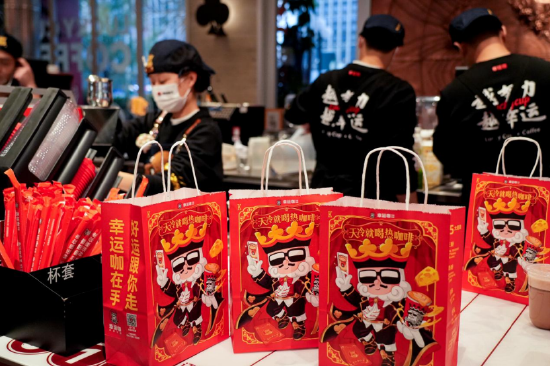
对话《奶茶出海》作者张璇:中国奶茶出海,美国人也学会说“要几分糖”
Guan Cha Zhe Wang· 2025-10-31 04:21
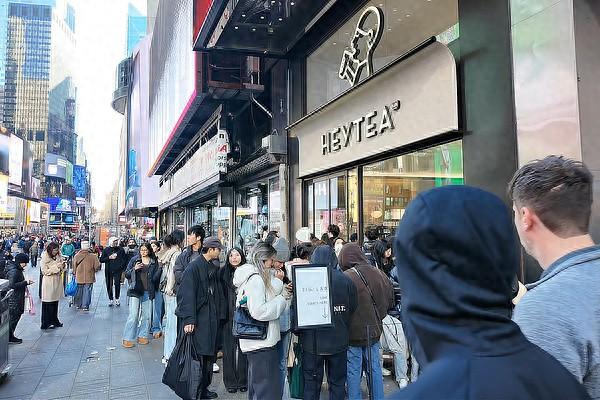
Core Insights - The article discusses the global expansion of Chinese milk tea brands, highlighting their cultural significance and impact on consumer behavior [3][12][21] - It emphasizes the role of supply chain efficiency and logistics in supporting the international growth of these brands [6][21] - The phenomenon of milk tea's popularity abroad is described as a "cognitive revolution," reshaping consumer habits and cultural perceptions [12][13][20] Group 1: Cultural Impact - The expansion of milk tea brands is seen as a gentle yet profound reshaping of global consumer culture and taste psychology [3][12] - Milk tea serves as a low-cost cultural entry point, allowing for easier acceptance and integration into foreign markets compared to other products [8][20] - The article notes that milk tea has become a symbol of identity and cultural expression among Asian communities in the U.S. [15][16] Group 2: Supply Chain and Logistics - Chinese milk tea brands benefit from a robust supply chain, allowing for quick distribution and freshness of ingredients [6][21] - The logistics capabilities in China enable brands to maintain a competitive edge in international markets, with examples of efficient cold chain logistics [6][21] - The ability to adapt supply chains for local sourcing while maintaining product quality is crucial for success in foreign markets [6][20] Group 3: Market Dynamics - The article highlights the importance of creating a unique consumer experience in milk tea shops to build brand loyalty and recognition [12][20] - It discusses the challenges of balancing cultural authenticity with local adaptation in marketing strategies [19][20] - The success of milk tea brands in the U.S. is attributed to their ability to appeal to younger consumers and create a trendy lifestyle image [11][12]
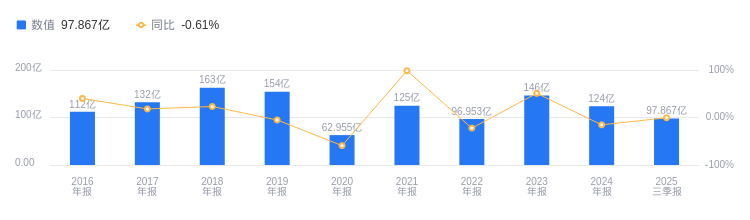
万达电影的前世今生:2025年Q3营收97.87亿行业居首,毛利率高于行业平均4个百分点
Xin Lang Cai Jing· 2025-10-30 15:40
Core Viewpoint - Wanda Film is a leading cinema investment and operation company in China, with a strong market position and diversified business model covering the entire film industry chain [1] Group 1: Business Performance - In Q3 2025, Wanda Film achieved a revenue of 9.787 billion yuan, ranking first in the industry, significantly higher than the second-ranked Hengdian Film's 1.895 billion yuan, with the industry average at 3.3 billion yuan [2] - The main business composition includes box office revenue of 4.177 billion yuan, accounting for 62.45%, and merchandise and catering sales of 863 million yuan, accounting for 12.90% [2] - The net profit for Q3 2025 was 713 million yuan, also ranking first in the industry, surpassing Hengdian Film's 206 million yuan, with the industry average at 234 million yuan [2] Group 2: Financial Health - As of Q3 2025, Wanda Film's debt-to-asset ratio was 66.53%, slightly down from 66.75% year-on-year, and lower than the industry average of 75.43%, indicating good debt repayment capability [3] - The gross profit margin for Q3 2025 was 27.75%, up from 23.98% year-on-year, and higher than the industry average of 23.93%, reflecting strong profitability [3] Group 3: Shareholder Information - As of September 30, 2025, the number of A-share shareholders increased by 14.51% to 106,200, while the average number of circulating A-shares held per household decreased by 12.67% to 19,600 [5] - Among the top ten circulating shareholders, Hong Kong Central Clearing Limited ranked fourth with 55.4928 million shares, an increase of 4.5475 million shares [5] Group 4: Strategic Outlook - The company maintains a stable market share with the highest number of direct-operated cinemas, achieving a market share of 14.4% in the first half of 2025 [5] - Wanda Film has a rich pipeline of films, including the scheduled release of "The Life of Langlang" and others like "The Forbidden Land" [5] - The company is actively developing a second growth curve by investing in industry ecosystem collaboration, opening cooperative stores, launching self-developed brands, and incubating trendy toy brands and original IPs [5]

钟慧娟首次登顶中国女首富,娃哈哈宗馥莉875亿元下滑至第三
Sou Hu Cai Jing· 2025-10-30 11:37
Core Insights - The 2025 Hurun Women Entrepreneurs List was released, highlighting the rise of female entrepreneurs in China, with Zhong Huijuan of Hansoh Pharmaceutical becoming the richest woman in China with a wealth of 141 billion RMB, marking a significant milestone in the list's 20-year history [1][2] Group 1: Wealth Rankings - Zhong Huijuan and her daughter ranked first with a wealth of 1410 billion RMB, experiencing an 83% increase [2] - Zhou Qunfei, the chairwoman of Lens Technology, ranked second with a wealth of 1100 billion RMB, reflecting a 75% increase [2] - Zong Fuli, the successor of Wahaha Group, ranked third with 875 billion RMB, down two places from the previous year but still the richest woman in the food and beverage sector [2] Group 2: Historical Context - Over the past 20 years, the Hurun Women Entrepreneurs List has seen eight women reach the top, compared to 14 men on the men's list [3] - The coincidence of both the top female and male entrepreneurs sharing the surname "Zhong" is noted, as this surname accounts for less than 1% of the total in the overall wealth rankings [3] Group 3: Overall Wealth Trends - The 2025 Hurun Rich List featured 1434 individuals with wealth exceeding 5 billion RMB, a 31% increase from the previous year [3] - The total wealth of these individuals approached 30 trillion RMB, marking a 42% increase year-on-year [3] Group 4: Sector Performance - The consumer electronics sector showed strong performance, with Zhou Qunfei's wealth increasing by 470 billion RMB, and other notable figures like Wang Laichun and Zeng Fangqin ranking fourth and sixth, respectively [4] - The beverage industry also saw significant representation, with Zong Fuli maintaining her position despite a drop in ranking [2][4] Group 5: New Entrants - A record 376 new faces appeared on the list, with notable newcomers including Xu Gaoming and Xu Dongbo from Laopu Gold, and the founders of popular tea brands [6] - Xiaomi's Lei Jun was highlighted as a "growth king," with a wealth increase of 196 billion RMB due to the explosive growth of its automotive business [6]




抉择时刻:喜茶加盟商,站在退场边缘 | 深氪
36氪未来消费· 2025-10-30 10:29
Core Viewpoint - The article discusses the challenges faced by Heytea as it shifts from a rapid expansion model to a more cautious approach, emphasizing product innovation over scale, which contrasts with the industry's trend towards standardization and efficiency [5][14][20]. Group 1: Franchise Decisions - In November 2022, Heytea opened its franchise model, and now, three years later, the first contracts are expiring, leading to critical decisions for franchisees regarding renewal [6][5]. - Heytea announced a pause on new franchises in February 2023, following a significant number of underperforming stores being closed, with over 500 stores shut down in a year, a rate higher than other brands in the industry [7][8]. - Franchisees expressed frustration over the closures, feeling that the company's management decisions were detrimental to their businesses, leading to a breakdown of trust [9][11]. Group 2: Strategic Shift - Heytea's decision to pause franchise expansion is seen as a response to management pressures from rapid growth and negative publicity surrounding franchise operations [12][13]. - The company aims to focus on product innovation to maintain brand reputation and profitability, moving away from aggressive scaling [14][20]. - By 2025, Heytea is expected to be more restrained in its operations, having reduced its franchise and collaboration activities [15][16]. Group 3: Market Position and Competition - Other tea brands like Gu Ming and Mi Xue Bing Cheng are achieving success through standardization and efficiency, while Heytea struggles with maintaining its unique product quality amidst operational challenges [20][21]. - Despite initial success, Heytea's rapid expansion led to management difficulties, with the company now facing the question of how to balance product ideals with operational costs [21][22]. Group 4: Franchise Management Challenges - The initial franchise model was not fully prepared for the scale of operations, leading to management confusion and operational inefficiencies [48][49]. - Franchisees reported high operational pressures due to strict quality control measures, which increased labor and material costs, making profitability challenging [95][96]. - The company has faced criticism for high material costs and stringent operational standards, which have led to franchisee dissatisfaction and operational difficulties [97][98]. Group 5: Future Outlook - As the first batch of franchise contracts nears expiration, the future of Heytea's franchise model remains uncertain, with potential for increased closures if franchisees choose not to renew [105][107]. - The company is attempting to regain franchisee trust through support measures, but the underlying operational challenges and franchisee concerns persist [104][90]. - The article concludes that while Heytea is a strong brand, it must address the needs of its franchisees to ensure long-term success and sustainability [110].
海通国际2025年11月金股


Haitong Securities International· 2025-10-30 07:04
Investment Focus - Amazon is the largest player in the cloud industry with a global market share of 30%, benefiting from scale effects that stabilize and improve margins [1] - Google is expected to see improvements in margins due to rising IaaS cloud scale, with a projected margin increase of over 20% by year-end [1] - Alibaba's cloud revenue reached 33.4 billion RMB in Q1 FY26, demonstrating strong growth driven by instant retail and cloud business resilience [1] Hardware & AI - Arista Networks is a leader in high-end data center network switches, with expected revenue contribution of at least $750 million from AI backend switches in 2025 [3] - NVIDIA's data center business, which accounts for 88% of its revenue, is projected to see strong growth driven by AI capital expenditures, with a target price of $204.35 based on a 30x FY2027 EPS [4] - SK Hynix is expected to benefit from recovering downstream inventory and a doubling of HBM sales this year, with a target price of KRW 280,555 [3] Internet & Services - Tencent Music is expected to see steady revenue growth driven by its core subscription business and new high-margin services, with a focus on expanding its content offerings [4] - Futu Holdings is projected to maintain strong growth in paid user numbers and AUM, benefiting from its virtual asset business and competitive valuation [6] - JoYY's core overseas live streaming business is stabilizing, supported by a favorable policy environment and strong industry demand [5] Pharmaceuticals - Hansoh Pharmaceutical is expected to see innovative drug revenue exceed 10 billion in 2025, with a significant contribution from milestone payments [8] - Innovent Biologics is focusing on expanding its ADC platforms, with potential peak sales of its pipeline products reaching 100 billion [8] - Kintor Pharmaceutical's innovative pipeline is expected to drive significant revenue growth, with a strong cash reserve of over $2 billion [9]
喝杯奶茶都要配货了?奶茶外卖的配货趋势该怎么看?
3 6 Ke· 2025-10-29 02:39
Core Viewpoint - The trend of requiring additional purchases to meet minimum order amounts for milk tea delivery, referred to as "配货" (matching goods), has sparked discussions about consumer experience and business strategies in the beverage industry [3][6][10]. Group 1: Market Dynamics - The phenomenon of needing to add items to meet delivery thresholds is a response by businesses to cover fixed costs associated with delivery services, including platform fees and packaging [4][6]. - The average commission rate for major delivery platforms ranges from 15% to 25%, with additional delivery fees and packaging costs, making it challenging for businesses to profit from low-value orders [6][9]. Group 2: Consumer Experience - The "配货" trend negatively impacts consumer experience, as customers are forced to purchase unnecessary items to meet minimum order requirements, leading to increased spending [10][12]. - This forced bundling may reduce consumer loyalty to milk tea delivery services if the experience continues to be unsatisfactory [10]. Group 3: Industry Challenges - The low average price of milk tea, which has decreased to around 10-30 yuan per cup, exacerbates the issue, as it limits the ability of businesses to cover delivery costs without requiring additional purchases [9][12]. - The structural differences between beverage and meal delivery markets highlight the challenges faced by the tea industry in moving away from the "配货" model [9][12]. Group 4: Solutions and Recommendations - To address the "配货" issue, companies should focus on reducing costs through improved supply chain management and operational efficiency [12]. - Delivery platforms are encouraged to lower commission rates, especially for small and medium-sized businesses, to alleviate financial pressures and allow for more flexible pricing strategies [12].

八马茶业港交所敲钟,传统茶企资本化破冰
Nan Fang Nong Cun Bao· 2025-10-29 01:00
Core Viewpoint - Baima Tea has successfully listed on the Hong Kong Stock Exchange, marking a significant milestone for traditional tea companies in capital markets, reflecting the challenges faced by the industry in capitalizing compared to the new tea beverage sector [2][3][5]. Group 1: Company Overview - Baima Tea officially listed on the Hong Kong Stock Exchange on October 28, becoming one of the few traditional tea companies to successfully enter the capital market in recent years [2][3]. - The stock price peaked at 97.9 HKD per share, with a total market capitalization approaching 8 billion HKD [3]. - The company has faced multiple setbacks in its attempts to go public, including failed listings on the Shenzhen Stock Exchange and the New Third Board, as well as withdrawal of IPO applications in A-shares [8][9][10]. Group 2: Industry Context - The traditional tea industry is struggling to capitalize, with no traditional tea companies successfully listed on A-shares to date [20]. - In contrast, the new tea beverage sector has seen a surge in listings, with companies like Nayuki and others rapidly entering the market from 2021 to 2025 [22][24]. - New tea beverage companies have adopted standardized production processes and digital operations, allowing for rapid expansion and alignment with capital market preferences [26][30]. Group 3: Future Plans - Baima Tea aims to become the world's leading tea company, with plans to open 1,500 new stores over the next three to five years as part of its "thousand cities, ten thousand stores" initiative [35][41]. - The company intends to enhance its online sales channels and improve operational digitalization, as well as expand its production facilities to strengthen supply chain capabilities [42].

71岁钟睒睒,刷新“中国首富”财富纪录
Nan Fang Du Shi Bao· 2025-10-28 10:30
Group 1 - The 2025 Hurun Rich List features 1,434 individuals with a wealth of over 5 billion RMB, with 1,021 billionaires, an increase of 268 from last year [1][2] - The list includes 376 new faces, primarily from the industrial products, health, and consumer goods sectors, while real estate saw a decline in representation [1][3] - The founder of Nongfu Spring, Zhong Shanshan, became the richest person in China for the fourth time with a wealth of 530 billion RMB, setting a new record for the wealth of a Chinese billionaire [1] Group 2 - The total number of entrepreneurs on the list increased by 30% compared to last year, reaching over 1,400, which is close to the historical peak in 2021 [4] - The significant rise in the number of billionaires is attributed to a strong recovery in the stock market, with major indices like the Shanghai Composite and Hang Seng Index rising by 40-50% compared to the previous year [2][4] - The emergence of new faces in the technology sector and growth in export markets have also contributed to the increase in the number of individuals on the list [3]