长江存储

Search documents
上市满一个月后,中国芯片公司向美国巨头宣战,索赔9999万元
Sou Hu Cai Jing· 2025-08-19 04:05
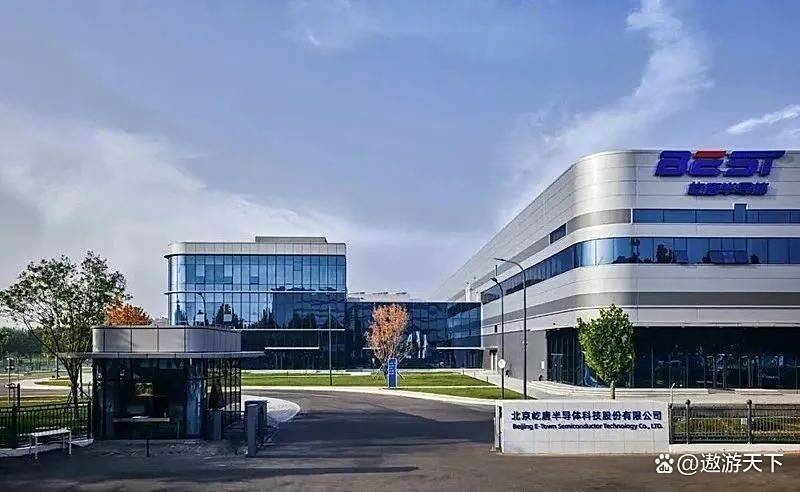
Core Viewpoint - The lawsuit initiated by Yitang Co., a leading domestic semiconductor equipment manufacturer, against American giant Applied Materials (AMAT) for 99.99 million yuan is seen as a significant event reflecting the awakening of technological sovereignty awareness among Chinese chip companies [2][8]. Group 1: Lawsuit Details - The lawsuit focuses on allegations that Applied Materials illegally obtained Yitang's plasma wafer surface treatment technology secrets by hiring former employees of its subsidiary, Mattson, who had signed confidentiality agreements [2]. - The compensation amount of 99.99 million yuan, just one yuan short of one hundred million, has sparked widespread discussion and adds a dramatic element to the case [2][7]. - The core accusation involves a critical process in wafer processing that generates high-concentration and stable plasma, which is essential for chip yield and production consistency, particularly for 12-inch wafers [2]. Group 2: Industry Context - This lawsuit is not an isolated incident; Applied Materials previously sued Mattson for allegedly poaching 17 senior engineers and attempting to steal confidential information [3]. - The semiconductor industry has a history of intellectual property disputes, with notable cases including TSMC's accusations against SMIC in 2009, which resulted in significant financial penalties [5]. Group 3: Company Performance - Despite being established only nine years ago, Yitang Co. has achieved a global market share of 34.6% in dry stripping equipment and 13.05% in rapid thermal processing equipment, ranking second worldwide [5]. - In the first three quarters of 2024, Yitang reported a net profit of 420 million yuan, a year-on-year increase of 102.29%, with domestic customer revenue share rising from 38.6% in 2021 to 68.1% in the first half of 2024 [5]. Group 4: Strategic Implications - The lawsuit is interpreted by some industry experts as a strategic move to demonstrate that Chinese companies are ready to challenge American giants, signaling a shift towards a more localized market focus [5][8]. - Legal experts suggest that while employee mobility is common, taking confidential documents could constitute a violation, which may strengthen Yitang's case if evidence is presented [5][7].


赢不了中国了?特朗普换了新打法:美企必须交出在华收入,推行芯片国企化,美国还是不甘心
Sou Hu Cai Jing· 2025-08-19 03:40
Group 1 - The U.S. government is shifting its strategy in the semiconductor industry from tariffs to revenue extraction, targeting companies like NVIDIA and AMD for a 15% revenue share from their sales in China [2][3] - The semiconductor market in China is highly profitable, with NVIDIA and AMD expected to generate a combined revenue of $15.8 billion by 2025, making it a lucrative target for U.S. government revenue [3][4] - The U.S. government's approach is seen as a move towards "state capitalism," with implications for the operational independence of companies and potential impacts on innovation [4][5] Group 2 - The U.S. semiconductor industry is facing increased operational costs due to government interventions, which may hinder technological advancements and competitiveness against Asian manufacturers [5][7] - The global semiconductor supply chain is becoming increasingly fragmented, with the U.S., Europe, and China forming distinct blocs, leading to potential inefficiencies and increased costs for U.S. consumers [7][9] - The U.S. government's policies may ultimately undermine its own technological leadership, as companies shift focus from innovation to political lobbying in response to regulatory pressures [9]



智能制造周报(2025/08/11-2025/08/15):宇树机器人运动会表现突出,硬件自研与产业链协同优势凸显-20250819
Shanghai Aijian Securities· 2025-08-19 03:01
Investment Rating - The mechanical equipment sector is rated as "stronger than the market" with a performance increase of 3.21% compared to the Shanghai and Shenzhen 300 Index's increase of 2.37% during the week of August 11-15, 2025 [5][11]. Core Insights - The report highlights the rapid commercialization of humanoid robots, with significant advancements in hardware and collaboration within the supply chain, particularly noting the performance of Yush Robot at the World Humanoid Robot Games [3][32]. - The semiconductor equipment sector is experiencing growth due to strategic acquisitions, such as Zhengfan Technology's acquisition of Han Jing Semiconductor, which aims to enhance technology and market reach [3][36]. - The controlled nuclear fusion sector is seeing increased activity, with new bidding and winning projects indicating a shift from laboratory research to engineering applications [3][37]. Summary by Sections Weekly Performance - The mechanical equipment sector outperformed the Shanghai and Shenzhen 300 Index, with a weekly increase of 3.21% [11]. - The sub-sector of other automation equipment showed the best performance with a 12.1% increase [5][15]. Key Company Developments - Yush Robot showcased its advanced humanoid robots at the World Humanoid Robot Games, demonstrating superior hardware capabilities and algorithmic advancements [3][30][32]. - Zhengfan Technology's acquisition of Han Jing Semiconductor for 1.12 billion RMB aims to leverage complementary technologies and expand market access [3][36]. - The report includes a summary of key companies' performance in the first half of 2025, highlighting significant revenue and profit growth across various sectors [3][28]. Sector Trends - The report notes a general recovery in the valuation of the mechanical equipment sector, with a PE-TTM of 37.2x, and highlights the top-performing sub-sectors [3][18]. - The humanoid robot sector is experiencing rapid advancements, with Yush Robot's products achieving notable success in competitions, reflecting a mature hardware ecosystem [3][32]. - The controlled nuclear fusion sector is actively pursuing new projects, indicating a growing interest and investment in this area [3][37].
盘前消息面0819|稀土价格再创新高、广电总局21 条放宽电视剧集数…
Xin Lang Cai Jing· 2025-08-19 01:27
Group 1: Non-ferrous Metals - In July, rare earth product exports reached a record high for the year at 6,422 tons, a month-on-month increase of 69%, with magnets being the dominant product [1] - The price of praseodymium and neodymium oxide exceeded 600,000 yuan per ton, and the rare earth index rose by 6% in a single day [1] - Supply constraints are expected due to increased uncertainty in Myanmar mineral imports and a closure of the U.S. mineral window, potentially reducing annual imports by 40,000 tons (10%) [1] - Domestic indicators continue to be strictly controlled, and the supply of scrap materials is unlikely to increase in the short term due to price inversions [1] - Demand for magnetic materials has rebounded, with exports in June reaching 3,000 tons, and major companies have robust overseas orders [1] - The traditional peak season for new energy vehicles, wind power, and variable frequency air conditioners is expected to drive inventory restocking, with prices likely to continue rising in Q3 [1] Group 2: Semiconductor/Chip Industry - The domestic localization rate for semiconductor equipment and materials is increasing, with Yangtze Memory Technologies and Changxin Memory's localization targets raised to 80% and 70%, respectively [2] - Huahong's acquisition of Huali's five factories is expected to increase annual revenue by 25% and net profit by 187%, with depreciation nearly complete, indicating room for revaluation [2] - Cambrian's 4 billion yuan private placement is expected to be completed within two months after approval, with domestic computing power gradually being "unlocked" as SMIC's processes advance [2] Group 3: AI Computing Chips - Haiguang Information is the only domestic company with both CPU and GPU capabilities, showing significant underlying synergy [3] - Jingjia Micro plans to take a controlling stake in Chengheng Micro, focusing on military drones and missiles while also developing software stacks for civilian clients [3] - Aibulu has increased its stake in Zhonghao Xinying to nearly 10%, with the latter's AI TPU performance exceeding NVIDIA's by 1.5 times, leading to a full transformation into AI chips [3] Group 4: Media and Broadcasting - The regulatory environment for the film and television industry has been significantly relaxed, allowing for the potential certification of backlog dramas [4] - The resumption of nationwide talent shows is marked by Mango Super Media's upcoming launch of "Voice of the Future," which aims to replicate the success of "Super Girl" [4] Group 5: Chemical Industry - The domestic market is at a critical point of restarting the inventory cycle, with U.S. durable goods inventory expected to return to positive year-on-year growth [5] - A reversal in overseas inventory cycles could lead to a demand explosion in certain sectors, with significant elasticity in chemical products [5] Group 6: Pharmaceuticals - Novo Nordisk's semaglutide has been approved in the U.S. for treating F2-F3 stage MASH, marking a significant milestone for GLP-1 drugs in the liver disease market [6] - This approval establishes GLP-1's foundational role in MASH treatment and highlights the potential for multi-target therapies, providing new valuation anchors for domestic companies with differentiated pipelines [6] Group 7: Optical Communication Switches - Lumentum and Coherent have reported revenue from OCS optical switches, indicating a shift from proprietary use by companies like Google to commercial viability [7] - This development validates OCS technology as a feasible next-generation data center network architecture, with upstream core component manufacturers expected to benefit first [7]
大基金“进退有序”:减持回笼资金,聚焦半导体核心环节助力产业升级
Huan Qiu Wang· 2025-08-17 02:55
Group 1 - The National Integrated Circuit Industry Investment Fund (referred to as "Big Fund") has accelerated its investment recovery pace since August, with multiple semiconductor companies announcing reduction plans [1][3] - In 2023, the Big Fund has planned or implemented reductions in 8 semiconductor listed companies, with only Baiwei Storage involving the second phase of reduction, while others are from the first phase [1][3] - The reduction scale has expanded this year, with companies like Tongfu Microelectronics and others entering the reduction period, and the amount reduced from Tongfu Microelectronics exceeding 700 million yuan, with over 70% of the reduction completed [3] Group 2 - The Big Fund's operational logic shows a clear stratification, with the first phase fund accelerating exits from mature fields to support subsequent investments, while the second and third phases focus on strategic core areas [3] - The Big Fund's "orderly entry and exit" reflects its dual goals of market-oriented operations and strategic support, aiming for a virtuous cycle through capital exit while continuously investing in key technologies [3] - The third phase of the Big Fund has a registered capital of 344 billion yuan, with future investments expected to strengthen the domestic semiconductor ecosystem in areas like AI chips and advanced packaging [3]
剽窃知识产权,没有好下场
虎嗅APP· 2025-08-15 10:18
Core Viewpoint - The article discusses the increasing frequency of intellectual property theft in the global semiconductor industry, highlighting significant legal cases involving companies like Huawei and TSMC, and the implications for innovation and competition in the tech sector [2][3][19]. Group 1: Legal Cases and Their Implications - In mid-2025, a landmark ruling by the Shanghai Third Intermediate Court sentenced 14 individuals from Zunpai Technology for stealing Huawei's chip intellectual property, with total fines amounting to 13.5 million yuan and nearly 100 million yuan in company funds frozen [2]. - Concurrently, TSMC filed a lawsuit against a former employee for leaking over 400 confidential 2nm process technologies to Tokyo Electron and Rapidus, indicating a broader trend of IP theft in the semiconductor sector [2][3]. - The frequency of patent infringement lawsuits in the semiconductor field reached 193 in Q4 2024, with 26 cases involving companies from mainland China, reflecting a shift in the landscape of IP disputes as China's semiconductor industry rises [3]. Group 2: Zunpai Technology's Case Study - Zunpai Technology's rise in the Wi-Fi 6 chip sector was marred by illegal practices, including systematic poaching of Huawei employees and blatant IP theft, which ultimately led to its downfall [6][7]. - The founder, Zhang Kun, previously a senior technical director at Huawei, orchestrated a talent acquisition strategy that resulted in over 60% of Zunpai's initial team being former Huawei employees, raising legal and ethical concerns [8][9]. - Judicial findings revealed that 40 technical points in Zunpai's technology had over 90% similarity to Huawei's trade secrets, a level of overlap deemed extraordinary in the semiconductor industry [9][10]. Group 3: Industry-Wide Trends and Consequences - The article highlights that the trend of IP theft is not limited to the semiconductor industry but is prevalent across various tech sectors, including autonomous driving and AI, where companies often resort to poaching talent and stealing technology to accelerate their market entry [14][15]. - The allure of quick success in high-stakes industries leads some companies to bypass traditional R&D processes, opting instead for shortcuts that undermine innovation and ethical standards [16][17]. - The Zunpai case serves as a critical example of the need for robust legal frameworks to deter IP theft and protect the integrity of innovation within the tech industry [19][25]. Group 4: Legal and Regulatory Developments - Huawei's extensive investment in R&D, amounting to 179.7 billion yuan in 2024, underscores the importance of a strong IP protection system, which has been pivotal in safeguarding its innovations [20][21]. - The court's ruling in the Zunpai case is significant for its deterrent effect, with 14 individuals receiving prison sentences, a departure from the typical outcomes of similar cases that often result in mere financial penalties [22][23]. - The innovative approach to loss assessment in this case, which considered R&D costs and expected returns rather than just direct losses, marks a shift in how IP infringement is evaluated legally [23].

研报掘金丨华鑫证券:凯美特气上半年业绩显著修复,予“买入”评级
Ge Long Hui A P P· 2025-08-15 08:17
Core Viewpoint - The report from Huaxin Securities indicates that Kaimeteqi's performance in the first half of 2025 shows significant recovery, driven by the expansion of product sales [1] Group 1: Sales and Market Expansion - The warming temperatures in the first half of the year have led to a sales peak for food-grade gases, contributing to the recovery in product sales [1] - The company is actively engaging with high-end domestic and international clients, establishing partnerships with leading firms such as SMIC and Yangtze Memory Technologies [1] Group 2: Production Capacity and Economic Model - The company plans to build production bases in multiple locations across the country to expand capacity and enhance resource utilization efficiency through a circular economy model [1] - There is potential for growth as the domestic substitution process for electronic specialty gases accelerates, alongside rising demand in emerging fields such as hydrogen energy [1] Group 3: Product Development and Industry Position - The company is transitioning from food-grade gases like carbon dioxide to the electronic specialty gas sector, with photolithography gases already being utilized by several semiconductor companies [1] - The investment rating for the company is set at "Buy" [1]

上半年:台积电营收4258亿元,中芯国际320亿元,差距扩大至12倍
Sou Hu Cai Jing· 2025-08-12 12:23
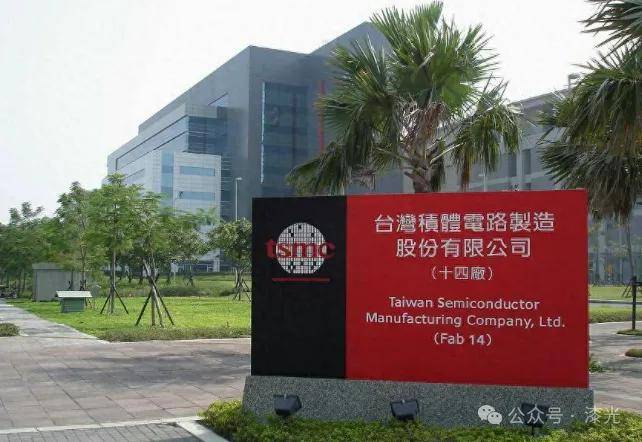
Core Viewpoint - SMIC reported a revenue of approximately 32 billion RMB for the first half of the year, which is significantly lower than TSMC's 425.8 billion RMB, highlighting a 12-fold revenue gap attributed to the lack of advanced EUV lithography machines [1][3][5]. Group 1: Revenue Comparison - SMIC's revenue of 32 billion RMB is substantial but pales in comparison to TSMC's 425.8 billion RMB, indicating a significant disparity in earnings [1][3]. - The 12-fold difference in revenue is primarily due to the advanced EUV lithography technology that TSMC possesses, which is crucial for manufacturing high-end chips [3][5]. Group 2: Technology and Supply Chain Challenges - The inability to acquire EUV lithography machines, due to international agreements like the Wassenaar Arrangement and the US-Japan-Netherlands pact, restricts SMIC to producing only mature process chips (14nm and above) [5][9]. - EUV lithography machines are complex systems requiring contributions from multiple countries, making it difficult for any single nation to produce them independently [5][7]. Group 3: Future Prospects and Strategies - Despite current limitations, SMIC and other Chinese companies are aggressively expanding in the mature process segment, aiming to dominate this market by 2030 [9][10]. - The industry is exploring alternative technologies, such as DUV lithography and chip stacking, to produce competitive 7nm chips, as demonstrated by Huawei's Kirin 9000S and 9010 chips [10][12]. - A fully domestic chip supply chain is being established, with advancements in design software, chip design, manufacturing, and packaging, indicating a strong foundation for future growth [12][14].


观众登记倒计时|电子与嵌入式年度大展8月26日开幕!热门展品和演讲人抢先看
半导体芯闻· 2025-08-12 09:48
All for AI, All for GREEN 作为 电子与嵌入式技术年度大展 ,elexcon2025将汇聚全球超过 400 家优质技术提供商,发布有关 GPU、AI存算与边缘计算、AI存储与新型存储、高性能MCU/MPU、数字电源等嵌入式技术 ; GaN、 高速连接等高性能电子元件组件;chiplet、AI电源系统级封装、PLP与TGV等先进封测技术 等。海量 demo展示嵌入式技术、芯片和元器件在 消费电子、AI硬件、机器人、机器视觉、电动汽车与智能驾 驶、工业控制、物联网等领域 的应用! 专业观众火热抢票中 一键预约展会入场证+会议门票 elexcon elexcon 2025 热门展品 现场抢先看 | | | | 展位号: 1J39 | | --- | --- | --- | --- | | elexcon 深圳国际电子展 暨嵌入式展 一格見半导体 | WUTI Approved Event | 格见半导体 | C 博闻创意 Creativity Exhibition 展商推荐 | 滑动查看更多热门展品 | DOSILICON 东芯半导体股份有限公司 | | Kingston | Netac 朗 ...
突发!美光中国区启动裁员
是说芯语· 2025-08-12 04:22
Core Viewpoint - Micron is significantly downsizing its operations in China, driven by regulatory challenges and declining revenue from the region, reflecting a broader strategic shift towards AI and data center markets [1][2][3]. Group 1: Revenue Decline in China - Micron's revenue share from the Chinese market has plummeted from 58% in 2018 (approximately $17.36 billion) to 10.8% in 2022 (around $3.23 billion), with further deterioration expected post-2023 regulatory actions [2]. - The company's revenue from China is projected to fall below $1 billion, constituting less than 5% of total revenue, despite a global revenue increase of 61.59% to $25.11 billion in fiscal 2024 [2]. Group 2: Strategic Shift Towards AI and Data Centers - Micron is undergoing a major business transformation, with data center revenue surging by 400% in Q1 of fiscal 2025, now accounting for over 50% of total revenue, while the Chinese market is becoming increasingly peripheral [3]. - The company plans to allocate 30% of its capital expenditures in fiscal 2025 to HBM production, with no new capacity planned for the Chinese region [3]. Group 3: Operational Challenges in China - The operational costs in China are significantly outweighing revenues, exacerbated by increased compliance costs following regulatory scrutiny, which exceeded $120 million in Q4 2023 alone [4]. - The recent layoffs are expected to save approximately $25 million annually, which is about 30% of the operational losses in China for 2023 [4]. Group 4: Competitive Pressures from Domestic Players - Micron's long-standing technology restrictions on Chinese storage companies have inadvertently accelerated the domestic industry's growth, with Yangtze Memory Technologies achieving mass production of 232-layer 3D NAND chips and improving DRAM yields [6]. - The company's market share in the consumer segment has dropped from 35% in 2021 to 18% in 2024, with NAND business gross margins at 19%, significantly lower than competitors [6].