
奔驰

Search documents
新能源车零售渗透率达57.2% 广州车展勾勒2026年市场格局
Zhong Guo Zhi Liang Xin Wen Wang· 2025-11-20 03:32
Core Viewpoint - The 2025 Guangzhou International Auto Show will highlight the advancements in the domestic and international electric vehicle (EV) market, showcasing strategic changes among participating brands that outline the new market landscape for 2026 [1] Group 1: Market Performance - The domestic EV market has achieved a historic breakthrough in 2025, with over 10 million applications for vehicle trade-in subsidies, of which 57.2% are for EVs, leading to a 24.4% year-on-year increase in retail sales of new energy passenger vehicles from January to September [2] - In October, new energy vehicle sales reached 51.6% of total new car sales, indicating a significant structural shift in the domestic automotive market [2] Group 2: Sales and Production Data - In terms of production and sales, pure electric vehicles (BEVs) produced 841.0 thousand units (up 43.4% year-on-year) and sold 833.0 thousand units (up 42.9% year-on-year) [3] - Plug-in hybrid electric vehicles (PHEVs) saw production of 460.2 thousand units (up 17.7% year-on-year) and sales of 461.0 thousand units (up 17.8% year-on-year) [3] - Fuel cell vehicles experienced a decline, with production at 0.3151 thousand units (down 32.7% year-on-year) and sales at 0.3164 thousand units (down 32.6% year-on-year) [3] Group 3: Policy and Market Demand - The sustained growth in EV sales is attributed to both policy incentives, such as trade-in subsidies and tax exemptions, and increasing market demand driven by a diverse product matrix and technological advancements [5] - The Guangzhou Auto Show will feature 58% of its exhibits as new energy models, significantly surpassing previous years, with 93 new models debuting, most of which emphasize electrification and intelligence [5] Group 4: Competitive Landscape - Major global brands will participate in the auto show, showcasing a diverse competitive landscape, with traditional brands accelerating their electrification efforts and new entrants focusing on smart technology [7] - Data from October indicates that domestic brands achieved a 77.9% penetration rate in new energy vehicle retail, while joint ventures only reached 7%, suggesting a strong competitive advantage for domestic manufacturers [7] Group 5: Future Market Trends - The 2026 EV market is expected to feature three parallel technology routes: pure electric, range-extended, and plug-in hybrid, with competition focusing on ultra-fast charging, long range, and smart features [9] - The emphasis will shift from range and aesthetics to smart driving assistance systems and intelligent cabins, with advanced features becoming standard in mid-to-high-end models [11] - The collaboration between tech companies and automakers is expected to enhance the implementation of smart technologies, creating a synergistic effect that optimizes user experience [11] Group 6: Market Outlook - The 2026 Chinese EV market is projected to expand in scale, with increased competition and improved quality, supported by ongoing policies like trade-in incentives and charging infrastructure [13] - The penetration rate of new energy vehicles is anticipated to exceed 60%, with a growing share of high-end models and intensified competition in the mainstream market [13] - Technological advancements in battery energy density, reliability of smart driving systems, and charging efficiency are expected to attract consumers seeking quality and technological sophistication in their transportation choices [13]

观察 | 新能源车零售渗透率达57.2% 广州车展勾勒2026年市场格局
Zhong Guo Zhi Liang Xin Wen Wang· 2025-11-20 03:31
Core Insights - The 2025 Guangzhou International Auto Show will open on November 21, showcasing the achievements of domestic and international electric vehicles and outlining the new market landscape for 2026 [1] - The domestic electric vehicle market has achieved a historic breakthrough in 2023, with over 10 million applications for vehicle trade-in subsidies, of which 57.2% are for electric vehicles, leading to a 24.4% year-on-year increase in retail sales of new energy passenger vehicles from January to September [2][5] - The market structure of the domestic automotive industry has shifted, with electric vehicles accounting for 51.6% of total new car sales in October [2] Policy and Market Dynamics - The sustained growth in electric vehicle sales is driven by both policy incentives and market demand, including trade-in subsidies and tax exemptions, which enhance consumer purchasing power [5] - The variety of domestic electric vehicle products, technological upgrades, and improved charging infrastructure are meeting diverse consumer needs, making the Guangzhou Auto Show a significant platform for showcasing electric vehicles [5] Competitive Landscape - Major global brands will participate in the auto show, indicating a diversified competitive landscape, with traditional brands accelerating their electrification efforts and new entrants focusing on smart technology [7] - Data from October shows that domestic brands have a retail penetration rate of 77.9% in the new energy vehicle market, while joint ventures only account for 7% [7] Technological Trends - The 2026 electric vehicle market will feature three parallel technological routes: pure electric, range-extended, and plug-in hybrid, with a focus on ultra-fast charging, long range, and smart features [9] - The competition will shift towards intelligent driving assistance systems and smart cockpit features, with high-end models increasingly equipped with advanced technologies [11] Future Market Outlook - The Chinese electric vehicle market is expected to continue expanding, with a penetration rate projected to exceed 60% by 2026, maintaining its lead in the global market [13] - The competition in the mainstream market (priced between 100,000 to 200,000 yuan) will intensify, focusing on product performance and cost-effectiveness [13]




欧媒:将欧洲的意志强加给中国,几百年的祖宗之法,为什么不灵了
Sou Hu Cai Jing· 2025-11-20 00:43
英国金融时报首席外交事务评论员吉迪恩·拉赫曼2025年11月17日发了一篇专栏,直截了当把标题起成《欧洲的争夺才刚刚开始》。文章开篇就扔出一句狠 话:几个世纪以来,欧洲把自己的意志强加给全世界,现在轮到全世界开始把意志强加给欧洲了。这句话一出,欧洲政界炸锅,中国这边也刷屏,因为这基 本把欧盟这几年想对中国摆谱却老吃瘪的现实全扒出来了。 现在轮到西巴尔干,情况更直白。这六个国家排队入欧盟的国家,理论上候选成员,等了十几年。结果中国路桥、铁路、电站项目满地开花。匈塞铁路塞尔 维亚段2024年已经通车,黑山南北高速、波黑火电站工地全是中文标牌。俄罗斯在能源上插手,土耳其在文化和基建上掺和。欧盟每年援助加起来不到20亿 欧元,中国一带一路项目一年合同额轻松超80亿,还工期短见效快。塞尔维亚总统武契奇接待中国领导人、俄罗斯外长、土耳其总统排队,欧盟特使往往排 在后面。布鲁塞尔开出的条件是先改法治、反腐,中国和俄罗斯开出的条件是先修路通电,哪个更吸引人一目了然。 拉赫曼点名最典型的例子就是欧盟对中国电动汽车的反补贴关税。从2023年9月冯德莱恩宣布启动调查,到2024年10月29日最终关税正式落地,整整折腾了 一年多。欧 ...
燃油车的困境与突围
Hua Xia Shi Bao· 2025-11-20 00:31
Core Insights - The fuel vehicle market is experiencing a structural recovery after a significant downturn, driven by price advantages and changing consumer preferences [3][4][6] - Despite the resurgence, the industry faces challenges from the rapid growth of electric vehicles and high inventory levels among dealers [2][5][9] Group 1: Market Dynamics - In 2024, over 4,400 4S dealerships closed, indicating a severe contraction in the fuel vehicle market, with a loss rate of 41.7% among dealers [1][2] - The average gross margin from new car sales for dealers is reported at -17.7%, highlighting the financial strain on fuel vehicle sales [1] - The inventory levels for some brands exceed two months, leading to increased liquidity risks for dealers [2] Group 2: Consumer Behavior - A notable shift in consumer demographics is observed, with younger buyers increasingly opting for fuel-efficient hybrid vehicles due to practical considerations [3][6][8] - Approximately 65% of fuel vehicle customers are first-time buyers, primarily in the 80,000 to 150,000 yuan price range, attracted by significant price discounts [3][4] - The trend of "multi-car households" is rising, where consumers own both electric and fuel vehicles to suit different usage scenarios [6][8] Group 3: Sales Performance - A significant increase in sales of A-class sedans and compact SUVs is noted, with A-class fuel sedans seeing a 12.3% month-on-month growth in September [4][5] - Specific models like the Nissan Sylphy and Volkswagen Lavida have surpassed sales of 20,000 units, indicating strong demand in the fuel vehicle segment [4] Group 4: Policy and Support - Government policies, such as subsidies for trade-ins and local initiatives to promote vehicle purchases, are contributing to the recovery of the fuel vehicle market [5][6] - The implementation of the National VI B emission standards is prompting manufacturers to adjust their strategies, including inventory clearance and price reductions [3][5] Group 5: Technological Advancements - The fuel vehicle sector is undergoing a technological transformation, focusing on smart features to enhance competitiveness against electric vehicles [10][12] - Major brands are investing in advanced driving assistance systems and smart cockpit experiences to attract tech-savvy consumers [12][13] - The integration of intelligent features in fuel vehicles is seen as essential for maintaining market relevance in a rapidly evolving automotive landscape [10][11][14]
观车 · 论势 || 小鹏“自证”背后:车企竞争已驶入多维新赛道
Zhong Guo Qi Che Bao Wang· 2025-11-19 01:45
Core Insights - The event surrounding the unveiling of the IRON humanoid robot by XPeng Motors has transcended technical debates, evolving into a broader discussion about trust, technology, and the future of the automotive industry [1][5] - XPeng's efforts to validate the IRON robot reflect a significant shift in the automotive sector, moving from traditional competition focused on hardware to a comprehensive transformation towards building future transportation ecosystems [1][4] Industry Transformation - The automotive market has shifted from hardware-centric competition, exemplified by brands like Volkswagen and Toyota, to a landscape where electric and intelligent vehicles dominate, allowing new entrants to redefine competition [2][3] - XPeng's product matrix, including the X9 range-extended vehicle and the IRON robot, showcases a cross-disciplinary approach that integrates AI and sensor technologies, indicating a move towards a holistic mobility service provider model [2][3] Technological Integration - The underlying logic of automotive companies venturing into robotics is based on decades of technological accumulation in areas such as intelligent control and multi-sensor integration, which align with the core needs of humanoid robots [3] - XPeng's commitment to full-stack self-research, from AI chip design to material development for the IRON robot, exemplifies a high level of control and innovation, enabling precise coordination of the robot's movements [3] Competitive Landscape - The trend of multi-dimensional strategies in the automotive industry is not unique to XPeng; other companies like Hyundai and Chery are also integrating robotics into their operations, indicating a collective industry shift [4] - The future competitiveness of automotive companies will hinge on their ability to create a complete ecosystem that combines hardware, software, and service scenarios, moving beyond mere vehicle sales [4][5] Conclusion - The process of validating the IRON robot serves as a metaphor for the automotive industry's broader transformation, emphasizing the need for innovation and adaptability in the face of skepticism [5]
11月还没结束,中国经济巨变,出现三个反常现象,风向真的变了!
Sou Hu Cai Jing· 2025-11-18 16:11
Economic Trends - The current economic landscape in China is characterized by a significant increase in household savings, with total RMB deposits reaching 325.55 trillion, a year-on-year growth of 8%, and household deposits alone increasing by 11.39 trillion in October [2] - The phenomenon of citizens purchasing government bonds has intensified, with some bonds selling out within minutes of release, indicating a shift in consumer behavior towards saving rather than spending [4] Consumer Behavior Changes - There is a notable shift in attitudes towards luxury goods, with brands like Burberry and Coach experiencing sales growth exceeding 30%, despite a general trend of increased savings [6] - The luxury market is adapting by implementing stricter quality checks and offering discounts to boost sales, reflecting a change in consumer expectations and market dynamics [7][8] Automotive Market Dynamics - Sales of imported luxury vehicles such as Mercedes-Benz and Audi have declined, while domestic brands like BYD and Geely are gaining market share, indicating a shift in consumer preferences towards local products [9] Brand Perception and Global Influence - The transition from a focus on GDP growth to a more consumer-centric economy highlights the rising influence of Chinese brands globally, with a growing confidence among consumers in domestic products [11] - Chinese brands are increasingly recognized for their quality and innovation, with companies like Huawei and Xiaomi making significant inroads in international markets, showcasing the evolution of "Made in China" to a brand-driven economy [13][15]
社交舆情走向,脱离雷军预设战场
Sou Hu Cai Jing· 2025-11-18 12:53
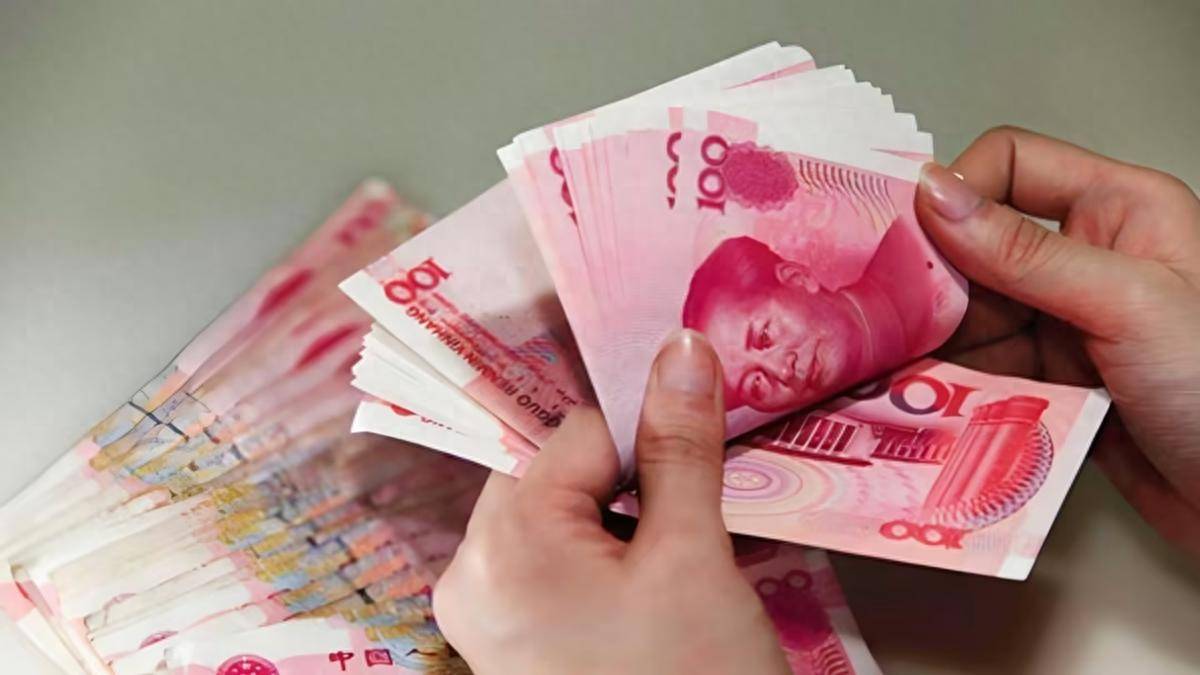
这几天的汽车圈舆论场,被小米创始人雷军的三条微博搅得波澜四起。不是发布SU7的交付进展,不是 官宣电池技术的重大突破,这位以"善于利用社交网络"著称的企业家,偏偏在"汽车安全与颜值"这个敏 感话题上反复发声,硬生生把自己推到了社交舆论漩涡的中心。 事情的起因不算复杂。雷军在微博上翻出了去年4月的一段旧采访,针对自己当时"一辆车,好看是第一 位的"这一表述公开发问:"这和'安全是基础、安全是前提'矛盾吗?"紧接着他又补充,自己当时提到"轮 毂最难设计"的说法,也被外界过度解读。在后续回复网友评论时,雷军更是直接针锋相对,字里行间 都透着对舆论质疑的回应姿态。 明眼人都能看出,雷军的核心诉求是"澄清误会",预设的议题是"厘清设计与安全的辩证关系"。站在企 业创始人的角度,面对外界对产品理念的曲解,站出来发声似乎合情合理。但熟悉社交网络传播规律的 人都清楚,这种自证清白式的发声,往往会掉进舆论的陷阱——大众对争议事件的关注,从来都不是为 了厘清逻辑,而是为了寻找情绪出口。 果不其然,雷军的微博发出后,舆论完全没按他的预设方向发展。 网友的讨论焦点迅速从"设计与安全是否矛盾",转移到"为何不优先强调安全""过往言论是 ...

存起火风险!超14万辆宝马被紧急召回,X系和3系是重灾区
Guo Ji Jin Rong Bao· 2025-11-18 10:03
Core Viewpoint - BMW is facing significant challenges in the Chinese market, highlighted by a large-scale recall of over 144,000 vehicles due to safety concerns, which may impact its sales performance in a competitive landscape [3][4][5]. Recall Details - BMW has initiated a recall involving 144,132 vehicles, including both imported and domestic models, due to a design flaw in the engine starter relay that could lead to overheating and fire [3][4]. - The recall is divided into two parts: S2025M0175V, affecting over 80,000 imported vehicles, and S2025M0176V, involving 58,533 domestic 3 Series cars [3][4]. - The affected models include various series such as the 4 Series, 5 Series, 7 Series, X4, X5, and the domestic 3 Series, with the X Series accounting for nearly 33% of the total recall [3][4]. Sales Performance - In the first three quarters of the year, BMW's global sales reached 1.7959 million units, a 2.4% increase year-on-year, but the company experienced an 11.2% decline in sales in the Chinese market [7]. - In the third quarter, BMW delivered 147,100 vehicles in China, a slight decrease of 0.4% year-on-year, contrasting with a global delivery increase of 8.8% [7]. - The domestic 3 Series is a key model for BMW in China, with sales accounting for 29.4% of total sales in the first ten months of the year, raising concerns about the impact of the recall on its sales [5]. Market Competition - The luxury car market in China is undergoing significant changes, with domestic electric vehicle brands like AITO, Li Auto, and NIO achieving record monthly sales, putting pressure on traditional luxury brands [7]. - Competitors such as Mercedes-Benz and Porsche are also experiencing declines in sales, with Mercedes-Benz's third-quarter sales down 27% [7]. - Price reductions are becoming common among traditional luxury brands, with significant discounts reported for models like the BMW 5 Series and Mercedes-Benz C-Class [7]. Strategic Initiatives - In response to market challenges, BMW is intensifying its local strategy, launching the "Neue Klasse" electric vehicle platform, with the iX3 model featuring local adaptations [8]. - Despite efforts in electrification, sales of BMW's electric models remain low, with the iX3 and iX1 averaging only a few thousand units sold monthly [8].
BBA全新电动阵容对决自主旗舰 豪华新车太有看头
Zhong Guo Zhi Liang Xin Wen Wang· 2025-11-18 08:53
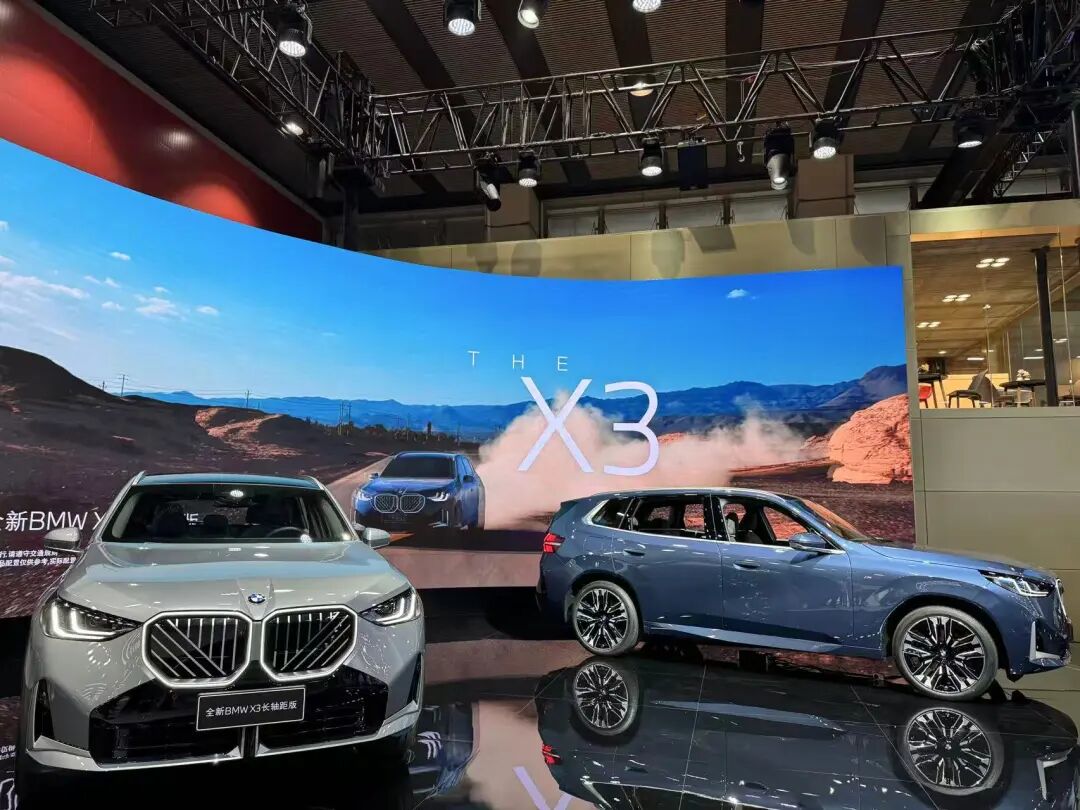
Core Insights - The 2025 Guangzhou International Auto Show will commence on November 21, featuring a significant 58% of exhibits being new energy vehicles, marking a shift from being a "supporting role" to a "leading role" in the automotive market [1] - Major luxury brands such as BMW, Mercedes-Benz, and Audi (BBA) will showcase their electric vehicle lineups, indicating a strong focus on the luxury electric vehicle market [1] Group 1: BBA's Electric Transformation - BBA will present key electric models including the new generation BMW iX3, the all-new Mercedes-Benz pure electric CLA, and the FAW Audi Q6L e-tron, highlighting their transition to native electric platforms [2][5] - The new generation BMW iX3 features advanced technology, including a sixth-generation electric drive system and a new energy management system, enhancing the electric driving experience [4] - The all-new Mercedes-Benz pure electric CLA boasts an 800V architecture with a range of 866 km and a power consumption of only 10.9 kWh per 100 km, showcasing high energy efficiency [7] Group 2: Audi's Innovations - The FAW Audi Q6L e-tron, as the first product on the PPE luxury electric platform, offers a range of over 750 km and features advanced charging capabilities, including a 10-minute charge for 294 km of range [9] - The vehicle incorporates a new electronic architecture for enhanced control and communication, along with Huawei's intelligent driving technology for improved user experience [9] Group 3: Domestic Brands' Breakthroughs - Domestic brands are leveraging insights into Chinese consumer needs to compete with BBA, focusing on both intelligence and high-end features [10] - The Lantu Taisan combines "Chinese luxury" with performance, featuring advanced driving assistance and a sophisticated digital cockpit [12] - The new Xiangjie S9 aims to enhance brand influence in intelligent driving, offering a range of up to 816 km and advanced driver assistance systems [14] - The Leap D19 targets the high-end market with a focus on cost-effectiveness, featuring a large battery and advanced autonomous driving capabilities [16] Group 4: Market Dynamics - The competition at the Guangzhou Auto Show represents a clash of traditional luxury brands and emerging domestic players, emphasizing a shift from brand dominance to value competition [17] - The event is expected to push the market towards a new direction focused on technological strength and user experience, benefiting consumers with diverse choices [17] - The ongoing competition will accelerate the iteration and popularization of electric and intelligent technologies in the luxury car market [17]
广州车展 | BBA全新电动阵容对决自主旗舰 豪华新车太有看头
Zhong Guo Zhi Liang Xin Wen Wang· 2025-11-18 08:31
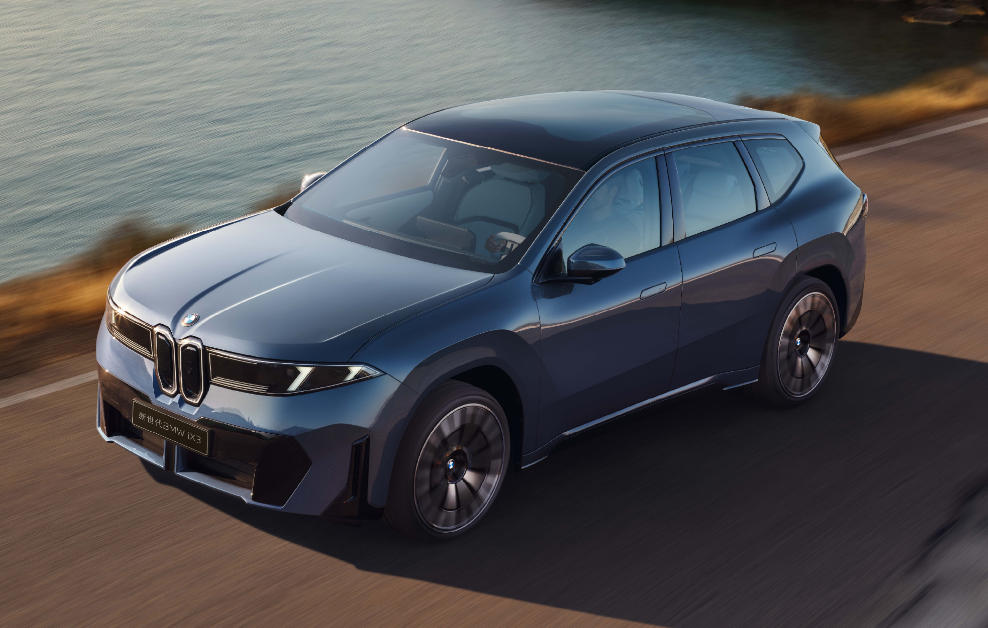
Core Insights - The 2025 Guangzhou International Auto Show will commence on November 21, showcasing a significant shift in the automotive industry with 58% of the exhibited models being new energy vehicles, marking their transition from "supporting roles" to "main characters" [1] - Major luxury brands such as BMW, Mercedes-Benz, and Audi (BBA) will present their new electric models, indicating a strong focus on electric vehicle development in the luxury car market [1][3] BBA: Electric Transformation - BBA will showcase key electric models including the new generation BMW iX3, the all-new Mercedes-Benz pure electric CLA, and the FAW Audi Q6L e-tron, highlighting their shift to native electric platforms [3] - The new generation BMW iX3 features advanced technology with a sixth-generation electric drive system, upgraded battery, and enhanced driving experience through intelligent systems [6] - The Mercedes-Benz pure electric CLA, based on the MMA platform, boasts a 93% energy conversion efficiency and a CLTC range of up to 866 km, showcasing significant advancements in electric vehicle technology [8] - The FAW Audi Q6L e-tron, as the first product on the PPE platform, offers a CLTC range of over 750 km and advanced smart driving features, emphasizing the brand's commitment to electric mobility [10] Domestic Brands: Dual Breakthrough in Intelligence and Premium Quality - Domestic brands are leveraging insights into Chinese consumer needs to compete with BBA, focusing on intelligent and high-end features [12] - The Lantu Tai Shan SUV combines "Chinese luxury" design with advanced technology, including Huawei's intelligent driving system and a sophisticated digital cockpit [15] - The new Xiangjie S9 aims to enhance brand influence in intelligent driving, featuring a comprehensive sensor system and a range of up to 816 km for the pure electric version [17] - The Leap D19, designed to disrupt the luxury SUV market, emphasizes high cost-performance with self-developed technology and a range exceeding 700 km [19] Market Restructuring in Progress - The competition at the Guangzhou Auto Show between BBA and domestic brands represents a clash of traditional luxury and emerging market players, focusing on technology and user experience [21] - Traditional luxury brands are adopting a strategy of "guarding innovation," while domestic brands are differentiating themselves through user-centric approaches and cultural empowerment [21] - This competition is expected to push the luxury car market towards a new direction of "technological strength + user experience," enhancing consumer choices and accelerating the adoption of electric and intelligent technologies [21]