奇瑞汽车

Search documents
汽车行业2026年策略:L3商用在即,智能底盘有望批量应用
Dongxing Securities· 2025-12-18 08:54
Investment Summary - The automotive industry is benefiting from the acceleration of smart technology and the development of the robotics industry, with the parts sector outperforming the vehicle sector. From January 1 to December 12, 2025, the CITIC passenger car index fell by 0.40%, while the CITIC automotive parts index rose by 34.76%, indicating a significant difference in performance between the two sectors [4][18][25]. Group 1: 2025 Market Performance and Earnings Review - The automotive parts sector achieved a revenue of 7,541.60 billion yuan in the first three quarters of 2025, a year-on-year increase of 8.75%, and a net profit of 460.10 billion yuan, up 19.60% year-on-year [49]. - The passenger vehicle sector's revenue reached 15,203.16 billion yuan, growing by 8.68% year-on-year, while the net profit decreased by 15.72% to 391.90 billion yuan [31][49]. - The performance of passenger vehicle companies varied, with most showing revenue growth, but some, like BYD and Great Wall Motors, experienced profit declines [39][42]. Group 2: Outlook for 2026 - The automotive market in 2026 is expected to see a decline in policies, while exports and new energy vehicles (NEVs) will continue to rise. The "old-for-new" policy is anticipated to drive high growth in vehicle sales in 2025, but its absence in 2026 may lead to a demand shortfall [5][62][66]. - The penetration rate of NEVs is expected to continue increasing, with smart and high-end vehicles becoming new growth drivers. By 2025, the penetration rate of NEVs reached 46.7% [72][73]. - The L3 commercial application is expected to reach a critical point in 2026, with smart chassis technology anticipated to be applied in large quantities [5][6]. Group 3: Investment Strategy - The investment strategy focuses on the smart automotive sector, particularly as the industry transitions from L2 to L3 autonomous driving. Companies that continue to invest in this area are expected to benefit significantly [6][8]. - Recommended companies in the vehicle sector include SAIC Motor, Jianghuai Automobile, and Chery Automobile, which are positioned to leverage advancements in smart driving technology [6][8]. - In the parts sector, companies like Baolong Technology and Top Group are highlighted for their potential to benefit from the implementation of line control steering and braking systems, which are set to enter mass application in 2026 [8][49].





港股IPO“堵了”?
3 6 Ke· 2025-12-18 08:39
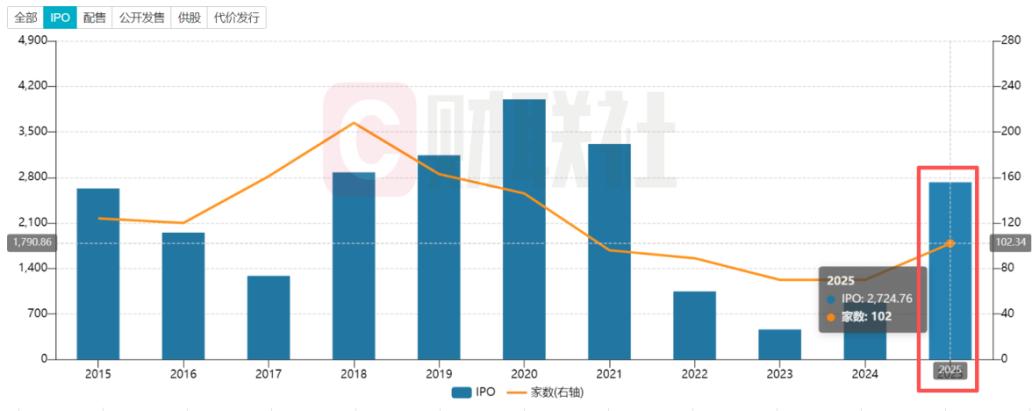
2025年港股IPO市场迎来爆发式增长,募资规模登顶全球主要交易所的同时,上市排队企业数量也持续攀升,形成一定程度的"堰塞湖"现象。 最新数据统计显示,截至12月17日,处于港股IPO聆讯处理中阶段的企业多达298家,其中12月半个多月内新增28家,远超11月同期的 18家,排队企业增速明显,后续节奏变化备受市场关注。此外,从市场格局来看,年内港股IPO已完成102家上市,募资额达2724.76亿 港元,同比激增226.62%,创下四年以来新高。 港股IPO"堰塞湖"现象背后,是市场对热度与潜在风险的担忧,港股监管层已针对申报质量下滑发出联合关切,投行人手短缺、文件粗糙等问题引 发关注;而二级市场"抽血"担忧虽持续发酵,但卖方研究显示一二级市场弱正相关,短期压力难改长期产业赋能逻辑,港股在规模扩张与风险防控 的平衡中持续前行。 近300家企业排队港股IPO Wind数据统计显示,科技与创新驱动的行业主导上述拟上市项目中,软件服务与硬件设备占比最高,合计约35%;医药生物行业多达6 家企业,聚焦创新药、肿瘤治疗、自身免疫疾病等高壁垒赛道,政策支持与市场需求双重驱动。 消费者服务与日常消费零售占比约25%,传统消 ...

奇瑞再生铝技术打破“不可能”,获联合国等三机构认可
Jin Rong Jie· 2025-12-18 07:49
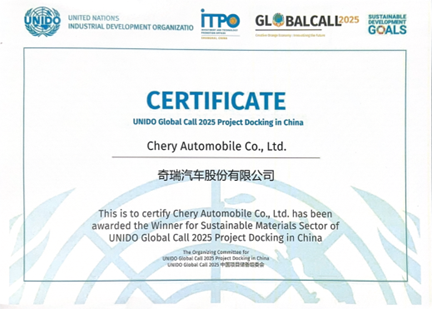
联合国工业发展组织(UNIDO)近日公布了"橙色经济全球方案2025"中国区评选结果,奇瑞汽车自主研 发的"100%再生铝·免热处理·一体压铸"技术获得中国区冠军。这是2025年中国汽车行业唯一入选的原创 材料体系,也是中国绿色制造能力首次在该国际平台上以完整工业化方案形式获得系统性认可。 技术获选UNIDO"橙色经济全球方案2025"中国区冠军 从"不可能"到"中国方案",奇瑞发明专利打破技术壁垒 一直以来,全球铝工业长期面临"高性能必高能耗"的困境:热处理是性能保障,却是碳排放大户;再生 铝虽低碳,却因杂质问题难以应用于汽车关键安全结构件。"要么牺牲性能,要么放弃低碳"——这是两 难的选择。 奇瑞没有接受这个设定。在没有现成路径的情况下,奇瑞选择向"不可能"发起挑战——奇瑞材料研究团 队依托先进的材料设计平台和模拟技术,成功解决了再生铝中杂质影响性能的核心瓶颈,首次实现 了"100%再生铝"在免去高温热处理工序的情况下,直接用于制造汽车的关键安全结构件,并满足强 度、韧性及一致性的严苛要求。 这项全球首创的技术体系已获得中国发明专利,正推动国家绿色压铸标准立项,并完成IMDS全球供应 链对接,同时通过PC ...
长江之畔起新潮:马鞍山峰会上的数智实践答卷
Sou Hu Cai Jing· 2025-12-18 06:21
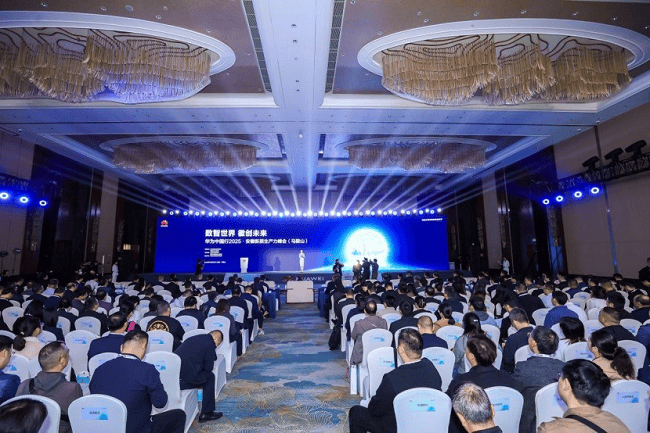
Core Insights - The article highlights the significant advancements in Anhui's digital transformation, showcasing the integration of digital technology with traditional industries, particularly through Huawei's initiatives [3][12]. Group 1: Digital Transformation Initiatives - The "Digital Anhui" initiative, in collaboration with Huawei since 2017, has led to the establishment of a robust ecosystem supporting innovation in various sectors such as government services and emergency management [3]. - The "DeepSeek" model enables low-cost training of industry-specific large models across sectors like education, healthcare, and manufacturing, promoting AI equity [5]. - Huawei's revenue is projected to reach 860 billion yuan in 2024, with a 22% year-on-year growth, and R&D investment of 179.7 billion yuan, accounting for 20.8% of revenue, reflecting strong financial backing for digital initiatives [5]. Group 2: Technological Innovations - Huawei focuses on three strategic directions: technological innovation, industry scenario implementation, and ecological collaboration [5][6]. - The company has developed a comprehensive computing infrastructure, including the Kunpeng and Ascend chips, to support AI and general computing needs [5]. - In collaboration with Conch Cement, Huawei has implemented predictive models that significantly enhance production efficiency, achieving over 90% accuracy in strength predictions [6]. Group 3: Methodology and Framework - Huawei's "Three Layers, Five Stages, Eight Steps" methodology provides a structured approach to digital transformation, emphasizing the importance of process reform and organizational restructuring [9][10]. - This methodology has been successfully applied in various sectors, including the establishment of a unified data platform for government services, breaking down data silos [10]. Group 4: Future Prospects - The recent summit in Ma'anshan marked a new phase in Huawei's collaboration with Anhui, focusing on expanding traditional industry transformations and enhancing talent development [12]. - Future plans include replicating successful models across more enterprises and deepening cooperation with local educational institutions to foster talent in digital technologies [12].
监管出手 给车市价格战“退烧”
Mei Ri Shang Bao· 2025-12-17 23:26
Core Viewpoint - The Chinese automotive industry is facing a chaotic price war driven by "internal competition," leading to significant price drops and financial losses for dealerships, prompting regulatory intervention to establish pricing compliance standards [1][2][3]. Group 1: Industry Challenges - The automotive market is experiencing drastic price reductions, with over 200 models seeing price cuts in 2024 and 173 models in the first 11 months of 2025, including luxury brands like Audi and Maserati [2]. - A report indicates that 52.6% of automotive dealers are operating at a loss, with 74.4% facing price discrepancies, leading to issues such as reduced quality, false advertising, and bundled sales [2]. Group 2: Regulatory Response - The State Administration for Market Regulation has released a draft guideline aimed at addressing pricing issues in the automotive sector, emphasizing clear pricing and delivery timelines [3]. - Key requirements include mandatory public disclosure of vehicle information and strict penalties for violations, such as fines ranging from 10,000 to 30,000 yuan for non-compliance with pricing regulations [3]. Group 3: Corporate Responses - Following the draft guideline, several automakers, including BYD and XPeng, have committed to compliance measures, such as revising dealer rebate policies and improving transparency in promotional activities [4][5]. - Traditional automakers like Great Wall and Chery are also implementing measures to enhance delivery accountability and clarify pricing structures for consumers [4][5].


工商变更!余承东出任华为终端公司董事长
Sou Hu Cai Jing· 2025-12-17 14:28
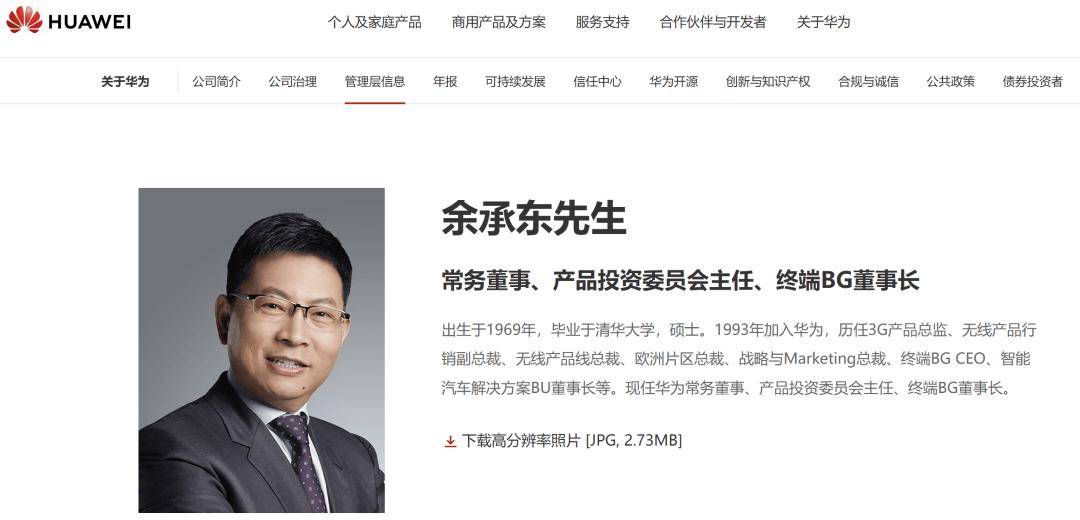
Core Viewpoint - Huawei Terminal Co., Ltd. has undergone significant management changes, with Yu Chengdong appointed as the new chairman, succeeding Guo Ping, alongside other executive changes [1]. Group 1: Management Changes - On December 12, Huawei Terminal Co., Ltd. experienced a corporate change where Guo Ping stepped down as chairman, and Yu Chengdong took over the role [1]. - Other executives, including Meng Wanzhou and Xu Zhijun, also resigned from their positions [1]. Group 2: Company Background - Huawei Terminal Co., Ltd. was established in November 2012, with a registered and paid-in capital of 606 million RMB, primarily engaged in the manufacturing of computers, communications, and other electronic devices [1]. - The company is wholly owned by Huawei Terminal (Shenzhen) Co., Ltd. [1]. Group 3: Yu Chengdong's Career - Yu Chengdong, born in 1969, has a long history with Huawei, joining in 1993 as a technician and progressing through various roles, including 3G product director and CEO of the consumer business group [5]. - He has been instrumental in Huawei's smartphone business growth since taking over the terminal business in 2012, focusing on Huawei's own brand rather than OEM products [5]. Group 4: Automotive Market Entry - Since 2019, Yu Chengdong has led Huawei's entry into the automotive market, establishing the Intelligent Automotive Solutions Business Unit (BU) [7]. - Huawei has adopted various collaboration models with car manufacturers, including traditional parts supplier, HI model, and the "Smart Selection" model, resulting in partnerships with several automotive companies [8]. Group 5: Sales Performance - Under Yu Chengdong's leadership, the sales of Huawei's automotive products have been notable, with the "Hongmeng Smart Travel" series achieving over 1 million deliveries in just 43 months [8]. - The top three models in sales for the first eleven months of this year were the AITO M8, AITO M9, and AITO M7, with cumulative sales of 133,300, 108,900, and 89,100 units, respectively [9].
11月新能源销量放榜,奇瑞首次进入前三,跨界具身智能寻求新增长极
Jin Rong Jie· 2025-12-17 10:11
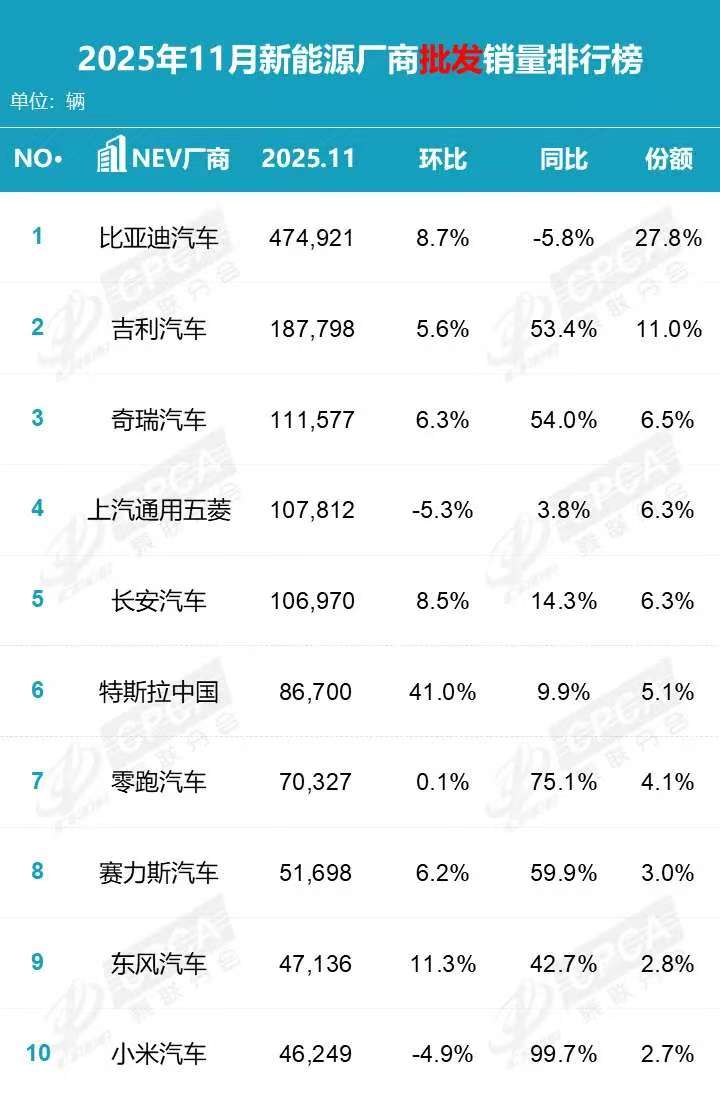
Core Viewpoint - Chery's new energy vehicle (NEV) sales reached a record high in November, marking significant growth and positioning the company among the top three in the industry for the first time [1][3]. Group 1: Sales Performance - In November, Chery's NEV wholesale sales reached 111,577 units, a year-on-year increase of 54% and a month-on-month increase of 6.3% [1][2]. - Chery Group's total NEV sales for November were 116,794 units, reflecting a 50.1% year-on-year growth, contributing to a cumulative total of 814,685 units sold from January to November, which is a 69.4% increase year-on-year [3][6]. Group 2: Market Position - Chery's market share in the NEV sector reached 6.5% in November, placing it third behind BYD and Geely, which had shares of 27.8% and 11.0% respectively [2]. - The company has achieved four consecutive months of sales growth in the NEV segment, indicating a strong upward trend [5]. Group 3: Technological Advancements - Chery's growth in the NEV market is supported by its robust R&D capabilities, including the development of the Kunpeng Tianqing hybrid engine with a thermal efficiency of over 48% and the Rhino solid-state battery with an energy density of 600 Wh/kg [7][10]. - The company has introduced several successful models, such as the A9L and T11, which have significantly contributed to its market presence [8]. Group 4: International Expansion - Chery's NEV products have gained recognition in international markets, with accolades such as the "Car of the Year" in the UK for the Tiggo 8 and multiple five-star safety ratings from European NCAP [11][19]. - The company is actively expanding its global footprint, with plans to establish 26 new overseas R&D centers to enhance local development capabilities [19]. Group 5: Financial Performance - Chery reported a revenue of 214.83 billion yuan for the first three quarters of 2025, a 17.9% increase from the previous year, with a net profit of 14.37 billion yuan, up 28% year-on-year [22].
L3自动驾驶量产元年,离L4的梦想又近了一步
3 6 Ke· 2025-12-17 08:43
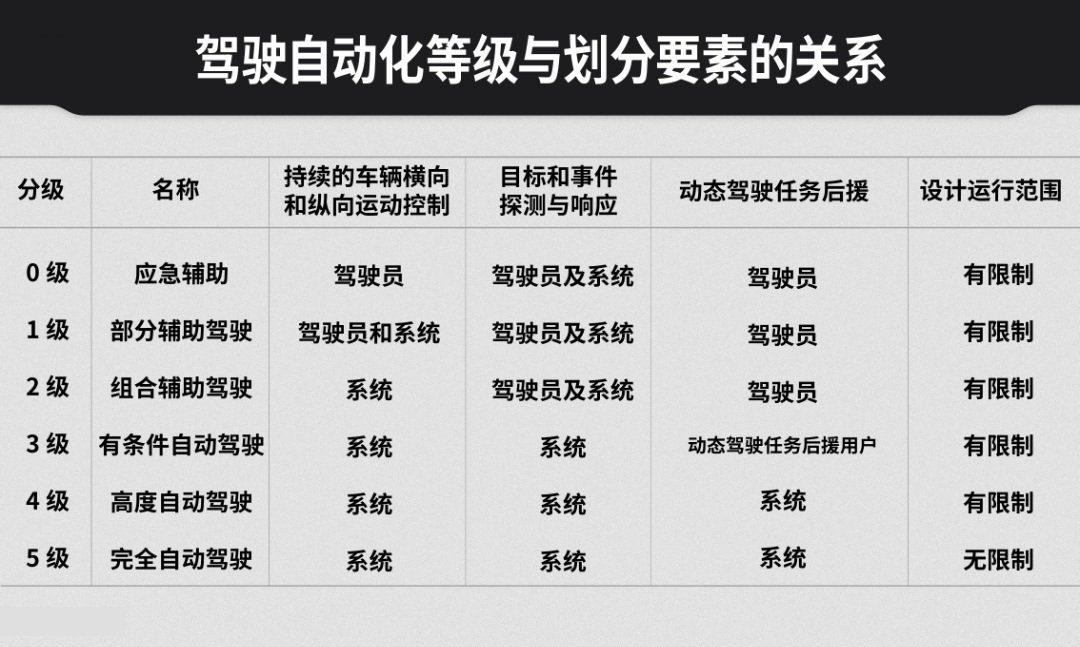
Core Insights - The Ministry of Industry and Information Technology has approved the commercial operation of L3 autonomous driving for the first time in China, allowing vehicles to operate under specific conditions with the system taking over driving tasks [1] - The approval includes two models: Changan Deep Blue SL03 and Arcfox Alpha S6, marking a significant step towards the mass production of L3 autonomous vehicles by 2026 [1] - The responsibility for accidents occurring while the system is activated will primarily fall on the car manufacturers, emphasizing the importance of accountability in this new phase of autonomous driving [1] Industry Developments - Major automotive companies in China, including Huawei, Chery, and GAC Group, are targeting the implementation of L3 conditional autonomous driving by 2025, with several already obtaining testing licenses [4][5] - Companies like XPeng Motors and Chery have announced plans to launch L3 autonomous vehicles, with XPeng aiming for L4 capabilities by 2026 [4] - The L3 level is seen as a crucial transition from "assisted driving" to "fully autonomous driving," with L4 expected to allow vehicles to operate without human intervention in designated areas [1][4] Technological Advancements - The automotive industry is experiencing a shift towards integrating AI and advanced technologies into autonomous driving systems, with companies developing models that enhance perception, planning, and control [9][12] - The introduction of VLA (Visual Language Action) models is expected to significantly improve the capabilities of autonomous driving systems, providing better scene understanding and decision-making [9][15] - The competition among automakers is intensifying, with a focus on developing proprietary technologies that enhance vehicle performance and safety, particularly in complex driving scenarios [17][18] Future Outlook - The approval of L3 autonomous driving is viewed as a pivotal moment in the evolution of transportation, setting the stage for ongoing exploration and innovation in the field [19] - The industry is expected to continue evolving, with a focus on balancing self-research and collaboration to maintain technological leadership while managing costs [18][19] - As the market for autonomous vehicles grows, the emphasis will shift from merely achieving autonomous capabilities to ensuring the safety and reliability of these systems in real-world conditions [17][19]

L3自动驾驶量产元年,离L4的梦想又近了一步?
Xin Lang Cai Jing· 2025-12-17 06:30
Group 1 - The Ministry of Industry and Information Technology has approved the commercial operation of L3 autonomous driving for the first time in China, allowing vehicles to operate under specific conditions with the system taking over driving tasks [1] - The two models approved for L3 autonomous driving are Changan Deep Blue SL03 and Arcfox Alpha S6, marking a significant step towards the commercialization of L3 technology [1] - The year 2026 is anticipated to be the "mass production year" for L3 autonomous driving, with several companies aiming to launch L3 vehicles by then [3][4] Group 2 - The approval clarifies the responsibility division for L3 autonomous driving, indicating that if an accident occurs while the system is activated, the car manufacturer may bear primary responsibility [1] - The L3 level is seen as a crucial transition from "assisted driving" to "fully autonomous driving," with L4 expected to achieve greater breakthroughs [1][4] - Major automotive companies, including XPeng, Chery, and GAC, have set timelines for the mass production of L3 vehicles, with GAC planning to launch its first L3 model in Q4 of this year [3][4] Group 3 - The automotive industry is experiencing intensified competition in intelligent driving technologies, with companies like BYD, Geely, and Chery developing their own autonomous driving systems [9] - The integration of AI and data-driven technologies is becoming essential for enhancing autonomous driving capabilities, moving beyond traditional rule-based systems [9][12] - The VLA model is emerging as a key technology in the transition from L2 to L4 autonomous driving, offering improved scene reasoning and generalization capabilities [9][14] Group 4 - The shift towards L3 autonomous driving represents a new beginning for human-machine coexistence, with ongoing exploration in technology iteration and regulatory improvement [17] - Companies are increasingly focusing on in-house development of core technologies, such as battery technology and autonomous driving algorithms, to enhance brand competitiveness [16] - The balance between self-research and collaboration is crucial for companies to maintain technological leadership while managing costs [16][17]
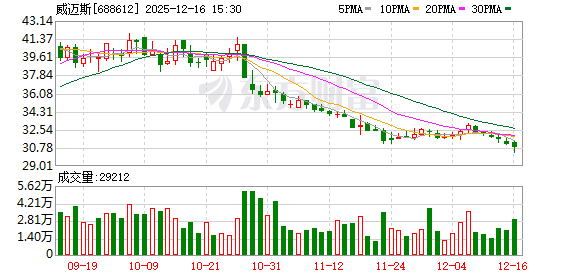
威迈斯:公司一直积极巩固拓展境内市场份额并开拓更多境内外客户
Zheng Quan Ri Bao· 2025-12-16 14:17
(文章来源:证券日报) 证券日报网讯 12月16日,威迈斯在互动平台回答投资者提问时表示,公司一直积极巩固拓展境内市场 份额并开拓更多境内外客户,目前公司客户涵盖了理想汽车、零跑汽车、小鹏汽车等造车新势力整车 厂;上汽集团、吉利汽车、长安汽车、奇瑞汽车、长城汽车等众多知名车企;上汽通用、上汽奥迪等合 资品牌以及Stellantis集团、雷诺、阿斯顿马丁、法拉利等海外知名车企。其他客户情况目前基于保密规 定不便透露。 ...