
vivo

Search documents
跨年“仪式感”消费升温!苏宁易购加码年终礼遇季
Zhong Jin Zai Xian· 2025-12-24 09:47
Group 1 - The core theme of the article highlights the significance of "ceremonial consumption" in the home appliance and 3C market during the year-end period, driven by the desire for self-reward and gratitude towards loved ones [1] - Consumer demand is characterized by a dual focus on immediate emotional satisfaction and long-term quality assurance, with over 60% of year-end purchases motivated by "ceremonial" reasons such as rewarding oneself and expressing gratitude [1] - The collaboration between Suning and leading brands aims to enhance consumer experiences by offering diverse products tailored to different demographics, including AI smartphones and user-friendly appliances for the elderly [4] Group 2 - During the holiday season, Suning is implementing significant discounts and promotional offers on over a hundred popular home appliance products, including trade-in subsidies and various customer incentives [6] - The company is enhancing its logistics and service capabilities to ensure timely delivery and installation of products, including a "New Year Exchange" service and options for immediate retail experiences [6] - Suning's strategy focuses on meeting consumer expectations for an ideal lifestyle through precise product offerings and immersive shopping experiences [6]



豆包手机后思考:AGI会在中国率先跑出来吗?
3 6 Ke· 2025-12-24 09:40
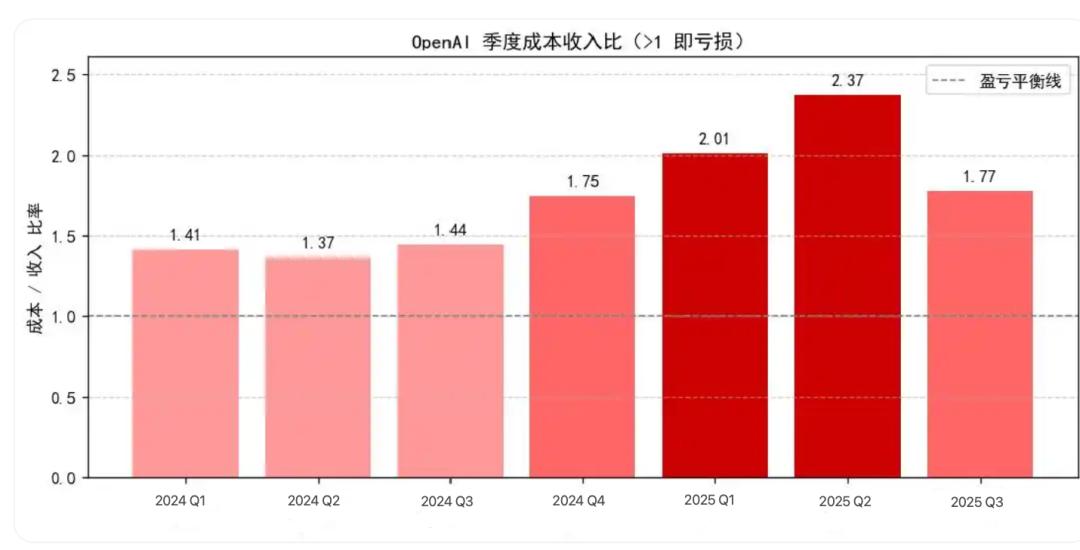
Core Insights - The article discusses the rapid advancement of AI technology in the Chinese market, particularly focusing on the launch of the Nubia M153, which integrates AI assistants with system-level execution capabilities, allowing AI to perform tasks autonomously rather than just providing suggestions [1][2][3] - The emergence of AI agents signifies a shift from AI being merely a thinking entity to one that can take action, raising questions about the readiness of existing digital ecosystems to accommodate such capabilities [2][3][4] - The Chinese market is positioned as a unique testing ground for AI agents due to its high application density, user acceptance, and a more unified governance system, potentially allowing it to lead in this technological transformation [3][18][23] AI Value Consensus: Transition from "Thinking" to "Action" - "Thinking" AI is reaching a ceiling, as evidenced by OpenAI's financial struggles, where costs are outpacing revenue significantly [4][6] - The cost structure of AI models is becoming unsustainable, with increasing computational demands not matched by revenue growth, indicating a need for AI to evolve towards actionable capabilities [6][7] - The focus is shifting towards AI's ability to act, as the next value point lies in its capacity to execute tasks rather than just process information [6][7] The Role of Mobile Devices in AI Action - Mobile devices are central to the AI action landscape, with Chinese users averaging 6.2 hours of smartphone use daily, performing over 120 digital actions [8] - The operating systems of mobile devices inherently possess the necessary permissions and infrastructure for AI to execute actions, making them ideal platforms for testing AI's commercial value [8][11] Competition for AI Execution Rights - Three main players are vying for control over AI execution capabilities: model service providers (e.g., Alibaba, Baidu, Tencent), terminal manufacturers (e.g., OPPO, Xiaomi), and native AI companies like Doubao [9][10][12] - Model service providers leverage their existing application ecosystems to integrate AI capabilities, while terminal manufacturers focus on system-level integration to expand AI's operational scope [10][11] - Native AI companies are taking a more aggressive approach by directly targeting system-level action entry points, although they face significant resistance from existing application ecosystems [12][13] Structural Challenges and Industry Transformation - The introduction of AI agents raises fundamental questions about operational permissions, commercial models, and accountability mechanisms, as traditional frameworks may not apply [14][15] - The current digital ecosystem is primarily designed for human users, which poses challenges for AI's operational integration, highlighting a need for infrastructure that supports AI actions [14][15] - As various stakeholders begin to adapt to the need for AI to operate autonomously, the industry is undergoing a structural transformation that could redefine value distribution and operational frameworks [17][18] China's Market as a Testing Ground for AI Agents - The rapid evolution of AI models and their capabilities is creating a competitive landscape, with significant advancements in model performance observed in recent years [21][22] - China's market conditions, including high service density and user acceptance of automation, provide a conducive environment for AI agents to thrive, contrasting with more fragmented markets like the U.S. [22][23] - The successful implementation of AI agents in China could lead to the development of a new operational system for AI that could be scaled globally, moving beyond mere model parameters to a comprehensive framework for AI action [23][24]
普通人的手机多久换一次合适?
3 6 Ke· 2025-12-24 03:42
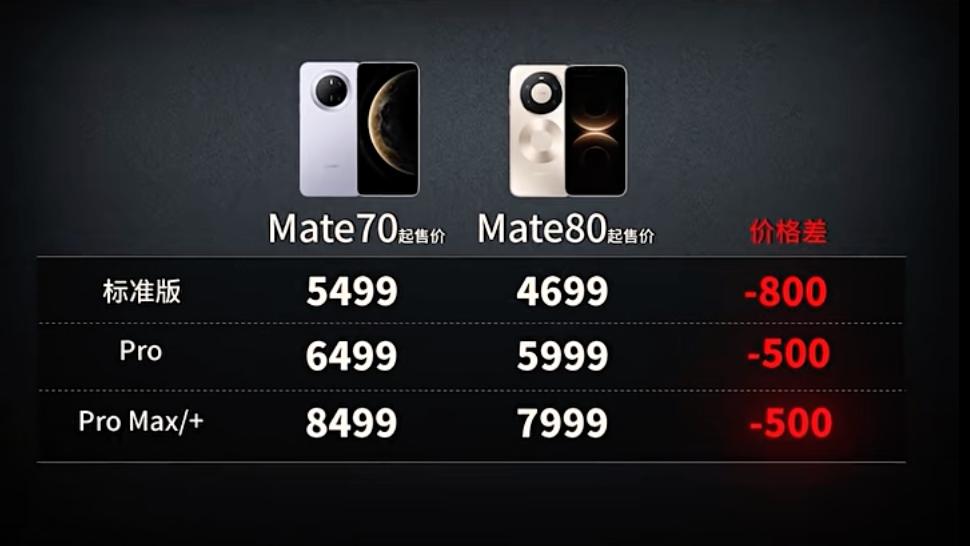
Core Insights - The average smartphone replacement cycle in China is projected to extend to nearly 33 months by 2025, a 40% increase compared to 2020 [3] - The Chinese smartphone market is entering an era characterized by consumers holding onto their devices longer, with many users still utilizing phones purchased 3-4 years ago [2][5] Group 1: Market Trends - The trend of consumers keeping their smartphones longer is leading to a significant decline in the sales of mid-range devices, particularly those priced between 3000-4000 yuan [19][26] - The second-hand smartphone market is experiencing growth, with projections suggesting that the transaction volume could exceed 100 million units in 2025 [22] - The iPhone remains dominant in the second-hand market, raising questions about consumer choices between new mid-range devices and older iPhone models [23] Group 2: Competitive Landscape - Huawei and Apple have begun to focus on cost-performance ratios, with Huawei's Mate 80 series seeing price reductions, and Apple's iPhone 16 Pro also experiencing price drops [7][10] - Xiaomi has innovated with features like a back screen on its flagship models, which has helped it stand out in a crowded market [11][31] - The competition among domestic brands is intensifying, with a shift towards marketing strategies to maintain relevance in the high-end market [13][17] Group 3: Product Development - The flagship models from major brands like Xiaomi, OPPO, and Vivo show minimal changes in core hardware specifications, with the most significant improvement being battery capacity [15] - The design of flagship smartphones is increasingly homogenized, with many models adopting similar aesthetics, particularly straight edges reminiscent of the iPhone [14] - The introduction of the fifth-generation Snapdragon 8 processor for mid-range devices is aimed at maintaining sales, despite the lack of differentiation from flagship models [24][25] Group 4: Future Outlook - The smartphone market is expected to become more chaotic in 2026, with potential price increases for brands unable to compete effectively [28][30] - Companies are exploring diversification beyond smartphones, with Xiaomi venturing into automotive and AI products, while OPPO is developing new camera technologies [32]


折叠屏手机到东北,纷纷变成雪糕脆皮了
36氪· 2025-12-24 00:25
Core Viewpoint - The article discusses the challenges and risks associated with using foldable smartphones in low-temperature environments, particularly in Northeast China, highlighting the fragility of these devices under such conditions [4][10][31]. Group 1: Foldable Smartphone Performance in Cold Weather - Foldable smartphones are not recommended for use in low-temperature regions, as they can become brittle and prone to damage [8][10]. - The article emphasizes that the performance of foldable screens deteriorates significantly in cold weather, with manufacturers advising against usage below certain temperatures [31][36]. - Specific temperature recommendations from manufacturers vary, with Samsung stating its foldable OLED screens can withstand -20°C, while others like OPPO suggest a minimum of 0°C [35][36]. Group 2: Technical Explanation of Screen Fragility - The article explains that the materials used in foldable screens, particularly OLED, become less flexible and more brittle at low temperatures, leading to potential screen damage [20][27]. - The concept of "glass transition temperature" is introduced, indicating that materials can become hard and fragile when temperatures drop below a certain threshold [17][18]. - The structural differences between OLED and traditional LCD screens are highlighted, noting that OLED screens lack the liquid crystal components that can leak when damaged [20][22]. Group 3: Recommendations for Users - Users are advised to avoid folding or opening their devices in cold conditions and to keep them warm, either through body heat or heating sources [30][31]. - The article suggests that while some manufacturers have conducted low-temperature tests, extreme cold (below -30°C) poses significant risks to foldable devices [31][37]. - It is recommended that users refrain from using foldable smartphones in extremely cold environments, such as those found in regions like Mohe, until advancements in low-temperature technology are made [38].

传字节拿下春晚独家AI云合作;美国将大疆列入受控清单,中方、大疆回应;段永平牵头OPPO、vivo重组造车?众泰回应:目前没合作
雷峰网· 2025-12-24 00:22
Key Points - Segment Yongping is reportedly leading a restructuring of car manufacturing involving OPPO and vivo, but Zhontai has denied any current collaboration [4][5] - The US has placed DJI on a controlled list, prompting responses from both the Chinese government and DJI, emphasizing the need for fair market conditions [6][7] - Kuaishou's live streaming feature faced a cyber attack, resulting in a market value loss of over 10 billion HKD, but services have gradually resumed [8][10] - ByteDance has secured exclusive AI cloud cooperation for the Spring Festival Gala, indicating a significant marketing investment [10][11] - JD.com has confirmed the recovery of operations after a theft incident in France, where over 50,000 electronic devices were stolen [12][13] - Weichai has seen a high turnover of CEOs, with the latest CEO stating that the changes are due to internal pressures rather than dismissals [18][19] - BYD's sales in Europe surged by 235% year-on-year in November, while Tesla's sales dropped by over 34% [37][38] - Apple is restructuring its AI team to enhance the Siri experience for the upcoming iPhone 17, focusing on a more integrated approach [34][35] - Qualcomm's CEO announced a significant transformation in smartphone computing architecture expected to be revealed in 2026 [45]

全球新材料风向标!2026 FINE 展:中国未来产业崛起,定义下一个十年创新赛道
AMI埃米空间· 2025-12-23 12:47
Core Viewpoint - The 2026 Future Industries New Materials Expo (FINE 2026) aims to showcase innovations in new materials that are crucial for the transformation of high-tech industries and to facilitate collaboration and resource integration within the sector [4][8]. Group 1: Event Overview - FINE 2026 will take place from June 10 to June 12, 2026, at the Shanghai New International Expo Center, featuring over 50,000 square meters of exhibition space and more than 300 strategic and cutting-edge technology reports [10][11]. - The expo is a significant upgrade from previous events, including the 10th International Carbon Materials Industry Expo and the 7th Thermal Management Industry Expo, focusing on the future industry's common needs such as advanced semiconductors, advanced batteries, lightweight materials, low-carbon sustainability, and thermal management [7][8]. Group 2: Market Opportunities - The rapid growth of industries like new energy vehicles, photovoltaics, wind power, and lithium batteries presents substantial market opportunities for new materials [14]. - The Chinese government has identified key areas for breakthrough in its 14th Five-Year Plan, including embodied intelligence, 6G, quantum technology, and hydrogen energy, which are expected to drive demand for innovative materials [14]. Group 3: Exhibition Highlights - FINE 2026 will feature six specialized thematic exhibition areas, including advanced semiconductors, advanced batteries, lightweight materials, thermal management technologies, new materials technology innovation, and future industry innovation enterprises [18][21]. - The event is expected to attract over 100,000 professional visitors and will include 30+ forums with more than 300 renowned experts and scholars sharing insights on technology trends and investment strategies [24][34]. Group 4: Networking and Collaboration - The expo will facilitate the transformation of scientific achievements and help enterprises connect with industry funds, government parks, and project resources, thereby accelerating innovation in the new materials sector [8][34]. - FINE 2026 aims to invite over 5,000 end-users and quality investment institutions for direct order and cooperation discussions, enhancing opportunities for startups [17][34].

保时捷中国宣布:关停所有自建充电站;吉利极氪合并后续:相关管理层调整已完成丨汽车交通日报
创业邦· 2025-12-23 10:51
Group 1 - Geely and Zeekr have completed their merger, and management adjustments have been finalized, with key personnel now in place [2] - Li Donghui serves as Vice Chairman of Geely Holding Group, overseeing daily management and investment [2] - An Conghui is appointed as CEO of Geely Holding Group, responsible for overall operations [2] - Gui Shengyue continues as CEO of Geely Automobile Holdings and Executive Director [2] - Gan Jiayue is the CEO of the merged Geely Automobile Group and remains an Executive Director [2] Group 2 - Rumors suggest that Duan Yongping will lead OPPO and Vivo in a partnership with Zotye Auto for vehicle manufacturing, but Zotye has denied any current collaboration [2] - The new Weipai Blue Mountain smart hybrid SUV has been launched at a promotional price starting from 275,800 yuan, featuring advanced voice control and intelligent four-wheel drive technology [2] - Porsche China announced the gradual shutdown of its self-built charging network, consisting of approximately 200 stations, starting March 1, 2026, and will shift focus to partnerships with leading charging operators [2]



指数基金产品研究系列之二百六十二:布局6G时代空天基础设施:永赢国证商用卫星通信产业ETF (159206)投资价值分析
Shenwan Hongyuan Securities· 2025-12-23 10:41
Report Summary 1. Report Industry Investment Rating The provided content does not mention the industry investment rating. 2. Core Viewpoints of the Report - The development of 6G is an inevitable trend, and countries are actively involved in its R & D. Satellites, as the aerospace infrastructure in the 6G era, will drive a new round of network construction capital expenditure. The commercial aerospace industry has achieved a closed - loop in the entire industrial chain, and the number of direct - connected satellite mobile phone users is expected to increase significantly [4][9]. - The Guozheng Commercial Satellite Communication Industry Index has high - quality characteristics that support high R & D investment in satellite communication. Since 2024, it has outperformed comparable indices under the background of developing new - quality productivity [4]. - The Yongying Guozheng Commercial Satellite Communication Industry ETF (159206) is a highly scarce product. Compared with comparable ETFs, it has the largest scale [3][61]. 3. Summary by Relevant Catalogs 3.1 Satellite Communication - **6G R & D and Global Competition**: With the 5G pattern settled, countries are actively competing for the right to speak in 6G. China started 6G forward - looking R & D in 2019 and launched the world's first 6G satellite in 2023. Many countries and regions around the world have also carried out 6G R & D activities [9]. - **Satellite Internet Industry Clusters**: In China, satellite internet industry clusters are blooming in multiple locations across the country. Beijing and Shanghai have comprehensive industrial clusters, while Sichuan and Chongqing cover core supporting and application of the satellite industrial chain. Hainan and Shandong cover commercial space launches [12]. - **6G - Driven Network Construction**: In the 6G era, satellites will combine with ground networks to form a space - ground integrated communication network. With the issuance of satellite internet licenses by the three major operators in 2025, 6G is expected to drive a new round of network construction capital expenditure [15]. - **6G Vision and Features**: The 6G vision framework proposal was passed in June 2023. The 6G development is divided into three stages, and it defines six scenarios and four design principles. 6G is expected to have three characteristics: space - air - land - sea integrated communication, human - machine - thing intelligent interconnection, and the blurring of the boundaries between the real physical world and the virtual digital world [20][22]. - **Commercial Aerospace Development Status**: China's first commercial launch site (Hainan Commercial Launch) completed its first launch mission in November 2024, achieving a closed - loop in the entire commercial aerospace industrial chain. Rocket carrying capacity is continuously increasing, and constellation networking is accelerating. The number of direct - connected satellite mobile phone users is expected to reach 350 million by 2030 [23][24]. 3.2 Guozheng Commercial Satellite Communication Industry Index - **Index Compilation Method**: The index selects 50 listed companies' securities from the A - share market whose business involves commercial satellite manufacturing, launch, operation, and satellite ground equipment and communication services. The weight of samples related to commercial satellite manufacturing and launch should be no less than 50% in total, and the index is adjusted semi - annually [25][27]. - **Weight and Market Value Distribution**: The index's weight is concentrated in the top ten component stocks, and the heavy - weight stocks are mostly from the communication equipment and defense military - electronics industries. The average free - floating market value of the component stocks is 14.32 billion yuan, and the average total market value is 25.716 billion yuan. In December 2025, about 12% of the positions, a total of 9 stocks, were removed and 9 new stocks were included [28][32][40]. - **Industry Characteristics**: In the index's component stocks, 20 stocks belong to the defense military industry, with a weight of 50.04%, and 9 stocks belong to the electronics industry, with a weight of 23.19%. The satellite industry is expected to enter an accelerated development stage with the support of relevant policies [42][45]. - **Fundamental Characteristics**: The index attaches great importance to R & D investment, and its R & D investment ratio is higher than that of the CSI Military Industry Index. In terms of profitability, the ROE of the Guozheng Commercial Satellite Communication Industry Index reached 6.74% at the end of 2024, which is close to the CSI 500 Index and far exceeds comparable indices [46][49]. - **Investment Value Analysis**: Since 2024, the index has shown excellent performance. It is more adaptable to the small - cap rebound environment. As of December 17, 2025, the index has risen by 63.78% cumulatively, outperforming comparable indices and representative broad - based indices, and its risk - adjusted returns (Sharpe and Calmar) are also outstanding [53][56]. 3.3 Yongying Guozheng Commercial Satellite Communication Industry ETF (159206) - **Basic Information**: The ETF was officially established on March 6, 2025, and listed on March 14, 2025. Its current fund manager is Liu Tingyu. It closely tracks the underlying index and aims to minimize the tracking deviation and tracking error [3][60]. - **Product Scarcity and Scale Advantage**: As of December 18, 2025, it is the only ETF tracking the Guozheng Commercial Satellite Communication Industry Index, with a high degree of scarcity. Its scale reaches 3.186 billion yuan, exceeding the total scale of comparable ETFs tracking the CSI Satellite Industry Index [3][61]. 3.4 Fund Manager and Fund Manager Information - **Fund Manager Introduction**: Yongying Fund Management Co., Ltd. was established in November 2013. As of the third quarter of 2025, its net asset value excluding money funds and short - term wealth - management bond funds was 428.944 billion yuan. It manages 15 ETF products, with a cumulative management scale of 27.808 billion yuan [63]. - **Fund Manager Introduction**: Liu Tingyu has 6 years of securities - related work experience. He currently manages 16 products, with a total scale of 23.53 billion yuan [64].
视频 | 段永平牵头OPPO、vivo造车?众泰汽车回应:目前没有合作
Xin Lang Cai Jing· 2025-12-23 10:25
来源:超电实验室 责任编辑:刘万里 SF014 来源:超电实验室 责任编辑:刘万里 SF014 ...
广东各地市陆续召开市委全会 因地制宜谋划“十五五”发展蓝图
Nan Fang Ri Bao Wang Luo Ban· 2025-12-23 07:46
Core Insights - The article discusses the strategic planning of Guangdong's economic and social development during the "15th Five-Year Plan" period, emphasizing the transition to a new stage of regional development [1] - The focus is on leveraging technological innovation and industrial upgrades to enhance competitiveness and achieve high-quality development across various regions in Guangdong [2][3] Group 1: Economic Development Strategies - The Pearl River Delta (PRD) is shifting from factor-driven growth to innovation-driven development, aiming to create a modern industrial system with international competitiveness [2][5] - Guangzhou plans to establish a "12218" modern industrial system, focusing on six major trillion-yuan industrial clusters while exploring future industries like low-altitude economy and artificial intelligence [3] - Shenzhen aims to enhance its real economy by integrating digital, network, and financial services into manufacturing upgrades, focusing on smart, green, and health trends [3] Group 2: Regional Collaboration and Integration - The Guangdong-Hong Kong-Macao Greater Bay Area is a key focus, with cities embedding their plans into national strategies to optimize regional development through both hard and soft connectivity [6][7] - Cities like Huizhou and Zhuhai are actively participating in urban integration and collaboration, enhancing connectivity and promoting coordinated development within the Bay Area [7] Group 3: Urban Quality and Sustainability - The emphasis is on transforming urban development from scale expansion to quality improvement, with cities aiming to build modern, resilient, and livable environments [8][9] - Guangzhou's approach includes urban renewal and village renovation, while Dongguan focuses on creating a "smart and beautiful" city [9][10] Group 4: Emerging Industries and Innovation - The article highlights the importance of new industries such as artificial intelligence, digital economy, and renewable energy in driving economic growth in the PRD [4][12] - Cities like Shaoguan and Yangjiang are positioning themselves as hubs for emerging industries, including smart computing and commercial aerospace [12][13] Group 5: Ecological and Cultural Development - The development of cultural tourism and ecological projects is emphasized, with cities leveraging their unique resources to enhance local economies [17][18] - The focus on green development is evident, with initiatives aimed at improving ecological quality and promoting sustainable practices across various regions [18][19]