雀巢

Search documents
雀巢中国的关键一年
Jing Ji Guan Cha Wang· 2025-08-16 04:00
Core Insights - The core focus of Nestlé's strategy in the Greater China region is to revitalize its business through enhanced collaboration and governance, as stated by CEO Mark Schneider during the earnings call [2] - The company is facing challenges in sustaining growth through its current distribution channel expansion model due to a weak economic environment [2][3] - Nestlé's sales in the Greater China region for the first half of 2025 amounted to 2.47 billion Swiss francs, a decline of 6.4% year-on-year, while the overall group sales decreased by 1.8% to 44.23 billion Swiss francs [2] Management Changes - The appointment of Kais Marzouki as the new CEO for Greater China is a significant step in Nestlé's transformation strategy, having officially taken office on July 1 [5] - Marzouki has extensive experience within Nestlé, having worked for 30 years in various senior management roles, including as CEO in the Philippines, where he successfully led the company back to growth [6] - The management team is undergoing restructuring, with key leadership changes in the pet food and coffee business units, indicating a broader reorganization within the company [7] Business Strategy Adjustments - Nestlé is re-evaluating its product lines and has plans to test the remaining product units within the next 12 months, focusing on reducing underperforming categories and optimizing resource allocation [8][9] - The company has identified six global innovation projects that have generated over 200 million Swiss francs in sales, with a target of achieving at least 100 million Swiss francs in annual sales for each project within three years [9] - A strategy termed "SKU reduction" is being implemented to streamline product offerings and improve efficiency [9] Operational Model Transformation - Nestlé is shifting its operational model from a "push" distribution strategy to a "pull" model, aiming to enhance consumer engagement and drive growth through end-user demand [10][11] - The company emphasizes the importance of activating consumer demand and strengthening its value proposition, which includes product excellence, competitive pricing, market visibility, and impactful brand communication [11] - The transition may lead to short-term performance fluctuations as the company adjusts its inventory and marketing strategies [11]



欣融国际(01587.HK)中期收益3.17亿元 同比上升6.2%
Ge Long Hui· 2025-08-15 14:44
Core Viewpoint - Xinrong International (01587.HK) reported a revenue of RMB 317 million for the six months ending June 30, 2025, representing a year-on-year increase of 6.2% [1] - The company's profit attributable to equity holders for the same period was RMB 17.7 million, a decrease of 6.3% compared to the same period in 2024 [1] - The board of directors does not recommend the payment of an interim dividend for the six months ending June 30, 2025, consistent with the previous year [1] Financial Performance - Revenue for the six months ending June 30, 2025, was RMB 317 million, up 6.2% year-on-year [1] - Profit attributable to equity holders was RMB 17.7 million, down 6.3% from the same period in 2024 [1] - Basic and diluted earnings per share remained at RMB 0.03, unchanged from June 30, 2024 [1] Strategic Direction - The company aims to establish long-term strategic alliances with clients, focusing on becoming the most reliable partner in the food industry [1] - Xinrong International has built strong relationships with global suppliers, including Nestlé from Switzerland, Mitsubishi from Japan, Sensient from the USA, and Kerry from Ireland, with partnerships spanning several decades [1]
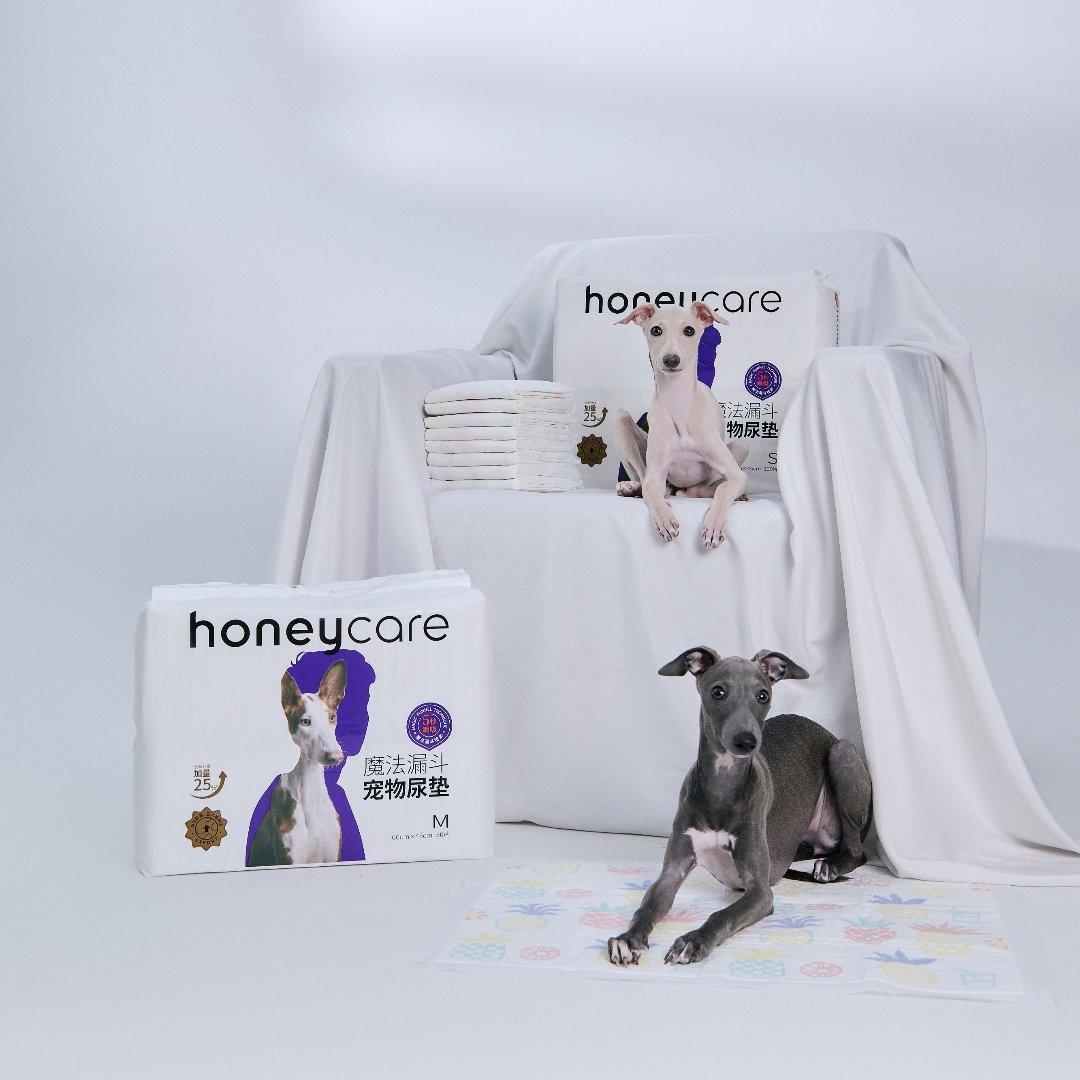
1.2亿只猫狗,养得出多家上市公司,却养不出一家国民品牌
3 6 Ke· 2025-08-15 03:50
Core Insights - The Chinese pet market is large but fragmented, lacking a dominant national brand despite the presence of leading companies [1][16] - The emotional connection between people and pets is driving the rapid growth of the pet economy, leading to the emergence of various pet-related products and companies [2][3] Market Overview - The pet economy in China is supported by policy changes, rising incomes, and shifting perceptions about pets, evolving from a focus on basic care to a more nuanced understanding of pets as family members [3][7] - The number of pets in urban areas is projected to exceed 120 million by the end of 2024, with a market size of 300.2 billion yuan, reflecting a year-on-year growth of 7.5% [7][8] Company Developments - Wuhu Youpai Technology Co., Ltd. has transitioned from an OEM for pet pads to developing its own brands, with pet care products accounting for nearly 74% of its revenue by August 2024 [2][5] - The company has seen significant growth in overseas markets, with international sales accounting for over 62% of its revenue [8][15] Competitive Landscape - The pet food market is dominated by foreign brands like Mars and Nestlé, but domestic brands are gaining market share, with local companies increasing their presence from 3.5% to 9% in market share from 2015 to 2024 [16][17] - Domestic companies like Guobao Pet and Yiyi Co. are experiencing rapid growth, with Guobao Pet reporting a 21.2% increase in revenue in 2024 [10][11] Consumer Trends - The pet food segment remains the largest market, accounting for 52.8% of total pet spending, with a projected market size of 158.5 billion yuan in 2024 [10][12] - The rise of e-commerce has significantly boosted sales for domestic brands, with Guobao Pet's online sales growing over 50% on major platforms [13] Innovations and Future Outlook - The pet medical sector is emerging as a lucrative area, with companies like Pulaike focusing on veterinary pharmaceuticals and vaccines, which have high profit margins [14] - The market is witnessing an influx of cross-industry players, including tech and real estate companies, diversifying into pet-related products and services [18][19]
蒙牛特仑苏,重点产品降价了丨消费参考
2 1 Shi Ji Jing Ji Bao Dao· 2025-08-15 02:55
Group 1 - Mengniu's core high-end brand, Telunsu, has decided to reduce prices on some products, with the "Desert Organic Milk" dropping from 118 yuan to 99 yuan per box, a decrease of 16% [1] - Telunsu's annual sales have surpassed 30 billion yuan, indicating its significance to Mengniu's overall strategy [1] - In 2024, Mengniu's revenue was 88.6748 billion yuan, a year-on-year decline of 10.1%, with net profit dropping by 97.8% to 104.5 million yuan [2] Group 2 - The overall demand in the dairy industry is declining, with a 2.7% year-on-year drop in total sales in 2024 according to Nielsen IQ [3] - The Chinese dairy industry is facing significant pressure, with companies producing excess industrial milk powder leading to increased inventory and losses of 10,000 to 20,000 yuan per ton sold [3] - The dairy price war is intensifying, particularly affecting high-end milk sources like Telunsu, which are under greater pressure due to higher costs [4] Group 3 - Despite the price cuts, Telunsu is also focusing on product upgrades, recently launching a premium product priced at 188 yuan [5] - The effectiveness of these price reductions as a brand defense strategy remains uncertain [6]
消费场景增多 国产品牌崛起 原料成本承压巧克力市场掀起调价潮
Zhong Guo Chan Ye Jing Ji Xin Xi Wang· 2025-08-15 00:57
Group 1 - Major chocolate companies, including Ferrero and Hershey, have announced price increases for their chocolate products due to rising cocoa prices and increased competition from domestic brands [1][2][3] - Hershey indicated that it would raise average chocolate product prices by double digits, while Nestlé also announced price hikes for its chocolate products [2] - Cocoa prices have surged, with futures reaching $7,380 per ton as of July 23, representing a 121% increase compared to two years ago [3] Group 2 - The increase in cocoa prices is attributed to a decline in international cocoa production and supply chain issues, leading to sustained high prices for over two years [3][5] - The price hikes from major chocolate brands may impact downstream markets, such as restaurants and dessert shops, although the overall effect on the companies' performance is expected to be minimal due to their strong bargaining power [4][5] - The market for chocolate products is becoming increasingly competitive, with the rise of domestic brands and the introduction of chocolate desserts in various retail outlets, putting pressure on traditional chocolate giants [3][4]

宠物经济黄金时代
2025-08-14 14:48
Summary of Pet Economy Conference Call Industry Overview - The global pet economy is substantial, nearing $200 billion, with pet food accounting for approximately $150 billion, and a compound annual growth rate (CAGR) of nearly 10% over the past five years, indicating long-term growth potential in emerging markets [1][3][4] - The Chinese pet market has reached a scale of 300 billion RMB, with food and medical care as the two core segments [1][8] Key Characteristics of the Pet Economy - The pet economy in China is characterized by three significant trends: the rise of cat ownership, the shift to online sales, and the premiumization of products. The number of cats has surpassed that of dogs, and online channels drive sales, with 68% of sales occurring online [1][9] - The penetration rate of pet food in China is only 30%, significantly lower than over 90% in developed countries, suggesting substantial growth opportunities through increased penetration and price hikes [1][10][14] Competitive Landscape - The pet food industry exhibits a favorable competitive landscape, with a global CR3 concentration of 46%, the highest among consumer goods sectors, indicating strong brand reliance [1][5] - Leading companies in the pet food sector have an average EBIT margin exceeding 20%, while Chinese leaders have room for improvement, currently below 15% [1][5][12] Growth Trends and Future Outlook - The pet medical industry is growing faster than the pet food sector, with a CAGR of 23% over the past five years, but it remains in a profit cultivation phase [1][11] - The pet food sector is expected to maintain resilience, with a projected CAGR of around 6% from 2024 to 2029 [4][10] Investment Opportunities - The pet economy is viewed as a "good business" due to its strong competitive structure and profitability potential, with leading companies like Mars and Nestlé showing consistent revenue growth [5][6] - The industry is considered "evergreen," demonstrating resilience and stable growth over the past 20 years, even during economic downturns [6][7] Challenges and Areas for Improvement - The Chinese pet medical sector needs to enhance talent training, optimize supply chain management, and establish a tiered medical system to improve service quality and market share [3][11][21][23] - There is a need for a transition from generalist to specialist veterinary services to elevate diagnostic standards and customer satisfaction [23][24] Conclusion - The pet economy is entering a "golden era," with significant growth potential driven by changing consumer preferences, increased online sales, and a shift towards premium products. The industry is poised for further development as domestic brands gain market share and the medical sector evolves [2][8][12][18]
腾讯视频,付费会员数下滑了300万丨消费参考
2 1 Shi Ji Jing Ji Bao Dao· 2025-08-14 01:35
Group 1: Tencent's Performance - Tencent reported a revenue increase of 15% year-on-year to 184.5 billion yuan for Q2 2025, with a net profit growth of 17% to 55.6 billion yuan [1] - However, Tencent Video's paid membership decreased by 3 million to 114 million, showing a decline both year-on-year and quarter-on-quarter [1][5] Group 2: Advertising Market Pressure - The advertising revenue for competitors like iQIYI and Mango TV has also faced declines, with iQIYI's advertising revenue dropping by 10.4% to 1.33 billion yuan in Q1 2025 and Mango TV's down by 2.7% to 3.438 billion yuan in 2024 [2] - The competition from short video platforms is significantly impacting long video services, with short video users in China reaching 1.04 billion and a usage rate of 93.8% as of December 2024 [3] Group 3: Industry Adaptation - Tencent Video is adapting by launching over 20,000 vertical short dramas, which have gained significant traction with 3 billion views and 87 trending topics [4] - The company acknowledges the need for faster adaptation to changes in content consumption driven by AI and the rise of vertical short dramas [4][5]
我为什么劝你少喝9.9元的咖啡?
洞见· 2025-08-13 12:36
Core Viewpoint - The article emphasizes the rising popularity and quality of Yunnan coffee, particularly highlighting its unique flavor profile and health benefits, while promoting a specific freeze-dried coffee product developed by Yunnan Agricultural Academy. Group 1: Yunnan Coffee Overview - Yunnan is recognized as a prime coffee-growing region, comparable to Colombia, benefiting from high altitude and temperature variations that enhance the flavor of coffee beans [44][45]. - Major coffee brands like Starbucks and Luckin Coffee have invested significantly in Yunnan coffee, with Luckin reportedly purchasing 1,000 tons last year [47][49]. - The Yunnan Arabica coffee beans are noted for their rich sweetness, low caffeine content, and high antioxidant properties, making them gentler on the stomach [49][70]. Group 2: Product Features - The featured product is a freeze-dried coffee developed by Yunnan Agricultural Academy, made from high-altitude Arabica beans, ensuring a balanced flavor and rich aroma [11][13][26]. - The freeze-drying process preserves the coffee's freshness and nutrients, resulting in a taste that rivals freshly brewed coffee [15][78]. - The product contains no additives, such as sugar or creamers, making it suitable for health-conscious consumers [19][53]. Group 3: Health Benefits - Coffee is highlighted as a modern essential for boosting energy and aiding digestion, with soluble dietary fibers contributing to a feeling of fullness [58][61]. - Regular coffee consumption is associated with potential anti-aging effects due to its polyphenol content, such as chlorogenic acid [65]. - The lower caffeine content in Yunnan Arabica beans allows for consumption without the jitters often associated with higher caffeine coffees [70]. Group 4: Pricing and Promotions - The official price for the coffee is set at 59 yuan per can, with a promotional offer of 2 cans for 59 yuan available for a limited time [39][57]. - Each can is capable of making approximately 50 cups of coffee, providing a cost-effective alternative to café prices [35][32].
该给中国新手父母减负了
虎嗅APP· 2025-08-12 10:31
Core Viewpoint - The article discusses the financial pressures faced by new parents, particularly in light of rising costs associated with child-rearing, and highlights initiatives by companies like JD.com to alleviate these burdens through various subsidy programs and innovative marketing strategies [3][4][30]. Summary by Sections Consumer Behavior and Spending - New parents, like Xiao Lin, are adjusting their spending habits significantly in anticipation of child-rearing costs, prioritizing essential baby products over luxury items [2][4]. - The introduction of a government subsidy of 3,600 yuan per child per year starting from 2025 aims to ease some of the financial strain on families with children under three [3][4]. Company Initiatives - JD.com has launched a program to distribute one million free baby bottles to new parents, allowing them to focus on quality rather than price when selecting products for their children [10][13]. - The initiative has already seen significant engagement, with 50,000 bottles distributed by August 1, and a high repurchase rate of 80% among consumers who participated in the program [13]. Market Trends and Consumer Insights - There is a growing demand for high-quality baby products, with parents increasingly seeking safe and effective options that mimic natural feeding experiences [9][10]. - JD.com has observed that 60% of surveyed parents are unaware of the need to change baby bottles according to the child's age, indicating a gap in consumer education that the company aims to address [12]. Competitive Landscape - The competition among baby product brands is intensifying, with companies like Pigeon and Hegen collaborating with JD.com to offer exclusive products at lower prices, enhancing consumer access to quality items [9][10]. - JD.com is also focusing on maintaining competitive pricing and ensuring that consumers do not overpay for products, which is becoming a standard expectation among consumers [15][19]. Innovations in Product Offerings - JD.com has implemented a "28-day fresh delivery" standard for baby formula, aiming to restore consumer trust in domestic products following past food safety scandals [20]. - The company has also introduced a "90-day size exchange" policy for diapers, allowing parents to exchange unused products that no longer fit their growing children, thus reducing waste and financial loss [22]. Conclusion - The article emphasizes the importance of creating a supportive environment for new parents through collaborative efforts between society, businesses, and caregivers, ultimately leading to a more family-friendly society [30][31].


哈根达斯易主在即,“花落”高盛?
东京烘焙职业人· 2025-08-12 08:32
Core Viewpoint - The article discusses the ongoing changes in the global ice cream industry, particularly focusing on the potential acquisition of Froneri by Goldman Sachs and the challenges faced by Häagen-Dazs in the Chinese market, highlighting the shift towards a "quality-price ratio era" in consumer preferences [4][5][29]. Group 1: Market Dynamics - Goldman Sachs is preparing to acquire Froneri for €15 billion (approximately ¥120 billion), which could reshape the global ice cream market [5]. - The acquisition may lead to increased market concentration, brand strategy adjustments, and supply chain integration, particularly in the U.S. ice cream market [8]. - Despite the acquisition, Häagen-Dazs' operations in China will remain under General Mills, indicating potential regional disparities in brand development [8]. Group 2: Häagen-Dazs Challenges in China - General Mills reported a 5% decline in net sales to $4.8 billion (approximately ¥34.8 billion) in Q3 2025, with a 3% drop in international market sales attributed to declines in China and Brazil [10]. - Häagen-Dazs faces a significant reduction in store numbers, from 466 in January 2024 to 370 by July 2025, alongside a double-digit decline in customer traffic [12][10]. - The brand is experiencing increased competition from emerging tea and coffee brands, which are diverting market share away from Häagen-Dazs [13]. Group 3: Consumer Behavior and Market Trends - The Chinese ice cream market is shifting towards more affordable options, with products priced between ¥3-5 accounting for 45.98% of sales, while high-priced products above ¥12 have seen a decline to 3.95% [21][22]. - Consumers are increasingly prioritizing quality-price balance over brand prestige, leading to a decrease in Häagen-Dazs' customer loyalty despite its high price point [15][21]. - The market is evolving from "functional consumption" to "experiential consumption," with consumers valuing emotional and social aspects of their purchases [23]. Group 4: Future Development Trends - If Goldman Sachs successfully acquires Froneri, it may strengthen Häagen-Dazs' position in the high-end market in Europe and the U.S., while facing strategic challenges from partners like Nestlé [26]. - General Mills must enhance value-for-money offerings, optimize distribution channels, and innovate locally to maintain brand appeal in China [26]. - Multi-channel operations and expanding consumer experiences will be crucial for Häagen-Dazs to redefine its brand value and market presence [26].