
长安汽车

Search documents
集体跨界“造人”!最新回应来了
Zhong Guo Ji Jin Bao· 2026-01-20 09:55
Core Insights - The automotive industry is increasingly venturing into humanoid robotics, with companies like Chery, Chang'an, Xiaopeng, and GAC making significant investments in this area since 2025 [2][3] - Chery's approach to robotics focuses on addressing societal pain points and fulfilling specific scene requirements, differentiating it from traditional robotics companies [3][9] Group 1: Company Developments - Chery's humanoid robot, "Wuyou" Intelligent Traffic Police R001, has been deployed for traffic enforcement, showcasing the practical application of robotics in real-world scenarios [5][10] - The company aims to develop a series of robots that serve as work and life assistants, with a focus on various sectors including police collaboration, medical services, and elder care [8][12] Group 2: Market Outlook - Industry experts predict that 2026 will mark the "commercialization year" for the robotics sector, with Chery's subsidiary, Moja Robotics, planning to focus on six core products and establish a domestic channel network [10][11] - A Morgan Stanley report forecasts that the humanoid robotics market could reach $5 trillion by 2050, with a deployment of 1 billion units, indicating a significant growth potential in the industry [11] Group 3: Competitive Landscape - The competition in the humanoid robotics market is just beginning, with many companies still in the early stages of development [11][12] - Chery's existing automotive technology, such as visual perception and battery management, can be leveraged in the robotics sector, providing a competitive edge [12][13] Group 4: Financial Position - Moja Robotics has completed its first round of financing and is not currently facing financial constraints, benefiting from Chery's established global R&D capabilities and supply chain [14][15]

集体跨界“造人”!最新回应来了
中国基金报· 2026-01-20 09:48
Core Viewpoint - The article discusses the recent entry of automotive companies into the humanoid robot industry, highlighting the competitive landscape and the unique advantages these companies bring to the market [2][3]. Group 1: Industry Trends - Major Chinese automotive companies such as Chery, Changan, Xiaopeng, and GAC are increasingly investing in humanoid robots since 2025, aiming to create new growth avenues beyond traditional automotive sales [2]. - The humanoid robot market is predicted to reach a market size of $5 trillion by 2050, with an estimated deployment of 1 billion units, suggesting a significant growth potential in the sector [17]. Group 2: Company Insights - Zhang Guibing, General Manager of Moja Robotics, emphasizes that the company's approach to robotics is distinct, focusing on addressing societal pain points and fulfilling specific scene requirements [5][12]. - Moja Robotics has launched its humanoid robot "Wuyou" Smart Police R001, which is designed to assist in traffic management and has already been deployed in real-world scenarios [9][11]. Group 3: Competitive Landscape - The competition in the humanoid robot industry is just beginning, with industry experts predicting that 2026 will mark the "commercialization year" for the sector [14][17]. - Moja Robotics aims to establish a comprehensive product line and channel network, focusing on six core products to enhance its market presence [17]. Group 4: Strategic Advantages - Automotive companies possess unique advantages in the humanoid robot sector, such as advanced technology in visual perception, battery management, and power systems, which can be adapted from the automotive industry [19]. - Moja Robotics benefits from Chery's global research capabilities, mature supply chain, and established sales network, allowing for rapid development without significant additional costs [19].

乘用车板块1月20日跌1.1%,海马汽车领跌,主力资金净流出18.68亿元
Zheng Xing Xing Ye Ri Bao· 2026-01-20 08:51
从资金流向上来看,当日乘用车板块主力资金净流出18.68亿元,游资资金净流入5.99亿元,散户资金净 流入12.7亿元。乘用车板块个股资金流向见下表: | 代码 | 名称 | 收盘价 | 涨跌幅 | 成交量(手) | 成交额(元) | | --- | --- | --- | --- | --- | --- | | 600104 | 上汽集团 | 15.28 | 0.20% | 78.49万 | 12.00亿 | | 000625 | 长安汽车 | 11.67 | -0.17% | 54.41万 | 6.34亿 | | 601633 | 长城汽车 | 21.79 | -0.91% | 14.79万 | 3.23 Z | | 601238 | 广汽集团 | 8.21 | -0.97% | - 29.61万 | 2.43亿 | | 002594 | 比亚迪 | 94.74 | -1.51% | 38.91万 | 36.99亿 | | 601127 | 赛力斯 | 119.18 | -1.63% | 18.68万 | 22.37亿 | | 600733 | 北汽蓝谷 | 8.35 | -2.91% | 142.34万 ...


当试车场变成文旅打卡地,“中国北极”上演硬核浪漫
Guan Cha Zhe Wang· 2026-01-20 04:40
Core Viewpoint - Mohe, a small city in northern China, is transforming its winter economy by leveraging its extreme cold as a resource for automotive testing and tourism, marking a shift from resource dependence to innovation-driven growth [1][4]. Group 1: Automotive Testing Industry - Over 60 automotive companies are conducting cold-weather tests in Mohe, generating nearly 56 million yuan in tourism and consumption [4]. - Mohe's extreme low temperatures, reaching as low as -53°C, provide a rigorous environment for testing electric vehicle batteries and other components, enhancing the reliability of data for companies [3][4]. - The establishment of multiple testing facilities in Mohe, including the Mohe Natural Environment Testing Station and the Mohe Extreme Cold Testing Park, supports a comprehensive service system for automotive testing [3][4]. Group 2: Tourism Development - The number of tourists in Mohe is projected to reach 1.2366 million in the 2024-2025 winter season, a 50.58% increase year-on-year, with winter tourism revenue expected to reach 1.126 billion yuan, up 51.76% [7]. - The transformation of industrial scenes into tourism content has attracted visitors, with many coming to see vehicle tests and enjoy winter activities [4][5]. - Unique winter experiences, such as ice photography and aurora observation, are becoming popular, driven by the desire for immersive cultural experiences [5][9]. Group 3: Economic Structure Shift - The cold resource in Mohe is becoming a driving force for high-quality development in the local tourism industry, shifting the economic structure from traditional sightseeing to a dual-driven model of technology and tourism [8][9]. - The integration of automotive testing with tourism is creating a closed-loop experience for visitors, enhancing the overall economic impact [8][9]. - Mohe is expanding its testing projects beyond automobiles to include solar equipment, heat pump systems, and even aerospace, indicating a diversification of its economic base [8]. Group 4: Future Prospects - Mohe's winter tourism is evolving towards high-quality development focused on quality, experience, and integration across various sectors, including culture, sports, and technology [11][12]. - The city is developing a series of high-participation activities, such as marathons and ice sports events, to attract more visitors and enhance the tourism experience [11][12].

“两新政策”补贴汽车报废更新、置换更新,新能车ETF(515700)备受关注
Xin Lang Cai Jing· 2026-01-20 03:42
Core Viewpoint - The Chinese government is enhancing support for the new energy vehicle (NEV) industry through policy adjustments and financial measures, including the issuance of 625 billion yuan in special bonds to stimulate the sector [1][2]. Group 1: Policy and Financial Support - The National Development and Reform Commission has announced the "Two New Policies" for 2026, which aim to optimize support for the NEV sector, including subsidy standards and implementation mechanisms [1]. - The government plans to lower investment thresholds for project applications and increase support for small and medium-sized enterprises, thereby expanding the reach of these policies [1]. - A unified subsidy standard will be implemented nationwide for vehicle scrappage and replacement, as well as for various electronic products [1]. Group 2: Market Performance and Trends - As of December 2025, China's NEV sales reached 1.71 million units, with a market share exceeding 50%, indicating a sustained upward trend in the industry [2]. - The installed capacity of power batteries grew by 30.11% year-on-year, reflecting the industry's ongoing growth and resilience [2]. - The overall prices of upstream raw materials, including lithium carbonate and lithium hydroxide, have increased significantly, with expectations of short-term fluctuations [2]. Group 3: Index and ETF Information - The CSI New Energy Vehicle Industry Index (930997) includes 50 listed companies involved in various aspects of the NEV sector, serving as a benchmark for the industry's leading firms [2]. - The top ten weighted stocks in the index account for 54.65% of the total, with major players including BYD, CATL, and Huichuan Technology [2]. - The New Energy Vehicle ETF (515700) closely tracks the performance of the CSI New Energy Vehicle Industry Index [2].

德赛西威:管理层调研:传统车企智能驾驶业务驱动未来增长;灵活响应各类需求
2026-01-20 03:19
Summary of Desay SV Conference Call Company Overview - **Company**: Desay SV (002920.SZ) - **Industry**: Automotive technology, focusing on smart driving and automotive software Key Points Business Growth and Market Trends - Management remains optimistic about business growth despite challenges in the end market due to rising memory costs [1] - Catalysts for growth include: - Increasing adoption of smart driving technologies - Rising penetration rates of Level 3 (L3) autonomous driving in China - Traditional car OEMs in China adopting smart driving solutions - Expansion of customer base towards joint venture (JV) car OEMs and global-tier car OEMs [1][2] - Development of next-generation domain controllers that integrate smart cockpit and smart driving functionalities [1] Customer Insights - Li Auto is projected to remain the largest customer in 2025, with Chery showing strong growth [2] - Xiaomi and Xpeng are identified as significant revenue contributors [2] - In 2026, management anticipates more opportunities with traditional car OEMs like Great Wall and Changan Automobile, focusing on smart driving adoption [2] Competitive Landscape - Desay SV is positioned as a leading supplier in smart driving and smart cockpit technologies, competing against in-house solutions from companies like BYD, Tesla, and Huawei [2] - The company offers flexible solutions tailored to various customer needs, including manufacturing, design, and algorithm development [2] Financial Outlook - Despite rising memory costs, management believes their inventory can mitigate impacts, although effects may start to be seen in the second quarter of the year [2] - The company is rated Neutral with a 12-month target price of Rmb137, based on a 20.8x target P/E multiple applied to 2026E EPS [3] - Revenue projections for the next few years are as follows: - 2025: Rmb32.23 billion - 2026: Rmb43.15 billion - 2027: Rmb55.55 billion [7] Risks and Considerations - Potential risks include: - Variability in competition intensity among Chinese car OEMs affecting supply chain pricing and gross margins [3] - Uncertainty regarding the pace of product line expansion, particularly in domain controllers and automotive software [3][6] Long-term Drivers - Expansion into global-tier car OEMs and overseas markets, as well as ventures into robotics, are seen as long-term growth drivers for Desay SV [2] Additional Insights - The company’s valuation is considered fairly priced despite ongoing competition and pricing pressures in the supply chain [1] - Management's focus on product expansion from smart cockpit to smart driving and automotive software aligns with the growing trend of smart driving in China [1]
观车 · 论势 || 小目标给足市场大信心
Zhong Guo Qi Che Bao Wang· 2026-01-20 02:16
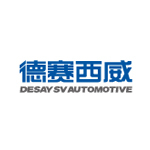
Group 1 - Major Chinese automakers have set ambitious sales targets for 2026, with many aiming for growth rates exceeding 10% despite industry forecasts predicting modest or negative growth [2][5] - Geely aims for a sales target of 3.45 million units in 2026, while Changan targets 3.3 million units, reflecting a 13.3% increase from 2025 [2] - New energy vehicle (NEV) sales targets are also significant, with Geely aiming for 2.22 million NEVs, a 30% increase, and Changan targeting 1.4 million NEVs, a 26.2% increase [2] Group 2 - New entrants in the automotive market are setting aggressive growth targets, with Leap Motor aiming for 1 million units, a nearly 70% increase, and NIO targeting annual growth of 40%-50% [3] - Xiaomi's automotive division has set a target of 550,000 units for 2026, while XPeng aims for 550,000 to 600,000 units, reflecting a growth rate of approximately 28.1%-39.7% [3] Group 3 - Both traditional and new automakers are focusing on international markets, with Dongfeng targeting 600,000 exports, a 100% increase, and Geely aiming for a 50%-80% increase in overseas sales [4] - The automotive industry is expected to transition from scale leadership to quality leadership in 2026, with companies needing to enhance their competitive capabilities [5]
长安汽车金融取得群体识别方法专利
Jin Rong Jie· 2026-01-20 01:12
Group 1 - The core point of the article is that Changan Automobile Finance Co., Ltd. has obtained a patent for a group identification method, device, equipment, and computer-readable storage medium, with the patent number CN120951062B and an application date of October 2025 [1] - Changan Automobile Finance Co., Ltd. was established in 2012 and is located in Chongqing, primarily engaged in monetary financial services [1] - The registered capital of Changan Automobile Finance Co., Ltd. is approximately 476.84 million RMB [1] Group 2 - The company has participated in 1,664 bidding projects and has 76 trademark information entries and 62 patent information entries [1] - Additionally, the company holds 29 administrative licenses [1]

地平线再下一城......
自动驾驶之心· 2026-01-20 00:39
Core Viewpoint - The article discusses the collaboration models between automotive manufacturers and suppliers in the autonomous driving sector, highlighting the establishment of joint ventures as a strategic approach to enhance product development and brand positioning [4][6][14]. Group 1: Joint Venture Formation - Beijing Zhiyu Technology Co., Ltd. was established as a joint venture between BAIC and Horizon Robotics, with BAIC holding a 65% stake and Horizon 35%, focusing on intelligent assisted driving products [4]. - The joint venture model allows manufacturers to maintain brand identity while leveraging supplier expertise, enhancing the overall value proposition [7]. - This model also enables manufacturers to have greater control over the development process, ensuring alignment with their strategic goals [8]. Group 2: Product Ownership and Development Models - There are primarily two models for product ownership: a one-time buyout where the manufacturer owns the developed product, and a licensing model where the supplier retains ownership and charges per unit sold [9][10]. - The licensing model is becoming more prevalent due to its efficiency and adaptability in a rapidly changing market [11]. - Products developed through joint ventures are typically owned by the joint venture itself, allowing manufacturers to exert more influence over the development process [12]. Group 3: Industry Trends and Challenges - Many traditional manufacturers struggle with in-house development of autonomous driving technologies, often leading to partnerships with suppliers or the formation of joint ventures [18][19]. - The article suggests that as the industry evolves, the trend of forming joint ventures will likely increase, with manufacturers potentially abandoning in-house development in favor of supplier solutions [21]. - The challenges faced by manufacturers include limited technical capabilities and the need for substantial data to effectively develop and iterate autonomous driving models [20].
华为乾崑智驾活跃用户数突破一百万 智能技术助推国产汽车工业“换道超车”
Ren Min Ri Bao· 2026-01-19 22:42
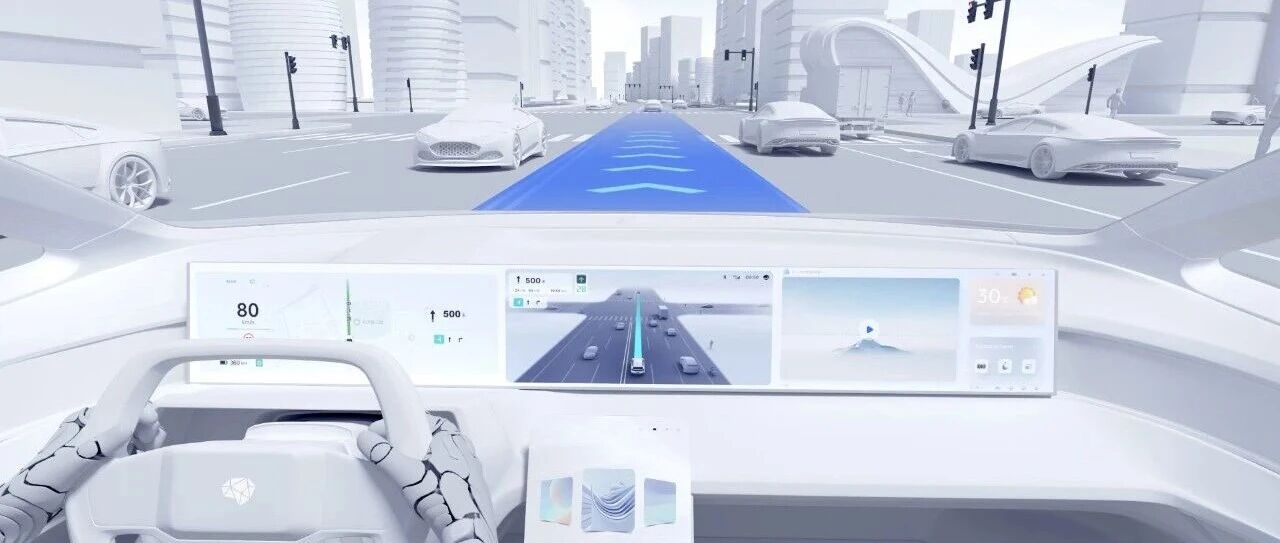
Core Insights - Huawei's partnership with various automotive manufacturers, including GAC Group and Dongfeng, marks a significant step in the development of smart connected vehicles, with over 1 million active users of Huawei's smart driving technology [1] - The penetration rate of smart vehicle technology in China has reached 50% in just five years, indicating rapid advancement in the industry [1] - The Chinese government emphasizes the importance of developing new energy vehicles as a pathway to becoming a strong automotive nation [1] Group 1: Technological Advancements - The Wuhu Zhijie Super Factory, a collaboration between Huawei and Chery, features 100% automation in welding and painting processes, showcasing the integration of AI in production [2] - Huawei's technology enhances driving experiences by optimizing features such as urban traffic congestion management and pedestrian recognition [2] - Huawei has established five major business segments in the smart automotive sector, focusing on core technologies like smart driving and vehicle control systems [3] Group 2: Successful Collaborations - The partnership between Huawei and Seres has led to the development of the "Wenjie" model, which has achieved significant market recognition and financial success, with projected revenues of 145.1 billion yuan in 2024, a 305.5% increase year-on-year [4] - Huawei's collaboration with Seres demonstrates the potential for traditional automakers to leverage Huawei's software and technology capabilities to enhance their manufacturing processes [4] - The "Hongmeng Zhixing" series of vehicles, including models across various price ranges, has achieved over 1 million units delivered, setting a record for new automotive brands [5] Group 3: Industry Impact - The launch of the first fuel vehicle equipped with Huawei's smart driving technology signifies a breakthrough in integrating advanced technology into traditional automotive designs [6] - Huawei's partnerships have led to the transformation of over 221 component manufacturers across multiple provinces, indicating a broad impact on the supply chain [6] - The collaboration with various automotive companies positions Huawei as a key player in driving the smart transformation of the Chinese automotive industry [7]
