
香港交易所

Search documents
珠海金智维人工智能股份有限公司(H0217) - 整体协调人公告-委任
2025-12-14 16:00
香港聯合交易所有限公司及證券及期貨事務監察委員會對本公告的內容概不負責,對其準確性 或完整性亦不發表任何聲明,並明確表示概不就因本公告全部或任何部分內容而產生或因依賴 該等內容而引致的任何損失承擔任何責任。 本公司招股章程根據香港法例第32章公司(清盤及雜項條文)條例送呈香港公司註 冊處處長登記前,本公司不會向香港公眾人士提出要約或邀請。倘於適當時候向 香港公眾人士提出要約或邀請,有意投資者務請僅依據送呈香港公司註冊處處長 登記的本公司招股章程作出投資決定,招股章程的文本將於發售期內向公眾人士 派發。 Zhuhai Kingsware Artificial Intelligence Co., Ltd.* 珠海金智維人工智能股份有限公司 (於中華人民共和國註冊成立的股份有限公司) 1 警告 (a) 在聯交所網站刊發本公告,並不會引致本公司、其聯席保薦人、整體協調 人、顧問或包銷團成員須於香港或任何其他司法管轄區進行發售或配售活動 的責任。本公司最終會否進行發售或配售仍屬未知之數; (b) 本公告所涉及的上市申請並未獲批准,聯交所及證監會或會接納、發回或拒 絕有關的公開發售及╱或上市申請; (c) 本公告不應被視 ...
基金周报:港交所推出首只港股指数,2025基金投顾发展白皮书发布-20251214
Guoxin Securities· 2025-12-14 14:21
Report Industry Investment Rating - Not provided in the content Core Viewpoints - Not provided in the content Summary by Relevant Catalogs 1. Last Week's Market Review Related Hotspot Review - Last week, 61 funds were reported, an increase from the previous week. The reported products included 1 REITs, 2 QDIIs, 5 FOFs, and several theme ETFs such as those for non-ferrous metal mining, industrial non-ferrous metals, engineering machinery, and all - index public utilities [1][9]. - On December 11, 2025, the scale of Huatai - Bairui CSI A500 ETF reached 307.4 billion yuan, becoming the first CSI A500 ETF to exceed 30 billion yuan. By December 12, its scale further increased to 32.525 billion yuan, an 86% increase from the end of 2024 [2][10]. - On December 9, 2025, the Hong Kong Exchanges and Clearing Limited launched its first Hong Kong stock index, the Hong Kong Exchanges Technology 100 Index, which aims to reflect the performance of the 100 largest - market - cap Hong Kong - listed companies highly relevant to the technology sector and eligible for the Hong Kong - Stock Connect [11][14]. - On December 11, 2025, the "White Paper on the Development of Fund Investment Advisory Business in 2025" was released in Shanghai. After this cycle, more investors realized that investment experience and final returns are equally important, and over 90% of customers preferred multi - asset allocation as a future investment strategy. Fund investment advisory users showed healthier investment behaviors and better long - term investment experiences [15]. Stock Market - Last week, the performance of major broad - based indices in the A - share market was divergent. The ChiNext Index, STAR 50, and CSI 500 had the highest returns of 2.74%, 1.72%, and 1.01% respectively, while the Shanghai Composite Index, CSI 300, and CSI 1000 had lower returns of - 0.34%, - 0.08%, and 0.39% respectively. The ChiNext Index had the highest cumulative return of 49.16% since the beginning of the year [1][18]. - The trading volume of major broad - based indices increased last week. On a monthly basis, except for the ChiNext Index, the average daily trading volume of major broad - based indices decreased in the past month [18][20]. - In terms of industries, last week, the communication, national defense and military industry, and electronics sectors had the highest returns of 5.92%, 3.57%, and 2.51% respectively, while the coal, petroleum and petrochemical, and textile and clothing sectors had the lowest returns of - 3.80%, - 3.43%, and - 2.68% respectively [1][24]. Bond Market - As of last Friday, the central bank's net reverse - repurchase injection was 4.7 billion yuan, with 663.8 billion yuan of reverse - repurchases maturing and a net open - market injection of 668.5 billion yuan. The 1M pledged - repo rate increased by 6.70BP, and the 1W SHIBOR increased by 3.50BP compared to the previous week [28]. - Bond yields of different maturities declined, and the yield spread widened by 0.53BP. Credit bond yields of different maturities and ratings also declined. Except for the 3 - year and 5 - year maturities, credit spreads of different maturities and ratings increased [29][32]. Convertible Bond Market - Last week, the CSI Convertible Bond Index rose 1.05%, with a cumulative trading volume of 285.7 billion yuan, an increase of 31.1 billion yuan from the previous week. As of last Friday, the median conversion premium rate was 31.58%, up 1.05% from the previous week, and the median pure - bond premium rate was 23.40%, down 0.98% from the previous week [33]. 2. Open - ended Public Offering Fund Performance Ordinary Public Offering Funds - Last week, the returns of active equity, flexible allocation, and balanced hybrid funds were 0.19%, 0.20%, and 0.33% respectively. This year, alternative funds had the best performance, with a median return of 51.31%, while the median returns of active equity, flexible allocation, and balanced hybrid funds were 28.02%, 21.10%, and 14.42% respectively [2][35]. Quantitative Public Offering Funds - Last week, the median excess return of index - enhanced funds was - 0.05%, and the median return of quantitative hedging funds was 0.08%. This year, the median excess return of index - enhanced funds was 4.50%, and the median return of quantitative hedging funds was 0.99% [2][37]. FOF Funds - As of last weekend, there were 273 ordinary FOF funds, 116 target - date funds, and 152 target - risk funds in open - ended public offering funds. Four new FOF funds were established last week. Generally, target - date funds had a higher equity position, mainly in the 50% - 65% range. Most target - risk funds had an equity position below 50%, and ordinary FOF funds' equity positions were mainly below 25% and in the 65% - 100% range. Last week, the median returns of ordinary FOF, target - date, and target - risk funds were - 0.03%, 0.05%, and - 0.01% respectively. This year, target - date funds had the best performance, with a cumulative return of 16.57% [20][40]. 3. Fund Manager Changes - Last week, the fund managers of 83 fund products from 41 fund companies changed, including 9 products from E Fund, 5 from Chuangjin Hexin Fund, and 4 from Baoying Fund [44]. 4. Fund Product Issuance Situation Newly Established Funds Last Week - Last week, 28 new funds were established, with a total issuance scale of 18.218 billion yuan, a decrease from the previous week. Among them, equity funds issued 6.69 billion yuan, hybrid funds issued 4.26 billion yuan, and bond funds issued 7.269 billion yuan. There were no new issuances of alternative and money market funds [3][46]. Funds Launched for the First Time Last Week - Last week, 38 funds entered the issuance stage for the first time. Among them, the China AMC Hong Kong Stock Select Fund, Xinyuan Xinxuan Yingtai Progressive Allocation 3 - month Holding A, and Hongyi Yuanfang Beijing Stock Exchange 50 Component Index A had completed issuance and were established [50]. Funds to be Issued This Week - This week, 19 funds will enter the issuance stage, including 7 equity - biased hybrid funds, 6 passive index funds, and 2 enhanced index funds [52].
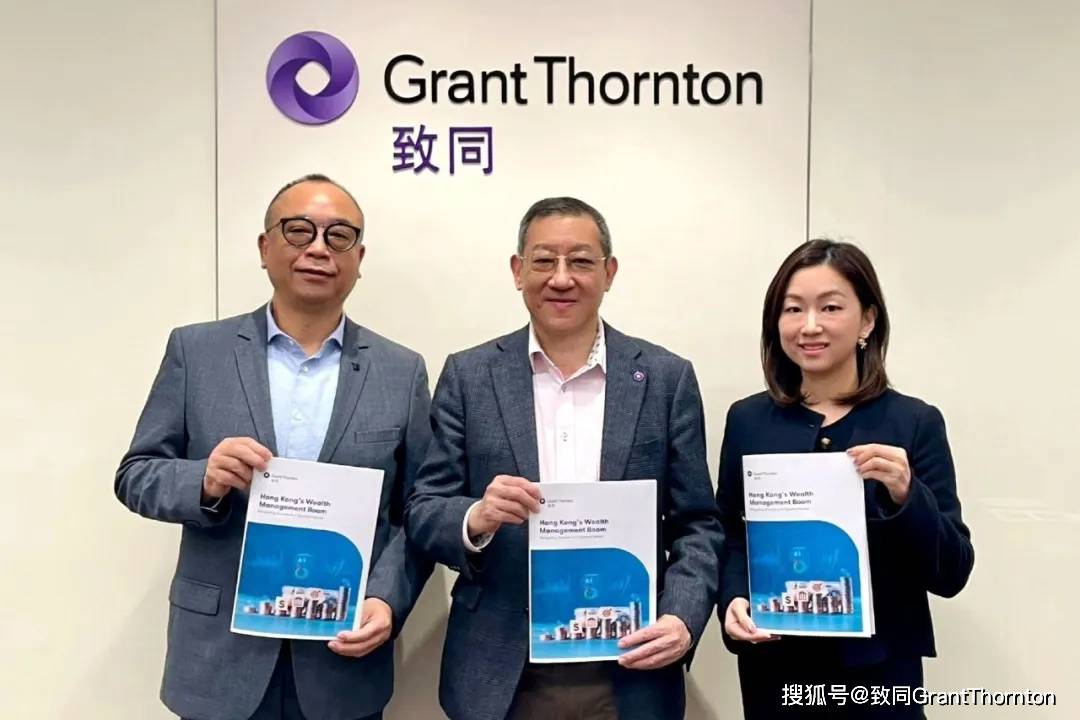
【致同报告】香港财富管理增速领跑全球 剑指全球财富中心之首
Sou Hu Cai Jing· 2025-12-14 13:46
Core Insights - Hong Kong is rapidly becoming the world's largest cross-border wealth management center, surpassing Switzerland, driven by strong capital inflows, growth of family offices, fintech innovation, and deep integration with the Greater Bay Area (GBA) [1][3] Group 1: Wealth Management Growth - The number of ultra-high-net-worth individuals in Hong Kong is projected to increase by 22.9% to 17,215 by mid-2025, making it the fastest-growing region in the global wealth market [1] - Total assets under management in Hong Kong are expected to reach 35.142 trillion HKD by the end of 2024, reflecting a 13% year-on-year growth [3] - Net capital inflow is anticipated to soar to 321 billion HKD in 2024, more than six times the previous year, indicating increasing global investor confidence [3] Group 2: Family Office Ecosystem - Hong Kong's family office ecosystem has become a crucial pillar of its wealth strategy, with over 2,700 family offices established by the end of 2023, 885 of which manage assets exceeding 100 million USD [4] - The growth of family offices has led to a 15% annual increase in private banking and wealth management assets, reaching 10.404 trillion HKD in 2024 [4] - The government’s tax incentives and facilitation policies have accelerated the growth of family offices, surpassing the original target of attracting 200 new family offices between 2023 and 2025 [4] Group 3: Fintech and Regulatory Framework - Hong Kong is enhancing its position as a global asset allocation hub through innovative fintech and forward-looking policies, including the "Fintech 2030" strategy focusing on data, AI, resilience, and tokenization [4][5] - The introduction of the "Stablecoin Ordinance" in August 2025 provides legal clarity for digital assets, attracting investors seeking diversified opportunities [5] - The adoption of distributed ledger technology (DLT) is rapidly increasing, with tokenized products and services reflecting a mature digital infrastructure [5] Group 4: Integration with Greater Bay Area - The integration with the Greater Bay Area is providing new growth momentum for Hong Kong's wealth management industry, with over 510,000 high-net-worth families in the region [6] - The "Cross-Border Wealth Management Connect" program aims to facilitate cross-border investment flows, enhancing Hong Kong's role as a bridge for wealth from mainland China to global markets [6][7] - Upcoming enhancements to the "Cross-Border Wealth Management Connect" will simplify processes and increase individual investment quotas, further solidifying Hong Kong's strategic position [6][7]

公募销售新规落地,政银绑定深化下银行扩表动能有望复苏
Western Securities· 2025-12-14 12:55
Investment Rating - The report indicates a positive outlook for the insurance sector, recommending specific companies such as China Pacific Insurance, China Ping An, China Life (H), and China Taiping, while also recommending New China Life Insurance [4][17]. Core Insights - The financial industry experienced a mixed performance, with the non-bank financial index rising by 0.81%, outperforming the CSI 300 index by 0.89 percentage points. The insurance sector showed a notable increase of 2.36%, while the banking sector declined by 1.77% [2][11]. - The central economic work conference emphasized a proactive fiscal policy, which is expected to benefit the insurance sector by increasing infrastructure asset supply and improving credit risk perceptions [14][15]. - The report highlights the potential for valuation recovery in the brokerage sector, driven by regulatory changes that align public fund interests with long-term investor returns [18][19]. Summary by Sections 1. Weekly Performance and Sector Insights - The non-bank financial index rose by 0.81%, with the insurance sector outperforming the CSI 300 index by 2.44 percentage points [2][11]. - The banking sector underperformed, with a decline of 1.77%, attributed to macroeconomic policy expectations [3][21]. 2. Insurance Sector Data Tracking - The insurance sector's premium income showed steady growth, with life insurance and property insurance premiums increasing by 9.6% and 4.0% year-on-year, respectively [17][26]. - The report notes that the 10-year government bond yield decreased to 1.84%, which is favorable for the insurance sector's investment strategies [31]. 3. Brokerage Sector Data Tracking - The brokerage sector's PB valuation stands at 1.37x, indicating potential for valuation recovery as earnings improve [19][42]. - Regulatory changes in public fund sales are expected to enhance the industry's focus on long-term investor interests [18][19]. 4. Banking Sector Data Tracking - The banking sector's PB valuation is at 0.54x, suggesting it remains undervalued [21][25]. - The central economic work conference's focus on domestic demand and flexible monetary policy is expected to support the banking sector's growth [22][23].




行业研究|行业周报|投资银行业与经纪业:市场交投高位延续,关注非银板块配置机遇-20251214
Changjiang Securities· 2025-12-14 11:42
Investment Rating - The report maintains a "Positive" investment rating for the non-bank financial sector [7]. Core Insights - The non-bank financial sector has shown strong overall performance this week, with brokerage firms experiencing an increase in market activity, maintaining historical highs. It is expected that the sector will continue to see high growth trends in earnings through 2025, suggesting a focus on the sector's future allocation value [2][4]. - In the insurance sector, the third-quarter reports have confirmed the logic of deposit migration, increased equity allocation, and improved new policy costs. The long-term return on equity (ROE) is expected to improve, leading to a potential acceleration in valuation recovery. The overall cost-effectiveness of allocations is gradually increasing, indicating a revaluation of the sector is underway [2][4]. - Recommendations include focusing on companies with stable earnings growth and dividend rates, such as Jiangsu Jinzu, China Ping An, and China Pacific Insurance, which have clear advantages in business models and market positions. Additionally, companies like Xinhua Insurance, China Life, Hong Kong Stock Exchange, CITIC Securities, Dongfang Wealth, Tonghuashun, and Jiufang Zhitu Holdings are also recommended based on their performance elasticity and valuation levels [4]. Market Performance - The non-bank financial index increased by 0.8% this week, with an excess return of 0.9% relative to the CSI 300, ranking high in the industry [5]. - Year-to-date, the non-bank financial index has risen by 6.7%, but with an excess return of -9.7% compared to the CSI 300, ranking lower in the industry [5]. - The average daily trading volume in the two markets reached 19,530.44 billion yuan, a week-on-week increase of 15.14%, with a daily turnover rate of 2.03%, up by 26.88 basis points [5]. Key Industry News & Company Announcements - China Life's cumulative total premium income has exceeded 700 billion yuan [6]. - Guosen Securities plans to distribute cash dividends totaling approximately 1.024 billion yuan, accounting for 11.21% of the net profit attributable to shareholders for the first three quarters [6]. - Industrial Securities announced a mid-term profit distribution plan, with a total cash dividend of 432 million yuan based on a total share capital of 8.636 billion shares [6].

非银金融行业周报:美联储降息利好券商海外业务,新规规范基金销售-20251214
KAIYUAN SECURITIES· 2025-12-14 06:43
Investment Rating - The industry investment rating is "Positive" (maintained) [1] Core Viewpoints - The non-bank financial index increased by 0.81%, outperforming the CSI 300 index which decreased by 0.08%. The brokerage and insurance sectors continue to show good trends, with valuations at low levels and relatively stagnant performance throughout the year. The Federal Reserve's interest rate cuts are beneficial for the equity market, directly favoring the profitability of securities firms' overseas businesses due to lower liability costs and asset expansion [4][5] - The average daily trading volume of stock funds reached 2.39 trillion, a 15.1% increase month-on-month, indicating a recovery in trading activity. The cumulative average daily trading volume for the year is 2.05 trillion, a 69.5% year-on-year increase [5] - The China Securities Regulatory Commission's recent positive stance signals a potential "policy easing period" for the industry, which may lead to an increase in leverage limits and support for the profitability of the securities industry. The report recommends focusing on strategic opportunities in undervalued leading companies in the brokerage and insurance sectors [5][6] Summary by Sections Brokerage Sector - The Federal Reserve's interest rate cuts are favorable for the overseas business of brokerages, and new regulations are set to standardize fund sales practices. The report highlights three main lines of recommended stocks: Huatai Securities, Guotai Junan, and CICC for their advantages in overseas and institutional business; GF Securities and Dongfang Securities for their wealth management strengths; and Guosen Securities for its retail advantages [5][6][7] Insurance Sector - The liability side is expected to achieve a "good start," with the transformation of dividend insurance continuing to progress. The demand for "savings" from residents is likely to persist, and the insurance distribution channel is expected to maintain high growth. On the asset side, stable long-term interest rates and a favorable equity market are expected to boost investment returns in the medium to long term [6][7]
港股年内新股数量已达百家 机构料明年上市潮可期
Zhong Guo Xin Wen Wang· 2025-12-12 13:21
市场动态方面,港股IPO(首次公开招股)市场在年末达到一个重要节点。12月11日,香港交易及结算所 有限公司宣布,今年新上市公司已达百家。 港股年内新股数量已达百家 机构料明年上市潮可期 中新社香港12月12日电 (记者 戴小橦)港股三大指数12日齐涨。截至当日收盘,恒生指数报25976.79点, 涨446.28点,涨幅1.75%;恒生科技指数涨幅1.87%,国企指数涨幅1.62%。 板块方面,科网股多股上行,商汤涨4.74%,网易涨4.20%,腾讯控股涨2.41%,阿里巴巴涨2.32%,小 米集团涨1.85%,百度集团涨1.78%,快手涨1.05%,美团涨0.89%。 黄金股表现亮眼,中国白银集团涨5.8%,山东黄金涨3.76%,紫金矿业涨3.75%,紫金黄金国际涨 3.59%,中国黄金国际涨3.58%,招金矿业涨3.38%,赤峰黄金涨3.19%。 互联网医疗股纷纷上行,阿里健康涨4.31%,京东健康涨3.46%,叮当健康涨2.86%,平安好医生涨 2.26%。 回顾全周,尽管周中恒生指数和恒生科技指数同步下探,引发市场情绪短暂降温,但随后两个交易日, 指数逐步"收复失地"。 瑞银全球投资银行部副主席及亚洲 ...
港交所最新发声,餐饮上市潮要凉了?
Sou Hu Cai Jing· 2025-12-12 10:54
Core Viewpoint - The Hong Kong Securities and Futures Commission and the Hong Kong Stock Exchange have issued a joint letter addressing the decline in the quality of recent IPO applications and non-compliance issues, highlighting the need for improved standards in the IPO process [1][3]. Group 1: Regulatory Concerns - The letter identifies three main issues: poor quality of listing documents, inadequate responses to regulatory inquiries, and disorganized execution of the IPO process, leading to delays [1]. - The Hong Kong Stock Exchange aims to ensure timely and rigorous review of new listing applications while maintaining high standards and quality [3]. Group 2: IPO Market Trends - The Hong Kong IPO market has seen significant growth, with 100 companies listed from January 1 to December 11, representing a 58.74% year-on-year increase, and total IPO fundraising exceeding 270 billion HKD, a 223.75% increase [3]. - The restaurant sector has been particularly active in this IPO wave, with several brands successfully listing, including Mi Xue Bing Cheng and Gu Ming [4][5]. Group 3: Factors Driving Restaurant IPOs - The urgent need for capital exit has driven many restaurant brands to pursue IPOs, as investors seek to realize returns from previous funding rounds [4]. - Increased competition in the industry has led top brands to seek new growth avenues through IPO financing [5]. - Stricter listing requirements in the A-share market have shifted many restaurant companies' focus towards Hong Kong for their IPOs [5]. Group 4: Implications for Future Listings - The recent regulatory reminders may signal a tightening of IPO standards, potentially impacting the prospects of companies still in the queue for listing [6]. - The current environment suggests that the restaurant IPO wave may be slowing down, as most top-quality companies have already gone public [7]. Group 5: Recommendations for Companies - Companies should focus on building differentiated competitive advantages through product innovation, supply chain efficiency, and brand culture [9]. - There is a need to enhance compliance awareness and improve the quality of information disclosure, ensuring financial data accuracy and sustainable business models [9]. - Companies should optimize their capital structure to reduce reliance on IPO financing, exploring diverse funding channels to maintain operational stability [9].
观点文章 | 构建丰富产品生态圈,提升市场流动性
Xin Lang Cai Jing· 2025-12-12 10:36
Core Viewpoint - Hong Kong Exchanges and Clearing Limited (HKEX) is building a diverse product ecosystem to enhance market liquidity and solidify Hong Kong's status as an international financial center [1] Group 1: Market Liquidity and Growth - Over the past decade, liquidity in Hong Kong's capital markets has significantly increased, with the average daily trading volume in the stock spot market rising from HKD 69.5 billion in 2014 to HKD 256.4 billion in the first nine months of 2025, reaching a record single-day high of HKD 621 billion on April 7, 2025 [3] - The establishment of a cross-asset product ecosystem is aimed at sustaining market liquidity growth, driven by global investors increasing their allocations in Asia and China's integration into the global economy [3] - Since the introduction of a new listing regime in 2018, 393 companies from the "new economy" sectors have listed in Hong Kong, raising nearly HKD 30 trillion by September 30, 2025 [3][4] Group 2: Technology Sector Development - The market has seen a surge in technology-related products, with the average daily trading volume of Hang Seng Tech Index futures increasing from 1,754 contracts in 2020 to over 156,000 contracts in the first eleven months of 2025 [7] - The number of ETFs tracking the Hang Seng Tech Index rose to 29 by June 30, 2025, with total assets under management reaching USD 26.3 billion [5] - The market capitalization of the constituents of the Hang Seng Tech Index grew from HKD 1.2 trillion in 2020 to over HKD 3.8 trillion by June 2025 [9] Group 3: Market Infrastructure and Optimization - HKEX is committed to optimizing market infrastructure, with measures including increasing position limits in December 2023 and July 2025, and implementing trading arrangements during adverse weather conditions [10] - These optimization efforts have led to increased market activity, benefiting all participants and supporting continuous growth in trading volume [10] Group 4: Flywheel Effect - The increase in trading activity attracts more investors, creating a "liquidity begets liquidity" effect, which is a result of well-designed market reforms and coordination with market participants [11] - The newly launched Hong Kong Technology 100 Index aims to track the performance of 100 large and mid-sized technology companies listed in Hong Kong, further enriching the technology product ecosystem [12] - The introduction of futures products and a diversified product ecosystem is expected to provide significant opportunities for Hong Kong, aligning with the global economic shift towards Asia [12][13]


港股大金融股全线上涨,香港证券ETF、港股通非银ETF涨超2%
Sou Hu Cai Jing· 2025-12-12 09:29
Group 1 - The Hong Kong stock market shows a significant recovery in sentiment, with the Hang Seng Index rising by 1.75% and returning to 26,000 points, supported by gains in major technology stocks and financial sectors [1] - Major technology stocks such as Tencent and Alibaba increased by over 2.3%, while financial stocks like China Pacific Insurance and CITIC Securities also saw notable gains, with HSBC reaching a market capitalization of over HKD 2 trillion [1] - The Hong Kong Securities ETF and the Hong Kong Stock Connect Non-Bank ETF both rose by over 2%, with the former tracking a specific index of leading securities firms [2] Group 2 - Jianyin International suggests that the investment logic for Hong Kong stocks has shifted from traditional valuation recovery to a re-evaluation based on new productive forces and high-quality development, with potential for moderate expansion in valuation and earnings by 2026 [3] - The outlook for 2026 indicates a transition from valuation-driven growth to profit-driven growth, with liquidity remaining supportive despite a potential slowdown in valuation expansion [4] - The new economic dynamics, driven by "new supply creating new demand," are expected to support the Hong Kong market, alongside favorable internal and external policy environments and increased foreign investment [4]