佳能

Search documents
日本晶圆厂,计划量产1.4nm
半导体芯闻· 2025-12-12 10:24
Core Viewpoint - The establishment of the semiconductor manufacturer Rapidus, supported by major Japanese companies and the government, aims to revitalize Japan's semiconductor industry by developing advanced chip technologies, including 1.4nm and 2nm chips, with significant financial backing from both public and private sectors [3][6][7]. Group 1: Company Plans and Investments - Rapidus plans to start construction of its second factory in Hokkaido in the fiscal year 2027, with production of 1.4nm chips expected to begin as early as 2029 [3]. - The total investment for the second factory is projected to exceed 2 trillion yen (approximately 12.84 billion USD), with the Japanese government contributing several hundred billion yen [3][7]. - The company aims to achieve mass production of 2nm chips by the second half of the fiscal year 2027, despite the technology not being fully mature yet [4]. Group 2: Financial Support and Partnerships - Over 20 Japanese companies, including Kyocera and Canon, are investing in Rapidus to support its goal of domestic advanced semiconductor production, with existing shareholders expected to increase their investments [6][7]. - Rapidus is targeting a private investment goal of 130 billion yen (approximately 834 million USD) by the fiscal year 2025, with the number of shareholders potentially increasing to around 30 [6][8]. - Financial institutions are expected to invest up to 25 billion yen, with major banks providing loans totaling up to 2 trillion yen starting in the fiscal year 2027 [7]. Group 3: Future Challenges and Goals - Rapidus anticipates needing over 7 trillion yen in funding by the fiscal year 2031, planning to raise 1 trillion yen through private investments [7]. - The company faces challenges in developing mass production technology and securing customers, which could affect the investment amounts from various entities [8]. - The Japanese government has announced an additional 1 trillion yen in support over the next two years, bringing total government assistance to 2.9 trillion yen [7].

Rapidus新增获得20余家日本企业出资
日经中文网· 2025-12-12 07:45
金融机构当中,包括现有股东三菱UFJ银行在内的3大银行和日本政策投资银行将最多合计出资250亿日 元。从地方银行来看,除了Rapidus工厂所在的北海道的北洋银行和北海道银行之外,千叶银行、肥后 银行和北陆银行也在就出资进行协调。3大银行除出资之外,还将在2027年度以后提供最多2万亿日元规 模的贷款。 Rapidus已完成第一阶段的民间资金筹集 股东达到约30家企业,Rapidus将完成2025年度获得1300亿日元民间投资的目标…… 力争实现最近端半导体国产化的Rapidus将获得20多家企业投资。除本田、佳能和京瓷等之外,千叶银 行等也将加入股东行列。预计索尼集团等现有股东也将追加出资。股东达到约30家企业,Rapidus将完 成2025年度获得1300亿日元民间投资的目标。日本半导体产业的重振体制正在完善。 Rapidus最早2025年内与各家企业正式达成协议,2026年3月前获得出资。各家企业的出资额预计在5亿 ~200亿日元左右。此外,也有正在谈判的企业,出资企业数和合计出资额今后有可能增加。 新出资的实业公司除了佳能、京瓷、富士胶片控股和牛尾电机等半导体制造设备与零部件供应企业之 外,还有精工爱 ...

日企在华布局的“进与退”
Jing Ji Guan Cha Wang· 2025-12-12 07:28
Core Insights - Japanese brands are strategically adjusting their presence in the Chinese market, with notable exits from various sectors while simultaneously increasing investments in high-tech industries [1][12]. Group 1: Market Exit and Shrinking Presence - Sony's Xperia mobile business announced its exit from the Chinese market in November 2025, while Sharp has removed several mobile products this year [1][2]. - Mitsubishi Motors officially ceased production and sales in China at the beginning of 2025, closing its joint venture factory in Changsha, Hunan [1][3]. - Japanese automotive brands have seen their market share in China drop to 10.8%, a decline of over 50% from peak levels, while Chinese brands surged to 58.3% [2]. - In the home appliance sector, Japanese brands collectively hold less than 8% of the market, with Haier and Midea dominating at 72% [2]. Group 2: Strategic Investment in High-Tech Industries - Despite the market exits, Japanese investment in China increased by 55.5% in the first nine months of 2025, with a focus on high-tech manufacturing and energy-saving sectors [1][12]. - Japanese companies are investing in digital AI, industrial IoT, and biomedicine, collaborating with Chinese firms to develop innovative solutions [12]. - Panasonic is shifting its focus from low-end consumer appliances to high-end care appliances and commercial equipment, closing several production lines for low-end products [4]. Group 3: Challenges and Market Dynamics - Japanese brands have struggled to adapt to changing consumer preferences in China, leading to a misalignment with local market demands [9][10]. - The perception of Japanese products has shifted, with consumers becoming more price-sensitive and less reliant on the "import halo" [9]. - Japanese companies face high labor costs and lengthy decision-making processes, putting them at a disadvantage in competitive price wars [11]. Group 4: Future Outlook and Strategic Realignment - Japanese firms are not entirely retreating but are instead selectively withdrawing from low-end manufacturing while investing in emerging industries [12][13]. - The focus on high-quality products and advanced manufacturing indicates a strategic realignment to maintain competitiveness in the evolving market landscape [12][13].
警惕外资“糖衣炮弹”:高薪福利背后的隐性陷阱
Sou Hu Cai Jing· 2025-12-10 16:56
Core Viewpoint - The article discusses the hidden strategies of foreign companies in China, which use high salaries and benefits as a facade to disrupt the labor market balance and undermine the development of local enterprises [1][4]. Group 1: Foreign Companies' Compensation Strategies - Foreign companies' high compensation packages are designed as market disruption tools, with Canon's tiered compensation plans significantly exceeding local standards, creating a "benchmark" that local companies cannot match [3][6]. - The compensation offered by foreign firms, such as Google's "N+9+stock" plan, creates a disparity in employee expectations, making it difficult for local companies to attract talent [6][9]. Group 2: Impact on Labor Market and Values - The high benefits provided by foreign companies are eroding the work ethic among local workers, leading to a mentality of "working less for more," which threatens the craftsmanship spirit essential to China's manufacturing sector [4][6]. - The influx of foreign companies has increased employee turnover rates in local firms, forcing them to raise wages significantly, which in turn raises production costs and creates a dilemma of either increasing salaries or losing talent [6][10]. Group 3: Local Companies' Resilience - Local companies emphasize a "striver culture," focusing on long-term growth and social responsibility rather than short-term monetary incentives, as exemplified by Fuyao Glass and Huawei [7][10]. - The article advocates for a collective recognition of the importance of local companies' growth models, which prioritize innovation, career development, and cultural cohesion over the allure of foreign companies' financial incentives [9][10].
日企开发出1/10电量制造1.4纳米半导体的技术
日经中文网· 2025-12-10 02:56
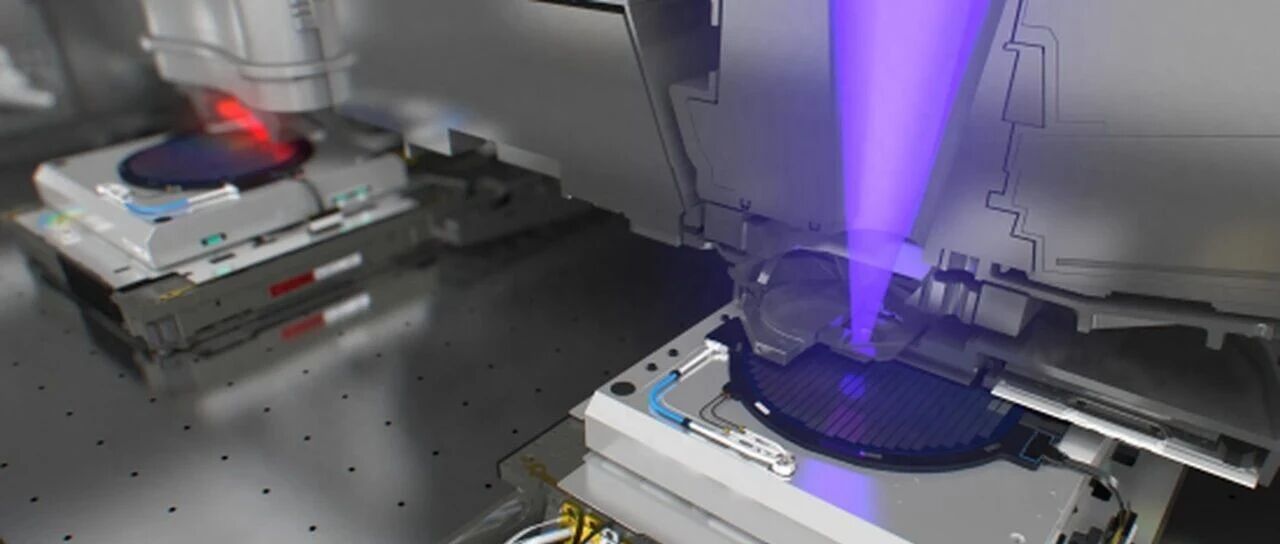
Core Viewpoint - The development of a circuit template for 1.4-nanometer semiconductors by Dai Nippon Printing (DNP) and Canon's nanoimprint manufacturing device could significantly reduce the manufacturing costs and energy consumption of advanced semiconductors, particularly for AI applications and autonomous driving [2][5]. Group 1: Technology Development - DNP has created a circuit template that can be used for 1.4-nanometer processes, which is a significant advancement in semiconductor manufacturing technology [2]. - Canon's nanoimprint manufacturing device uses a stamp-like method to create circuits on wafers, which is expected to consume one-tenth of the energy compared to traditional methods [2][5]. - The new template technology allows for the doubling of semiconductor circuit density through a technique called double patterning [4]. Group 2: Market Implications - The current leading technology for advanced semiconductor production relies on EUV lithography machines, which are expensive (approximately 30 billion yen) and account for 30-50% of total manufacturing costs [4]. - Canon's nanoimprint devices are expected to be priced in the tens of billions of yen, making them a more economical option for semiconductor manufacturers [5]. - Major companies like TSMC and Samsung are interested in adopting 1.4-nanometer semiconductors, with TSMC planning to start mass production in 2028 and Samsung in 2027 [5]. Group 3: Industry Dynamics - Historically, Canon and Nikon held over half of the global market share in lithography machines, but ASML currently dominates with a 90% market share in advanced processes [5]. - If the nanoimprint market expands, Japanese companies like DNP and Fujifilm could regain competitiveness in the semiconductor manufacturing sector [5]. - Canon has begun supplying nanoimprint devices to the Texas Institute for Electronics, indicating a potential shift in the market dynamics between EUV lithography and nanoimprint technologies [6].


日本公司,大幅降低芯片制造成本
半导体行业观察· 2025-12-10 01:50
Core Viewpoint - DNP has developed a technology that could reduce energy consumption in advanced semiconductor manufacturing by 90%, significantly lowering the production costs of AI chips [2]. Group 1: Technology Development - DNP plans to start mass production of a template material for manufacturing cutting-edge 1.4 nm chips by 2027 [2]. - The current manufacturing of such advanced chips requires EUV lithography equipment, which is exclusively produced by ASML Holding [2]. - Lithography processes account for 30% to 50% of the total cost of chip manufacturing, with smaller circuit sizes leading to increased power consumption [2]. Group 2: Market Dynamics - Canon has begun selling semiconductor lithography machines in 2023, which consume less power than EUV equipment, with an estimated price of several billion yen (approximately 6.4 million USD) [2]. - The introduction of nanoimprint lithography technology could face challenges in large-scale production due to the need for high economic efficiency [3]. - Major companies like Samsung and TSMC plan to start mass production of 1.4 nm chips in 2027 and 2028, respectively, and are interested in nanoimprint lithography technology [3]. Group 3: Industry Opportunities - If the nanoimprint market expands, it could create opportunities for material manufacturers like DNP [4]. - Fujifilm Holdings has announced plans to enter the market by producing materials for circuit formation on wafers [4]. - Canon is set to deliver its first nanoimprint lithography equipment to the Texas Instruments research institute in 2024 [4].
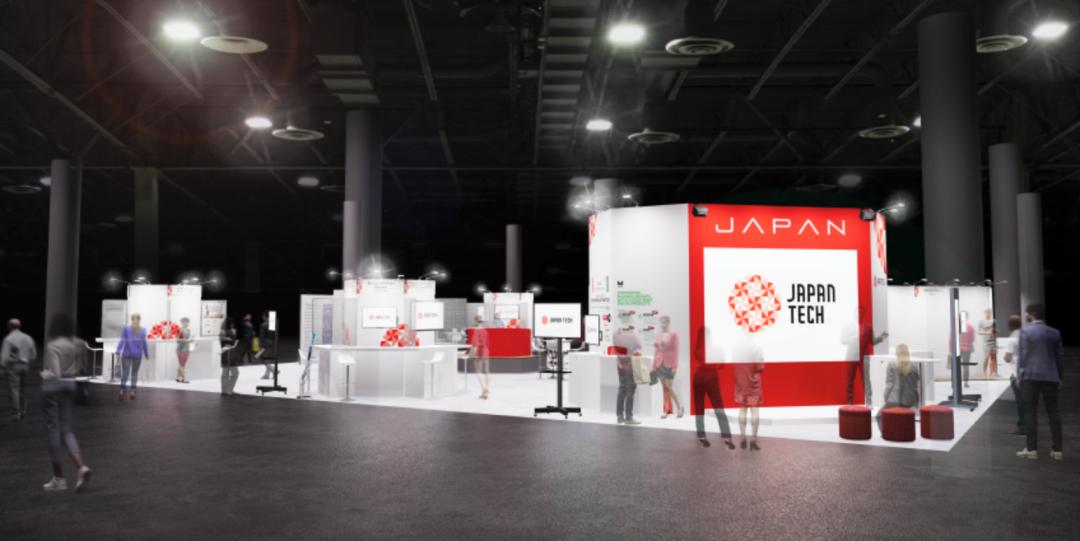
“日本科技项目”CES组团拉客,日本科技企业还能打吗?
3 6 Ke· 2025-12-10 00:13
Core Insights - CES 2026 will take place from January 6 to 9, 2026, in Las Vegas, serving as a significant platform for global technology brands, particularly from China and Japan [1][14] - The "Japan Tech Project" aims to support Japanese companies with new technologies and products to showcase at CES and other global tech exhibitions [1][16] - Japanese companies are expected to present innovations in various fields, including AI, robotics, and eco-friendly materials, at CES 2026 [1][3] Japanese Companies' Innovations - Sony is set to showcase its first LCD TV using "True RGB" LED backlight technology, which claims to avoid common OLED issues while achieving high brightness levels [3][5] - In addition to TVs, Sony may introduce a new 240Hz refresh rate PlayStation monitor, aiming to maintain its position in the high-end hardware market [5] - Panasonic will focus on "carbon neutrality" and "circular economy" themes, showcasing smart appliances like refrigerators that monitor food freshness [6][9] Automotive Developments - Sony Honda Mobility will present the AFEELA 1 electric vehicle at CES 2026, highlighting the collaboration between entertainment and automotive technology [10][12] Professional Imaging and Robotics - Japanese firms continue to dominate the professional imaging sector, with Sony and Nikon expected to unveil new technologies for filmmakers and smart vehicles [12] - The "Japan Tech Project" also aims to support startups in showcasing innovative hardware, including robotics, at CES 2026 [13][17] Competitive Landscape - Chinese companies have significantly increased their presence at CES, with over 1,475 exhibitors in 2025, and are expected to surpass pre-pandemic levels in 2026 [14][16] - Despite the strong showing from China and the U.S., Japan and other countries are striving to establish a more prominent presence in the global tech landscape [16][17]

视频编解码领域标准必要专利及标准提案研究报告
中国信通院· 2025-12-09 08:32
Investment Rating - The report does not explicitly provide an investment rating for the industry Core Insights - The video codec technology is crucial for processing massive video data, driving the development of the digital visual industry [6] - The evolution of video codec standards is closely tied to patent management, influencing both the efficiency of technology dissemination and the healthy development of the industry ecosystem [6][7] - The report analyzes the global landscape of standard-essential patents (SEPs) and standard proposals in the video codec field, focusing on H.264/AVC, H.265/HEVC, and H.266/VVC standards [8] Summary by Sections Video Codec Standardization and Industry Development - The market has formed a diversified video codec standard ecosystem influenced by technological evolution, commercial competition, and geopolitical factors [16] - The three main standard camps are H.26x/MPEG-x, AVS, and AVx, each playing a significant role in the global video codec market [27] Video Codec Industry Application - Video codec technology impacts various sectors, including streaming services, video conferencing, digital TV broadcasting, and video surveillance [28] - H.26x/MPEG-x standards are widely used across all application scenarios, while AVS standards are primarily applied in China, and AVx standards are gaining traction in the streaming domain [35] Standard-Essential Patent Utilization - The video codec field has two main patent pool management organizations: Via Licensing Alliance and Access Advance, managing SEPs for H.264/AVC and H.265/HEVC standards [37] - The report highlights the increasing frequency of SEP licensing disputes, which are expanding beyond traditional device manufacturers to include content providers [49]
日本或将全面停止向中国出口光刻胶
Xin Lang Cai Jing· 2025-12-09 06:26
Group 1 - Japan has reportedly stopped exporting photoresists to China since mid-October, affecting major companies like Canon, Nikon, and Mitsubishi Chemical, although no official announcement has been made [1] - Photoresist is a critical material in semiconductor manufacturing, used to create intricate circuit patterns on wafers by reacting to light [1] - The disruption in supply is considered a worst-case scenario for China, as it heavily relies on imports for photoresists [1] Group 2 - Japanese companies currently hold 70% of the global market share in photoresists, with firms like JSR, Shin-Etsu Chemical, and Tokyo Ohka leading the industry [4] - China has a low self-sufficiency rate in photoresists, with an import dependency of 80%-90%, and 50%-55% of imports coming from Japan [4] - In 2024, imports from Japan are expected to reach $1.36 billion, accounting for 54.5% of the total import of photosensitive chemicals [4] - Advanced EUV photoresists are entirely imported, with over 90% dependency for ArF photoresists and over 95% for KrF photoresists used in various semiconductor processes [4] - The domestic electronic chemicals industry in China is accelerating its localization efforts, with some companies achieving full supply chain autonomy for photoresists, potentially entering international semiconductor supply chains [4] - If Japan indeed halts exports, it could significantly impact China and provoke retaliatory measures [4]

光刻胶断供疑云:不官宣、只执行
是说芯语· 2025-12-09 03:36
然而与这份笃定形成鲜明对比的是,佳能、三菱化学等日本企业自11月中旬起就已悄然中止高端 ArF/EUV光刻胶出货,服务团队撤离、交货周期翻倍、出口配额收紧等实质性动作,早已将"政策未 变"的说辞击得粉碎。这场"官方否认、企业实控"的双重戏码,恰似一面棱镜,清晰折射出日本民族性 格中"说一套做一套"的鲜明特质。 在光刻胶这一半导体产业的"关键墨水"领域,日本的双重标准表现得淋漓尽致。全球70%的光刻胶市场 被日本企业垄断,而中国作为全球需求增长最快的市场,80%-90%的光刻胶依赖进口,其中过半来自日 本。这种供需格局本应是互利共赢的基础,却被日本转化为博弈筹码。 "没有断供,贸易政策也未改变",12月3日日本内阁官房长官木原稔的公开辟谣言之凿凿,为流传甚广 的"日本全面停供对华光刻胶"消息画上了官方层面的"休止符"。 声明:本文仅为信息交流之用,不构成任何投资建议,股市有风险,投资需谨慎。 加入"中国IC独角兽联盟",请点击进入 是说芯语原创,欢迎关注分享 当俄罗斯卫星通讯社曝出"12月中旬全面停供"的消息时,日本政府第一时间以"无政策变更"辟谣,将自 身姿态塑造成国际贸易规则的遵守者。但企业层面的动作却暴露 ...