韩束

Search documents
9点1氪:小米17 Ultra徕卡版被炒至2万元;周大福黄金吊坠被指阴阳打工人;和睦家医院回应女明星生产信息疑被泄露
36氪· 2025-12-27 01:19
Group 1 - Xiaomi 17 Ultra Leica version sold out within hours of pre-sale, with second-hand prices reaching up to 20,000 yuan, while the official starting price is 8,999 yuan [4] - The pre-sale for Xiaomi 17 Ultra Leica version began on December 25, and by 10:30 PM the same day, all configurations were out of stock across various channels, with over one million reservations on JD platform [4] - The 16GB+1TB top configuration is currently out of stock on multiple platforms, while the 16GB+512GB version is available on Xiaomi's official store [4] Group 2 - LV responded to a customer's complaint regarding a pair of shoes that caused injury after 10 minutes of wear, stating that the return policy does not cover used products [11] - The customer reported severe skin damage after wearing the shoes, which cost 9,250 yuan, and has not reached an agreement with LV regarding compensation [11] Group 3 - Douyin has launched a long-form text feature that allows users to publish articles up to 8,000 words with up to 30 images and background music [9] - This feature aims to enhance user engagement and content creation on the platform [9] Group 4 - XPeng Motors has officially entered the Mauritius market following its expansion into Qatar, and has opened a flagship showroom in Abu Dhabi [10] - The company is also establishing a service center in New Cairo, Egypt, to enhance its presence in the Middle East and North Africa [10] Group 5 - The first mandatory standard for electric vehicle energy consumption will be implemented in China starting January 1, 2026, tightening limits by approximately 11% compared to previous recommendations [14] - This standard aims to guide the development of energy-saving technologies and accommodate diverse vehicle types [14]



孙正义藏了44年的长女自曝身份;周大福客服回应“牛马”吊坠被指阴阳打工人;霸王茶姬发长文回应质疑丨邦早报
创业邦· 2025-12-27 01:09
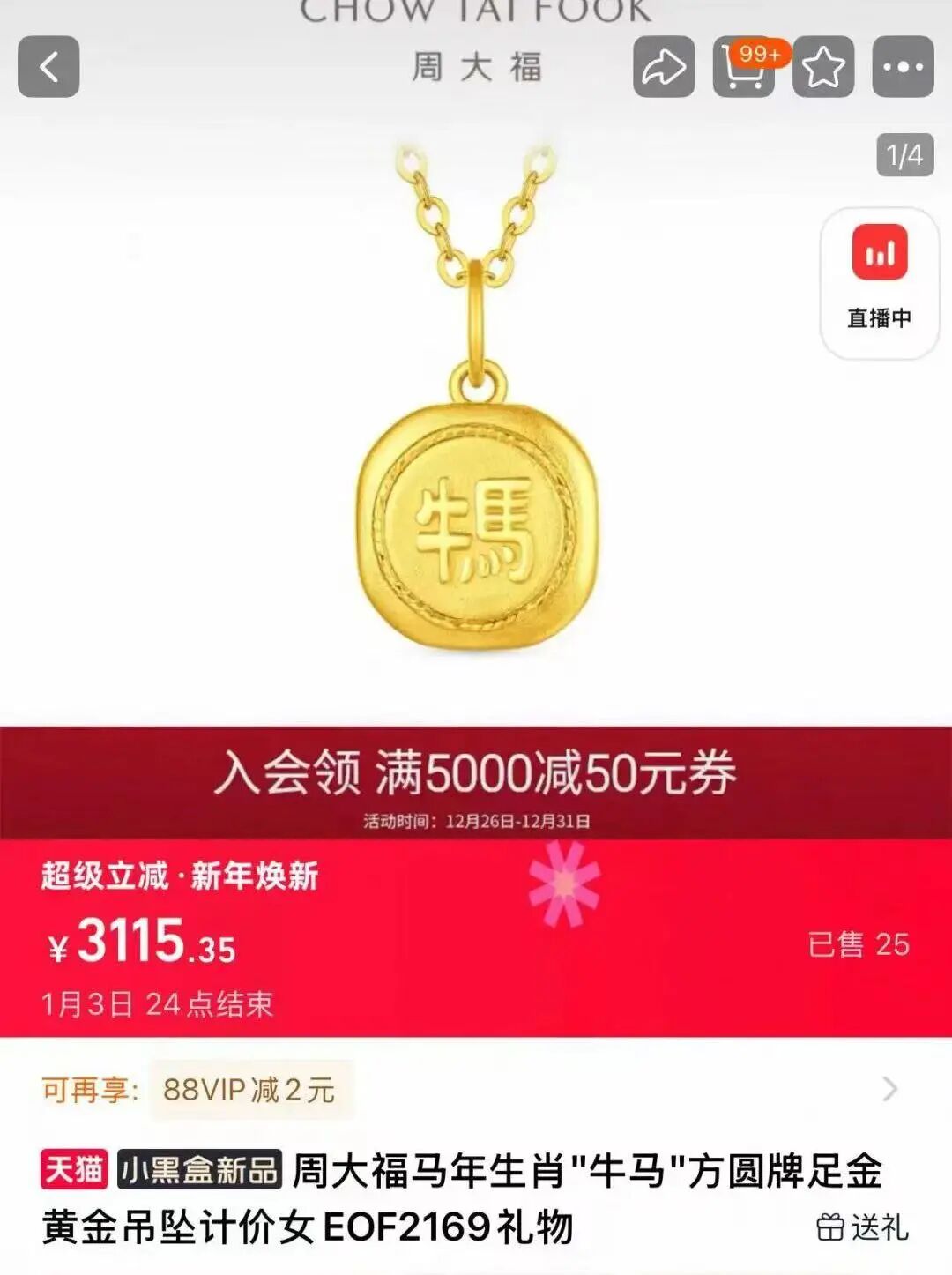
Group 1 - The article discusses the announcement by Spiber, a biotech unicorn in Japan, regarding the involvement of Masaya Kawanami, the daughter of SoftBank's founder Masayoshi Son, in the company's operations starting in the first half of 2026. This marks her first public acknowledgment of her family background in a business context, raising speculation about potential succession plans for SoftBank [2] - Realme, a smartphone brand under OPPO, has responded to rumors of large-scale layoffs, stating that business operations are normal and that the rumored layoffs are part of regular personnel changes at year-end. The company is set to launch new products in January [4] - Bawang Tea's stock price fell nearly 15% due to concerns over caffeine content in their products, prompting the company to issue a statement clarifying that their tea's caffeine levels are comparable to that of a latte and significantly lower than that of an Americano [4] - Chow Tai Fook faced backlash over a gold pendant design, which was criticized on social media. The company responded that the product is selling well online and that customer feedback will be considered for future designs [6] - Dong'an Group confirmed the suspension of three Porsche dealerships due to operational difficulties, with plans to address employee salary issues within 60 days. The company denied rumors of investor flight [9] - Midea's Building Technology division announced a 5% price increase across all product lines due to rising raw material costs, effective from December 15, 2025 [11][12] - The first national standards for AI large models have been implemented, focusing on technical evaluation and aiding over 30 companies in technology iteration [13] Group 2 - Lenovo plans to unveil an AI super-intelligent agent at CES, which is expected to compete with existing AI assistants by offering more comprehensive features and cross-device connectivity [17] - Douyin has launched a long-form content feature allowing users to publish articles up to 8,000 words, enhancing its content creation capabilities [17] - The UK used car market saw a 2.8% growth in Q3 2025, with over 2 million transactions, marking the strongest performance since 2021 [22] - Apple's smartphone sales in China doubled in November, with a 128.4% year-on-year increase, while the overall smartphone market grew less than 2% [22]

9点1氪丨小米17 Ultra徕卡版被炒至2万元;周大福黄金吊坠被指阴阳打工人;和睦家医院回应女明星生产信息疑被泄露
3 6 Ke· 2025-12-27 01:09
Group 1 - Xiaomi's 17 Ultra Leica version sold out within hours of its pre-sale launch, with the highest resale price reaching 20,000 yuan, significantly above the official starting price of 8,999 yuan [1][1][1] - The 16GB+512GB version is available on Xiaomi's official store, while the 16GB+1TB version is out of stock across various platforms, indicating high demand [1][1] - Over 1 million reservations were recorded on JD platform for the Xiaomi 17 Ultra Leica version [1] Group 2 - Zhou Dafu responded to criticism regarding its "cow and horse" gold pendant, stating it is only sold online and has seen high sales; they are open to customer feedback for future improvements [2][2] - The pendant is priced starting at 3,044.7 yuan, and the company clarified the pendant's meaning as representing resilience and good fortune [2] Group 3 - Xiaopeng Motors officially entered the Mauritius market after establishing a strategic partnership, following its previous entry into Qatar [7][7] - The company also opened a flagship showroom in Abu Dhabi and a large service center in New Cairo, Egypt [7] Group 4 - Douyin launched a long-form text feature allowing users to publish articles up to 8,000 words with up to 30 images and background music [6][6] - The mobile version of this feature is expected to roll out soon [6] Group 5 - LV responded to a customer's complaint regarding a pair of shoes that caused injury, stating that they only offered an exchange and did not support returns for used products [8][8] - The shoes were purchased for 9,250 yuan, and the customer required medical treatment due to the injury [8] Group 6 - The first mandatory standard for electric vehicle energy consumption will be implemented in China starting January 1, 2026, tightening limits by approximately 11% compared to previous recommendations [10][10] - This standard aims to guide the development of energy-saving technologies while accommodating diverse vehicle types [10] Group 7 - The first batch of L3 autonomous vehicles in China has begun large-scale road operation in Chongqing, consisting of 46 vehicles equipped with L3 autonomous driving systems [16][16] - These vehicles are authorized to operate on specific urban roads [16] Group 8 - Fujitsu will join a next-generation memory development project led by SoftBank, aiming for commercialization by the 2027 fiscal year [22][22] - This project will utilize technologies from Intel and the University of Tokyo [22]

泽连斯基:愿就“和平计划”全民公投;暴涨超10%,白银逼近80美元;国投白银LOF基金C类份额暂停申购;中国人寿原总裁被开除党籍丨每经早参
Mei Ri Jing Ji Xin Wen· 2025-12-26 23:03
每经编辑|陈鹏程 王晓波 国际金银续创新高,COMEX黄金期货涨1.31%,报4562美元/盎司,本周累涨3.98%;现货黄金涨1.12%,报4531.1美元/盎司,本周累涨4.44%。COMEX白银 期货涨11.15%,报79.68美元/盎司,本周累涨18.06%;现货白银涨10.24%,报79.196美元/盎司,本周累涨17.87%。现货钯金收涨14.24%,报1923.4美元/盎 司,本周累涨12.63%;现货铂金收涨10.31%,报2450.91美元/盎司,本周累涨24.31%。 沪银夜盘收涨6.03%,报19204元人民币/千克,创收盘历史新高。 国际油价大幅收跌,美油主力合约跌2.43%,报56.93美元/桶;布伦特原油主力合约跌2.15%,报60.47美元/桶。 2 外交部回应日本领导人或参拜靖国神社:日方不要错上加错 12月26日,外交部发言人林剑主持例行记者会。有记者提问,日本领导人可能参拜靖国神社,俄罗斯外交部发言人就此予以批评。林剑表示,我们赞赏俄方 的有关表态。靖国神社供奉有14名二战甲级战犯,是日本军国主义发动对外侵略战争的精神工具和象征。今年是中国人民抗日战争暨世界反法西斯战争胜利 ...


韩束两款面膜被指“非法添加”!客服回应已下架 正启动自查
Nan Fang Du Shi Bao· 2025-12-26 11:17
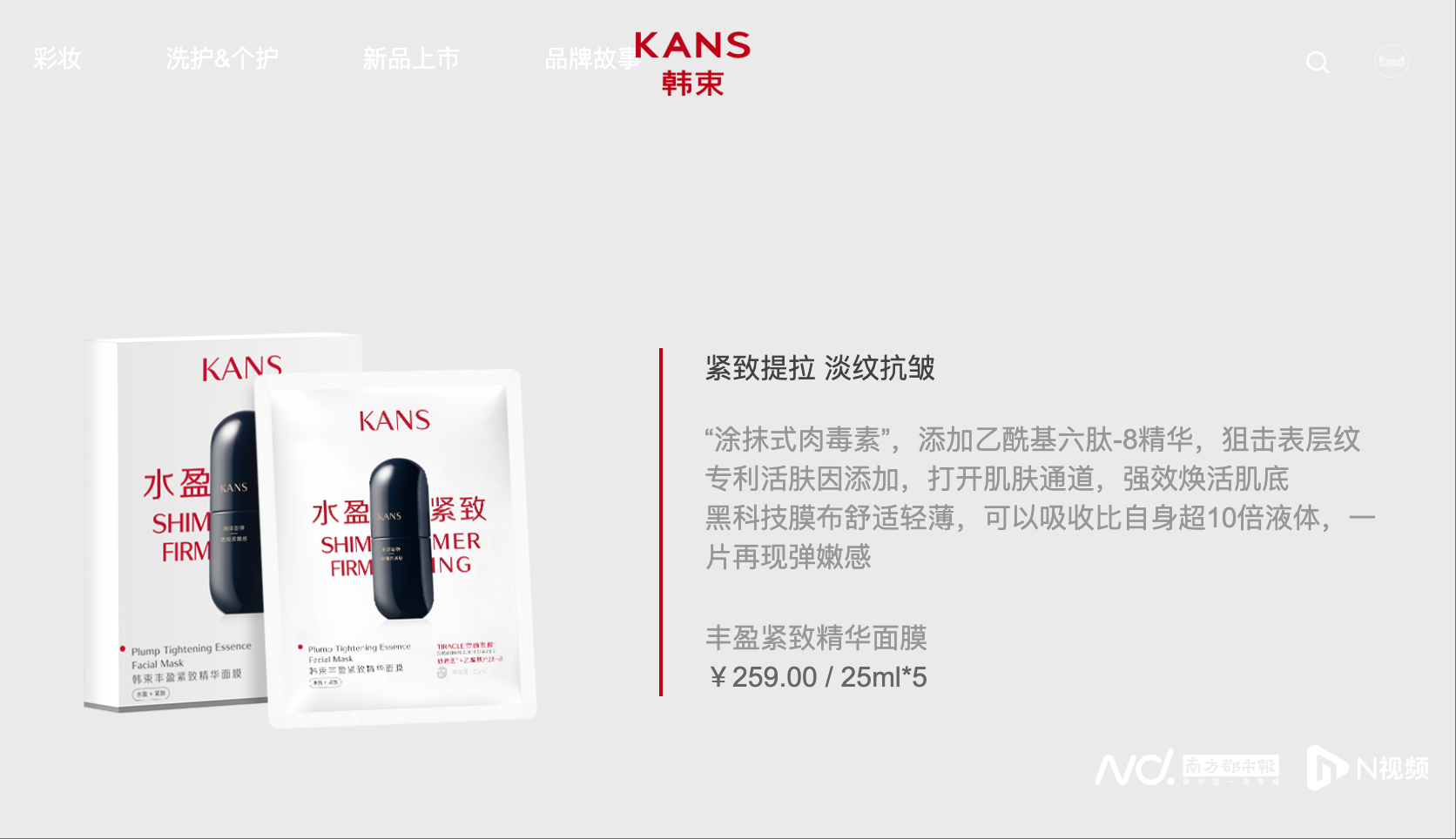
近日,关于韩束部分面膜产品被指"非法添加"表皮生长因子(EGF)的情况引发关注。 12月25日,据央视《经济半小时》栏目,记者将市面上多款热门化妆品送往具有检验资质的第三方检测机构进行检测。结果显示,在韩束丰盈紧致精华面膜 中,检测出0.07pg/g的表皮生长因子;在另一款韩束嫩白透亮面膜中,这一数值更高,表皮生长因子达到3.21pg/g。 资料显示,韩束于2003年由上美股份推出,专注于满足各年龄段亚洲女性不断变化的护肤诉求。2024年,该品牌收入同比增长80.9%至55.91亿元,在上美股 份整体收入中的占比达82.3%。近日该品牌宣布,青年演员刘浩存担任其品牌全球代言人。 目前韩束官方旗舰店中,涉事的"丰盈紧致精华面膜"和"嫩白透亮面膜"均已无法搜索购买,客服回应称相关产品已下架,品牌已启动全面自查程序,正在核 查和追溯具体情况。韩束官方旗舰店显示,其拥有粉丝926万,店铺年销量超1000万件。 韩束丰盈紧致精华面膜检出0.07pg/g的表皮生长因子。 韩束嫩白透亮面膜检出3.21pg/g的表皮生长因子。 据悉,由于分子量较大,EGF在正常皮肤屏障条件下较难被吸收,一旦皮肤屏障功能不全,可能会引发其他潜 ...
年GMV超千万,商城货架成品牌快手经营重要增量
Bei Jing Shang Bao· 2025-12-19 12:35
Core Insights - Kuaishou's e-commerce ecosystem is significantly bolstered by the "Product Card Flow Plan," which has led to over 32% of the GMV from the general merchandise shelf during Q3 2025, enhancing brand visibility and sales growth [1][3] - The collaboration between content and merchandise has allowed brands like Blue Moon and Han Shu to effectively convert live streaming and short video engagement into sustained sales, particularly during the year-end shopping festival [1][3] E-commerce Performance - During the year-end shopping festival from December 3 to 16, Han Shu's exposure through the Product Card Flow Plan exceeded 3.8 million, with a 75% increase in GMV for their stores, and some products saw GMV doubling [3][10] - Blue Moon's GMV in the general merchandise shelf surpassed 10 million yuan in 2025, benefiting from the synergy of content and merchandise [3][10] Product Card Flow Plan - The Product Card Flow Plan incentivizes brands that can effectively utilize both content sales and merchandise operations, allowing for targeted traffic recommendations based on user interest generated from content [3][4] - Brands must meet specific criteria to qualify for the flow of traffic, including having a distribution permission and maintaining a minimum product rating [4] Brand Strategies - Blue Moon has focused on live streaming and collaborations with influencers to maintain a high level of exposure, averaging over 16 hours of daily live broadcasts [5][6] - Han Shu has adopted a strategy of keeping popular products consistently available and enhancing product listings to improve click-through and conversion rates [10][11] Future Plans - Both Blue Moon and Han Shu aim to deepen their collaboration with Kuaishou, leveraging the Product Card Flow Plan to explore new growth opportunities and enhance their operational strategies [13]


研报 | 共诞生27个诺奖,一文读懂多肽的百年科研史
FBeauty未来迹· 2025-12-10 12:02
Core Viewpoint - The article systematically reviews the global development history of peptide research, particularly focusing on skin-active peptides, their discovery, mechanisms, clinical applications, and future research directions, highlighting significant milestones and breakthroughs in the field [3][7][43]. Development History of Peptides - The concept of "peptide" was first proposed by Hermann Emil Fischer in 1902, laying the foundation for peptide chemistry and subsequent research in skin-active peptides [9][10]. - In 1922, insulin became the first peptide drug extracted from animal pancreas, demonstrating the biological activity and therapeutic potential of peptides [11]. - The 1950s saw significant breakthroughs in peptide synthesis techniques, including the total synthesis of oxytocin and vasopressin, which opened new avenues for peptide production [12][13]. Key Discoveries and Applications - The discovery of GHK-Cu (blue copper peptide) in 1973 marked a turning point in skin-active peptide research, proving the biological basis for small peptides in skin regulation and repair [17]. - The introduction of palmitoyl tripeptide-1 and palmitoyl hexapeptide-12 in 1992 represented a shift towards biomimetic signaling functions in cosmetic applications [29][31]. - The 2000s saw the emergence of neuropeptide inhibitors like acetyl hexapeptide-3, which mimic the effects of botulinum toxin without the need for injections, becoming popular in anti-aging products [33]. Current Research Trends - AI-assisted peptide design and transdermal delivery technology are at the forefront of current research, significantly shortening development cycles and improving delivery efficiency [37][38]. - The use of enzymatic hydrolysis and recombinant DNA technology has become prevalent in producing bioactive peptides, enhancing the feasibility of large-scale production [28][39]. Future Directions - Future research is expected to focus on overcoming challenges related to synthesis complexity, stability, and regulatory compliance, with an emphasis on personalized skincare solutions based on individual skin characteristics [45][47]. - The rise of Chinese research teams, exemplified by Han Shu's development of ring hexapeptide-9, signifies a growing presence in the global peptide market, showcasing innovation in cosmetic ingredients [39][41][42].

50岁+男性成护肤圈新宠,品牌如何抢占“熟龄他经济”高地?
3 6 Ke· 2025-12-10 01:54
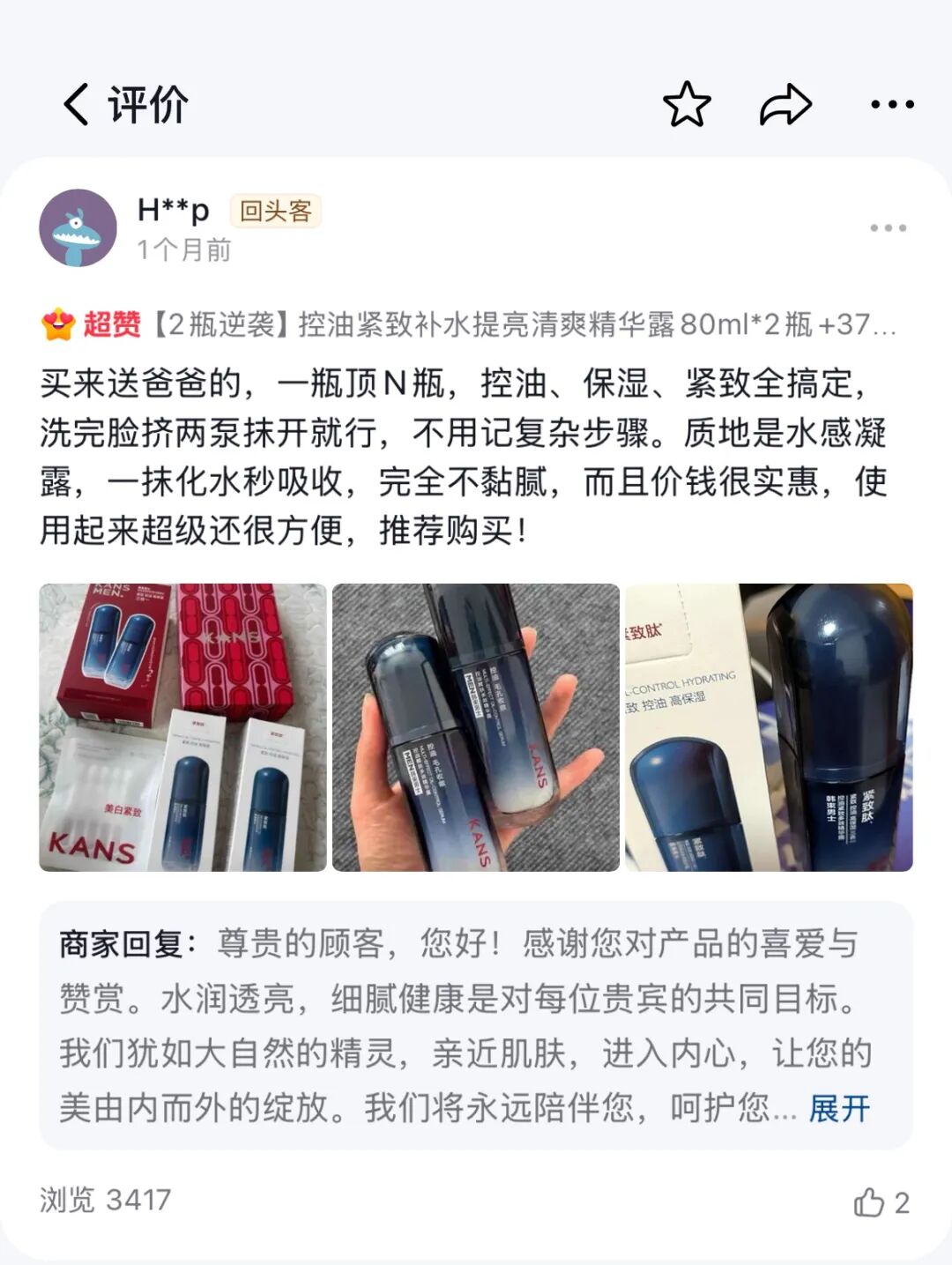
Core Insights - The middle-aged male demographic is emerging as a significant consumer group in the skincare market, with 50% of male consumers aged 31-49 and 24% aged 50 and above [1] - The men's skincare market in China has surpassed 17 billion yuan, growing by 17% year-on-year, with a projected compound annual growth rate of 11% over the next five years [2] - The rise of the "filial piety economy" and changing perceptions are driving the growth of the skincare market for middle-aged men [3][4] Market Trends - Middle-aged men are increasingly adopting skincare routines, moving from basic cleaning methods to using serums and creams [3] - The influence of family members, particularly women, is significant in encouraging middle-aged men to engage in skincare [6] - Traditional views that associate skincare with femininity are being challenged as men recognize their skincare needs [8] Consumer Behavior - Middle-aged men prioritize simple and effective skincare solutions, focusing on basic needs like cleansing and moisturizing [10][11] - There is a growing demand for multi-functional products that address various skin concerns [11] - Brands are responding to this demand by offering products that are both affordable and effective, catering to the unique needs of this demographic [12][14] Brand Strategies - Domestic brands like Pechoin are leveraging their established presence and affordability to capture the middle-aged male market [12][14] - International brands are also targeting this demographic, emphasizing quality and effectiveness, with some consumers willing to pay a premium for scientifically validated products [18][19] - New brands are emerging with innovative ingredients and marketing strategies tailored to the middle-aged male audience [21][22] Market Opportunities - The middle-aged male skincare market is still in its early stages, presenting significant growth potential as consumer awareness and demand increase [9][28] - The shift from price competition to value competition is essential for brands to differentiate themselves in a crowded market [29] - Companies can achieve breakthroughs through product innovation and enhanced customer engagement strategies [30][31]
画梅退网、朱瓜瓜惹争议,美妆主播又到“至暗时刻”?
FBeauty未来迹· 2025-12-02 13:26
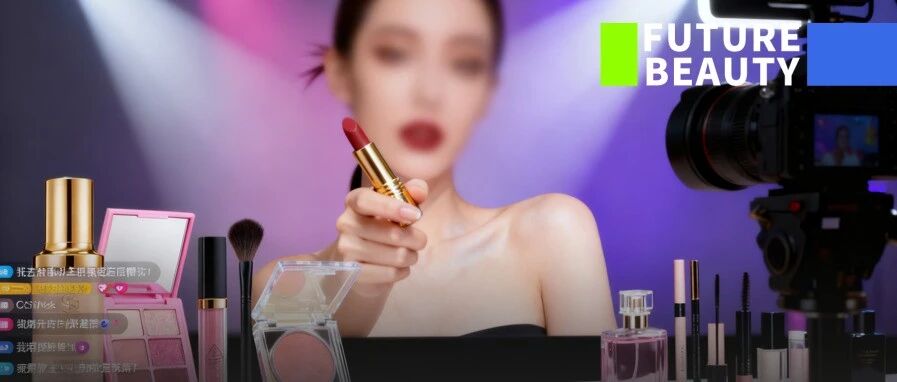
Core Viewpoint - The beauty live-streaming industry is undergoing a significant trust crisis, with issues related to product quality and exaggerated claims becoming increasingly prominent, leading to a need for rebuilding consumer trust [5][20][21] Group 1: Industry Challenges - Recent controversies involving beauty influencers, such as Huamei pausing beauty content updates and Zhu Guagua facing backlash over product quality, highlight the industry's struggles [3][5] - The beauty live-streaming sector is entering a deep adjustment period, marked by a decline in consumer trust and increasing scrutiny over product claims [5][20] - Zhu Guagua's promotion of Maystar shampoo has led to numerous consumer complaints regarding its effectiveness, with users reporting issues like scalp irritation and oiliness [7][9] Group 2: Consumer Concerns - Consumers have raised two main concerns: the poor quality of products and the potential exaggeration of product efficacy claims, revealing flaws in the influencer's product selection process [10][11] - There is a growing skepticism towards influencers' narratives, particularly when discrepancies arise between their claims and the actual product information [10][11] - The backlash against Zhu Guagua's promotional tactics reflects a broader consumer fatigue with scripted and exaggerated marketing strategies [12][20] Group 3: Market Dynamics - The beauty live-streaming market has seen a significant increase in scale, growing from 19.64 billion to 491.68 billion from 2017 to 2023, but the growth rate has slowed to 8.31% last year [18] - The competitive landscape is shifting, with major brands like Han Shu and Estée Lauder increasing their self-broadcasting efforts, thereby squeezing the space for individual influencers [14][22] - New influencers continue to emerge, indicating opportunities for differentiation in a crowded market, but many struggle to maintain consistent rankings in sales [13][14] Group 4: Future Trends - The industry is moving towards a phase where professional expertise and transparent communication will be more valued than emotional manipulation and scripted narratives [21][22] - Innovative approaches, such as emphasizing scientific skincare and transparent pricing, are being adopted to enhance consumer trust and engagement [22][23] - The need for a more rigorous and systematic product selection process, along with clear communication of product efficacy, is becoming essential for influencers to maintain credibility [23]
舆情监测与新媒体营销如何重塑美妆快消行业
Sou Hu Cai Jing· 2025-12-01 05:31
Core Insights - The success of beauty brands increasingly relies on effective public opinion monitoring and new media marketing in the digital age [1] - The cosmetics industry in China is experiencing significant growth, with retail sales projected to rise from 251.4 billion yuan in 2017 to 435.7 billion yuan in 2024, reflecting a compound annual growth rate of 8.17% [1] Industry Transformation: New Ecosystem in Beauty Marketing - By 2025, the beauty and personal care industry is undergoing a dual wave of channel transformation and consumer upgrading, characterized by "omni-channel resonance, refined demand, and technology-driven innovation" [3] Trends in Consumer Preferences - Trends such as health, personalization, and sustainability are gaining traction, with consumers seeking more than just functional products [4] - Sales of hand creams with soothing scents have increased by nearly 40%, while searches for fatigue-relief shower gels surged by 200% [4] Risks: Public Opinion Crisis - The cosmetics industry faces escalating public opinion risks, with the China Consumers Association reporting a total of 1.7619 million complaints in 2024, a year-on-year increase of 32.62% [5] - Complaints related to cosmetics reached 251,800, with 97,600 concerning product quality and 22,300 related to advertising [5] - Negative information can rapidly escalate online, with brand crises typically unfolding within 48 hours if not managed effectively [5] Crisis Management: Golden Rules of Public Opinion Monitoring - Advanced public opinion monitoring systems are essential for beauty companies to act as a "firewall" against potential crises [7] - Successful crisis management follows the "48-hour golden rule," which includes crisis detection and assessment within the first 6 hours, team formation within 6-12 hours, official response within 12-24 hours, and ongoing monitoring within 24-48 hours [8] Marketing Innovation: Rise of New Media Channels - The online cosmetics market in China is projected to reach 405.527 billion yuan in 2024, with Tmall holding a market share of 41.1% and Douyin at 37.8% [8] - Live commerce has surpassed 5 trillion yuan in transaction volume, creating a vast commercial ecosystem and reshaping the business model of the cosmetics industry [8] Future Trends: Technology-Driven and Channel Integration - AI technology is expected to further transform marketing strategies in the beauty industry, with systems like VOC+ providing structured reputation monitoring and market insights [9] - Beauty brands should leverage centralized media advantages to build brand consensus and enhance brand momentum [10] - Continuous exploration in technology application and strategic innovation is crucial for the beauty industry to effectively manage crises and maintain consumer trust [10]