
Rokid

Search documents
消费电子重磅盛会来了 AI眼镜蓄势待发!
Shang Hai Zheng Quan Bao· 2026-01-05 07:26
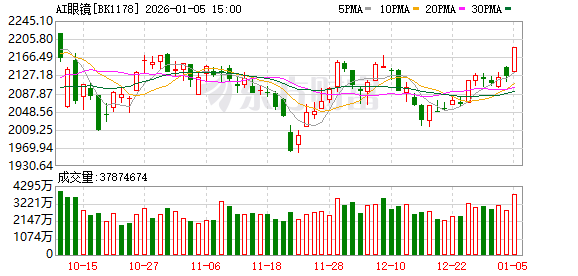
Group 1 - The 2026 International Consumer Electronics Show (CES 2026) will take place in Las Vegas from January 6 to 9, featuring 207 Chinese companies with a net exhibition area exceeding 4,900 square meters [2] - Over 120 small and medium-sized tech companies focusing on artificial intelligence, smart wearables, and smart home technologies will showcase their innovations alongside leading enterprises [4] - Several A-share listed companies are set to unveil cutting-edge products and technologies, highlighting the innovative vitality of China's tech industry [5] Group 2 - Tianjian Co. will present its latest AI and AR glasses at CES 2026, building on its previous technology developments in AI headphones [5] - Weichang Technology will showcase Ollobot, an exploratory product combining audio-video technology and AI interaction capabilities, with specific functionalities to be revealed at the event [5] - Ninebot will launch a new multi-scenario lawn mowing robot, expanding its product matrix and enhancing its distribution channels in North America [5] Group 3 - Companies like Rockchip and Goertek will have exhibition spaces, with Rockchip planning to launch its next-generation flagship chips in 2026, anticipating rapid growth in edge AI applications [6] - Linying Intelligent Manufacturing will present its full-stack robotics technology matrix, aiming to become a top global manufacturer of embodied intelligent hardware [6] - Lens Technology will showcase a comprehensive AI hardware ecosystem, covering various applications from embodied intelligence to AI data centers [6] Group 4 - AI wearable devices, particularly glasses, watches, and headphones, are expected to be a central focus of CES 2026, with themes like "Artificial Intelligence and Robotics" and "Wearable Devices" featured in keynote speeches [7] - Huatai Securities predicts a shift in CES's core theme from traditional consumer electronics to AI-centered systemic technological transformations, marking the event as a key observation window for AI applications [11] - Companies such as Rokid and XREAL are confirmed to participate, with Rokid's AI glasses recognized for their role in assistive technology for the disabled [11][12]

狂欢下的三大AI赛道:资本飞奔,商业慢行
虎嗅APP· 2026-01-05 00:11
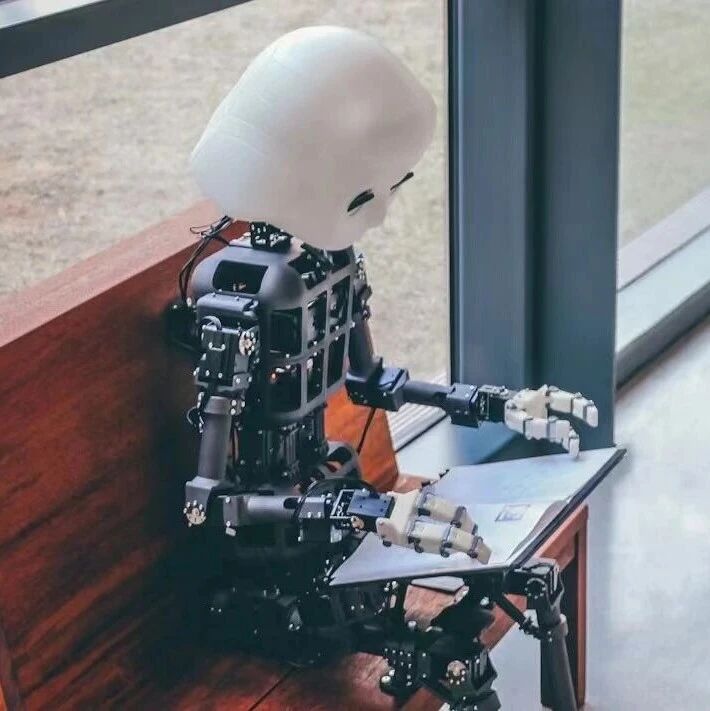
Core Viewpoint - The article discusses the evolving landscape of AI hardware and embodied intelligence, highlighting the rapid commercialization and investment trends in these sectors, while also addressing the challenges and competitive dynamics faced by startups and established players in the market [4][6][30]. AI Hardware Industry - The concept of "AI hardware" has rapidly converged to include consumer electronics products that leverage model inference capabilities, such as AI glasses and AI toys, moving away from more speculative product ideas [4][5]. - The domestic AI hardware industry benefits from a mature supply chain, allowing entrepreneurs to effectively "recreate" consumer electronics, which has led to a unified approach among industry players [5][6]. - Despite the enthusiasm in the capital market for AI hardware, there is a notable absence of standout products that can validate the industry's direction [6][10]. - The AI glasses segment has seen significant growth, with shipments increasing from 1.3 million units in 2024 to 2.9 million units in 2025, reflecting over 120% year-on-year growth [16][17]. Embodied Intelligence Sector - The embodied intelligence sector has experienced a surge in valuations, with many companies reaching valuations in the tens to hundreds of billions, driven by a robust domestic supply chain and strong market demand [8][24]. - However, there is a disconnect between the high valuations and actual order disclosures, with many companies opting not to reveal specific order quantities or amounts [25]. - The primary application of humanoid robots has been in research settings rather than commercial production, which raises concerns about the sustainability of this business model [26][27]. - The emergence of robot rental services is a notable trend, with the market expected to grow from 1 billion to 10 billion in the coming year, indicating a shift in how humanoid robots are utilized [27]. AI Chip Industry - The domestic AI chip industry is experiencing a significant breakthrough, with the penetration rate of domestic chips rising from 8% to 23% in the past year, driven by government policies and the establishment of over 250 intelligent computing centers [32][33]. - Despite the growth, there are concerns about the global shift away from GPU-centric architectures towards more efficient alternatives like TPU and reconfigurable architectures, which may challenge the current dominance of domestic AI chips [34][36]. - The year 2026 is anticipated to be a pivotal moment for the domestic AI chip industry, as companies will need to compete on energy efficiency and performance against international brands [37].


CES 2026前瞻:英伟达或重塑物理AI,中美韩机器人齐“秀肌肉”
美股研究社· 2026-01-04 11:22
Core Viewpoint - The 2026 Consumer Electronics Show (CES) is anticipated to showcase significant advancements in technology, particularly in AI, robotics, and consumer electronics, with a focus on cost reduction and efficiency improvements [7][10]. Group 1: Chip Industry Strategies - NVIDIA is shifting its focus away from traditional consumer graphics cards, emphasizing "Physical AI" to extend AI computing capabilities into robotics and industrial applications, with potential delays in the RTX 50 Super series due to high GDDR7 memory prices [8][14]. - AMD is adopting a steady upgrade strategy, planning to launch the Ryzen 9000 series for desktops and Ryzen AI 400 series for mobile devices, targeting workstation users with advanced features [14]. - Intel is set to release the Core Ultra Series 3, which includes approximately 14 SKUs, with the flagship model featuring 16 cores and a maximum frequency of 5.1GHz, aiming to regain market confidence in its advanced manufacturing capabilities [14]. Group 2: Robotics and AI Developments - 2026 is seen as a pivotal year for humanoid robots, with a focus on practical applications and real-world testing [10]. - The competition among countries in robotics is intensifying, with China focusing on cost control and mass production, while the U.S. showcases technological benchmarks through companies like Boston Dynamics [15]. - South Korea is forming alliances to enhance its robotics capabilities, exemplified by the "K-Humanoid" alliance led by Rainbow Robotics, showcasing industrial-grade humanoid robots [15]. Group 3: XR and Consumer Electronics - The XR market is currently in a digestion phase following the release of Apple Vision Pro, with CES 2026 expected to mark the beginning of a counterattack from the Android camp [12]. - Samsung is debuting the Galaxy XR glasses, which integrate advanced AI features and aim to compete with Apple's ecosystem [16]. - Chinese companies are leading the trend of lightweight AI glasses, with products like the Quark AI Glasses S1 and Rokid Glasses focusing on practical applications such as real-time translation and AR navigation [16]. Group 4: Automotive Industry Innovations - The automotive sector is transitioning from "software-defined" to "AI-defined," with a competitive arms race in chip technology [13][21]. - Companies like Geely and Great Wall are showcasing innovations in vehicle architecture, while BMW is presenting its iX3 based on the Neue Klasse architecture, integrating advanced technologies [21]. Group 5: Display and Hardware Innovations - Lenovo is introducing innovative hardware solutions, including AI-driven automatic rotating screens and rollable laptops, addressing the balance between large displays and portability [22]. - Display technology advancements are highlighted by TCL and Hisense, focusing on Mini-LED technology and AI image processing capabilities to enhance picture quality [22].
AI浪潮下,支付催生新消费场景
Mei Ri Shang Bao· 2026-01-04 00:52
Core Insights - The rapid evolution of AI technology is significantly transforming the payment landscape, moving from cash payments to various advanced methods like "tap" and "AI payment" [1][2][3] Group 1: Payment Innovations - The introduction of "AI payment" by Alipay in September 2025 marks a significant milestone, enabling seamless ordering and payment through voice commands [2] - Meituan's AI Agent product "Xiao Mei" integrates AI payment with local services, attracting a large user base [2] - Rokid's smart glasses extend "AI payment" capabilities, allowing users to complete orders through voice commands while on the move [2] Group 2: Consumer Experience - In Hangzhou, the "tap" payment method has become ubiquitous, simplifying transactions across various locations, including convenience stores and street vendors [3] - The integration of "AI payment" enhances consumer experiences, allowing users to place orders without needing to interact with their phones [3] - The evolution of payment methods is shifting towards a more "invisible" experience, redefining the relationship between consumers and spending [3][4] Group 3: Future Outlook - "AI payment" is seen as a starting point for the industry's intelligent transformation, promoting smarter and more efficient consumer interactions [4] - The ongoing technological advancements and ecosystem improvements suggest that payments will evolve into a smart hub connecting people and goods, heralding a new era of consumption [4]
“百镜大战”2025年全面打响 AI眼镜距离“随身终端”还有多远?
Shen Zhen Shang Bao· 2026-01-01 21:54
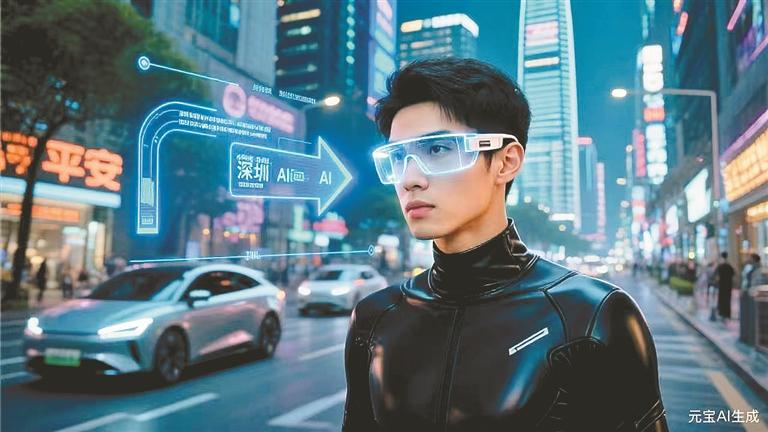
Core Insights - The article discusses the rising trend of AI glasses, which are expected to become a significant consumer product by 2026, transitioning from concept to practical demand in 2025 [2][3] - The competition in the AI glasses market, referred to as the "Hundred Glasses War," involves major tech companies and startups, indicating a robust ecosystem development [2][9] Industry Overview - The AI glasses market is experiencing rapid growth, with a 110% year-on-year increase in global shipments in the first half of 2025 [5] - Major players include tech giants like Meta, Samsung, Xiaomi, and Alibaba, as well as specialized XR companies, all launching various AI glasses products [3][4] Technological Advancements - Significant improvements in display technology are noted, with many AI glasses featuring high-resolution and high-refresh-rate displays to enhance user experience [6] - Innovations in interaction methods, such as Meta's "Neural Band" for gesture control and various voice and touch interfaces, are transforming user engagement [7] Market Dynamics - The demand for AI glasses is driven by advancements in AI capabilities and consumer needs for hands-free information access, including real-time translation and health monitoring [4][10] - The competitive landscape is not only about hardware but also about creating a cohesive ecosystem that integrates AI glasses with other devices and services [9][10] User Experience - Comfort and weight are critical factors for user acceptance, with many companies striving to make their products lightweight and comfortable to wear [7][8] - The core positioning of AI glasses is as a "wearable service entry point," which directly influences user adoption [8] Ecosystem Development - The integration of AI glasses with various services, such as navigation and payment systems, is essential for creating a seamless user experience [10][11] - Establishing standardized communication protocols and security measures is crucial for ensuring interoperability and data safety within the AI glasses ecosystem [9]




2025 年度全球XR行业十大重磅事件
Xin Lang Cai Jing· 2025-12-31 16:03
Core Insights - 2025 is identified as a milestone year for the XR industry, marking significant advancements in technology and product development [1][3][33] - The year is characterized by a chemical reaction between "spatial computing" and "AI glasses," leading to transformative changes in the industry [3][35] Group 1: Major Events in XR Industry - Rokid's AI glasses gained significant media attention in February 2025, with over 1 billion views on Douyin, enhancing brand visibility and attracting investors [6][36][38] - The launch of RayNeo X3 Pro AR glasses in May 2025 showcased advanced Micro-LED technology, achieving a 50% improvement in light efficiency and peak brightness of 6000 nits [7][39][41] - Google re-entered the XR space in 2025, unveiling the Android XR ecosystem and collaborating with Samsung and XREAL on new XR devices [9][42][46] Group 2: Product Launches and Innovations - Xiaomi introduced its first AI shooting glasses in June 2025, featuring a 12MP camera and various color options, marking a significant entry of traditional smartphone manufacturers into the AI glasses market [10][46][48] - Meta invested $3.5 billion in EssilorLuxottica in July 2025, acquiring nearly 3% of the company, and has plans to increase its stake [11][49][50] - Vivo launched its first MR spatial computing device, Vivo Vision, in August 2025, emphasizing its role in the development of robotics and human-computer interaction [12][52] Group 3: Technological Advancements - Meta Ray-Ban Display was released in September 2025, featuring a display optical scheme with a resolution of 600x600 pixels and peak brightness of 5000 nits [13][52][53] - Apple launched the M5 chip version of Apple Vision Pro in October 2025, enhancing processing power by nearly 50% and supporting a 120Hz refresh rate [14][56][58] - ByteDance announced plans for a new high-end MR headset to be released in 2026, focusing on self-developed chips to address latency and distortion issues [15][60] Group 4: New Entrants and Market Dynamics - Alibaba entered the AI glasses market in November 2025 with the launch of Quark AI glasses, integrating various AI functionalities and marking its strategic move into the physical world [16][61][63]



2025年创投风口盘点:硬科技时代,更考验资本的耐心
Xin Lang Cai Jing· 2025-12-30 06:40
Core Insights - The Chinese venture capital market is expected to see a significant recovery in 2025, with a projected 30.33% year-on-year increase in investment events and a 31.54% rise in investment scale, reaching approximately 11,930 billion RMB [1][2] - Key trends in the venture capital space include a focus on hard technology, particularly in sectors like semiconductors, embodied intelligence, AI agents, AI glasses, AI toys, 3D printing, short dramas, and commercial aerospace [1][3][21] Venture Capital Market Overview - In 2025, the number of newly established funds in China reached approximately 4,871, marking a 16.73% increase year-on-year [1] - The overall investment events in the VC/PE market totaled around 10,007, indicating a robust recovery from previous years [1] Semiconductor Industry - The semiconductor sector emerged as the hottest financing industry in 2025, with around 1,419 financing events and a total financing scale exceeding 18.5 billion RMB [3] - Over 20 chip-related companies went public in 2025, raising over 4.5 billion RMB, with notable IPOs like Moore Threads seeing stock price surges of over 460% on debut [3][4] - China is projected to remain the largest market for semiconductor equipment investment, with an estimated expenditure of about 38 billion USD (approximately 270 billion RMB) in 2025 [4] Embodied Intelligence - The embodied intelligence sector gained traction in 2025, particularly after a notable performance by Yushu Technology at the Spring Festival Gala, which drew significant public attention [5][6] - The domestic robotics industry saw a doubling of financing events in the first three quarters of 2025, totaling around 50 billion RMB, with leading companies experiencing substantial valuation increases [6] AI Agents - AI agents became a primary trend in seed-stage investments in 2025, with total funding reaching approximately 700 million USD by mid-year [7][8] - Vertical AI agents in fields like programming, design, and finance attracted significant investor interest, with companies like Genspark AI raising 375 million USD [8][9] AI Glasses - AI glasses emerged as a potential next-generation smart hardware product, with a focus on seamless interaction and real-time assistance [10][12] - The global smart glasses market is expected to see a shipment volume of 4.065 million units in the first half of 2025, reflecting a 64.2% year-on-year growth [12] AI Toys - The AI toy sector saw at least 19 financing events in 2025, with significant investments from major venture capital firms [13][14] - Companies like Havivi and Luobo Intelligent achieved notable sales milestones, indicating strong market demand for AI toys [13] 3D Printing - The 3D printing industry experienced a resurgence in 2025, with around 100 financing events and a total investment of approximately 8.4 billion RMB [16][17] - Major companies in the sector reported substantial revenue growth, with some achieving over 100 billion RMB in revenue [16] Short Dramas - The short drama sector matured in 2025, with significant participation from major platforms and a reported market size exceeding 63.4 billion RMB [18][20] - The industry saw a fourfold increase in micro-short drama productions, indicating a growing acceptance among audiences [18] Commercial Aerospace - The commercial aerospace sector reached a financing total of 18.6 billion RMB in 2025, marking a 32% year-on-year increase [21][22] - The successful launch of reusable rockets and supportive government policies contributed to the sector's growth and investor interest [21][22]
定价才是AI眼镜的核心科技
3 6 Ke· 2025-12-29 03:56
Core Insights - The article discusses the emerging market for AI glasses, highlighting the uncertainty consumers face when considering a purchase in the price range of 2000 to 4000 yuan, while also noting a shift in mindset from skepticism to curiosity about the potential benefits of owning such technology [1][2]. Group 1: Consumer Perspectives - Consumers are primarily interested in the practical functionalities that AI glasses can offer, such as discreet multi-tasking capabilities [2][3]. - Users have reported various applications for AI glasses, including reading long texts without drawing attention and enhancing navigation experiences while cycling [4][5]. - The ability to capture moments seamlessly and the efficiency of using AI glasses over handheld devices are emphasized as significant advantages [6]. Group 2: Market Dynamics - The AI glasses market is characterized by intense competition, with major players like Xiaomi, Baidu, and Quark entering the space, leading to a "hundred glasses battle" scenario [10][11]. - Differentiation among products is crucial, with some glasses integrating deeply with existing digital ecosystems, such as Quark's integration with Alipay for payment functionalities [12][15]. - Pricing strategies reflect the technological capabilities and supply chain quality, with three main price tiers identified: below 2000 yuan for audio glasses, 2000-3000 yuan for display glasses, and above 3000 yuan for AR immersive glasses [20][22]. Group 3: Technological Integration - The integration of advanced technologies and supply chain management is vital for the success of AI glasses, with companies like Quark leading in this area by collaborating with established optical firms to enhance product quality [22][23]. - The article suggests that consumers are willing to pay a premium for better technology integration and quality control, indicating a market still in its infancy with significant growth potential [23][24]. Group 4: Future Outlook - The AI glasses market is currently small, with less than 300 million units shipped compared to 2.5 billion smartphones in the same period, suggesting room for growth as consumer habits evolve [23][25]. - The purchase of AI glasses is framed as an investment in future lifestyle changes, positioning them as a new technological option rather than a necessity [26][27].

用搭载GPT-5.2的眼镜做题,是一种什么体验?
Guan Cha Zhe Wang· 2025-12-27 05:21
Core Insights - The experiment conducted by Hong Kong University of Science and Technology demonstrated that the Rokid smart glasses equipped with OpenAI's GPT-5.2 model scored 92.5 out of 100 in a final exam, which is lower than the highest student score of 97.5 but significantly higher than the class average of 72 [1][2][3]. Technical Performance - The GPT-5.2 model showed strong understanding and application of specialized knowledge, scoring full marks on multiple-choice and single-page questions, but struggled with cross-page questions, indicating limitations in maintaining coherent understanding across different contexts [4][5]. - The model's performance highlighted its inability to effectively integrate information dispersed across multiple pages, revealing a core limitation in current AI systems regarding global cognition and working memory [4][5]. Educational Assessment Challenges - The experiment prompted discussions in the education sector about the need to rethink assessment methods, as AI tools challenge the traditional assumption that students independently apply knowledge [7]. - Experts suggest that educational evaluation should shift focus from knowledge reproduction to problem definition, innovative solution design, and the ability to collaborate with AI tools [7][8]. Ethical and Equity Considerations - The proliferation of AI-assisted learning tools raises concerns about educational equity, as access to quality AI resources may initially benefit well-resourced schools and students, potentially widening the educational gap [9]. - Institutions are revising academic integrity policies to clarify the acceptable use of AI, emphasizing that AI should serve as an auxiliary tool rather than a means for academic dishonesty [9][11]. Regulatory and Policy Recommendations - The research team advocates for immediate action from educators and policymakers to establish reasonable regulatory frameworks that ensure technology serves ethical purposes [11]. - The goal is to balance technological advancement with moral considerations, ensuring that educational technology fosters innovation while maintaining academic integrity [11].

用搭载GPT-5.2的AI眼镜做题,是一种什么体验?
Guan Cha Zhe Wang· 2025-12-27 05:20
Core Insights - The experiment conducted by Hong Kong University of Science and Technology demonstrated that the Rokid smart glasses equipped with OpenAI's GPT-5.2 model scored 92.5 out of 100 in a computer networking exam, outperforming the class average of 72 but falling short of the highest student score of 97.5 [1][2] Group 1: Technical Performance - The GPT-5.2 model showed strong understanding and application of specialized knowledge, but it did not achieve a perfect score, primarily losing points on questions requiring information integration across multiple pages [3][4] - The model scored 29 out of 29 on multiple-choice questions, 18 out of 18 on single-page answers, and 45.5 out of a possible score for cross-page answers, highlighting its limitations in maintaining coherent understanding and reasoning across different contexts [4][3] - The experiment revealed that AI systems struggle with tasks requiring long-term dependencies and multi-step reasoning, indicating a need for improvements in memory modules and document understanding architectures [3][4] Group 2: Educational Assessment Reformation - The experiment has sparked discussions in the education sector regarding the need to rethink assessment methods, as AI tools challenge the traditional assumption that students independently apply knowledge [6][7] - Experts suggest shifting assessment focus from knowledge reproduction to problem definition and innovative solution design, emphasizing the learning process over final answers [7][8] - There is a call to cultivate human-AI collaboration skills and design assessments that integrate knowledge from multiple disciplines [8][7] Group 3: Ethical and Equity Considerations - The proliferation of AI-assisted learning tools raises concerns about educational equity, as high-quality AI resources may primarily benefit well-resourced schools and students, potentially widening educational gaps [8][9] - Academic integrity frameworks are also under review, with institutions like Tsinghua University establishing guidelines for the appropriate use of AI in academic settings [9][11] - The research team emphasizes the need for immediate action from educators and policymakers to create regulatory mechanisms that ensure technology serves educational purposes ethically and effectively [11][9]
