欣旺达

Search documents
欣旺达第100万颗684Ah叠片电芯顺利下线!
中关村储能产业技术联盟· 2025-12-24 23:49
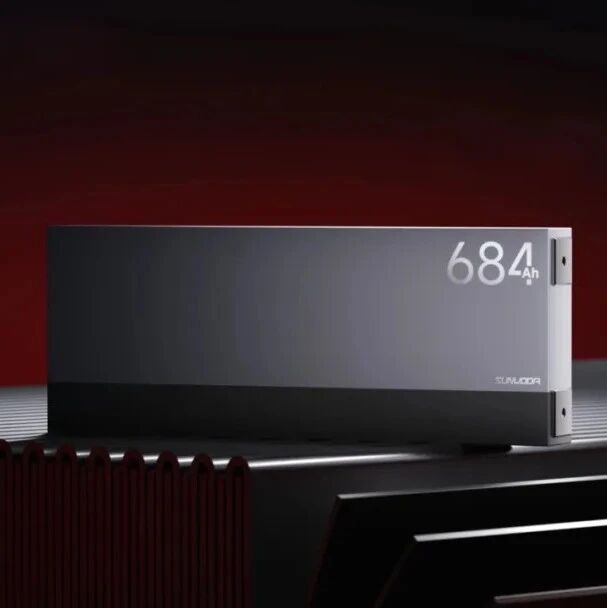
Core Viewpoint - The successful production of the 1 millionth 684Ah stacked cell by XINWANDA marks a significant milestone in the large-capacity energy storage cell manufacturing, demonstrating the company's leading advantages in technology and production capabilities [2][4]. Group 1: Production Milestone - On February 23, XINWANDA achieved the production of its 1 millionth 684Ah stacked cell, just three months after starting mass production on September 6 [2]. - This milestone indicates that large-capacity stacked cells have entered a stable and mature stage of mass manufacturing [2]. Group 2: Technological and Manufacturing Advantages - XINWANDA's success is attributed to its forward-looking layout and continuous investment in the stacking process, which has established a complete manufacturing system from product design to mass production [4]. - The company has achieved improvements in consistency, reliability, and efficiency, ensuring stable delivery of large-capacity energy storage cells [4]. Group 3: Industry Impact - The successful launch of the 1 millionth 684Ah stacked cell strengthens XINWANDA's core competitiveness in the energy storage cell sector and lays the foundation for large-scale applications and long-term partnerships in the global energy storage market [4]. - This achievement validates the industrialization path of the stacking process in large-capacity energy storage cells, promoting advancements in energy storage systems towards higher safety, efficiency, and overall lifecycle value [4].


FINE2026 新材料科技创新与成果展,火热招展中!6月10-12日 上海
DT新材料· 2025-12-24 16:04
2026未来产业新材料博览会 中国未来产业崛起引领全球新材料创新发展 2026年6月10-12日 上海新国际博览中心 2026未来产业新材料博览会(上海) (Future Industries New Materials Expo 2026,简称" FINE 2026 "),由 「 DT新材料 」 主办的 第十届国际碳材料产业博览 会 (Carbontech 2026)、 第七届热管理产业博览会 (iTherM 2026)和 新材料科技创新博览会 (AMTE 2026)三大展重磅升级而来,旨在打造一个以未来产业终端为 引领、立足国际视野的新材料领域标盛会。 FINE 2026 , 以 50,000平 展区 与 超过 300场 战 略与前沿科技报告,全景呈现应用于人工智能、智算/数据中心、具身智能、低空经济、航空航天、智能汽车、 AI消费电子、量子科技、6G、脑机接口、新能源、生物制造等产业的热门创新成果, 并重点聚焦 未来产业五大共性需求(先进半导体、先进电池、轻量化、 低碳可持续、热管理) , 呈现从终端、部件、材料、技术装备到前沿科技的全链条创新,打造一站式交流、合作与采购平台。 展会将推动科技成果转化, ...
欣旺达:与匈牙利电池联盟深度对话 共探电池护照与可持续发展合作新路径
Zhong Guo Qi Che Bao Wang· 2025-12-24 10:59
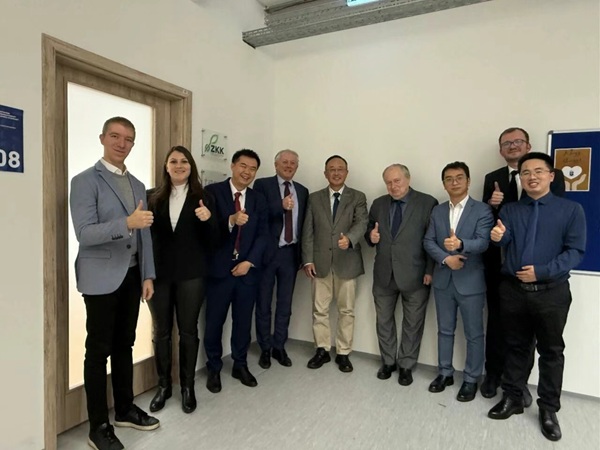
Group 1 - The core discussion focused on the implementation of battery passports and sustainable development in the battery industry, establishing a cooperative bridge between China and Central Europe [1][3] - Liang Rui shared insights on the latest developments in the global and Chinese battery industry, including breakthroughs in solid-state batteries and ultra-fast charging technologies, as well as the consensus reached at the Global Battery Alliance (GBA) 2025 annual conference [3] - The company has made significant progress in sustainable development, including the promotion of green electricity and energy-saving projects, and has developed a battery passport platform that manages the entire lifecycle and carbon footprint [3] Group 2 - HUBA, as a key organization for the development of Hungary's local battery industry, expressed strong willingness to collaborate and recognized the company's advanced experience in battery digital compliance and GBA pilot operations [3][4] - Both parties agreed to establish a regular communication mechanism for the implementation of EU battery regulations and precise carbon footprint accounting, enhancing information exchange and experience sharing [3][4] - The dialogue addressed the strategic value of new energy storage industries amid global energy structure adjustments, with a focus on expanding hydrogen storage technology applications and improving safety regulations [4]
“充电像加油”还有多远?超快充技术狂奔,安全标准体系亟待升级
Zhong Guo Neng Yuan Wang· 2025-12-24 09:29
Core Insights - The competition in the new energy vehicle charging market is intensifying, driven by the dual forces of technological maturity and rising demand for ultra-fast charging solutions [1] Group 1: New Products and Solutions - Ultra-fast charging technology is becoming a key direction in the evolution of charging technologies, with major domestic and international automakers and battery manufacturers increasing their investments and innovations in this area [2] - Li Auto plans to mass-produce its self-developed 5C battery, enhancing safety and user experience [2] - Chunan New Energy launched the "Zufeng" 6C fast-charging battery, achieving a continuous 6C charging rate and a range of over 1000 kilometers [2] - A new commercial vehicle ultra-fast charging battery, Gen2, was released by Xinwanda, following the introduction of a large-capacity battery for heavy trucks [2] - Huawei introduced a liquid-cooled megawatt fast charging solution with a peak power of 1.5 megawatts, capable of charging 20 kWh per minute [2] Group 2: Infrastructure Development - The surge in private car ownership is accelerating the deployment of ultra-fast charging stations in residential and commercial areas, while the electrification of logistics heavy trucks is driving the construction of high-power DC charging equipment [3] Group 3: Safety Standards and Challenges - Achieving fast charging performance requires a multi-dimensional optimization of vehicles, batteries, charging equipment, thermal management, and costs, presenting certain technical challenges [4] - The new national standard for electric vehicle batteries, effective from July 2026, includes safety tests for fast charging cycles, requiring batteries to pass external short-circuit tests after 300 fast charging cycles [4] - The development of new anode materials, such as silicon-based and hard carbon, is necessary to meet the higher safety requirements posed by ultra-fast charging [5] Group 4: Ecosystem Construction - The development of ultra-fast charging technology is entering a "fast lane," with applications expanding beyond passenger vehicles to commercial vehicles and emerging eVTOL markets [6] - A more complete and efficient ultra-fast charging ecosystem is crucial for the speed and quality of industry development, necessitating collaboration among battery, vehicle, and charging infrastructure sectors [6] - There is a need for unified charging standards and communication protocols to enhance compatibility between charging stations and batteries, facilitating user convenience [6] Group 5: Regional Infrastructure Gaps - Coverage of charging infrastructure in third- and fourth-tier cities and rural areas remains insufficient, with a need for improved ratios of fast and ultra-fast charging stations [7] - The existing charging network is lagging in adapting to vehicle evolution, indicating a need for policy support to encourage the construction of high-quality charging stations in rural areas and ultra-fast networks for logistics heavy trucks [7]

透视磷酸铁锂涨价:成本倒逼与价值回归
Zhong Guo Qi Che Bao Wang· 2025-12-24 08:35
Core Viewpoint - The recent price increase in lithium iron phosphate (LFP) processing fees by leading companies is a response to rising raw material costs and market supply constraints, signaling a significant shift in the electric vehicle (EV) supply chain [2][3][4]. Price Adjustments - LFP processing fees are set to increase by 3,000 yuan/ton (excluding tax) starting January 1, 2026, as announced by companies like Hunan YN and Andar Technology, driven by supply-demand imbalances and rising raw material costs [3][4]. - The price increase is expected to range from 5% to 10%, depending on negotiations with downstream customers [4]. Market Dynamics - The LFP industry has faced a prolonged price decline since 2022, leading to significant profit pressures and calls for a reduction in "involution" competition [3][6]. - The average market price for LFP has risen from 31,800 yuan/ton in June to 41,200 yuan/ton recently, indicating a recovery trend [6]. Industry Position - LFP has become a critical material in the global EV supply chain, with a market share of 81.5% in the power battery sector and a 99.9% penetration rate in the energy storage market [5]. - Chinese companies dominate the global LFP market, holding approximately 95% of the market share as of mid-2025 [5]. Financial Challenges - The LFP industry has been plagued by long-term losses, with major companies collectively losing over 10.9 billion yuan from 2023 to Q3 2025 [7]. - The average cost of LFP production is estimated to be between 15,714.8 and 16,439.3 yuan/ton, while the average selling price has been around 14,200 yuan/ton, indicating a persistent loss situation [7][10]. Strategic Initiatives - The China Chemical and Physical Power Industry Association has proposed three initiatives to address industry challenges: rebuilding market pricing logic based on cost indices, promoting innovation, and establishing a balanced supply-demand ecosystem [10]. - Companies are encouraged to optimize their cost structures and enhance R&D investments to maintain competitiveness in the evolving market landscape [11]. Future Outlook - The anticipated price increase in LFP is viewed as a necessary correction after a prolonged period of suppressed prices, with expectations of continued demand growth in both the EV and energy storage sectors [8][12]. - The industry is expected to shift from a focus on scale to value creation, emphasizing the importance of core technology and stable supply chains for future competitiveness [15].

动力电池和储能电池需求旺盛,锂电材料价格回升 | 投研报告
Zhong Guo Neng Yuan Wang· 2025-12-24 02:04
Core Viewpoint - The lithium battery industry is experiencing significant growth in production and demand, with notable increases in both battery and phosphoric iron lithium cathode material output in November 2025 compared to the same period in 2024 [1][2]. Production - In November 2025, domestic battery production reached 176.3 GWh, marking a year-on-year increase of 49.66% and a month-on-month increase of 3.34% [1][2]. - The production of phosphoric iron lithium cathode materials in November 2025 was 26.89 million tons, reflecting a year-on-year growth of 29.43% and a month-on-month growth of 0.75%, with a capacity utilization rate of 62.53% [1][2]. Pricing - The price of industrial-grade lithium carbonate rose to 101,000 yuan per ton as of December 19, 2025, with a weekly increase of 7.44% [3]. - The price of phosphoric iron lithium (power type) remained stable at 39,100 yuan per ton as of December 19, 2025 [3]. - The average price of square phosphoric iron lithium energy storage cells remained stable, with prices reported at 0.385, 0.310, and 0.310 yuan/Wh for different capacities [3]. Demand - In November 2025, the monthly shipment of phosphoric iron lithium batteries reached 75.3 GWh, a year-on-year increase of 43.62% and a month-on-month increase of 11.56%, setting a new high for the year [4]. - The monthly shipment of ternary power batteries was 18.2 GWh, showing a year-on-year increase of 33.82% and a month-on-month increase of 10.30% [4]. - The export volume of Chinese power batteries in November 2025 was 21.2 GWh, a year-on-year increase of 69.60% and a month-on-month increase of 9.28% [4]. Investment Recommendations - The company suggests focusing on core enterprises in the battery sector that are leading in both domestic and overseas markets, particularly those with a collaborative layout in power batteries and energy storage [5]. - Companies to watch include CATL (300750.SZ), Yiwei Lithium Energy (300014.SZ), and others involved in lithium battery materials [5].





锂电2025:从深度回调到迅速复苏
Shang Hai Zheng Quan Bao· 2025-12-23 19:06
Core Viewpoint - The lithium battery industry is experiencing a significant recovery in 2025, driven by unexpected growth in global energy storage demand and a mismatch between actual production capacity and planned capacity in China [2][3]. Group 1: Industry Recovery - The year 2025 is identified as a "value return year" for the energy storage industry, with companies like Ruipu Lanjun reporting full production capacity and orders extending into the first quarter of 2026 [3]. - Major lithium battery companies, including XINWANDA and YIWAI Lithium Energy, are experiencing "full production and sales," indicating a strong demand for energy storage batteries [3]. - The total shipment of lithium batteries in China for the first three quarters of 2025 reached 430 GWh, exceeding the total for 2024 by 30% [3]. Group 2: Supply Chain Dynamics - The price of lithium battery materials, particularly lithium hexafluorophosphate, has surged over 240% from its low point earlier in the year, affecting various components in the supply chain [4]. - There is a growing trend of long-term contracts in the lithium battery supply chain, with companies securing large procurement agreements to ensure supply chain stability [4]. - The tightening of lithium mining approvals has led to a significant increase in lithium carbonate prices, with futures contracts surpassing 120,000 yuan/ton [4][8]. Group 3: Industry Transformation - The lithium battery industry is transitioning from a reliance on "price for volume" to a focus on technological innovation and high-quality development [5]. - The concept of "anti-involution" is becoming a key theme in the lithium battery sector, reflecting a broader trend in Chinese manufacturing towards quality and efficiency over mere scale [6]. - The net profit margin for battery companies remains low, with a median of 2.78% for 105 listed companies in the sector, indicating ongoing challenges despite the recovery [7]. Group 4: Solid-State Battery Development - Solid-state batteries are gaining attention as the next generation of battery technology, with significant investments and production capacity planned [9]. - The industry is moving towards a more organized competitive landscape, with breakthroughs in standardization and collaboration across the supply chain [10]. - The commercialization timeline for solid-state batteries is projected to accelerate, with expectations for large-scale applications between 2028 and 2030 [10][11]. Group 5: Future Outlook - The lithium battery industry is expected to face new growth challenges, with ongoing efforts to address internal competition and enhance supply chain security [11]. - The central economic work conference has highlighted the need for a unified national market and further measures to combat "involution," which may improve profit margins in the lithium battery sector [11]. - The future of the lithium battery industry is tied to new technologies and applications, with significant opportunities arising from the global transition to low-carbon energy and increased demand for energy storage solutions [11].


扛起“东拓”主阵地担当 “零碳智谷”引领产城融合新实践
Qi Lu Wan Bao· 2025-12-23 13:41
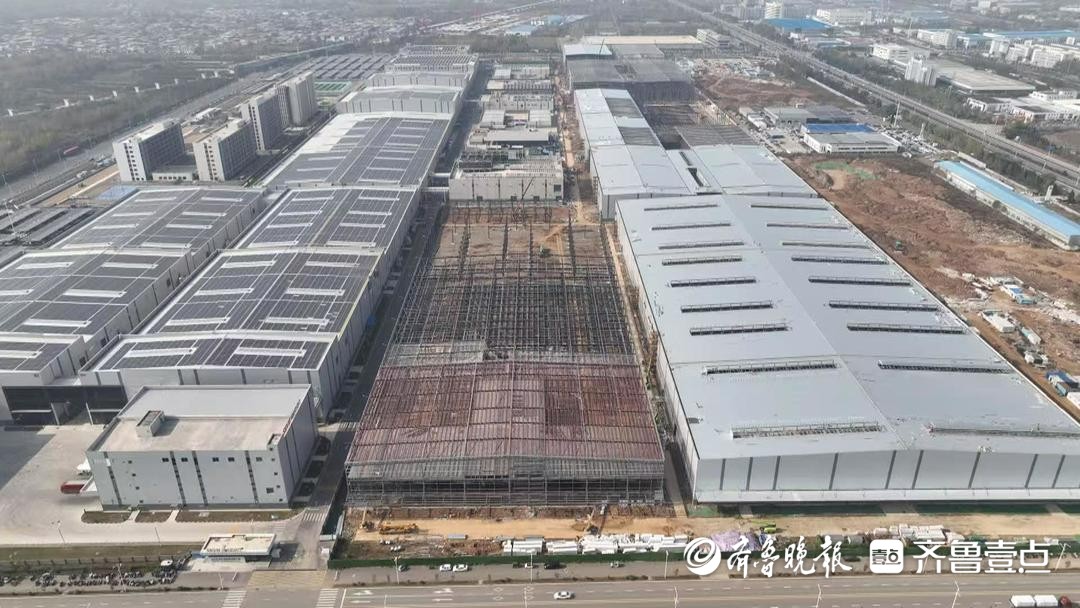
Group 1 - The core initiative "East Expansion" aims to transform the urban development of Zaozhuang from a scattered to a concentrated model, focusing on industrial upgrading, transportation interconnectivity, and functional restructuring [1][5] - The "Zero Carbon Smart Valley" integrated development demonstration zone is being established, featuring leading lithium battery companies such as Xinwanda and Keda Li, creating a comprehensive ecosystem for the new energy battery industry [3][5] - The area has received approval for a control plan, with a 5.7 square kilometer zero-carbon demonstration park recognized as one of the first in the province, highlighting the commitment to low-carbon development [3] Group 2 - The planning adjustments under "East Expansion" provide more space for regional development, aiming to integrate industrial, commercial, and high-quality living areas, breaking traditional separations between industrial and urban functions [5] - A future industry development promotion center is planned to enhance service functions within the park, focusing on business offices, R&D incubation, and pilot transformation, set to start construction in March next year [7] - The center aims to attract high-quality enterprises and innovative teams, thereby enhancing the functionality of the "Zero Carbon Smart Valley" and injecting sustained momentum into the "East Expansion" initiative [7]
全球新材料风向标!2026 FINE 展:中国未来产业崛起,定义下一个十年创新赛道
AMI埃米空间· 2025-12-23 12:47
Core Viewpoint - The 2026 Future Industries New Materials Expo (FINE 2026) aims to showcase innovations in new materials that are crucial for the transformation of high-tech industries and to facilitate collaboration and resource integration within the sector [4][8]. Group 1: Event Overview - FINE 2026 will take place from June 10 to June 12, 2026, at the Shanghai New International Expo Center, featuring over 50,000 square meters of exhibition space and more than 300 strategic and cutting-edge technology reports [10][11]. - The expo is a significant upgrade from previous events, including the 10th International Carbon Materials Industry Expo and the 7th Thermal Management Industry Expo, focusing on the future industry's common needs such as advanced semiconductors, advanced batteries, lightweight materials, low-carbon sustainability, and thermal management [7][8]. Group 2: Market Opportunities - The rapid growth of industries like new energy vehicles, photovoltaics, wind power, and lithium batteries presents substantial market opportunities for new materials [14]. - The Chinese government has identified key areas for breakthrough in its 14th Five-Year Plan, including embodied intelligence, 6G, quantum technology, and hydrogen energy, which are expected to drive demand for innovative materials [14]. Group 3: Exhibition Highlights - FINE 2026 will feature six specialized thematic exhibition areas, including advanced semiconductors, advanced batteries, lightweight materials, thermal management technologies, new materials technology innovation, and future industry innovation enterprises [18][21]. - The event is expected to attract over 100,000 professional visitors and will include 30+ forums with more than 300 renowned experts and scholars sharing insights on technology trends and investment strategies [24][34]. Group 4: Networking and Collaboration - The expo will facilitate the transformation of scientific achievements and help enterprises connect with industry funds, government parks, and project resources, thereby accelerating innovation in the new materials sector [8][34]. - FINE 2026 aims to invite over 5,000 end-users and quality investment institutions for direct order and cooperation discussions, enhancing opportunities for startups [17][34].

11月动力电池装车3.6GWh:宁王稳坐龙头,这些企业增速“狂飙”!
Xin Lang Cai Jing· 2025-12-23 12:09
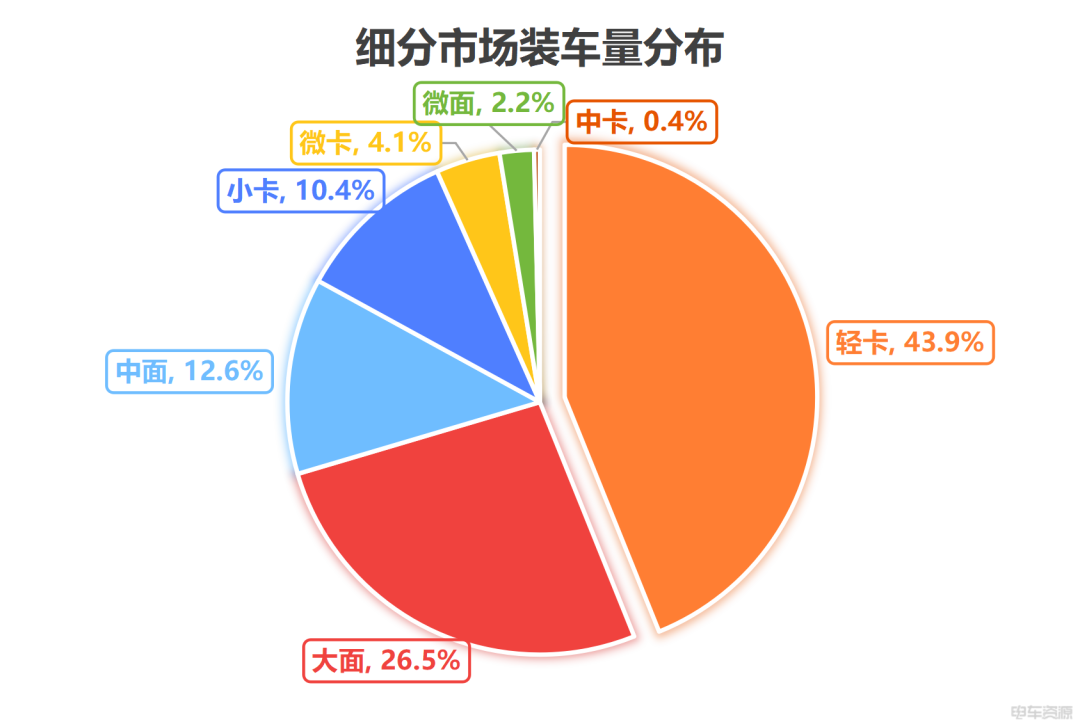
据电车资源行业研究院最新统计数据显示,2025年11月新能源物流车(不含氢燃料)动力电池装车量再创佳绩,单月装车量达3.6GWh;1-11月累计装车 量已攀升至33.9GWh,新能源物流车电动化进程持续稳步推进,行业发展势头强劲。 本文将基于该数据展开深度解析:细分市场主力车型如何分布?电芯企业竞争格局呈现哪些新变化?头部企业又凭借怎样的车型布局与客户资源占据市场 优势? 轻卡车型占比达43.9%,作为城市配送的核心车型,同时大电量车型占比提升明显,成为细分市场绝对主力; 大面车型占比26.5%,紧随轻卡之后,主要聚焦城配中短途运输场景; 轻卡与大面合计占比超70%,构成新能源物流车市场的核心支柱。剩余细分市场中,小卡占比10.4%、中面占比12.6%,分布相对分散;微面、中卡等小众 车型占比均不足3%,市场份额有限。 企业格局:宁德稳守龙头,二线企业增速亮眼 11月电芯企业TOP10的竞争态势愈发激烈,市场格局呈现"龙头稳固、追兵崛起"的特征: 宁德时代持续坐稳行业"一哥"宝座,单月装车量1901.4MWh,市场占比高达52.7%,占据市场半壁江山,龙头地位稳固;不过其同比增速仅1.2%,增长态 势略显平缓 ...