
OPPO

Search documents
8点1氪:官方回应吸毒记录封存相关问题;强生爽身粉致癌案判赔女子约110亿元;俞敏洪敲定东方甄选接班人
36氪· 2025-12-25 00:26
Group 1 - The revised Public Security Administration Punishment Law will take effect on January 1, 2026, and has garnered significant attention from media and the public regarding Article 136 [4][5] - The law's revision process included public consultations during its initial and second readings in August 2023 and June 2024, respectively, with specific provisions for sealing records of minor offenders [5][6] Group 2 - The law's provisions for sealing public security violation records apply to minors, covering various types of violations [5] - The law aims to address public concerns and clarify the implications of sealing records for individuals involved in minor offenses [4][5] Group 3 - The law's revisions reflect a broader trend in legal reforms aimed at balancing public safety with the rehabilitation of young offenders [5][6] - The law's implementation is expected to influence public perception and legal practices surrounding juvenile offenses in China [4][5]




8点1氪|官方回应吸毒记录封存相关问题;强生爽身粉致癌案判赔女子约110亿元;俞敏洪敲定东方甄选接班人
3 6 Ke· 2025-12-24 23:57
Group 1 - The revised Public Security Administration Punishment Law will take effect on January 1, 2026, with a focus on sealing records of minor offenses, particularly for minors [2][3] - The law aims to prevent the lifelong consequences of a single punishment, providing a framework for sealing minor offense records, which will still be recorded but not publicly accessible [4][5] - The law clarifies the relationship between the Public Security Administration Punishment Law and the Criminal Law, stating that criminal acts must be prosecuted under criminal law, while non-criminal acts are subject to administrative penalties [6][7] Group 2 - The sealing of drug-related records is included in the law, emphasizing that drug use is treated as a violation rather than a crime, with a strong focus on rehabilitation and prevention of drug abuse [8][9] - The government has established a comprehensive system for drug rehabilitation, including voluntary and mandatory rehabilitation measures, and emphasizes the importance of confidentiality regarding the personal information of drug users [9][10] Group 3 - The law has received no objections since its announcement on June 27, 2025, indicating broad acceptance and support from the public [3][4] - The law's provisions are designed to ensure that all citizens are treated equally under the law, reinforcing the principle of equality before the law [2][5]
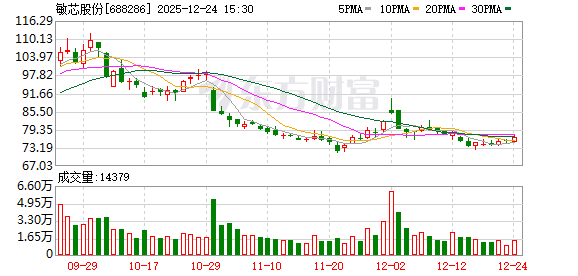
敏芯股份:以全链路自研竞逐全球传感器市场
Shang Hai Zheng Quan Bao· 2025-12-24 20:11
Core Insights - The article highlights the significant growth and development of the MEMS (Micro-Electro-Mechanical Systems) industry in China, particularly through the achievements of Minxin Co., which has become a leader in MEMS sensors, producing 100 million sensors monthly and accumulating over 5 billion units shipped since its inception in 2007 [1][2]. Group 1: Company Development - Minxin Co. has evolved from a startup in 2007, when there were no domestic MEMS wafer foundries, to a leading MEMS chip company in China, achieving a revenue share of 47.61% from MEMS acoustic sensors in 2024 [1][3]. - The company has expanded its product matrix to include acoustic sensors, pressure sensors, inertial sensors, and posture sensors, with global rankings of fourth in MEMS microphones and third in MEMS acoustic sensor chip shipments [3][5]. Group 2: Product Strategy - The company aims to produce world-class products, with ongoing development of high-performance MEMS microphones and sensors for emerging markets such as humanoid robots and AR/VR applications [3][5]. - Minxin Co. emphasizes the importance of continuous R&D investment, with a planned R&D expenditure of over 80 million yuan in 2024, representing 16.01% of its revenue [5][6]. Group 3: Customer Relationships - The company collaborates with high-profile clients like Samsung, Xiaomi, and OPPO, focusing on building relationships that allow for mutual growth and high-quality product development [5][6]. - Minxin Co. recognizes that the value of its customers directly influences its own value, driving the company to invest heavily in assets to meet the quality and delivery expectations of premium clients [6][7]. Group 4: Industry Positioning - Minxin Co. has played a pivotal role in establishing the MEMS production capabilities in China, contributing to the creation of the first MEMS wafer fab through collaboration with state initiatives [7][8]. - The company aims to transition from being a participant in the industry chain to becoming an ecosystem builder, offering a comprehensive range of sensors for various applications [7][8]. Group 5: Future Outlook - The company has a clear strategic plan for the next five years, focusing on technology reserves in emerging fields like humanoid robots and IoT, as well as pursuing mergers and acquisitions to avoid homogenization in competition [8]. - Minxin Co. is committed to strengthening its R&D innovation, expanding its product categories, and targeting top-tier clients to become a global leader in MEMS solutions [8].

FINE2026 新材料科技创新与成果展,火热招展中!6月10-12日 上海
DT新材料· 2025-12-24 16:04
2026未来产业新材料博览会 中国未来产业崛起引领全球新材料创新发展 2026年6月10-12日 上海新国际博览中心 2026未来产业新材料博览会(上海) (Future Industries New Materials Expo 2026,简称" FINE 2026 "),由 「 DT新材料 」 主办的 第十届国际碳材料产业博览 会 (Carbontech 2026)、 第七届热管理产业博览会 (iTherM 2026)和 新材料科技创新博览会 (AMTE 2026)三大展重磅升级而来,旨在打造一个以未来产业终端为 引领、立足国际视野的新材料领域标盛会。 FINE 2026 , 以 50,000平 展区 与 超过 300场 战 略与前沿科技报告,全景呈现应用于人工智能、智算/数据中心、具身智能、低空经济、航空航天、智能汽车、 AI消费电子、量子科技、6G、脑机接口、新能源、生物制造等产业的热门创新成果, 并重点聚焦 未来产业五大共性需求(先进半导体、先进电池、轻量化、 低碳可持续、热管理) , 呈现从终端、部件、材料、技术装备到前沿科技的全链条创新,打造一站式交流、合作与采购平台。 展会将推动科技成果转化, ...
“湾区造”优势从何而来?实力体现在哪里?记者探访
Ren Min Ri Bao· 2025-12-24 13:28
Group 1: Economic Development and Innovation - The Central Economic Work Conference emphasizes "innovation-driven development" and the establishment of international technology innovation centers in regions like the Guangdong-Hong Kong-Macao Greater Bay Area [1] - The Greater Bay Area has developed a complete industrial system covering 31 manufacturing categories and has nurtured nine trillion-yuan industrial clusters, with emerging industries like new energy vehicles and artificial intelligence thriving [1] - The "Shenzhen-Hong Kong-Guangzhou" innovation cluster ranked first globally in the World Intellectual Property Organization's 2025 Global Innovation Index Report, highlighting the global impact of the Greater Bay Area's innovation [1] Group 2: Collaborative Innovation and Industry Support - The Greater Bay Area provides a collaborative innovation ecosystem that supports research and entrepreneurship, as seen in the case of Guangzhou Zhimi New Material Technology Co., which utilizes microcapsule technology for various applications [4] - Guangdong has established 10 national major scientific and technological infrastructure projects, including five in the Greater Bay Area, and has created two national laboratories and 45 national key laboratories [4] - As of June this year, the Greater Bay Area holds 817,000 effective invention patents, accounting for approximately one-sixth of the national total [4] Group 3: Automotive Industry and Supply Chain - The automotive supply chain in the Greater Bay Area enhances production efficiency, with companies like Xpeng Motors benefiting from nearby suppliers who can respond quickly to production needs [6][7] - The automotive industry in the Greater Bay Area is evolving towards a comprehensive development model, integrating electric vehicles, key components, and smart technologies [8] - Guangdong has developed a complete industrial chain covering vehicle manufacturing, battery systems, intelligent driving, and charging facilities, with major companies like BYD and Xpeng leading the market [8] Group 4: Smart Manufacturing and Digital Transformation - The digital transformation of manufacturing in Guangdong is exemplified by OPPO's automated production lines, which enhance efficiency and reduce costs [9][10] - Over 51,000 industrial enterprises in Guangdong have undergone digital transformation, with high rates of digital management and design tool adoption [10] - The "Artificial Intelligence Empowering Manufacturing High-Quality Development Action Plan (2025-2027)" aims to further integrate AI with manufacturing, establishing a globally influential model [11] Group 5: Brain-Machine Interface and Technological Advancements - The establishment of the Brain-Machine Interface Innovation Industry Alliance in the Greater Bay Area aims to create a global hub for brain-machine interface technology [12] - The Guangdong Provincial Laboratory for Artificial Intelligence and Digital Economy is facilitating the development of non-invasive brain-machine interface technologies, enhancing the quality of life for individuals with mobility impairments [13][14] - The laboratory has initiated numerous research projects and collaborations with leading enterprises, fostering a robust talent pipeline for AI innovation in the Greater Bay Area [14]



氪星晚报|现代汽车美国公司因安全隐患召回逾5万辆汽车;京东:七鲜小厨在北京已开出30家门店;日本最大核电站将于明年1月20日重启
3 6 Ke· 2025-12-24 11:17
Group 1 - OPPO is in deep cooperation with Alipay and plans to announce another strategic partnership in January [1] - OPPO's ColorOS product development director denied rumors of rejecting collaboration with ByteDance regarding "Doubao AI phone," emphasizing an open attitude towards partnerships [1] Group 2 - JD's restaurant platform, Seven Fresh Kitchen, has opened 30 stores in Beijing within four months, achieving coverage in major urban areas within the Fifth Ring Road [2] Group 3 - Thunderbolt eSports Hotel has signed over 200 locations nationwide, doubling its scale in six months, with high occupancy rates and a young customer demographic [3] Group 4 - Hyundai Motor Company is recalling over 51,000 vehicles in the U.S. due to safety hazards, including issues with trailer lights and potential short circuits [4] Group 5 - "Yisoo Innovation," a tech company focused on desktop laser processing equipment, has completed a Pre-A round financing of 100 million yuan to enhance core technology and expand product lines [5] Group 6 - Alibaba upgraded its voice model family Qwen3-TTS, introducing new models for voice design and cloning, which can generate human-like voices and enhance applications in various fields [6] Group 7 - Tencent Music launched its AI music creation tool "VEMUS" for public testing, offering a comprehensive platform for music creation with low barriers to entry [7] Group 8 - SoundAI released its multi-modal AI fashion headphones on Kickstarter, designed as a "personal perception tool" integrating sound and vision [8] Group 9 - The National Development and Reform Commission and the Ministry of Commerce released the "Encouragement Directory for Foreign Investment Industries (2025 Edition)," increasing the number of entries to 1,679 [9] - The central bank and eight departments are exploring cross-border digital currency payment trials with Singapore [9] Group 10 - Beijing has adjusted housing purchase policies for non-local residents, reducing the required duration of social insurance or income tax payments for home purchases [10] Group 11 - The State Administration for Market Regulation is implementing stricter regulations for live e-commerce, including the establishment of a supervisory framework [11] Group 12 - Japan's Tokyo Electric Power Company plans to restart the Kashiwazaki-Kariwa nuclear power plant on January 20, marking the first restart of a nuclear reactor since the Fukushima disaster [12][13]
京东法国仓库失窃!过程揭秘
Xin Lang Cai Jing· 2025-12-24 10:32
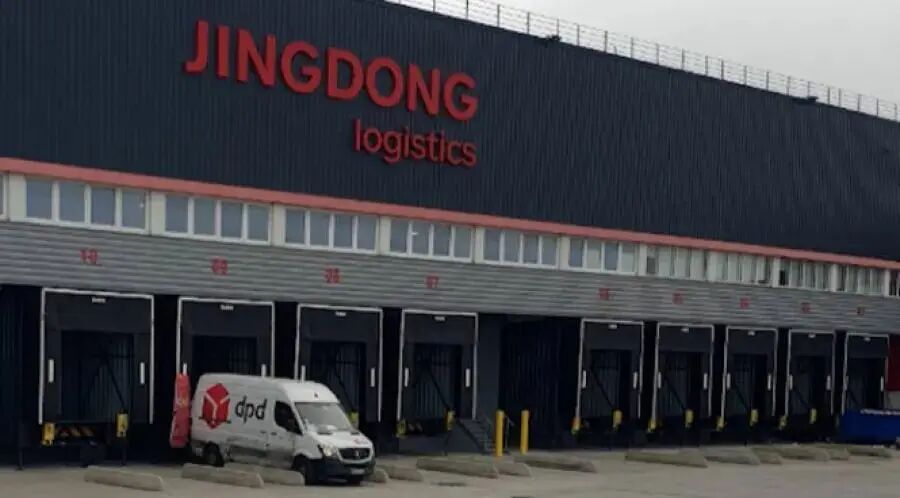
Core Viewpoint - JD.com experienced a significant theft at its warehouse in the Paris region, with losses estimated at approximately 370 million yuan (around 37 million euros), involving tens of thousands of electronic products [1][3][10]. Group 1: Incident Details - The theft occurred on December 22, with reports indicating that over 50,000 items, primarily high-value smartphones, computers, and tablets, were stolen [4][13]. - The warehouse's alarm system failed to activate during the incident, and surveillance footage was reportedly tampered with, leaving no effective traces of the crime [12][13]. - The local police have initiated an investigation into the incident, which was discovered by a warehouse manager [3][11]. Group 2: Company Response - JD.com confirmed the theft and stated that the warehouse has resumed normal operations, disputing claims of "significant losses" reported by some media outlets [1][10]. - The company has initiated property insurance claims, with expectations to recover approximately 80% of the losses, depending on the adequacy of the insurance coverage [13]. Group 3: Logistics and Supply Chain Impact - JD.com emphasized that its global logistics network, part of its "Global Network Plan," will not be hindered by this incident, as it has established over 130 overseas warehouses in 23 countries [3][10]. - The company aims to maintain high-quality logistics services for businesses and consumers, leveraging its robust supply chain to mitigate potential impacts on order deliveries during the holiday season [6][10].

2025年11月高端手机市场格局:苹果华为领跑,小米vivo激烈角逐
Xin Lang Cai Jing· 2025-12-24 10:32
Core Insights - The sales performance of smartphones priced above 4000 yuan in November 2025 highlights the competitive landscape in the high-end market, with Apple and Huawei leading due to strong brand influence, while Xiaomi and Vivo follow closely, indicating a multi-player competition [1][4] High-End Market Overview - In the mainstream high-end segment (4000 to 6000 yuan), there is a clear trend of market concentration, with Apple and Huawei at the forefront, while Xiaomi and Vivo maintain their positions [1][4] - In the ultra-high-end segment (above 6000 yuan), Apple retains a dominant position with its iPhone series, holding a market share of 76%, while Huawei and Xiaomi follow, collectively accounting for 94% of the market share in this price range [1][4] Competitive Dynamics - In the 5000 to 6000 yuan price range, the market ranking remains consistent with the ultra-high-end segment, where Apple, Huawei, and Xiaomi hold a combined market share of 82%, indicating high concentration and limited penetration for other brands [3][4] - The 4000 to 5000 yuan price segment has become a focal point of competition, with Huawei surpassing Apple to take the lead in sales, followed by Vivo and Xiaomi, with the top three brands holding 68% of the market share [3][5] Market Trends - The share of high-end smartphones (priced above 4000 yuan) in total sales has risen to 42% in November 2025, reflecting an increasing consumer preference for flagship models and indicating that premiumization is a key trend in market development [3][5] Overall Market Performance - In the overall smartphone market, Apple leads with a share of 23.22%, followed by Xiaomi at 15.89%, Vivo at 15.63%, OPPO at 15.16%, Huawei at 13.48%, and Honor at 11.58%, with other brands collectively holding 5.04%, showcasing a competitive landscape with narrowing gaps among leading brands [4][5]


豆包手机后思考:AGI会在中国率先跑出来吗?
3 6 Ke· 2025-12-24 09:40
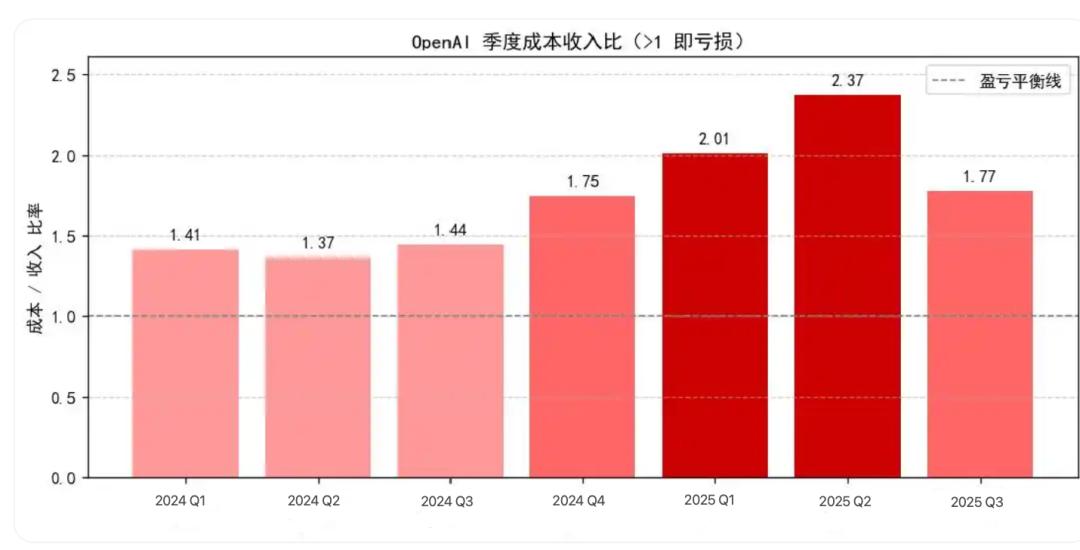
Core Insights - The article discusses the rapid advancement of AI technology in the Chinese market, particularly focusing on the launch of the Nubia M153, which integrates AI assistants with system-level execution capabilities, allowing AI to perform tasks autonomously rather than just providing suggestions [1][2][3] - The emergence of AI agents signifies a shift from AI being merely a thinking entity to one that can take action, raising questions about the readiness of existing digital ecosystems to accommodate such capabilities [2][3][4] - The Chinese market is positioned as a unique testing ground for AI agents due to its high application density, user acceptance, and a more unified governance system, potentially allowing it to lead in this technological transformation [3][18][23] AI Value Consensus: Transition from "Thinking" to "Action" - "Thinking" AI is reaching a ceiling, as evidenced by OpenAI's financial struggles, where costs are outpacing revenue significantly [4][6] - The cost structure of AI models is becoming unsustainable, with increasing computational demands not matched by revenue growth, indicating a need for AI to evolve towards actionable capabilities [6][7] - The focus is shifting towards AI's ability to act, as the next value point lies in its capacity to execute tasks rather than just process information [6][7] The Role of Mobile Devices in AI Action - Mobile devices are central to the AI action landscape, with Chinese users averaging 6.2 hours of smartphone use daily, performing over 120 digital actions [8] - The operating systems of mobile devices inherently possess the necessary permissions and infrastructure for AI to execute actions, making them ideal platforms for testing AI's commercial value [8][11] Competition for AI Execution Rights - Three main players are vying for control over AI execution capabilities: model service providers (e.g., Alibaba, Baidu, Tencent), terminal manufacturers (e.g., OPPO, Xiaomi), and native AI companies like Doubao [9][10][12] - Model service providers leverage their existing application ecosystems to integrate AI capabilities, while terminal manufacturers focus on system-level integration to expand AI's operational scope [10][11] - Native AI companies are taking a more aggressive approach by directly targeting system-level action entry points, although they face significant resistance from existing application ecosystems [12][13] Structural Challenges and Industry Transformation - The introduction of AI agents raises fundamental questions about operational permissions, commercial models, and accountability mechanisms, as traditional frameworks may not apply [14][15] - The current digital ecosystem is primarily designed for human users, which poses challenges for AI's operational integration, highlighting a need for infrastructure that supports AI actions [14][15] - As various stakeholders begin to adapt to the need for AI to operate autonomously, the industry is undergoing a structural transformation that could redefine value distribution and operational frameworks [17][18] China's Market as a Testing Ground for AI Agents - The rapid evolution of AI models and their capabilities is creating a competitive landscape, with significant advancements in model performance observed in recent years [21][22] - China's market conditions, including high service density and user acceptance of automation, provide a conducive environment for AI agents to thrive, contrasting with more fragmented markets like the U.S. [22][23] - The successful implementation of AI agents in China could lead to the development of a new operational system for AI that could be scaled globally, moving beyond mere model parameters to a comprehensive framework for AI action [23][24]
宜安科技:液态金属赋能折叠屏,技术铸就核心价值
Quan Jing Wang· 2025-12-24 07:59
Group 1 - The core viewpoint of the articles highlights the growth potential of the foldable screen market, with liquid metal technology being a key material for high-end devices, positioning the company as a rare core supplier in this sector [1][2] - The company has established itself as a leader in the liquid metal industry, achieving large-scale production of zirconium-based amorphous alloys with exceptional properties, including a strength of ≥1200MPa and the ability to withstand over 300,000 folding cycles [1] - The company has a comprehensive production capability from material formulation to precision molding, holding over 200 core patents and maintaining a stable yield rate of over 95%, creating a significant technological moat [1] Group 2 - The foldable screen market is expected to see rapid growth due to technological maturity and price reductions, with liquid metal being favored for its lightweight and precision advantages, reducing weight by 40% compared to traditional magnesium alloys [2] - The company's liquid metal technology has applications beyond consumer electronics, extending into fields such as smart robotics and new energy vehicle components, forming a growth matrix that supports long-term development [2] - Despite facing operational challenges, including pressure on profit margins from traditional magnesium products and a decline in R&D investment, the company is expected to optimize its revenue structure and improve profitability with the launch of a new production base [2]
