现代汽车集团

Search documents
汽车厂商,搞了颗芯片
半导体芯闻· 2026-01-09 10:55
如果您希望可以时常见面,欢迎标星收藏哦~ 现代汽车集团机器人实验室开发出一款利用人工智能技术在设备本地运行任务的处理器。 实验室此前曾与他人合作开发了一款人工智能控制器,目前该控制器应用于首尔东部Factorial Seongsu工厂的人脸识别系统Facey以及DAL-e送货机器人。 (来源 :半导体芯闻综合 ) 点这里加关注,锁定更多原创内容 *免责声明:文章内容系作者个人观点,半导体芯闻转载仅为了传达一种不同的观点,不代表半导体芯闻对该 观点赞同或支持,如果有任何异议,欢迎联系我们。 推荐阅读 10万亿,投向半导体 芯片巨头,市值大跌 黄仁勋:HBM是个技术奇迹 Jim Keller:RISC-V一定会胜出 全球市值最高的10家芯片公司 该处理器功耗低于5瓦,能够利用提供的数据进行实时检测、识别和决策。 该芯片无需云端或网络连接,因此可以在网络连接不稳定或缺失的地下停车场或物流中心等场所使 用。实验室表示,由于它是设备端芯片,因此比依赖云计算的芯片速度更快、安全性更高。 现代汽车集团机器人实验室负责人兼副总裁玄东镇表示:"现代汽车集团机器人实验室不仅仅是制 造机器人,我们更致力于构建一个可持续的机器人生态 ...

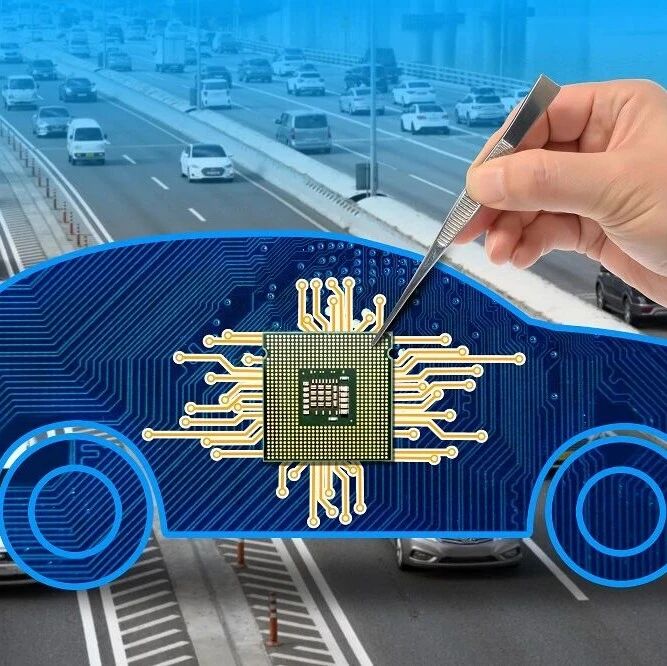
现代汽车开始量产用于自主机器人的AI芯片
Xin Lang Cai Jing· 2026-01-09 00:36
Core Insights - Hyundai Motor Group has commenced mass production of an AI chip called Edge Brain, enabling robots to operate autonomously without external network connections [1][2] - The chip was unveiled at CES in Las Vegas and is the result of a three-year strategic partnership between Hyundai's robotics lab and South Korean AI chip company DeepX [1][2] - Edge Brain is an ultra-low power chip with a consumption of less than 5 watts, allowing real-time perception and autonomous decision-making directly on robots without relying on cloud or network connectivity [1][2] Applications and Future Plans - The technology has been integrated into several projects within Hyundai's robotics lab, including a facial recognition system named Facey and a delivery robot currently in demonstration [1][2] - The chip will be applied to other projects within the group, including AI security solutions and next-generation mobile robots [1][2] - Hyundai plans to expand the practical applications of the chip through pilot projects in locations such as airports and hospitals [1][2]

全球大公司要闻 | 央企重组大动作!中国石化与中国航油实施重组
Wind万得· 2026-01-08 22:37
Group 1 - Nvidia requires overseas customers to pay full prepayment for its H200 AI chips, with orders exceeding 2 million units, and TSMC has been asked to increase production [2] - Sinopec and China National Aviation Fuel are undergoing a restructuring approved by the State Council, aiming to reduce aviation fuel supply costs and enhance industry competitiveness [2] - Alibaba's Taobao Flash Sale has made significant progress, targeting to achieve absolute market share leadership by 2026, reflecting an upgrade in the company's competitive strategy in the e-commerce sector [2] - Nestlé has expanded its global recall of infant formula to at least 50 countries, including China, with regulatory bodies urging the company to manage the recall effectively [2] - TSMC maintains high capacity utilization for advanced processes, with continued demand for 3nm processes, and has paused new project initiations while encouraging clients to evaluate the adoption of 2nm processes [2] Group 2 - Zhongwei Company’s major shareholder plans to reduce its stake by up to 2%, which may exert short-term pressure on the company's stock price [4] - Huaxia Happiness is expected to report a loss in 2025, facing dual pressures from operational losses and arbitration involving its controlling shareholder [4] - Jiechuang Intelligent plans to procure IT equipment and components worth up to 4 billion yuan to enhance its cloud computing infrastructure [4] - Pritchard anticipates no large-scale orders for LCP film products in the brain-computer interface sector in the short term, advising the market to view the concept rationally [4] - Unisoc has initiated IPO counseling, benefiting from the AI-driven demand growth in storage chips, contributing to a wave of IPOs in the industry [4] Group 3 - Changxin Technology's application for an IPO on the Sci-Tech Innovation Board has been officially accepted, marking a significant step in its listing process [5] - Geely Automobile has obtained an L3-level autonomous driving road test license for its Zeekr 9X model, covering an area of 9,224 square kilometers [5] - HSBC's proposal to privatize Hang Seng Bank has been approved by the bank's court meeting and shareholder meeting, with the delisting expected on January 27, 2026 [5] - JD.com has established a "Chameleon Business Department" to oversee the development and commercialization of core AI products [5] - Anta Sports has made a takeover offer to acquire 29% of Puma from the Pinault family, although negotiations are reportedly stalled [5] Group 4 - Apple’s market value has dropped to third globally, with its annual shareholder meeting scheduled for February 24, and CEO Cook's total compensation for 2025 set at $74.3 million [6] - Alphabet has risen to second globally, driven by its AI business, and is enhancing collaboration with Siemens on industrial AI operating systems [6] - Meta Platforms is under scrutiny by China's Ministry of Commerce regarding its acquisition of the AI platform Manus, with delays in the release of AI smart glasses [6] - Microsoft has partnered with Shopify, PayPal, and Stripe to launch a retail AI Copilot Checkout feature, while restructuring its GitHub team to strengthen AI development [6] - Amazon has adjusted its target price and is requiring employees to provide proof of work efficiency, indicating potential personnel optimization [6] Group 5 - Samsung Electronics has regained the top share in the global DRAM market and is in talks with Qualcomm for 2nm chip foundry collaboration [9] - Toyota has announced the independence of Gazoo Racing as a high-performance sub-brand and launched new models in the European market [9] - LG Electronics' CEO presented a profit-oriented growth strategy at CES 2026, focusing on sustainable development [9] - Mitsubishi UFJ Financial Group plans to establish a full-service bank in the EU to expand overseas financing profits [9] - SK Hynix has lost its position as the global leader in the DRAM market and is focusing on domestic energy storage orders [9]






芯片IP巨头Arm架构重组 新设“物理AI”条线开拓机器人市场
Xin Lang Cai Jing· 2026-01-08 12:49
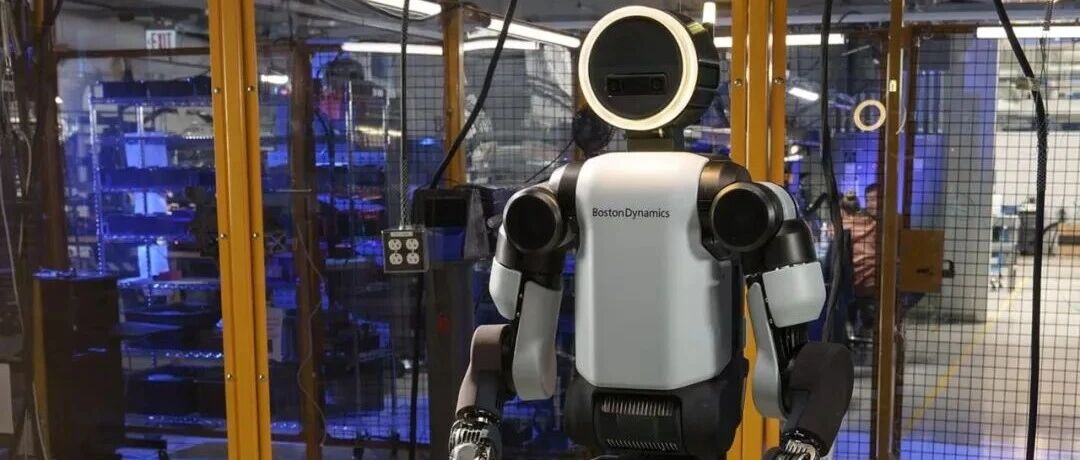
Group 1 - Arm has completed a restructuring to establish a dedicated Physical AI business line to expand its presence in the robotics market [1] - The company has created three new business divisions: Cloud AI, Edge AI, and Physical AI, each focusing on different aspects of AI technology [1] - The Physical AI division will focus on integrating AI with physical movements in various fields, including vehicles and robotics [1] Group 2 - The establishment of the Physical AI division reflects Arm's bet on the potential of the robotics market [2] - The head of the Physical AI division, Drew Henry, stated that Physical AI solutions can significantly enhance workforce productivity and impact the economy [2] - Arm's Chief Marketing Officer, Ami Badani, mentioned the merging of automotive and robotics businesses due to similar customer needs in power consumption, safety, and reliability [2] Group 3 - Arm plans to increase its workforce dedicated to robotics-related work [3] - Several global automotive manufacturers are adopting Arm architecture-based chips, and robotics companies, such as Boston Dynamics, are also becoming clients [3] - Boston Dynamics showcased a production-ready humanoid robot, Atlas, at CES, with plans for deployment in U.S. factories by 2028 [3]
全球汽车业2026八大猜想
Zhong Guo Qi Che Bao Wang· 2026-01-08 11:43
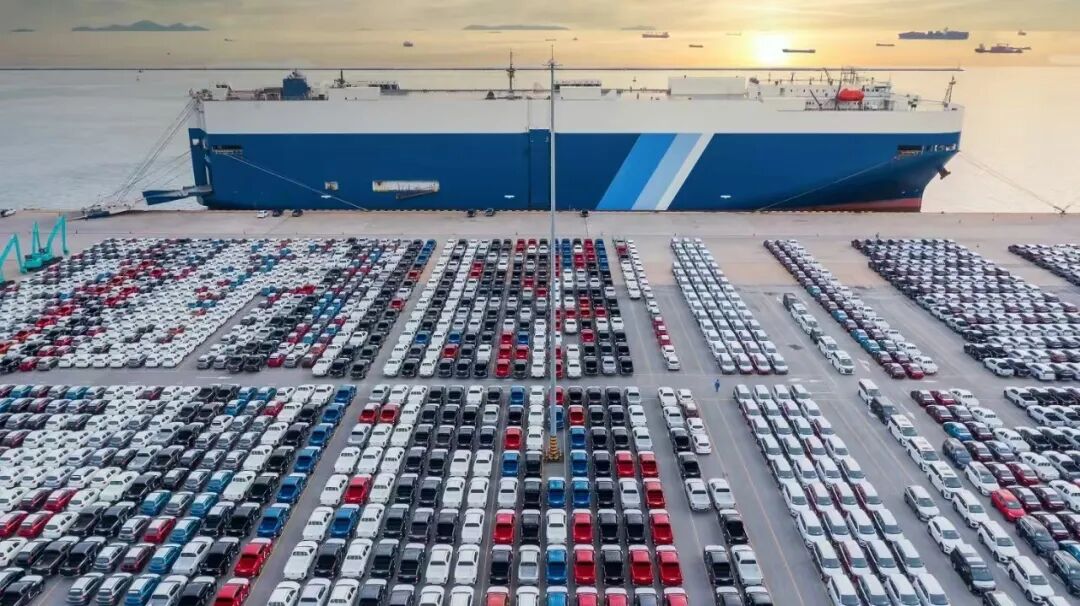
Group 1 - The global automotive trade is expected to face increased tensions in 2026, with significant downward pressure on trade growth predicted by organizations like the WTO and IMF, projecting growth rates of only 0.5% and 0.6% respectively, down from 2.4% in 2025 [2][3] - The rise of trade protectionism is a core driver of this tension, as various countries implement unilateral trade measures, disrupting the established rhythm of the global automotive supply chain and increasing uncertainty in international trade [3] Group 2 - The global electric vehicle (EV) market is anticipated to experience a slowdown in sales growth in 2026, with the U.S. market showing particularly pessimistic trends due to the cancellation of favorable policies under the Trump administration, leading to a significant drop in consumer purchasing intent [4][5] - In China, the growth forecast for domestic electric vehicle sales has been revised down from 16% to 14% for 2026, attributed to high base effects and the reintroduction of purchase taxes despite continued government subsidies [5] Group 3 - Chinese automotive companies are accelerating their localization strategies overseas, transitioning from simple vehicle exports to localized production and comprehensive system output, as evidenced by projects like Changan's factory in Thailand and BYD's plans in Hungary and Malaysia [6][7] - Major Chinese automakers are implementing diverse strategies to enhance localization, including CKD exports to reduce tariff costs and partnerships with local firms to quickly integrate into new markets [7] Group 4 - The collaboration model between Chinese and foreign automotive companies is evolving, moving from a "market for technology" approach to a deeper integration based on technology output and resource sharing, extending cooperation beyond China to global markets [8][9] Group 5 - 2026 is projected to be a pivotal year for the commercialization of Robotaxi services, with advancements in technology, policy support, and reduced costs driving the transition from pilot programs to large-scale operations [11][12] - In China, companies like Pony.ai and Baidu are achieving significant milestones in Robotaxi deployment, with Baidu's service reportedly handling over 250,000 fully autonomous orders weekly [12] Group 6 - The year 2026 is recognized as a critical period for the validation of solid-state battery technology, with multiple automakers planning to conduct vehicle testing, marking a significant step towards overcoming limitations of current lithium-ion batteries [13] - Chinese automakers are actively pursuing diverse technological routes for solid-state battery production, with companies like SAIC and GAC announcing plans for testing and production timelines [13] Group 7 - The integration of AI large models into the automotive sector is expected to redefine value creation in 2026, with advancements in smart driving and intelligent cockpit technologies enhancing user engagement and operational efficiency [14][15] - The market for AI-driven automotive services is projected to expand significantly, with estimates suggesting that the AI model-derived market could exceed 100 billion yuan by 2028 [15] Group 8 - 2026 is anticipated to be a key year for the mass production and delivery of humanoid robots by automotive companies, with significant advancements in technology and a focus on commercial applications across various sectors [16][17] - Companies like Tesla and Xpeng are leading the charge in humanoid robot development, with plans for large-scale production and deployment in industrial and service contexts [17]
美国CES,又被中国人形机器人包围了
机器人圈· 2026-01-08 10:13
Core Insights - The article highlights the significant presence of Chinese companies at CES 2026, particularly in the humanoid robot sector, showcasing a shift from isolated technology displays to a complete industrial chain structure [6][14]. Group 1: Chinese Companies at CES 2026 - A total of 598 exhibitors related to robotics participated in CES 2026, with 149 coming from China, accounting for nearly one-fourth of the total [3]. - In the humanoid robot segment, 38 exhibitors were recorded, with 21 from China, representing over half of the participants [3]. - Notable Chinese exhibitors included Yushu Technology, which showcased the mass production version of the G1 humanoid robot, and Cloud Deep Technology, which presented the upgraded X30 series [7][9]. - Other companies like ZhiYuan Robotics and ZhongQing Robotics displayed a range of humanoid and bionic robots, emphasizing their capabilities in various applications [7][12]. Group 2: Global Competitors - American companies, such as Boston Dynamics and Hyundai, focused on the industrial application of humanoid robots, with the Atlas robot demonstrating advanced motion capabilities [15][17]. - Korean firms, represented by the K-Humanoid Alliance, showcased their ambitions in humanoid robotics, emphasizing collaboration between research institutions and industry [18][19]. - European companies, including NEURA Robotics and Humanoid, targeted industrial applications, highlighting their engineering prototypes and modular systems [23][25]. Group 3: Industry Trends and Future Directions - The article notes a shift in the perception of humanoid robots, moving from feasibility discussions to practical applications in various sectors, including industrial, household, and service environments [31]. - Different countries are adopting distinct strategies: China focuses on product showcases and mass production, the U.S. emphasizes industrial deployment and system capabilities, Korea integrates research and industry through alliances, and Europe approaches the market through industrial humanoid robots [31].
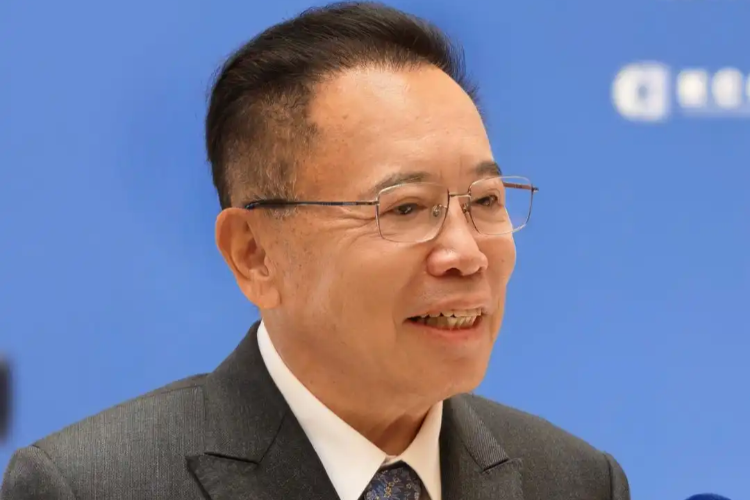
TCL李东生:中韩两国在人工智能等新兴领域合作潜力巨大
Nan Fang Du Shi Bao· 2026-01-08 09:57
Group 1 - The core viewpoint of the article emphasizes the significant potential for cooperation between China and South Korea in emerging fields such as artificial intelligence, semiconductor displays, new energy vehicles, and biotechnology, as highlighted by TCL's founder and chairman, Li Dongsheng [2] - Li Dongsheng proposed three suggestions for deepening cooperation: 1) fully utilize the China-South Korea Free Trade Agreement to enhance bilateral economic cooperation; 2) leverage each country's industrial advantages to promote collaboration in technological innovation; 3) build industrial resilience and optimize regional supply chain layouts [2] - TCL Huaxing has become a core supply chain partner for major companies like Samsung, LG, and Hyundai, with plans to increase its share in Samsung's mobile supply chain to 15% and expand its role as a core supplier for Hyundai's in-vehicle displays [2] Group 2 - The China-South Korea Business Forum was co-hosted by the China Council for the Promotion of International Trade and the Korea Chamber of Commerce and Industry, with over 400 attendees from both countries, including key economic representatives from South Korea such as President Yoon Suk-yeol and leaders from major corporations [3]

Arm成立物理AI部门,发力机器人市场
Xin Lang Cai Jing· 2026-01-08 05:09
Core Insights - Arm Holdings has restructured to establish a physical artificial intelligence department to enhance its influence in the robotics market [1][4] - The company now operates three main business lines: cloud computing and AI, Edge (including mobile devices and PCs), and physical AI (including its automotive business) [1][4] - Robotics and automotive sectors are central to physical AI, sharing existing sensor technologies and hardware [1][4] Business Strategy - Arm aims to expand its focus on physical AI as part of a broader effort to grow its business [1][4] - Since CEO Rene Haas took over four years ago, Arm has been working to increase the pricing of its latest technologies and is considering its own full-chip designs [1][4] Market Potential - Arm executives believe that robotics technology has significant long-term growth potential [2][5] - The newly formed department plans to increase staff dedicated to robotics technology [2][5] - The integration of automotive and robotics technologies is due to similar customer requirements regarding power constraints, safety, and reliability [2][5] Client Collaboration - Arm collaborates with numerous automotive manufacturers and robotics companies, including Boston Dynamics under Hyundai Motor Group [6] - Hyundai announced plans to deploy production-ready humanoid robots, Atlas, in its U.S. factories starting in 2028 [6]

以合作续写“金不换”情谊
Xin Lang Cai Jing· 2026-01-08 03:30
新年伊始的北京,冬意漫卷,中韩商务论坛的现场却暖意盈盈。1月5日,这场由中国贸促会与韩国大韩 商工会议所共同主办的论坛在北京举行。400余位中韩政商界代表齐聚一堂,握手、交谈、交换名片的 身影随处可见。阵阵热议声中,流淌着"好邻居金不换"的真挚情谊,更涌动着共抓机遇、深化合作的澎 湃活力。 希杰集团会长孙京植则将目光投向人工智能领域,他坦言AI将成为企业未来发展的重要工具,有助于 提升制造业运营效率和业绩水平,期待以此为契机进一步扩大中韩经济合作、深化文化交流。 一次次真诚的交流,一个个务实的设想,让合作的种子不断萌芽。 "就像冬天里的一把火!"中国国际商会双边合作部副部长王莉的比喻,精准概括了现场的热烈氛围。她 介绍,作为2026年中国贸促会服务我国经济外交工作首场重要活动,此次活动层级高、企业代表性强、 内容务实有针对性,得到各界广泛关注。韩方对此次活动高度重视,中方企业也带着满满的合作诚意积 极回应,双方展现出的高涨合作热情,打开了中国贸促会推动中外工商界交流合作的"开门红"。 掌声背后,是中韩经贸合作的坚实基础。一组闪亮的数据被论坛代表们频频提及:自1992年建交以来, 中韩双边贸易额从65亿美元增长 ...
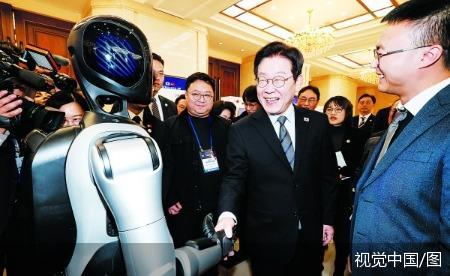
韩国总统李在明访华行程结束
Bei Jing Shang Bao· 2026-01-07 15:26
Group 1 - The core message of the news is the emphasis on restoring and enhancing the cooperative relationship between China and South Korea, as articulated by South Korean President Lee Jae-myung during his visit to China [1][2]. - The visit marks the first by a South Korean president in over eight years, highlighting the significance of this diplomatic engagement [2][3]. - The two countries signed 15 cooperation documents in various fields, including technology innovation and trade, indicating a commitment to deepen bilateral ties [3]. Group 2 - Approximately 300 representatives from industries such as smart manufacturing, new materials, artificial intelligence, healthcare, and cultural creativity attended the forum, showcasing the breadth of collaboration opportunities [2]. - China has become South Korea's largest trading partner, with projected trade volume for 2024 estimated at $328.08 billion, reflecting a year-on-year increase of 5.6% [3]. - Despite the positive outlook, there has been a slight decline in trade for the first eight months of 2025, with a reported trade volume of $212.26 billion, down 0.1% year-on-year, indicating a shift towards competition in certain sectors [3].