SHEIN

Search documents
中国跨境电商交易会:【广东产业带】大佬云集,广东卫冕跨境第一!
Sou Hu Cai Jing· 2026-01-04 04:21
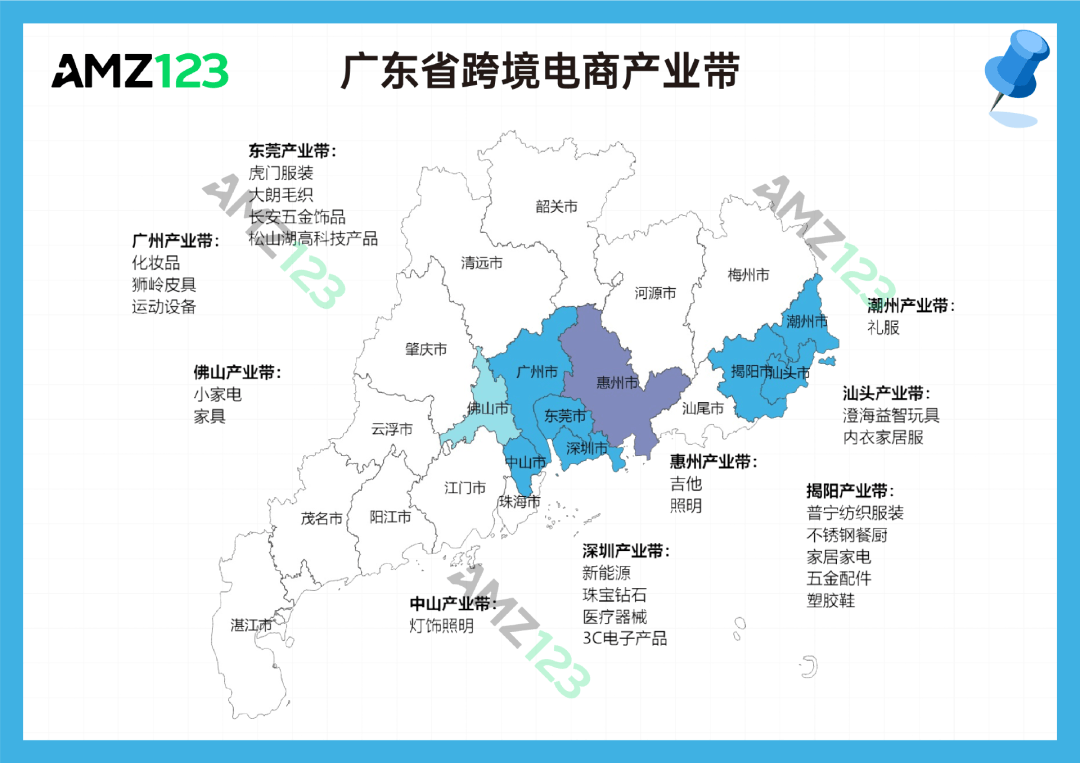
Core Insights - Guangdong has emerged as a leader in China's cross-border e-commerce, with its import and export scale growing from 11.3 billion yuan in 2015 to 745.4 billion yuan in 2024, an increase of approximately 66 times over nine years, accounting for over one-third of the national total [1][21][30] - The province's cross-border e-commerce exports have an average annual growth rate of 51.4%, the highest in the country, supported by a robust manufacturing base and an open economic framework [1][22][30] - Guangdong's cross-border e-commerce is transitioning from "platform distribution + foreign trade wholesale" to "brand export + digital supply chain" [1][21] Industry Overview - The success of Guangdong's cross-border e-commerce is attributed to its comprehensive and systematic manufacturing landscape, particularly in the Pearl River Delta, which has developed stable and specialized industrial belts [4][21] - The region has three main "outbound arteries": the 3C "hardcore belt" in Shenzhen, Dongguan, and Huizhou; the lifestyle belt in Guangzhou and Foshan; and the creative corridor of lighting and toys in Zhongshan, Jiangmen, and Chaozhou [7][12][17] 3C "Hardcore Belt" - The Shenzhen-Dongguan-Huizhou area is known for its dense network of factories and supply chains for electronic products, with Shenzhen housing over 80,000 cross-border e-commerce entities, accounting for about half of the national total [8][9] - Companies like UGREEN and GMKtec exemplify the successful integration of manufacturing and operations, leveraging local supply chains to build strong brands [11][12] Lifestyle Belt - The Guangzhou-Foshan area focuses on fashion and home appliances, with Guangzhou's textile and apparel exports reaching 46.09 billion yuan in 2024, supported by a high-frequency supply chain [12][14] - Brands like SHEIN have established flexible supply chains in Guangzhou, connecting global demand directly to local production [12][14] Creative Corridor - The Zhongshan area is recognized as the "Lighting Capital," with over 30,000 lighting businesses and significant export volumes, while Chaozhou is known for its toy manufacturing, with over 50,000 toy companies [17][18] - The integration of creative design and cross-border e-commerce has transformed local products into recognizable brands on platforms like Amazon [18][19] Infrastructure and Logistics - Guangdong has implemented 166 cross-border trade facilitation measures over the past eight years, enhancing customs efficiency and expanding shipping routes [22][23] - The province's logistics capabilities, including major ports and airports, support a multi-tiered outbound system for cross-border e-commerce [22][24] Economic and Policy Environment - The provincial government actively promotes cross-border e-commerce as a key strategy for foreign trade transformation, establishing comprehensive support systems for businesses [28][29] - The combination of experienced entrepreneurs and a new generation of digital-savvy operators is driving innovation in cross-border e-commerce [26][27] Challenges Ahead - The industry faces challenges in transitioning from volume-based sales to brand-building, as many early sellers struggle to establish lasting brand recognition [31][32] - Rising costs and labor shortages in the Pearl River Delta are prompting a shift in production to lower-cost regions, complicating supply chain management [33][34] Conclusion - Guangdong's early adoption of cross-border e-commerce and its ability to adapt to challenges position it as a likely leader in the next chapter of China's cross-border e-commerce landscape [35]

泰国对价值1泰铢以上网购进口商品征税
Zhong Guo Xin Wen Wang· 2026-01-01 16:26
Core Points - Thailand has implemented a new online shopping import tax policy starting January 1, which removes the previous tax exemption for goods valued under 1,500 Thai Baht and imposes taxes on all imported goods valued over 1 Thai Baht [1][2] - The policy aims to create a fairer competitive environment, improve tax collection efficiency, and enhance the quality and compliance standards of imported goods [1] - The government expects that prices for certain products, particularly clothing and apparel, may increase by approximately 20% to 30% due to the new tax [1] - Approximately 97% of imported goods on e-commerce platforms will have taxes pre-calculated in their prices, allowing consumers to make a single payment without additional customs fees [1] - The customs department is collaborating with major e-commerce platforms to strengthen product audits and ensure compliance with Thai industrial standards and regulations [1] Summary by Category Tax Policy Changes - The new import tax policy applies to all online purchases valued over 1 Thai Baht, replacing the previous exemption for goods under 1,500 Thai Baht [1] - The initiative is designed to narrow the gap between local businesses, especially small and medium enterprises, and previously untaxed low-priced foreign imports [1] Price Impact - Clothing and apparel prices are projected to rise by 20% to 30% as a result of the new tax policy, while other products will vary based on applicable tax rates [1] E-commerce Compliance - The government has implemented measures to ensure the convenience of online shopping, with 97% of imported goods already including taxes in their listed prices [1] - Enhanced collaboration with e-commerce platforms like Lazada, Shopee, TikTok, SHEIN, and TEMU aims to ensure that non-compliant products are removed from sale and prohibited from import [1]
腾讯、字节、阿里们的出海一年:收缩、重构与真正的全球化
创业邦· 2025-12-31 09:48
Core Insights - The focus of Chinese companies going global has shifted from merely selling products to ensuring long-term retention in foreign markets [2][3][4][5] Tencent - Tencent's international game revenue reached 562 million yuan in the first three quarters of 2025, accounting for 10% of total revenue, with a significant 43% year-on-year increase [7][8] - The company is investing in cloud and AI infrastructure, with a total of 1.5 billion USD allocated for a data center in the Middle East and 500 million USD for a third data center in Indonesia [10] ByteDance - ByteDance's TikTok generated 390 million USD in revenue in 2024, with projections of 186 billion USD for 2025, and 236 million USD from advertising [12][13] - TikTok established a joint venture in the U.S. to address regulatory compliance while retaining control over its core algorithms [15][16] Alibaba - Alibaba's international digital commerce revenue reached 695 million yuan in the second and third quarters of 2025, making up 14% of total revenue [18] - The company is focusing on cross-border e-commerce, cloud computing, and AI, with plans to invest over 380 billion yuan in cloud and AI infrastructure over the next three years [22] CATL - CATL's revenue for the first three quarters of 2025 was 283 billion yuan, with a focus on establishing local production and resource control in Europe and Indonesia [26][27] - The company is building multiple battery factories in Europe and has secured significant energy storage orders in Southeast Asia and Japan [32] Temu - Temu adapted its business model in response to U.S. tariff changes, shifting to local fulfillment and focusing on specific product categories [34][36] - The company is expanding its supply chain hubs in Vietnam and Mexico to mitigate trade barriers and reduce costs [42] BYD - BYD's overseas sales surged, with a 313.4% year-on-year increase in November 2025, driven by local production and compliance with local regulations [44][45] - The company is accelerating the establishment of overseas factories in Brazil and Hungary to enhance local supply capabilities [47] Xiaomi - Xiaomi is focusing on expanding its "new retail" model globally, with plans to open 1,000 stores worldwide over the next five years [52] - The company is also preparing for the launch of its electric vehicles in international markets [55] Meituan - Meituan is expanding its food delivery service, Keeta, into Brazil and Qatar, aiming to replicate its successful domestic model [58][60] - The company is building an overseas team to enhance its international service capabilities [62] JD.com - JD.com is focusing on building a controllable global supply chain through acquisitions and logistics infrastructure [64][65] - The company has launched its first overseas "Smart Wolf Warehouse" in the UK, enhancing its logistics efficiency [66] Baidu - Baidu's autonomous driving service, "Luo Bo Kua," is expanding into international markets, with significant deployments planned in Dubai and partnerships in Australia and Southeast Asia [74][76] SHEIN - SHEIN is investing heavily in its supply chain infrastructure to support its international operations, with plans for significant capital expenditures [84] Didi - Didi's international ride-hailing business has become profitable, with a focus on expanding its services in Latin America [86][88] - The company is also launching a food delivery service in Brazil, leveraging its existing ride-hailing infrastructure [89]

瞄准海外招聘市场痛点,这款“AI猎头”应用获媒体巨头贝塔斯曼投资
3 6 Ke· 2025-12-31 06:27
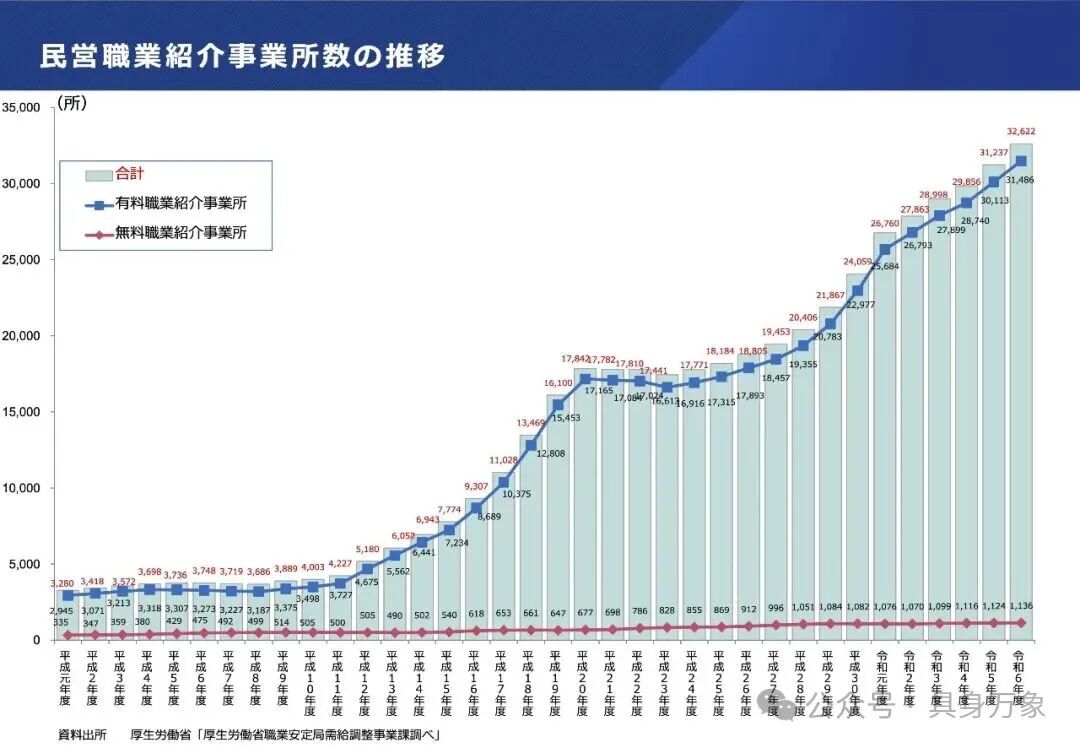
Core Insights - The AI recruitment platform HelloBoss, developed by the Asian startup NGA, has attracted significant attention in the capital market after completing a Series A funding round led by Bertelsmann Group through BAI Capital, with funds aimed at technology development and global market expansion [1][9] - HelloBoss aims to automate 90% of the recruitment process using its proprietary AI matching algorithm, enhancing communication efficiency and matching success rates between employers and job seekers [1][5] Company Overview - NGA's founder, Wang Qin, has a background in HR with five years at the renowned Recruit Group and has previously launched a platform for overseas illustrators [2] - The technical advisory team includes Dr. Xue Yanbo, former chief scientist at BOSS Zhipin, with a development team sourced from major tech companies like ByteDance, Tencent, and Microsoft Research [2] Market Context - The recruitment market in Japan is characterized by a significant shortage of labor, with an effective job-to-applicant ratio of 1.31 in 2023, indicating a severe labor shortage exacerbated by aging demographics [3][5] - Japan's headhunting industry is substantial, with over 30,000 firms and a market size exceeding $10 billion, driven by high demand for recruitment services across various sectors [3][7] Product Features - HelloBoss is designed to streamline the recruitment process, allowing employers to create job postings efficiently using a database of 5.5 million companies in Japan, and automating the editing and publishing of job descriptions [5][6] - The platform offers a results-based payment model, where companies pay only upon successfully hiring candidates, potentially reducing overall recruitment costs by about 20% and halving the recruitment cycle time [6][7] Financial Performance - HelloBoss has achieved a tenfold revenue increase since its launch, with expectations to reach profitability by 2026 based on new service packages [9] - The company plans to invest in model training and infrastructure optimization, as well as expand its team to enhance service delivery quality [9] Future Plans - NGA aims to expand internationally, focusing on regions with aging populations and imbalanced labor markets, leveraging Bertelsmann's resources for support in Europe [9][10] - The recent partnership with US unicorn Deel Inc. introduces a "Global Remote Hire" service, facilitating remote hiring processes for companies without the need for local entities [10]
2026第六届中国福州跨境电商交易会
Sou Hu Cai Jing· 2025-12-30 04:10
在全球化浪潮与数字技术深度融合的当下,跨境电商已成为国际贸易的新引擎。作为行业标杆展会,2026第六届中国(福州)跨境电商交易会(以下简 称"福州跨交会")将于2026年3月18日至20日在福州海峡国际会展中心盛大启幕。本届以"数字赋能·跨境共赢"为核心主题,携7.2万平方米展览空间、2000余 家全球优质展商及10万名专业观众,构建覆盖"供应商-平台-服务商"的全生态闭环,成为助力企业拓展全球商机、推动跨境电商高质量发展的核心枢纽。 展会亮点:全链条生态闭环与三大创新专区 平台与生态专区则汇聚亚马逊、TikTok Shop、eBay、SHEIN等主流平台,以及Jumia(非洲)、Mercado Libre(拉美)等新兴市场平台,配套物流、支付、 财税、合规等200余家服务商。其中,亚马逊SPN生态服务专区面积达470㎡,Temu展位超500㎡,现场提供招商答疑、实操小讲堂、新品选品会等服务,助 力新手卖家快速掌握出海技巧。 特色产业带专区以"一县一品"模式呈现区域经济特色,通过沉浸式场景展示推动"源头工厂+跨境品牌"深度对接。例如,结合3D打印技术的定制化茶具,可 满足海外消费者个性化需求;中山灯饰、汕头玩 ...

俄罗斯跨境电商迈向2.0,2026年如何玩转这个高增市场?| 出海参考
Tai Mei Ti A P P· 2025-12-29 11:07
Core Insights - The Russian cross-border e-commerce market is experiencing structural changes, entering a 2.0 era with significant growth potential and evolving consumer behavior [2][12] - The collaboration between local e-commerce platforms and Chinese cross-border merchants is driving rapid growth, with projections indicating that the Russian e-commerce market will reach $165 billion by 2025, more than double the 2022 figure [2][3] Market Growth and Potential - Russia's e-commerce market has maintained over 20% growth annually for the past three years, with a projected penetration rate of 24% by 2025, compared to 20% in 2024 [3][4] - The market is expected to reach a size comparable to that of Southeast Asia and Latin America, with a GDP ranking consistently between 9th and 11th globally, indicating a strong economic foundation [4][5] Infrastructure and Logistics - The development of digital infrastructure in Russia has led to the emergence of major platforms like Ozon and Yandex, which have invested in comprehensive logistics systems [5][10] - Ozon has established 10 fulfillment centers in China and is enhancing its logistics capabilities through partnerships with postal services, optimizing last-mile delivery through nearly 80,000 self-pickup points (PUDO) [7][10] Competitive Landscape - Ozon has surpassed AliExpress to become the largest cross-border e-commerce platform in Russia, with a significant increase in the number of Chinese sellers on its platform, growing from 1,000 in 2022 to 20,000 in 2024 [6][8] - The competitive focus is shifting towards brand differentiation, supply chain efficiency, and user experience as the market matures [12] Regulatory Environment - New regulations are being introduced, including a gradual reduction of the tax exemption for cross-border packages under €200 starting in 2026, which will impact the cost structure for cross-border e-commerce [8] - Compliance is becoming essential for market entry, transforming it from a cost consideration to a critical factor for long-term investment in the Russian market [8] Consumer Behavior and Demand - There is a notable gap in local consumer supply across various categories, including electronics and fashion, presenting growth opportunities for Chinese merchants [4][11] - Consumer preferences are evolving towards brand-oriented and differentiated products, necessitating a robust service ecosystem for brands entering the Russian market [11][12]

2025年欧洲电商市场趋势:亚马逊、Temu、TikTok、SHEIN竞争
Sou Hu Cai Jing· 2025-12-26 07:24
欧洲电商格局多元,由44个国家组成,语言文化分散,为亚马逊等老牌玩家和Temu、TikTok等新兴力量提供舞台。然而,合欧盟《数字服务法》和2026年 取消150欧元以下包裹免税,正重塑游戏规则,迫使卖家寻求高效工具。 易仓ERP作为专业跨境电商ERP,通过 多平台订单管理、多仓库存管理等功能,成 为 亚马逊、Temu、TikTok、SHEIN卖家应对变局的关键。 欧洲电商市场崛起:亚马逊、Temu、TikTok、SHEIN的竞争态势 欧洲电商市场在2025年迎来爆发式增长,动力源于 美国政策挤压和欧洲本地消费力。亚马逊作为国际巨头,通过2026年欧洲站费用调整巩固地位,同时引 导卖家拓展欧洲站点以分散风险。 中国平台攻势迅猛:Temu在欧洲推进"本对本"模式,目标80%订单本地发货;TikTok Shop新开德、法、意站点,月活用户超2亿;SHEIN则在巴黎开设永久 实体店,提升品牌形象。 2025年,欧洲电商市场成为全球跨境卖家的新焦点。在美国关税壁垒下,中国卖家加速转向欧洲。 截至2025年9月,中国对欧盟电商出口额已达205亿美 元,同比增长显著,而对美出口萎缩至131亿美元。这片消费沃土汇聚了 国际 ...


年度盘点:跨境电商“卷”向欧洲?国际巨头、中国新贵、本土诸侯开启“三国杀”
3 6 Ke· 2025-12-25 11:21
Core Insights - The European market is becoming increasingly attractive for cross-border sellers, especially as U.S. tariffs and the removal of tax exemptions for small imports push companies to seek opportunities in Europe [1][2] - Chinese e-commerce platforms like Temu, SHEIN, and TikTok are rapidly expanding their presence in Europe, with significant increases in active users and localized strategies [1][3][4] Group 1: Market Dynamics - In 2024, China's exports to the EU reached $19.1 billion, surpassing exports to the U.S. which were $23.1 billion, indicating a shift in trade focus [1] - By June 2025, Temu's active users in Europe exceeded 120 million, while SHEIN's monthly users averaged 150 million, reflecting a growth of 11.6% year-on-year [1] - The competitive landscape in Europe is characterized by a mix of international giants and local players, with over 250-300 e-commerce platforms expected to operate by 2025, 45% of which will be from outside Europe [3][4] Group 2: Strategic Shifts - Temu and SHEIN have shifted their focus to Europe due to challenges in the U.S. market, with Temu's advertising spending in France and the UK increasing by 115% and 20% respectively [2] - Amazon is encouraging sellers to expand into Europe, offering incentives to reduce migration costs [2][4] - SHEIN's first permanent store opened in Paris, attracting over 50,000 customers shortly after launch, despite facing significant opposition [5][7] Group 3: Localized Strategies - Temu aims for 80% of its European orders to be fulfilled from local warehouses, reducing delivery times from two weeks to a few days [4] - TikTok Shop has expanded its presence in Europe, launching new sites and logistics services to enhance delivery efficiency [7][8] - SHEIN has established a logistics center in Poland to improve delivery times across Europe, aiming to cover major markets within 48 hours [13] Group 4: Regulatory Challenges - The European market is facing increased compliance requirements, with new regulations impacting cross-border e-commerce operations [11][12] - A new tax policy set to take effect in 2026 will eliminate tax exemptions for imports under €150, significantly affecting profit margins for sellers [13] - The regulatory environment is complex, with varying compliance standards across different European countries, adding to the challenges for e-commerce platforms [12]

TikTok在美国支棱起来了?
虎嗅APP· 2025-12-22 11:08
Core Viewpoint - TikTok has reached a temporary resolution regarding its regulatory issues in the U.S. by forming a joint venture with Oracle, Silver Lake, and MGX, which will address data security and compliance while allowing TikTok to continue its commercial operations [4][5]. Group 1: Joint Venture Structure - The new structure consists of two entities: TikTok U.S. for commercial activities and a new joint venture focused on data security and compliance [5][6]. - The joint venture will be responsible for user data protection, algorithm security, content review, and software assurance to meet U.S. regulatory requirements [5][6]. - The ownership structure has evolved, with U.S. investors holding about 50% of the joint venture, while ByteDance retains a 19.9% direct stake, enhancing its influence compared to earlier proposals [8]. Group 2: Business Performance and Challenges - TikTok's U.S. e-commerce performance has lagged, with a target of $15.5 billion in 2024 but only achieving approximately $8.5 billion [12][13]. - The overall global GMV target for 2025 has been revised down from $95 billion to $87 billion due to underperformance in the U.S. market [13]. - Despite challenges, TikTok Shop's U.S. sales are projected to grow by 108% in 2025, reaching $15.82 billion, with an increase in market share [15]. Group 3: Competitive Landscape - TikTok faces intense competition in the U.S. e-commerce market, with Amazon and Walmart holding two-thirds of the market share, while Temu and SHEIN dominate a significant portion of the remaining third [28]. - The U.S. e-commerce market growth is stabilizing, with future growth expected to be around 10%, indicating a shift towards a more competitive environment [29]. - TikTok Shop's profit margins are constrained compared to competitors, with a gross margin of approximately 13%, limiting its pricing strategies [31][33]. Group 4: Operational Implications of New Structure - The new joint venture structure may complicate TikTok's operational efficiency, as data access for decision-making has become slower and more fragmented [35][36]. - The reliance on algorithms and A/B testing for content distribution and advertising may be hindered by the new data governance model, potentially impacting overall business performance [37]. - While TikTok has secured its presence in the U.S., the future of its operational effectiveness remains uncertain as it navigates this new phase [38].

中金 | 电商出海2025:直面挑战,保持韧性
中金点睛· 2025-12-21 23:36
中金研究 中国出海电商在性价比和运营效率上处于领先地位,在25年的外部压力测试中表现出较强韧性,看好中国出海电商平台未来在海外市场获得份额,以 及各平台的运营效率持续优化。 Abstract 外部扰动下,出海电商平台保持韧性。 25年以来,关税和小包免税政策的调整成为影响出海电商的主要矛盾,全球范围内对出海电商的监管趋严。在此 逆风下,我们测算25年出海电商GMV同增12%,其中四大中国出海电商平台GMV同增25%,中长期看,是否具备全球化能力,或成为电商平台发展的重 要分水岭。 本地化和分散化有效应对政策风险。 我们观察到主要出海平台在分散经营区域、增加海外仓履约方式、改进运营策略和推进半托管模式上均有系列动 作,展现出更强的经营韧性和抗风险能力。我们认为出海电商所面临的经营环境和海外政策扰动会持续,但当平台在具备了更强的本地化能力和分散化布 局后,有望降低极端情况对平台经营的影响,从而实现收入和利润稳健增长。 小包免税政策面临全球范围内的转向。 全球主要国家大都有一定价值量以下的小包裹豁免关税的海关政策,而出海电商也得以享受这一政策红利,以小 包直发的方式进入全球各国以豁免或降低关税或增值税。但随着中国出 ...