
吉利

Search documents
从AI-coding探讨Agent如何颠覆软件
2025-03-03 03:15
Summary of AI Programming Tools Conference Call Industry Overview - The conference discusses the AI programming tools industry, highlighting the emergence of various products and companies in both domestic and international markets [2][4][15]. Key Points and Arguments AI Programming Implementation and Applications - AI programming currently has three main forms: 1. **Plugin Form**: Initiated by GitHub Copilot, which has 70,000 to 80,000 paid users and is projected to reach an ARR of $300 million in 2024 [2]. 2. **Independent IDE**: Products like Gurktaler, which have seen a growth rate of 700% from April to August 2024, leveraging the Cloud 3.5 model [3]. 3. **Natural Language Code Generation Tools**: Such as BotNew, which generates code from natural language descriptions and has a daily ARR growth of $500,000 [3]. Market Dynamics - Domestic companies like Baidu, Alibaba, Tencent, and iFlytek are entering the AI programming space, but their models lag behind international counterparts [2][4]. - The domestic market is characterized by a low penetration rate but significant growth potential, with a focus on enterprise clients due to low consumer willingness to pay [2][10][15]. Competitive Landscape - ByteDance is focusing on the consumer market with innovative tools and may disrupt the market if it successfully transitions to enterprise solutions [11]. - Traditional IDEs face challenges from self-developed AI IDEs that offer better user experiences and functionalities [12][13]. Commercialization and Business Models - The primary business models in the domestic AI programming market are SaaS and private deployment, with enterprise clients showing a preference for private solutions due to data security concerns [19][21]. - The willingness to pay for AI models is expected to increase significantly by 2025, driven by successful applications in various industries [21]. Industry Demand and Applications - The financial sector shows the highest demand for AI programming tools, with manufacturing and military sectors also emerging as significant users [29]. - AI models are applied in code organization, code completion, unit testing, and code review, enhancing efficiency and quality [22]. Future Trends - The AI programming field is anticipated to grow rapidly over the next 3 to 5 years, with the emergence of leading products capturing significant market shares [20]. - The distinction between AI platforms and low-code platforms is emphasized, with AI platforms offering greater customization and flexibility [24]. Additional Important Insights - The domestic SaaS market is growing but remains unprofitable compared to investment costs, with major players like ByteDance and Alibaba leading the charge [32]. - Subscription software prices are relatively low, with individual costs around a few hundred yuan, making it accessible for frequent users [33][35]. - The financial industry's private budget for AI projects has seen a significant decrease in prices, reflecting market adjustments [34]. This summary encapsulates the key insights from the conference call regarding the AI programming tools industry, highlighting the competitive landscape, market dynamics, and future trends.
嘉世咨询《2025乘用车轮胎行业简析报告》PDF版
MCR嘉世咨询· 2025-03-03 02:20
Investment Rating - The report does not explicitly state an investment rating for the passenger car tire industry Core Insights - The passenger car tire industry is experiencing significant growth driven by the increasing demand for new energy vehicles and the rising vehicle ownership in China. The market is characterized by a competitive landscape with both domestic and international brands vying for market share. The industry faces challenges such as reliance on imported raw materials and the need for technological advancements to meet evolving consumer demands [3][41][45]. Summary by Sections 1. Definition and Classification of Passenger Car Tires - Passenger car tires are specifically designed for vehicles such as sedans, sports cars, and SUVs, requiring higher performance and stability under various driving conditions [3][4]. 2. Industry Chain - The industry chain consists of upstream raw materials (natural rubber, synthetic rubber, carbon black), midstream tire manufacturing concentrated in Shandong, Jiangsu, and Zhejiang, and downstream automotive manufacturing and aftermarket services [5][6][7]. 3. Upstream Raw Materials - Natural rubber prices are expected to rise due to adverse weather conditions in Southeast Asia, with prices reaching 16,890 CNY/ton by the end of 2024, a 29.33% increase from the beginning of the year [8][9]. 4. Midstream Production - Shandong province accounts for 50% of China's tire production, with a projected output of 267 million tires in 2024, reflecting an 11.72% year-on-year increase [12][13]. 5. Downstream Market Trends - The online automotive aftermarket is rapidly growing, with over 65% of car owners using apps for purchasing parts and services. The penetration rate of online platforms in tire replacement services has reached 25% [15][16]. 6. Demand Drivers - The increasing production of passenger vehicles and the growing vehicle ownership in China are driving tire demand, with an annual replacement market of approximately 180 million tires [16][21]. 7. Export Market - China's passenger car tire exports reached 349 million units in 2024, a 13.4% increase, with a total export value of 63.9 billion CNY, indicating strong international competitiveness [34][36]. 8. Competitive Landscape - Domestic brands are gaining market share in the mid to low-end segments, while international brands dominate the high-end market, particularly in the new energy vehicle sector [37][38]. 9. Future Trends - The market is expected to see continued growth in demand for new energy vehicle tires, increased focus on sustainability, and advancements in smart and digital technologies [45][46][47][48].


BBA或成下一个「诺基亚」
雷峰网· 2025-03-02 15:11
Core Viewpoint - The luxury car market is facing significant challenges as traditional brands like BBA (Benz, BMW, Audi) struggle against the rise of Chinese automakers and the shift towards electric and smart vehicles [2][4][15] Group 1: Market Dynamics - Domestic car manufacturers are breaking the market dominance of luxury brands, leading to ongoing public disputes and competitive comparisons [2][3] - BBA's market share in China, which was as high as 94.03% in 2012, is declining as they face sales drops: BMW down 4%, Mercedes-Benz down 4%, and Audi down 11.8% in 2024 [6][15] - The financial performance of BBA is deteriorating, with Mercedes-Benz's net profit down 53.8%, BMW down 83.8%, and Audi down 91% [6][15] Group 2: Industry Challenges - The traditional luxury car brands are experiencing a crisis similar to that faced by Nokia, as they struggle to adapt to the new electric and smart vehicle landscape [4][15] - BBA dealerships are closing or facing severe financial difficulties, with reports of significant losses among dealers, reaching a 50.8% loss rate [6][7] - Price wars are intensifying in the automotive industry, forcing traditional luxury brands to lower prices to maintain market share [6][15] Group 3: Technological Shift - The emergence of Chinese brands like BYD and Xiaomi is redefining luxury, focusing on advanced technology and smart features rather than traditional mechanical superiority [11][15] - Chinese automakers are rapidly developing a complete ecosystem from raw materials to charging infrastructure, with over 3.39 million public charging stations established by October 2024 [11][15] - The definition of luxury is shifting from brand prestige to technological capabilities, data scale, and ecosystem integration [15][16] Group 4: Future Outlook - The luxury car market is transitioning to a fragmented landscape where multiple standards coexist, similar to the smartphone market evolution [15][16] - The decline of BBA may not lead to their complete replacement but rather a diversification of luxury standards in the automotive industry [15][16]


2月需求弱,比亚迪普及全民智驾,华为拟推L3级智驾
2025-03-02 06:38
Summary of Conference Call Notes Industry Overview - The conference call primarily discusses the electric vehicle (EV) industry, focusing on companies like BYD and their technological advancements in smart driving systems, particularly in collaboration with Huawei and other leading automotive firms [1][21][30]. Key Points and Arguments 1. **Technological Development**: - BYD and Huawei are pushing for the development of high-level autonomous driving technologies, specifically L3-level systems, indicating a significant shift towards smarter vehicles [21][32]. - The integration of advanced algorithms and computing power is expected to enhance the performance and safety of these vehicles, with a focus on reducing costs associated with algorithm development [19][20]. 2. **Market Performance**: - In February, the wholesale vehicle sales saw a significant month-on-month decline of approximately 34%, but a year-on-year increase of around 60% due to low base effects [3]. - BYD's weekly sales showed a recovery from 28,900 units in the first week of February to 58,900 units by the third week, indicating a positive trend as new models are introduced [5]. 3. **Consumer Demand and Preferences**: - There is a growing consumer acceptance of smart features in vehicles, with a noted increase in the willingness to pay for advanced functionalities [14][18]. - The penetration rate of new energy vehicles (NEVs) is expected to rise significantly, driven by government subsidies and improved vehicle quality [4][8]. 4. **Competitive Landscape**: - The competition among domestic brands is intensifying, with BYD expected to maintain its leading position due to its scale advantages and extensive distribution network [29][30]. - The market share of traditional fuel vehicles is projected to decline, while the share of domestic brands in emerging markets is anticipated to grow, particularly in regions like the Middle East and Africa [10][11]. 5. **Policy Impact**: - Recent government policies have expanded the scope of subsidies for NEVs, which is expected to stimulate consumer demand and support the overall market growth [9][57]. - The automotive retail demand is projected to grow by approximately 2% year-on-year, reaching around 23.4 million units [9]. 6. **Investment Trends**: - The fourth quarter saw a significant increase in fund holdings, with a notable focus on companies like BYD and other key players in the EV sector, reflecting strong market confidence [54][56]. Other Important Insights - The collaboration between BYD and Huawei is seen as complementary rather than competitive, with both companies leveraging their strengths to enhance vehicle technology and consumer experience [23][30]. - The introduction of new models and features is crucial for maintaining consumer interest and driving sales, especially in a competitive market [27][36]. - The overall sentiment in the market remains optimistic, with expectations of continued growth in the EV sector driven by technological advancements and supportive government policies [58].

曾高达1500亿元估值!长跑20年,奇瑞汽车冲向港股
21世纪经济报道· 2025-02-28 10:55
Core Viewpoint - Chery Automobile has submitted its IPO application to the Hong Kong Stock Exchange, marking a significant milestone for the only large unlisted automobile group in China, with hopes of finally achieving its long-awaited listing dream [2][6]. Financial Performance - Chery's revenue for 2022, 2023, and the first nine months of 2024 was RMB 92.62 billion, RMB 163.21 billion, and RMB 182.15 billion respectively. Net profit increased from RMB 5.81 billion in 2022 to RMB 10.44 billion in 2023, representing an annual growth rate of nearly 80% [6][8]. - In 2024, Chery's net profit for the first nine months reached RMB 11.31 billion, showing a year-on-year growth of nearly 60% [6][8]. Sales and Market Position - In 2024, Chery's global sales exceeded 154,000 units in the first three quarters, a year-on-year increase of 51.8%. The total sales for the year reached 260,390 units, up 38.4%, setting a new historical record [9]. - Chery's sales of new energy vehicles (NEVs) surpassed 58,000 units in 2024, marking a year-on-year growth of 232.7% [9]. Export Growth - Chery's export volumes from 2021 to 2024 were 269,200 units, 451,300 units, and 1,140,000 units respectively, with a 248% increase in 2023 compared to 2021. The 2024 export volume set a new record for Chinese car manufacturers [10][11]. Strategic Plans - The company plans to launch over 60 new passenger vehicle models and versions by 2025, focusing on electrification and intelligence. This includes the introduction of various plug-in hybrid and pure electric vehicles [12][13]. - Chery aims to enhance its research and development in smart driving technologies and improve the practicality and cost-effectiveness of its smart driving solutions [13]. IPO Motivation and Market Strategy - Chery's management has expressed that listing is crucial for establishing a long-term capital supply channel and activating its equity incentive mechanism. The company is now targeting the Hong Kong market for its IPO instead of the A-share market [17][19]. - The IPO proceeds are intended for expanding product lines, enhancing core technology capabilities, and supporting global market expansion [11][19]. Historical Context - Chery's journey towards listing has faced numerous challenges over the past 20 years, including missed opportunities and internal restructuring. The company has learned valuable lessons from these experiences, which may benefit its current IPO efforts [16][20].
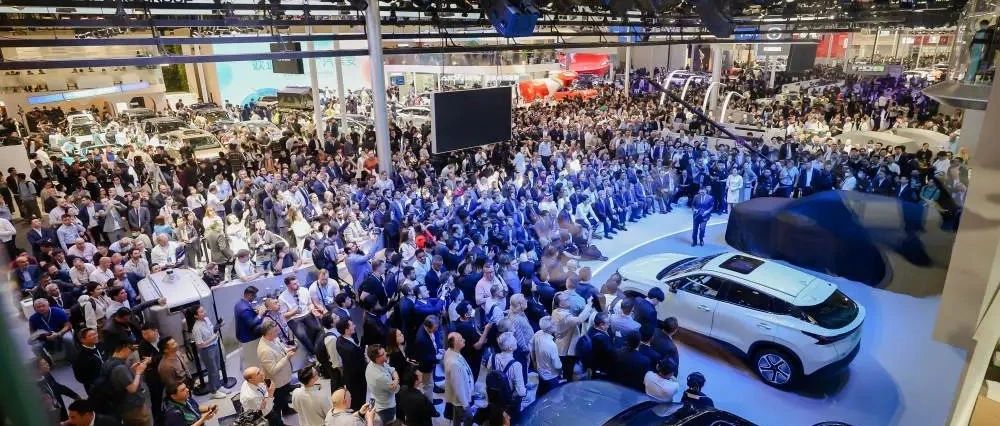
52万,小米SU7 Ultra最大的问题是卖便宜了?
36氪· 2025-02-28 09:25
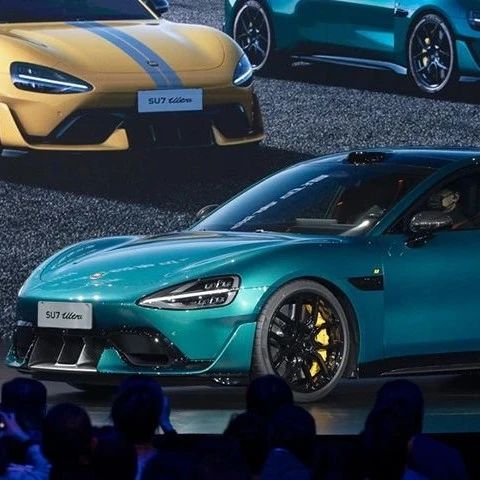
Core Viewpoint - The article discusses the pricing strategy and marketing tactics of Xiaomi's SU7 Ultra, highlighting the challenges and opportunities in positioning the vehicle as a high-end product while maintaining brand identity and consumer interest [2][5][19]. Pricing and Market Positioning - The final price of the SU7 Ultra is set at 529,900 yuan, significantly lower than the pre-sale price of 814,900 yuan, which raises questions about the brand's long-term positioning in the high-end market [5][19]. - The pricing strategy aims to attract consumers while still reflecting a premium brand image, but the substantial drop in price may dilute the perception of luxury associated with the product [19][21]. Sales Expectations and Initial Response - Xiaomi has set an ambitious sales target of 10,000 units annually, which is considered optimistic compared to competitors in the luxury segment [19][20]. - The initial response to the pricing was positive, with 6,900 units reserved within ten minutes of the announcement, indicating strong market interest [20]. Marketing Strategy - Xiaomi's marketing strategy for the SU7 Ultra focuses on leveraging track performance to generate buzz, with the vehicle breaking multiple lap records at various race tracks [10][11][12]. - The company has utilized a unique approach by involving content creators and influencers to document and share the vehicle's performance, enhancing engagement with potential customers [12][13]. Brand Image and Consumer Perception - The SU7 Ultra represents a significant step for Xiaomi in breaking away from its value-for-money image, aiming to establish itself as a serious player in the luxury automotive market [17][18]. - The marketing approach emphasizes a balance between high performance and accessibility, allowing consumers to perceive the vehicle as both desirable and attainable [15][29]. Competitive Landscape - The SU7 Ultra is positioned uniquely within the market, facing limited direct competition in the 500,000 yuan price range for electric performance vehicles, making it a standout offering [9][18]. - Xiaomi's strategy contrasts with other domestic brands that aggressively target luxury competitors, opting instead for a more measured approach that fosters goodwill among potential high-end consumers [22][29].
特斯拉FSD来了,但还没真正来|焦点分析
36氪· 2025-02-26 10:25
Core Viewpoint - Tesla's Full Self-Driving (FSD) system has made significant progress in its rollout in China, marking a crucial step in its strategy to capture the Chinese market, despite facing regulatory and operational challenges [2][10][19]. Group 1: FSD Features and Capabilities - The FSD update includes a "City Streets Autopilot" feature that allows vehicles to navigate city roads, including straight driving, turning, and lane changes, but it remains at Level 2 assistance and does not achieve full autonomy [3][4]. - The FSD system in China is expected to mirror the core functionalities available in North America, although it is not yet the complete version [5][9]. Group 2: Market Context and Competition - Tesla's FSD entry into China comes at a time when local competitors like BYD are rapidly advancing their own intelligent driving technologies, creating a competitive landscape [17][20]. - In 2022, Tesla's global sales saw a slight decline, with a notable 8.8% increase in China, which now accounts for 37% of Tesla's global market share, surpassing the U.S. [19][20]. Group 3: Data and Training Challenges - Tesla faces significant challenges in data collection and model training due to regulatory restrictions on data transfer between China and the U.S., which complicates the development of its FSD capabilities [9][10]. - The company has established local data annotation and operations teams in China to facilitate the training of its intelligent driving models using local data [11][14]. Group 4: Future Prospects and Strategic Moves - As Tesla begins to push FSD features to users, the evolution of the system in China is expected to accelerate, potentially enhancing its competitive edge [12][16]. - The introduction of FSD in China is seen as a necessary move for Tesla to maintain relevance in a rapidly evolving market, especially as local manufacturers are aggressively promoting their own intelligent driving solutions [21][22].

中国叙事正在变
投资界· 2025-02-25 07:36
以下文章来源于秦朔朋友圈 ,作者秦朔 秦朔朋友圈 . 秦朔朋友圈是由中国著名媒体人、财经观察家秦朔牵头创立的一个新媒体与专业服务品牌,包括微信公 众号、微博、视频节目、音频节目等。内容聚焦于经济、金融和商业领域,关注重点为全球和中国财经 商业热点、企业家精神、创新与发明创造、商业文明探索等。 中国科技资产重估。 作者 | 秦朔 来源 | 秦朔朋友圈 (ID: qspyq2015 ) 叙事之变 假如人们在未来回看2025年的早春二月,一定会注意到,世界对中国经济与科技的认 知,在那一刻发生了一些根本性转变。 外资投行的研报,突然间,一边倒地看多。 德意志银行的研报是《中国吃掉全球:中国的"斯普特尼克时刻"》。 报告认为,2025 年是中国超越其他国家的一年,代表事件是全球首款第六代战斗机的试飞和低成本人工 智能系统DeepSeek。 高盛的研报是《启航2025:在中国股市中斩获超额收益》。报告提出2025年要超配A股 和港股,预计MSCI中国和沪深300指数全年上涨20%。 摩根士丹利的研报是《DeepSeek点燃市场,全球投资者重估中国科技股价值》。报告 称,DeepSeek横空出世让投资者意识到,AI的应用 ...
如何站在未来看现在
叫小宋 别叫总· 2025-02-09 07:45
美国镀金时代( 1870-1890 )的亿万富翁(卡耐基、洛克菲勒、古尔德、摩根)都出生在十九世纪三十年代,那时正值美国经济发展的窗口期。在 他们出生后的几十年,美国经济高速发展,成为人类历史上经济最繁荣的时期之一。 我们国家 1990-2010 的高速增长,也是全球范围内前无古人后无来者了。 经 wei 张颖接受访谈时说,我们的员工都是其他行业很普通的员工,如果换一拨人,这么多年过来,他们仍然可以做得很出色。我们吃到的其实都是时代 的红利。 中芯 ju yuan 成立的时候,只是母公司财务部下属的一个部门,工资待遇和母公司的基层员工是持平的。 那个时候如果你是里面的一名基层员工,哪怕你只是会计专业,哪怕你对半导体完全不懂,凭借熬年头到现在,你大概率也是一个 MD ,甚至合伙人。 如果你能做到中芯 ju yuan 的 MD ,跳槽去其他机构,年薪百万应该没太大问题吧?我没有核实过,我只是感性认知。 我想说,这也是时代的红利。 因为 AI ,我们处在一个生产力大变革的时代。数据取代了石油,算力芯片取代了蒸汽机,算法取代了老师傅们的手艺。 从春节期间就开始爆红的 DeepSeek ,不仅让全球看到中国在 AI 领 ...
智联:25%职场人每天工作超十小时;苹果、华为降价换国补;小红书上线一键翻译丨百亿美元公司动向
晚点LatePost· 2025-01-21 13:45
小红书上线一键翻译功能。 智联招聘说 2024 年有 25.6% 的职场人每天工作超 10 小时。 智联招聘今天发布的《2024 年职场人满意度指数调研报告》中说,2024 年调研范围中职场人的整 体工作满意度是 2.72,与 2023 年持平,影响满意度的主要指数中,薪酬满意度最低。报告的调研 范围内,25.6% 的职场人每天工作 10 小时以上,"蓝领" 行业、运营岗位加班多。另有 17.6% 的人 每天工作 10-12 小时。 报告还说,相对其他行业,服务业、汽车 / 生产 / 加工 / 制造、交通 / 运输 / 物流 / 仓储等 "蓝领" 行业的加班情况更严重,超过 3 成的制造业职场人每天工作 10 小时以上。 苹果、华为降价换国补。 2025 年手机国补今日起上线。在京东等电商平台,苹果、华为等多个品牌多款手机均下调价格, 如 iPhone 16 Plus 128G 版本官方价格 6999 元,调价后降至 5999 元;消费者可在此基础上使用国 补。降价后,两家品牌的主力机型 iPhone15 、iPhone 16、华为 Mate60、华为 Mate70 均在补贴范 围。 今年的国补首次将手机等数 ...



