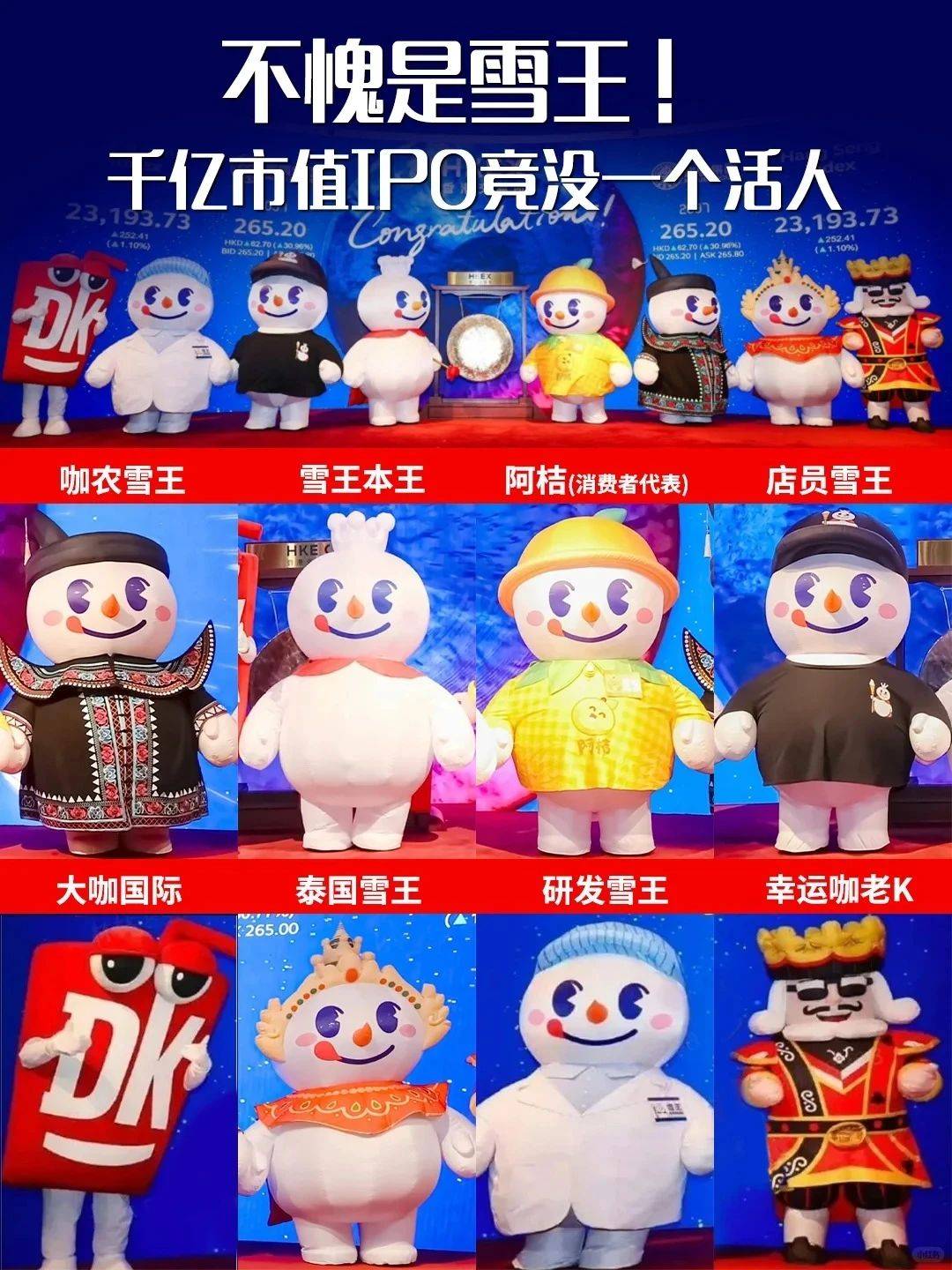
蜜雪冰城

Search documents
蜜雪冰城加速托举第二增长曲线
财富FORTUNE· 2025-08-25 13:05
Core Viewpoint - The article discusses the expansion strategy of Mixue Ice City and its coffee brand, Lucky Coffee, focusing on their growth in both domestic and international markets, particularly in Southeast Asia [2][5][6]. Group 1: Expansion Plans - Lucky Coffee is preparing to open five stores in Malaysia, marking its first international expansion [2]. - The brand aims to reach over 10,000 stores by the end of this year, with current store numbers exceeding 7,000 [5]. - Mixue Ice City plans to have over 46,000 global stores by early 2025, with nearly 5,000 located outside mainland China, primarily in Southeast Asia [2][5]. Group 2: Market Position and Competition - As of the end of 2023, Lucky Coffee has become the fourth largest fresh coffee brand in China with nearly 3,000 stores [4]. - The coffee market in China has been highly competitive, and Lucky Coffee has faced challenges, including store closures and stagnation in growth [4]. - Lucky Coffee will compete with other Chinese brands like Luckin Coffee and Kudi in Southeast Asia, with Kudi having a rapid expansion plan aiming for 50,000 stores globally by the end of 2025 [8]. Group 3: Supply Chain and Operational Efficiency - Mixue Ice City has established a robust supply chain system that supports both its brand and Lucky Coffee, allowing for cost-effective operations [6]. - The company operates 27 self-managed warehouses in China and 7 in Southeast Asia, totaling approximately 69,000 square meters [6]. - The recent IPO on the Hong Kong Stock Exchange is expected to enhance Mixue Ice City's global expansion and supply chain capabilities [6]. Group 4: Financial Performance and Market Challenges - Following a downgrade by UBS, Mixue Ice City's stock price has declined from nearly 620 HKD to below 500 HKD due to high valuations and challenges in overseas markets [7]. - The company aims to utilize 66% of the proceeds from its global offering to upgrade its supply chain [6].

茶咖日报|多个奶茶品牌被检出含反式脂肪酸
Guan Cha Zhe Wang· 2025-08-25 12:10
Group 1: Milk Tea Brands and Health Concerns - Multiple milk tea brands, including Heytea and Naixue Tea, were found to contain trans fats and high sugar levels, with Mixue Ice City’s pearl milk tea having 50.82 grams of sugar per 650ml, exceeding the recommended daily limit of 50 grams [1] - Heytea's roasted brown sugar bubble milk tea had a sodium content of 942mg/kg, translating to approximately 1.2 grams of salt per 500ml serving, marking it as the "salt champion" [1] - The presence of trans fats in products from several brands, including Heytea and Naixue Tea, raises health concerns, as long-term consumption is linked to increased cardiovascular disease risk [1] Group 2: Company Responses to Health Claims - Heytea responded to the health claims, stating that the detected trans fats are from natural sources in dairy products, and emphasized the use of high-quality ingredients [2] - Bawang Chaji also denied the claims, asserting that their product met national food safety standards regarding trans fat content [2] Group 3: Coca-Cola's Strategic Evaluation of Costa Coffee - Coca-Cola is considering selling its UK coffee brand, Costa Coffee, and has engaged Lazard to explore potential sale options, following its acquisition of the brand for £3.9 billion in 2018 [3] - Costa Coffee operates in 50 countries and includes a comprehensive business model with chain stores, ready-to-drink products, and coffee machines [3] - Initial bids from potential buyers may be submitted in early autumn, but the sale process remains uncertain [3] Group 4: Tea Yan Yue Se's Apology for Design Issues - Tea Yan Yue Se issued an apology for allegedly copying designs from four bloggers in their new product line, acknowledging unauthorized use of certain elements [4][5] - The company plans to establish a dedicated investigation team to address management and design oversight issues to prevent future occurrences [5] Group 5: Keurig Dr Pepper's Acquisition of JDE Peet's - Keurig Dr Pepper announced its acquisition of JDE Peet's for €15.7 billion, with plans to split into two independent companies focusing on North American beverages and global coffee [6] - The acquisition price of €31.85 per share represents a 33% premium over JDE Peet's average stock price [6] - This move is seen as a significant transformation in the beverage industry, with KDP aiming to establish itself as a global coffee leader [6] Group 6: Lucky Coffee's International Expansion - Lucky Coffee, a brand under Mixue Group, opened its first overseas store in Malaysia, selling nearly 2,000 cups on the opening day [7] - The store incorporates local cultural elements into its design and product offerings, including localized flavors like matcha lemon and strawberry iced tea [7] - Lucky Coffee has rapidly expanded in the domestic market, surpassing 7,000 signed stores by July, marking a new phase in its international growth [7]



蜜雪冰城的低价挡箭牌,扛得住东方明珠“扫射”,扛不住食品安全危机
创业邦· 2025-08-25 10:11
Core Viewpoint - The article discusses the marketing success and public perception of the brand Mixue Ice City, highlighting its ability to leverage social media trends and consumer engagement while facing ongoing food safety issues [5][10][21]. Group 1: Marketing and Brand Image - Mixue Ice City has successfully integrated its brand image with the "Snow King" IP, which has become a cultural symbol beyond just beverages, emphasizing the importance of brand influence [12][14]. - The brand's social media strategy focuses on making the Snow King character relatable and engaging, resulting in high interaction rates on platforms like Xiaohongshu, where posts related to the Snow King receive significantly more engagement than those related to the brand itself [14][15]. - Mixue Ice City capitalizes on trending topics and user-generated content, such as the "first cup of milk tea in autumn" campaign, which led to a significant sales boost for new products [17][19]. Group 2: Food Safety Concerns - Despite its marketing success, Mixue Ice City faces serious food safety challenges, with a high volume of complaints reported on platforms like Black Cat Complaints, indicating operational difficulties and safety pressures that exceed those of competitors [22][27]. - The brand has experienced multiple food safety incidents in 2023, yet its conservative response strategy has not significantly damaged its overall public image, as many consumers continue to support the brand [21][23]. - The perception of Mixue Ice City as a low-cost option has led to a degree of consumer leniency regarding its food safety issues, but this tolerance may be waning as more incidents occur [26][39]. Group 3: Business Strategy and Expansion - As of December 31, 2024, Mixue Ice City has expanded to 46,479 stores globally, surpassing Starbucks, but faces challenges in maintaining quality control across its vast franchise network [29][35]. - The company has announced a strategic slowdown in new store openings to focus on improving existing store operations and ensuring standardized practices to mitigate food safety risks [35][37]. - The brand's identity is closely tied to its low-price strategy, which has been a double-edged sword; while it attracts a large customer base, it also limits the brand's ability to innovate and upgrade its product offerings [38][39].
行业降温,加盟成本高,王牌单品缺失……爷爷不泡茶凭什么冲刺5000店?
东京烘焙职业人· 2025-08-25 08:31
Core Viewpoint - The article discusses the rapid expansion and challenges faced by the tea brand "爷爷不泡茶" (Grandpa Doesn't Brew Tea), highlighting its ambition to grow significantly in a competitive market while addressing the need for sustainable business logic in the new tea beverage industry [4][25]. Expansion Strategy - "爷爷不泡茶" aims to increase its store count from under 3,000 to a minimum of 4,500 by 2025, with a target of reaching 5,000 stores [4][12]. - The brand's expansion strategy includes targeting lower-tier markets and introducing various store formats to increase flexibility in location selection [11][12]. - The brand's current store count is reported to be over 2,500, although some data sources suggest it may be below 2,100 [11][12]. Product Development - The brand focuses on creating unique products, such as "荔枝冰酿" (Lychee Ice Brew), which has sold over 38 million cups, positioning it as a leading product in its category [14][16]. - "爷爷不泡茶" emphasizes the use of local ingredients and cultural heritage in its products, aiming to differentiate itself in a crowded market [19][22]. Market Position and Competition - The new tea beverage market is highly competitive, with established brands like "蜜雪冰城" (Mixue Bingcheng) and "喜茶" (Heytea) dominating the landscape [9][12]. - The brand's pricing strategy places it in direct competition with other mid-tier brands, making it challenging to attract franchisees due to uncertain return on investment [12][22]. Financial Performance and Growth Challenges - The brand's growth is hindered by a lack of standout products and reliance on promotional activities, which can erode profit margins for franchisees [23][25]. - Despite achieving recognition among younger consumers, the brand faces scrutiny over product quality and consistency, which could impact its long-term viability [25][26]. Industry Trends - The new tea beverage industry is experiencing a shift, with market share among the top five brands increasing from 38.5% in 2020 to 46.8% in 2023, indicating a trend towards consolidation [12][24]. - The article notes that many brands are adopting similar "national trend" themes, making it difficult for any single brand to stand out [17][19].
密集“串门”,郑州要带队“出圈”
3 6 Ke· 2025-08-25 01:46
Core Insights - The Zhengzhou urban agglomeration is being developed as a key area for collaboration and resource sharing, with a focus on enhancing the food industry and high-quality development [1][2] - Zhengzhou urban agglomeration ranks 7th in area, 4th in population, and 10th in economic output among the 17 approved urban agglomerations in China [1] Group 1: Urban Agglomeration Development - The Zhengzhou urban agglomeration is the 10th approved national urban agglomeration, strategically located at the intersection of major transportation routes [1] - The urban agglomeration aims to cultivate 2-3 world-class advanced manufacturing clusters in high-end equipment, green food, and new materials by 2027 [1] Group 2: Food Industry Focus - Zhengzhou produces over 60% of the country's frozen food, with a market share of over 20% in instant noodles, and leads in jujube products [2] - The food industry in Luohe has over 7,000 enterprises, with a scale exceeding 250 billion yuan, nurturing well-known brands like Shuanghui and Weilong [2] - The Luohe modern food industry belt is one of the eight key industrial belts in the Zhengzhou urban agglomeration, aiming to integrate agriculture and food production [2] Group 3: Collaborative Efforts - Zhengzhou is taking the lead in accelerating the construction of the urban agglomeration, engaging with surrounding cities to enhance collaboration and resource sharing [2] - The provincial government emphasizes the need for a modern industrial urban agglomeration with strong manufacturing clusters and a well-structured industrial layout [2]
全网刷屏的“肯优麦瑞蜜”,有什么秘密?
Xin Lang Cai Jing· 2025-08-24 03:23
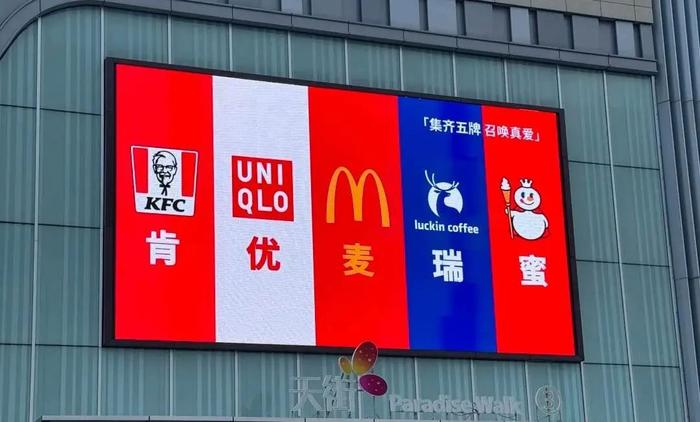
近期,这个神秘组合"霸屏"了武汉、广州、深圳等全国多个城市的商场。定睛一看,原来是肯德基、优 衣库、麦当劳、瑞幸、蜜雪冰城五大品牌首字拼成的谐音梗——英文"Can you marry me(你愿意嫁给我 吗)"的中文音译。 龙湖青岛胶州天街大屏幕中的"肯优麦瑞蜜"。(图/社交平台@爆爆爆爆米花) 具体是哪个商场最先"搞事情"已难追溯,但"肯优麦瑞蜜"确确实实火了,社交平台上相关视频多达几十 万赞。 眼见谐音梗宣传效果喜人,全国各地多家商场也纷纷行动起来。 有商场继续情话输出,比如淄博吾悦广场就凑齐了"肯优麦瑞蜜"。有商场开始接梗,回答"肯优麦瑞 蜜",如南宁百货大楼的大屏幕上,星巴克和霸王茶姬"接梗"回应"星霸(行吧)";到了济南世茂广 场,爷爷不泡茶、波司登、iCAR和耐克(JUST DO IT)共同拼出了"爷司爱DO"的回答,意为"Yes, I do (我愿意)";而在济南融创茂商场,"Yes, I do"又变成"爷斯爱DO",也就是爷爷不泡茶、斯凯奇、 AiliSong和耐克。 南宁百货大楼大屏幕中的"星霸"。(图/社交平台@宝宝牛杂 问题来了,为啥营销时总爱玩谐音梗? 谐音广告,并非"新玩法" 有些广 ...
从江门到尖沙咀:内地茶咖香江往事
Ge Long Hui· 2025-08-23 12:07
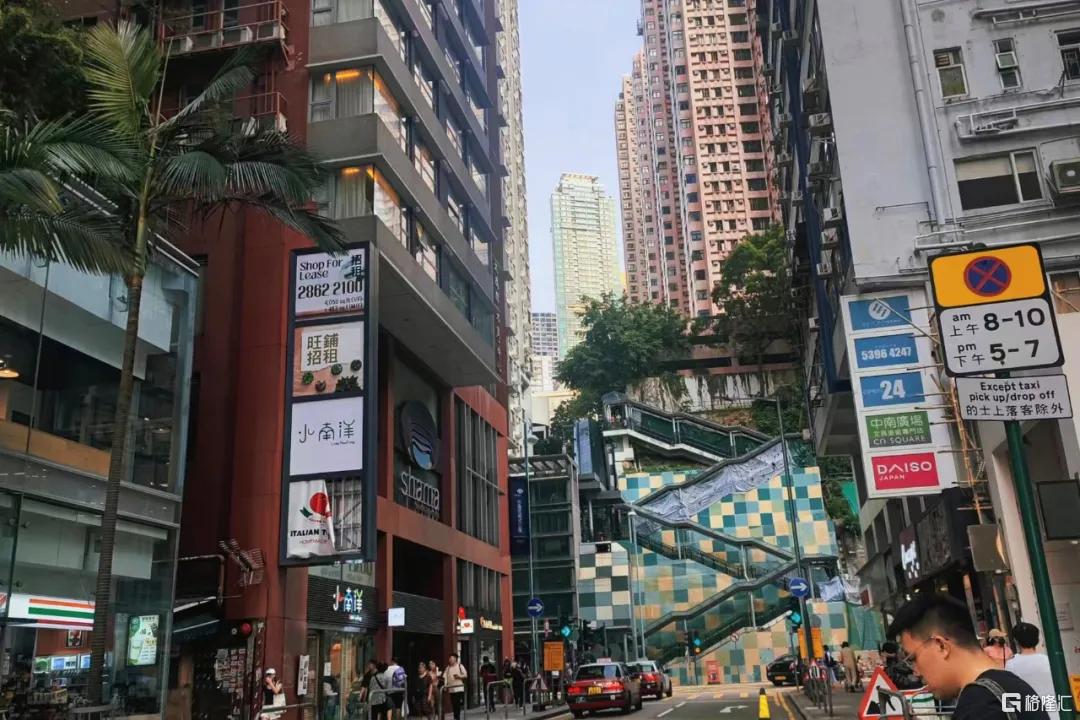
Core Insights - Hong Kong is highlighted as a prime example of a free market, with significant trade activity between mainland China and Hong Kong, showing a year-on-year growth of 11.4% in trade volume [2] - The influx of mainland tea and coffee brands into Hong Kong is driven by the city's strategic position as a gateway to international markets and its favorable business environment [13][14] Trade and Economic Activity - The trade volume between mainland China and Hong Kong reached $160.589 billion in the first half of the year, with imports from Hong Kong growing by 21.3% and exports to Hong Kong increasing by 10.8% [2] - The Hong Kong government has assisted over 1,300 companies in establishing or expanding their businesses in the region, with nearly half being mainland enterprises [2] Cultural and Market Dynamics - The evolution of Hong Kong's milk tea culture and its introduction to mainland China is traced back to the 19th century, with a significant shift occurring post-2010 as mainland brands began to dominate the market [3][4] - The rise of new tea brands like Heytea and Nayuki has significantly impacted the traditional Hong Kong milk tea market, leading to a decline in the growth rates of established brands [5][6] Brand Expansion in Hong Kong - At least 25 mainland tea and coffee brands have entered the Hong Kong market, with over a hundred stores opened [6] - Brands are strategically choosing locations based on consumer demographics and market positioning, with many opting for high-traffic areas like Tsim Sha Tsui and Mong Kok [9][10] Strategic Importance of Hong Kong - Hong Kong serves as a critical platform for mainland brands to understand international business practices and consumer behavior, enhancing their global competitiveness [13][14] - The city’s geographical location and established financial infrastructure make it an attractive base for companies looking to expand into international markets [13] Challenges Faced by Mainland Brands - Despite the opportunities, mainland brands face high operational costs in Hong Kong, with significant differences in labor costs and rental prices compared to mainland China [15] - The entrenched local tea culture and competition from established brands pose additional challenges for new entrants [15]
城市24小时 | 密集“串门”,郑州要带队“出圈”
Mei Ri Jing Ji Xin Wen· 2025-08-22 15:56
Group 1 - The Zhengzhou metropolitan area is recognized as the 10th approved national metropolitan area in China, positioned at the intersection of key urbanization strategies and is ranked 7th in area, 4th in population, and 10th in economic output among the 17 approved metropolitan areas [1] - The food industry is identified as a foundational element for the development of the metropolitan area, with a focus on creating advanced manufacturing clusters in high-end equipment, green food, and new materials by 2027 [1][2] - The Zhengzhou metropolitan area is home to over 60% of the country's frozen food production and has a significant market share in instant noodles and jujube products, with the city of Luohe housing over 7,000 food enterprises and a food industry scale exceeding 250 billion yuan [2] Group 2 - The Zheng-Luo modern food industry belt is one of the eight important industrial belts in the Zhengzhou metropolitan area, aiming to integrate cities along the Beijing-Guangzhou railway and develop a modern food industry [2] - The Zhengzhou metropolitan area is under pressure to accelerate its development, with Zhengzhou acting as the leading city to enhance collaboration and resource sharing among surrounding cities [2] - The recent government meeting emphasized the need for a modern industrial metropolitan area with strong manufacturing clusters and a focus on innovative production capabilities [2]




4000 家门店进驻淘宝闪购,曾只认美团的它,为何转身?
Sou Hu Cai Jing· 2025-08-22 13:17
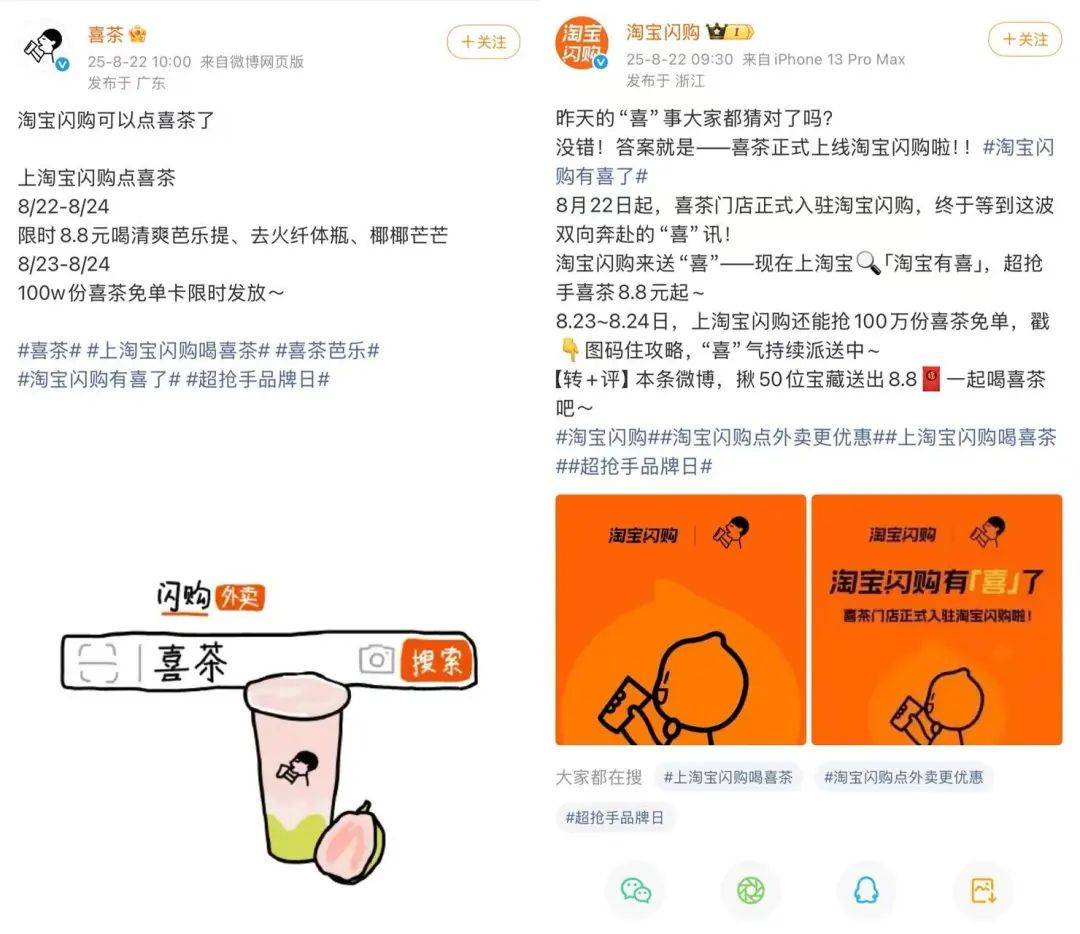
Core Insights - The entry of Heytea into Taobao Flash Purchase marks a significant shift in the tea beverage industry, indicating that Taobao Flash Purchase is becoming an essential growth channel for brands [2][5][23] - The competitive landscape of the takeaway market has changed with the introduction of Taobao Flash Purchase, allowing tea brands to diversify their distribution channels and enhance their bargaining power [16][22] Group 1: Market Dynamics - Taobao Flash Purchase launched a series of promotional activities, including milk tea "free card" campaigns, which significantly increased consumer engagement, particularly among younger demographics [8][15] - The platform's promotional efforts during the "618" shopping festival included distributing 700,000 cups of free milk tea, further driving consumer interest and brand orders [8][15] - The competitive environment intensified in July, with the takeaway market experiencing a surge in competition among brands [9] Group 2: Financial Impact - Taobao Flash Purchase announced a substantial 50 billion yuan subsidy plan to stimulate consumer spending and support merchants, which has led to increased order volumes for tea brands [13][20] - Following the announcement of the subsidy plan, brands like Cha Bai Dao and Gu Ming saw stock price increases of up to 12%, with order volumes rising by 35% to 50% [14][20] - The financial forecasts for brands such as Mi Xue Ice City and Gu Ming have been adjusted upward, reflecting the positive impact of Taobao Flash Purchase on their profitability [14][20] Group 3: Brand Strategy - The collaboration with Taobao Flash Purchase allows tea brands to tap into a vast user base, enhancing their visibility and market reach [18][21] - The strategic importance of Taobao Flash Purchase within Alibaba's ecosystem has increased, providing brands with significant traffic and sales opportunities [18][20] - The competitive landscape has shifted from a duopoly to a more dynamic environment, enabling brands to leverage multiple platforms for greater market presence [22][23] Group 4: Consumer Engagement - The promotional activities and user engagement strategies have led to a notable increase in new customer acquisition for tea brands, with new customer numbers rising by 255% week-on-week [15][21] - The integration of promotional campaigns has created a strong association between Taobao Flash Purchase and tea consumption, establishing a solid foundation for future sales growth [8][15] - The data analytics capabilities of Taobao Flash Purchase provide brands with valuable insights into consumer preferences, allowing for targeted marketing and product development [21]

蜜雪冰城上市、券商投行扩招,IPO热潮下26届金融人就业稳了
Sou Hu Cai Jing· 2025-08-22 08:37
Group 1 - The A-share market received 174 IPO applications in the first half of 2025, while the Beijing Stock Exchange has 113 companies waiting to go public. The Hong Kong market raised HKD 106.7 billion, eight times last year's amount, with multiple companies listing on the same day [1][2] - In contrast to previous years' sluggishness, the IPO issuance pace in the A-share market has slowed significantly following the China Securities Regulatory Commission's policy to "temporarily tighten the IPO rhythm" in August 2023. Only 100 companies successfully listed in 2024, less than one-third of the number in 2023 [2] - June 2023 saw a record high in A-share IPO applications, with 150 new applications in that month alone, accounting for over 80% of the total for the first half of the year. On June 30, 41 companies were accepted for listing, with the Beijing Stock Exchange accounting for 32 of them [5] Group 2 - The current IPO boom presents numerous opportunities for job seekers, particularly in roles related to compliance, risk control, and investment banking. The demand for new hires in these areas has increased significantly due to the high frequency of IPO events [6][7] - Major investment banks have expanded their recruitment for IPO-related positions by 20%-30% compared to last year, with internship positions in Hong Kong teams doubling. This trend indicates a strong demand for talent to support the ongoing IPO activities [6][7] - The roles available include positions in investment banking execution, compliance/risk control, industry research, and positions related to Hong Kong listings, all of which provide valuable experience and exposure to core business operations [8][10][11][12] Group 3 - The investment banking execution role involves assisting in the IPO process, including organizing financial data and verifying compliance with regulations. This position offers interns a close-up view of the entire IPO process [9] - Compliance and risk control roles focus on identifying potential issues before a company goes public, ensuring that all regulatory requirements are met. This experience is crucial for understanding the financial industry's operational standards [10] - Industry research positions require interns to analyze market trends and company performance, providing insights that are essential for investment decisions. This role is ideal for those with a strong analytical background [11] Group 4 - Positions related to Hong Kong listings require interns to adapt financial statements to meet international standards and understand the unique listing rules of the Hong Kong market. This experience is beneficial for those looking to work in international finance [12] - The trading and regulatory institutions are also expanding their recruitment, focusing on roles that directly support the IPO review process. This provides interns with firsthand knowledge of the regulatory landscape [13] - The demand for compliance and risk control positions has increased by 30% this year, reflecting the growing importance of post-listing compliance in financial institutions [17]