蔚来

Search documents
鲁大师2025牛角尖颁奖盛典:用数据切割泡沫,为硬核实力正名
Xin Lang Cai Jing· 2026-01-23 12:40
Core Viewpoint - The "Ludashi 2025 Niujiao Award Ceremony" emphasizes the importance of verifiable testing data over mere storytelling in determining user experience [1][45]. Group 1: Computer Hardware - AMD Ryzen 9 9950X3D won the title of "2025 Best Performance Desktop Processor" with a 144MB cache, achieving over 1000 FPS in gaming and stable performance in creative tasks [3][47]. - Intel Core Ultra 9 285HX was awarded "2025 Best Performance Mobile Processor," featuring a 24-core architecture and achieving high performance at a base power of 55W [5][49]. - ROG Night God RTX5090OC 32G was recognized as "2025 Best Graphics Chip," showcasing advanced cooling systems for stable performance under load [7][51]. - ROG Gun God 9 Plus Super Competition Edition received the title of "2025 Best Performance Laptop," effectively utilizing flagship components for sustained high performance [9][53]. - G.Skill Royal Memory DDR5 7800MHz 16GB was awarded "2025 Best Computer Memory Performance," achieving high stability and potential for higher frequencies [11][55]. - ZhiTai TiPro9000 2TB won "2025 Best Computer Hard Drive Performance," demonstrating a read speed of 14000MB/s with advanced architecture [13][57]. Group 2: Smartphones - Qualcomm Snapdragon 8 Gen 2 was named "2025 Best Performance Smartphone Chip," achieving a score of 1,305,712 and enhancing mobile performance across CPU, GPU, and AI capabilities [15][59]. - Honor Magic8 Pro won "2025 Best AI Performance Smartphone," with a 37% improvement in AI capabilities [17][61]. - Red Magic 11 Pro+ was awarded "2025 Best Performance Smartphone," achieving a score of 2,067,258 and featuring a unique cooling system for sustained performance [19][63]. - OPPO ColorOS 16 received the title of "2025 Best Smooth Smartphone System," improving fluidity by 37% [21][65]. - iQOO 15 was recognized as "2025 Best Smooth Smartphone," achieving a fluidity score of 242.81 [23][67]. - Red Magic 11 Pro+ also won "2025 Best Gaming Smartphone," focusing on a comprehensive gaming experience [25][69]. - vivo X300 Pro was awarded "2025 Best Long-Lasting Smooth Smartphone," demonstrating high responsiveness over time [27][71]. Group 3: Electric Two-Wheelers - Ninebot M5 125 was named "2025 Best Smart Electric Two-Wheeler," leading in intelligent features with a score of 915 [29][73]. - Ninebot M5 125 also won "2025 Best Comprehensive Bluetooth Performance Electric Two-Wheeler," showcasing quick connectivity and stability [31][75]. - Green Source S95 received the title of "2025 Best Range Achievement," effectively managing energy efficiency [33][77]. - Ninebot Fz3 110 was awarded "2025 Best New National Standard Smart Electric Two-Wheeler," excelling in smart solutions under strict regulations [35][79]. Group 4: New Energy Vehicles - The new Tank 500 (Coffee OS 3.3) was recognized as "2025 Best Smooth Cockpit System," achieving a flow index of 1288.6ms [39][81]. - NIO ES8 Six-Seat Executive Luxury Edition won "2025 Best Voice AI Recognition Vehicle," with a voice recognition rate of 70.42% [41][85]. Conclusion - The Ludashi Niujiao Award aims to establish quantifiable standards for user experience in the industry, emphasizing the importance of verifiable performance data [44][87].


重仓蔚来?华宝成纳指基金唯一亏钱的产品
Sou Hu Cai Jing· 2026-01-23 12:38
买基金千万不能看名字 你是不是以为那些带着纳斯达克的基金 就真的重仓了相关的ETF或者龙头股票 大错特错! 最近华宝旗下的纳斯达克精选基金 竟然成为全市场唯一收益告负的纳斯达克主题产品 真是万红丛中一点绿 气的很多基民都直接清仓不玩了 它还能不能再买? 部分投资者深扒发现 小编自己也是买了不少 从去年一直在定投 结果到现在还亏了6个点 A股都给我看顺眼了 问题来了,华宝纳斯达克为啥跑不赢指数? 这只基金虽然顶着纳斯达克100的名头 却没有老老实实买相关优质的成分股 而是选了不少像蔚来汽车这样的股票 直接拖累了基金表现 而蔚来既不是纳斯达克100成分股 也不是综旨成分股 基金经理这么做合不合规呢? 基金经理反而大手笔加仓 持股数量猛增到1393万股 其实华宝纳斯达克精选 是一只主动管理型基金 可以从纳斯达克上市的所有股票里面选 但问题是 基金经理偏偏就选择了蔚来 2024年底这只基金还只持有其443万股 到了2025年底 蔚来在2025年第四季度股价暴跌33% 成为第11大重仓股 如今跌成狗了也没及时卖掉 难怪小编之前赚的那点零花钱 又给吐回去了 外加前10大重仓股里英伟达、特斯拉、奈飞等股票 年前表现一般 所 ...

汽车产量“十强省”大变局:究竟谁是第一汽车大省?
Di Yi Cai Jing· 2026-01-23 11:26
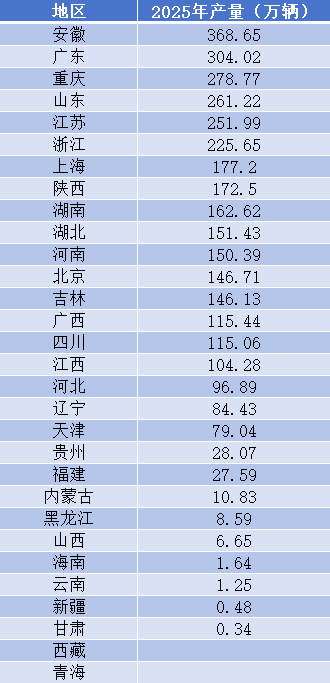
Core Insights - The automotive industry in China is undergoing a significant transformation, with a notable shift in regional production rankings expected by 2025, as new players rise and traditional powerhouses decline [1][7] Group 1: Production Rankings - In 2025, the top ten provinces for automotive production are expected to be Anhui, Guangdong, Chongqing, Shandong, Jiangsu, Zhejiang, Shanghai, Shaanxi, Hunan, and Hubei, with production figures of 3.6865 million, 3.0402 million, 2.7877 million, 2.6122 million, 2.5199 million, 2.2565 million, 1.772 million, 1.725 million, 1.6262 million, and 1.5143 million respectively [2][3] - Anhui has surpassed Guangdong to become the leading province in automotive production for the first time, marking a historic shift in the industry [4][5] Group 2: Factors Influencing Change - The change in rankings is attributed to three main factors: changes in statistical rules, accumulated industrial advantages in Anhui, and export growth [4][5] - The adjustment in statistical methods from "corporate registration location" to "production location" has significantly impacted the reported production figures, with major manufacturers like BYD and NIO contributing to Anhui's rise [4][5] Group 3: New Energy Vehicles - Anhui's rapid growth in automotive production is largely driven by a surge in new energy vehicle (NEV) production, with 1.794 million NEVs produced in 2025, accounting for 48.7% of its total output, significantly higher than Guangdong's 32% [5][6] - The province has also become the first to export over one million vehicles, with a total of 1.228 million vehicles exported in 2025, representing 18% of the national total and a 28.7% increase [5][6] Group 4: Competitive Landscape - Despite Anhui's rise, Guangdong still maintains a significant lead in terms of production value, with its automotive output value nearly double that of Anhui, and a higher average vehicle price [6] - The competitive landscape is characterized by a divergence in strengths, with Guangdong excelling in high-end elements and global branding, while Anhui focuses on manufacturing efficiency and supply chain integration [6][7] Group 5: Emerging Forces - The traditional automotive powerhouses are facing challenges from emerging provinces like Shandong, Jiangsu, and Zhejiang, which have all surpassed the two million vehicle mark for the first time [7][8] - The shift in rankings reflects a broader trend of new forces challenging established players, with provinces like Hunan and Henan also making significant gains in production [8][9] Group 6: Future Trends - The future of the automotive industry in China is expected to trend towards a more diversified and specialized production landscape, with production gaps among the top provinces narrowing [9] - Factors such as export capabilities and the ability to convert production volume into revenue will become increasingly critical in determining future success in the industry [9]
中光防雷:磁性元器件(含电感产品)已向多家国内外新能源汽车配套厂商、医疗设备制造商供货
2 1 Shi Ji Jing Ji Bao Dao· 2026-01-23 10:28
Core Viewpoint - The company Zhongguang Lightning Protection has successfully supplied magnetic components, including inductors, to various domestic and international manufacturers in the electric vehicle and medical equipment sectors, indicating strong market demand and validation of its products [1] Group 1: Product Supply and Validation - The company has provided magnetic components to multiple domestic and international manufacturers in the electric vehicle industry and medical device manufacturing [1] - Products have been validated by major domestic new energy vehicle companies and Vinfast from Vietnam [1] - The company supplies lightning protection devices for charging stations to automakers such as NIO, with related products now in mass delivery [1]

内存条涨速超金条!100根可换上海一套房,你的手机电脑汽车都逃不过涨价
量子位· 2026-01-23 10:25
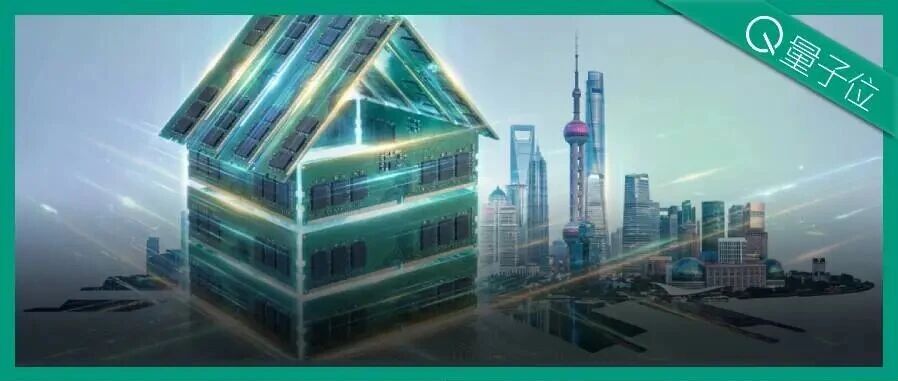
Core Viewpoint - The memory chip market is experiencing a significant price surge, driven primarily by the demand from AI servers, which require substantially more memory than traditional servers. This has led to a supply shortage that is expected to last until at least 2026, with prices projected to continue rising in the near term [6][19][20]. Group 1: Price Surge and Market Dynamics - The price of DDR5 server memory has skyrocketed, with a single 256G DDR5 module costing over 40,000 yuan, leading to a total price of 4-5 million yuan for 100 modules, which is comparable to the price of a residential property in Shanghai [1]. - From the second half of 2025, DDR5 memory prices have increased by over 300%, while DDR4 prices have risen by more than 150% [2]. - The market is characterized by extreme volatility, with prices changing daily, marking one of the most intense periods in the storage industry [3]. Group 2: Supply Shortage and Industry Response - Investment banks like UBS have indicated that the storage industry is entering a severe supply shortage phase, surpassing the historical highs seen in 2018 [4]. - Major manufacturers such as Samsung, SK Hynix, and Micron are reallocating production resources towards higher-margin High Bandwidth Memory (HBM), which is consuming a significant portion of general DRAM capacity [6][7]. - AI servers currently account for 53% of global memory production capacity, leading to a drastic reduction in the supply of general memory types like DDR5 and LPDDR5 [9]. Group 3: Manufacturer Strategies and Challenges - Manufacturers are cautious about expanding production due to previous losses during the industry downturn from 2023 to early 2024, with some companies like Micron exiting consumer markets to focus on data centers [10][11]. - Despite DDR5 becoming mainstream, there is still a high demand for DDR4, but major manufacturers have cut back on DDR4 production, leading to price anomalies where DDR4 prices exceed those of DDR5 [11]. Group 4: Impact on Various Industries - The price increases are affecting downstream industries, with PC brands like Lenovo and Dell beginning to raise prices, forcing consumers to either accept higher costs or opt for devices with reduced storage capacity [15][16]. - The automotive industry is particularly impacted, as the demand for memory has surged from a few GB to 256GB or even TB levels due to increased vehicle intelligence [18]. - Companies with strong supply chain management, such as Apple and Huawei, are less affected, while smaller firms with thin profit margins are facing significant challenges [18]. Group 5: Future Outlook - The peak of the supply shortage is expected in the first and second quarters of 2026, with prices likely to maintain a growth rate of over 20% quarter-on-quarter during that period [19]. - The price surge cycle is anticipated to last at least until the end of 2026, with a projected 26% increase in DRAM demand against a 20% increase in supply [19]. - Historical patterns suggest that the price surge will eventually correct once AI infrastructure stabilizes and new production capacity comes online, but this is not expected before 2027 [20].
中光防雷(300414) - 2026年1月23日投资者关系活动记录表
2026-01-23 10:06
Group 1: Company Overview and Market Position - Sichuan Zhongguang Lightning Protection Technology Co., Ltd. is a leading enterprise in the lightning protection sector in China, supplying products to major global communication equipment manufacturers such as Ericsson, ZTE, Nokia, and Samsung [2]. - The company reported a revenue of CNY 111.23 million in the communication sector for the first half of 2025, marking a year-on-year growth of 12.43% [2]. - The company holds a unique position in the market, being the only publicly listed company in the Shanghai and Shenzhen stock exchanges with over 50% of its main business revenue derived from lightning protection [4]. Group 2: Product Development and Revenue Growth - The company's electronic components, including magnetic components and RF devices, achieved a revenue of CNY 57.31 million in the first half of 2025, reflecting a significant year-on-year increase of 70.73% [2]. - In the energy sector, the company reported a revenue of CNY 82.35 million in the first half of 2025, which is a 35.84% increase compared to the previous year, driven by rising customer demand [3]. Group 3: Technological Advancements and R&D - The company has developed EMP protection products capable of shielding against nuclear electromagnetic pulses and high-power microwave radiation, although these products have not yet reached mass production [3]. - The company is actively involved in the development of 6G technology, maintaining close technical ties with clients and adapting to their customized product needs [3]. Group 4: Industry Applications and Projects - The company has participated in numerous lightning protection engineering projects, including those for high-speed rail, nuclear power plants, and military applications, covering complex scenarios such as the Qinghai-Tibet Railway and the CCTV headquarters [3]. - In the renewable energy sector, the company provides tailored SPD products for traditional power, wind, solar energy, and charging stations, enhancing its market share through innovative product offerings [3].
港股光伏股大涨
Di Yi Cai Jing Zi Xun· 2026-01-23 08:49
黄金股强势,紫金黄金国际、 大唐黄金 涨逾8%,老铺黄金涨逾6%。 | 名称 | 现价 | 涨跌幅~ | 涨跌 | | --- | --- | --- | --- | | 紫金黄金国际 | 205.800c | 8.43% | 16.000 | | 大唐黄金 | 0.800c | 8.11% | 0.060 | | 老铺黄金 | 788.000c | 6.78% | 50.000 | | 景福集团 | 0.540c | 1.89% | 0.010 | | 潼关黄金 | 3.490c | 1.75% | 0.060 | | 英皇钟表珠宝 | 0.241c | 1.26% | 0.003 | 科技股多数上涨,小米集团涨近3%,阿里巴巴、快手、联想集团、哔哩哔哩等涨超2%。 | 名称 | 现价 | 涨跌 | 涨跌幅 · | 成交额 | | --- | --- | --- | --- | --- | | 小米集团-W | 36.240c | 1.000 | 2.84% | 64.39亿 | | 快手-W | 81.250c | 2.150 | 2.72% | 30.13亿 | | 联想集团 | 8.840c | 0. ...
大雪降温带动防寒防护类汽车用品迅猛增长 京东汽车雪挡成交额同比猛增17倍
Sou Hu Wang· 2026-01-23 07:37
Group 1 - The winter automotive products market is experiencing a surge in demand due to recent cold weather and snowfall across the country, with significant increases in sales for vehicle protection items [1] - From January, the demand for vehicle anti-cold and protective products has risen sharply, with sales of anti-skid chains increasing by 60% year-on-year and sales of snow covers rising by 17 times [1] - To facilitate consumer purchases, the company has launched a 15% discount on all automotive products, encouraging users to search for "automotive products" on the JD APP [1] Group 2 - The increasing ownership of new energy vehicles is driving an upgrade in automotive product consumption, with significant growth in sales of related items on JD, such as a 176% increase in sales of floor mats for new energy vehicles and an 80% rise in sales of car beds [3] - The rapid growth in new energy vehicle products is closely linked to JD's deepening layout in the new energy sector, making it a key channel for consumers to purchase related products and services [3] - JD has attracted numerous brands like Tesla, Xiaomi, and NIO to its platform, enhancing brand visibility and consumer demand, as evidenced by an 8-fold increase in search volume for Li Auto products after its official store launched on JD [3] Group 3 - JD Automotive has established a comprehensive service system from product selection to delivery and after-sales, enhancing user experience while maximizing brand returns within the JD automotive ecosystem [4] - The platform's efficient supply chain allows for same-day and next-day delivery of automotive products, providing consistent sales growth for partner brands [4] - As the Spring Festival approaches, JD Automotive is promoting a 15% discount on all automotive products, presenting an excellent opportunity for consumers to prepare for travel during the holiday [4]

国产“卷王”围堵BBA:问界M9L、蔚来ES9王炸升级,新旧势力迎来终极对决
3 6 Ke· 2026-01-23 07:37
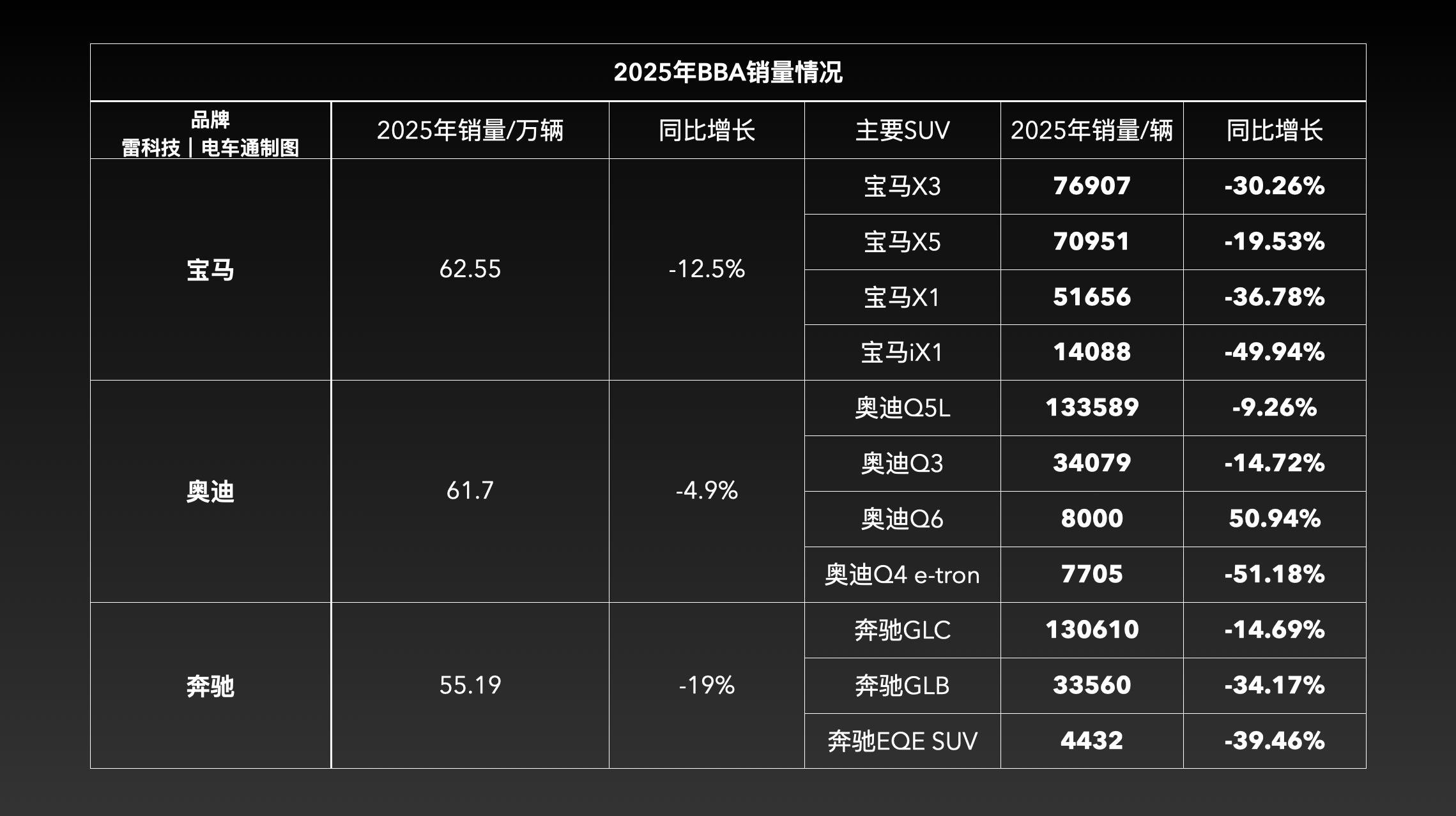
Core Viewpoint - The luxury SUV market in China is experiencing a significant shift, with traditional brands like BBA (BMW, Benz, Audi) facing declining sales due to the rise of domestic new energy vehicle manufacturers [1][17]. Group 1: Sales Performance - BBA's combined sales in China have dropped significantly, with Mercedes-Benz's sales falling to 551,900 units, marking a 12% decrease [2][1]. - In the high-end SUV segment, traditional models like Audi Q5L, Mercedes-Benz GLC, and BMW X3/X5 have seen substantial declines, while new entrants like Xiaomi YU7 and AITO M8 are gaining traction [2][1]. Group 2: Competitive Landscape - The competition in the high-end SUV market has intensified, with new players leveraging technology and consumer insights to capture market share from BBA [18][21]. - The market dynamics are shifting towards a focus on practical luxury and value, as consumers are less willing to pay for brand prestige alone [17][21]. Group 3: Product Innovations - New models such as the Ideal L9 and AITO M9 are set to challenge BBA's dominance, with significant upgrades in technology and features aimed at enhancing user experience [5][9]. - Upcoming models like the Zeekr 8X and Lido L80 are expected to offer competitive pricing and features, appealing to a broader consumer base [10][13]. Group 4: Market Trends - The high-end SUV market is witnessing a transformation where the focus is shifting from brand loyalty to practical benefits and technological advancements [17][20]. - Future competition will likely center around the ability to deliver practical technology and user-friendly features rather than just high specifications [22][21].

NOA将不再是BEV专属?
Zhong Guo Qi Che Bao Wang· 2026-01-23 06:53
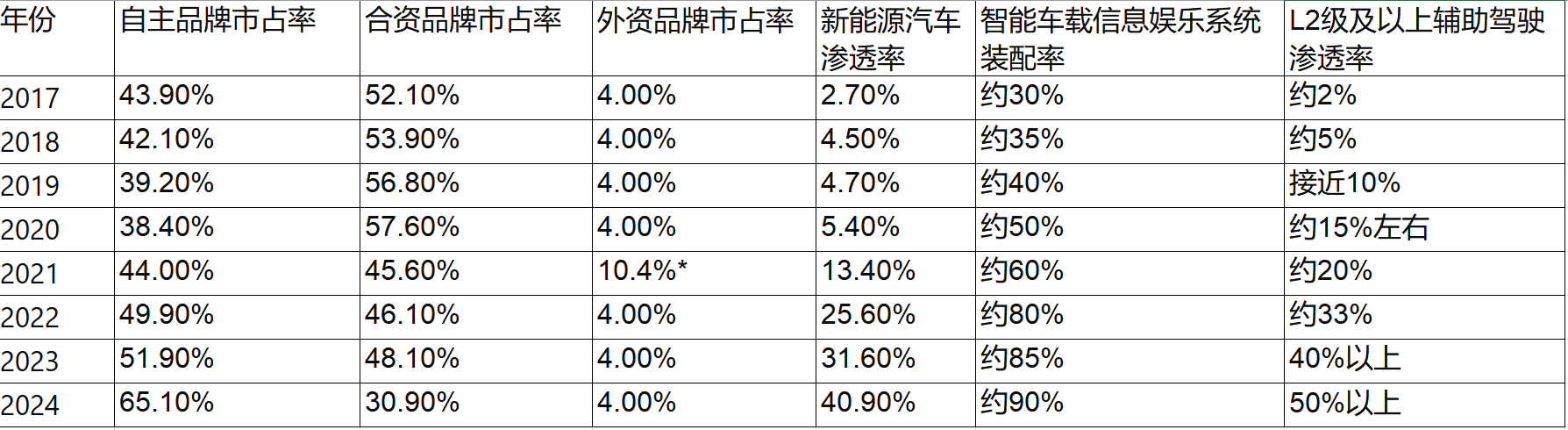
Core Insights - Goldman Sachs' report titled "2026 Outlook: Navigating Divergence" highlights 2026 as a pivotal year for the adoption of Battery Electric Vehicles (BEVs) and Navigation on Autopilot (NOA), suggesting that these technologies may develop into separate standards [1] - The report indicates a slowdown in BEV sales in Europe and the U.S., with consumers showing interest in advanced NOA but being cautious about purchasing BEVs [1][7] - In China, the integration of NOA in vehicles has led to a significant increase in sales, showcasing the advantages of BEVs in utilizing NOA, while traditional fuel vehicles are losing market share [1][5] Group 1: Market Trends - The market share of domestic brands in China has risen from 43.9% in 2017 to 51.9% in 2023, with the penetration rate of new energy vehicles increasing from 2.7% to 31.6% during the same period [3] - The report notes that the global electricity consumption of BEVs is expected to grow from 0.7% in 2024 to 2.5% by 2030, despite a stabilization in new BEV sales [7] - The competition landscape is shifting as NOA enhances the recognition and purchase intent for domestic brands, narrowing the gap with joint venture brands [5][6] Group 2: Technological Developments - Many automotive companies are focusing on applying NOA in hybrid models, although Goldman Sachs expresses skepticism about the medium-term effectiveness of this strategy [13] - The report lists various global automakers' progress in developing electronic and electrical architectures and end-to-end autonomous driving technologies, with companies like Tesla and BYD having completed their developments [14] - Traditional fuel vehicle manufacturers are exploring NOA applications in hybrid vehicles, but face challenges due to the inherent complexities of integrating NOA into their existing systems [15][16] Group 3: Future Outlook - The report suggests that by 2026, NOA may not solely rely on BEVs for growth, as traditional vehicles could also play a role in developing their own systems [19] - Concerns are raised about whether hybrid vehicles will be able to catch up with BEVs in terms of NOA capabilities, especially as BEVs are already testing Level 3 autonomous driving [19] - The future of NOA in traditional vehicles will depend on their ability to attract consumers and demonstrate value, as the market for traditional fuel vehicles remains substantial [19]