奈雪的茶

Search documents
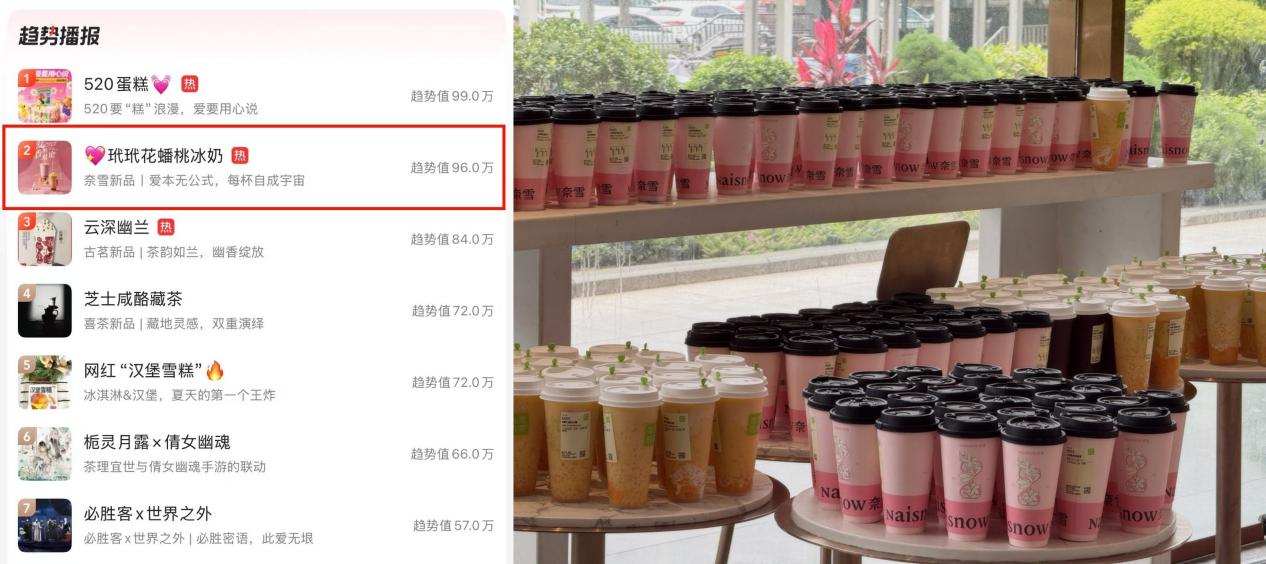
创新鲜果冰奶、green店火成现象级 奈雪(02150)战略升级后销量暴涨290%!
智通财经网· 2025-05-21 08:35
Group 1 - The core viewpoint of the articles highlights the impressive sales performance of Nayuki after its strategic upgrade, with significant sales increases driven by innovative products and new store openings [1][4] - The new product "Dai Dai Hua Pan Tao Ice Milk" has quickly gained popularity, ranking second on the delivery platform's trending list, with some stores experiencing a 290% month-on-month sales increase [1] - Nayuki's second Green store opened in Shenzhen, attracting massive crowds and achieving over a thousand orders on its first day, demonstrating strong consumer interest in health-oriented products [1][4] Group 2 - The "Flash Purchase" collaboration with delivery platforms led to a more than 200% year-on-year increase in order volume within 24 hours, positioning Nayuki ahead of other tea brands [1] - The product lineup, including "Daily 500 Vegetable and Fruit Bottle" and "Seasonal Green" series, reflects a growing consumer preference for health-conscious options [3] - Nayuki is accelerating the nationwide rollout of Green stores, with 31 locations opened in major cities, indicating a robust demand for healthy and light food and beverage options [4]

食饮出海的“木本生意”:心态归零塑造文化同理心、避免转移短期业绩压力
Cai Jing Wang· 2025-05-21 03:22
Core Insights - The focus of discussions around overseas business for consumer brands has shifted from product and channel strategies to user demographics and team organization [1] - Successful overseas expansion requires understanding local mainstream markets and building culturally empathetic teams [1][11] - Companies should adopt a long-term perspective on overseas business, akin to planting fruit trees rather than vegetables, emphasizing sustainable growth [1] Group 1: Market Entry Strategies - New brands entering overseas markets are increasingly collaborating to expand their category presence [2] - Popular tea brands like Bawang Chaji and Jasmine Milk Tea have opened stores in Los Angeles, indicating a trend of clustering in high-traffic areas [2] - The selection of store locations is critical, as evidenced by the high rental prices in areas with multiple competing tea brands [2] Group 2: Challenges and Adaptations - Some tea brands have faced closures in markets like the UK and Australia due to poor site selection and internal management issues [3] - Companies must recognize that beverage categories may not be the primary market driver; understanding local consumer needs is essential [3] - Fly By Jing has successfully penetrated the U.S. market by diversifying its product applications beyond traditional uses [3][4] Group 3: Cultural Integration and Team Dynamics - Companies like Yili emphasize the importance of local market research and adapting products to meet local tastes [7] - The integration of cross-cultural teams poses challenges, as seen in the experiences of Yili and Dongpeng [8] - Dongpeng's strategy involves a mix of local and Chinese employees to enhance operational effectiveness in overseas markets [8] Group 4: Logistics and Supply Chain Management - Companies are adapting their logistics strategies to minimize losses during transportation, as demonstrated by Yuanqi Forest's testing of shipping methods [9] - Dingdong Maicai focuses on providing fresh produce solutions in overseas markets, leveraging local partnerships for efficient distribution [6] Group 5: Long-term Vision and Cultural Sensitivity - Companies are advised to maintain a zero-based mindset when entering new markets, avoiding reliance on past successes [10][11] - The importance of cultural empathy in team dynamics is highlighted, as companies must respect and integrate diverse cultural backgrounds [13] - Successful overseas operations require a balance of risk-taking and cautious management, fostering an environment where diverse talents can thrive [13]
鸭屎香,真的比鸭屎香
3 6 Ke· 2025-05-21 00:48
Core Insights - The new tea beverage industry is redefining the concept of tea, altering its functions, aesthetic appreciation, and geographical significance, particularly among younger consumers [1][3][20] - New tea drinks are positioned as lighter and healthier alternatives to traditional beverages, appealing to the fast-paced lifestyle of the younger generation [3][6][16] Industry Transformation - The emergence of new tea drinks has led to the popularity of previously obscure ingredients, such as "Duck Shit Aroma" and "Oil Gan," which are now favored in urban markets [1][7][10] - Brands like Heytea and Nai Xue's Tea have successfully implemented a business model that combines quality tea with innovative flavors and immediate consumption experiences [5][6][12] Consumer Behavior - The younger generation shows less interest in traditional tea culture's complexities, preferring simpler, more enjoyable drinking experiences [6][14] - New tea drinks are designed to meet the emotional and experiential needs of consumers, focusing on taste and health benefits rather than traditional tea's rigorous standards [13][14][20] Market Dynamics - The traditional tea market's authority is diminishing as smaller, lesser-known ingredients gain traction, driven by storytelling and emotional value [10][12][16] - The new tea beverage sector is characterized by a shift towards health-conscious products, with brands launching low-calorie and functional drinks to cater to modern consumer demands [13][14] Cultural Shift - New tea drinks represent a cultural shift where traditional tea is no longer seen as a rigid heritage but as a flexible material for innovation and creativity [18][20] - The global popularity of new tea beverages signifies a challenge to established beverage norms, driven by a younger demographic seeking novel taste experiences [20]

618大战打响,淘宝、京东、抖音们有“新招”?
3 6 Ke· 2025-05-20 12:40
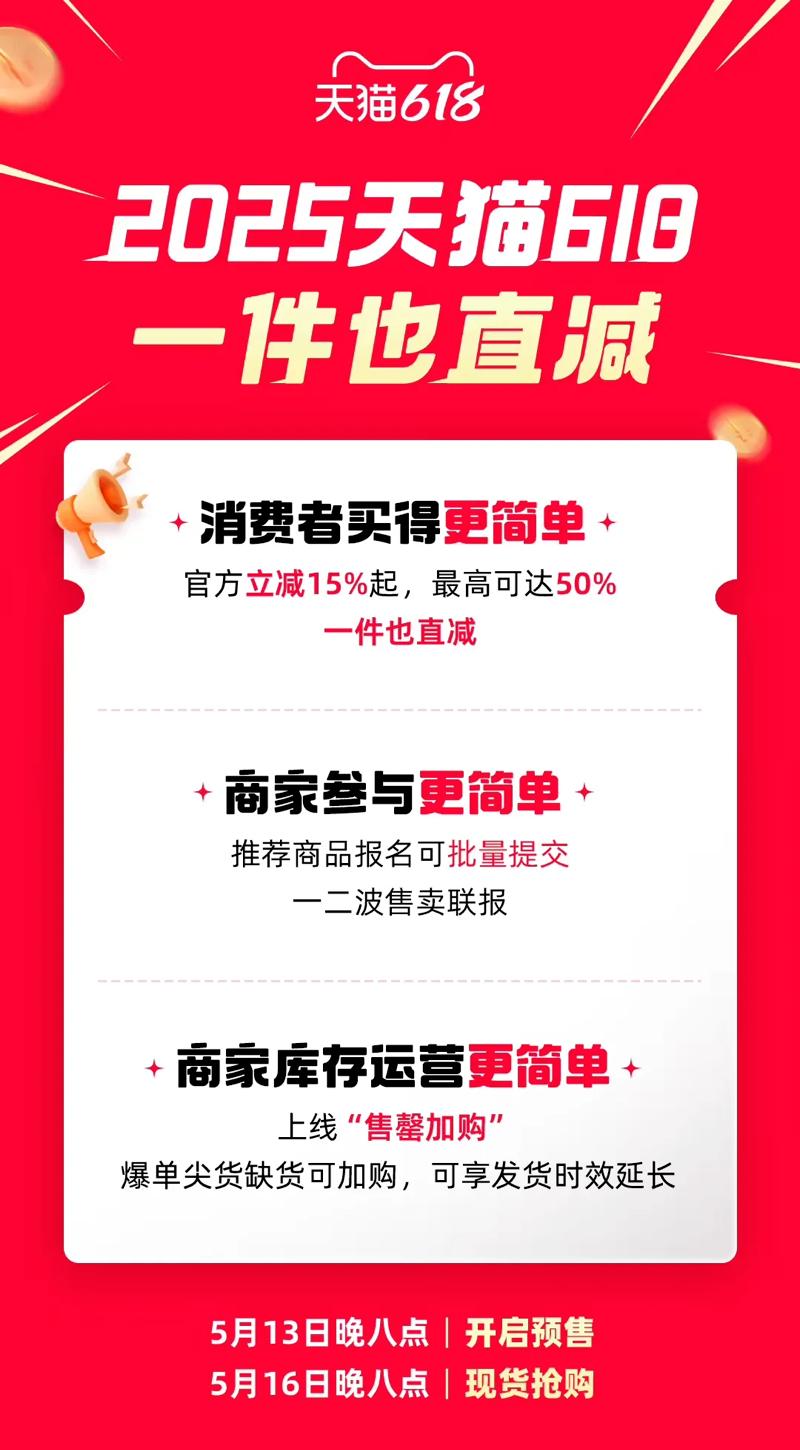
Group 1 - The core viewpoint of this year's 618 shopping festival is a shift from aggressive price competition to simplified promotional strategies, emphasizing collaboration and technology [1][2][10] - The sales performance during the 618 event indicates a rise in consumer rationality, with last year's sales dropping by 7%, marking the first decline in 16 years [1][10] - Major platforms are adopting differentiated strategies, with Taobao and Tmall moving towards direct discounts, while JD.com combines low prices with enhanced services [2][7][10] Group 2 - JD.com has integrated national subsidies with its own promotional resources, allowing consumers to save up to 2000 yuan on select products, while also enhancing service commitments [7][9] - The offline expansion strategy of JD.com includes thousands of self-operated and partner stores participating in the 618 event, aiming for an integrated online and offline shopping experience [9] - Douyin and Kuaishou are also participating in the 618 festival with their own promotional strategies, focusing on live streaming and content-driven sales [10][11] Group 3 - The rise of live commerce and content commerce is evident, with platforms like Taobao, JD.com, and Kuaishou offering significant cash subsidies to boost participation [11][13] - The balance between top influencers and store broadcasts is shifting, with brands increasingly relying on their own channels for sales growth [13][14] - AI tools are being utilized to enhance marketing efficiency, with platforms offering AI-driven insights and digital personas to improve sales performance [14][16] Group 4 - The competition in the food delivery and instant retail sectors has intensified during the 618 period, with major players like JD.com, Meituan, and Taobao engaging in aggressive subsidy strategies [17][18] - Instant retail is emerging as a new growth engine for e-commerce platforms, reshaping traditional retail logic by integrating high-frequency delivery with various product categories [17][18] - The overall competition landscape has evolved from simple subsidies to a multi-dimensional efficiency competition, leveraging instant retail, content commerce, and AI technologies [18]
茶咖日报|胡润发布茶业榜单;喜茶出520结婚证点单优惠活动
Guan Cha Zhe Wang· 2025-05-20 12:16
Group 1: Company Activities - Heytea launched a wedding certificate ordering discount event on May 20, collaborating with civil affairs bureaus in five cities to offer complimentary drinks to newlyweds [1] - Tea Baidao is set to open its first store in France, located in the 13th district of Paris, which is known as the largest Chinese community in Europe [2] - Tims Coffee introduced a new "Energy Bowl" series, enhancing its lunch box product line with a focus on health and freshness [5] - Jasmine Milk White opened 100 new stores simultaneously across 68 cities, achieving over 460,000 cups sold and a total sales revenue of over 10 million yuan within three days [6] Group 2: Industry Insights - The 2025 Hurun China New Tea Drink Brand TOP 20 list includes brands like Mixue Ice City, Gu Ming, and Heytea, indicating a competitive landscape in the new tea drink sector [3][4] - The tea industry is undergoing significant transformation, particularly among younger consumers, reshaping the traditional tea market [4] - "Tea Star" completed nearly 50 million yuan in angel round financing, focusing on technology development and capacity building for its automated tea service system [7]

阿里生态合力下,饿了么以增长刷新市场想象力
Jing Ji Guan Cha Wang· 2025-05-20 09:06
Core Insights - Alibaba Group's financial report for Q4 and the full year of FY2025 shows strong growth driven by Ele.me and Gaode, with local life group revenue reaching 16.134 billion yuan, a 10% increase from 14.628 billion yuan in the same period of 2024 [1] - Ele.me's operational efficiency has improved, leading to significant business growth, particularly during the recent "May Day" holiday, where several brands saw order volumes increase dramatically [1][5] Group 1: Business Performance - Ele.me's revenue growth is attributed to the effective use of Alibaba's ecosystem, enhancing the engagement of merchants, consumers, and delivery riders [1][7] - The "May Day" holiday saw brands like Nayuki Tea and Kudi Coffee experience order volume increases of over 200% on Ele.me, showcasing the platform's strong market performance [5][6] - From April 30 to May 5, Ele.me and Taobao Flash Sale achieved over 10 million daily orders, with significant growth in various food categories [5][6] Group 2: Strategic Initiatives - Ele.me launched the "Hungry Subsidy Over 10 Billion" promotion to stimulate growth, focusing on consumer experience and merchant operational efficiency [3][4] - The collaboration with Taobao Flash Sale has allowed Ele.me to leverage Taobao's traffic, resulting in a substantial increase in merchant order volumes [5][8] - The integration of AI technology is expected to enhance both merchant and consumer experiences, with tools like the "AI Business Assistant" being introduced to support digital operations [10][11] Group 3: Market Outlook - The Chinese instant retail market is projected to grow significantly, with a current size of 650 billion yuan and an annual growth rate of 28.89%, indicating a strong potential for Ele.me's growth [9] - Alibaba's strategy emphasizes user-centric and AI-driven approaches, which are expected to guide Ele.me's long-term growth trajectory [10][12] - The company is committed to social responsibility, ensuring fair treatment and income for delivery riders through transparent algorithms and support measures [11][12]

阿里生态合力下,饿了么以增长刷新市场想象力
经济观察报· 2025-05-20 09:04
Core Viewpoint - The article emphasizes that the ecological synergy and traffic supply are likely to enable Ele.me to continuously refresh market expectations through 2025 and beyond [1][3]. Financial Performance - Alibaba Group reported that Ele.me's local life group revenue reached 16.134 billion yuan for the fourth quarter of fiscal year 2025, a 10% increase from 14.628 billion yuan in the same period of 2024 [2]. - The operational efficiency of Ele.me has been improving, contributing to strong business growth amidst fierce competition in the food delivery market [2]. Business Strategy - Ele.me is leveraging Alibaba Group's ecological synergy to enhance the stickiness among merchants, consumers, and delivery riders, which is expected to facilitate both short-term business scale expansion and long-term growth certainty [2][9]. - The company initiated the "Hungry Subsidy Over 10 Billion" promotion on April 30, which significantly boosted order volumes and consumer engagement [5][6]. Market Dynamics - During the recent "May Day" holiday, several brands on Ele.me experienced a surge in orders, with some brands seeing order volumes increase by over 200% compared to the previous year [6][7]. - The collaboration with Taobao Flash Sale has allowed Ele.me to tap into a vast user base, resulting in a significant increase in order volumes and brand visibility [9][10]. AI and Technology Integration - Ele.me is focusing on AI-driven strategies to enhance user experience and operational efficiency, including the launch of AI management tools for merchants [12][13]. - The company is also implementing AI technology to improve food safety and compliance, thereby enhancing overall service quality [12][14]. Social Responsibility and Transparency - Ele.me is committed to social responsibility by improving communication with delivery riders and ensuring fair income distribution through transparent pricing algorithms [14]. - The company aims to maintain a low-profile approach in the competitive landscape, focusing on long-term growth rather than engaging in public disputes [14].

奶茶原料为什么越来越“邪门”了?
FBIF食品饮料创新· 2025-05-20 00:18
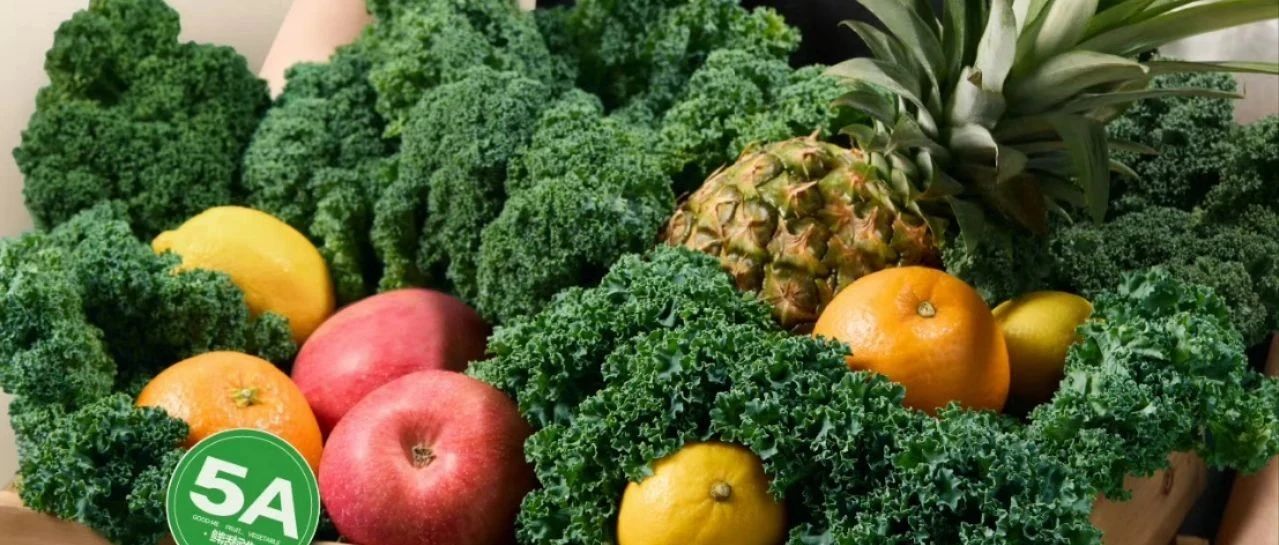
Core Viewpoint - The article discusses the rise of kale as a "superfood" in the beverage industry, particularly in China, driven by marketing strategies from tea brands that transformed it from a little-known ornamental plant to a popular ingredient in drinks [4][6][16]. Group 1: Kale's Transformation - Initially, kale was considered an ornamental plant with no known edible records, but by 2025, it became a sought-after "superfood" with numerous health benefits attributed to it, such as antioxidant properties and potential cancer-fighting capabilities [4][5]. - The price of kale surged dramatically, with its acquisition price increasing from 0.8 yuan per pound in 2024 to 3.5 yuan per pound in 2025, marking a rise of over 300% [5][6]. - The domestic market share of kale shifted from 5% to 55% as tea brands began to source it for their products, indicating a significant change in consumer demand [7]. Group 2: Marketing Strategies - Tea brands adopted a marketing strategy that combined novelty, taste adjustment, and health benefits to promote kale, similar to the successful marketing tactics used in the West [16][20]. - The launch of "Champion Slimming Bottle" by Heytea during the Paris Olympics linked kale to health and fitness, leveraging athlete endorsements to enhance its appeal [21][22]. - The health narrative around kale was emphasized, with products marketed as "superfoods" and backed by nutritional reports, appealing to consumers' desire for healthier beverage options [25][26]. Group 3: Industry Trends - The trend of utilizing niche ingredients like kale has been observed across the beverage industry, with various brands successfully launching products featuring unique ingredients to create buzz and drive sales [28][29]. - The article highlights that the beverage industry is characterized by high competition and product homogeneity, making the discovery of niche ingredients a necessary strategy for brands to differentiate themselves [36]. - In 2024, major tea brands introduced over 2,600 new products, indicating a continuous effort to innovate and attract consumers through new flavors and ingredients [38].
商业那点事儿|更换Logo后,奈雪被曝悄悄涨价;美团外卖推出“堂食店”标签功能
Bei Jing Shang Bao· 2025-05-19 23:48
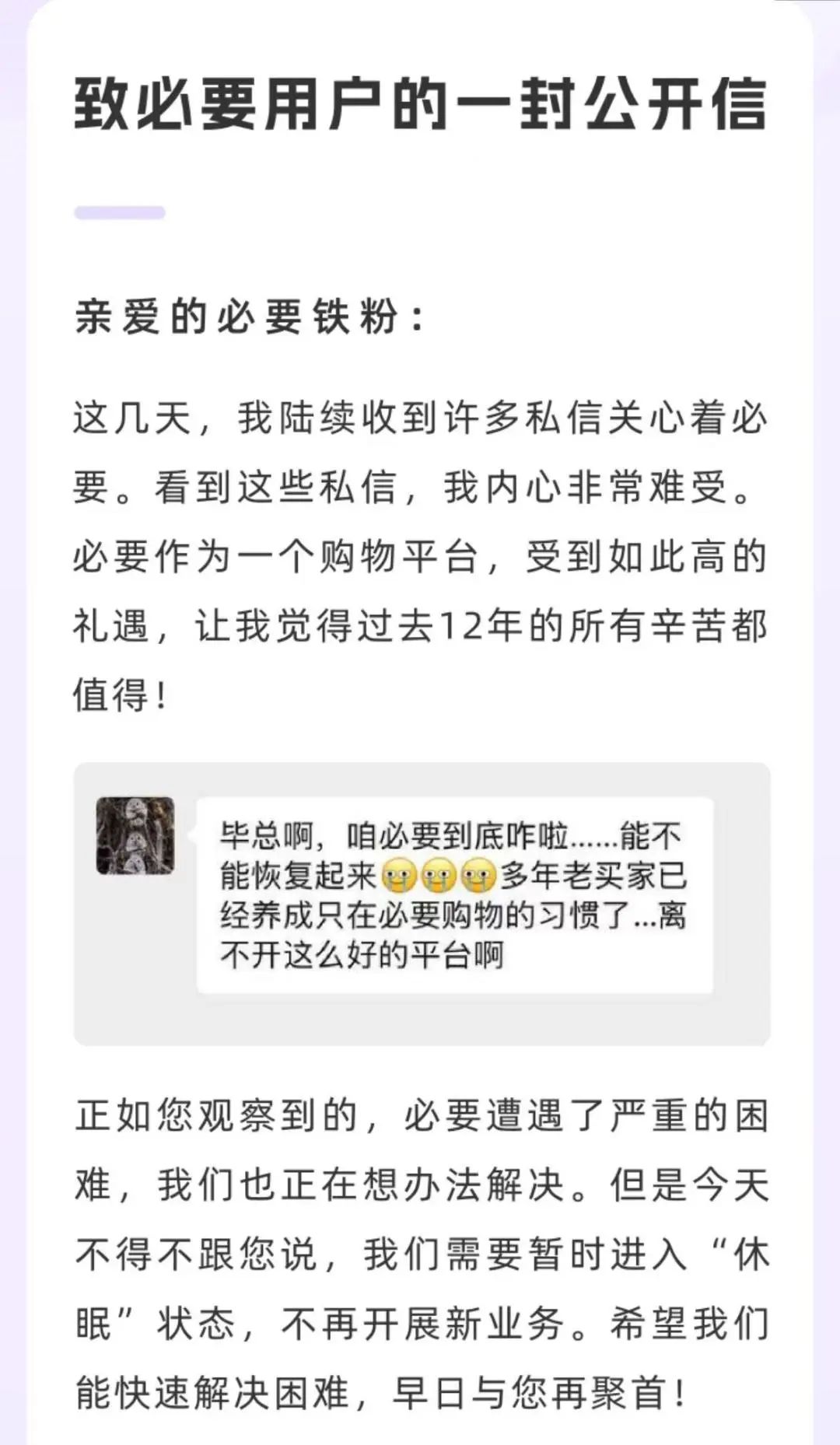
Group 1: Luxury Retail Expansion - Wangfu Central has expanded its high-end brand matrix by introducing the first Chinese flagship store of British jewelry brand GRAFF and LE LABO's fragrance laboratory in Beijing [1] - The dining sector has welcomed 17 new national or Beijing first stores, including certified Thai restaurant "CHINCHIN" and a Cantonese social dining space "DING+DIMBAR" [1] - Wangfu Central has launched cultural events such as intangible cultural heritage art exhibitions and coffee tastings, and upgraded its tax refund services for international travelers [1] Group 2: Gold Price Fluctuations - International gold prices have seen a significant decline from approximately $3430 per ounce to around $3240 per ounce, with a notable drop of $72 per ounce on May 14 [2] - Domestic gold prices have also decreased, with the price of gold from Chow Tai Fook falling to 986 yuan per gram, down 36 yuan from a week prior [2] - Shenzhen's water bay gold price dropped from 792 yuan per gram to 756 yuan per gram, reflecting a decline of over 4% due to international price changes [2] Group 3: Pricing Changes at Nai Xue - Nai Xue has increased prices for breakfast sets, requiring customers to pay for a membership card to access the original price of 9.9 yuan, with non-members facing a starting price of 15.9 yuan [3] - Several classic baked goods have been removed from the breakfast set, with new additions requiring an extra charge of 6 yuan [3] - The brand has recently changed its logo, removing "of tea" and introducing a new design that resembles both a snowflake and a fruit [3] Group 4: Necessary Mall Suspension - Necessary Mall has announced a temporary suspension of operations due to severe difficulties, with the app and mini-program still accessible but product links showing as "out of stock" [4][6] - Founded in July 2015, Necessary Mall was one of the early adopters of the C2M business model in China, initiated by CEO Bi Sheng [6] Group 5: Meituan's New Features - Meituan has upgraded its "Mingchu Plan" by introducing a "Dine-in Store" label to enhance transparency for restaurant merchants [8] - The label will be prominently displayed on the platform, helping merchants with physical stores gain more exposure [8] - Meituan has increased subsidies for small and medium-sized restaurants, with a total subsidy amounting to 50 million yuan for hardware and installation costs [8] Group 6: Dingdong Maicai's Financial Performance - Dingdong Maicai reported a revenue of 5.48 billion yuan for Q1 2025, marking a year-on-year growth of 9.1% and maintaining positive growth for five consecutive quarters [9] - The GMV reached 5.96 billion yuan, with a year-on-year increase of 7.9% [9] - Dingdong Maicai has achieved profitability under Non-GAAP standards for ten consecutive quarters and under GAAP standards for five consecutive quarters [9] Group 7: Cancellation of Meicheng Food Company - Meicheng Food Company has been deregistered, transitioning from active status to cancellation [11] - The company was involved in controversy over the authenticity of its mooncakes, leading to regulatory scrutiny and operational suspension [11]


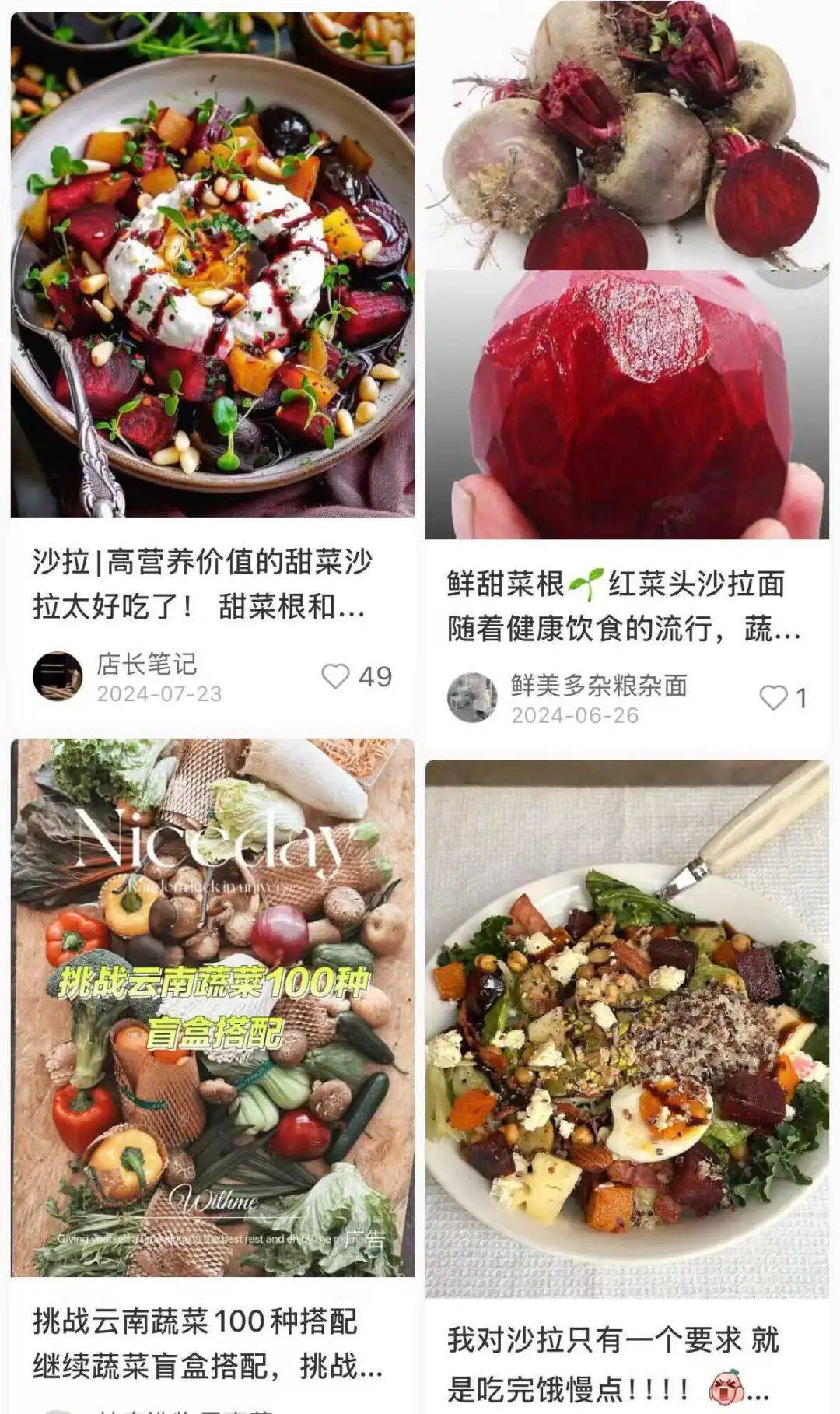
穷人的阿胶,卖了150亿?
Hu Xiu· 2025-05-19 14:23
Core Insights - The article discusses the rise of beetroot as a trendy food item among urban middle-class consumers, transforming from an obscure vegetable to a symbol of health and privilege [2][4][60] - It highlights the paradox of beetroot being perceived as a "superfood" despite its unappealing taste, which is often associated with self-discipline and a healthy lifestyle [42][118] Group 1: Market Trends - Beetroot has become a social currency in urban settings, with its inclusion in health-conscious diets signifying status [2][4] - The global beetroot market is projected to grow from $16.54 billion in 2025 to $21.28 billion by 2029, indicating increasing consumer interest [66] - E-commerce platforms report significant sales of beetroot products, with a 200g pack of beetroot powder selling over 10,000 units monthly [65] Group 2: Consumer Behavior - The article notes that consumers are willing to endure the unpleasant taste of beetroot for the perceived health benefits and social status it confers [42][118] - The trend reflects a broader cultural phenomenon where food choices are tied to identity and lifestyle aspirations, particularly among the middle class [117][118] - The marketing of beetroot as a "superfood" has led to its transformation into a luxury item, akin to "the Hermes of vegetables" when labeled as organic or imported [61][60] Group 3: Product Development - Various food and beverage brands are incorporating beetroot into their offerings, with examples including beetroot lattes and energy bowls [72][70] - The trend of "superfoods" has led to a proliferation of products featuring ingredients like kale, chia seeds, and turmeric, all marketed for their health benefits [78][69] - The article suggests that the appeal of these foods lies not only in their nutritional value but also in their exotic origins and the lifestyle they represent [85][118]