霸王茶姬

Search documents
甲骨文深夜涨近10%,热门中概股下跌,英国股债汇三杀,油价短线拉升
21世纪经济报道· 2026-02-09 15:45
Core Viewpoint - The article discusses the mixed performance of major stock indices in the U.S., the decline of Chinese concept stocks, and the significant market movements in the UK, highlighting the impact of economic data releases on market sentiment and potential volatility. Group 1: U.S. Market Performance - The three major U.S. stock indices showed mixed results, with most Chinese concept stocks declining [1] - Tech giants experienced a downturn, although Nvidia saw a significant intraday increase of over 4%, with Goldman Sachs projecting Q4 2025 revenue to reach $67.3 billion and a target price of $250 [3] - Oracle's stock surged nearly 9.6%, marking its largest intraday gain since December of the previous year, following an upgrade from "Neutral" to "Buy" by Davidson Investment Bank [3] Group 2: Chinese Concept Stocks - Most popular Chinese concept stocks declined, with the Nasdaq Golden Dragon China Index slightly up; notable performers included Xiaoma Zhixing and Century Interconnect, both rising over 5% [5] - Companies like JinkoSolar and Zhihu increased by over 3%, while Bawang Tea and New Oriental fell over 2% [5] Group 3: Commodity Market Movements - Gold and silver prices rebounded significantly, with spot gold rising over 1.4% to nearly $5,040 per ounce and spot silver increasing over 5% to $81.696 per ounce [5] - Year-to-date performance for gold and silver shows increases of 16.68% and 14.14%, respectively [6] Group 4: UK Market Situation - The UK faced a "triple whammy" in stocks, bonds, and currency, with the FTSE 100 index and the pound against the euro both experiencing sharp declines [8][9] - The yield on UK 10-year government bonds rose close to its highest point since November of the previous year, indicating market stress [9] - The resignation of senior officials in the UK Prime Minister's office adds to the political instability, potentially affecting market confidence [9] Group 5: Upcoming Economic Data - The upcoming U.S. non-farm payroll report and CPI data are expected to provide critical insights into the Federal Reserve's monetary policy direction, with potential for significant market volatility if the data indicates "weak employment + stubborn inflation" [7]


国泰海通|批零社服:千问加码外卖补贴,行业价格战趋缓
国泰海通证券研究· 2026-02-09 13:58
Core Viewpoint - The takeaway from the article is that the takeaway beverage market is experiencing sustained subsidies, leading to high demand during the Spring Festival, while the price war in the industry is easing, resulting in an improved competitive landscape [1][2]. Group 1: Takeaway Beverage Market - The ongoing subsidies for takeaway beverages are expected to maintain high sales during the first quarter, particularly around the Spring Festival [2]. - On February 6, Alibaba's Qianwen App launched a 3 billion yuan subsidy project, offering users a 25 yuan no-threshold coupon for free drinks, which can be used at over 300,000 tea and coffee shops nationwide [2]. - Within just 3 hours of the subsidy launch, over 1 million orders for milk tea were placed, and by 9 hours, the total order volume exceeded 10 million [2]. Group 2: Industry Price War and Competitive Landscape - The price war in the beverage industry is showing signs of easing, with Kudi Coffee increasing prices on February 1, 2026, restoring regular prices for most products to between 11.9 and 16.9 yuan, with some core items seeing price increases of 30% to 60% [3]. - The competitive landscape for tea beverages is improving, with the latest data indicating that as of January 12, 2026, there are 399,000 stores in the ready-to-drink tea market, with 92,000 new openings in the past year, but a net decrease of 35,000 stores [3].

2025新茶饮复盘:告别野蛮生长,存量博弈下的生死时速
新消费智库· 2026-02-09 13:03
Core Insights - The Chinese new tea beverage market is experiencing a significant slowdown, with the growth rate dropping from 24.9% (2017-2022) to 6.4% in 2024, indicating a shift from expansion to competition in a saturated market [4][34][37] - The market is projected to reach a size of 3547.2 billion yuan in 2024, with growth rates stabilizing between 5%-7% in the first three quarters of 2025, marking the transition to a phase of stock competition [4][37] - The competitive landscape is characterized by a concentration of market share among leading brands, with smaller brands struggling to survive [5][49] Group 1: Industry Trends - The new tea beverage industry has officially transitioned from a high-growth phase to a period of meticulous management and profitability focus, moving away from rapid store openings and population growth [4][34] - The number of new tea beverage stores opened in the past year was 118,000, while 157,000 closed, resulting in a net decrease of 39,000 stores, highlighting the intense competition and market saturation [5][47] - The health trend in the industry is deepening, with the use of sugar substitutes in milk tea reaching 61.3%, and the application of plant-based ingredients increasing from 18.9% in 2024 to 26.4% in 2025 [7] Group 2: Brand Dynamics - Leading brands like Mixue Ice City and Bawang Chaji are expanding rapidly, with Mixue Ice City surpassing 53,000 global stores and Bawang Chaji increasing to 7,038 stores, reflecting a trend of head brand concentration [5][44] - Mid-tier brands are facing significant challenges, with companies like Nayuki's Tea reporting a revenue decline of 4.7% and a net loss of 919 million yuan in 2024 [6][49] - The market is witnessing a "one super, many strong" structure, with Mixue Ice City holding a dominant position and other brands like Bawang Chaji and Gu Ming rapidly gaining ground [55] Group 3: Market Strategies - Brands are increasingly focusing on emotional marketing, with Bawang Chaji positioning itself as a solution for emotional needs among young consumers [10] - The exploration of overseas markets has become a core strategy for leading brands, with Bawang Chaji's overseas GMV exceeding 300 million yuan in Q3 2025, marking a 75.3% year-on-year growth [8] - The industry is shifting towards value competition, moving away from price wars, as brands like Xicha announce a return to user and brand focus, halting low-price competition [14] Group 4: Consumer Behavior - The rise of the "one-person economy" is driving demand for smaller, high-quality products, as consumers prefer moderate consumption over large quantities [25][26] - The focus on seasonal products has become a fixed rhythm, with multiple brands launching offerings based on seasonal fruits, indicating a trend towards timely innovation [22] - The consumer landscape is stabilizing, with shopping and afternoon tea becoming dominant consumption scenarios, limiting the expansion of new consumption contexts [38]
外媒看中国AI大战,科技巨头春节前展开补贴争夺战,奶茶店陷入疯狂,阿里千问引发大规模排队
Sou Hu Cai Jing· 2026-02-09 11:44
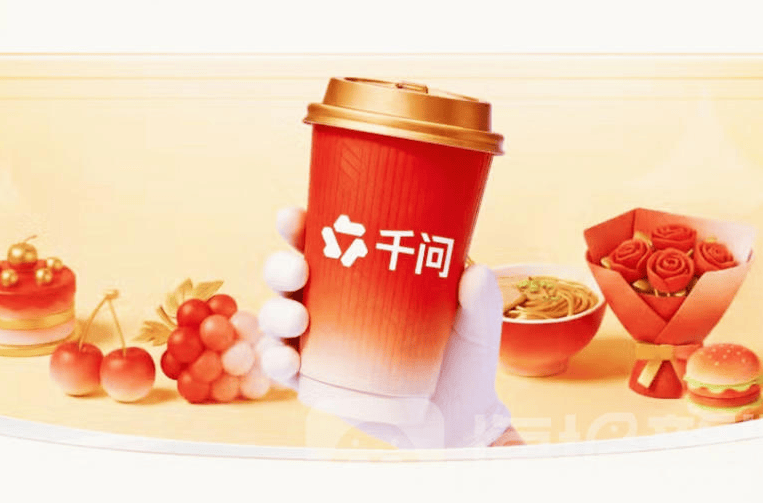
外媒看从奶茶福利到用户争夺,中国AI大战复刻互联网经典玩法 福利活动的市场反馈堪称爆炸性,数据显示,活动上线短短9小时内,就产生了超1000万笔免费奶茶订单,总 价值约2.5亿元人民币,其中前3小时的奶茶订单量便激增超100万笔。蜜雪冰城、喜茶、霸王茶姬、奈雪的 茶、瑞幸咖啡等茶饮咖啡头部品牌均参与此次合作,但即便这些行业领军者,也对活动的规模和热度始料未 及。 订单的暴增给线下门店带来了巨大压力,全国多地合作门店相继出现杯子、原料、小票、包装告罄的情况, 部分门店因操作台堆满待取饮品,不得不临时关店或暂停接单。美团等平台的配送骑手更是整日在各门店外 排队取餐。 这场以奶茶福利为核心的营销活动,也让千问在AI应用的市场竞争中实现强势逆袭。活动上线数小时内,千 问便从应用排行榜前十名之外,一跃成为中国苹果AppStore免费应用榜榜首,超越了此前取代字节跳动豆包 的腾讯元宝,成为当下最热门的AI应用。 据Quasa报道,2月8日消息,临近中国农历新年,国内科技巨头围绕AI领域的市场争夺全面升级,一场以巨额 补贴、场景化营销为核心的AI大战正式打响。阿里巴巴为推广千问AI应用推出的30亿元"新年请客计划"引发 市 ...



2026,新茶饮加盟还能干吗?
3 6 Ke· 2026-02-09 11:11
时代踩下油门和刹车,远比想象中来得更快。 2019年,阿浪在湖北省一个县级市加盟了第一家蜜雪冰城,全年营业额干到150多万,"抛去成本也有的 赚"。彼时,新茶饮市场正以每年超30%的增速狂飙,蜜雪冰城的门店刚突破7000家,尚处于拓荒年 代。特别是在下沉市场,仍有大片空白。 2020年,武汉疫情解封,阿浪看准空置门店和低租金的窗口期,逆势连开几家蜜雪冰城,完成原始积 累。他前后加盟20多家茶饮门店,成了茶饮"圈地运动"的受益者。 2024年初,他又陆续加盟了茶百道、古茗和塔斯汀等,但发现游戏规则已变。此时,全国茶饮门店突破 50万家,市场从"增量竞争"彻底转为"存量厮杀";蜜雪冰城门店数已达3.3万家,古茗突破9000家,茶 百道也冲刺到近8000家。 "2025年下半年,依然没有一家回本,开始亏钱。"阿浪告诉亿邦动力,"古茗投了60万,好的时候月净 利润4万多。但是受季节影响大,冬天基本不赚钱。熬不住,回本周期太长,最后30多万兑出去了。" "投资回报比不值得,不想干了。"2026年,他倾向于把店面全部兑出去。硬币的另一面,现在仍有许多 人排队加盟蜜雪冰城,或者在找店。但在阿浪眼里,那已是别人想象中的红利。 ...

9小时1000万单!千问AI“血洗”奶茶店 || 深度
Sou Hu Cai Jing· 2026-02-09 10:24
Core Viewpoint - The launch of the "Spring Festival 30 Billion Free Order" campaign by Qianwen APP has led to a massive surge in orders for milk tea shops, resulting in over 10 million orders within just 9 hours, significantly impacting the tea beverage industry and stock prices of related companies [1][6][12]. Group 1: Impact on the Milk Tea Industry - The Qianwen APP's free order card can be used in over 300,000 milk tea shops nationwide, including popular brands like Mixue Ice Cream, Luckin Coffee, and Nayuki [3][6]. - Many stores reported overwhelming order volumes, with some locations experiencing a tenfold increase in orders compared to normal days, leading to operational challenges [6][22]. - The stock prices of several tea beverage companies rose significantly, with Gu Ming increasing over 5% and Cha Bai Dao rising over 4% following the campaign [6][12]. Group 2: Historical Context and Comparison - This event follows a similar "takeout war" that occurred in July 2025, where tea beverage shops also faced an unprecedented surge in orders, leading to operational chaos and complaints from staff [7][10]. - The previous "takeout war" resulted in a 50% increase in orders for some brands, highlighting the volatility and challenges faced by the industry during such promotional events [7][10]. Group 3: Consumer Behavior and Market Dynamics - The milk tea market in China is projected to reach 354.72 billion yuan by 2024, with a growth rate of 6.4%, indicating a strong consumer base primarily consisting of young women and white-collar workers [16][18]. - Milk tea's low decision-making cost and high repurchase rate make it an attractive product for platforms looking to engage users, as it serves as a low-cost method to acquire and retain customers [16][21]. Group 4: Operational Challenges - The sudden influx of orders during the Qianwen APP campaign led to significant operational strain on milk tea shops, with many unable to meet the demand due to insufficient staffing and supply chain issues [22][23]. - Customer experiences were negatively impacted, with reports of long wait times and order inaccuracies, which could harm long-term customer trust and repeat business [23][25].


国泰海通:千问加码外卖补贴 预计一季度现制饮品销售保持高景气度
智通财经网· 2026-02-09 05:53
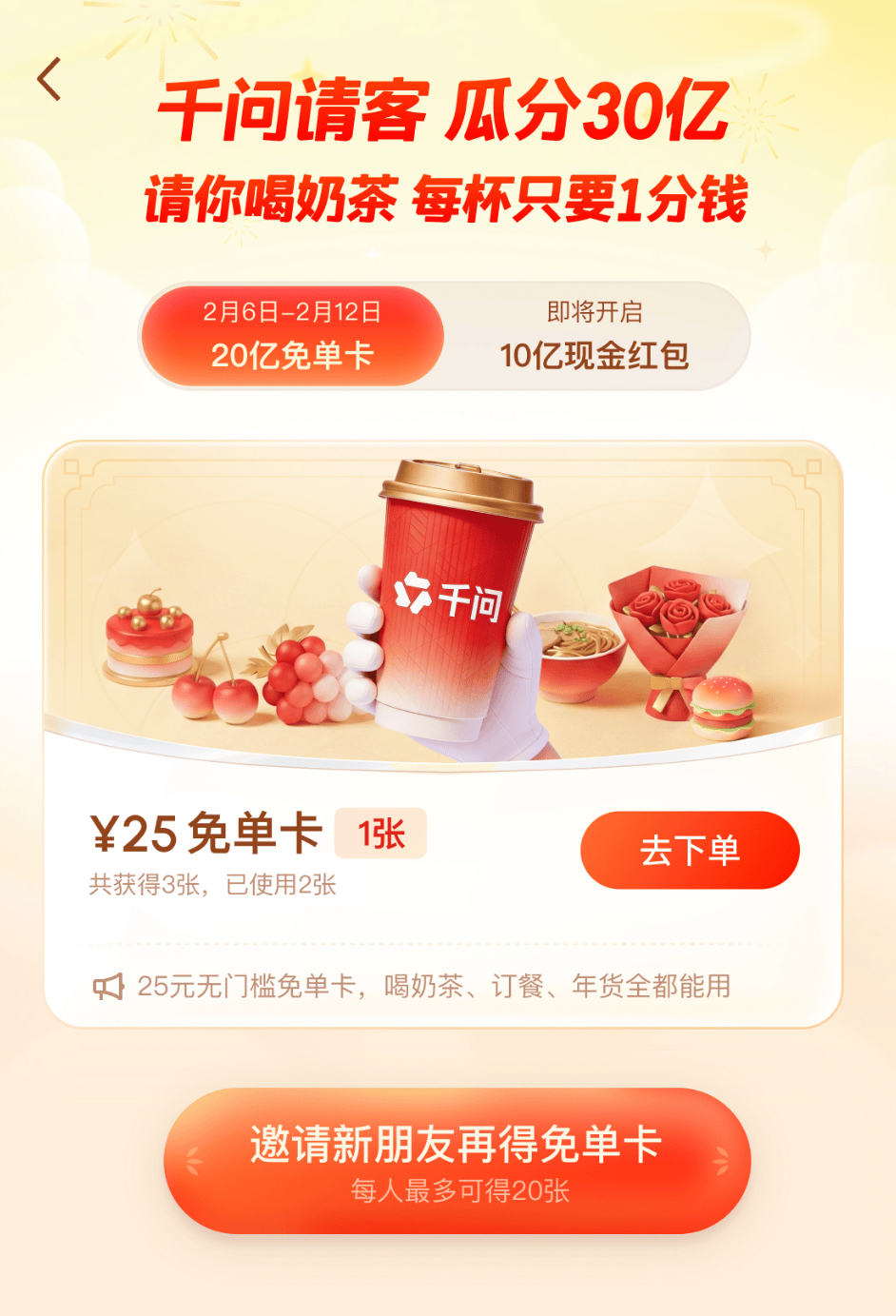
Group 1 - The launch of the 30 billion yuan subsidy project by Alibaba's Qianwen App is expected to benefit the sales of ready-to-drink beverages [2][3] - The first wave of the subsidy activity runs from February 6 to 12, offering users a 25 yuan no-threshold free order card, which can be used at over 300,000 tea and coffee shops nationwide [2] - The second wave starting February 13 will allow users to receive cash red envelopes, with a maximum of 2888 yuan available [2] Group 2 - The activity has seen significant engagement, with over 1 million orders placed within 3 hours and over 10 million orders within 9 hours of launch [3] - The current trend indicates a high level of activity in the ready-to-drink beverage market during the Spring Festival, with ongoing subsidies for delivery services [3] - The competitive landscape in the beverage industry is improving, with a slowdown in price wars and a reduction in the number of new stores opening [4] Group 3 - Recommended companies in the beverage sector include Gu Ming (01364), Mixue Group (02097), Luckin Coffee (LKNCY.US), Cha Bai Dao (02555), and Hu Shang A Yi (02589) [5]

现制饮品行业跟踪报告:千问加码外卖补贴,行业价格战趋缓
GUOTAI HAITONG SECURITIES· 2026-02-09 05:11
股票研究 /[Table_Date] 2026.02.09 千问加码外卖补贴,行业价格战趋缓 [Table_Industry] 餐饮 [Table_Invest] 评级: 增持 现制饮品行业跟踪报告 [姓名table_Authors] 电话 邮箱 登记编号 | 刘越男(分析师) | 021-38677706 | liuyuenan@gtht.com | S0880516030003 | | --- | --- | --- | --- | | 宋小寒(分析师) | 010-83939087 | songxiaohan@gtht.com | S0880524080011 | 本报告导读: 现制饮品外卖补贴持续,预计春节高景气度;同时行业价格战趋缓,竞争格局优化。 [Table_Report] 相关报告 餐饮《餐饮引领复苏,产业链协同发展》 2024.03.31 投资要点: 研 究 报 告 证 券 请务必阅读正文之后的免责条款部分 股 票 研 究 行 业 跟 踪 报 告 [Table_Summary] 投资建议:现制饮品外卖补贴持续,预计春节高景气度;同时行业 价格战趋缓,竞争格局优化。推荐:古茗、蜜雪集团、瑞幸咖 ...
打造“烟火气+潮流感”消费新业态新场景
Nan Fang Du Shi Bao· 2026-02-08 23:13
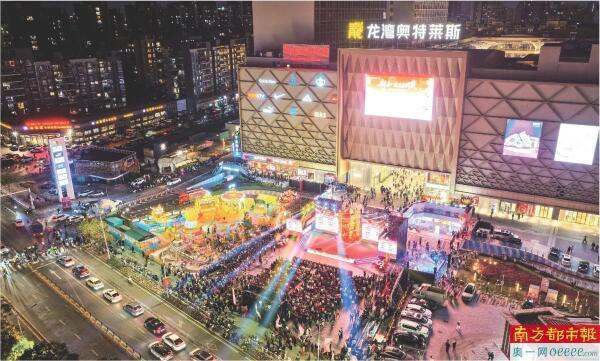
Core Viewpoint - Wanjiang Street is focusing on cultivating new consumption formats and scenarios to enhance economic and social development, aiming to contribute to the modernization of Dongguan [5][6]. Group 1: Economic Development Initiatives - Wanjiang is committed to expanding domestic demand and optimizing supply, with a focus on enhancing new quality productivity and promoting the "Hundred Thousand Project" [5][6]. - The opening of the first urban-level outlet in Dongguan has attracted 72 first stores and increased foot traffic in three major commercial areas by nearly 30% [5][8]. - The "Hundred Thousand Project" has shown initial results after three years, with significant improvements in safety and livelihood guarantees [6][10]. Group 2: New Consumption Formats - Wanjiang is developing diverse consumption scenarios, including the launch of the Dragon Bay Outlet and the introduction of 31 new retail and catering enterprises [6][8]. - The local government is promoting the "smoky atmosphere + trendy feeling" consumption model, which has led to a 30% increase in sales during events like the Dragon Bay Lantern Festival [8][9]. Group 3: Industry Development - The esports economy is gaining traction, with nine major esports events attracting over 100,000 participants [6][9]. - The artificial intelligence industry is experiencing breakthroughs, supported by a 100 million yuan investment and the establishment of the largest data labeling industrial park in the Greater Bay Area [6][7]. Group 4: Urban Development and Infrastructure - Wanjiang is focusing on optimizing urban development space, including comprehensive land remediation and upgrading key urban areas [9][10]. - The government plans to enhance the quality of urban infrastructure, including the renovation of old neighborhoods and the construction of new community facilities [10][11]. Group 5: Social Welfare and Safety - Efforts are being made to ensure public safety and improve living conditions, including the construction of new energy charging facilities and the provision of educational resources [11][12]. - The initiative aims to create a family-friendly city with supportive policies for childbirth and childcare [11].
AI智能体离我们还有多远?
Xin Lang Cai Jing· 2026-02-08 19:33
Core Insights - The recent AI-driven initiative by Alibaba's Tongyi Qianwen App, offering a "Spring Festival 3 billion free order" for milk tea, has significantly increased user engagement and highlighted the potential of AI Agents in consumer scenarios [3][5] - The event saw over 10 million orders within 9 hours, showcasing the overwhelming demand and the challenges of real-time AI application in a high-traffic environment [3][4] Group 1: AI Application in Consumer Scenarios - The AI ordering event is not merely a marketing tactic but represents the first large-scale implementation of AI Agents in consumer settings [5] - The rapid order influx led to supply shortages at several milk tea shops, indicating the need for better synchronization between AI systems and real-world inventory management [3][4] Group 2: Challenges and Limitations - Users experienced varied success with the AI ordering system, with some facing difficulties due to high traffic and system limitations, highlighting the complexities of deploying AI in real-world applications [4] - The current AI technology, as exemplified by the Doubao phone, is still considered an "enhanced AI assistant" rather than a fully mature AI Agent, indicating a gap in autonomous decision-making capabilities [5][6] Group 3: Industry Trends and Future Outlook - The automotive industry is also exploring AI Agents, with companies like NIO and Li Auto integrating AI for route recommendations and vehicle control, though they still face challenges in achieving full maturity [6] - Research indicates that 57% of organizations are already using AI Agents in production environments, with predictions suggesting that by 2028, 33% of enterprise software will integrate autonomous AI [6]