
广汽

Search documents
孚能科技:公司新一代核心产品SPS超级软包动力电池已获得包括广汽在内的众多海内外头部车企客户认可
Zheng Quan Ri Bao Wang· 2026-01-27 12:43
证券日报网讯1月27日,孚能科技在互动平台回答投资者提问时表示,公司新一代核心产品SPS超级软 包动力电池已获得包括广汽、吉利、江铃、三一重卡、一汽解放(000800)在内的众多海内外头部车企 客户认可,并获得多个优质车型项目配套定点。未来,公司将进一步深化降本增效工作,保障SPS产品 的大规模量产交付,加速固态电池产业化及海外市场、eVTOL、人形机器人等业务开拓,增强核心竞 争力,努力提升经营业绩。 ...

内存领衔 涨价潮压顶 汽车行业供应链迎成本与自主升级大考
Zhong Guo Zheng Quan Bao· 2026-01-22 21:52
内存之外,铜、银等金属原材料的涨价压力持续传导。作为汽车电气系统、动力电池的核心原材料的 铜,自2025年下半年以来价格涨幅明显;同期,广泛应用于车载传感器、芯片封装的银,价格也上涨明 显。李斌透露,汽车与人工智能行业对这类原材料的争抢已进入白热化阶段,尽管目前涨价尚未传导至 终端售价,且车企仍有毛利空间承接,但长期压力不容小觑。 动力电池方面,尽管目前成本压力有所缓解,但芯片领域的风险仍未消散。赵非在接受中国证券报记者 采访时表示,宁德时代(300750)、比亚迪(002594)等电池龙头的规模效应与技术优势,使得电池涨 价风险可控,但存储芯片、智算芯片、功率芯片等多品类芯片的供应不确定性极大。理想汽车供应链副 总裁孟庆鹏已明确表示:"2026年,汽车行业可能面临存储芯片供应危机,满足率或许不足50%。"车企 未来可能面临"既买不起,也买不到"的双重困境。 多维施策 多品类涨价形成共振 当前汽车行业的成本压力,已从单一环节升级为全链条的系统性冲击,其中内存芯片的短缺与涨价成为 最突出的新痛点。日前,三星电子联席CEO卢泰文公开表态称,全球内存芯片短缺程度前所未有,没有 任何行业能独善其身,危机已从手机领域蔓 ...
广货新能源车三巨头出海,打出三张王牌
2 1 Shi Ji Jing Ji Bao Dao· 2026-01-20 10:17
Core Insights - Guangdong province has achieved a record high in foreign trade, with a total import and export value of 9.49 trillion RMB in 2025, marking a 4.4% year-on-year increase and accounting for 20.9% of the national total [1] - The province has shifted its export focus from traditional goods like clothing and home appliances to new energy vehicles (NEVs), medical equipment, industrial robots, 5G smartphones, and drones [1] Group 1: Electric Vehicle Market Performance - BYD has become the world's largest electric vehicle manufacturer in 2025, selling approximately 2.26 million units, surpassing Tesla's 1.63 million units [2] - GAC's exports exceeded 130,000 units in 2025, representing a 45% year-on-year growth, achieving a threefold increase in two years [2] - Xpeng delivered 45,008 vehicles in overseas markets in 2025, a 96% increase, entering nearly 30 new markets within the year [2] Group 2: Competitive Advantages of Guangdong Automakers - The technological advantage is highlighted by BYD's innovations in battery technology and GAC's advancements in solid-state batteries, while Xpeng focuses on enhancing vehicle intelligence [2][3] - The ecological advantage is evident as the domestic NEV penetration rate has surpassed 50%, supported by widespread fast-charging technology and a comprehensive charging network [3] - The industrial foundation advantage stems from Guangdong's established automotive production ecosystem, which includes a complete supply chain for vehicle manufacturing and components, facilitating the export of both products and technology [3] Group 3: Future Outlook - Guangdong's automotive industry is poised for further global expansion, leveraging its technological, ecological, and industrial strengths to navigate international markets [4]

八成市场,两家瓜分:智能驾驶第三方赛道马太效应显现,Momenta、华为占据头部
Di Yi Cai Jing Zi Xun· 2026-01-19 02:34
Core Insights - The report indicates that by November 2025, the cumulative sales of passenger cars equipped with urban NOA (Navigation Assisted Driving) in China reached 3.129 million units, marking a shift from high-end differentiation to mainstream adoption [1][3] Group 1: Market Dynamics - Urban NOA has transitioned from niche to mainstream, impacting vehicle delivery schedules, user experience, and brand risks [3] - The market is maturing rapidly, leading to a clear "Matthew Effect," where leading players dominate the market [6][16] - Momenta and Huawei's HI model together hold over 80% of the urban NOA third-party supplier market, with Momenta leading at approximately 61.06% market share [3][12] Group 2: Competitive Landscape - The industry is witnessing a dual-leader scenario, with Momenta and Huawei establishing a strong competitive position [13][16] - Momenta's urban NOA deployment reached 414,400 units from January to November 2025, reinforcing its leadership in the third-party supplier market [12][22] - Collaborations with major automotive brands like BMW and Mercedes-Benz highlight the importance of ongoing technological iteration and reliability in the competitive landscape [15][20] Group 3: Technological Advancements - The evolution of urban NOA is driven by three mechanisms: algorithmic advancement, data feedback loops, and accumulated trust through reliability [9][10][12] - Momenta's R6 reinforcement learning model exemplifies the shift towards advanced algorithms that enhance decision-making capabilities beyond human replication [9] - The data advantage gained through large-scale deployment leads to exponential growth in algorithm training effectiveness, making it difficult for latecomers to catch up [11] Group 4: Global Expansion - Momenta is actively expanding its global footprint, partnering with Southeast Asian platforms and international automotive brands to promote Chinese smart driving technology [18][20] - The adaptability of Chinese smart driving solutions to various global markets is attributed to the complex urban traffic conditions in China, which serve as a robust training environment [19] Group 5: Future Outlook - The Ministry of Industry and Information Technology predicts that by 2030, the integration of advanced driving assistance and connected features will create a trillion-level value increment for the automotive industry [21] - Urban NOA is expected to evolve from a high-end feature to a fundamental capability in new vehicles, influencing user experience and brand trust [21][22] - The competition in urban NOA is likened to a marathon, with Momenta's comprehensive capabilities making it difficult for competitors to replicate [22][23]

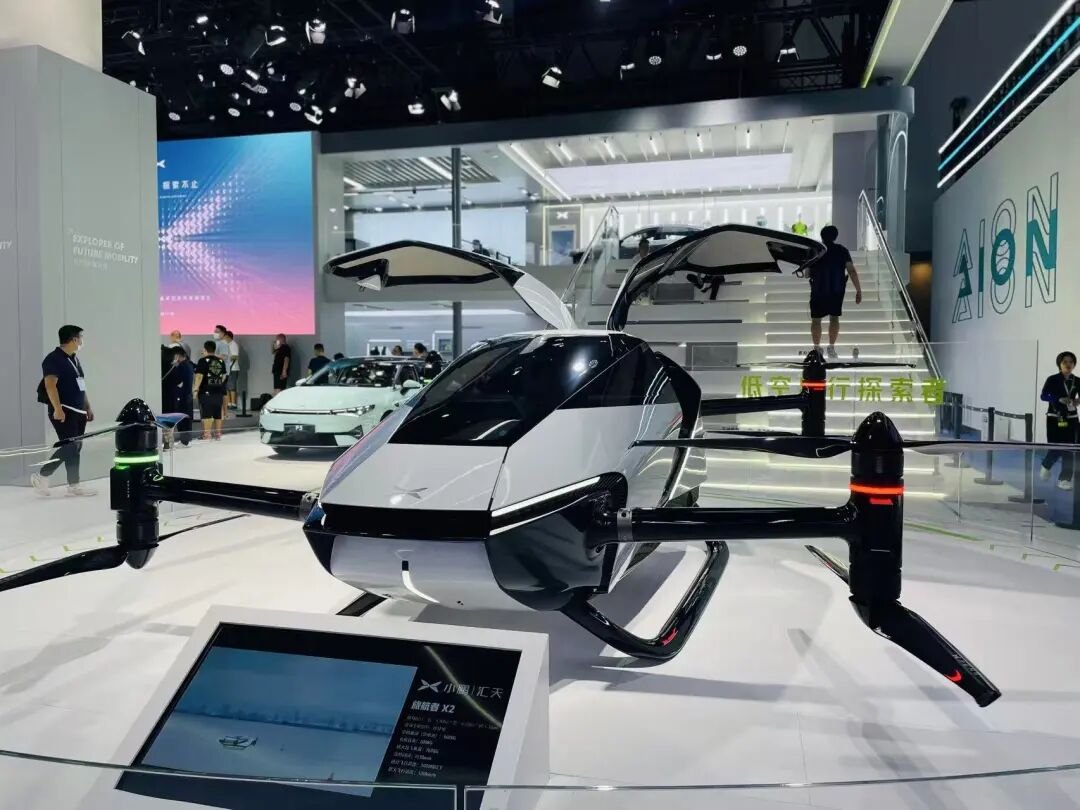
未拿“准行证”先闯资本市场,小鹏汇天被传秘密递表港股
Guo Ji Jin Rong Bao· 2026-01-15 10:45
Core Viewpoint - Xiaopeng Motors is accelerating its entry into the capital market with its flying car division, Xiaopeng Huitian, by preparing for an IPO in Hong Kong, reflecting a significant need for funding to support its high R&D costs [1][2][4]. Funding and Financial Needs - Xiaopeng Huitian has reportedly accumulated over $750 million (approximately 5.375 billion yuan) in financing since its rebranding in 2020, but this is insufficient compared to competitors like Joby Aviation and EHang, which have much higher annual R&D expenditures [5][6]. - The company has received loans totaling 6 billion yuan from banks to support its flying car development and manufacturing [6][7]. - The decision to go public is seen as a critical step for Xiaopeng Huitian to secure additional funding for its ambitious projects [8][10]. Market Response and Stock Performance - Following the IPO news, Xiaopeng's stock price in Hong Kong saw significant activity, with a 4.85% increase shortly after the announcement [2]. Regulatory Challenges - Xiaopeng Huitian is currently facing the challenge of obtaining airworthiness certification, which is essential for the production and commercial operation of its flying vehicles [12][13]. - The certification process is complex and lengthy, with no official announcement regarding the completion of the necessary certifications as of January 2026 [14][16]. Competitive Landscape - The flying car market is becoming increasingly competitive, with major players like EHang and Joby Aviation already making strides in commercial operations and regulatory approvals [19][20]. - Xiaopeng Huitian's positioning as a personal flying vehicle contrasts with EHang's focus on urban air mobility, indicating a different market strategy [19]. Future Outlook - The success of Xiaopeng Huitian's IPO and its ability to secure the necessary certifications will be crucial for its future development and market acceptance [21].
上海推“模速智行”行动计划,自动驾驶产业有望迎来加速发展(附概念股)
Zhi Tong Cai Jing· 2026-01-15 01:09
Core Insights - Shanghai has launched the "Mosu Zhixing" action plan to promote high-level autonomous driving, focusing on technology innovation and industrial competitiveness [1][2] - The plan aims to establish public service platforms, including a digital twin training ground for autonomous driving, and expand the open area for autonomous driving to 2,000 square kilometers [1] - The initiative is expected to facilitate the demonstration of L3-level autonomous vehicles and promote their commercial application [2] Industry Development - Shanghai has been proactive in advancing the autonomous driving industry, with previous initiatives such as the 2022 implementation plan for smart connected vehicles and the issuance of road testing licenses for driverless vehicles in 2023 [2] - The action plan includes organized trials for L3-level autonomous taxis and aims to gradually scale up the production and application of L3 vehicles [2] - The demand for advanced autonomous driving components, such as chips and lidar, is anticipated to grow rapidly as the ecosystem expands [3] Company Progress - Several domestic companies, including Changan, BYD, and GAC, have made significant advancements in L3-level autonomous driving, with multiple models receiving road testing permits [4] - Companies like Huawei and GAC have developed solutions and vehicles capable of L3-level autonomous driving, indicating a shift in consumer preferences towards vehicles with advanced driving assistance features [4] - The formal implementation of L3-level autonomous driving regulations is expected to be a key catalyst for industry growth by 2026 [4] Market Opportunities - Companies such as Junsheng Electronics and Seres are actively engaging in strategic partnerships and product launches to enhance their positions in the autonomous driving market [5][6] - The introduction of new Robotaxi services by companies like Cao Cao Mobility marks a significant step towards the commercialization of autonomous driving solutions [6] - The collaboration between ZF and Horizon Robotics to develop L3-level systems is expected to lead to mass production by 2026, highlighting ongoing innovation in the sector [7]
上海推“模速智行”行动计划 自动驾驶产业有望迎来加速发展(附概念股)
Zhi Tong Cai Jing· 2026-01-15 00:14
Group 1 - Shanghai has launched the "Mosu Zhixing" action plan to promote autonomous driving technology innovation and its industrial competitiveness, with a focus on model-driven leadership and application demonstration [1] - The plan aims to establish public service platforms, including a digital twin training ground for autonomous driving, and expand the open area for autonomous driving to 2,000 square kilometers with over 5,000 kilometers of roads [1] - The action plan is expected to provide new support for the development of the autonomous driving industry, including organized smart taxi demonstration operations and pilot projects for L3 autonomous passenger vehicles [2] Group 2 - As of January 14, there are 7,767 companies related to intelligent driving in China, with the East China region accounting for 43.8% of these companies [3] - China holds 51,000 patents related to intelligent driving, with 85.9% being invention patents, indicating a significant growth in both companies and patents in the sector [3] - Nvidia has introduced an open-source AI model platform for autonomous driving, which is expected to enhance the capabilities of autonomous driving systems [3] Group 3 - Several domestic companies, including Changan, BYD, and GAC, have made substantial progress in the L3 autonomous driving field, with multiple models receiving road testing permits [4] - The formal implementation of L3 autonomous driving regulations is anticipated to be a key catalyst for industry development by 2026 [4] - Companies like Aichi Securities believe that automakers with advanced intelligent technology and supply chain control will benefit first from the commercialization of intelligent driving [2] Group 4 - Companies such as Junsheng Electronics and CAOCAO have entered strategic partnerships to develop L4 autonomous driving solutions and digital management platforms [5][6] - The launch of new models by companies like Seres and Leap Motor indicates a competitive landscape in the high-end user market for autonomous vehicles [6][7] - The collaboration between ZF and Horizon Robotics aims to develop L3 intelligent driving systems, with mass production expected in 2026 [7]
港股概念追踪 | 上海推“模速智行”行动计划 自动驾驶产业有望迎来加速发展(附概念股)
智通财经网· 2026-01-14 23:37
Core Insights - Shanghai is advancing its autonomous driving industry through the "Mosu Zhixing" action plan, aiming to transform technological innovation into industrial competitiveness [1][2] - The plan includes the establishment of public service platforms like digital twin training grounds and expands the autonomous driving open area to 2,000 square kilometers with over 5,000 kilometers of roads [1] - The action plan also promotes the orderly organization of smart taxi demonstration operations and the trial of L3 autonomous passenger vehicles [2] Industry Development - Shanghai has consistently pushed for the development of the autonomous driving industry, with previous initiatives such as the 2022 implementation plan for smart connected vehicles and the issuance of road testing licenses for driverless vehicles in 2023 [2] - The introduction of the action plan is expected to provide new support for the industry's growth, particularly in the commercialization of intelligent driving technologies [2] - The demand for advanced autonomous driving components like chips, lidar, and control systems is anticipated to grow rapidly as the ecosystem expands [3] Company Progress - Several domestic companies, including Changan, BYD, GAC, Dongfeng, SAIC, Geely, XPeng, and Li Auto, have made significant advancements in L3 autonomous driving, with multiple models receiving road testing permits [4] - Companies like Huawei and GAC have developed L3 solutions and are actively testing them in various cities, indicating a shift towards practical applications of autonomous driving technology [4] - The formal implementation of L3 autonomous driving regulations is expected to be a key catalyst for industry development by 2026 [4] Related Companies - Junsheng Electronics has signed a strategic cooperation agreement with Sien Intelligent Driving to develop L4 autonomous driving solutions [5] - Seres has launched multiple models, including the Aito M5 and M7, targeting the high-end user market with differentiated positioning [6] - Cao Cao Mobility is advancing its Robotaxi business with the launch of its autonomous driving platform, marking a significant step in operational integration [6] - Leap Motor has commenced nationwide deliveries of its Lafa5 model, which incorporates advanced AI and lidar systems [6] - Horizon Robotics and ZF are collaborating to develop an L3 intelligent driving system, expected to achieve mass production in 2026 [6]
广州新书记上任后首次市委全会划出关键词:乘势而上
Nan Fang Du Shi Bao· 2026-01-09 14:53
Group 1 - The core focus of Guangzhou's economic strategy for 2026 includes supporting Nansha's development, establishing a manufacturing-based economy, and enhancing the modern industrial system under the "12218" framework [1][2] - The city aims to maintain its economic rebound momentum, targeting to align its growth rate with the provincial average by 2025 and striving for better results in 2026 [1][2] - Industrial output is identified as a key driver of economic recovery, with significant investments in manufacturing, including a 6.8% increase in automotive manufacturing investment and a 25.1% increase in auto parts manufacturing [2] Group 2 - Urban renewal investments in Guangzhou reached 190 billion, exceeding the target of 180 billion, providing strong support for economic recovery [3] - Despite a slight decline of 0.1% in real estate development investment from January to November 2025, the city is committed to high-quality urban renewal and improving housing conditions [3] - The city plans to achieve a target of 200 billion in urban renewal investments for the current year [3] Group 3 - Guangzhou's social retail sales exceeded 1 trillion, with a year-on-year growth of 4.2%, outperforming the national average [4][5] - The city is set to implement special actions to boost consumption and enhance market expectations, reinforcing its role as a major economic player [5] Group 4 - The new leadership under Feng Zhonghua emphasizes the importance of innovation and reform, particularly in the Nansha area, to strengthen its role as a strategic development platform [6][7] - Nansha has made significant progress in various sectors, including technology innovation and talent acquisition, and is expected to continue its development towards the 2035 goals outlined in the Nansha plan [7]

孚能科技:目前半固态电池出货量已达GWh级别
Mei Ri Jing Ji Xin Wen· 2025-12-31 09:23
Core Viewpoint - The company has achieved significant recognition in the semi-solid battery sector, with a substantial volume of shipments reaching GWh levels, indicating strong market acceptance and demand for its products [1]. Group 1: Company Performance - The company has received widespread customer recognition for its semi-solid batteries, with shipment volumes now at GWh levels [1]. - The semi-solid battery shipments represent a high proportion of the company's overall output, showcasing its competitive position in the market [1]. Group 2: Client Base - The company's semi-solid batteries have been recognized by leading clients across various sectors, including SANY Heavy Truck, FAW Liberation, top eVTOL clients in the U.S., and companies like Xiaopeng Huitian and Wofei Chang Kong [1].