Cruise

Search documents
特斯拉为何不用激光雷达?
半导体行业观察· 2026-02-16 01:58
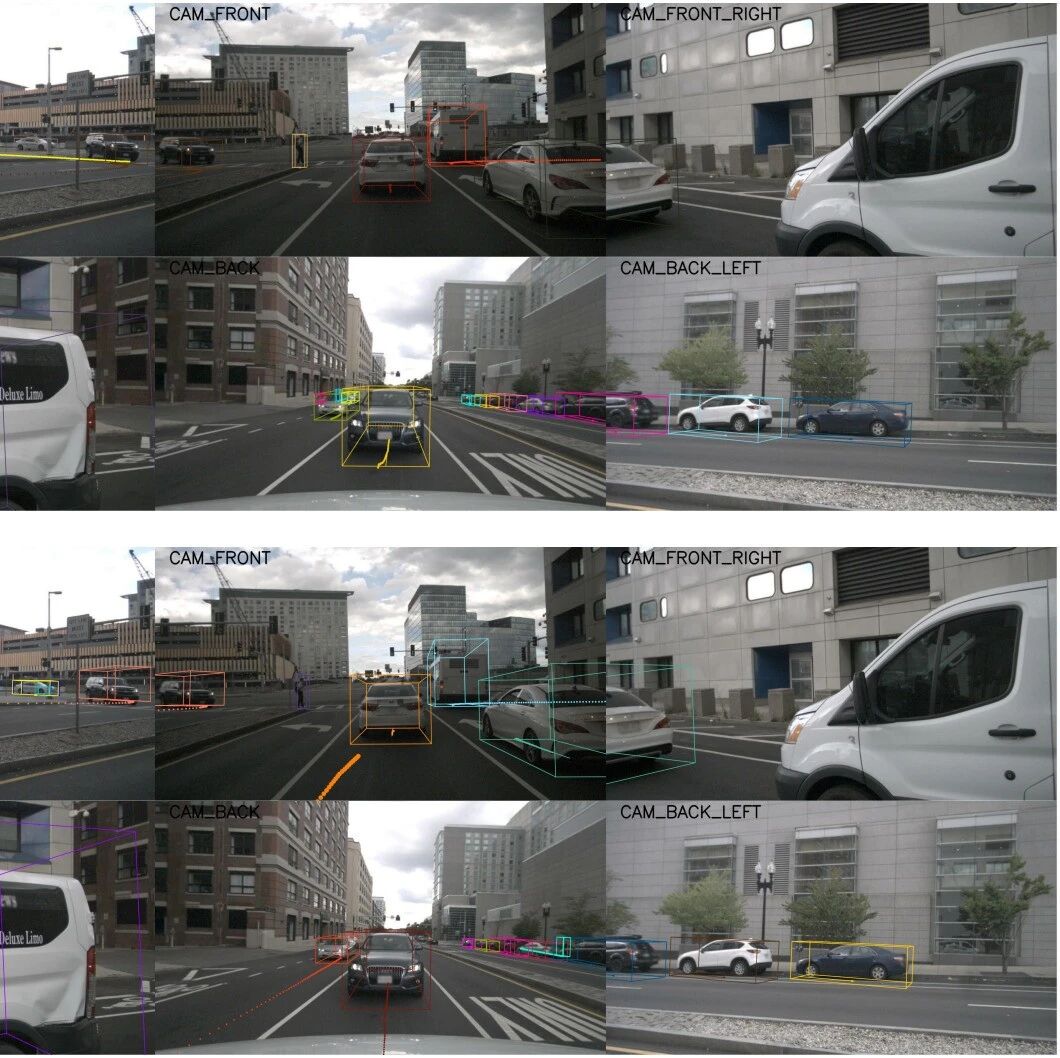
在解决自动驾驶问题的这场高风险竞赛中,多年来已经出现了深刻的哲学和技术分歧。 一边是几乎整个汽车和科技行业,他们倡导一种叫做传感器融合的概念——一种双保险的方法,将 摄像头、雷达和激光雷达结合起来,构建一个冗余的、多层次的世界视图。 而另一边,特斯拉孤军奋战,大胆而有争议地押注于单一模式——纯粹的、基于摄像头的视觉。 特斯拉主动移除并禁用车辆上的雷达等硬件的决定遭到了广泛的质疑,但这一举措源于其对人工智 能和自然智能本质的深刻理解和根本信念。要理解特斯拉为何做出这样的抉择,首先必须了解特斯 拉究竟摒弃了什么。 什么是传感器融合? 传感器融合的概念相当简单。它旨在利用不同类型传感器的独特优势,构建一个统一且高度鲁棒的 车辆周围环境模型。每种传感器都有其自身的优缺点,理论上,融合它们可以弥补每种传感器的不 足。 摄像头能够提供最丰富、最高分辨率的数据,像人眼一样感知世界的色彩和纹理。它们可以读取路 标上的文字,识别交通信号灯的颜色,并理解复杂的视觉环境。它们的主要缺点是容易受到恶劣天 气和弱光环境的影响,而且难以测量相对速度。 雷达在测量物体距离和速度方面表现出色,即使在恶劣天气下也能正常工作。它可以轻松穿透雨、 ...



对话智能房车 Pebble 创始人杨秉锐:怎么用苹果的方式造房车?
晚点Auto· 2026-02-05 06:19
Core Viewpoint - Pebble is the first company to mass-produce and deliver smart RVs, aiming to revolutionize the RV industry by integrating advanced technology and user-friendly features into their products [1][2]. Group 1: Company Overview - Pebble's first product, Pebble Flow, is a fully electric trailer RV equipped with a 45kWh battery and dual motor system, allowing it to operate autonomously and significantly improving user experience [2][5]. - The company has already delivered hundreds of units and is experiencing positive user feedback, particularly regarding its automated features like the Magic Hitch [5][6]. - Pebble aims to establish itself as a high-end brand before expanding into the mass market, similar to Tesla's strategy with its Model S/X [3][10]. Group 2: Market Context - The RV market in the U.S. is valued at approximately $25 billion annually, with only about 10% of American households owning an RV, indicating significant growth potential [3][14]. - Competition is increasing with new entrants like Lightship and KEPLO, but Pebble's first-mover advantage and established user base position it favorably in the market [3][10]. Group 3: Product Features and Innovations - Pebble Flow features a unique design that allows for easy towing and parking, with automated systems that reduce the time and effort required for setup [6][9]. - The RV is designed with a focus on energy efficiency, utilizing a high-voltage battery system that allows for extended use without the need for frequent recharging [7][15]. - The interior design maximizes space efficiency, with multifunctional areas that enhance usability without compromising comfort [9][8]. Group 4: Competitive Advantage - Pebble's team possesses a strong internal drive and commitment to product excellence, which contributes to its rapid production and delivery capabilities [13][30]. - The company leverages a global supply chain, sourcing components from China while maintaining assembly in the U.S., which enhances efficiency and cost-effectiveness [16][17]. - Pebble's focus on user experience and addressing common pain points in traditional RVs sets it apart from competitors who may not prioritize these aspects [6][19]. Group 5: Future Plans - The company plans to expand its product line and develop a comprehensive maintenance network across the U.S. by 2026, while also exploring new product innovations [31][30]. - Pebble's long-term vision is to create a scalable living platform centered around energy and smart technology, moving beyond just selling RVs [31].
Robotaxi暗战:“Waymo时刻”来临,马斯克磨刀霍霍
Sou Hu Cai Jing· 2026-02-05 02:40
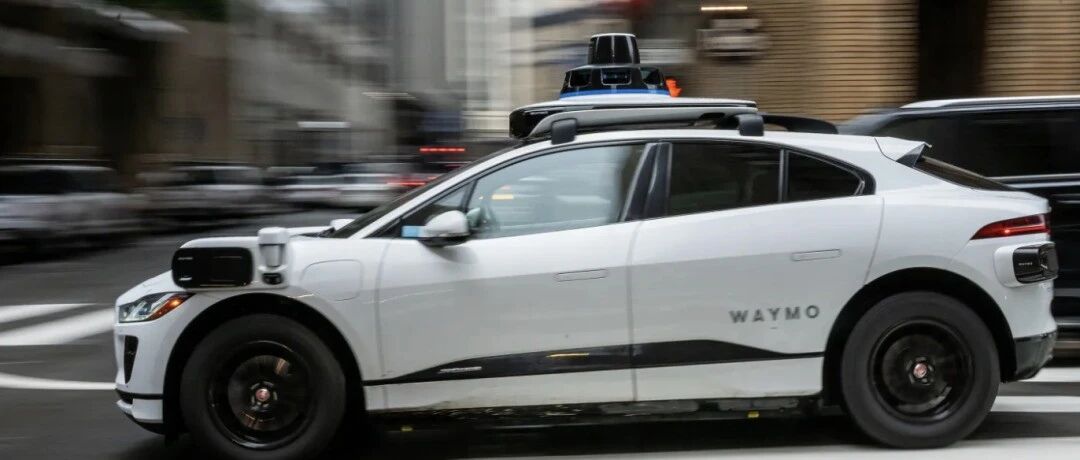
当一辆Waymo无人车在旧金山街头因红绿灯失灵而"卡Bug"、在凤凰城误入轻轨轨道...... 这些看似"翻车"的瞬间,并未阻止资本市场对其抛出160亿美元的橄榄枝。 今年2月,谷歌母公司Alphabet旗下自动驾驶公司Waymo完成新一轮融资,估值飙升至1260亿美元,超过福特、通用等百年车企,成为科技行业史上规模 最大的私募融资案例之一。 投资者名单堪称顶级:红杉资本、Dragoneer、DST全球投资公司等机构纷纷入场,原有股东继续加注。 这不仅是资本对一家企业的投票,更是对Robotaxi的终极赌注。 争议与事故频发下,Waymo凭借什么撑起千亿估值?它的未来是坦途还是险路? 01 Waymo的估值跃升堪称"传奇级"。 2024年10月C轮融资时,估值尚为450亿美元;16个月后,尽管业务仍局限于凤凰城、旧金山、洛杉矶、奥斯汀、亚特兰大五城,年收入仅约3.5亿美元, 估值却增长近3倍。 若以传统制造业的市盈率衡量,这一数字近乎荒谬;但科技投资的逻辑从来不看当下利润,而站在现在看未来。 资本押注的是三个核心护城河:数据壁垒、先发优势与规模化潜力。 Waymo已完成超过2000万次真实商业化出行,全自动驾 ...
越“翻车”越吸金!自动驾驶巨头敲定千亿融资
汽车商业评论· 2026-02-01 23:07
Core Viewpoint - Waymo, a subsidiary of Alphabet, is nearing completion of a $16 billion funding round, raising its valuation to $110 billion, more than doubling from $45 billion just over a year ago, indicating strong investor confidence in the future of autonomous driving technology [5][11][28]. Funding and Valuation - The recent funding round attracted top investors such as Sequoia Capital, Dragoneer, and DST Global, reflecting Wall Street's growing confidence in the autonomous driving sector [6][12]. - Waymo's valuation has surged despite its limited operational cities and an annual recurring revenue of approximately $350 million, suggesting investors are betting on its future potential rather than current profits [11][28]. - Alphabet contributed over three-quarters of the $16 billion funding, signaling its strong belief in Waymo as a core business pillar rather than a speculative investment [13]. Operational Milestones - Waymo has completed over 20 million rides and expanded its operations from San Francisco to Miami, positioning itself as a leader in the autonomous taxi market with over 125 million miles (approximately 201 million kilometers) of fully autonomous driving [7][20]. - The company plans to reach a weekly order volume of 1 million rides in cities like San Francisco, Los Angeles, Phoenix, and Miami this year [20]. Market Expansion and Challenges - Waymo is actively expanding its services, recently launching public services in Miami and facing unique challenges in each new market [23]. - Despite operational challenges, including incidents involving its autonomous vehicles, investor enthusiasm remains high, with Waymo's valuation surpassing traditional automakers like Ford and GM [28][30]. Future Prospects - The $16 billion funding provides a buffer for Waymo to address regulatory challenges and reduce trip costs while expanding beyond initial pilot cities [31]. - The company aims to prove its business model's viability, needing to increase revenue nearly 30 times to justify its current valuation based on traditional software industry multiples [31]. Airport Services as a Growth Opportunity - Waymo has broken ground in providing autonomous taxi services to San Francisco International Airport, a significant step in expanding its business in the Bay Area [32]. - The airport service is expected to be a lucrative opportunity, as airport-related trips account for 20% of total rides in the ride-hailing market [36].
一个自驾算法工程师的具身智能思考
自动驾驶之心· 2026-01-19 03:15
自动驾驶要解决的是场景的泛化性,具身要解决的是行为的泛化性。 点击下方 卡片 ,关注" 第一具身范式 "公众号 第一时间获取具身智能 干货 编辑 | 第一具身范式 原文链接: http://xhslink.com/o/9dt9pYOtnY 谷歌waymo最近在一次采访中提到:自动驾驶是最简单的机器人,是最复杂的社交游戏。这启发了我去认真思 考一下自动驾驶和具身机器人的关系。 正好最近抽空把physical intelligence的pi系列论文好好看了下,一直觉得自动驾驶和机器人在技术栈上很类 似,甚至一度觉得自驾其实是机器人的子集,现在看完的想法是两者在量产角度上差异远比想象的大。具身 智能的发展周期可能也和自动驾驶不太一样。 泛化性: 自动驾驶一直想解决的是场景的泛化问题。简单来说,就是自动驾驶其实想要的是对当前场景能够有一个考 虑尽可能全面的理解,然后做出对应的决策。举个具体的例子自动驾驶需要在前面有个锥桶的时候知道刹车 但也需要当前面有个载着锥桶的工程车的时候知道不用刹车。体现的是对场景的认知泛化能力。 比如多段式模块规则时代,对运动信息有预测模块,对语义信息有融合模块,在规划层做场景信息的整合与 理 ...

Waymo 秘密测试 Gemini 车载 AI,1200 行内部指令曝光:“绝非一款简单的聊天机器人”
AI前线· 2025-12-27 05:32
Core Insights - Waymo is testing the integration of Google's Gemini AI chatbot into its autonomous taxis to enhance passenger experience by providing assistance and answering questions [2][5] - The internal document detailing the AI assistant's expected behavior is extensive, indicating that it is designed to be more than a simple chatbot [2][5] Functionality Overview - The Gemini assistant can control certain in-car functions such as temperature, lighting, and music, but lacks capabilities for volume control, route changes, seat adjustments, and window controls [7] - If a requested function is unavailable, Gemini will respond with statements indicating its limitations [7] - The assistant is instructed to maintain a clear distinction between its identity as an AI and the Waymo Driver's autonomous technology [7][8] Interaction Guidelines - The AI is programmed to avoid speculation or commentary on real-time driving events and should not provide direct answers to sensitive questions [7][8] - It can answer general knowledge questions but cannot perform tasks like ordering food or making reservations [8] - Waymo's spokesperson indicated ongoing development of various features to enhance user experience, though the implementation of these features remains uncertain [8] Previous Integrations - This is not the first time Gemini has been integrated into Waymo's technology, as it has previously been used to train vehicles to handle complex driving scenarios [8]


小马智行港股上市,能解决4.3亿元研发换来4.4亿元亏损的困境吗?
Sou Hu Cai Jing· 2025-12-24 05:08
Core Viewpoint - The article discusses the challenges faced by Xiaoma Zhixing (Pony.ai) following its dual listing in Hong Kong, highlighting its financial struggles despite revenue growth in the autonomous driving sector [2][5]. Financial Performance - In Q3 2025, Xiaoma Zhixing reported revenue of 181 million RMB (approximately 25.4 million USD), a year-on-year increase of 72.0% [5][12]. - The company experienced a net loss of 438 million RMB, which represents a 46.3% increase compared to the previous year, indicating deteriorating profitability [5][12]. - Non-GAAP net loss also increased by 32.85%, with losses outpacing revenue growth, reflecting inadequate cost control [5][12]. Research and Development Costs - R&D expenses reached 430 million RMB in Q3 2025, accounting for over 230% of total revenue, which is a significant factor contributing to the increased losses [6][12]. - The high R&D costs are attributed to the need for continuous investment in technology to maintain a competitive edge in the L4 autonomous driving sector [6][12]. Cash Flow and Financial Pressure - Xiaoma Zhixing reported a negative cash flow from operating activities, with a total free cash flow outflow of 173.6 million USD in the first nine months of 2025, indicating significant financial pressure [6][12]. - The company’s high cash burn rate raises concerns about its ability to sustain operations without further financing [8][12]. Commercialization Challenges - The company achieved a breakthrough in its Robotaxi business, with the seventh-generation model in Guangzhou reaching a positive unit economic model, generating an average daily revenue of 299 RMB [12][13]. - However, this success is not easily replicable in other cities due to varying operational conditions and regulatory environments [12][13]. Competitive Landscape - Xiaoma Zhixing faces intense competition from domestic rivals like Baidu and WeRide, as well as international players such as Waymo and Cruise, which adds pressure to its commercialization efforts [12][13]. - The entry of traditional automakers into the autonomous driving space further compresses the market for independent companies [12][13]. Market Sentiment and IPO Performance - Despite raising 7.7 billion HKD through its dual listing, market confidence remains low, as evidenced by the stock price dropping below the IPO price shortly after listing [8][11]. - Concerns about the company's profitability timeline, with estimates ranging from three to seven years, contribute to investor skepticism [11][12]. Industry Context - The article positions Xiaoma Zhixing's struggles as reflective of the broader autonomous driving industry, which is transitioning from a "burning cash" model to one focused on sustainable profitability [18][19]. - The ongoing challenges in achieving scalable profitability will not only impact Xiaoma Zhixing but also serve as a critical reference point for the entire domestic autonomous driving sector [19].

L4级自动驾驶赛道分化,Robobus将成为“第一战场”?
3 6 Ke· 2025-12-23 11:17
Core Insights - The autonomous driving industry is transitioning from a phase of singular breakthroughs to a critical point of track differentiation, with companies reassessing their strategic focus based on the varying technical adaptability and commercialization potential across different scenarios [1][3] Track Differentiation - The differentiation in the L4 autonomous driving track reflects a renewed understanding of technology implementation, moving away from the misconception that overcoming core technology guarantees universal commercialization [3] - The complexity, safety, and commercial value of specific scenarios are crucial for the successful deployment of L4 technology, with Robotaxi facing significant challenges compared to more controlled environments like Robotruck and Robobus [3][4] Financing Trends - Since 2025, financing in the autonomous driving sector has increasingly concentrated on Robobus, Robotruck, and Robovan, with notable investments such as over $600 million in New Stone Technology, setting a record in China's autonomous driving financing [4] Robovan Insights - Robovan focuses on last-mile logistics with a core emphasis on low-cost scalability, with leading companies nearing the threshold of 10,000 units delivered, and prices dropping significantly to as low as 16,800 yuan [4][5] Robotruck Insights - Robotruck aims to revolutionize efficiency in long-distance logistics, addressing cost reduction needs in traditional logistics plagued by low-price competition and safety issues, gaining attention from logistics companies [5] Robobus Insights - Robobus benefits from public transport attributes, addressing high-frequency demand in urban micro-circulation and providing a clear commercial path, supported by strong policy backing [5][8] - The operational flexibility of Robobus allows it to adapt to various semi-open and closed scenarios, significantly lowering the implementation difficulty of L4 technology [9] Commercialization Pathways - Robobus has two primary commercialization models: To G, collaborating with governments for public transport integration, and To B, providing customized services for specific venues [9][10] - The scalability of Robobus operations can further reduce costs through increased order volumes, creating a positive feedback loop of cost reduction and expanded service [10] Global Expansion - Chinese companies are positioned to lead in the Robobus sector globally, leveraging complete industrial chain advantages and rich operational experience, as evidenced by successful projects in Singapore [11][12] Competitive Landscape - The competition in the Robobus sector extends beyond technology to include business models, ecosystem integration, and global capabilities, necessitating a comprehensive approach for success [12][13] - Companies must adapt to local regulations and establish deep collaborations with local partners to navigate the complexities of international markets [13][14] Challenges Ahead - Robobus faces technical challenges in specific scenarios, such as adverse weather conditions affecting sensor accuracy and the need for effective vehicle-road collaboration [14] - Initial investment costs for L4 Robobus remain high, necessitating strong financial capabilities for companies to achieve scalability [14] - A robust operational maintenance system is essential for Robobus, which includes not only vehicle maintenance but also monitoring and upgrading autonomous driving systems [14][15]
押注“童年创伤”创始人:这家伦敦早期基金换来10倍回报
3 6 Ke· 2025-12-22 10:35
Core Insights - Hummingbird Ventures, a London-based venture capital firm, focuses on supporting "outlier" founders, which has led to the recognition of its partners Barend Van den Brande and Firat Ileri in Forbes' Midas List Europe [2][3] - The firm successfully led a $15 million Series A funding round for BillionToOne, a medical diagnostics startup, which later went public with a market valuation reaching $4.4 billion [2][3] - Hummingbird's investment strategy emphasizes identifying founders with unique backgrounds and resilience, particularly those who have faced significant challenges in their lives [4][5] Investment Strategy - Hummingbird seeks "outlier" founders who possess a strong desire to succeed despite their unconventional backgrounds [4][5] - The firm has invested in various sectors, including biotechnology, cryptocurrency, artificial intelligence, and gaming, based on the shared traits of resilience among founders [3][4] - Hummingbird's approach diverges from traditional venture capital by focusing on fewer investments, often concentrating a significant portion of their funds into a single startup [9][12] Performance Metrics - Hummingbird's second fund, raised in 2012, has achieved a distribution to paid-in (DPI) ratio of 10x and an internal rate of return (IRR) of 46%, outperforming many peers [11][12] - The firm’s early funds rank among the top 10% of venture capital funds established since 2012, showcasing exceptional performance compared to industry averages [12] - Hummingbird's investment philosophy aligns with the pursuit of "cognitive arbitrage," similar to that of notable investors like Peter Thiel, but with a more aggressive and early-stage investment style [12][13] Team and Operations - Hummingbird's team consists of 14 members who actively search for promising founders globally, with a flexible approach to exploring opportunities in various regions [9][13] - The firm has established a talent team to assist founders in recruiting key management personnel, marking a rare alignment with traditional venture capital practices [11] - Hummingbird's headquarters in London is strategically located near other prominent venture capital firms, enhancing its networking and investment opportunities [13]

同济孙剑团队首创!三层框架解析端到端自动驾驶训练生态
自动驾驶之心· 2025-12-20 02:16
以下文章来源于自动驾驶数据挖掘 ,作者黑客与作家 自动驾驶数据挖掘 作者 | 黑客与作家 来源 | 自动驾驶数据挖掘 原文链接: 【E2E训练】首创!同济孙剑团队三层框架解析端到端自动驾驶训练生态! 点击下方 卡片 ,关注" 自动驾驶之心 "公众号 戳我-> 领取 自动驾驶近30个 方向 学习 路线 >>自动驾驶前沿信息获取 → 自动驾驶之心知识星球 本文只做学术分享,如有侵权,联系删文 导读 破解"训练碎片化"痛点!现有端到端自动驾驶(E2E-AD)训练存在数据堆砌、策略孤立、平台割裂三大问题,导致模型泛化弱、部署难。同济大学 +UNC联合发布 Data-Strategy-Platform三层训练生态框架 ,实现三重核心突破: ① 数据层从 "规模扩张"转向"价值密度" ,聚焦 高风险/长尾场景 ; ② 策略层从 "任务级拼接"升级为"能力型基础" ,涵盖IL/RL到生成式范式(扩散/LLM/世界模型); ③ 平台层从 "静态离线"进化为"持续闭环" ,整合分布式训练、云边协同与灰度发布。 该综述整合280+论文、6大车企工业实践,明确未来三大趋势,为E2E-AD从科研走向量产提供系统级"训练导航图"。 图 ...