
反向团圆

Search documents
决策在线上,增长在线下
美团· 2026-03-03 08:50
Investment Rating - The report does not explicitly state an investment rating for the industry Core Insights - The industry is experiencing significant growth in various sectors, particularly in travel and leisure, with a notable increase in consumer spending during the Spring Festival period [3][4][40] - There is a shift in consumer behavior, with younger generations prioritizing emotional experiences and unique offerings when traveling [8][40] - The demand for local experiences and cultural immersion is rising, as evidenced by the growth in searches for local cuisine and non-material experiences [12][15] Summary by Sections Travel and Leisure Growth - Orders for luxury hotels increased by 44% year-on-year in Shenzhen, indicating a strong demand for high-end accommodations [31] - The overall hotel night volume saw a year-on-year increase of 19% [34] - The number of cities visited per person has risen to an average of 2.2 [2] Consumer Behavior Changes - There is a 70% year-on-year increase in multi-city consumption orders, reflecting a trend towards more diverse travel experiences [2] - The popularity of unique dining experiences is highlighted by a 40% increase in searches for local food [12] - The trend of "reverse reunion" is emerging, with top destinations for returning home during the Spring Festival including major cities like Beijing and Shanghai [28] Emerging Trends - The sales of DIY and experiential activities have surged, with orders for DIY workshops increasing by 120% [45] - The gaming and esports sectors are also thriving, with a 165% year-on-year increase in related transactions [4] - The demand for pet-friendly accommodations and dining options has seen significant growth, with searches increasing by 106% [44]

8000多亿春节旅游账单,藏着团圆新解法
Xin Lang Cai Jing· 2026-02-26 04:14
Core Insights - The article highlights a shift in family reunion dynamics during the Chinese New Year, with younger generations bringing their parents to urban areas for celebrations, reflecting a new consumer trend in China [1][3]. Group 1: Travel and Tourism Trends - During the Spring Festival holiday, a record 596 million domestic trips were made, with total spending reaching 803.48 billion yuan, marking a significant increase from the previous year [3]. - There is a notable rise in "reverse reunions," where older travelers (60 years and above) flying to major cities increased by over 10% compared to last year, indicating a change in intergenerational relationships [3][4]. - Long-distance travel preferences have surged, with a 70% increase in travelers choosing destinations over 300 kilometers away, and hotel bookings in certain rural areas seeing over 400% growth [4]. Group 2: International Tourism and Cultural Exchange - China's visa-free policy expansion to Canada and the UK has led to a 400% increase in flight bookings from foreign tourists during the Spring Festival, showcasing the growing appeal of Chinese cultural experiences [5][6]. - The unique cultural aspects of the Chinese New Year, such as traditional festivals and local crafts, have become significant attractions for international visitors [6]. Group 3: Technology Integration in Tourism - The integration of technology, such as AI-driven experiences and interactive tourism, has enhanced the travel experience during the Spring Festival, with AI-related bookings increasing by over 800% compared to pre-holiday levels [7][8]. - The use of technology is seen as a way to modernize traditional celebrations, making them more accessible and engaging for younger audiences [8]. Group 4: Economic Implications - The strong performance of the tourism sector during the Spring Festival serves as an important indicator of domestic demand and consumer resilience in China [9][10]. - The overall spending during the holiday reflects a collective aspiration for a better quality of life among the 1.4 billion population, contributing to economic growth [11][12].

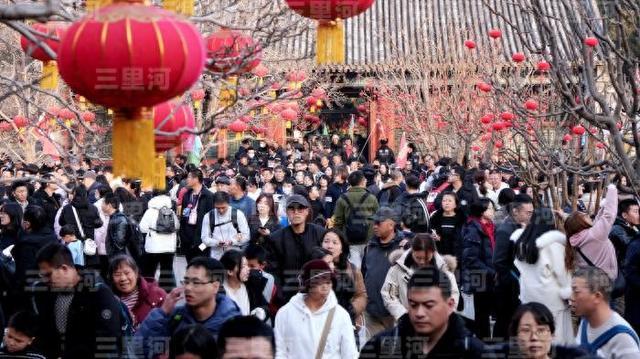
宏观研究:春节假期宏观大事分析
China Post Securities· 2026-02-26 03:19
Group 1: Macroeconomic Trends - The 2026 Spring Festival holiday saw a record high of 2.46 billion people traveling, with a daily average of 308 million, marking a 7% increase year-on-year and a 36% increase compared to 2019[10] - Domestic tourism revenue reached 632.69 billion yuan during the Spring Festival, a 47.3% increase year-on-year, with hotel accommodation transactions up 32.7%[18] - The movie box office during the Spring Festival dropped to 5.13 billion yuan, a 46.08% decrease from the previous year, with attendance down 43.02%[22] Group 2: U.S. Tariff Policy Changes - Prior to the U.S. Supreme Court ruling, the effective tariff rate on China was 37%; post-ruling, it could drop to 21.9%, a reduction of 15.1 percentage points[2] - Following the ruling, Trump introduced a 10% tariff under Section 122, which could rise to 15%, bringing the effective tariff back to 36.9% if fully implemented[28] - The reduction in tariffs could potentially increase China's export growth to the U.S. by 4.7%, translating to a 0.54 percentage point increase in overall export growth[29] Group 3: Consumer Behavior and Financial Data - In January, new household deposits decreased by 33.9 billion yuan year-on-year, indicating a trend of funds moving to non-bank financial institutions[36] - The willingness of households to leverage increased, with new short-term loans rising to 109.7 billion yuan, suggesting a potential shift in asset-liability dynamics[37] - M1 and M2 growth rates improved, with M1 growing by 4.9% and M2 by 9%, indicating a recovery in monetary supply dynamics[40]
春节假期宏观大事分析
China Post Securities· 2026-02-26 03:01
Group 1: Macroeconomic Trends - The 2026 Spring Festival holiday saw a record high of 2.46 billion people traveling, with a daily average of 308 million, marking a 7% increase year-on-year and a 36% increase compared to 2019[10] - Domestic tourism revenue reached 632.69 billion yuan during the holiday, a 47.3% increase year-on-year, with hotel accommodation transactions up 32.7%[18] - The movie box office during the Spring Festival dropped to 5.13 billion yuan, a 46.08% decrease from the previous year, with attendance down 43.02%[22] Group 2: U.S. Tariff Policy Changes - Prior to the U.S. Supreme Court ruling, the effective tariff rate on China was 37%; if the IEEPA tariffs are annulled, it could drop to 21.9%, a reduction of 15.1 percentage points[2] - Following the ruling, Trump introduced a 10% tariff under Section 122, which could rise to 15%, bringing the effective tariff back to 36.9% if fully implemented[28] - The reduction in tariffs could potentially increase China's export growth to the U.S. by 4.7%, translating to a 0.54 percentage point increase in overall export growth[29] Group 3: Financial Data Insights - In January, new household deposits decreased by 33.9 billion yuan year-on-year, while non-bank financial institutions saw an increase of 25.6 billion yuan[36] - The M1 money supply grew by 4.9% year-on-year, while M2 increased by 9%, indicating a narrowing negative gap between the two[40] - The total financing to the real economy in January was 49.02 trillion yuan, showing a year-on-year decrease of 3.18 trillion yuan, but remaining at a relatively high level compared to previous years[39]
新春走基层丨不同的年味 相同的期许
He Nan Ri Bao· 2026-02-25 23:26
Group 1: Delivery Industry Insights - The company provides significant benefits for full-time delivery riders working during the Spring Festival, including triple overtime pay and additional bonuses, which has positively impacted rider morale [1][4] - The number of delivery orders during the Spring Festival is reported to be more than one-third lower than usual, yet riders like Wang Chunling feel secure due to the company's support policies [1][2] - The company has implemented various welfare measures, such as a 3,500 yuan subsidy for riders who bring their children to celebrate the festival, enhancing the sense of community and support among riders [1][4] Group 2: Changes in Consumer Behavior - There has been a noticeable increase in the acceptance of delivery time flexibility by customers, with many showing understanding towards slight delays, reflecting a shift in consumer attitudes [4][5] - The rise of "love stations" for delivery workers in urban areas provides essential services like hot water and charging stations, indicating a growing recognition of the needs of this workforce [5] Group 3: Agricultural and Logistics Developments - The agricultural cooperative established by Zhu Weiling has created over 200 greenhouses, producing millions of vegetable seedlings annually, which supports local employment and modern agricultural practices [12][13] - The logistics network in rural areas has evolved significantly, with the establishment of a delivery system that connects villages directly to urban supply chains, enhancing access to goods and services for rural consumers [15]
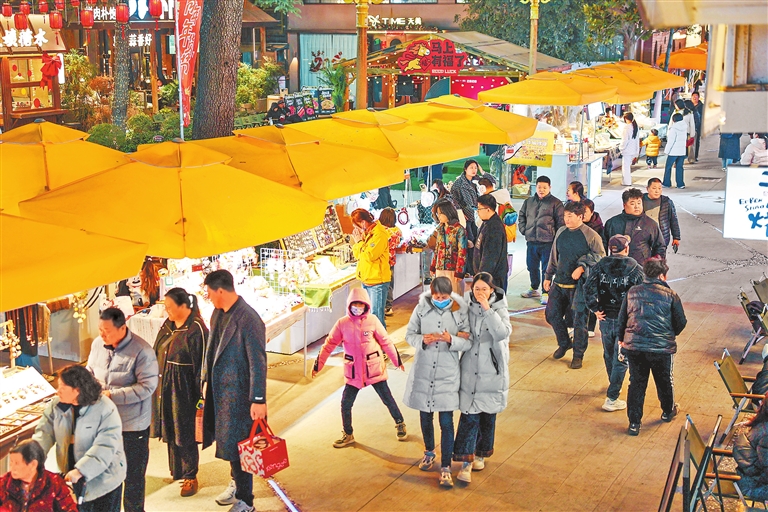
“00后”春节主理人主场造年味
Xin Lang Cai Jing· 2026-02-25 23:03
Core Insights - The article highlights the evolving ways in which young people are celebrating the Chinese New Year, emphasizing a shift towards creative and personalized traditions that blend modernity with cultural heritage [13][18]. Group 1: New Trends in Celebrating Chinese New Year - The concept of "Spring Festival Curators" has emerged, with young individuals taking initiative in redefining traditional celebrations through innovative practices [13]. - The report indicates that over 93 billion exposures and 4.84 million notes have been generated under the topic "I am the Spring Festival Curator" on Xiaohongshu, showcasing the popularity of new celebration styles [13]. - The trend of "non-heritage experience" notes on Xiaohongshu has seen a year-on-year increase of over 640%, indicating a growing interest in traditional customs [14]. Group 2: Intergenerational Connections - Young people are increasingly using photography to connect with their elders, creating a new form of intergenerational bonding during the New Year [16]. - Activities such as organizing photo shoots for elderly individuals have gained traction, with one initiative in Anhui attracting significant attention and engagement on social media [17]. - The emergence of "intergenerational care communities" reflects a shift towards mutual appreciation and connection between young people and their elders [17]. Group 3: Travel and Family Dynamics - The trend of "reverse reunion," where young individuals bring their parents to new locations for the New Year, is becoming popular, with related topics on Xiaohongshu seeing a 45-fold increase in search volume [18]. - The article notes that the concept of family gatherings is evolving, with younger generations redefining what it means to celebrate together, emphasizing emotional connections over physical locations [19]. - The narrative of young people organizing gatherings, such as New Year's dinners among international students, illustrates a redefined sense of community and belonging [19].
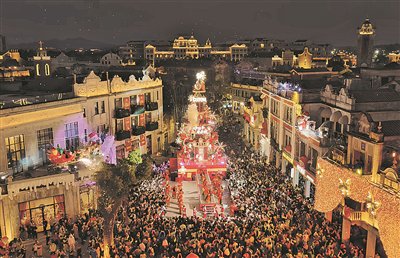
春节假期消费观察|消费旺、出游火、年味足 亮眼数据彰显新年“开门红”
Yang Shi Wang· 2026-02-25 04:18
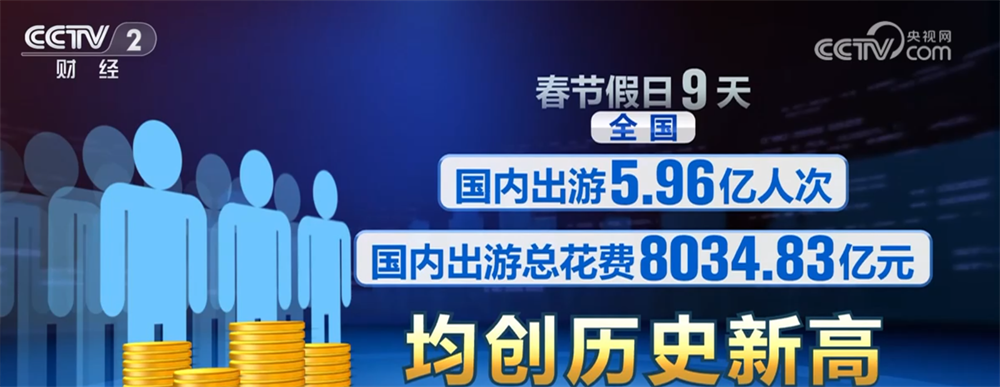
Group 1: Travel and Tourism Data - During the Spring Festival holiday, a total of 596 million domestic trips were made in China, with total spending reaching 803.48 billion yuan, both figures marking historical highs [1] - The average daily number of trips during the Spring Festival increased by 3.5% compared to the previous year, with significant growth in cultural and traditional tourism [16] - In Shenzhen, over 10.54 million tourists were received, a 17.9% increase from the previous year, generating tourism revenue of 11.845 billion yuan, up 19.8% [8][10] Group 2: Payment and Consumption Trends - During the 2026 Spring Festival, UnionPay and Wanglian processed 39.302 billion transactions amounting to 13.12 trillion yuan, with daily transaction volume and amount increasing by 37.45% and 19.26% respectively compared to 2025 [3] - WeChat Pay reported over 20% year-on-year growth in offline transactions for travel and entertainment during the Spring Festival [5] - Alipay noted a nearly 90% increase in transaction volume from foreign tourists in China, with spending up over 80% compared to the previous year [7] Group 3: Regional Highlights - In Hubei, over 22.8 million tourists visited 600+ A-level tourist attractions, a 28.27% increase from 2025, with popular sites like Yellow Crane Tower and Wudang Mountain seeing significant visitor numbers [22] - Shanghai received 21.67 million tourists, a year-on-year increase of 8.36%, with total tourism consumption reaching 25.614 billion yuan, up 20.9% [18] - In Chongqing, over 2,000 promotional consumption activities were organized, leading to a 7.8% increase in total consumption, with retail sales and nighttime consumption also showing growth [20] Group 4: Emerging Consumer Trends - The trend of "reverse reunion" saw a significant increase, with young adults bringing their parents to major cities for the holiday, particularly in first-tier cities like Beijing and Shanghai [21] - County-level hotels experienced a surge in bookings, with occupancy rates increasing over 60% in non-tourist areas, driven by returning young people [24] - New consumption habits emerged, with a notable interest in purchasing technology products and gold jewelry during the Spring Festival [10][14]
春节假期,“家门口旅游”火了!
Jin Rong Shi Bao· 2026-02-24 08:47
Core Insights - The 2026 Spring Festival holiday, known as the "longest ever," saw a record high in travel activity, with a significant increase in both traditional homecoming and tourism [1][3] - The trend of "reverse reunion," where young people invite their parents to urban areas for the holiday, has gained popularity, leading to substantial savings on travel costs [4] Group 1: Travel Trends - The overall travel enthusiasm during the Spring Festival reached historical highs, with both major tourist attractions and local county-level destinations experiencing unprecedented visitor numbers [1] - Hotel bookings in non-tourist county areas surged over 60% during the holiday, with specific counties like Anhui's Fuyang and Hunan's Changde seeing booking increases of 140% and 130% respectively [2] - The trend of combining family visits with tourism has become a new standard, with early travel departures observed, particularly on the first day of the festival [3] Group 2: Cultural and Thematic Travel - The three main themes driving domestic tourism during the Spring Festival were traditional cultural experiences, ice and snow tourism, and warm-weather retreats [5][6] - Popular cultural activities included visiting historical cities and participating in traditional events, which attracted significant tourist interest [6] - Ice tourism saw a notable increase, particularly among southern tourists, with destinations like Harbin and other northeastern cities becoming hotspots [6] Group 3: International Tourism - There was a 20% increase in foreign visitors booking domestic flights in China during the Spring Festival, with major cities like Shanghai and Beijing being the top destinations [8] - Foreign tourists are increasingly exploring multiple cities rather than staying in one, with a notable interest in culturally rich and unique local experiences [8]
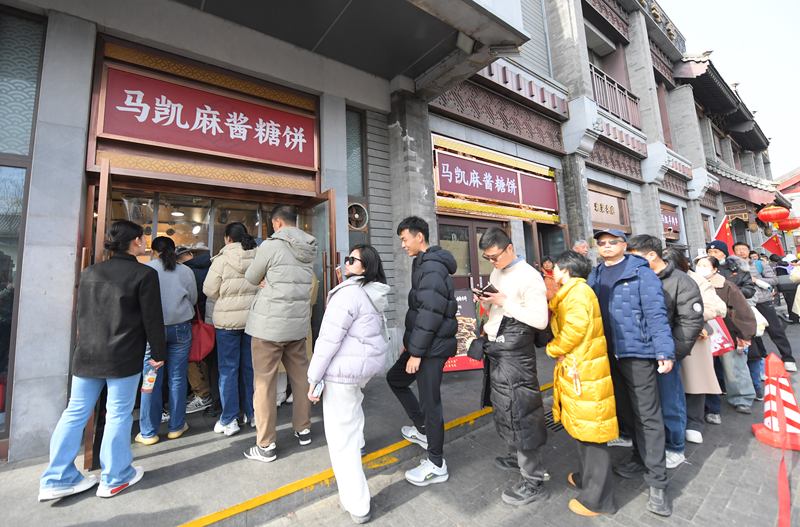
炸酱面吃了12万碗、吃小龙虾等4小时 春节北京餐饮热度超预期
Xin Jing Bao· 2026-02-24 05:28
Core Insights - The Beijing dining market experienced a significant surge during the 9-day Spring Festival holiday, with traditional brands becoming essential tourist attractions and long queues becoming the norm [1][2]. Group 1: Revenue and Customer Flow - Many well-known dining enterprises reported a multiple increase in revenue and customer flow during the Spring Festival, with "exceeding expectations" being a common theme among interviewees [1][2]. - The average waiting time for dining at popular restaurants exceeded 1 hour, with some locations seeing order volumes increase by nearly 40% compared to the previous year [2][4]. - Specific restaurants like Hu Da and Fei Da Chu reported customer flow increases of 113% and over 2000 daily customers, respectively, during peak days of the holiday [7][8]. Group 2: Popular Dining Trends - Traditional restaurants near tourist attractions saw a notable increase in customer traffic, with some locations selling out of popular dishes like the "dry-fried big yellow fish" and "sugar pancakes" [2][4]. - The trend of "reverse reunion" led to urban areas becoming new destinations for families during the holiday, while "niche flavors" in smaller towns also gained popularity [8][11]. - Brands like Hai Di Lao reported over 700 million customer visits during the holiday, with significant growth in customer flow in cities like Beijing and Shenzhen [9][11]. Group 3: Operational Adjustments - Many restaurants extended their operating hours and increased staff to accommodate the surge in customers, with some opening earlier than usual to manage the high demand [2][7]. - Innovative service methods, such as using robots for customer interaction, were implemented to enhance the dining experience during peak times [7].
“探亲+旅游”成春节假期新标配
Jin Rong Shi Bao· 2026-02-24 01:33
Core Insights - The 2026 Spring Festival holiday, known as the "longest ever," saw significant travel activity, with many people returning home or traveling for leisure, highlighting a trend of "reverse reunion" where children send parents to major cities [1][4]. Group 1: Travel Trends - Traditional cultural experiences remain a major draw for domestic tourism during the Spring Festival, with destinations like Harbin and indoor ski resorts gaining popularity [1][6]. - The trend of "home tourism" has surged, with local and nearby attractions seeing over 100% growth in bookings from residents in central and western cities [2][3]. - The demand for long-distance outbound travel has increased significantly, with popular destinations like Milan seeing hotel bookings rise over 200% compared to the previous year [7]. Group 2: Reverse Reunion Phenomenon - The "reverse reunion" trend has emerged, with older travelers flying to major cities to celebrate the holiday with their children, leading to a fivefold increase in ticket sales for certain routes [4][5]. - Young adults are increasingly taking the initiative to host their parents in urban settings, shifting the traditional family reunion dynamics [4][5]. Group 3: Winter and Escape Tourism - Winter tourism remains a popular choice, with destinations in Northeast China and indoor ski resorts attracting significant interest [6]. - Southern destinations like Hainan and Guangdong are favored for winter escapes, with high demand for leisure and wellness tourism [6]. Group 4: Outbound Travel Growth - The Spring Festival holiday has stimulated outbound travel, particularly to nearby Asian countries, with family groups being the primary travelers [7]. - The Winter Olympics in Milan has also contributed to increased travel interest, with families combining event attendance with sightseeing [7].