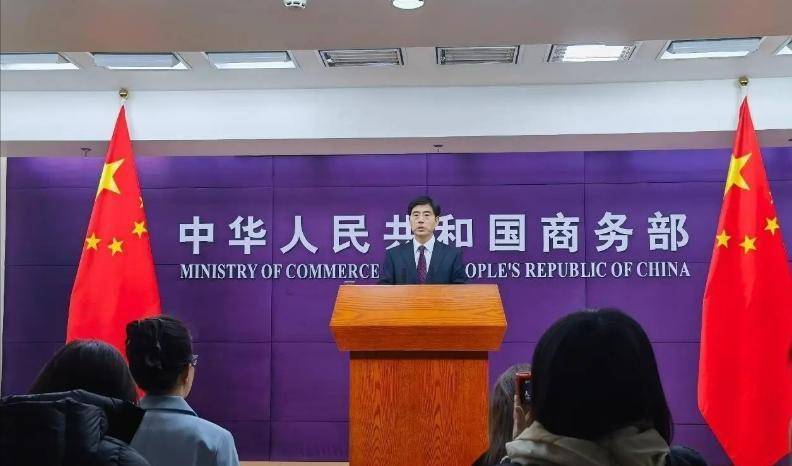
贸易反制

Search documents
中国反制加强,日本财政恶化,700万亿还不上,前首相要求高市早苗下台
Sou Hu Cai Jing· 2026-02-13 04:09
Group 1 - Japan's government net debt is approaching 700 trillion yen (approximately 31.6 trillion RMB), with liabilities reaching 1,483.3 trillion yen against assets of 783.4 trillion yen, marking a historical record of insolvency [3] - The fiscal crisis is directly linked to Prime Minister Kishi's hardline stance towards China, particularly regarding Taiwan, which he has tied to Japan's national survival [3] - China's countermeasures against Japan include travel warnings and trade restrictions, leading to a 47% cancellation rate of flights from China to Japan and significant declines in tourism revenue [6] Group 2 - The export controls imposed by China on over 900 dual-use items, including critical resources like rare earths and semiconductor materials, have severely impacted Japan's high-end manufacturing sector, causing production halts at companies like Toyota [8] - The economic downturn is translating into political pressure, with former Japanese Prime Ministers criticizing Kishi's actions as reckless and potentially harmful to national interests [8] - Japan's economy is already vulnerable due to long-term issues such as aging population and weak domestic consumption, with government debt reaching 260% of GDP, far exceeding international warning levels [10] Group 3 - Kishi's economic stimulus measures, including a supplementary budget of 21.7 trillion yen, have led to soaring bond yields and increased interest payments, consuming nearly 40% of fiscal tax revenue [10] - Japan's high dependency on China for trade, at 40%, means that China's countermeasures are particularly damaging to key industries such as automotive, electronics, and pharmaceuticals [10] - The ongoing diplomatic isolation and economic contraction could lead Japan into a vicious cycle, with the looming threat of national credit bankruptcy as the debt crisis deepens [12]


四天过去,反补贴税准时落地,局势变成6对21,欧盟内部陷入混乱
Sou Hu Cai Jing· 2026-02-13 02:50
Group 1 - The core point of the article is the implementation of anti-subsidy taxes on EU dairy products by China, which has sparked internal dissent among EU member states regarding protectionist policies [1][3][11] - Starting February 13, 2026, all importers sourcing dairy products from the EU must pay an anti-subsidy tax ranging from 7.4% to 11.7% for a period of five years, affecting a wide range of dairy products [3][5] - The timeline of China's anti-subsidy investigation against EU dairy products aligns closely with the EU's imposition of high anti-subsidy taxes on Chinese electric vehicles, indicating a tit-for-tat trade response [5][7] Group 2 - Six EU member states, including Estonia and Finland, have jointly issued a warning against the EU's protectionist measures, highlighting concerns that prioritizing European goods may hinder technological access and investment [11][13] - The controversial "Industrial Accelerator Act" proposed by the EU requires foreign investors to form joint ventures with a maximum 49% ownership and mandates technology transfer, which has drawn criticism for potentially stifling innovation [13][15] - French President Macron has been a vocal advocate for the "European First" approach, expressing urgency in addressing competition from China and the U.S., while facing challenges in achieving consensus among EU member states [18][20] Group 3 - The anti-subsidy tax on dairy products is part of a broader strategy by China to target key agricultural exports from the EU, including brandy and pork, which are vital to the economies of several member states [7][29] - The internal dissent within the EU regarding the protectionist policies reflects the economic pressures that such measures impose on member states, particularly those reliant on trade and technological collaboration [31][25] - China's approach to trade retaliation is characterized by legal rigor and economic strength, emphasizing adherence to international rules while maintaining open channels for dialogue [27][33]
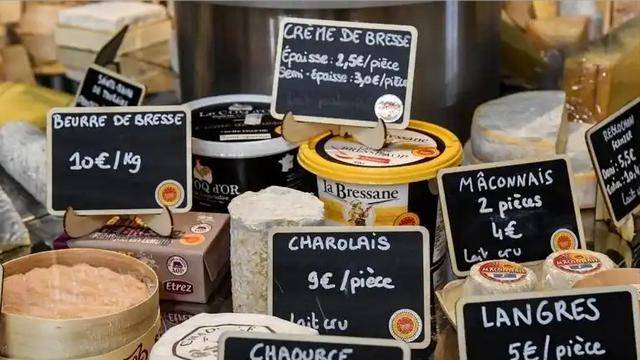
奉劝法国别酒不醉人人自醉
Sou Hu Cai Jing· 2026-02-12 02:24
反歧视调查:针对法国乃至欧盟近期系列对华不友好举措,如在南海联合演习、对华技术限制等,发起 反歧视调查。 对等关税反制:如果欧盟单边对华加征关税,中国将直接对欧盟有关产品采取"对等关税"予以反制。 中方的原则立场 中方始终敞开沟通的大门,但也做好了应对一切挑战的准备。这种既保持理性克制,又坚定维护自身权 益的态度,正是对法国"酒不醉人人自醉"式外交的有力回应。 事件背景补充 近期法国某机构向欧盟提议对中国实施约30%的整体关税,这种明显违反世贸组织规则的行为,被视为 对华贸易的挑衅。针对这一情况,玉渊谭天直接点明法国在对华政策上的"自我陶醉",并透露了中方可 能采取的反制措施。 中方反制措施选项 如果法国执意推动加征关税的提议,中方有三方面的应对手段: 双反调查:考虑对欧盟,特别是法国的葡萄酒发起反倾销、反补贴调查。2024年欧盟葡萄酒对华出口近 7亿美元,其中近半数来自法国,这一举措精准击中法国的经济痛点。 ...

观察|夺岛风波中集体炮轰特朗普,欧洲这次真要硬刚美国?
Xin Lang Cai Jing· 2026-01-21 23:50
不过,特朗普21日在瑞士达沃斯与北约秘书长吕特会晤后称,暂时不会按原定计划向反对美国得到格陵 兰岛的欧洲八国加征关税。分析称,特朗普威胁欧洲是采取一贯的谈判策略:先强硬再对话。 挪威北极大学北极研究与政治学教授、丹麦籍学者贝牧思(Rasmus Gjedssø Bertelsen)对智通财经 (www.thepaper.cn)表示,欧洲鲜少被美国威胁,且在防务等领域深度依赖美国,奉行"美规欧随"政 策,在现在美国多重威胁的冲击下难以做出战略转变。 与此同时,贝牧思认为,尽管欧洲不认同美国对中国的利益主张,但长期以来仍本能地倾向于通过对抗 中国来寻求美国的保护,毫无批判地接受美国的看法,而不是进行严肃的独立战略讨论。 服从性测试 一名与多位欧洲领导人关系密切的前美国官员告诉美国新闻网站Axios,特朗普最近加大在格陵兰岛问 题上的对欧施压力度,"首次越过了欧洲人的红线"。 欧洲人对美国发怒了? 据新华社报道,法国总统马克龙1月20日在瑞士达沃斯世界经济论坛上说,欧美之间的贸易协定损害了 欧洲的利益,美国迫使欧洲最大程度让步,并公然企图削弱和控制欧洲,这"不可接受"。 比利时首相巴特・德韦弗、欧委会主席冯德莱恩接连 ...
杀鸡儆猴!中方不再惯着,拿“变色龙”马克龙开刀,法国农民慌了
Sou Hu Cai Jing· 2025-12-29 09:04
Group 1 - The EU has imposed a 45.3% tariff on Chinese electric vehicle imports, primarily driven by France to protect its domestic industry [1] - In response, China initiated an anti-subsidy investigation into EU dairy products, initially set to conclude in August 2025 but extended to February 2026 due to complexity [1][3] - France's dairy exports heavily rely on the Chinese market, with the country accounting for one-third of the EU's cheese exports, leading to significant financial pressure on French dairy farmers [3][5] Group 2 - The investigation revealed that 12 out of 15 companies involved were French, indicating a direct impact on well-known brands like Lactalis [3] - French farmers are experiencing severe distress due to the potential collapse of milk prices and cash flow issues, prompting protests against government policies [3][5] - Macron's fluctuating stance on trade with China has led to increased tensions, with the French government facing pressure to respond to the farmers' grievances [5][9] Group 3 - The EU's overall push for tariffs on Chinese electric vehicles is primarily supported by France and Germany, with Macron seeking to leverage pressure on China [5][9] - China's countermeasure, while temporary, sends a clear message to the EU about the need for sincere cooperation rather than duplicity [5][9] - The situation has exposed divisions within the EU, as member states weigh their economic interests against collective actions, with Germany reluctant to escalate tensions due to its automotive market in China [9]
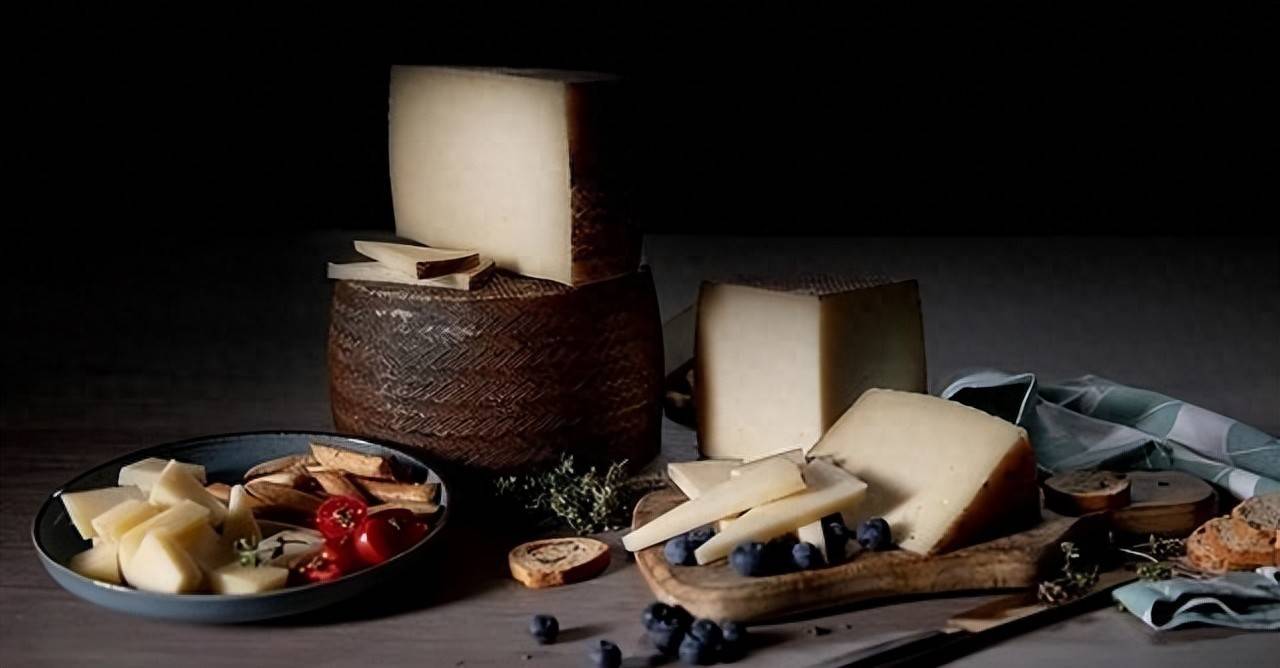
中方已经忍无可忍,对欧盟发出2道制裁,英国还想对中企下黑手
Sou Hu Cai Jing· 2025-12-25 16:16
Core Viewpoint - Since December, China has implemented two trade countermeasures against the EU, targeting dairy products and pork, indicating a serious retaliation rather than a mere warning [1][3]. Group 1: Trade Measures - Starting December 23, China will impose countervailing duties ranging from 21.9% to 42.7% on various dairy products originating from the EU [1]. - On December 16, China decided to levy anti-dumping duties of 4.9% to 19.8% on pork imported from the EU [1][7]. - The countermeasures are partly aimed at maintaining industrial safety and partly as a proportional response to EU actions [7]. Group 2: Background and Motivations - The trigger for these retaliatory measures was French President Macron's comments regarding trade imbalances between China and the EU, suggesting potential tariffs on Chinese goods if issues were not resolved [3]. - France is particularly affected, with 12 out of 15 surveyed companies involved in the dairy sector being French, highlighting the direct impact of China's measures on French businesses [3][5]. Group 3: Market Dynamics - China's dairy industry has been suffering losses due to low-priced EU products, with French cheese, yogurt, and cream benefiting from substantial agricultural subsidies, often priced lower than local brands [5]. - An 18-month investigation concluded that EU products were being sold at unfairly low prices, adversely affecting China's pig farming industry [8]. Group 4: Future Implications - China is considering further assessments on other European products such as brandy and wine, indicating that more European goods could be targeted in future retaliatory actions [8]. - If the EU continues its hardline stance, China may expand countermeasures to include wine, luxury goods, and even aerospace components, which could significantly impact the market share of French products in China [15]. Group 5: Broader Context - The ongoing tensions are not limited to trade, as the UK has also imposed sanctions on Chinese companies over alleged cyberattacks, indicating a broader geopolitical struggle that extends beyond trade issues [16][20]. - China's response to the UK's actions emphasizes the need for cooperation in cybersecurity, while also highlighting the multifaceted nature of the current international competition [20].
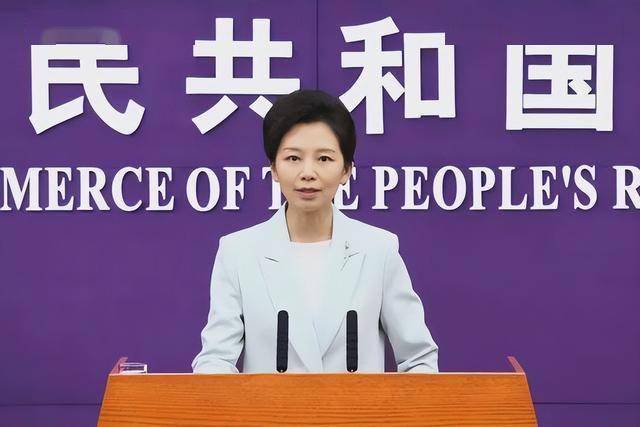
中国对欧盟精准征税,荷兰头大了,欧盟不服,法国想拉27国打反击
Sou Hu Cai Jing· 2025-12-25 15:00
Group 1 - The Chinese Ministry of Commerce announced a tax on EU dairy products starting December 13, with rates reaching up to 42.7%, seen as a direct response to the EU's tariffs on Chinese electric vehicles [1][3] - The tax specifically targets the agricultural sector in the EU, particularly affecting countries like France, the Netherlands, and Italy, which rely heavily on agricultural exports, especially dairy products [3][5] - This move is part of a broader strategy by China to establish a reciprocal trade environment, following previous anti-dumping investigations into brandy and pork [5][18] Group 2 - The response from the EU has been mixed, with France quickly calling for a united response among member states, highlighting the political implications of the tax on its agricultural sector [9][11] - Germany and other countries may be hesitant to support a strong response due to their economic dependencies on China, particularly in manufacturing and other sectors [11][13] - The rapid and targeted nature of China's actions has exposed weaknesses in the EU's internal coordination mechanisms, making it difficult for the EU to respond effectively [20][22] Group 3 - The tax on dairy products is seen as a low-cost, high-reward strategy for China, as it avoids direct consumer impact while targeting a critical economic sector in the EU [18][24] - The ongoing trade dispute underscores the contrasting trade strategies of China, which emphasizes reciprocity and countermeasures, versus the EU's struggle to balance diverse member interests and external policies [20][24] - The situation remains fluid, with potential for escalation depending on the EU's willingness to engage in negotiations rather than confrontation [22][26]
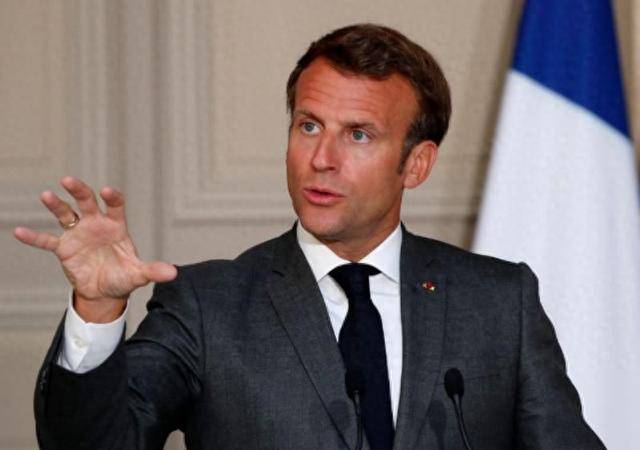
24小时已过!中方收费准时开始,卢拉通知欧盟:再不签协议就晚了
Sou Hu Cai Jing· 2025-12-25 03:28
Group 1 - China's temporary anti-subsidy tax on EU dairy products has come into effect, marking a significant trade response [1][5][6] - The EU is facing multiple challenges, including Brazil's ultimatum regarding the long-discussed free trade agreement with the EU [3][16] - The EU's agricultural policies, particularly the Common Agricultural Policy, have allowed its dairy products to be sold at artificially low prices in China, leading to accusations of unfair competition [9][11] Group 2 - The imposition of the anti-subsidy tax is a response to the substantial damage caused to local Chinese dairy companies by subsidized EU imports [11][15] - The investigation into EU dairy subsidies revealed that a significant number of the companies involved are French, highlighting the role of France in the EU's agricultural policy [26][28] - Brazil's President Lula has expressed frustration over the EU's reluctance to finalize the trade agreement, indicating a shift towards seeking partnerships with other markets, including China [22][39] Group 3 - The EU's dual approach of subsidizing its farmers while restricting imports from South America has been criticized as hypocritical and unsustainable [20][32] - The current trade dynamics suggest that if the EU continues its protectionist policies, it risks being isolated in the global market [41][46] - The situation serves as a warning to the EU about the consequences of maintaining a double standard in trade practices, as emerging markets are increasingly unwilling to accept such tactics [43][44]
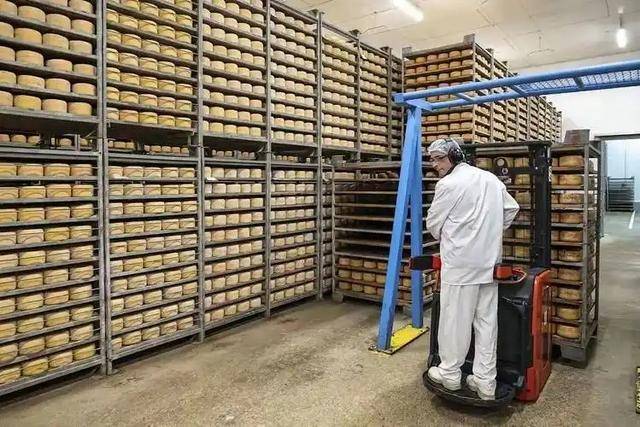
世贸组织授权欧盟反制美国,美欧经贸关系再度承压
Huan Qiu Shi Bao· 2025-12-21 23:01
Core Viewpoint - The World Trade Organization (WTO) has authorized the European Union (EU) to implement trade countermeasures against the United States in a long-standing olive trade dispute, further straining the already tense bilateral economic relations [1] Group 1: Trade Dispute Details - The WTO's arbitration body ruled in October 2025 that the EU can impose countermeasures on U.S. goods valued at up to $13.64 million annually due to the olive trade dispute [1] - The EU has requested authorization from the WTO to suspend tariff concessions and other obligations on U.S. imports, with a list of affected U.S. products to be published in due course [1] Group 2: Impact on Market Shares - Since the U.S. imposed tariffs on Spanish olives in August 2018, Spain's market share in the U.S. has plummeted from 49% in 2017 to 19% in 2024 [2] - As of August this year, the overall tax burden on Spanish olives has reached 46% due to an additional 15% tariff on EU goods [2] Group 3: U.S. Response and Trade Relations - A U.S. trade representative stated that the WTO ruling will not affect the existing anti-dumping and countervailing duties on Spanish olives, which are intended to protect U.S. producers from unfair trade imports [2] - Despite historical ties, U.S.-EU relations have become increasingly strained over the past year, with the U.S. threatening reciprocal measures against the EU in response to significant fines imposed on American tech companies [2]
中方对欧加税刚落地,不到一天马克龙就向全球喊话,欧盟得赶紧对中国开放
Sou Hu Cai Jing· 2025-12-20 01:17
Group 1 - The Chinese Ministry of Commerce has imposed anti-dumping duties on pork and its by-products from the EU, with rates approaching 20% [1][2] - This decision is a strategic response to the EU's tightening trade policies against China, particularly in the agricultural sector [6][10] - The EU exports a significant amount of pork to China, which is crucial for the agricultural economies of countries like France and Germany [3][4] Group 2 - The EU's tightening of trade policies includes investigations into Chinese electric vehicles and revisions to public procurement rules, indicating a systematic approach to limit Chinese influence [8][10] - China's decision to target pork is a calculated move to hit a sensitive area within the EU, reflecting a strategic choice rather than a random act of retaliation [6][18] - The response from French President Macron highlights the internal divisions within the EU regarding trade with China, as he acknowledges the EU's trade deficit with China while advocating for openness [19][20] Group 3 - The agricultural sector's political weight in countries like France and Spain makes it a critical area for EU policy, and any disruption could complicate internal policy coordination [28] - The EU's reliance on Chinese imports, despite calls for "de-risking," indicates a deeper economic interdependence than publicly acknowledged [29][42] - The dynamic between China and the EU is shifting from a one-sided pressure to a two-way negotiation, with both sides needing to recognize each other's core interests [49][61] Group 4 - The pork tariff is not just about trade but reflects broader strategic concerns, as both sides navigate a complex geopolitical landscape [33][36] - The ongoing friction between China and the EU is a test of their ability to maintain functional cooperation amidst strategic distrust [37][38] - The outcome of this situation could influence future negotiations on various sectors, including electric vehicles and agricultural products, shaping the overall economic relationship [61]