全球化

Search documents
民企这一年丨科沃斯集团总经理庄建华:创新的本质是要帮用户解决问题
Zhong Guo Xin Wen Wang· 2026-02-26 01:44
Group 1 - The core message of the article emphasizes the importance of innovation and global expansion for private enterprises in China, as highlighted by the recent high-level symposium attended by President Xi Jinping [1] - The growth trajectory of Ecovacs Robotics is presented as a case study of the transformation of Chinese manufacturing, showcasing the shift from OEM to owning a brand and the commitment to innovation and R&D [2][3] - Ecovacs has established itself as a leader in the service robotics sector since its inception in 1999, with over 600,000 technology and innovation-driven SMEs in China, predominantly private enterprises [3] Group 2 - The company has successfully integrated its original OEM business into a new brand, "TianKe," which has contributed to its second growth curve and reflects a strategic shift from low-cost competition to technology-driven competition [3] - Globalization has become a significant aspect of Ecovacs' identity, with overseas revenue accounting for approximately 40% of total income for both Ecovacs and its TianKe brand [4] - The ability to understand market nuances and maintain a resilient international talent supply chain has been crucial for the company's global expansion efforts [5]

创维闯关:去年净利预跌30%,拟拆分光伏业务上市,绑定松下发力全球化?
Sou Hu Cai Jing· 2026-02-25 09:57
Core Viewpoint - Skyworth Group has announced a forecast for its 2025 annual performance, indicating a continued decline in profits following a downturn in 2024, primarily due to challenges in the real estate sector and setbacks in its smart systems technology business [2][3]. Group 1: Financial Performance - The forecast for 2025 shows a projected profit decline of approximately 30% year-on-year [3]. - In the first half of 2025, Skyworth reported total revenue of 36.264 billion yuan, a year-on-year increase of 20.27%, but a net profit attributable to shareholders of only 125 million yuan, down 67.45% [4]. - The modern service industry and other related businesses saw revenue drop to 2.861 billion yuan, a decline of 39.6% year-on-year [5]. Group 2: Real Estate Impact - The ongoing downturn in the real estate market has significantly affected Skyworth's performance, with the company citing "real estate downturn and sluggish sales" as a recurring reason for its profit declines [4][6]. - In 2025, the construction area for real estate development is expected to decrease by 10%, with new housing starts down by 20.4% [6]. Group 3: Smart Systems Technology Challenges - The smart systems technology segment has also faced challenges, with increased market competition leading to a decline in overall profitability and product gross margins [7]. - In the first half of 2025, revenue from smart systems technology was 2.642 billion yuan, a slight increase of 0.9% domestically but a 15.4% decline overseas [8]. Group 4: Business Developments and Strategic Moves - Skyworth is actively seeking to transform its business model, with plans to privatize and spin off its solar business for separate listing [17]. - The company is set to take over Panasonic's television business in North America and Europe, which is seen as a strategic move to enhance its market presence and leverage Panasonic's established sales channels [14][15]. - The solar business is projected to surpass traditional television revenue for the first time in 2025, indicating a shift in the company's growth trajectory [17].


越来越多德企将中国视为海外布局“最佳选择”——访德国“隐形冠军之父”赫尔曼·西蒙
Xin Hua She· 2026-02-25 09:17
Core Insights - Increasingly, German companies view China as the "best choice" for overseas expansion due to its continuous innovation-driven development, which provides significant opportunities for collaboration and investment [1][2] Group 1: Economic Relations - China is the world's second-largest economy, while Germany ranks third, leading to a natural economic interdependence reflected in their extensive trade relations [1] - By 2025, China is expected to become Germany's largest trading partner again, indicating the sustained development and deepening of bilateral relations over the past two decades [1] - The bilateral trade volume has consistently remained above $200 billion, showcasing a stable and complementary trade relationship [1] Group 2: Investment and Market Dynamics - A significant 60% of Germany's "hidden champions" operate in China, with many establishing their largest global factories there, highlighting the attractiveness of the Chinese market [1][2] - German companies are increasing their investments in China, with a notable rise in Chinese investments in Germany as well [1] Group 3: Innovation and Technology - China's emphasis on innovation in its five-year plans signals its ambition to be not just a production base but also a source of technological and knowledge creation [2] - The ability of Chinese companies to rapidly convert research results into marketable products is seen as a model for Germany to learn from [2] - The innovation-driven Chinese market is becoming an indispensable strategic partner for German companies, offering opportunities in industrial layout, technology research, and innovation application [3]
LCD景气度与TCL科技近况交流
2026-02-25 04:13
Summary of TCL Technology Conference Call Company and Industry Overview - **Company**: TCL Technology - **Industry**: LCD and OLED Display Technology Key Points and Arguments 1. **Market Resilience**: The LCD market is expected to show resilience in pricing throughout the year, reflecting a strong industry structure and pricing power due to the exit of older manufacturers over the past decade [2][3][4] 2. **Long-term Outlook**: The long-term outlook for the LCD industry remains positive, with expectations of stable annual growth in pricing and profitability as long as LCD technology remains dominant [3][4] 3. **Seasonal Demand Fluctuations**: Short-term fluctuations in demand may occur due to seasonal factors, such as inventory adjustments related to major events like the World Cup, but these are not expected to significantly impact long-term pricing trends [16][18] 4. **Demand Stability**: The demand for large-sized displays is expected to remain stable, with a significant contribution from large TVs and monitors, which are less affected by market fluctuations [5][21] 5. **Product Differentiation**: TCL's strategy includes a focus on product differentiation in the OLED segment, moving away from merely following competitors to establishing a unique position in the market [7][8] 6. **IT Product Growth**: The IT segment, particularly with the T9 production line, is expected to contribute significantly to revenue growth, driven by a shift towards IPS technology and increased demand from major clients [26][27] 7. **Capital Expenditure and Shareholder Returns**: TCL plans to manage its capital expenditures carefully while also considering shareholder returns through dividends and share buybacks, especially as the company transitions from a heavy investment phase to a cash-generating phase [30][33] 8. **OLED Market Challenges**: The OLED market faces challenges, particularly in terms of pricing pressures and supply chain issues, but TCL is optimistic about its ability to navigate these challenges through strategic client relationships and product innovation [39][40][41] 9. **Future of OLED**: The long-term outlook for OLED technology is cautiously optimistic, with expectations of market growth driven by new applications and consumer demand, although competition remains intense [44][46] Additional Important Insights - **Inventory Management**: Effective inventory management will be crucial in maintaining price stability, especially in the face of potential demand fluctuations [16][18] - **Technological Advancements**: Continuous investment in technology and production capabilities is essential for maintaining competitive advantages in both LCD and OLED markets [35][38] - **Market Dynamics**: The industry is expected to undergo consolidation, which may improve profitability for leading companies as weaker players exit the market [46][48] This summary encapsulates the key insights from the TCL Technology conference call, highlighting the company's strategic outlook and the broader industry dynamics.

九号公司王野:以智能化、全球化为核心 冲刺下一个“千万台”
Shang Hai Zheng Quan Bao· 2026-02-24 17:49
Core Insights - The company has achieved a significant milestone by surpassing 10 million units in cumulative shipments of smart electric two-wheelers, marking an important point in its development journey [2][3]. Group 1: Testing and Quality Assurance - The company operates a state-of-the-art testing center equipped with over 250 high-end testing devices, capable of executing 565 specialized experiments, covering 95% of national safety inspection tests for electric motorcycles and bicycles [2]. - Each batch of two-wheelers undergoes rigorous testing to ensure safety before being released to the market, reflecting the company's commitment to user safety [2]. Group 2: Global Expansion Strategy - Globalization is a core strategy for the company, with plans to officially enter the Southeast Asian market, emphasizing the importance of understanding local consumer habits and needs [4]. - The company has already established a presence in over 100 countries and regions, utilizing both online platforms like Amazon and offline channels such as Costco and Target to reach consumers [4][5]. Group 3: Innovation and Technology - The company is focusing on smart technology as a key competitive advantage, planning to equip its electric motorcycles with automated driving assistance capabilities and self-balancing technology [6][7]. - Advanced AI capabilities are being developed, including a vehicle assistant based on large models, aimed at enhancing user experience and safety through features like battery safety alerts and accurate range predictions [7].

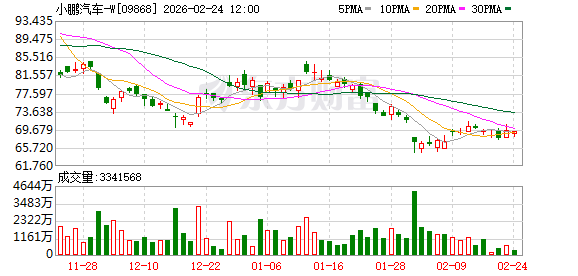
2026年2月李想与何小鹏相似判断越来越多
理想TOP2· 2026-02-24 12:29
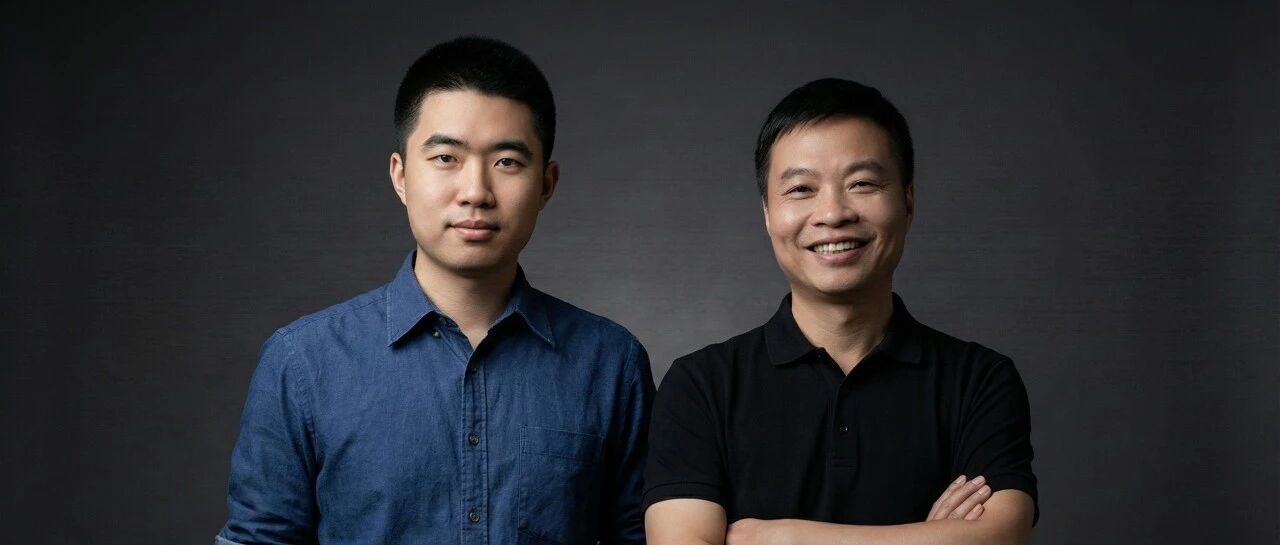
Core Viewpoint - Both Li Xiang and He Xiaopeng are increasingly aligning their visions, defining their companies as embodied intelligence firms, and emphasizing the importance of self-developed chips for autonomous driving [1][2]. Group 1: Company Definitions and Strategies - Both companies define themselves as embodied intelligence firms, with a focus on AI that interacts with the physical world [3]. - Li Xiang has anchored the mission of his company to "Be Proactive, Change the World," while He Xiaopeng has not made a similar declaration [3]. - There are differences in their approaches to autonomous driving, with He Xiaopeng combining the management of autonomous driving and smart cockpit, while Li Xiang has separate leadership for each [6]. Group 2: Robotics and AI Development - He Xiaopeng has set a mass production expectation for the next-generation IRON robot by the end of 2026, but did not specify its practical value [7]. - Li Xiang anticipates that humanoid robots capable of household tasks will be ready for mass production within 3-5 years, emphasizing the urgency to start development [8]. Group 3: Globalization Efforts - He Xiaopeng has a clearer and faster globalization strategy, aiming to sell 1 million vehicles overseas by 2030, with a focus on five key markets [9]. - In contrast, Li Xiang has not publicly defined overseas targets and has faced setbacks in previous international expansion plans [10][11]. Group 4: Energy Solutions - Li Xiang believes both range-extended and pure electric vehicles have long-term competitiveness, having made a high-level judgment on the importance of range-extended technology despite investor pressure [18]. - He Xiaopeng's understanding of range-extended vehicles evolved around 2024, initially viewing pure electric as the ultimate solution [19]. Group 5: Product Design and SKU Management - Li Xiang's strategy involves independent platforms for range-extended and pure electric vehicles, maximizing their respective advantages [20]. - He Xiaopeng appears more flexible with product SKUs, while Li Xiang aims to reduce SKU complexity [25]. Group 6: Hands-On Management Philosophy - Both leaders emphasize a hands-on approach, with He Xiaopeng mentioning the importance of being involved in product development and management [26]. - Li Xiang's team also stresses the need for direct engagement in product and design processes to bridge the gap between vision and reality [27].


何小鹏发开工信:期望2026年小鹏汽车海外销量翻番
Bei Ke Cai Jing· 2026-02-24 08:04
Core Insights - The CEO of XPeng Motors, He Xiaopeng, aims for the company to become a "fully intelligent company" by 2026, focusing on mass production of advanced AI technologies including robots, flying cars, and Robotaxis [1] - He Xiaopeng targets to double overseas sales by 2026 and aims to sell 1 million units overseas by 2030, contributing over 70% of profits [1] Group 1: Business Strategy - The overseas strategy is summarized as "sharp knife" for market penetration and "red carpet" for customer retention [1] - The "sharp knife" approach includes launching six models priced between 100,000 to 200,000 yuan, focusing on markets in Israel, Germany, Norway, Thailand, and France [1] - The "red carpet" strategy emphasizes improving delivery efficiency, service responsiveness, and energy supply [1] Group 2: Global Operations - The company is committed to building a solid global supply chain and manufacturing capability, emphasizing the importance of a well-structured team to ensure quality and reputation [2] - XPeng Motors aims to enhance its global supply chain, production scale, logistics, and investment management to support its globalization efforts [2]
美国富豪呼吁西方联合抗华:眼看中国成为超级大国,你们甘心吗?
Sou Hu Cai Jing· 2026-02-24 05:45
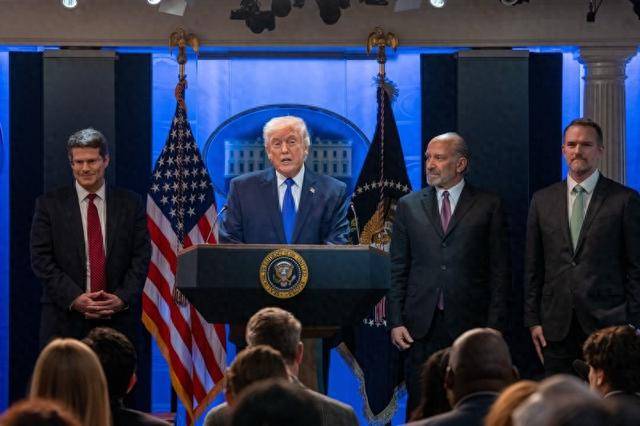
Group 1 - The core argument is that Western countries are increasingly prioritizing their own economic interests over a unified stance against China, despite the U.S. efforts to rally allies against Chinese influence [5][11] - Kevin O'Leary's remarks highlight China's emergence as the largest global competitor to the U.S., emphasizing the importance of artificial intelligence and energy infrastructure in shaping global power dynamics [5][9] - The U.S. has struggled to increase its electricity generation capacity, while China has added 500 gigawatts of power capacity in the past two years, which is crucial for supporting AI applications [7][11] Group 2 - The response from Western allies to O'Leary's comments has been lukewarm, with leaders from Canada, the UK, and Germany continuing to pursue trade agreements with China, indicating a pragmatic approach to economic relations [9][11] - The ongoing investment in energy infrastructure in China, including an additional 20 gigawatts of capacity in February 2026, supports the transition of AI from cloud computing to edge computing, further enhancing China's technological capabilities [11][13] - The trend of power shifting towards China is becoming irreversible, and Western nations must adapt to this change rather than resist it, as the costs of complete decoupling are too high [11][13]

特朗普通告全球,中欧待遇互换,欧盟拒绝接受,卢拉呼吁要一视同仁
Sou Hu Cai Jing· 2026-02-24 05:34
Group 1 - Trump's recent decision to impose a 15% tariff on goods from all countries has caused chaos in the international trade market and angered many nations [1][3] - The decision undermines the long-term negotiations between the US and the EU, which had previously reached agreements including zero tariffs on specific goods and a $600 billion investment commitment from the EU to the US [1] - The rapid increase in tariffs from 10% to 15% has intensified global doubts about the US's reliability as a trade partner, prompting traditional allies to reconsider their relationships with Washington [5] Group 2 - Brazil's President Lula expresses concern over future trade prospects despite the reduction of threatened tariffs from 50% to 15%, highlighting the uncertainty in the current environment [3] - The frequent adjustments in tariffs reflect a loss of credibility for the US, as established international trade rules are being disregarded, which could diminish the US's position as a global trade leader [3][5] - China's role as a stabilizing force in the global economy is becoming more apparent, as countries may seek to establish stable relationships with China amid US policy volatility [5][7] Group 3 - The ongoing situation requires countries to reassess their relationships and find a balance between protecting their interests and maintaining international order [7] - The chaotic actions of Trump symbolize the US's struggles with globalization challenges, prompting nations like the EU and Brazil to carefully consider their strategies to safeguard their interests [7] - For China, maintaining patience, integrity, and stable policies is crucial to navigating the current crisis and enhancing its international standing [7]
21独家|小鹏新年开工信:物理 AI+全球化,今年必须打透
2 1 Shi Ji Jing Ji Bao Dao· 2026-02-24 04:04
Core Insights - The core message of the letter from CEO He Xiaopeng emphasizes a strategic focus on "steady progress and breaking through" as the company aims for a transformative decade in physical AI by 2026 [2][12]. Sales Performance - In 2025, the company achieved a record sales volume of 429,400 units, surpassing its annual sales target by 13% [2]. - The company aims to double its overseas sales in 2026, building on a 96% year-on-year increase in 2025, where it delivered over 45,000 units internationally [8]. Product Development - The company plans to launch three new super-range products in the first quarter of 2026 as part of its "one car, dual energy" strategy [7]. - The second-generation VLA model, viewed as a significant step towards L4 autonomous driving, will have Volkswagen as its first customer [3]. AI and Technology - The company is set to mass-produce three advanced AI business lines, including Robotaxi, flying cars, and high-level humanoid robots, all in the same year [5][6]. - The integration of the autonomous driving center and smart cockpit center into a "General Intelligence Center" aims to enhance user interaction and decision-making [4]. Global Expansion - The company plans to introduce at least four new models to international markets in 2026, targeting key markets such as Israel, Germany, Norway, Thailand, and France [9]. - The company aims to establish 680 sales outlets globally, doubling its previous count, to enhance market penetration [10]. Talent Strategy - The company intends to recruit 5,000 campus talents and increase its total workforce by 8,000 in 2026, emphasizing internal talent development [12][13]. - The focus will be on cultivating a workforce capable of adapting to global challenges and leveraging AI as a core competency across all levels of the organization [13].