去产能

Search documents
宋志平在光伏行业大会上“反内卷”讲话全文:商场不是战场,覆巢之下焉有完卵
Jing Ji Guan Cha Wang· 2025-07-25 11:24
Core Viewpoint - The core viewpoint emphasizes the need to rethink competition concepts in the photovoltaic industry, advocating for a shift from "competition" to "co-opetition" to foster a healthier industry ecosystem [2][3]. Group 1: Industry Self-Regulation - The market's essence is competition, but it can be categorized into "good competition" that creates value and "bad competition" that destroys it. The industry must recognize the dangers of "involution" competition [3][4]. - Industry associations should prioritize self-regulation, focusing on policy formulation, technological innovation, and combating unfair competition [6][5]. Group 2: Industry Consolidation - The industry should move from fragmentation to consolidation to increase concentration and combat involution. Mergers and acquisitions can help create industry leaders and improve market structure [7][8]. - Historical examples, such as the restructuring of Japan's cement industry, illustrate the benefits of consolidation followed by proportional capacity reduction [9]. Group 3: Capacity Management - The photovoltaic industry currently has a capacity of 1200 GW, while global demand is only 600 GW. The first step is to reduce output to stabilize prices and profits, followed by limiting capacity [10][12]. - Implementing production limits has proven beneficial, as seen in the cement industry, where profits significantly increased after capacity management [12]. Group 4: Pricing Strategy - Companies should focus on price-based profit rather than solely on volume and cost. Understanding the relationship between price, volume, and profit is crucial for effective management [15][18]. - Successful companies prioritize quality and service over aggressive pricing strategies, which can lead to long-term profitability [18][21]. Group 5: Innovation and Value Creation - To transition from a "red ocean" to a "blue ocean," companies must innovate and enhance core competitiveness through differentiation, segmentation, high-end products, and branding [19][20]. - The emphasis on brand value and premium pricing is essential for sustainable growth, encouraging companies to avoid price wars and focus on high-quality offerings [21].





宏观持续提振,需求拉动有限
Hua Tai Qi Huo· 2025-07-25 07:10
1. Report Industry Investment Rating - Unilateral: Neutral; - Inter - period: PL01 - 05 reverse spread; - Inter - variety: Long PL2601 and short PP2509 [4] 2. Core Viewpoints - Macro policies such as anti - involution and elimination of backward production capacity continue to boost the propylene and polyolefin markets. The elimination of backward production capacity in the propylene industry is expected to shift the domestic propylene market from an oversupply to a tight - balance situation. However, the current overall propylene operating rate is at a seasonally low level, and downstream demand has limited driving force. For polyolefins, although macro policies boost the market, the cost - side support is weak, and downstream demand remains weak during the seasonal off - season [3] 3. Summary by Relevant Catalogs 3.1 Propylene 3.1.1 Propylene Basis Structure - It includes the market prices of propylene in East China and Shandong [10][12] 3.1.2 Propylene Production Profit and Operating Rate - Involves the difference between propylene CFR in China and naphtha CFR in Japan, propylene capacity utilization rate, PDH production gross profit and capacity utilization rate, MTO production gross profit, and methanol - to - olefin capacity utilization rate [13][18][22] 3.1.3 Propylene Import and Export Profit - Covers propylene naphtha cracking production gross profit, crude oil refinery capacity utilization rate, and the differences between FOB in South Korea, CFR in Japan, and CFR in Southeast Asia and China CFR, as well as propylene import profit [25][28][33] 3.1.4 Propylene Downstream Profit and Operating Rate - Includes the production profit and operating rate of PP powder, propylene oxide, n - butanol, octanol, acrylic acid, acrylonitrile, and phenol - acetone [35][40][42] 3.1.5 Propylene Inventory - Comprises propylene factory inventory and PP powder factory inventory [59][61] 3.2 Polyolefins 3.2.1 Polyolefin Basis Structure - Involves the trends of plastic and polypropylene futures main contracts, and the basis between LL in East China and the main contract, and PP in East China and the main contract [63][64][70] 3.2.2 Polyolefin Production Profit and Operating Rate - Covers LL production profit from crude oil, PE operating rate, PE weekly output, PE maintenance loss, PP production profit from crude oil and PDH, PP operating rate, PP weekly output, PP maintenance loss, and PDH - made PP capacity utilization rate [71][72][77] 3.2.3 Polyolefin Non - Standard Price Difference - Includes the price differences between HD injection molding, HD blow molding, HD film, LD in East China and LL, and the price differences between PP low - melt copolymer and PP homopolymer injection molding and PP drawing in East China [84][91][92] 3.2.4 Polyolefin Import and Export Profit - Involves LL import profit, the differences between FOB in the US Gulf, CFR in Southeast Asia, FD in Europe and China CFR, PP import and export profit, and the differences between FOB in the US Gulf, CFR in Southeast Asia, FOB in Northwest Europe of PP homopolymer injection molding and China CFR [93][97][109] 3.2.5 Polyolefin Downstream Operating Rate and Profit - Includes the operating rates of PE downstream agricultural film, packaging film, and PP downstream woven bags, BOPP film, injection molding, and the production gross profits of PP downstream woven bags and BOPP film [117][120][127] 3.2.6 Polyolefin Inventory - Comprises the inventories of PE and PP in oil - based enterprises, coal - chemical enterprises, traders, and ports [133][134][136]
日度策略参考-20250725
Guo Mao Qi Huo· 2025-07-25 07:04
| II C E F H F | H 専 | | | | | | | --- | --- | --- | --- | --- | --- | --- | | 发布日期:202 | 业资格号: F025 以 | | | | | | | 趋势研判 | 行业板块 | 逻辑观点精粹及策略参考 | 品种 | 当前国内外因素总体偏利多,国内"反内卷"政策和月底即将到 | | | | 来的政治局会议提升了政策预期。海外方面,对等关税进一步延 | 后至8月,美财长称中美第三轮磋商下周在瑞典举行,海外的扰动 | 显著减弱。A股流动性和市场情绪较强,股指预计偏强运行,策略 | | | | | | 上调整做多为主。 | 资产荒和弱经济利好债期,但短期央行提示利率风险,压制上涨 | 宏观金融 | 国债 | 農汤 | | | | 空间。 | 虽关税进展预期较好,但市场不确定性仍存,金价短期料震荡为 | 震荡 | 南金 | | | | | 虽商品情绪仍旧亢奋,但关税进展仍会相对限制银价,短期或进 | 震荡 | 日银 | 入震荡走势。 | 国内反内卷题材有所反复,而下游需求尚可,铜价震荡偏强。 | | | | 원 | 辰汤 | 国内反内卷 ...
国新国证期货早报-20250725
Guo Xin Guo Zheng Qi Huo· 2025-07-25 01:38
Variety Views - On July 24, A-share's three major indexes hit new highs this year, with the Shanghai Composite Index up 0.65% to 3605.73, the Shenzhen Component Index up 1.21% to 11193.06, and the ChiNext Index up 1.50% to 2345.37. The trading volume of the two markets was 1844.7 billion yuan, a slight decrease of 1.99 billion yuan from the previous day [1]. - The CSI 300 Index was strong on July 24, closing at 4149.04, up 29.27 [1]. - On July 24, the coke weighted index oscillated strongly, closing at 1750.3, up 37.2 [1]. - On July 24, the coking coal weighted index remained strong, closing at 1227.0 yuan, up 87.3 [2]. Factors Affecting Futures Prices Coke and Coking Coal - Coke: The price of coking coal has been raised, and the second - round price increase of coke spot has been implemented. The weekly start - up rate of coke enterprises has slightly declined, and supply has shrunk. In terms of demand, steel mills' profits are okay in the off - season, and pig iron production has rebounded from a high level. There is support from supply and demand, and coke enterprises' inventory has decreased [3]. - Coking coal: Some coal mines in production areas have limited output due to underground reasons, and some coal mines that were shut down have resumed production. High - frequency data shows that the upstream start - up rate has declined week - on - week, and domestic supply has shrunk. The China - Mongolia border port has resumed customs clearance. After the previous closure and improved market transactions, the port inventory has decreased, and the spot price of Mongolian coal has been raised. Although the start - up of coke enterprises has slightly declined, the increase in steel mills' pig iron production supports real demand [3]. Zhengzhou Sugar - Affected by the U.S. sugar's bottom - fishing and rebound on Wednesday, the Zhengzhou sugar 2509 contract oscillated higher on Thursday. Due to the effect of funds, it continued to rise at night. A commodity research report shows that the estimated sugarcane output in Brazil in the 2025/26 crushing season has been adjusted down to 661 million tons (606 million tons from the central and southern regions), reflecting a decline in sugarcane yield per unit and a significant drop in output in the second half of June [3]. Rubber - Recently, heavy rainfall in Southeast Asian producing areas has affected rubber tapping, reducing raw material supply and continuously raising spot prices. Affected by this, Shanghai rubber oscillated higher on Thursday. To avoid weather risks, short - sellers closed their positions, pushing Shanghai rubber to continue to oscillate upward at night. In June 2025, EU passenger car sales decreased by 7.3% year - on - year to 1.01 million vehicles, indicating challenges for automobile manufacturers in the global economic environment. In the first half of 2025, cumulative EU passenger car sales decreased by 1.9% year - on - year to 5.58 million vehicles [4]. Palm Oil - On July 24, palm oil continued to oscillate higher, hitting new highs. The highest price was 9106, the lowest was 8938, and it closed at 9104, up 1.22% from the previous day. According to GAPKI data, affected by a surge in exports, Indonesia's palm oil inventory in May decreased by 4.27% month - on - month to 2.9 million tons. In May, Indonesia's exports of palm oil and refined products reached 2.66 million tons, a nearly 50% increase from April and a 35.64% increase year - on - year, mainly driven by demand from India and China. The output of crude palm oil in May was 4.17 million tons, lower than 4.48 million tons in April but a 7.2% increase year - on - year [4][6]. Shanghai Copper - The price of Shanghai copper may continue to oscillate at a high level. Macroscopically, the possible tariff agreement between the U.S. and Europe has suppressed risk - aversion sentiment. LME copper closed up after a strong oscillation overnight, which has a positive impact on Shanghai copper. However, the reduced probability of an interest - rate cut in September will put some pressure on copper prices. Fundamentally, global copper miners' rush to transport to the U.S. supports the price, and the continuous decline of LME inventory also supports the price. But the cautious downstream transactions in China and the approaching end of long - term orders, along with the possible increase in spot supply, will limit the upward space of the price. Technically, on July 24, the short - term indicators of the Shanghai copper main contract were bullish, with the 5 - day moving average crossing above the 10 - day and 20 - day moving averages, the MACD forming a golden cross above the 0 - axis, and the KDJ also forming a golden cross, indicating upward momentum in the short term [6]. Iron Ore - On July 24, the iron ore 2509 main contract closed down 0.55% at 811 yuan. The shipment of Australian and Brazilian iron ore decreased slightly this period, and the arrival volume dropped significantly. Pig iron production stopped falling and rebounded to a high level. The policy expectations of anti - involution and important meetings have boosted market sentiment, but the recent large increase in iron ore prices may lead to high - level oscillation in the short term [7]. Asphalt - On July 24, the asphalt 2509 main contract closed down 0.28% at 3602 yuan. The start - up rate of asphalt plants continued to decrease this period, the planned output of local refineries in August decreased, supply shrank, inventory decreased, refinery shipments increased slightly, and downstream demand improved. The short - term price will mainly oscillate [7]. Cotton - On Thursday night, the Zhengzhou cotton main contract closed at 14225 yuan/ton. On July 25, the minimum basis price of Xinjiang designated delivery (supervision) warehouses in the National Cotton Trading Market was 430 yuan/ton, and the cotton inventory decreased by 45 lots compared with the previous trading day [7]. Logs - On July 24, the 2509 contract of logs opened at 824, with the lowest at 818.5, the highest at 835, and closed at 827.5, with a reduction of 604 lots. The pressure at high levels in the market increased. Attention should be paid to the support at 800 - 820 and the pressure at 850. The spot price of 3.9 - meter medium - grade A radiata pine logs in Shandong was 740 yuan/cubic meter, unchanged from the previous day, and that in Jiangsu was 760 yuan/cubic meter, up 10 yuan/cubic meter from the previous day. There is no major contradiction in the supply - demand relationship, and spot transactions are weak. Attention should be paid to the support of spot - end prices, import data, and macro - expectations for the spot market [7][8]. Steel - On July 24, rb2510 closed at 3294 yuan/ton, and hc2510 closed at 3456 yuan/ton. The demand for steel in the off - season has strong resilience, and steel mills' profits remain at a relatively high level, so the overall output has limited room to decline. For rebar, steel mills' profits are at a relatively high level in the past two years, and their production enthusiasm is high, so the output may increase in the short term. In terms of inventory, after the price rebound, the middle and lower reaches have a certain willingness to replenish stocks, and the inventory accumulation in the off - season is lower than expected. In terms of demand, steel demand maintains resilience. With the continuous fermentation of anti - involution and the news of coking coal mine shutdown, steel prices have continued to rise, further stimulating speculative demand [8]. Alumina - On July 24, ao2509 closed at 3427 yuan/ton. On the supply side, the weekly output of alumina rebounded slightly to 1.708 million tons this week, the operating capacity rose to 89.07 million tons/year, and the start - up rate also rebounded to 80.74%. The national installed capacity decreased from 110.82 million tons/year to 110.32 million tons/year, which may be related to the "capacity reduction" signal. Under the logic of the deviation between the fundamentals and the market, it is necessary to be vigilant about whether the market's high expectations for policies are overdrawn. Once the policy implementation rhythm or intensity falls short of expectations, combined with the continuous resumption of production and the re - easing of supply and demand, the price may still decline from a high level [8][10]. Shanghai Aluminum - On July 24, al2509 closed at 20760 yuan/ton. Macroscopically, overseas tariffs have been confirmed and are lower than expected, reducing uncertain risks and being beneficial to the recovery of overseas demand. China's "anti - involution" policies have driven up industrial metals, and the long - term tone of "promoting consumption and stabilizing growth" remains unchanged. Fundamentally, under the release of supply increment and the suppression of the consumption off - season, the inventory accumulation expectation is still strong. In addition, the market's sentiment towards policies such as "anti - involution" and "high - quality development" has cooled recently, and the market has fallen after rising. The short - term aluminum price will mainly decline from a high level. Future attention should be paid to inventory and capital sentiment changes [10].
洪灏:下半年经济增长放缓已成定局,唯港股很牛穿越28000点!
2025-07-25 00:52
Summary of Conference Call Records Industry or Company Involved - The discussion primarily revolves around the economic conditions and market dynamics in China, with a focus on tariffs, capacity reduction, and stock market performance. Core Points and Arguments 1. **Tariff Impact and Market Sentiment** The anticipated impact of tariffs is less severe than expected, with a potential increase of 10% for all countries and 30% for China. Market reactions suggest that the negative effects of tariffs are being mitigated by pricing strategies, leading to a perception that the situation is manageable [1] 2. **Economic Slowdown Expectations** A slowdown in economic growth is likely in the second half of the year due to reduced export demand after inventory accumulation in the first half. This could lead to a deceleration in export growth rates [1][2] 3. **Stock Market and Economic Fundamentals** There is a belief that short-term stock market performance is not strongly correlated with economic fundamentals. Even if the fundamentals weaken, as long as liquidity remains available, the stock market can still perform well [2] 4. **Capacity Reduction Challenges** The discussion highlights the complexities of capacity reduction in the economy. There are concerns about the balance between reducing capacity and maintaining economic growth, especially when upstream investment is lacking and downstream consumption is low [3] 5. **Investment in New Energy** The investment in new energy sectors, such as solar panels and electric vehicle batteries, raises questions about whether these investments are becoming obsolete. The need for a clear definition of what constitutes outdated capacity is emphasized [3] 6. **Market Valuation and Trading Strategies** The speaker expresses skepticism about market predictions regarding stock price floors and ceilings. The argument is made that market movements should be based on liquidity conditions rather than arbitrary price points [4] 7. **Potential for Market Recovery** There is optimism about the potential for the market to recover, with a possibility of reaching levels above 28,000 points. The speaker notes that a 10% increase from current levels is feasible, given historical performance and market conditions [5] 8. **Valuation Misconceptions** The discussion critiques the notion that stocks should be bought solely based on low valuations. It argues that missing out on high-performing stocks due to valuation concerns can lead to significant losses, as seen in the case of companies like NVIDIA [6] Other Important but Overlooked Content - The conversation reflects a broader concern about the sustainability of economic growth in the face of external pressures and internal capacity issues. The need for a strategic approach to balancing economic goals with capacity management is highlighted [3] - The speaker's trading philosophy emphasizes the importance of market trends over static valuation metrics, suggesting a more dynamic approach to investment decisions [4][6]
钢铁行业“反内卷”解读
2025-07-25 00:52
Summary of Steel Industry Conference Call Industry Overview - The steel industry is currently facing issues of disorderly competition and overcapacity, with policies aimed at improving product quality and phasing out outdated capacity to optimize industrial structure and enhance overall production efficiency [1][2][3] - The central government has been promoting steel capacity reduction policies since 2021, which are expected to continue beyond 2025 [1][7] - The Ministry of Industry and Information Technology (MIIT) has released a new version of the "Steel Industry Normative Conditions," categorizing companies into "standard" and "leading" types to guide support from local governments and banks [1][8] Key Points and Arguments - The central financial committee emphasized resolving issues of disorderly competition among enterprises and promoting the orderly exit of outdated capacity, with new policies expected to be introduced before the National Day [1][13] - The new policies focus more on market-oriented measures rather than direct administrative intervention, contrasting with the 2016 capacity reduction reforms [1][14] - The steel industry is projected to see a nearly 50% year-on-year increase in profitability in the first half of 2025, providing a solid foundation for future restructuring [1][4] Market Dynamics - The current market cycle shows a dual resonance of supply-side reform and demand-side growth, with significant infrastructure projects like the Yalong River Hydropower Station positively impacting demand [3][4] - However, the domestic demand for steel remains limited due to a declining real estate market and only slight fluctuations in infrastructure investment [27] - Steel exports face challenges from increased trade investigations and anti-dumping measures, with a notable decline in export conditions expected in the second half of 2025 [26][27] Future Development Directions - The steel industry is expected to continue implementing capacity control policies to optimize production structure and enhance environmental and energy efficiency standards [5][24] - The introduction of carbon emission trading markets in 2026 will require companies to verify carbon emission boundaries and obtain carbon quotas, with penalties for data misreporting [20][21] - The focus will shift towards producing high-value-added products while reducing low-end product output, aligning with market demands and enhancing industry competitiveness [24] Challenges and Considerations - Local governments face significant pressure to maintain GDP growth, leading to reluctance in enforcing production cuts, as steel production is a major contributor to local economies [16][22] - The interplay between central and local governments complicates the enforcement of capacity reduction policies, with local interests often conflicting with national objectives [17][41] - The steel industry must navigate the complexities of environmental regulations and the need for super emission reductions, with all companies currently engaged in emission reduction upgrades [30][31] Conclusion - The steel industry is at a critical juncture, with policies aimed at enhancing quality and sustainability while addressing overcapacity and competition issues. The successful implementation of these policies will depend on cooperation between central and local governments, as well as the industry's ability to adapt to new market conditions and regulatory frameworks [19][44][49]
反内卷政策催化 煤炭价格上涨
Guang Zhou Ri Bao· 2025-07-24 15:46
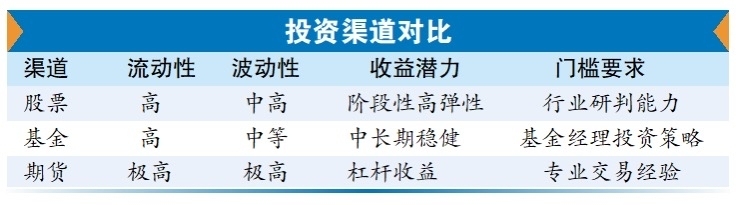
消息面上,7月22日下午,一则国家能源局综合司发布的促进煤炭供应平稳有序的通知流传。最近关于反 内卷的重磅消息不断。7月1日,中央财经委员会第六次会议强调,要聚焦重点难点,依法依规治理企业 低价无序竞争,引导企业提升产品品质,推动落后产能有序退出。 此外,工业和信息化部总工程师谢少锋在7月18日的国新办新闻发布会上表示,钢铁、有色金属、石化、 建材等十大重点行业稳增长工作方案即将出台,工业和信息化部将推动重点行业着力调结构、优供给、 淘汰落后产能。 近期,国内期货市场上黑色系商品迎来久违涨势,以焦炭主连为例,不到一个月的时间内,涨幅已经接 近20%。 消息面上,近日在行业"反内卷"预期下,黑色系商品的强势行情更是展现出进一步扩大趋势。分析认 为,"反内卷"措施影响较为显著,若后续接力美联储降息或国内刺激带来的需求侧改善,则煤价改善的 持续性和幅度更为可期。投资渠道方面,煤炭投资主要有股票、基金、期货等渠道,投资者需根据风险 承受能力和投资目标选择。 原因分析:政策利好推动,期现联动上涨回暖 连日来,国内煤炭期货板块均多数上涨,"双焦"焦煤、焦炭主力期货合约一度双双封住涨停,其中焦煤 2601合约连续多天涨停, ...

“反内卷”大幕拉开,资金抢筹钢铁、有色、建材行业股票
Huan Qiu Wang· 2025-07-24 03:44
Core Viewpoint - A governance initiative against "involution" is gaining momentum in various traditional industries in China, with the Ministry of Industry and Information Technology implementing a new round of growth stabilization plans for ten key industries, including steel, non-ferrous metals, petrochemicals, and building materials [1] Group 1: Industry Response - The steel, non-ferrous metals, and building materials industries are responding quickly with production cuts, indicating a proactive approach to the new policies [1] - The policies aim to eliminate ineffective supply and enhance industry concentration, suggesting a better development environment for quality enterprises [2] Group 2: Structural Opportunities - The steel industry is expected to benefit significantly from high-barrier, high-value-added special steel due to the trend of high-quality economic development and new productivity [2] - In the non-ferrous metals sector, the implementation of policies is anticipated to optimize supply structure and improve efficiency across the industry chain, leading to a mid-term recovery in capacity profits [2] - The building materials industry is poised to benefit from ongoing favorable real estate policies, with leading companies expected to achieve sustained growth through channel optimization and product diversification [2] Group 3: Market Performance - Market enthusiasm has surged, with 68 stocks in the steel, non-ferrous metals, and building materials sectors projected to see a year-on-year net profit increase in the first half of 2025, including 22 companies expected to turn losses into profits [3] - Notable profit growth is reported for companies like Sanhe Pile and Northern Rare Earth, with Sanhe Pile's net profit expected to increase by 30.91 to 38.89 times, driven by product matrix richness and cost control [3] Group 4: Capital Inflow - The improvement in performance has led to a significant influx of market capital, with the aforementioned 68 stocks averaging a 15.82% increase in July, and some stocks like Liugang Co. and Shenghe Resources seeing cumulative gains exceeding 40% [5] - As of July 23, 23 stocks had rolling P/E ratios below 30, indicating perceived undervaluation, with companies like Huaxin Cement and Zijin Mining in the 10-15 P/E range [5] - Financing activities have also increased, with several stocks, including Zijin Mining and Huayou Cobalt, seeing net purchases exceeding 100 million yuan since July [5]




广发期货黑色日报-20250724
Guang Fa Qi Huo· 2025-07-24 02:36
数据来源:Wind、Mystee、富宝资讯、广发期货发展研究中心。请仔细阅读报告尾端免责声明。 免责声明 | 钢材产业期现日报 | 投资咨询业务资格:证监许可 【2011】1292号 | | | | | | | --- | --- | --- | --- | --- | --- | --- | | | 2025年7月24日 | | | 問數波 | Z0010559 | | | | 钢材价格及价差 | | | | | | | 现值 | 品种 | | 前值 | 涨跌 | 基差 | 单位 | | 3380 | 螺纹钢现货(华东) | | 3370 | 10 | ટેર | | | 3340 | 螺纹钢现货(华北) | | 3330 | 10 | 16 | | | 3490 | 螺纹钢现货(华南) | 3480 | | -10 | 156 | | | 3350 | 螺纹钢05合约 | | 3386 | -36 | 30 | | | 3274 | 螺纹钢10合约 | | 3307 | -33 | 106 | | | 3324 | 螺纹钢01合约 | | 3367 | -43 | 56 | | | 3450 | 热卷现货 ...
海南自贸港即将全岛封关,美国与日本达成贸易协定 | 财经日日评
吴晓波频道· 2025-07-23 22:31
Group 1: Hainan Free Trade Port - Hainan Free Trade Port will officially start customs closure operations on December 18, 2025, allowing for a special customs supervision area across the entire island [1] - The customs closure will implement a policy characterized by "one line open, one line controlled, and free flow within the island," facilitating international trade and investment [1] - After customs closure, many overseas goods imported into Hainan will enjoy zero or low tariffs, with a 30% value-added processing requirement for zero tariffs when transported to the mainland [1] Group 2: US-Japan Trade Agreement - The US and Japan have reached a trade agreement, with a 15% tariff on Japanese imports, and Japan committing to invest $550 billion in the US [3] - The agreement includes a reduction of tariffs on Japanese cars from 25% to 15%, while maintaining existing tariffs on steel and aluminum [3] - This trade agreement is seen as a step forward in the US's negotiations with major trading partners, with potential long-term impacts on global trade dynamics [4] Group 3: Telecommunications Operators - China's three major telecom operators have committed to simplifying their service packages and enhancing transparency in consumer transactions [5] - Measures include requiring explicit customer consent for service changes and improving the process for unsubscribing from services [5] - Despite improvements, challenges remain in the ease of unsubscribing and accessing low-cost packages, indicating a need for further enhancement in customer service [6] Group 4: Wanda's Financial Asset Sale - Wanda Group plans to sell a 30% stake in Quick Money Financial for 240 million yuan, as part of its strategy to divest from non-core assets amid a challenging real estate market [7] - Quick Money Financial, which holds a third-party payment license, is expected to benefit from the growing digital currency and cross-border payment sectors [8] - The sale reflects Wanda's ongoing efforts to transition to a lighter asset model while navigating pressures in the commercial real estate sector [7] Group 5: JD's Acquisition of Hong Kong Retailer - JD.com is set to acquire Hong Kong-based supermarket chain Jia Bao for 4 billion HKD, aiming to expand its presence in the Hong Kong retail market [9] - The acquisition includes a transitional management period where Jia Bao's founders will continue to manage operations for three years [9] - This move is part of JD's strategy to enhance its supply chain capabilities and integrate online and offline retail operations [10] Group 6: Public Fund Growth - As of the end of Q2, China's public fund market reached a total scale of 33.73 trillion yuan, with a quarter-on-quarter increase of 6.69% [11] - Equity funds saw a total scale of 4.28 trillion yuan, while bond funds increased by 8.55% to 10.92 trillion yuan [11] - The competitive landscape among fund companies remains intense, with top firms maintaining their positions despite fluctuations in fund performance [12] Group 7: Commodity Market Trends - A rare surge in the domestic commodity market saw six major products, including glass and industrial silicon, hit their daily price limits [13] - This surge was driven by concerns over coal supply reductions, prompting a broader market reaction and price increases across various sectors [13] - Despite the initial price increases, downstream industries remain cautious, indicating a potential gap between quoted prices and actual transaction prices [14] Group 8: Stock Market Performance - The stock market experienced fluctuations, with the Shanghai Composite Index closing slightly up at 3582.3 points, while the Shenzhen Component Index fell by 0.37% [15] - Market activity was characterized by a mix of rising and falling stocks, with significant trading volume but a lack of clear direction [15] - The recent customs closure announcement for Hainan has led to declines in related sectors, reflecting market sensitivity to policy changes [16]