
国内国际双循环

Search documents
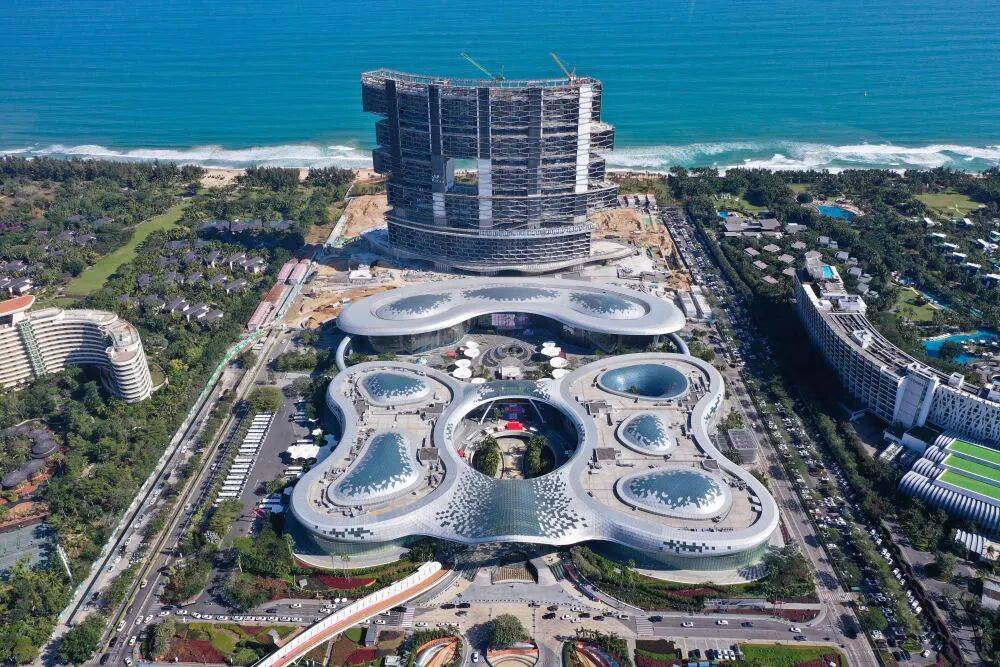
海南自贸港封关可以给世界带来什么?
Sou Hu Cai Jing· 2026-01-23 11:19
Core Viewpoint - Hainan Free Trade Port has been operational for one month, demonstrating stable and orderly functioning, with key policies being implemented and institutional innovation benefits gradually being released [1][2] Group 1: External Enterprises - Foreign enterprises can now access the Chinese market more conveniently and efficiently due to the upgraded "zero tariff" policy, which has expanded the coverage of taxable goods from 21% to 74% [2][5] - The customs supervision model has been innovated, allowing for streamlined processes where non-restricted "zero tariff" goods are released directly, significantly enhancing the efficiency of customs clearance [4][5] Group 2: Foreign Investment Environment - Hainan Free Trade Port has relaxed foreign investment entry restrictions, implementing the shortest negative list for foreign investment in the country, thus lowering the barriers for foreign enterprises in key sectors [7][9] - The introduction of the "Hainan Free Trade Port Foreign Investment Regulations" aims to protect foreign investment rights and optimize services, creating a transparent and stable investment environment [7][9] Group 3: Foreign Residents - Foreign visitors can enjoy a higher quality of travel and residency experience in Hainan, with 86 countries' citizens now able to enter visa-free and enhanced duty-free shopping policies [10][11] - The launch of a multilingual digital service platform provides various support services for foreign personnel, covering trade, tourism, work, shopping, and living [13]

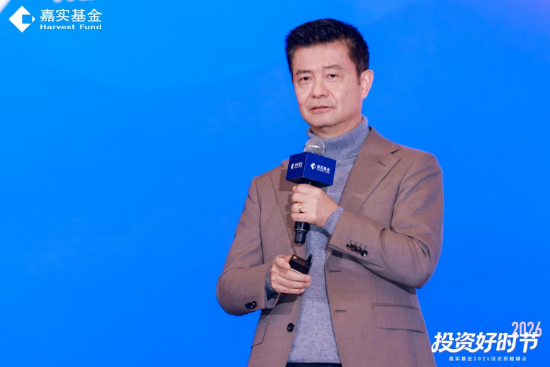
胡捷:全球化进入规则重塑期,“十五五”开局挑战与机遇并存
Xin Lang Cai Jing· 2026-01-23 10:43
Core Insights - The conference highlighted the resilience and development stability of the Chinese economy despite multiple external pressures, supported by proactive fiscal and stable monetary policies [3][4] - The emergence of strategic emerging industries, such as artificial intelligence and green energy, is seen as a core driver of new productive forces in China [3][4] - The transition to "Globalization 2.0" is characterized by a new order intertwining national security, value recognition, and economic interests, moving away from the previous focus on cost and efficiency [4][5] Economic Outlook - China's exports have remained robust amidst significant global trade adjustments, achieving a notable surplus last year, which reflects the comprehensive competitiveness of its industrial chain [3][4] - The ongoing release of policy dividends, combined with a virtuous cycle of technological innovation and industrial upgrading, is expected to provide certainty for the Chinese economy to navigate through cycles [3][4] - The strategy of promoting domestic and international dual circulation is accelerating, leveraging China's vast market advantages to release domestic demand potential [4][9] Globalization 2.0 - Chinese enterprises are transitioning from mere product exports to higher stages of capacity cooperation, technology output, brand building, and international management standards [10][11] - The leading advantages in digital economy and green technology position China to participate in and even shape new international rules [10][11] Monetary Policy Outlook - The Federal Reserve is expected to continue its rate-cutting cycle in 2026, with a projected reduction of 50 to 100 basis points, as inflation trends downward and structural unemployment pressures rise [10][11] - Despite potential short-term political disturbances, the Fed's decision-making independence is expected to maintain a policy path aligned with economic fundamentals [10][11] Conclusion - The world is undergoing unprecedented changes, and while the external environment for China's economic development is becoming increasingly complex, the country possesses the necessary industrial foundation, market space, innovation momentum, and effective policy tools to seize opportunities in the era of Globalization 2.0 [11]
新加坡学者:美国关税阻碍全球发展 中国为世界注入生机与活力
Sou Hu Cai Jing· 2026-01-23 10:14
Core Viewpoint - China continues to expand its openness to the outside world, injecting vitality into global economic development amidst uncertainty, while the U.S. is hindering normal economic growth through tariffs [2]. Group 1: China's Economic Role - As the second-largest economy, China has become a crucial engine for global economic growth [2]. - The year 2026 marks the beginning of China's "14th Five-Year Plan," focusing on high-quality development and a new development pattern that promotes domestic and international dual circulation [2]. Group 2: Hainan Free Trade Port - The full closure of Hainan Free Trade Port is a significant measure for China's openness, implementing a policy characterized by "freeing up the first line, controlling the second line, and allowing freedom within the island" [2]. - Hainan Free Trade Port serves as a frontline testing ground for China's foreign trade and investment policies [2]. Group 3: Trade Agreements and Reforms - China is actively pursuing membership in the Comprehensive and Progressive Agreement for Trans-Pacific Partnership and the Digital Economy Partnership Agreement, aligning domestic reforms with these initiatives [2]. - The country aims to create a more open and inclusive trade and investment environment, demonstrating its commitment as a major global player [2].
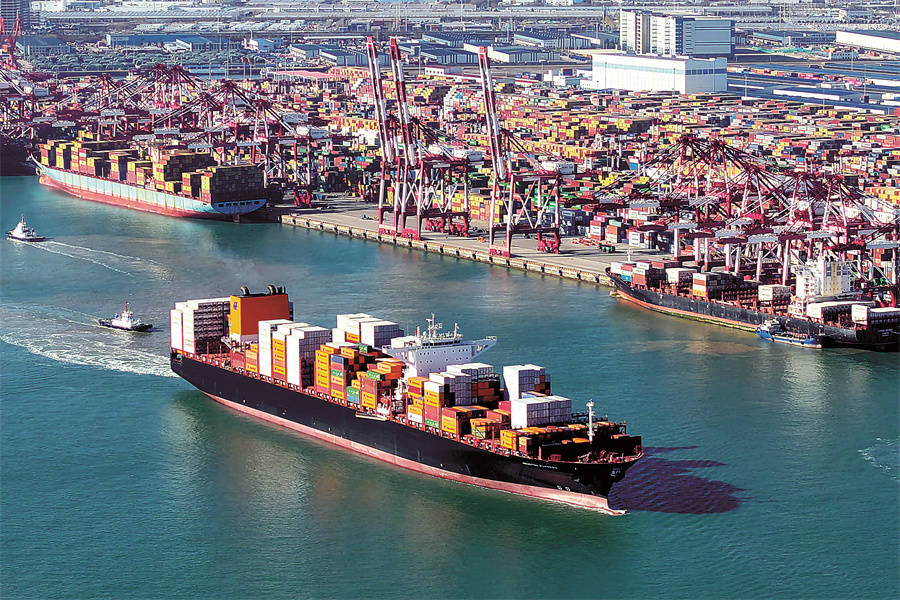
21评论丨GDP140万亿意味着什么?
2 1 Shi Ji Jing Ji Bao Dao· 2026-01-22 23:10
Economic Growth and Structure - In 2025, China's GDP is projected to reach 140,187.9 billion yuan, with a growth rate of 5.0% year-on-year at constant prices, reflecting a resilient economic performance amid external uncertainties and domestic challenges [1] - The contribution rate of China to global economic growth remains stable at around 30%, highlighting its role as a stabilizing force in the world economy [1] Structural Improvements - The transition from old to new growth drivers is ongoing, with the tertiary sector's value-added increasing by 5.4%, particularly driven by the information transmission, software, and IT services sector, which grew by 11.1% [2] - High-tech manufacturing and equipment manufacturing saw value-added growth rates of 9.4% and 9.2%, respectively, significantly outpacing the average growth rate of large-scale industries [2] - Exports of high-tech products increased by 13.2%, contributing to a 9.4% growth in high-tech industry value-added, indicating a strong correlation between export performance and industrial growth [2] Income Structure and Challenges - The income structure is improving, with per capita disposable income growing by 5.0%, aligning with GDP growth, and per capita wage income increasing by 5.3% [3] - Despite positive trends, challenges remain, including external demand uncertainties, persistent supply-demand imbalances, and issues related to private investment and local debt [3] Policy Recommendations - To enhance internal demand, it is essential to address consumption bottlenecks, stabilize the real estate market, and improve the social security system and income distribution mechanisms [4] - Fiscal policies should focus on effectively utilizing new "old-for-new" policies and long-term bonds to invest in key areas such as new infrastructure and regional development [4] - Monetary policy should maintain a moderately loose stance to lower financing costs and support economic operations, while deep structural reforms should be a continuous focus for sustainable growth [4]
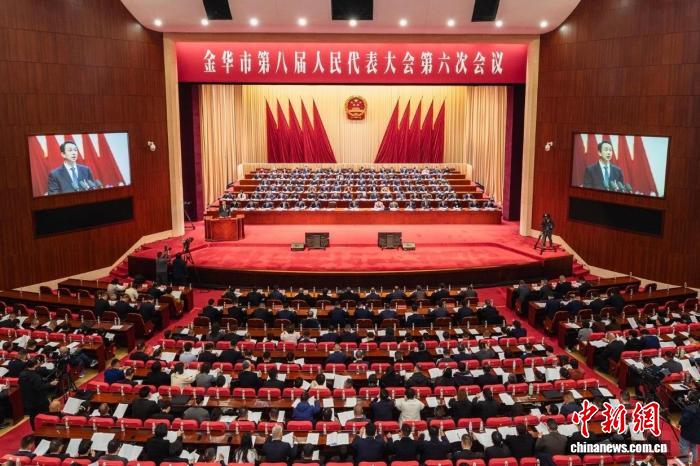
述评:内陆城市,如何拼“高水平开放”?
Zhong Guo Xin Wen Wang· 2026-01-22 11:32
Core Viewpoint - The article discusses the transformation of Jinhua, an inland city in Zhejiang Province, into a "high-level open hub city," emphasizing its strategic importance in the evolving global industrial landscape and regional competition. Group 1: Economic Goals and Projections - Jinhua aims to achieve a GDP growth of over 6% by 2025, surpassing national and provincial averages, with foreign trade expected to exceed 1 trillion yuan, making it the eighth city in China to reach this milestone [1][2] - The city anticipates its exports will exceed 900 billion yuan, positioning it as the sixth largest exporter in China [1] Group 2: Role of Yiwu - Yiwu plays a crucial role in Jinhua's foreign trade development, with its import-export scale projected to surpass 800 billion yuan in 2025, reflecting a year-on-year growth of 25.1% [2] - Exports to the United States are expected to reach 103.2 billion yuan, marking a 24% increase [2] Group 3: Strategic Initiatives and Achievements - During the 14th Five-Year Plan, Jinhua has implemented 160 provincial and ministerial reform pilot projects, with significant achievements in institutional innovation and international trade reforms [5][8] - The city has established trade relations with all African countries, with exports to Africa accounting for 9.4% of the national total, the highest in China [5] Group 4: Future Development and Vision - Jinhua's government report outlines plans for the 15th Five-Year Plan, focusing on high-level innovation and the establishment of a strong international hub, enhancing its competitive position in the Yangtze River Delta region [6][8] - The city aims to facilitate domestic and international dual circulation, requiring inland cities like Jinhua to assume central roles in stabilizing global supply chains and enhancing resource allocation capabilities [8]
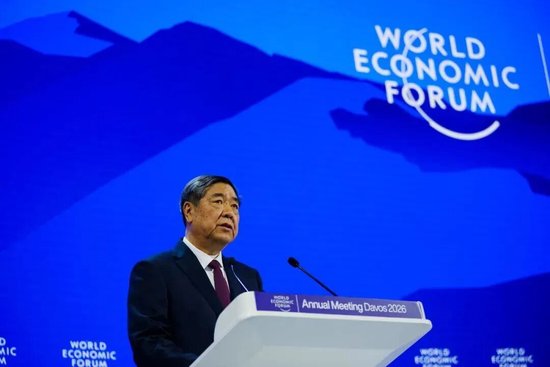
何立峰:更大力度吸引和利用外资
Xin Lang Cai Jing· 2026-01-21 15:50
Group 1 - China firmly supports free trade and advocates for inclusive economic globalization, aiming to share development opportunities with the world [3][16] - China is committed to maintaining multilateralism and improving the international order, supporting reforms of multilateral institutions like the WTO and IMF to enhance their authority and inclusiveness [4][16] - China emphasizes cooperation and mutual benefit, focusing on expanding the global economic pie and addressing development challenges [5][17] Group 2 - China promotes mutual respect and equal consultation to manage differences and resolve issues in international economic cooperation [6][18] - Over the next five years, China will implement a new development model centered on domestic circulation while promoting international circulation, leveraging its large market to drive high-quality development [8][20] - China aims to expand domestic demand and enhance consumption, with a focus on increasing the middle-income group and diversifying demand for high-quality living [20][21] Group 3 - China is committed to further opening its market and aligning with international high-standard trade rules, particularly in the service sector, to attract foreign investment [9][21] - The country will create a market-oriented, law-based, and international business environment, treating domestic and foreign enterprises equally [9][21] - China plans to accelerate technological innovation and strengthen cooperation in innovation with global partners, addressing challenges like AI governance [10][22] Group 4 - China is dedicated to green development and aims to share opportunities for low-carbon transformation, with a commitment to peak carbon emissions before 2030 and achieve carbon neutrality by 2060 [10][22] - The country has established the largest renewable energy system globally and will implement strict carbon emission controls [10][22] - China seeks to build closer partnerships for green development and ensure the free flow of quality green products globally [10][22] Group 5 - The 2026 National Foreign Investment Work Conference highlighted the importance of attracting foreign investment and the need for comprehensive strategies to integrate foreign investment with domestic economic growth [12][25] - The conference emphasized the need to enhance the foreign investment service system and promote high-quality development of open platforms [12][25] - The focus for 2026 includes supporting foreign enterprises in boosting consumption and exploring new growth points in the service sector [25]
2026年稳投资政策或加码
2 1 Shi Ji Jing Ji Bao Dao· 2026-01-20 23:15
Economic Performance Overview - In 2025, China's GDP is projected to exceed 140 trillion yuan, achieving a growth rate of 5.0% at constant prices, meeting the annual target despite challenges from U.S. tariff policies and the transition of old and new economic drivers [1] - The economic growth rate for 2025 was 5.4% in Q1, followed by a decline to 5.2%, 4.8%, and 4.5% in subsequent quarters, ultimately stabilizing at 5.0%, consistent with the growth rate of 2024 [1] Consumption Insights - Social retail sales growth reached 3.7% in 2025, slightly above the 3.5% growth in 2024, with goods consumption growing by 3.8%, surpassing the restaurant revenue growth of 3.2% for the first time in three years [1] - The increase in consumption was driven by the expansion of the "old-for-new" policy, which significantly boosted durable goods consumption [2] Export Dynamics - Exports in 2025 grew by 5.5% in USD terms, despite the impact of U.S. tariff policies on global trade [2] - China's trade diversification strategy has been effective, with the country becoming a major trading partner for over 150 nations, focusing on high-tech and high-value-added products as the main drivers of export growth [2] Investment Trends - Fixed asset investment in 2025 saw a decline of 3.8%, with infrastructure investment down by 2.2% and real estate development investment down by 17.2% [2] - The decrease in investment is attributed to the weakening of old economic drivers, particularly in the real estate market, while investments in high-tech manufacturing and services remained robust [2] Policy Measures and Future Outlook - The Central Economic Work Conference in 2025 emphasized "stabilizing and recovering investment," proposing measures such as increasing central budget investment and optimizing local government bond usage [3] - For 2026, it is anticipated that investment growth will rebound due to policy support and base effects, with consumption continuing to play a crucial role [3] - The government plans to shift from broad "old-for-new" subsidies to more targeted measures, alongside initiatives to increase urban and rural residents' income, which will further stimulate consumption [3] - Export resilience is expected to continue, supported by improved global economic forecasts and China's strong manufacturing capabilities [3][4]
2026人民币升值趋势确立!对美元汇率破6.96,老百姓沾光迎红利
Sou Hu Cai Jing· 2026-01-20 14:11
Core Viewpoint - The recent appreciation of the Renminbi (RMB) against the US dollar reflects a strong trend supported by China's economic fundamentals, marking a significant milestone in the currency's performance [1][4][43]. Economic Performance - In 2025, China's GDP grew by 5%, surpassing 140 trillion yuan, indicating robust economic performance that underpins the RMB's strength [6]. - The RMB's appreciation is attributed to improved Sino-US trade relations and a weakening US dollar, which has provided more room for the RMB to strengthen [8][6]. Market Dynamics - The onshore and offshore RMB appreciated by 0.4% and 0.3% respectively since the beginning of the year, showcasing a trend of strengthening [3]. - The RMB's rise is not merely a short-term fluctuation but a reflection of deeper economic transformations, including a shift towards high-quality development and enhanced technological content in exports [14][31]. Consumer Impact - The appreciation of the RMB has made overseas consumption, education, and imported goods more affordable for consumers, leading to tangible benefits for families planning to travel or study abroad [16][18]. - The cost of imported goods, including cosmetics and high-end food products, is expected to decrease, benefiting consumers through lower prices and more frequent promotions [20]. Financial Innovations - The digital RMB has been upgraded to version 2.0, introducing features like interest-bearing wallets, enhancing financial convenience for users [22]. - The digital RMB also incorporates carbon credit functionalities, linking green living with financial incentives, thus broadening its utility beyond mere transactions [24]. Investment Implications - The RMB's appreciation suggests that investors may need to adjust their asset allocations, potentially reducing USD-denominated assets and increasing RMB-denominated investments [37]. - The ongoing development of the digital RMB is expected to play a significant role in personal asset management, making it a vital option for consumers [39]. Long-term Outlook - The RMB's strengthening is indicative of China's economic transformation and long-term growth potential, with expectations of continued benefits for the populace as the economy evolves [29][45]. - The RMB's rise is anticipated to enhance China's attractiveness for foreign goods and services, further stimulating import trade [35].

2025年,地方“外贸万亿元俱乐部”再扩容!
Mei Ri Jing Ji Xin Wen· 2026-01-20 12:36
聚焦于安徽,外贸"狂飙"背后是工业的有力支撑。以汽车为例,2025年,安徽汽车(含底盘)年出口量达 122.8万辆,出口量稳居全国第一,成为全国首个汽车年出口量突破百万辆的省份。 《每日经济新闻.城市进化论》记者了解到,一个更核心的工业指标是规上工业企业营收。仅2025年 1~11月,安徽全省实现规上工业企业营收5.27万亿元,首次超过福建,跻身规上工业企业营收规模全国 第五,也是前五序列中唯一的内陆省份。 全盘来看,安徽外贸总值突破万亿元的路径,有何借鉴之处?在安徽、河南之外,中部大省下一个上位 者又会是谁? 安徽"晋级" "在多重压力挑战下,安徽外贸展现出强大韧性,增势强劲、结构优化、量质齐升,进出口总值取得历 史最好成绩。"近日,合肥海关关长周荣球在新闻发布会上介绍称,2025年,安徽进出口总值首次突破 万亿元大关,为10135.6亿元,同比增长17.3%。 近日,31个省份2025年年度外贸数据正式出炉。 过去一年,全国进出口总值达45.47万亿元,增长3.8%,外贸总值突破万亿元的省份增至9个。 广东以"9万亿元+"独占一档;江苏、浙江、上海、山东、北京外贸总值在3万亿元至5万亿元区间;安徽 以10 ...
中工国际:新签生效稳步进阶,多领域业务加速兑现
Zheng Quan Shi Bao Wang· 2026-01-19 12:49
Core Insights - The company, Zhonggong International, has demonstrated strong operational performance in 2025, achieving record highs in new contracts and effective contracts despite challenging economic conditions [1][2]. Group 1: Financial Performance - In Q4 2025, the company reported total revenue of approximately 4.283 billion yuan and operating profit of about 164 million yuan, showing significant year-on-year and quarter-on-quarter growth [2]. - The net cash flow from operating activities reached 882 million yuan, a remarkable increase of 207.13% year-on-year, primarily driven by successful project implementations [2]. Group 2: Contract Achievements - The total new contract value for 2025 was 3.532 billion USD, marking a year-on-year increase of 4.19% and setting a historical record [3]. - The international engineering business saw significant growth, with 17 major contracts signed, totaling 2.106 billion USD, and effective contract value reaching 1.880 billion USD, up 62.91% year-on-year [3]. Group 3: Sector Focus and Competitive Advantages - The company is focusing on specialized sectors, particularly in healthcare, oil and gas, and industrial construction, establishing a competitive edge through its business model [4][5][6]. - In the healthcare sector, the company signed contracts for projects in Iraq and Guyana, reinforcing its brand presence and customer satisfaction [4]. - In the oil and gas sector, key projects include the Turkish Tuz Lake gas storage phase three and the Iraqi SIBA gas field project, enhancing the company's footprint in the Middle East [5]. - The industrial construction sector is also thriving, with significant projects in Nicaragua and Kazakhstan, aligning with both domestic and international industrialization demands [6].
