智能体

Search documents
中粮资本:公司目前基于多家平台推进智能体相关的技术开发工作
Zheng Quan Ri Bao Wang· 2026-01-15 09:30
Group 1 - The core viewpoint of the article is that COFCO Capital is actively engaged in the development of intelligent technology through collaborations with multiple platforms, indicating a strategic focus on technological advancement and business expansion [1] Group 2 - The company emphasizes that its current efforts in technology development are part of normal operations and business layout [1] - COFCO Capital plans to continue its research and application of relevant technologies in alignment with industry trends and technological advancements [1]

2025年金融大模型采购额暴增527%,AI竞速态势加剧
2 1 Shi Ji Jing Ji Bao Dao· 2026-01-15 08:24
Core Insights - The introduction of the AI model DeepSeek by Deep Exploration Company in early 2025 has sparked a significant application boom in the financial industry, marking a transformative technological force comparable to the mobile internet [1] - The banking sector is leading the procurement of large models, with a notable increase in project numbers and funding, indicating a shift in focus from computational power to application effectiveness [3][5] Group 1: Market Trends - In 2025, the financial industry saw a dramatic increase in large model procurement, with 587 projects awarded, representing a 341% year-on-year increase in project numbers and a 527% increase in disclosed funding to 1.506 billion yuan [3][5] - The banking sector accounted for nearly half of the total projects with 290 projects, and 75.2% of the total funding, establishing a dominant position in the market [5][6] Group 2: Project Distribution - The distribution of project types in the financial sector for large models in 2025 shows that banking projects comprised 49.4% of the total, with disclosed funding of 1.13221 billion yuan [6] - The focus is shifting from computational power projects to application projects, with application-type projects (including intelligent agents) rapidly increasing in number and becoming the primary procurement direction [7] Group 3: Driving Forces - Multiple factors are driving the banking sector's embrace of large models, including supportive government policies aimed at accelerating the intelligent transformation of the financial industry [8] - The maturity of technology has reached a turning point in 2025, with significant improvements in the accuracy, reliability, and practicality of large models, particularly with the rise of open-source models like DeepSeek [8][9] Group 4: Competitive Landscape - The competitive pressure in the banking sector, characterized by narrowing interest margins and intensified competition, necessitates new tools for efficiency and differentiation, with AI applications potentially reducing costs by up to 70% in certain categories [9] - Customer expectations for financial services are rising, demanding quicker responses and more personalized experiences, which traditional technologies struggle to meet [9] Group 5: Application Scenarios - Specific application scenarios in the financial sector are becoming concentrated, with intelligent customer service and digital personnel leading the number of awarded projects [10] - The focus on intelligent agents is increasing, with 49 projects explicitly mentioning "intelligent agents," indicating a growing interest in embedding AI capabilities into specific applications [11] Group 6: Future Outlook - As the application of large models deepens, the procurement of application-type projects is expected to grow, with banks likely to develop their own intelligent agents based on clear scenarios and engineering capabilities [11][12] - The financial industry is seen as a data and service-intensive sector, with significant potential for further exploration and application of large models [12]

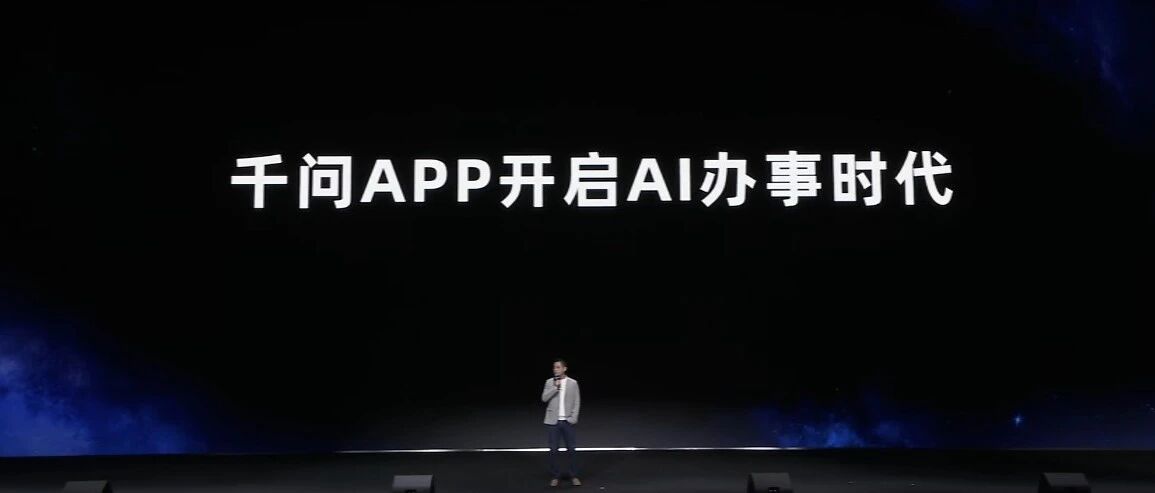
刚刚,喝到了千问APP给我点的奶茶
机器之心· 2026-01-15 04:31
Core Insights - The development of intelligent agents has accelerated significantly at the beginning of 2026, with notable advancements from companies like Anthropic and Alibaba [1][11] - Anthropic's release of Cowork aims to revolutionize the workplace by integrating large models with intelligent agent capabilities for general users, not just programmers [1] - Alibaba's Qianwen App has introduced a new AI Agent feature called "Task Assistant," which integrates with Alibaba's ecosystem to offer over 400 new functionalities for free [2][4] Group 1 - The Qianwen App can automate tasks such as ordering food by simply stating preferences, streamlining the entire process from selection to payment [5][20] - Users can consult the Task Assistant for shopping decisions, which can provide recommendations and direct links to payment [7][9] - The Task Assistant has demonstrated its ability to handle complex tasks like multi-brand group purchases, significantly reducing the time and effort required for users [12][18] Group 2 - The Task Assistant can create detailed travel plans, such as a two-day itinerary for a trip to Weihai, by analyzing user needs and sourcing information from various platforms [22][27] - The assistant integrates with Alibaba's services, allowing users to navigate, book tickets, and manage travel logistics seamlessly [29] - The interaction model has shifted from dialogue with a large model to task delegation to an intelligent agent, marking a significant evolution in user experience [31] Group 3 - Qianwen's Task Assistant is built on a new universal agent system that enhances task execution efficiency and accuracy through a hierarchical planning approach [33] - The system allows for continuous learning and improvement, enabling agents to refine their capabilities based on past experiences [35] - The integration of AI coding capabilities allows the assistant to autonomously generate tools for less common tasks, enhancing its functionality [36] Group 4 - The AI sector is entering a product explosion phase, with new offerings from various companies, including Anthropic and OpenAI, indicating a rapid evolution in intelligent agent applications [38] - Qianwen's launch is compared to the introduction of the first iPhone, suggesting it could signify a transformative moment in the AI landscape [38] - The shift from AI as a distant entity to a practical assistant in daily tasks represents a pivotal change in human-machine interaction [38]

智能体指数盘中跌超2%,成分股普跌
Mei Ri Jing Ji Xin Wen· 2026-01-15 02:33
Group 1 - The smart index experienced a decline of over 2% during intraday trading, indicating a widespread drop among constituent stocks [1] - Companies such as Nanxing Co., Ltd. and Zhejiang Wenhu Internet reached their daily limit down, while Xinghuan Technology-U and Zhidema both fell by over 17%, and Tuolisi dropped by over 9% [1]



2025年中国金融智能体发展研究报告
艾瑞咨询· 2026-01-15 00:06
Core Insights - The report provides a comprehensive analysis of the current state and trends of financial intelligent agents in China, emphasizing their development driven by technological breakthroughs, business innovations, and policy support [1][2]. Group 1: Driving Factors - Technological breakthroughs are addressing the "last mile" challenges in the application of large models, enhancing their execution capabilities through advancements in tools and frameworks [6]. - Approximately 33% of financial institutions are actively investing in intelligent agents, indicating a growing recognition of their practical value [7]. - Policy support is providing clear guidelines and goals for the application and development of intelligent agents in finance, with specific focus areas outlined in various governmental documents [8][10]. Group 2: Current Industry Cycle - The financial intelligent agent industry is in its initial exploration phase, with 96% of applications still in the proof of concept or pilot stages, and only 4% having moved to agile practice [12]. - The majority of intelligent agent applications are focused on operational functions, such as knowledge Q&A and office assistance, with expectations of transitioning to agile practice within 1-2 years [16]. - Financial institutions are primarily embedding intelligent agent functionalities into existing systems, which allows for quick adaptation but may limit functionality expansion [18]. Group 3: Project Implementation and Challenges - By 2025, most projects are expected to follow established plans, with a focus on exploring feasible paths for intelligent agents in financial operations [19]. - Approximately 20%-25% of projects may face underperformance or failure risks, influenced by factors such as product capabilities and real-world complexities [22]. - The banking sector leads the market for financial intelligent agents, accounting for 43% of projects, followed by asset management at 27% and insurance at 15% [25][26]. Group 4: Market Size and Growth - The investment scale for intelligent agent platforms and applications in Chinese financial institutions is projected to reach 950 million yuan in 2025, with an expected compound annual growth rate of 82.6% by 2030 [35]. - The market growth is supported by both existing project expansions and new entrants, driven by policy incentives and successful case studies from leading institutions [36]. Group 5: Customer Expectations and Investment Willingness - Financial institutions are increasingly viewing intelligent agents as core drivers for sustainable growth and customer experience innovation, rather than merely tools for efficiency [53][56]. - Investment willingness among financial institutions has risen significantly, with a 27.5% increase in those expressing a positive outlook, driven by peer examples and supportive policies [58]. - Institutions are categorized into three types based on their investment strategies: proactive explorers, pragmatic followers, and cautious observers, reflecting varying levels of resource allocation and risk tolerance [64]. Group 6: Safety and Compliance - Safety and compliance are paramount for financial institutions when adopting intelligent agents, with a strong consensus on the need for secure operational frameworks [71]. - Key concerns include ensuring the reliability of intelligent agent operations, protecting sensitive data, and maintaining regulatory compliance [72]. Group 7: Value Assessment and Practical Implementation - The definition and measurement of value have become critical decision-making factors for financial institutions in adopting intelligent agents, focusing on maximizing value through appropriate scenario selection [73]. - Successful implementation of intelligent agents requires a balance of safety, usability, and a deep understanding of financial business logic [76].
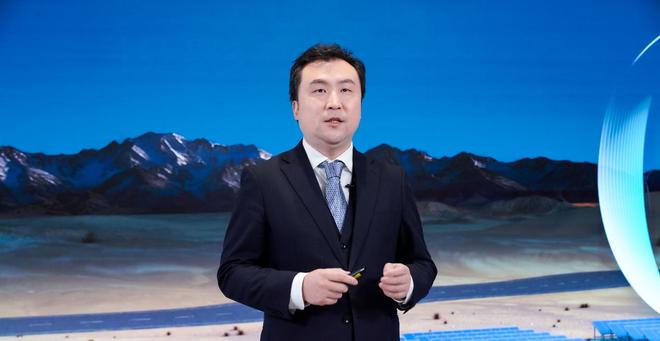
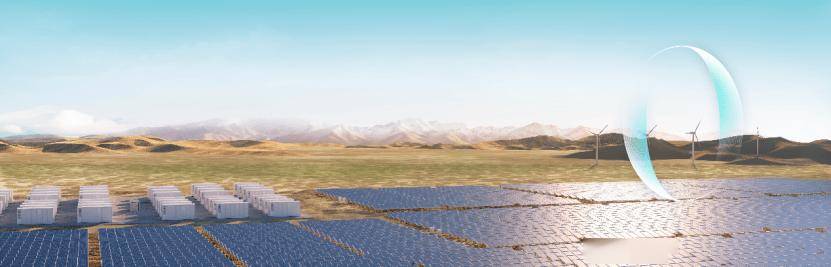
华为发布智能光伏十大趋势:光风储协同、智能体融入新能源电站等
Sou Hu Cai Jing· 2026-01-14 10:52
Core Insights - Huawei Digital Energy held a conference on January 12, 2023, to unveil the "Top Ten Trends in Smart Photovoltaics for 2026," highlighting the transition of the renewable energy industry into a "value cultivation period" as it faces stability challenges in power generation, grid, and consumption due to increased penetration of renewable energy [1][14]. Group 1: Trends Overview - Trend 1: The synergy of solar, wind, and storage will make renewable energy a predictable and controllable stable power source, requiring five core features for future large-scale renewable energy bases [2]. - Trend 2: Network-based energy storage will become a key support for grid stability and balance, enabling participation in energy market transactions and providing auxiliary services [4]. - Trend 3: The collaborative model of source, grid, load, and storage will evolve towards "regional autonomy + global collaboration" through AI-driven scheduling technology [5]. Group 2: Technological Innovations - Trend 4: Home solar storage scenarios will transition from AI empowerment to AI-native, enhancing user experience through comprehensive AI integration [6]. - Trend 5: High frequency and density will drive continuous improvements in the power density of solar storage devices, with expectations of over 40% enhancement in the coming years [7]. - Trend 6: High voltage and reliability will lead to a reduction in the cost per kilowatt-hour, supported by upgrades in key components and proactive safety measures [8]. Group 3: System Management and Safety - Trend 7: Battery management at the system level is essential for the safe and stable operation of energy storage systems, utilizing digital technologies for precise monitoring [9]. - Trend 8: The technology system for renewable energy networking is maturing, accelerating the construction of new power systems through integrated high-performance hardware and algorithms [10]. - Trend 9: Intelligent systems will deeply empower renewable energy stations, moving towards "autonomous driving" capabilities [11]. Group 4: Safety and Standards - Trend 10: The energy storage industry is advancing towards a new phase of quantifiable safety, establishing clear safety standards to address industry pain points and enhance safety capabilities [12][37].
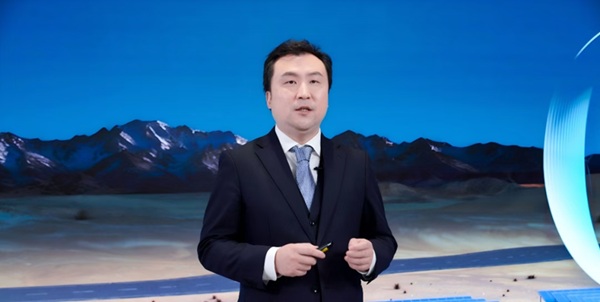
科大讯飞发布招采智能体平台
Xin Lang Cai Jing· 2026-01-14 04:37
Core Viewpoint - The company Keda Xunfei has officially launched the "Intelligent Procurement Platform" in Beijing, positioning it as a vertical "intelligent factory" for specific industries [1] Group 1 - The platform is based on Keda Xunfei's self-developed "Star Agent" technology foundation [1] - Enterprises can assemble AI capability components through low-code or no-code methods [1] - The platform allows businesses to create customized intelligent agents tailored to their specific workflows [1]

Nature系列综述:AI智能体重塑癌症研究与治疗
生物世界· 2026-01-14 00:18
Core Insights - The article discusses the rapid advancement of AI agents, particularly in cancer research and oncology, highlighting their capabilities beyond traditional AI systems [3][4][6] - AI agents can autonomously optimize drug design, propose treatment strategies, and handle complex multi-step problems that previous AI systems could not address [3][4][27] Group 1: AI Agents Overview - AI agents differ from traditional AI systems by possessing "action capabilities," allowing them to perceive their environment, plan multi-step tasks, and execute complex workflows with minimal human intervention [8][14] - The integration of large language models (LLMs) with external tools enables AI agents to actively gather information, analyze data, and take actions rather than merely responding to commands [14] Group 2: Applications in Cancer Research - AI agents can autonomously generate research hypotheses, design experimental protocols, execute data analysis, and write academic papers, marking a significant shift towards fully automated research processes [17][15] - Multi-agent collaborative systems are emerging, where different AI agents simulate human research teams by taking on specific expert roles, enhancing problem-solving comprehensiveness and decision-making transparency [18] Group 3: Clinical Oncology Applications - In clinical settings, AI agents can integrate various medical data sources, support treatment decisions, and automate clinical trial matching, significantly improving efficiency and patient outcomes [22][20] - AI agents are capable of simulating human expert reasoning in image analysis, allowing for more complex clinical problem-solving [23] Group 4: Future Outlook and Challenges - The article outlines a three-phase process of "agentification" in cancer research and oncology, predicting a transition from current AI interfaces to fully integrated systems with autonomous capabilities [28][29] - Challenges include the need for new evaluation metrics for AI agents' performance, integration hurdles from research prototypes to clinical tools, and ethical considerations regarding the autonomy of AI systems [27][29]

华为发布2026智能光伏十大趋势 引领光风储迈向主力电源
Zhong Guo Qi Che Bao Wang· 2026-01-13 09:58
Core Insights - Huawei Digital Energy hosted the 2026 Smart Photovoltaic Top Ten Trends Conference, focusing on integrating wind, solar, and storage into a new power system to accelerate their role as a primary energy source [1][3] Group 1: Industry Development Trends - The past decade has seen rapid development in the wind, solar, and storage industry, transitioning into a "value cultivation period" where innovation shifts from single-point to integrated innovation [3] - The ten trends released by Huawei emphasize full-scene collaboration and technological breakthroughs, outlining the future development path for the wind, solar, and storage industry [4] Group 2: Key Trends - Collaboration among wind, solar, and storage will create a stable and controllable power source, focusing on 100% renewable independent operation and intelligent collaboration across the entire lifecycle [4] - Network-based energy storage will become a core support for grid stability, capable of smoothing out fluctuations in renewable energy generation and participating in energy market transactions [5] - The integration of AI in energy management will enhance the efficiency and flexibility of energy utilization across power generation, grid, load, and storage [4][5] - Home energy storage systems will transition to an AI-native era, embedding AI technology throughout the design, usage, and operation processes [5] - High-frequency and high-density innovations are expected to increase the power density of photovoltaic inverters and storage PCS by over 40% in the coming years [5] Group 3: Technological Advancements - High voltage and high reliability will drive down the cost per kilowatt-hour, with advancements in key components and safety measures transitioning from reactive to proactive [6] - System-level battery management will enhance safety in energy storage operations through precise monitoring and control using digital technologies [6] - The technology system for renewable energy networking is maturing, evolving from a passive follower to an active builder, focusing on high-performance hardware and intelligent algorithms [6] - Intelligent systems will enable renewable energy stations to achieve automated operations, marking a new phase of "autonomous driving" in energy management [6] - Energy storage safety assessments will evolve to a systematic evaluation throughout the entire lifecycle, establishing clear safety standards and addressing industry challenges [6]
华为发布2026智能光伏十大趋势 助力光风储成为主力电源
Huan Qiu Wang Zi Xun· 2026-01-13 04:33
Core Viewpoint - Huawei Digital Energy held a conference to discuss the "Top Ten Trends in Intelligent Photovoltaics for 2026," emphasizing the acceleration of wind-solar-storage systems becoming the main power source for new energy systems, aiming for high-quality development in the industry [1][17]. Group 1: Trends in Intelligent Photovoltaics - The past decade has seen significant growth in the wind-solar-storage industry, but increasing penetration of renewable energy has led to balance and stability issues in power systems, marking a transition into a "value cultivation period" [3]. - The top ten trends include four application trends and six technology trends, with the first trend focusing on the collaboration of wind-solar-storage systems to create a predictable and controllable stable power source [3][5]. - The second trend highlights the omnipresence of grid-forming energy storage as a key support for grid stability and balance, enabling participation in energy market transactions and providing auxiliary services [6]. - The third trend discusses the collaborative supply model of source, grid, load, and storage, moving towards "regional autonomy + global collaboration" [7]. - The fourth trend emphasizes the transition of home energy storage scenarios from AI empowerment to AI-native, enhancing user experience through optimal electricity usage strategies [9]. - The fifth trend indicates a push for higher frequency and density in energy storage devices, with expectations of over 40% improvement in power density for photovoltaic inverters and storage systems in the coming years [11]. - The sixth trend focuses on high voltage and reliability, which will lead to a significant reduction in the cost per kilowatt-hour of photovoltaic systems [12]. - The seventh trend stresses the importance of system-level battery management for the safe and stable operation of energy storage systems [13]. - The eighth trend notes the maturation of new energy grid-forming technology, transitioning from passive to active roles in grid stability [14]. - The ninth trend involves the integration of intelligent systems into renewable energy plants, moving towards "autonomous operation" [15]. - The tenth trend addresses the shift towards quantifiable safety standards in the energy storage industry, enhancing safety capabilities through systematic evaluations [16].