行业集中度提升

Search documents
小贷行业加速出清,年内超350家公司遭清退
2 1 Shi Ji Jing Ji Bao Dao· 2025-07-10 12:48
Core Viewpoint - The small loan industry is undergoing a significant "cleansing" process due to stringent regulations and industry changes, with a notable increase in company exits and consolidations [1][3]. Group 1: Industry Cleansing Process - Since 2025, the small loan industry has seen an accelerated exit process, with 354 companies identified as "lost," "shell," or having their licenses revoked across multiple provinces [1][2]. - Specific regions have shown significant withdrawal efforts, such as Yunnan's announcement of 109 companies, Guangdong's 45 companies, and Inner Mongolia's 16 companies being removed from the small loan business [2]. - Regulatory bodies are enforcing strict measures, including a recent announcement from Guangdong's financial management bureau mandating 99 companies to exit the industry within 60 days [2][3]. Group 2: Regulatory Environment - The regulatory push is driven by a joint directive from national financial authorities aimed at reducing the total number of local financial organizations within three years, focusing on "lost," "shell," and severely non-compliant institutions [3][5]. - The introduction of the "Interim Measures for the Supervision and Management of Small Loan Companies" has provided a framework for the exit process, requiring public announcements and guiding companies to change their business scope or deregister [3][5]. Group 3: Industry Dynamics and Trends - The small loan industry is expected to see increased concentration as non-compliant and poorly managed institutions are eliminated, allowing stronger players to thrive [4][6]. - Some financially robust entities are entering the market, as evidenced by the significant capital increase of Jinlian Yuntong, which doubled its registered capital to 10 billion yuan, making it the third-largest small loan company in China [4]. - As of April 30, 2025, the number of small loan companies in China has decreased to 5,081, reflecting a daily exit rate of nearly two companies [4][5].
直指董事长“管理混乱”,董事长选举出现两位候选人,三雄极光:董事间理念不同也很正常
Hua Xia Shi Bao· 2025-07-04 09:41
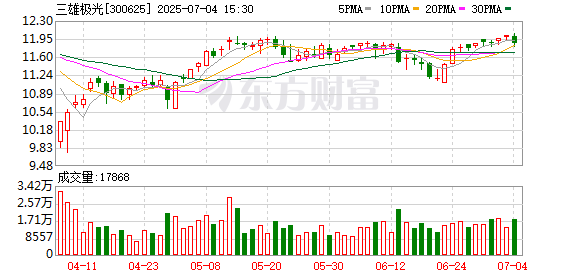
Core Viewpoint - The election of the chairman at Sanxiong Aurora Lighting Co., Ltd. has sparked controversy due to differing opinions among board members, reflecting underlying management issues and a significant decline in the company's financial performance in 2024 [2][3][4]. Company Overview - Sanxiong Aurora primarily engages in the research, production, and sales of semiconductor lighting products and related control systems, serving various sectors including commercial, office, industrial, and residential lighting [6]. Chairman Election Controversy - The election featured two candidates: Zhang Yutao, the current chairman, and Zhang Xianqing, the current vice president. Zhang Yutao received 7 votes in favor and 2 against, while Zhang Xianqing's proposal garnered 2 votes in favor, 4 against, and 3 abstentions [3][4]. - Zhang Xianqing criticized Zhang Yutao's management as "chaotic" and claimed it led to declining revenues and profits, with the company experiencing a loss in the first quarter of 2024 [3][4]. Financial Performance - In 2024, Sanxiong Aurora reported a revenue of 2.078 billion yuan, a year-on-year decrease of 11.64%, and a net profit of 48.09 million yuan, down 76.53% [6][7]. - The company experienced a loss of 13.27 million yuan in the fourth quarter of 2024 [6]. Industry Context - The overall demand in the lighting market, both domestically and internationally, has not met expectations, leading to a decline in sales [7]. - The Chinese semiconductor lighting industry is projected to see a market value of approximately 514.2 billion yuan in 2024, reflecting a year-on-year decline of 7.6% [7]. Industry Challenges - The lighting industry is characterized by low concentration, with the largest market share held by a single company being less than 5%. Sanxiong Aurora anticipates that the pressure on companies will remain high, and an increase in industry concentration is expected as smaller firms face greater survival challenges [8]. - The company has undergone significant internal reforms aimed at improving operational efficiency, although it acknowledges that there is still considerable room for improvement compared to industry leaders [8].

恒通股份拟8181万收购整合资源 港口与LNG双轮驱动首季净利增近52%
Chang Jiang Shang Bao· 2025-07-02 23:52
Core Viewpoint - Hengtong Co., Ltd. is accelerating resource integration through the acquisition of Guangxi Hengtong Energy Technology Co., Ltd. to enhance its LNG business and optimize its asset structure [1][2]. Group 1: Acquisition and Business Expansion - Hengtong's wholly-owned subsidiary, Shandong Hengfu Oasis New Energy Co., Ltd., plans to acquire 100% of Guangxi Hengtong for 81.812 million yuan, aiming to integrate resources and expand LNG-related operations [1]. - The acquisition will complement Hengtong's existing LNG sales network in North and East China, creating a nationwide LNG trading system [2]. - The LNG business is a significant revenue driver, with projected revenue of 1.276 billion yuan in 2024, accounting for 63.7% of total revenue [2]. Group 2: Port Business Growth - Hengtong is transitioning from a traditional road transport company to a comprehensive port service provider, with its core asset, Shandong Yulong Port Co., Ltd., driving significant revenue growth [3]. - In 2024, the port business is expected to see a 120.26% year-on-year revenue increase to 218 million yuan, continuing to grow at 68% in Q1 2025 [3]. - The company has improved logistics efficiency by 30% and reduced logistics costs by 18% through the implementation of an intelligent production management system [3][4]. Group 3: Future Outlook - Hengtong plans to focus on enhancing the operational efficiency of its core assets and promoting the synergy between port logistics and regional economic development [4]. - The company aims for sustained profitability improvements as its port business continues to expand and its asset structure is optimized [4].

近期宠物产业调研反馈
2025-06-30 01:02
Summary of Recent Pet Industry Conference Call Industry Overview - The domestic pet food market is experiencing rapid concentration, with the top ten companies holding approximately 30% market share, expected to reach 50% in the next three to four years, indicating accelerated industry reshuffling [1][2][10] - The market structure of the pet food industry is relatively stable and clear, with a mature business model and significant scale effects [2] Key Trends and Insights - The competition landscape has changed significantly, with the e-commerce boom period ending; leading companies are leveraging robust supply chains and brand management advantages, making it harder for new brands to enter [1][3] - There is a clear trend of consumer upgrading, with mid-tier consumers shifting towards high-end products; for instance, the acceptance of baked grain products has increased, with brands like Guibao showing over 100% online growth [1][4] - The low-end market is characterized by intense homogenization, leading to accelerated capacity clearance and a return of OEM profit margins to average manufacturing levels [5] Competitive Landscape - Domestic brands dominate the low-end market, while high-end segments still see competition from foreign brands [4][7] - The emergence of new brands has significantly decreased, from about 30% annually before 2022 to less than 15% in recent years, indicating a clear phase of existing brand consolidation [3][10] Future Projections - The pet food sector is expected to see a rapid increase in concentration over the next three to five years, with leading companies like Guibao and Zhongchong showing strong performance and growth potential [6][10][14] - The industry is anticipated to reach a concentration level of 50% in three years and 70% in five to six years, with the top three brands likely capturing 70% of the market share [10] Challenges and Opportunities - Domestic food companies attempting to enter the pet food market have not achieved expected results, highlighting the need for unique selling points that cater to young consumers' demands for scientific pet care and emotional consumption [9] - The growth rate of live pets may be overestimated, with new business models like fresh food and offline stores emerging, indicating a shift towards integrated online and offline channels [13] Long-term Outlook - The long-term outlook for the pet food sector remains positive, with expectations of significant growth driven by supply chain and brand advantages, potentially leading to the emergence of a billion-dollar company [14]
再次易主,国药系能制服派林生物这匹悍马吗?
Guo Ji Jin Rong Bao· 2025-06-19 07:39
Core Viewpoint - The blood products industry is experiencing significant consolidation, highlighted by China National Pharmaceutical Group's acquisition of a 21.03% stake in Palin Bio for 4.6 billion yuan, which is a high premium acquisition that will reshape the industry landscape [1][5]. Company Summary - China National Pharmaceutical Group's acquisition will increase its control over the blood products market, consolidating its position as the leading player with a total of 154 plasma stations across its subsidiaries, including Tian Tan Biological and Wei Guang Biological [6][9]. - Palin Bio has undergone multiple ownership changes, with its history marked by internal conflicts that have hindered its growth. The company has changed hands six times, with the latest acquisition by China National Pharmaceutical Group marking a potential end to its tumultuous ownership history [3][4]. Industry Summary - The blood products industry is characterized by a high degree of concentration, with major players like Tian Tan Biological, Shanghai Laishi, and Palin Bio dominating the market. The industry is moving towards an oligopolistic structure, with the number of companies decreasing significantly over the years [8][11]. - The global blood products market is projected to exceed $50 billion in 2024 and reach over $90 billion by 2030, indicating substantial growth potential driven by increasing demand for blood products due to aging populations and the need for critical medical supplies [8][10]. - China's blood products market is expected to grow significantly, with projections of reaching 60 billion yuan in 2024 and 95 billion yuan by 2030. The industry faces challenges such as limited raw material supply and strict regulations on blood plasma collection [11][12].


周六福通过港交所上市聆讯 以创新基因领跑黄金消费新时代
Sou Hu Cai Jing· 2025-06-18 17:32
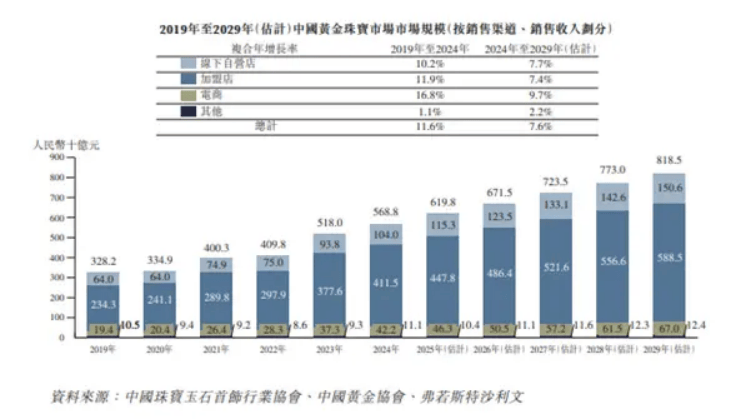
Core Viewpoint - Zhou Liufu Jewelry Co., Ltd. is positioned as a leading player in the Chinese jewelry market, leveraging innovative product design, a multi-channel business model, and a strong brand presence to capitalize on market growth opportunities. Group 1: Company Overview - Zhou Liufu is a Chinese jewelry company that offers a variety of jewelry products, primarily focusing on gold and diamond-set jewelry, and has maintained a position among the top five brands in the Chinese jewelry market from 2017 to 2024 [1] - The company has a total of 4,129 stores as of the end of 2024, including four overseas locations, ranking fifth in the industry by store count [2] Group 2: Business Model - Zhou Liufu employs a "self-operated + franchise" model, allowing for rapid market penetration into lower-tier cities while maintaining brand image through self-operated stores [2] - The company has achieved a compound annual growth rate (CAGR) of 46.1% in online sales revenue from 2022 to 2024, with online sales expected to account for 40% of total revenue in 2024 [2] Group 3: Product and Innovation - The company focuses on product design and innovation, utilizing proprietary technologies such as the "Guardian Light" series, which enhances visual appeal through advanced craftsmanship [1] - Zhou Liufu has shifted to an outsourcing model for production since April 2022, significantly reducing capital investment while maintaining quality through authorized suppliers [3] Group 4: Market Trends - The Chinese gold jewelry market is projected to grow from RMB 328.2 billion in 2019 to RMB 568.8 billion in 2024, with a CAGR of 11.6% [3] - E-commerce is the fastest-growing channel, with a projected CAGR of 16.8% from 2019 to 2024, reflecting a shift towards digital shopping [3] Group 5: Competitive Advantages - Zhou Liufu's extensive retail network and franchise model allow for rapid expansion, achieving 4,000 stores in just 18 years, which is significantly faster than competitors [10] - The company has the highest online revenue share in the industry, with a gross margin of 28.7% for online sales compared to 24.5% for offline sales, indicating superior profitability in digital channels [11] Group 6: Consumer Trends - The demand for gold jewelry as a wealth preservation tool is increasing, with gold prices rising over 20% year-on-year in 2024, driving consumption [6] - The company targets younger consumers, with 45% of its customer base under 30 years old, and employs collaborations with popular brands to enhance appeal [6] Group 7: Future Outlook - Zhou Liufu plans to expand its presence in Southeast Asia, having already opened franchise stores in countries like Thailand and Malaysia, aiming to enhance its international brand recognition [13] - The company is well-positioned to benefit from the ongoing trends of consumption upgrading and brandization in the jewelry market [9]
基础化工行业周报:化工企业近期事故频发,建议持续关注细分行业龙头-20250616
EBSCN· 2025-06-16 06:15
Investment Rating - The report maintains an "Overweight" rating for the basic chemical industry [6] Core Insights - Recent safety incidents in chemical parks are expected to lead to stricter regulations, benefiting leading companies in the chemical industry that have better safety management and advanced production technologies [23][24] - The explosion at Youdao Chemical has impacted the supply of chlorantraniliprole, potentially driving up prices due to supply tightness [27][28] - The fire at Jiangxi Yangfan's facility may affect the supply of intermediates for photoinitiators, which could lead to increased market concentration and benefit leading companies in the photoinitiator sector [38][42] - An accident at China Pingmei Shenma Group's nylon technology company is likely to affect the supply of caprolactam and other chemical products, with recommendations to focus on companies involved in nylon production [32][33] Summary by Sections 1. Industry Overview - The basic chemical sector has seen a mixed performance, with the industry facing challenges such as overcapacity and increased competition [23] - The report highlights that leading companies are likely to benefit from stricter safety regulations and improved production processes [23] 2. Recent Incidents - Youdao Chemical's explosion on May 27 has disrupted the supply of chlorantraniliprole, with prices rising to 300,000-310,000 CNY/ton, a 7.18% increase from the previous day [27][28] - The fire at Jiangxi Yangfan on June 9 may impact the supply of key intermediates, potentially benefiting larger players in the photoinitiator market [38][42] - An accident at China Pingmei Shenma Group on June 8 is expected to affect the supply of caprolactam, with a recommendation to monitor companies like Luhua Chemical and Hualu Hengsheng [32][33] 3. Investment Recommendations - The report suggests focusing on companies with chlorantraniliprole production capacity, such as Lier Chemical, and those involved in K-amine production like Lianhua Technology [27][28] - For the nylon sector, companies like Polymeric and Taihua New Materials are recommended due to their involvement in caprolactam production [32][33] - In the photoinitiator market, companies like Jiurichuang and Yangfan New Materials are highlighted as key players to watch [38][42]
总会有人抄底地产
远川投资评论· 2025-06-12 06:49
Core Viewpoint - The real estate sector remains a focal point for investors despite its struggles, with a shift in investment strategies towards property management and other segments as the market evolves [1][22][32]. Group 1: Market Overview - The A-share market has seen banks become a stabilizing force, with the Industrial and Commercial Bank of China doubling its market value since October 2022 [1]. - The Hong Kong market is witnessing a resurgence in healthcare and consumer sectors, with innovative drugs and new consumption trends gaining traction [1]. Group 2: Real Estate Sector Dynamics - The real estate sector is described as "lying flat" with little interest, but notable investors like Yang Dong are beginning to buy into real estate stocks [2][4]. - Investment logic in real estate is undergoing significant structural changes, with a focus on property management as a safer investment compared to traditional real estate development [4][23]. Group 3: Investment Strategies - Investors like Dong Chengfei have historically favored real estate, but recent market conditions have led to a more cautious approach, emphasizing safety and quality over aggressive growth [6][11]. - The shift towards property management reflects a broader trend where investors are looking for stable cash flows and lower risk profiles in the real estate sector [26][28]. Group 4: Historical Context and Future Outlook - The real estate industry has faced multiple downturns, with significant changes in market dynamics since 2015, leading to a focus on structural opportunities rather than traditional metrics like new home sales [9][21]. - The potential for recovery in the real estate sector hinges on effective policy implementation and economic recovery, with investors remaining hopeful for a turning point [20][27]. Group 5: Comparative Analysis - The article draws parallels between China's real estate evolution and Japan's past experiences, highlighting the importance of transitioning towards property management and light-asset models for long-term sustainability [29][30]. - The enduring significance of the real estate sector in China's economy is emphasized, as it remains a critical component of national economic stability and consumer confidence [36][34].

大参林业绩会:跨省份扩张之战基本已完成
Zheng Quan Shi Bao Wang· 2025-06-09 12:10
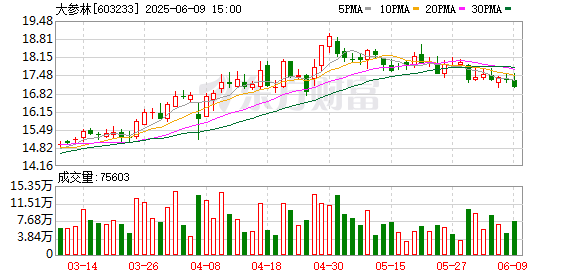
Core Viewpoint - The company, Dazhenglin, has completed its coverage of 21 provinces in China and aims to enhance market share in these regions while optimizing its store network through an intelligent site selection system [2][4]. Group 1: Company Expansion and Strategy - Dazhenglin has established 16,553 stores by the end of 2024, leading the retail pharmacy industry in both sales and store count [2]. - The company plans to prioritize the development of cities based on multi-dimensional data, employing different operational strategies for mature and weaker markets [2]. - Dazhenglin will accelerate its franchise business to attract small and medium-sized chains and independent stores, enhancing market share and brand influence in weaker regions [2][4]. Group 2: Store Efficiency and Profitability - The company is focusing on improving store efficiency by reducing rental costs and adjusting store sizes based on operational needs [3]. - In Q1 2024, the retail segment's gross margin increased by 0.21% year-on-year, driven by promotional system enhancements and a higher share of proprietary and exclusive products [3]. Group 3: Industry Trends and Future Growth - The pharmaceutical retail industry is expected to see increased concentration, deepening prescription outflow, and a focus on specialized service capabilities [4]. - Dazhenglin aims to enhance profitability through regional consolidation, deepening franchise models, and empowering new retail systems [4]. - The company is actively expanding its capabilities in DTP pharmacies, medical insurance coordination, and dual-channel qualification to improve innovative drug sales [4].

周六福香港IPO 消费板块再添新贵
Sou Hu Cai Jing· 2025-06-06 08:51
Core Viewpoint - Zhou Liufu Jewelry Co., Ltd. is preparing for its IPO on the Hong Kong Stock Exchange, showcasing its strong market position and innovative business model in the Chinese jewelry industry [2] Company Overview - Zhou Liufu is a leading Chinese jewelry company, recognized as one of the top five brands in the market for eight consecutive years from 2017 to 2024, based on the number of stores [2] - The company offers a wide range of jewelry products, primarily focusing on gold and diamond-set jewelry, through both offline stores and online sales channels [2] Business Model - The company operates a hybrid model of self-operated and franchised stores, with a total of 4,129 stores by the end of 2024, including four overseas locations, ranking fifth in the industry by store count [3] - Online sales are projected to account for 40% of revenue by 2024, with a compound annual growth rate (CAGR) of 46.1% from 2022 to 2024, leading among national jewelry companies [3] Market Trends - The Chinese gold jewelry market is expected to grow from RMB 328.2 billion in 2019 to RMB 568.8 billion in 2024, with a CAGR of 11.6% [4] - E-commerce is the fastest-growing channel, with a CAGR of 16.8%, reflecting a shift towards digitalization and consumer preference for online shopping [5] Consumer Demand - There is a rising demand for gold as a wealth preservation asset, with gold prices expected to increase by over 20% year-on-year in 2024, driving jewelry consumption [8] - The younger generation, particularly Gen Z, is becoming a significant consumer group, with 45% of consumers under 30 years old by 2024 [8] Competitive Landscape - The current market concentration (CR5) in the Chinese jewelry sector is below 20%, indicating significant opportunities for market share expansion, especially for Zhou Liufu [10] - The company is well-positioned to benefit from the ongoing trend of consumer upgrading and brandization, meeting the increasing demand for high-quality jewelry [11] Competitive Advantages - Zhou Liufu has a comprehensive retail network across 31 provinces and 305 cities in China, ranking third in market share in southern regions [12] - The company employs a cost-effective pricing strategy, with gold jewelry labor costs 15%-20% lower than competitors, appealing to price-sensitive consumers [13] - The company has initiated an overseas expansion strategy, opening franchise stores in Southeast Asia to enhance its international presence and brand recognition [13]