
绿色转型

Search documents
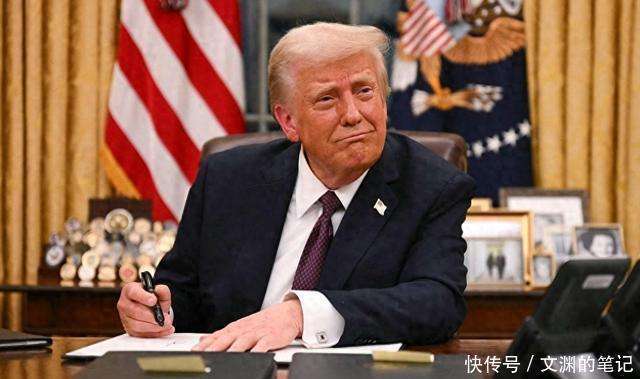
德国连续四年衰退,彻底被中国击败?英媒:都是特朗普关税的错
Sou Hu Cai Jing· 2025-11-24 10:18
Core Insights - The article discusses the significant economic decline of Germany, attributing it to a combination of long-term structural issues and external pressures, particularly from the trade policies initiated during Trump's administration [1][3][20] - Germany's industrial output has reverted to levels not seen in 20 years, indicating a severe downturn in its manufacturing sector [3][19] - The shift from trade surplus to trade deficit with China by 2025 raises concerns about Germany's economic standing globally [5][19] Economic Decline - Germany's GDP has been in decline since 2022, marking four consecutive years of negative growth, which is indicative of deeper economic issues rather than short-term fluctuations [3][20] - The industrial production level has fallen back to 2005 standards, highlighting a significant regression in Germany's manufacturing capabilities [3][19] Trade Dynamics - Germany has transitioned from a trade surplus with China to a trade deficit by 2025, which poses challenges to its economic stability and raises questions about its global economic position [5][19] - The rising costs of logistics and energy have further exacerbated the situation, leading to increased industrial costs and reduced profits for German companies [10][19] Competitive Pressures - The slow pace of industrial upgrades in Germany has allowed Chinese manufacturing to catch up rapidly, with significant price advantages and improving product quality [6][15] - German companies are facing increased competition from Chinese firms, which have demonstrated faster innovation cycles and adaptability in emerging sectors like renewable energy and smart manufacturing [11][13][15] Policy Impact - Trump's tariffs have disrupted global supply chains, particularly affecting German manufacturers who rely heavily on international sourcing for materials and components [8][10] - The combination of external trade barriers and internal policy pressures has constrained the operational space for German businesses, especially small and medium-sized enterprises [11][13] Future Outlook - The article suggests that Germany must adapt its industrial and policy strategies to regain its competitive edge, as the global economic focus shifts eastward [22] - Without significant changes in approach, Germany risks falling further behind in the next industrial revolution, highlighting the urgency for transformation in its economic model [22]

有色金属及新材料行业年度策略:铜铝筑基,金银涌动
Zhongyuan Securities· 2025-11-24 08:25
Core Viewpoints - The report maintains a "stronger than market" rating for the non-ferrous metals and new materials industry, highlighting the sector's robust performance relative to the CSI 300 index [1][4]. Group 1: Performance and Market Review - In 2025, the non-ferrous metals sector has seen a significant increase, with a year-to-date rise of 77.88%, outperforming the CSI 300's 16.01% increase [21]. - The sub-sectors within non-ferrous metals have shown varied performance, with nickel, cobalt, tin, and antimony leading with a rise of 106.62%, followed by lithium at 102.88% and tungsten at 97.82% [21][23]. - The upstream mining sector reported revenues of CNY 306.97 billion, a 14.20% year-on-year increase, and profits of CNY 93.28 billion, up 33.30% [27][28]. Group 2: Industrial Metals - Copper supply is constrained due to declining ore grades and insufficient capital expenditure, while demand is bolstered by investments in energy and electric vehicles, leading to an upward price trend [6][8]. - The aluminum sector is experiencing tight supply with limited new capacity, and the average price of electrolytic aluminum is expected to be around CNY 22,000 per ton in 2026 [6][8]. - The copper segment's revenue for Q3 2025 reached CNY 1,443.86 billion, a 5.05% increase year-on-year, with net profit rising 44.60% to CNY 69.91 billion [32]. Group 3: Precious Metals - The gold sector is benefiting from central bank purchases and geopolitical uncertainties, with revenues for Q3 2025 reaching CNY 291.17 billion, a 34.35% increase year-on-year, and net profits rising 63.03% to CNY 14.49 billion [37]. - Silver, with both industrial and monetary attributes, is expected to show greater price elasticity, supported by a slight increase in global demand [6][8]. Group 4: Rare Metals - The rare metals sector has shown significant profit growth, with revenues for Q3 2025 reaching CNY 79.93 billion, a 12.47% increase, and net profits soaring 200.11% to CNY 4.99 billion [41]. - The nickel, cobalt, tin, and antimony segment reported revenues of CNY 130.87 billion, a 23.79% increase, with net profits rising 25.45% to CNY 9.31 billion [41]. Group 5: Investment Recommendations - The report suggests focusing on leading companies in copper, aluminum, gold, and superhard materials, emphasizing the strategic value of these resources in the current market environment [6][7].
宏观经济展望:全球经济慢复苏,十五五引领新方向
Xiangcai Securities· 2025-11-24 06:41
Group 1: Global Economic Outlook - The IMF has slightly raised the global economic growth forecast for 2025 to 3.2%, with developed economies expected to grow at approximately 1.5% and emerging markets at over 4%[14] - The UAE's economic growth forecast for 2025 is adjusted to 4.8%, up from earlier predictions[14] - The US economy is projected to grow by 2.0% in 2025, slightly above the average for developed countries[14] Group 2: Domestic Economic Trends - China's GDP growth for 2025 is expected to be around 4.8%, a decrease of 0.2 percentage points from 2024, with further decline to 4.2% in 2026[14] - Fixed asset investment in China turned negative in September 2025, dropping from a positive 0.5% in August to -1.7% in October[49] - Real estate development investment in China has decreased by 14.7% year-on-year as of October 2025[49] Group 3: Inflation and Monetary Policy - Global inflation is expected to ease, but the US still faces inflation risks above target levels, while other regions maintain moderate inflation[15] - The Federal Reserve has initiated a rate cut cycle, reducing the federal funds rate to a range of 3.75% to 4.00%[30] - The probability of the Fed not lowering rates in December 2025 has risen to 51.4%, indicating market uncertainty[32] Group 4: Investment Recommendations - The report suggests that the Hong Kong stock market may benefit from the Fed's rate cuts, as liquidity improves and capital flows to higher-yield emerging markets[7] - Long-term investment in gold is recommended, with prices expected to rise further during the global rate cut cycle, currently above $4000 per ounce[8]
行业解决方案:针对不同行业客户需求,发布定制化解决方案,展现公司专业服务能力
QYResearch· 2025-11-24 05:01
Core Insights - The article emphasizes the complexity of challenges and opportunities faced by enterprises in a rapidly evolving global industrial landscape, driven by digital transformation, supply chain restructuring, policy changes, and upgraded market demands [3]. Group 1: Industry Focus - The electronic and semiconductor industry is characterized by rapid technological updates and is influenced by global digital economy growth and geopolitical factors. The research team provides insights into wafer manufacturing, packaging testing, and equipment materials to help clients maintain technological leadership [4]. - The mechanical equipment industry is undergoing a deep transformation towards digital systems driven by smart manufacturing and automation trends. Research focuses on production models, supply chain structures, and overseas market expansion to identify digital transformation opportunities [5]. - The chemical and new materials industry faces higher demands for green transformation and sustainable development. The research team explores innovations in production processes and downstream market changes to help companies find breakthroughs under policy and market pressures [5]. - The automotive and rail transit industry is being redefined by the rise of electric vehicles and smart transportation. Research covers battery supply chains, autonomous driving, and smart cockpit technologies to assist manufacturers in strategic planning [5]. - The renewable energy sector is becoming a core growth driver amid the "dual carbon" strategy and global energy transition. Research focuses on breakthroughs in materials and equipment, battery technology, and smart grid systems to help companies seize opportunities in the low-carbon economy [5]. - The pharmaceutical and medical industry is rapidly growing due to aging populations and increased health demands. Research spans from raw materials to high-end formulations, providing market data and insights for pharmaceutical companies and healthcare institutions [5]. - The consumer goods industry is experiencing rapid iteration driven by consumption upgrades and digital retail. Research analyzes market size, consumer behavior, and supply chain management to support sustainable growth strategies [5]. - The software and services industry has evolved into a key driver of economic and social development, with a focus on cloud computing, big data, and AI. Research helps clients understand the transition from "tool software" to "platform ecosystems" [5]. Group 2: Customized Solutions - The company offers three core service models to meet diverse client needs: standardized research reports, customized research solutions, and strategic consulting with deep collaboration [6][8][9]. - Standardized research reports provide comprehensive industry data, market size forecasts, competitive landscape analysis, and policy environment interpretations to help clients quickly understand the industry [7]. - Customized research solutions are tailored to specific client needs, such as entering new markets or evaluating new technologies, ensuring alignment with strategic goals [8]. - Strategic consulting involves long-term collaboration, where the company acts as a strategic advisor, participating in the strategy formulation process and continuously updating market information [9]. Group 3: Professional Service Capabilities - The company's professional service capabilities include in-depth research across the entire industry chain, from raw materials to end-user applications, and from technological trends to market models [10]. - The company maintains an international perspective, tracking global market dynamics to assist clients in developing globalization strategies [10]. - Emphasis is placed on the practical application of research, ensuring that solutions are feasible and actionable, enabling clients to find breakthroughs in complex environments [10].

新能源与储能产业:在“十五五”浪潮中重塑中国品牌的全球话语权
Sou Hu Cai Jing· 2025-11-24 03:43
Core Insights - The article emphasizes China's transition from following to leading in the renewable energy and energy storage sectors, positioning clean energy as a key component of national competitiveness and global branding [1][4][14] - The "Great Power Brand Leader Project" is highlighted as a strategic initiative that integrates national branding with the renewable energy industry, enhancing China's global image and fostering a sustainable brand ecosystem [2][10][14] Industry Development - China's renewable energy sector has evolved from a policy-driven growth model to a mature system driven by technology and brand, with significant advancements in solar, wind, and energy storage technologies [2][6][8] - The role of renewable energy is elevated in the "14th Five-Year Plan," focusing on achieving carbon neutrality and driving industrial upgrades, with an emphasis on becoming a rule-maker and brand exporter in the global market [4][12] Brand Strategy - The "Great Power Brand Leader Project" aims to create a national brand matrix, where trust in brands becomes a competitive advantage, particularly in the energy storage sector, which is now seen as a core component of the new power system [6][10][14] - The shift from a price-based to a value-based perception of Chinese brands is noted, with an increasing focus on reliability and long-term partnerships in the global market [8][12] Global Positioning - Chinese renewable energy companies are increasingly recognized not just as manufacturers but as providers of technology solutions and operational models, contributing to energy transitions in various regions [4][10][12] - The rise of China's renewable energy sector is reshaping the global energy landscape, with traditional energy-producing countries feeling the pressure as new energy nations emerge [10][14] Future Outlook - The article suggests that the competition in the renewable energy sector will increasingly revolve around brand leadership and sustainable development, with the "15th Five-Year Plan" marking a critical phase for brand elevation [12][14] - The narrative indicates that as the industry matures, the emphasis will shift towards ESG responsibilities and global collaborative values, enhancing the emotional and cultural dimensions of brands [12][14]

向新、向绿加速布局,青岛城市能级持续跃升
Xin Hua Wang· 2025-11-24 02:39
Core Insights - The article emphasizes the dual focus of Qingdao's economic development on innovation ("向新") and green transformation ("向绿") during the 14th Five-Year Plan period [2][7]. Group 1: Innovation and Economic Growth - Qingdao aims to achieve a GDP of 1.67 trillion yuan by 2024, with per capita disposable income reaching 59,900 yuan, and retail sales exceeding 650 billion yuan [2]. - The city is constructing an innovative industrial system supported by a "10+1" model, prioritizing two leading industries, developing five emerging industries, and enhancing three advantageous industries [3][5]. - The number of high-tech enterprises and technology-based SMEs in Qingdao has doubled, reaching 8,628 and 9,776 respectively, with over 93% of large-scale industrial enterprises having R&D institutions [6]. Group 2: Green Transformation - Qingdao's renewable energy generation capacity has increased to 806,000 kW, with renewable energy accounting for 60.5% of total installed capacity, contributing to 71% of the city's new power generation since the 14th Five-Year Plan began [7][8]. - The city has initiated large-scale offshore wind power development and aims to create a million-kilowatt offshore renewable energy base [8]. - Qingdao has built 67 national-level green factories and 17 green supply chain management enterprises, with a solid waste generation intensity of 0.24 tons per 10,000 yuan, ranking first in the province [8]. Group 3: Industrial Cluster Development - Major industrial players are increasingly gathering in Qingdao, with BOE's base projected to generate over 50 billion yuan in revenue by 2024 [4]. - The Chery base in Qingdao is expected to produce 160,000 vehicles annually, including 92,700 new energy vehicles [4]. - Haier's investment in the industrial internet ecosystem is expected to produce 26 million units annually, attracting over 30 related enterprises to the region [4]. Group 4: Urban Development and Infrastructure - Qingdao is enhancing its urban resource allocation and service capabilities, with significant infrastructure developments including over 1,200 kilometers of railway and more than 1,500 kilometers of expressways [11]. - The city is positioned as a key economic hub in the Yellow River Basin, facilitating high-quality development and connectivity with global resources [10][11]. - Qingdao's port has expanded its container foreign trade routes to 230, maintaining its position as a leading northern port in China [10].
奋进的河南 决胜“十四五”·三门峡篇丨天鹅之城 材料新城 ——三门峡市交出厚重“十四五”答卷
He Nan Ri Bao· 2025-11-24 01:56
Core Viewpoint - Sanmenxia is undergoing a transformation from a resource-dependent city to an innovation-driven city, showcasing significant economic growth and industrial upgrades during the "14th Five-Year Plan" period. Economic Growth - The city's GDP is projected to grow at an average annual rate of 4.8% from 2021 to 2024, with a per capita GDP exceeding 80,000 yuan in 2024, ranking 4th in the province [2] - In the first three quarters of 2025, the GDP grew by 5.6% year-on-year, indicating steady economic progress [2] - Major economic indicators show consistent improvement, with industrial added value and retail sales growing at annual rates of 7% and 5.8%, respectively [2] Innovation and Industrial Upgrade - R&D investment intensity has increased from 1.81% to 2.99%, maintaining a leading position in the province for five consecutive years [3] - The city has established 835 innovation platforms, including key laboratories and research bases, to support industrial innovation [3][4] - Breakthroughs in key technologies, such as ammonia-free molybdenum metallurgy and ultra-thin copper foil production, have been achieved [3] Structural Changes in Industry - The mining sector's contribution to the economy has decreased from nearly 40% to 20%, while manufacturing has increased from 50% to nearly 70% [5] - The city has invested 364 million yuan in special funds for industrial upgrades, resulting in an average production efficiency increase of 42% and cost reduction of over 26% for 846 industrial enterprises [5] Emerging Industries - The copper-based new materials sector has seen significant growth, with production capacity reaching 78,000 tons, making it the largest in the country [5] - New energy storage and superconducting materials are being developed, with projects like the energy storage equipment industrialization underway [6] Environmental and Ecological Initiatives - The city has implemented effective ecological governance, restoring 1.9 million mu of wetlands and achieving a forest coverage rate of 41.2% [8] - Air quality has improved, with PM10 and PM2.5 concentrations decreasing by 11.8% and 12.5%, respectively [8] Open Economy and Trade - Sanmenxia has enhanced its external trade capabilities, with a continuous increase in service trade by an average of 49.6% annually from 2021 to 2024 [9] - The establishment of the Sanmenxia Port and the operation of the Sanmenxia Customs have facilitated local trade [9] Social Development and Welfare - The per capita disposable income for rural residents is projected to reach 22,307 yuan in 2024, growing by 7.6% [10] - The city has implemented 105 key livelihood projects, expanding medical resources and improving social security [10] Governance and Leadership - The city emphasizes the role of party leadership in governance, enhancing grassroots organizational strength and promoting effective management [11][12] Future Goals - Sanmenxia aims to become a center for industrial strength, ecological sustainability, cultural richness, openness, and digital innovation, contributing to the modernization of the Central Plains [13]
京津冀绿色转型深入推进(锐财经)
Ren Min Ri Bao Hai Wai Ban· 2025-11-24 00:56
国家税务总局日前发布的税收数据显示,"十四五"时期,京津冀地区企业、产业、能源、交通绿色转型 深入推进。 区域经济持续向绿向新 "十四五"时期,中国绿色税制建设不断完善。国家税务总局有关负责人介绍,中国目前已构建起以环境 保护税、资源税、耕地占用税、车船税等专门税种"多税共治",以增值税、消费税、企业所得税、车辆 购置税等专项政策"多策共促",涵盖生产、消费、排放、处理等多个环节的绿色税制体系。 在此背景下,国家税务总局通过税收大数据持续跟踪京津冀区域发展情况。税收数据显示,"十四五"时 期,京津冀地区企业、产业、能源、交通绿色转型成效显著,空气质量持续向好。 企业绿色转型成效明显。2021年至2025年前9个月,京津冀企业因大气污染物达标减排共享受减征环境 保护税16.3亿元,京津冀企业每万元GDP相应承担的大气污染物环境保护税成本由18.6元下降至17.6 元,从而引导企业进一步优化工艺、节能减排。 区域产业结构持续优化。增值税发票数据显示,京津冀地区高能耗、高排放的行业销售收入占制造业企 业销售收入的比重从2021年的40.6%降至2025年前9个月的34.4%。 区域能源交通向绿向新。增值税发票数据显 ...
区域能源交通向“绿”向“新” 多视角“数”看京津冀大气污染防治新成效
Yang Shi Wang· 2025-11-23 02:22
Core Insights - The "14th Five-Year Plan" period has seen significant progress in the green transformation of enterprises, industries, energy, and transportation in the Beijing-Tianjin-Hebei region, leading to improved air quality [1] Group 1: Tax Revenue and Environmental Impact - From 2021 to the first nine months of 2025, enterprises in the Beijing-Tianjin-Hebei region benefited from a reduction in environmental protection tax amounting to 1.63 billion yuan due to compliance with air pollutant discharge standards [5] - The cost of environmental protection tax per 10,000 yuan of GDP for enterprises in the region decreased from 18.6 yuan to 17.6 yuan, encouraging further optimization of processes and energy conservation [5] Group 2: Industrial Structure Optimization - The proportion of sales revenue from high energy-consuming and high-emission industries in the manufacturing sector decreased from 40.6% in 2021 to 34.4% in the first nine months of 2025, indicating a continuous optimization of the regional industrial structure [7] Group 3: Energy and Transportation Transition - The share of clean energy power generation sales revenue in the Beijing-Tianjin-Hebei region increased from 47.1% in 2021 to 56.5% in the first nine months of 2025, reflecting a reduced reliance on fossil fuels [9] - The sales proportion of new energy vehicles in the region rose significantly from 13% in 2021 to 45.8% in the first nine months of 2025, highlighting a shift towards greener transportation [9] Group 4: Air Quality Improvement - The emissions of major air pollutants, such as sulfur dioxide and nitrogen oxides, in the Beijing-Tianjin-Hebei region decreased by 47.2% from 2021 to 2024, demonstrating the effectiveness of air pollution prevention efforts [11]
最新税收数据显示 :“十四五”期间京津冀绿色转型深入推进
Sou Hu Cai Jing· 2025-11-22 23:12
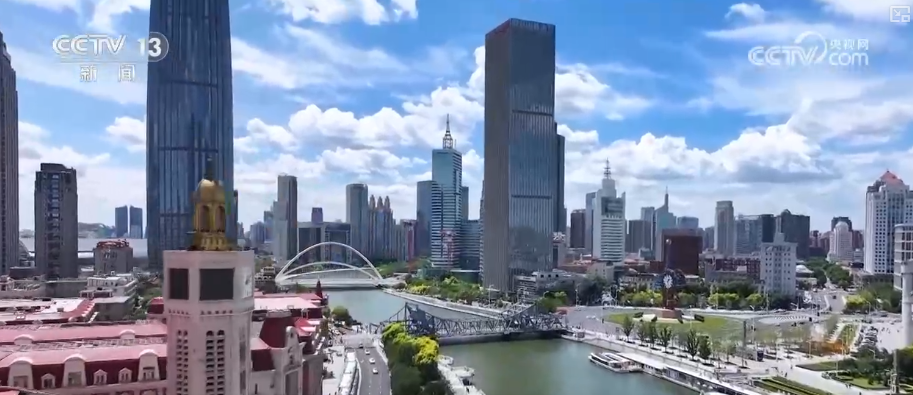
Core Insights - The tax data released by the State Taxation Administration indicates significant progress in the green transformation of enterprises, industries, energy, and transportation in the Beijing-Tianjin-Hebei region during the 14th Five-Year Plan period [1] Group 1: Environmental Tax and Pollution Reduction - From 2021 to the first nine months of 2025, enterprises in the Beijing-Tianjin-Hebei region benefited from a reduction in environmental protection tax amounting to 1.63 billion yuan due to compliance with air pollutant discharge standards [1] - The cost of environmental protection tax per 10,000 yuan of GDP for enterprises in the region decreased from 18.6 yuan to 17.6 yuan [1] Group 2: Industry Composition Changes - The proportion of sales revenue from high energy-consuming and high-emission industries in the manufacturing sector dropped from 40.6% in 2021 to 34.4% in the first nine months of 2025 [1] Group 3: Clean Energy and Transportation - The share of clean energy power generation sales revenue in the Beijing-Tianjin-Hebei region increased from 47.1% in 2021 to 56.5% in the first nine months of 2025, indicating a reduced reliance on fossil fuels [1] - The sales volume of new energy vehicles as a percentage of total vehicle sales in the region rose from 13% in 2021 to 45.8% in the first nine months of 2025, reflecting a shift towards greener transportation [1]