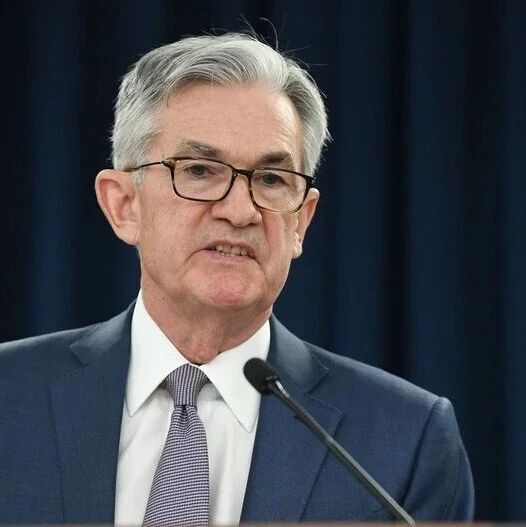
美联储独立性

Search documents
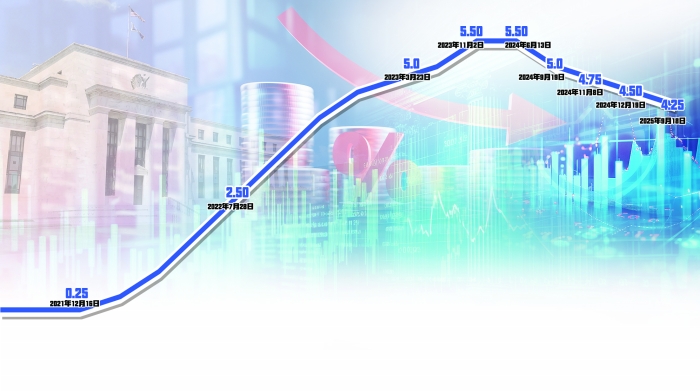
25个基点 美联储时隔9个月重启降息
Shang Hai Zheng Quan Bao· 2025-09-18 19:04
美联储为何选择在这一时刻重启降息?东方金诚研究发展部高级副总监白雪对上海证券报记者表示,这 一决策同时反映了美国就业市场下行的压力,以及对政治干预与通胀风险的权衡。会议释放的信号清晰 表明,就业已取代通胀成为当前政策的首要关注点。 选择下调25个基点而非50个基点,也显现出美联储正试图平衡其双重使命:一方面须防范美国就业市场 疲软的风险;另一方面警惕过早降息重新点燃通胀。 "当前美国就业市场出现明显的恶化信号,美联储9月降息存在必要性,降息25个基点符合预期。"中信 证券首席经济学家明明对上海证券报记者表示,美国新增非农就业人数3个月均值仍在3万人左右,处于 历史低位,并且8月失业率走高、职位空缺数下降也显示就业市场的走弱态势。 从经济预测来看,美联储对美国经济前景的预期有所改善,但通胀仍面临上行风险。美联储将今年和明 年美国GDP增速预测均上调了0.2个百分点,分别为1.6%和1.8%,同时上调通胀预期,并将通胀达标时 间推迟至2028年。"这表明美联储准备在短期内容忍适度通胀,以换取就业市场的稳定。"白雪说。 ◎记者 黄冰玉 陈佳怡 时隔9个月,美联储再度降息——北京时间9月18日凌晨,美联储在议息会议上 ...

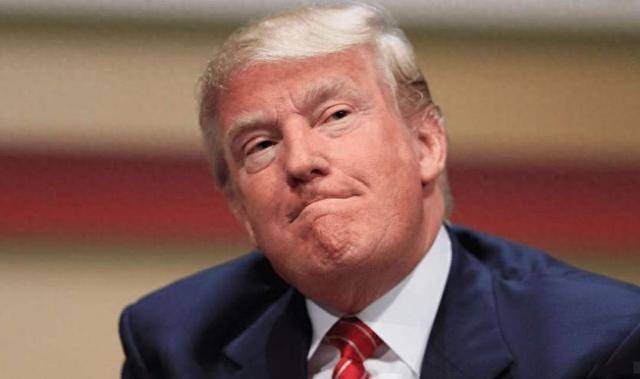
利率决议出现唯一反对票,特朗普开始渗透美联储,他能成功么?
Sou Hu Cai Jing· 2025-09-18 17:04
Core Viewpoint - The recent Federal Reserve interest rate decision, which saw a 25 basis point cut, is overshadowed by the implications of Stephen Milan's dissenting vote, indicating a potential shift in the Fed's independence and control by the Trump administration [1][3][12] Group 1: Stephen Milan's Background and Vote - Stephen Milan, born in 1984, holds a PhD in economics from Harvard and has over 10 years of experience in the financial sector, previously serving as a senior economic policy advisor at the Treasury during Trump's first term [1] - Milan's dissenting vote against the 25 basis point cut, advocating for a larger 50 basis point reduction, signals a significant shift in the Fed's dynamics, suggesting the Trump administration's influence over the central bank [3][10] Group 2: Federal Reserve's Structure and Independence - The Federal Reserve's monetary policy is managed by the Federal Open Market Committee, which includes 7 Board of Governors and 4 regional Federal Reserve Bank presidents, emphasizing the complexity of its governance [7] - The independence of the Federal Reserve from the U.S. government is a critical aspect of its structure, designed to prevent political interference in monetary policy decisions [8][10] Group 3: Implications of Presidential Control - Trump's ongoing efforts to exert control over the Federal Reserve are driven by his economic strategy, which relies on low interest rates to stimulate manufacturing and reduce government debt interest payments [10][12] - If the Federal Reserve loses its independence, it could lead to a collapse of the financial system that has been relied upon globally, as the Fed functions as a de facto world central bank [12][13]

国际关系专家谈:中美四轮谈判后关注什么?
2025-09-18 14:41
Summary of Key Points from the Conference Call Industry or Company Involved - The discussion primarily revolves around the U.S.-China trade relations, with a specific focus on the TikTok framework agreement and its implications for bilateral economic ties. Core Points and Arguments 1. **TikTok Framework Agreement**: The agreement reached during the fourth round of U.S.-China trade talks is seen as a significant step towards stabilizing bilateral economic relations, although specific implementation details remain to be finalized [2][7][21]. 2. **Focus Areas for Future Negotiations**: Future U.S.-China trade negotiations will concentrate on tariffs, technology exports (especially semiconductor controls), and agricultural product purchases [4][8][21]. 3. **U.S. Domestic Reactions**: There is a mixed response within the U.S. regarding the trade negotiations. Some officials view the TikTok agreement as a mere delay of the crisis rather than a substantial breakthrough [6][21]. 4. **Impact of Fentanyl Tariffs**: The issue of fentanyl tariffs and related chemical exports complicates negotiations, with the U.S. blaming China for drug-related deaths while China emphasizes its strict export controls [9][8]. 5. **Technological Competition**: Technology export controls, particularly regarding semiconductors, and China's control over rare earth resources are critical areas of competition and potential cooperation between the two nations [10][11]. 6. **Artificial Intelligence Strategies**: There are notable differences in AI development strategies, with China focusing on industrial applications and the U.S. on general AI, indicating potential areas for collaboration in non-military applications [11][12]. 7. **Manufacturing and Tariff Policies**: The Trump administration is committed to bringing manufacturing back to the U.S., even at the cost of some agricultural exports, maintaining high tariffs on China [3][14][15]. 8. **High-Level Diplomatic Engagements**: Future high-level meetings between U.S. and Chinese leaders are anticipated to play a crucial role in advancing negotiations and reducing tensions [5][16][21]. 9. **Long-term Economic Relations**: The long-term economic relationship between the U.S. and China is expected to gradually diminish, with a shift towards reduced interdependence [23][24]. Other Important but Possibly Overlooked Content 1. **Political Dynamics**: The U.S. domestic political environment, including pressures from various factions and upcoming elections, significantly influences the government's approach to China [24]. 2. **Potential for Conflict over Taiwan**: The Taiwan issue remains a potential flashpoint that could impact trade negotiations, with the risk of conflict being acknowledged but deemed manageable through diplomatic efforts [25][24]. 3. **Legal Challenges to Tariff Policies**: Trump's tariff policies face legal challenges, particularly regarding the legality of bypassing Congress to impose tariffs, which could affect future trade strategies [20].
研客专栏 | 9月FOMC:联储独立性压力测试的第一关
对冲研投· 2025-09-18 13:09
Core Viewpoint - The article discusses the ongoing tension between the Federal Reserve and political pressures from Trump, highlighting Powell's ability to maintain the Fed's independence during the recent FOMC meeting [2][5][15]. Group 1: FOMC Meeting Insights - The focus of the September FOMC meeting was not only on the rate cut magnitude but also on the dynamics within the committee, including new member Milan's rapid inclusion and legal issues faced by member Cook [3]. - Only member Milan supported a 50 basis point cut, while other members, including Waller and Bowman, aligned with the majority [3]. - The median forecast for rate cuts in 2025 was raised from 50 basis points to 75 basis points, with only 9 out of 19 members supporting this adjustment [3]. Group 2: Economic Projections - The FOMC members have become more optimistic about the economy, raising the GDP forecast for 2025 to 1.6% from 1.4% and for 2026 to 1.8% from 1.6% [4]. - The unemployment rate forecast for 2026 was lowered to 4.4% from 4.5%, while the core PCE inflation forecast was increased to 2.6% from 2.4% [4]. Group 3: Market Reactions - The independence of the Fed has led to gold being the biggest loser from the FOMC meeting, as it had previously seen a 10% increase since the Jackson Hole meeting [5]. - Other asset classes experienced limited volatility, with the market's expectations for a series of 25 basis point cuts being met [5]. Group 4: Monetary Policy and Labor Market - Powell expressed concerns about the labor market, introducing the term "risk management cut" to describe the Fed's approach to rate cuts, which may pressure the stock market [9]. - The current labor market faces challenges from reduced immigration and weakening demand, impacting the overall economic outlook [9]. Group 5: Political Pressures - Trump's significant divergence from the Fed's economic growth expectations creates ongoing political pressure, as the Fed's forecasts do not align with Trump's desire for higher growth to alleviate debt pressures [14][15].

21深度|美联储的“十字路口”
2 1 Shi Ji Jing Ji Bao Dao· 2025-09-18 13:09
Core Viewpoint - The Federal Reserve's "third mission" of pursuing moderate long-term interest rates has gained attention, especially after new board member Stephen Milan's dissenting vote against a 25 basis point rate cut, advocating instead for a 50 basis point cut, indicating potential political influence from the White House [1][2][3]. Group 1: Federal Reserve's Rate Decisions - On September 17, the Federal Reserve announced a 25 basis point cut in the federal funds rate target range to 4.00% to 4.25%, marking the first rate cut of 2025 and following three cuts in 2024 [1]. - Milan's dissenting vote highlights a significant internal division within the Federal Reserve, with 11 votes in favor of the rate cut and 1 against, suggesting a strong consensus despite political pressures [2][4]. - The dot plot revealed a notable divergence in opinions among the 19 voting members regarding future rate cuts, indicating a lack of consensus on the pace of monetary easing [5]. Group 2: Economic Forecasts and Implications - The Federal Reserve slightly raised its GDP growth forecast for 2025 from 1.4% to 1.6%, while maintaining its predictions for unemployment and inflation for 2024 [5]. - For 2026, the Fed's outlook suggests higher growth, lower unemployment, and higher inflation, with the terminal rate projected to decrease to 3.4% from 3.6% [5]. - The current economic data indicates a shift in the Fed's focus towards stabilizing the labor market, with a cautious approach to future rate cuts [7][8]. Group 3: Market Reactions and Investment Opportunities - The anticipated continuation of rate cuts may lead to a revaluation of global assets, benefiting physical assets and precious metals, such as energy, metals, real estate, and gold [6]. - A weaker dollar could accelerate capital flows into emerging markets, particularly those benefiting from manufacturing shifts and resource exports [6]. - The Fed's cautious stance on rate cuts reflects a balancing act between achieving its dual mandate of maximum employment and price stability while navigating political pressures [8][9].
8月美国非农数据点评:鲍威尔暂时通过了独立性的压力测试
SINOLINK SECURITIES· 2025-09-18 11:28
Group 1: FOMC Meeting Insights - The focus of the September FOMC meeting was not on the rate cut magnitude but on the independence of the Federal Reserve amid new member Milan's rapid joining and legal issues faced by member Cook[3] - Only Milan supported a 50bp rate cut, while Waller and Bowman, who previously voted against, aligned with the majority this time[3] - The labor market dynamics are worse than in June, contradicting Waller's earlier stance that tariffs should be excluded when considering inflation, which would suggest a larger rate cut[3] Group 2: Economic Projections and Market Reactions - The median forecast for a rate cut in 2025 was raised from 50bp to 75bp, with only 9 out of 19 members supporting this, indicating a precarious consensus[7] - The FOMC's economic outlook was optimistic, raising 2025 GDP growth to 1.6% and 2026 GDP to 1.8%, while lowering the 2026 unemployment rate to 4.4%[10] - Powell's performance during the meeting was deemed satisfactory in maintaining the Fed's independence, despite political pressures from Trump[5] Group 3: Risks and Market Implications - Risks include increased political uncertainty from Trump, leading to greater market volatility and faster capital flight from the dollar[6] - Global economic impacts from tariffs may lead to unexpected synchronized easing, alleviating long-term interest rate pressures[6] - The Fed's independence has resulted in gold being the biggest loser in the market, with a 10% increase in gold prices since the Jackson Hole meeting reflecting prior market expectations of reduced Fed independence[10]
48票赞成47票反对,美投票结果出炉,特朗普出国,美军击沉3艘船
Sou Hu Cai Jing· 2025-09-18 11:03
Group 1 - The geopolitical tension index has reached its highest level in nearly a decade, reflecting increasing divisions on key issues such as the independence of the Federal Reserve, the transatlantic alliance, and security in Latin America [1][17] - The U.S. Senate narrowly confirmed Stephen Milan as a Federal Reserve Governor, highlighting significant partisan divides over monetary policy and economic governance [2][5] - The U.S. military has escalated its operations in Latin America, sinking three vessels linked to Venezuela, which has raised concerns about regional security and U.S.-Latin American relations [8][10][12] Group 2 - The U.S.-UK relationship is showing structural tensions, particularly regarding tariffs, trade, and security cooperation, as evidenced by protests during a recent state visit by the U.S. President [4][7] - NATO has increased troop deployments in Eastern Europe by 12% in response to ongoing tensions with Russia, indicating a heightened focus on collective defense capabilities [15][19] - The ongoing stalemate in the Russia-Ukraine conflict continues to create uncertainty in European security, with calls for dialogue to prevent escalation into a global crisis [13][19]
万腾外汇:美联储降息为何让全球市场情绪复杂?
Sou Hu Cai Jing· 2025-09-18 10:46
Group 1: UK Market and Central Bank Policy - The UK FTSE 100 and 250 indices lag behind continental European markets as investors remain cautious ahead of the Bank of England's interest rate decision [1] - The Bank of England is expected to maintain interest rates unchanged for the remainder of 2025 due to inflation levels significantly above the 2% target [1] - A combination of rising unemployment claims and falling core inflation may lead to a market perspective that the Bank of England might need to adopt a more accommodative policy in the future [1] Group 2: Australian Employment Data - Australia's employment data showed a surprising decline with a change of -5,400 jobs, significantly below the expected +21,200 [3] - This marks the third substantial miss against market expectations in the past four months, raising concerns about similarities with the U.S. labor market [3] - The Australian dollar weakened against most currencies, with market expectations for a rate cut by the Reserve Bank of Australia in November rising to 61% [3] Group 3: Federal Reserve Outlook - The recent FOMC meeting conveyed a cautious tone, with 9 out of 19 officials expecting two more rate cuts this year, while 6 believe no further easing is necessary [4] - The division within the Federal Reserve highlights differing views on the future interest rate path, with market expectations for two rate cuts increasing from 70% to 85% [4] - Fed Chair Powell emphasized the need for caution regarding rapid rate cuts, reflecting concerns about inflation despite a weakening job market [4]

美联储降息“走钢丝”:25基点太少,50基点太多
虎嗅APP· 2025-09-18 10:27
Core Viewpoint - The Federal Reserve's recent decision to lower interest rates by 25 basis points marks a shift in focus from combating inflation to boosting employment, reflecting growing concerns about job market slowdowns [4][7][11]. Group 1: Federal Reserve's Decision - The Federal Reserve announced its first rate cut since December 2024, reducing rates by 25 basis points [4]. - Newly appointed board member Stephen I. Miran voted against the decision, advocating for a more aggressive 50 basis point cut, representing a significant political stance [4][16]. - The Fed's statement indicated a clear shift in policy focus, acknowledging a slowdown in job growth and rising unemployment risks [7][11]. Group 2: Economic Predictions - Barclays Research predicts a slight increase in the unemployment rate and heightened employment risks, forecasting two additional 25 basis point cuts in October and December, with further cuts in 2026 if unemployment rises unexpectedly [5][15]. - The Fed's "dot plot" suggests a median expectation of a total rate reduction of 0.5 percentage points by the end of the year, indicating a dovish shift among committee members [7][14]. Group 3: Market Reactions - Following the Fed's announcement, U.S. stock markets initially rose, but later retreated as concerns about economic fundamentals resurfaced [22][24]. - Analysts express mixed views on market reactions, with some warning of potential bubbles and others suggesting that gradual rate cuts may maintain market confidence [23][24]. Group 4: Inflation and Employment Dynamics - The Fed's inflation forecasts have been adjusted, with the core Personal Consumption Expenditures (PCE) inflation expected to remain at 2.6% in 2026, indicating a longer path to achieving the 2% target [10][11]. - Employment indicators show signs of cooling, with job vacancies decreasing and unemployment rates slightly rising, prompting the Fed's decision to lower rates [11][12][13]. Group 5: Future Outlook - The Fed's internal divisions on future rate cuts reflect a complex economic outlook, with varying predictions among officials regarding the number and magnitude of future cuts [18][19]. - The market anticipates continued pressure on the dollar and a favorable outlook for gold as a hedge against economic uncertainty [24][25].
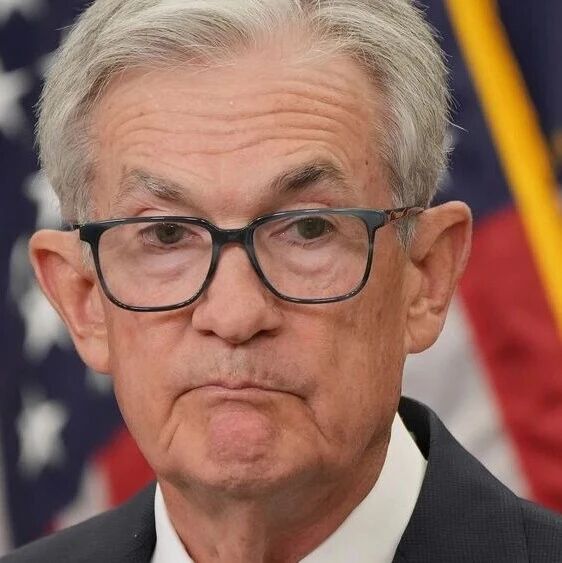
鲍威尔的最后一搏?新美联储通讯社:降息是权衡“政治”和“经济”压力后的艰难选择
华尔街见闻· 2025-09-18 10:20
Core Viewpoint - The article argues that Federal Reserve Chairman Jerome Powell's decision to cut interest rates, despite the absence of clear recession signals, represents a high-risk policy gamble aimed at demonstrating the Fed's independence and fulfilling its dual mandate [2][9]. Economic Context - Powell faces unprecedented political opposition and economic uncertainty as his term nears its end, making current policy decisions more complex and risky than ever before [2][3]. - The decision to lower rates is largely influenced by significant slowdowns in the labor market, with average job growth for August revised down from 150,000 to 29,000, indicating substantial underlying weakness [4]. Political Pressure - The Fed is navigating extraordinary challenges to its traditional independence while addressing issues like slowing growth and persistent inflation, complicating policy decisions [3][6]. - Powell has managed to maintain consensus within the Fed despite differing views on the economic outlook and significant political pressure [6][8]. Future Outlook - The Fed's interest rate predictions reveal potential for ongoing contentious debates, with some members believing no further rate cuts are necessary this year, while others advocate for additional cuts [8]. - Powell acknowledges the dual risks of labor market weakness and stubborn inflation, indicating that there are no risk-free paths forward [8]. Historical Context - The article outlines three potential outcomes of Powell's policy gamble, referencing historical precedents where early rate cuts either led to successful economic soft landings or contributed to prolonged inflationary pressures [11][12]. - Past instances of rate cuts in 1990, 2001, and 2007 failed to prevent recessions, highlighting the limitations of monetary policy [12].