出口管制

Search documents
肥料产地集中于中俄等,地缘风险令价格高涨
日经中文网· 2025-11-26 02:47
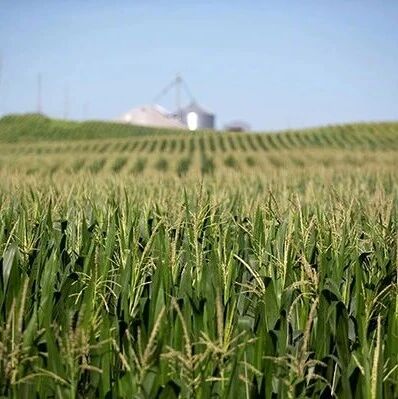
肥料占据玉米生产成本的35%(照片为美国伊利诺伊州,reuters) 肥料价格创三年来新高 含有磷和氮的磷酸二铵(DAP)的国际价格8月达到每吨795美元,创下三年来的高点。9月价格小幅回 落至每吨780美元,尽管如此,仍比年初上涨了34%。 肥料价格受地缘政治风险左右。2022年,因俄乌冲突,肥料价格曾急速上涨。原因是来自全球最大肥料 出口国俄罗斯的供应不确定性上升。 肥料的原料磷矿石的全球总产量中,中国占46%。中国、摩洛哥、美国、俄罗斯这四个国家的磷矿石产 量合计占到全球的70%以上。中国于10月中旬暂停出口尿素等肥料,动摇了全球供应链…… 国际肥料价格正再度攀升。背后的原因是肥料生产地集中于中国、俄罗斯等国家,而地缘政治紧张导致 供应不稳定。中国于10月中旬暂停出口尿素等肥料,动摇了全球供应链。肥料农业生产不可或缺的物 资,其价格高涨及供应受限可能会对食品价格形成上涨压力。 与稀土管制相似 中国10月中旬暂停了氮肥尿素及磷酸二铵的出口。2024年,中国氮肥出口量比上年减少90%以上,尽管 今年春季以后似乎曾出现扩大出口的动向,但如今又再度转向实施出口管制。这种做法与中国将稀土当 作武器进行出口管制的做 ...

镍:累库节奏稍有放缓,宏观与消息短线扰动,不锈钢:钢价承压低位震荡,但下方想象力有限
Guo Tai Jun An Qi Huo· 2025-11-25 06:16
1. Report Industry Investment Rating - No information provided about the report industry investment rating. 2. Core Views - Steel prices are under pressure and oscillating at a low level [1] 3. Summary by Related Catalogs 3.1 Fundamental Tracking - **Futures Data**: The closing price of Shanghai Nickel's main contract is 115,530, up 1,480 compared to T - 1; the closing price of stainless - steel's main contract is 12,335, up 45 compared to T - 1. The trading volume of Shanghai Nickel's main contract is 148,534, up 10,331 compared to T - 1; the trading volume of stainless - steel's main contract is 204,886, down 29,038 compared to T - 1 [1] - **Nickel Industry Chain Data**: The price of 1 imported nickel is 116,000, up 1,000 compared to T - 1; the price of 8 - 12% high - nickel pig iron (ex - factory price) is 889, down 2 compared to T - 1; the price of battery - grade nickel sulfate is 28,000, down 80 compared to T - 1 [1] 3.2 Macro and Industry News - On September 12, due to violating forestry license regulations, the Indonesian forestry working group took over more than 148 hectares of the PT Weda Bay Nickel mining area, which is expected to affect nickel ore production by about 600 metal tons per month [1] - China has suspended an unofficial subsidy for copper and nickel imports from Russia [2] - On September 22, the Indonesian Ministry of Energy and Mineral Resources imposed sanctions on 190 mining companies. The sanctions will be lifted if the companies submit a claim plan and place the claim guarantee by 2025 [2][3] - On September 30, the Indonesian Ministry of Energy and Mineral Resources issued a ministerial order. The approval plan for the next year's mine RKAB is expected to be passed by November 15. If the approval result is not notified through the online system, it will be automatically approved on November 15 [3] - The Indonesian government has suspended issuing new smelting licenses for projects producing "restricted products" through the OSS platform [4] - Due to strengthened safety inspections in Indonesian industrial parks, some nickel wet - process projects will reduce production loads to clean up tailings slag ponds, affecting about 6,000 nickel metal tons of production in December [4] - On November 21, the dovish remarks of New York Fed President John Williams and Fed Governor Stephen Miran increased the probability of a 25 - basis - point interest rate cut in December [4] 3.3 Trend Intensity - The trend intensity of nickel and stainless steel is 0, indicating a neutral trend [5]
镍:累库节奏稍有放缓,宏观与消息短线扰动;不锈钢:钢价承压低位震荡,但下方想象力有限
Guo Tai Jun An Qi Huo· 2025-11-24 05:28
1. Report Industry Investment Rating - No information provided regarding the industry investment rating in the report. 2. Core Viewpoints - Steel prices are under pressure and fluctuating at a low level, with the nickel market also affected by various factors such as policy changes and production adjustments in Indonesia [1]. - The trend intensity for nickel is +1, and for stainless steel is also +1, indicating a moderately bullish outlook [5]. 3. Summary by Relevant Catalogs 3.1 Fundamental Tracking - **Nickel and Stainless Steel Futures Data**: The closing price of the Shanghai nickel main contract was 114,050, down 1,330 compared to the previous day; the closing price of the stainless - steel main contract was 12,290, up 1 compared to the previous day. The trading volume of the Shanghai nickel main contract was 138,203, and that of the stainless - steel main contract was 233,924 [1]. - **Nickel - related Product Prices**: The price of 1 imported nickel was 115,000, down 1,600 compared to the previous day; the price of 8 - 12% high - nickel pig iron (ex - factory price) was 891, down 4 compared to the previous day [1]. - **Stainless Steel Product Prices**: The price of 304/2B coil - rough edge (Wuxi) Hongwang/Beibuwan was 12,675, up 200 compared to the previous day; the price of 304/2B coil - trimmed edge (Wuxi) Taiyuan Iron and Steel/Zhangpu was 13,250, unchanged compared to the previous day [1]. 3.2 Macro and Industry News - **Indonesia's Nickel Mining Policy**: The Indonesian forestry working group took over more than 148 hectares of the PT Weda Bay Nickel mining area, which is expected to affect nickel production by about 600 nickel metal tons per month. The Indonesian government also imposed sanctions on 190 mining companies, and the issuance of new smelting licenses for some nickel - related products has been suspended [1][2][4]. - **International Trade Policy**: China has suspended an unofficial subsidy for imported copper and nickel from Russia. Trump may impose an additional 100% tariff on China from November 1st and implement export controls on "all key software" [2][3]. - **Production Adjustment**: Some nickel wet - process projects in Indonesian industrial parks will reduce production in December, affecting about 6000 nickel metal tons of output [4]. - **Monetary Policy**: New York Fed President John Williams and Fed Governor Stephen Miran made dovish remarks, increasing the probability of a 25 - basis - point interest rate cut in December [4].
今日财经要闻TOP10|2025年11月22日
Sou Hu Cai Jing· 2025-11-22 11:44
来源:喜娜AI 11月21日,美国联邦航空管理局发布航行通告,警告称在委内瑞拉空域存在"潜在危险局势",受安 全局势恶化及委内瑞拉境内和周边军事活动加剧的影响,在该空域所有高度运行的民航飞机都需保持警 惕。美国联邦航空管理局建议民航运营方在飞经该空域前至少72小时向其通报飞行计划。这一航行通告 的有效期自"协调世界时"2025年11月21日持续至2026年2月19日。(央视新闻) 1、外媒:美国政府正考虑允许英伟达对华出售H200芯片 路透社21日援引消息透露,特朗普政府正考虑批准向中国出口美国芯片制造商英伟达的H200人工 智能芯片。报道援引知情人士消息称,负责监管美国出口管制的美国商务部正就改变对华出口限制一事 进行审查,并称相关计划可能会发生变动。报道称,美国商务部暂未对此作出回应,英伟达尚未就此直 接置评。(环球网) 2、中方就高市错误言行致函古特雷斯 11月21日,中国常驻联合国代表傅聪致函联合国秘书长古特雷斯,就日本首相高市早苗涉华错误言 行阐明中国政府立场。该函将作为联合国大会正式文件,向全体会员国散发。傅聪大使在致函中表示, 日本首相高市早苗在国会答辩时公然发表涉台露骨挑衅言论。这是1945年 ...

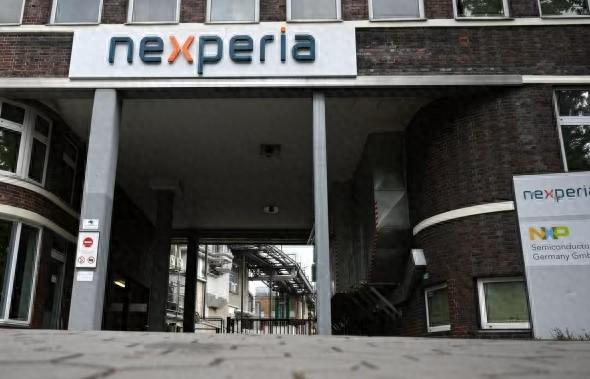
梳理 | 安世半导体控制权争端,关键节点
半导体行业观察· 2025-11-22 03:09
公众号记得加星标⭐️,第一时间看推送不会错过。 来 源 : 内容编译自na,谢谢 。 荷兰使用冷战时期法律来接管中国控股的Nexperia公司,这场争端危及全球供应链。 大约两个月前,荷兰当局接管了芯片制造商Nexperia ,导致位于奈梅亨的总部与该公司的中国大陆 分公司之间发生冲突,后者誓言要作为一家独立企业运营并履行订单。 那场争端也暴露了全球汽车供应链的脆弱性,因为Nexperia所谓的传统芯片的任何出货中断都会影响 几乎所有主要的欧洲汽车制造商,以及日本和美国的汽车制造商。 以下是Nexperia危机中的关键节点: 9月29日 美国商务部下属的工业与安全局(BIS)扩大了出口管制范围,将至少50%股权由华盛顿贸易黑名单 上的公司持有的实体纳入其中。Nexperia之所以受到美国制裁,是因为它由去年12月被列入黑名单的 闻泰科技全资拥有。 10月17日 Nexperia中国分公司告知客户,其荷兰总部通知员工,工资将停止发放,员工对公司系统的访问权限 也将被暂停。该分公司称,其面临"残酷打压"。 10月18日 9月30日 荷兰经济事务部以国家安全为由,援引一项鲜为人知的1952年法律——《货物供应法》, ...

王文涛部长会见美国驻华大使庞德伟
Hua Er Jie Jian Wen· 2025-11-20 14:26
Group 1 - The core viewpoint of the article highlights the concerns expressed by China's Minister of Commerce, Wang Wentao, regarding various trade issues with the United States, including unilateral tariffs and export controls [1] - Wang Wentao addressed specific issues such as restrictions on bilateral investment, visa reviews, and restrictive clauses in trade agreements with third parties [1] - The meeting also involved discussions on the implementation of the outcomes from economic and trade consultations between China and the U.S. [1]
中国台湾升级出口管制:EUV光罩及多款半导体设备被列入!
Xin Lang Cai Jing· 2025-11-17 14:28
Core Points - Taiwan's Ministry of Economic Affairs announced a revision to its export control list, adding 18 new controlled items, including advanced 3D printing equipment, advanced semiconductors, and quantum computers [2] - The revision is in response to updates in international export control norms, such as the Wassenaar Arrangement, and aims to manage trade effectively [2] - The public consultation period for the proposed changes is set for 60 days [2] Summary by Category Export Control Items - The new controlled items include advanced 3D printing equipment, advanced semiconductors, and quantum computing technologies [2] - Specific advanced semiconductor items added to the list include Complementary Metal-Oxide-Semiconductor (CMOS) integrated circuits, EUV masks, low-temperature cooling systems, scanning electron microscopes (SEM), and low-temperature wafer testing equipment [2] Export Licensing Requirements - Taiwanese manufacturers wishing to export controlled items must apply for a strategic high-tech goods export license from the Ministry of Economic Affairs [2] - The Ministry will review the export transactions to ensure there is no risk of proliferation before granting the export license [2] - The initiative aims to prevent goods from being used in proliferation activities rather than outright banning exports [2]
中国台湾省升级出口管制!
国芯网· 2025-11-17 12:07
Core Viewpoint - Taiwan is revising its export control list for strategic high-tech goods, adding categories such as advanced 3D printing equipment, advanced semiconductor equipment, and quantum computers, requiring manufacturers to apply for export licenses before shipping these items [2][4]. Group 1: Export Control Changes - The revised export control list includes 18 new high-tech items, specifically categorized into three types: advanced 3D printing equipment, advanced semiconductor equipment (including complementary metal-oxide-semiconductor integrated circuits, low-temperature cooling systems, scanning electron microscope equipment, and low-temperature wafer testing equipment), and quantum computers [4]. - Manufacturers in Taiwan must apply for export licenses for the newly added controlled items, and if the export transaction is deemed to pose no risk of military expansion, the license will be granted [4].
“中国给欧洲上了一堂工业课,实力就摆在这里”
Guan Cha Zhe Wang· 2025-11-16 04:25
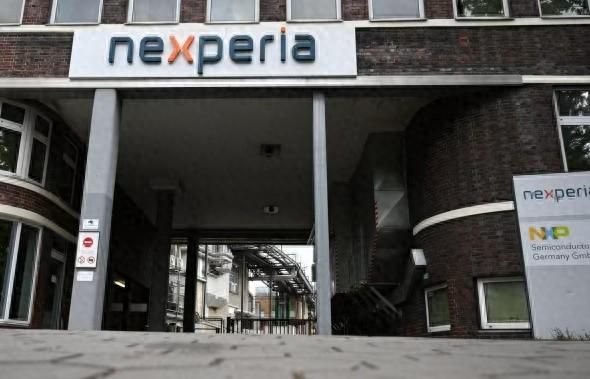
【文/观察者网 熊超然】荷兰政府一手酿成"安世之乱",祸乱全球汽车业乃至整个供应链,虽然在传 出"中方已同意予以出口豁免"的消息后,欧洲汽车行业暂时松了口气,但却仍心有余悸。 当地时间11月13日,法国国内发行量最大的报纸之一《费加罗报》报道认为,荷方"捅出的娄子"显然激 怒了中方,而贸易紧张局势的升级也凸显出欧盟在这一事件上的无能为力。10月下旬,当时众多汽车制 造商和供应商担心后新冠疫情时代可能会重现这样的局面——零部件短缺导致生产线瘫痪。 "中国给欧洲上了一堂工业课。"报道指出,手握安世半导体这张"牌",中方甚至无需动用在稀土精炼方 面的主导力,便可在汽车领域的博弈中"收放自如"。报道同时援引业内研究人士称,中方正在谈判过程 中建立起极具成效的出口管制体系,"中方赢得这些权力博弈的实力已经得到证明"。 安世半导体分公司 资料图 法国蒙田研究所国际研究主任杜懋之(Mathieu Duchâtel)认为,中方同意恢复出口,当前事态发展看 似积极,但对荷兰而言并没有取得真正的"胜利"。 "他们(中方)正一点点建立起一个出口管制体系,其在谈判中极具效果。我们总是回到同一个结论: 中国有实力赢得权力博弈。"杜懋之 ...
“安世客户怕再被荷兰坑,想了一招:自己去找中国工厂谈包装”
Guan Cha Zhe Wang· 2025-11-14 04:01
Core Viewpoint - The Dutch government's seizure of the Chinese semiconductor company Nexperia has led to a global chip supply crisis, particularly affecting the European automotive industry, which is struggling with supply chain disruptions due to the refusal of Nexperia's European division to supply wafers to its Chinese counterpart [1][6]. Group 1: Supply Chain Disruption - Nexperia's European customers are seeking alternative solutions to bypass the dispute between its European and Chinese operations, referred to as a "temporary patch," which involves purchasing silicon wafers directly from the European factory and shipping them to China for final packaging [1][3]. - The automotive sector is experiencing significant pressure due to chip shortages, impacting production for major companies like Volkswagen, Bosch, Continental, and Honda [3][4]. Group 2: Alternative Solutions - Nexperia (China) is exploring alternative wafer sources, including domestic Chinese semiconductor manufacturers, to mitigate supply chain disruptions [4][6]. - Other potential solutions being considered include sourcing similar chips from companies like Onsemi and STMicroelectronics [3]. Group 3: Regulatory and Diplomatic Context - The Dutch government has frozen Nexperia's assets and intellectual property for one year, which has exacerbated the supply chain crisis and drawn criticism from China [6][7]. - Dutch officials acknowledge the importance of predictable supply chains and are seeking diplomatic dialogue with China to resolve the issues surrounding Nexperia [7][8].