
智能化

Search documents
比亚迪(002594) - 2025年11月19日投资者关系活动记录表
2025-11-20 15:44
Market Expansion and Performance - BYD has significantly increased its market share in key overseas markets such as Europe, Southeast Asia, and Latin America, with notable sales growth in Singapore and Hong Kong, and a substantial increase in the UK market [1] - In the first ten months of this year, BYD's overseas sales of passenger cars and pickups reached 785,000 units, representing a year-on-year growth of 135% [2] - The global passenger car market is approximately 80 million units annually, with an electric vehicle penetration rate of only 20% in 2024, indicating vast market potential [1] Production Capacity and Global Strategy - BYD has established a presence in over 110 countries and regions across six continents, with announced production facilities in Thailand, Uzbekistan, and Brazil, totaling a designed capacity of over 300,000 units per year [3] - Future production plans include facilities in Hungary, Malaysia, and Cambodia, as part of BYD's strategy to integrate internationalization and localization [3] Technological Advancements - BYD is a leader in electric vehicle technology, focusing on core technologies such as battery systems and intelligent driving, with significant investments in R&D [4] - The company has developed advanced technologies like the blade battery and CTB (cell-to-body) integration, enhancing battery safety and energy density [4] Financial Performance - For the first three quarters of 2025, BYD reported total revenue of approximately 566.3 billion yuan and a net profit attributable to shareholders of 23.3 billion yuan, with cumulative sales of 3.26 million electric vehicles, a year-on-year increase of 18.6% [6] - As of September 30, 2025, BYD's cash and cash equivalents exceeded 175.2 billion yuan, providing strong financial support for business expansion [7] Cash Flow Management - BYD emphasizes effective cash flow management and collaboration with supply chain partners, maintaining a low turnover period for accounts payable and enhancing operational efficiency [8]

浙江区县观察:中国高定家居何以看南浔?
Zhong Guo Xin Wen Wang· 2025-11-20 13:16
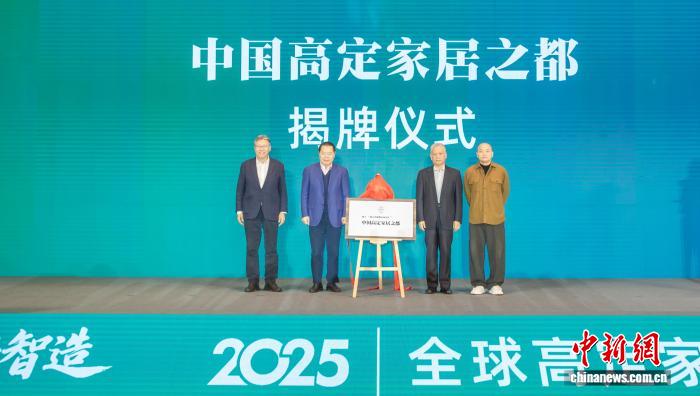
Core Insights - The article highlights the transformation of Nanxun, a city in Huzhou, Zhejiang, into a hub for high-end customized home furnishings, showcasing its industrial evolution and innovation in the sector [1][5]. Industry Development - The 2025 Global High-End Home Furnishing Design Innovation Conference was held in Nanxun, bringing together industry experts and leaders to discuss the future of high-end home furnishings [1]. - Nanxun's wood industry has evolved from traditional processing to high-end customization, with an annual output value exceeding 10 billion yuan, benefiting thousands of families [1]. - The local government has implemented policies to support the wood industry, including the "Chain Leader System" and nine measures to promote high-quality development in the home furnishing sector [2]. Company Innovations - Companies like Zhejiang Kaixin Home Technology Co., Ltd. are adopting automation and upgrading production lines, achieving a transformation from flooring manufacturers to high-end home furnishing providers, with steady growth in output value over three consecutive years [1][5]. - The integration of craftsmanship and technology is evident, with skilled artisans working alongside automated systems to enhance product quality [1]. Cultural and Market Trends - Nanxun's unique cultural heritage, including its reputation as the "Home of Silk" and "Capital of Lake Brushes," provides a competitive advantage in high-end customization, emphasizing the importance of cultural roots in design [5]. - The shift in consumer preferences towards personalized, emotional, and scenario-based home furnishing solutions is driving the industry towards a more collaborative approach between designers and manufacturers [6]. Strategic Initiatives - The establishment of the "China High-End Home Furnishing Capital" and the signing of the "China High-End Home Furnishing Research and Development Plan" indicate Nanxun's readiness to expand into global markets [5]. - The local industry is focusing on transitioning from product output to brand output, positioning itself as a key player in the high-end home furnishing market [5].

“得用户者得天下”
Mei Ri Jing Ji Xin Wen· 2025-11-20 13:04
Core Insights - In 2025, China's new energy vehicle (NEV) ownership is expected to exceed 38 million, accounting for over 10% of total vehicle ownership, with a market penetration rate projected to surpass 60% [1] - The shift in consumer purchasing motivations indicates a transition from reliance on policies and technology to a focus on user experience and comprehensive product value [1][4] User Decision-Making Changes - The core purchasing motivation has shifted from "policy" to "product," with driving experience, comfort, and smart features becoming the primary drivers [2] - The average number of factors considered by consumers during the purchasing process has increased from 4.2 to 5.9, with a heightened focus on vehicle safety and smart configurations [2] Competitive Landscape - The competitive landscape is evolving, with consumers comparing models like the Li Auto L6 against a range of pure electric and smart vehicles, indicating a shift to "cross-brand electric comparisons" [3] - The average range of pure electric vehicles has improved from 450 km in 2022 to 530 km in 2025, alleviating previous concerns about range anxiety [3] Industry Transformation - The industry is moving away from a policy-driven phase to a user-value-driven phase, as financial subsidies decline and market competition intensifies [4] - Key consumer demands include high cost-performance ratio, absolute safety, and advanced smart features, which are essential for purchasing decisions [5][6] Smart Features as a Market Differentiator - Smart features are becoming critical for high-end models, with excellent smart experiences helping products stand out, while mid-range models are rapidly evolving in this area [7] - The evolution of smart features is now a significant factor influencing user experience and attracting traditional fuel vehicle users to NEVs [7] Future Market Outlook - The automotive market is expected to become more competitive by 2026, facing challenges such as reduced subsidies and increased product homogeneity [8] - The implementation of new safety standards for electric vehicle batteries will raise safety benchmarks, while ongoing technological advancements will drive the industry towards a healthier value return phase [8]
合兴包装(002228) - 2025年11月20日投资者关系活动记录表
2025-11-20 10:16
Group 1: Product and Market Strategy - The company aims to improve product gross margin by optimizing product structure and increasing the sales proportion of high-margin products [2] - Downstream customer composition includes: Home appliances (22%), Beer (15%), Dairy (14%), Food (11%), Daily chemicals (4%), E-commerce logistics (4%), Others (30%) [3] - The company focuses on Southeast Asia for overseas business, with capacity expansion planned in Thailand, Vietnam, and Indonesia [3] Group 2: Competitive Advantages and Innovations - The company leverages clear capacity demands from clients to avoid blind expansion, providing group services that meet global collaboration needs [4] - Domestic smart factory operational experience can be replicated quickly, enhancing efficiency and cost control compared to local competitors [4] - The company is committed to sustainable development by innovating eco-friendly materials and accelerating smart manufacturing processes [8] Group 3: Financial Performance and Shareholder Returns - The company has a strong focus on shareholder returns, with future dividend plans considering operational performance, financial status, and capital expenditure needs [5][6] - The impact of rising raw material prices is managed through timely adjustments in procurement and production strategies to mitigate cost fluctuations [7] Group 4: Future Goals and Industry Trends - The company aims to align with industry trends towards green, intelligent, and intensive development, while expanding overseas markets and enhancing internal operations [8][10] - Future goals include stabilizing domestic operations and achieving rapid growth in overseas business, guided by market demand and strategic planning [10]

吉利汽车(00175):吉利汽车2025年Q3业绩点评:单车盈利持续提升,极氪+领克业绩改善,业绩符合预期
Changjiang Securities· 2025-11-20 10:15
Investment Rating - The investment rating for Geely Automobile is "Buy" and is maintained [7] Core Views - Geely Automobile reported a revenue of 239.48 billion yuan for the first three quarters of 2025, representing a year-on-year increase of 26.4%. Total sales reached 2.17 million vehicles, up 45.7% year-on-year, with a core net profit attributable to shareholders of 10.62 billion yuan, an increase of 59% year-on-year [2][4] - The new platform has empowered Geely to enter a new product era, with the GEA architecture supporting a new vehicle cycle. The brands Zeekr, Lynk & Co, and Galaxy are all performing well, and the transition to new energy vehicles is progressing smoothly, leading to increased profitability [2][8] - The company’s strong foundation in fuel vehicles and innovative overseas expansion strategies are opening new markets. The intelligent driving strategy is accelerating the enhancement of driving capabilities, indicating significant profit elasticity in the new vehicle cycle [2][8] Summary by Sections Financial Performance - In Q3 2025, Geely achieved a revenue of 89.19 billion yuan, a year-on-year increase of 26.5% and a quarter-on-quarter increase of 14.7%. Total sales for Q3 were 761,000 vehicles, with significant growth in the Galaxy and Lynk & Co brands [8] - The Q3 net profit attributable to shareholders was 3.82 billion yuan, a year-on-year increase of 59.3%, with a single vehicle profit of 5,000 yuan, up 11.8% year-on-year [8] Brand Performance - In Q3, Zeekr and Lynk & Co combined sales reached 140,000 vehicles, with total revenue of 31.56 billion yuan, reflecting a year-on-year increase of 9.1%. However, both brands reported a net loss of 460 million yuan for the quarter [8] Strategic Initiatives - Geely plans to launch 10 new energy models in 2025, with significant focus on electric and intelligent vehicles. The new models will feature advanced driving assistance systems, enhancing the company's competitive edge in the market [8] - The company is focusing on brand strategy, with a strong emphasis on electrification and intelligence, supported by a robust new vehicle cycle [8]

九号和小牛打架,雅迪爱玛偷笑
3 6 Ke· 2025-11-20 09:23
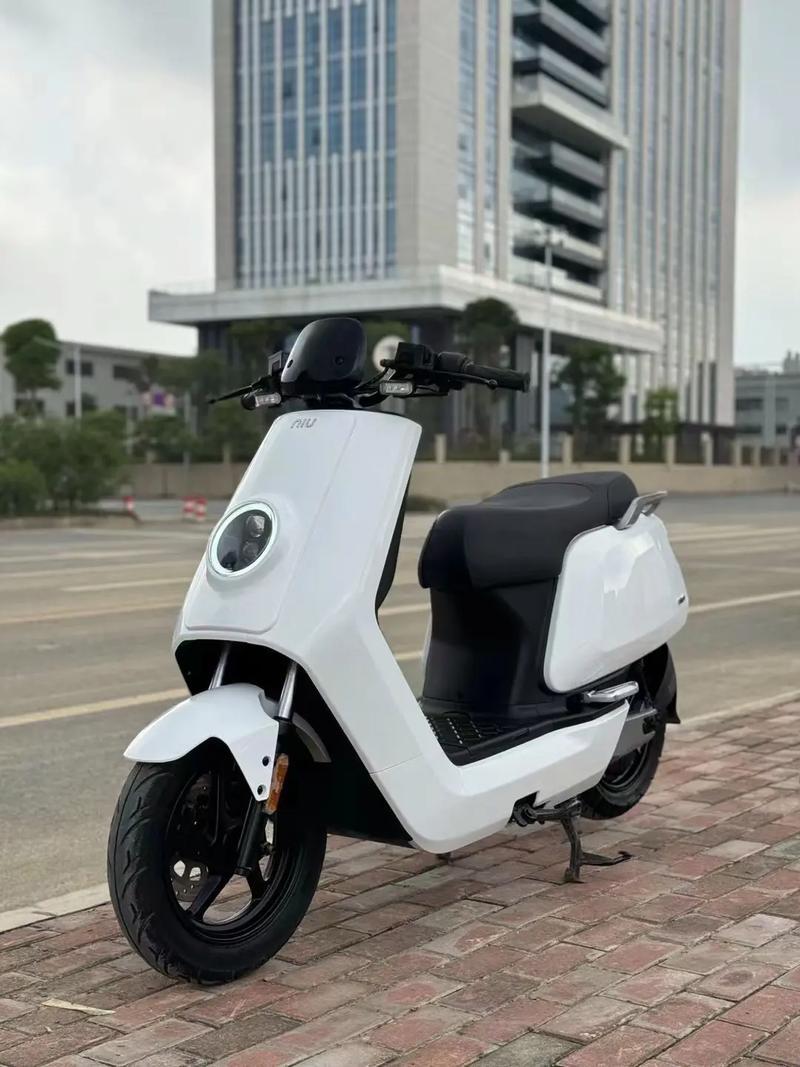
Core Insights - The article discusses the competitive landscape of the electric two-wheeler market, focusing on the contrasting trajectories of two companies: Niu Technologies and Ninebot. It highlights how Niu, initially seen as a promising player, faced significant challenges, while Ninebot capitalized on strategic decisions to emerge as a leader in the market. Group 1: Niu Technologies - Niu Technologies was founded in 2015 by Li Yinan, a prominent figure in China's tech industry, who previously held key positions at Huawei and Baidu [4][6][10]. - The company launched its first product, the N1 electric scooter, in June 2015, which quickly gained popularity despite its higher price point of 3999 yuan, setting records on crowdfunding platforms [17][18]. - However, Niu's success was short-lived as Li Yinan was arrested for insider trading just two days after the product launch, leading to a significant setback for the company [19][20]. - Despite the challenges, Niu managed to grow its sales, reaching 330,000 units by 2018, but faced difficulties in maintaining momentum due to Li's absence and strategic missteps [50][51]. Group 2: Ninebot - Ninebot was established in 2012 and initially focused on electric balance scooters, quickly gaining traction in the market [20][22]. - The company faced a lawsuit from Segway, a major player in the balance scooter market, but instead of backing down, Ninebot acquired Segway with the help of significant investment from Xiaomi [26][28]. - This acquisition allowed Ninebot to dominate the balance scooter market and later expand into electric two-wheelers, launching products that directly competed with Niu [33][34]. - Ninebot's strategic entry into the electric motorcycle market in 2019 coincided with favorable regulatory changes, leading to rapid sales growth, reaching over 1.4 million units by 2023 [58][59]. Group 3: Market Dynamics - The article emphasizes that both Niu and Ninebot have positioned their products as high-end consumer electronics, but the overall market remains dominated by low-cost, practical options [42][87]. - Niu's focus on high-end features and pricing strategies led to a decline in market share, while Ninebot successfully targeted the mid-range market, offering competitive pricing [70][71]. - The importance of physical retail presence is highlighted, with Ninebot rapidly expanding its store network to over 9,700 locations, while Niu struggled with store closures and a decline in retail presence [78][75]. Group 4: Industry Insights - The article concludes that the electric two-wheeler market is primarily driven by practical needs rather than high-end features, indicating that the push for smart and premium products may not resonate with the majority of consumers [88][102]. - Despite the initial hype around high-end electric scooters, the market is still largely influenced by traditional players like Yadea and Aima, which dominate in terms of sales and distribution [85][86]. - The narrative suggests that the future of electric two-wheelers may not lie in high-end innovation but rather in meeting the basic transportation needs of consumers [102][103].
宝丽迪(300905) - 300905宝丽迪投资者关系管理信息20251120
2025-11-20 08:30
Group 1: Company Performance - The company's performance in the first three quarters is attributed to industry growth, national policy support, and increased public environmental awareness, leading to stable growth in the color masterbatch market [1] - The company has improved its automation and AI capabilities, which aids in cost control and product structure optimization [1] - The company focuses on capacity optimization and cost control in the short term while exploring new material applications in the medium to long term [1] Group 2: Financial Health - The company has a low asset-liability ratio, indicating manageable liquidity risk [1] - Ample cash reserves are available to cover short-term debts, with strong coverage of current assets over current liabilities [1] Group 3: Accounts Receivable Management - The company maintains strict control over accounts receivable, primarily dealing with long-term partners in the chemical fiber industry [2] - Although some high-quality clients may experience slightly extended payment terms, the company's accounts receivable stability is better than the industry average [2] Group 4: Research and Development - The company focuses on functional, green, and diversified strategies in its product development within the chemical fiber masterbatch sector [2] - Continuous R&D investment and collaboration with academic institutions help maintain the company's technological leadership and explore new growth areas [2] Group 5: International Operations - The company has established a Turkish subsidiary, holding an 80% stake, to serve the local carpet and chemical fiber industries [2] - Sales and profits from the Turkish factory are stable and show slight growth, with efforts to develop a local team and explore regional market potential [2]
李强:扎实推进未来5年新增“千万千瓦光伏”和“千万千瓦风电”项目
Zhong Guo Dian Li Bao· 2025-11-20 08:03
Core Points - The speech emphasizes the need for reforming global governance in response to unilateralism and protectionism, highlighting the challenges faced by many countries due to increased trade barriers [1] - The Shanghai Cooperation Organization (SCO) is positioned as a key player in global governance reform, with the potential to implement the global governance initiative proposed by President Xi Jinping [1][2] Group 1: Unique Advantages of SCO - The SCO has established unique principles and methods for international and regional affairs, aligning closely with the core ideas of the global governance initiative [2] - The organization promotes mutual trust, mutual benefit, equality, consultation, respect for diverse civilizations, and common development, which resonate with the goals of global governance [2] - The SCO has a rich history of managing differences among member states, fostering trust and cooperation, and serving as a successful model for global governance [2] Group 2: Focus on Development and Security - The speech calls for a dual focus on development and security, emphasizing the need for a stable environment to address global challenges [3] - There is a commitment to building an open and inclusive world economy, reducing barriers, and enhancing trade to support global economic recovery [3] - The SCO is urged to strengthen security cooperation mechanisms to effectively address various threats, including organized crime and cyberattacks [3] Group 3: Innovation and Transformation - The importance of digitalization, intelligence, and green transformation is highlighted as crucial for future development [4] - The SCO is encouraged to enhance cooperation in technology and industry innovation, promoting platforms for digital economy collaboration [5] - There is a commitment to advancing clean and efficient use of traditional energy and renewable energy projects to contribute to global climate change efforts [5] Group 4: Future Development Strategy - The SCO's future development strategy for 2026-2035 has been approved, outlining a vision for enhanced cooperation and stronger organizational capabilities [6] - Emphasis is placed on strategic coordination among member states to strengthen the organization's cohesion and response to global changes [6] - The need for effective implementation of cooperation initiatives and financial collaboration among member states is stressed to enhance regional financial stability [6] Group 5: 25th Anniversary and Future Cooperation - The upcoming 25th anniversary of the SCO is acknowledged, with a call for continued support and collaboration among member states [7] - The speech concludes with a commitment to uphold the "Shanghai Spirit" and work together towards a peaceful and prosperous future [7]
从规模领跑到价值领跑 海阳科技发力尼龙新材料和帘子布市场
Zhong Zheng Wang· 2025-11-20 07:52
Core Viewpoint - The global market for Nylon 6 and tire cord materials is expected to continue growing, but the competition is intensifying, leading to lower sales prices and increased production capacity. The focus for Haiyang Technology is to find opportunities in this competitive landscape while adhering to a strategy of differentiation, high standards, and large-scale production [1][4]. Group 1: Company Background - Haiyang Technology has a long history in the Nylon 6帘子布 production sector, originating from a synthetic fiber factory established in the 1970s. The company has undergone various transformations, including integration into state-owned enterprises and market-oriented reforms, becoming one of the main players in the domestic Nylon 6 product market [2]. - The company has built a complete industrial chain from Nylon 6 chips to industrial fibers and帘子布, which allows for resource sharing and flexibility in meeting diverse customer needs [3]. Group 2: Strategic Focus - Haiyang Technology is committed to a strategy of differentiation, high-level production, and large-scale manufacturing to enhance profitability. The company has developed high-margin products, such as specialized fishing net materials, and has received multiple provincial-level new product certifications [4][5]. - The company has established a research institute to support the development of differentiated products, collaborating with renowned academic institutions to ensure the economic potential of projects [4][6]. Group 3: Production and Innovation - Haiyang Technology has implemented smart and green production practices to address industry challenges such as high labor intensity and energy consumption. The company has successfully transformed its production lines into smart manufacturing systems, reducing resource consumption and emissions [5][6]. - The company emphasizes the importance of scale in production to ensure profitability, focusing on differentiated products for expansion while being cautious about conventional product scaling due to raw material integration challenges [6][7]. Group 4: Management Philosophy - The management philosophy of Haiyang Technology has evolved from pursuing scale to focusing on value, aiming to enhance technology and profitability. The company has made strategic decisions to halt expansion during market highs to ensure long-term sustainability [7][8]. - The company fosters a culture of innovation, emphasizing continuous improvement and collaboration with external research forces while maintaining a robust internal R&D framework [8].
11月20日正式发布!华为广汽联合造车一年 启境强势入局高端新能源汽车
Zhong Guo Qi Che Bao Wang· 2025-11-20 07:03
Core Insights - The launch of the "Qijing" brand at Huawei's QianKun Ecological Conference marks its entry into the high-end smart electric vehicle market, targeting young consumers with a focus on technology and innovation [2][3] - Huawei and GAC's collaboration aims to leverage their strengths in smart driving solutions and automotive manufacturing to create a unique brand that resonates with the needs of younger consumers [4][6] Group 1: Brand Positioning and Strategy - The brand "Qijing" is positioned to appeal to younger consumers, who are currently the main demographic in automotive consumption, emphasizing a youthful and technological identity [3][4] - Huawei's deep understanding of young consumers' demands for new technologies will be integrated into the design and development of the Qijing brand [3][6] Group 2: Technological Integration and Development - Qijing's product development will utilize Huawei's QianKun technology, which has seen significant investment and development, including a team of over 8,000 people and more than 20 billion yuan in R&D [6] - The QianKun smart driving solution has achieved notable milestones, including 1 million units expected to be equipped by August 2025 and significant user engagement metrics [6] Group 3: Collaborative Approach - The partnership between Huawei and GAC employs an "embedded collaboration" model, allowing for seamless integration of technology and manufacturing processes, enhancing product development efficiency [7][8] - This collaboration involves a co-located team from both companies, ensuring that product definition, development, and marketing are closely aligned with consumer needs [7] Group 4: Manufacturing and Production Efficiency - Qijing will adopt an AI-driven manufacturing model to enhance production efficiency and reduce reliance on foreign technologies, aiming for high-quality output [11] - The brand's approach combines smart manufacturing with user insights, positioning it to potentially reshape the competitive landscape of high-end electric vehicles [11]

