贸易保护主义

Search documents
全球买家来中国扫货,下单金额超1800亿,美国终于对华“低头”了?
Sou Hu Cai Jing· 2025-05-13 10:38
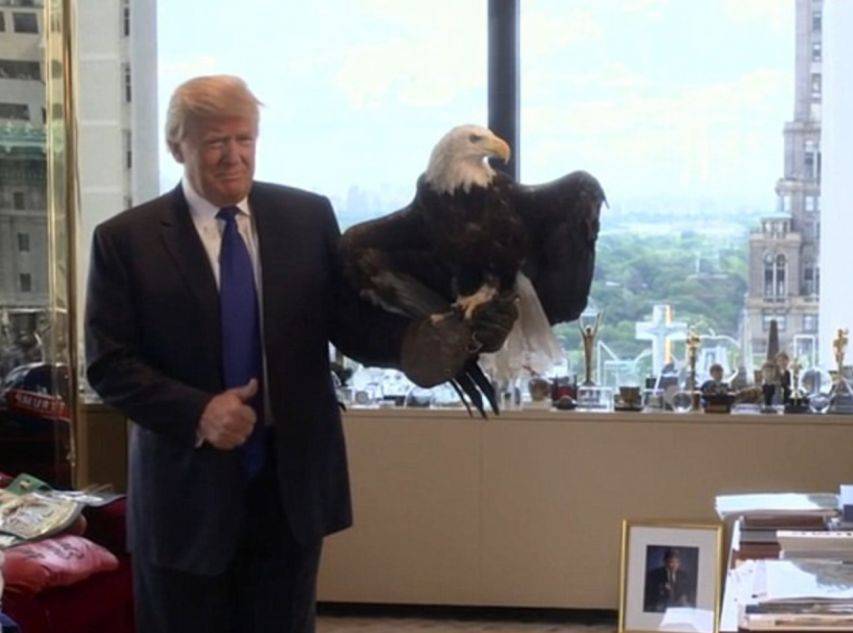
据环球时报报道,美国总统特朗普对华加税145%,并对中国船舶下手,导致美国消费者处境艰难。美国有线电视新闻网 (CNN)称,特朗普宣布所谓"对等关税"后,美国来自中国的进口量急剧下降。多名业内人士警告说,几周后,美国消 费者将面临价格上涨和某些商品短缺的局面。塞罗卡说,许多美国进口商取消了之前的订单,因为他们不愿支付高额关 税,这些关税可能导致中国商品价格上涨一倍以上。据他透露,洛杉矶港原本预计5月份将有80艘船只抵达,但其中20% 已被取消。截至目前,客户已经取消了6月份的13个航次。 特朗普(资料图) 中美贸易关系未来走势存在诸多不确定性。短期内,贸易数据可能继续波动。长期来看,两国经济相互依存的局面难以 改变,但贸易摩擦可能持续存在。顺差减少不仅仅是数字下降,更反映出中国经济结构调整的挑战。中国需要提升产业 竞争力,降低对出口的依赖。中美贸易摩擦对全球经济增长的负面影响日益显现。 对中国而言,这既是挑战也是机遇, 需要加快技术创新,提升产业竞争力。 对于中美两国即将在瑞士举行的高层经贸会谈,多家外国媒体持续关注。英国广播公司的报道称,随着世界两大经济体 即将在瑞士开始会谈,中美贸易战可能正在缓和。《财富 ...

美国近期动向剖析:内政外交的多面审视
Sou Hu Cai Jing· 2025-05-13 07:11
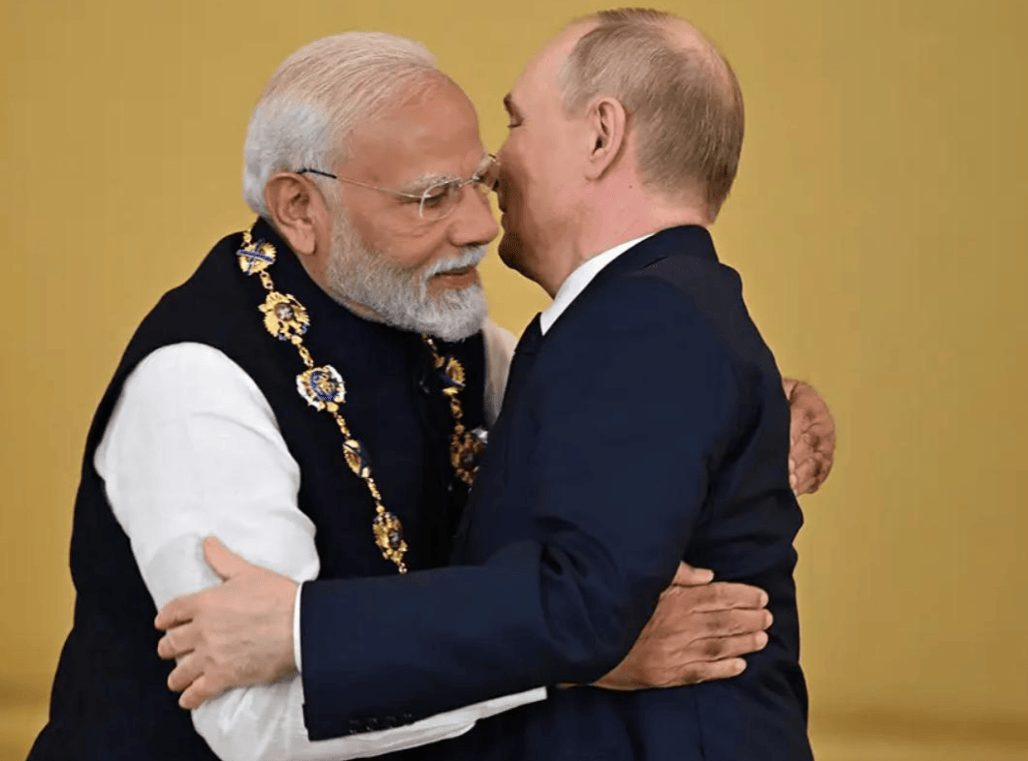
在国际政治经济舞台上,美国的一举一动都备受瞩目。近期,美国在经贸、国内政治与社会、国际事务等多方面呈现出一系列新动向,这些动向不仅深刻影 响着美国自身的发展轨迹,也对全球格局产生着重要的外溢效应。 经贸领域:关税调整与经济政策博弈 中美经贸关系的微妙变化 近期,中美经贸关系成为全球焦点。5 月 10 日,两国代表在瑞士日内瓦重启关税谈判,这一谈判被外界视为 "全球贸易秩序分水岭"。美方抛出 "将关税从 145% 降至 80%" 的方案,然而附加条件却直指中国核心利益,包括全面开放市场、解除稀土出口管制、强化芬太尼管控等。这种 "降关税当恩赐,换实质 主权让步" 的逻辑,被美国智库彼得森研究所直言 "荒谬"。从数据来看,即便美方将关税降至 80%,中国光伏、机械、纺织等行业的综合成本仍将高出国际 均价 37%,而美国对华出口的半导体设备、大豆等商品却要求零关税准入 ,这种 "单行道" 式要价难以撼动中方立场。 在谈判前,美国还接连与英国、印度达成贸易协议。英国以消除市场壁垒、扩大进口美国农产品为代价,换取维持 10% 的基础关税;印度则承诺对 90% 美 国商品实施低关税,将两国平均关税差从 13% 压缩至 4 ...
汽车、船舶之后,美国考虑开征“飞机税”
Hu Xiu· 2025-05-13 06:09
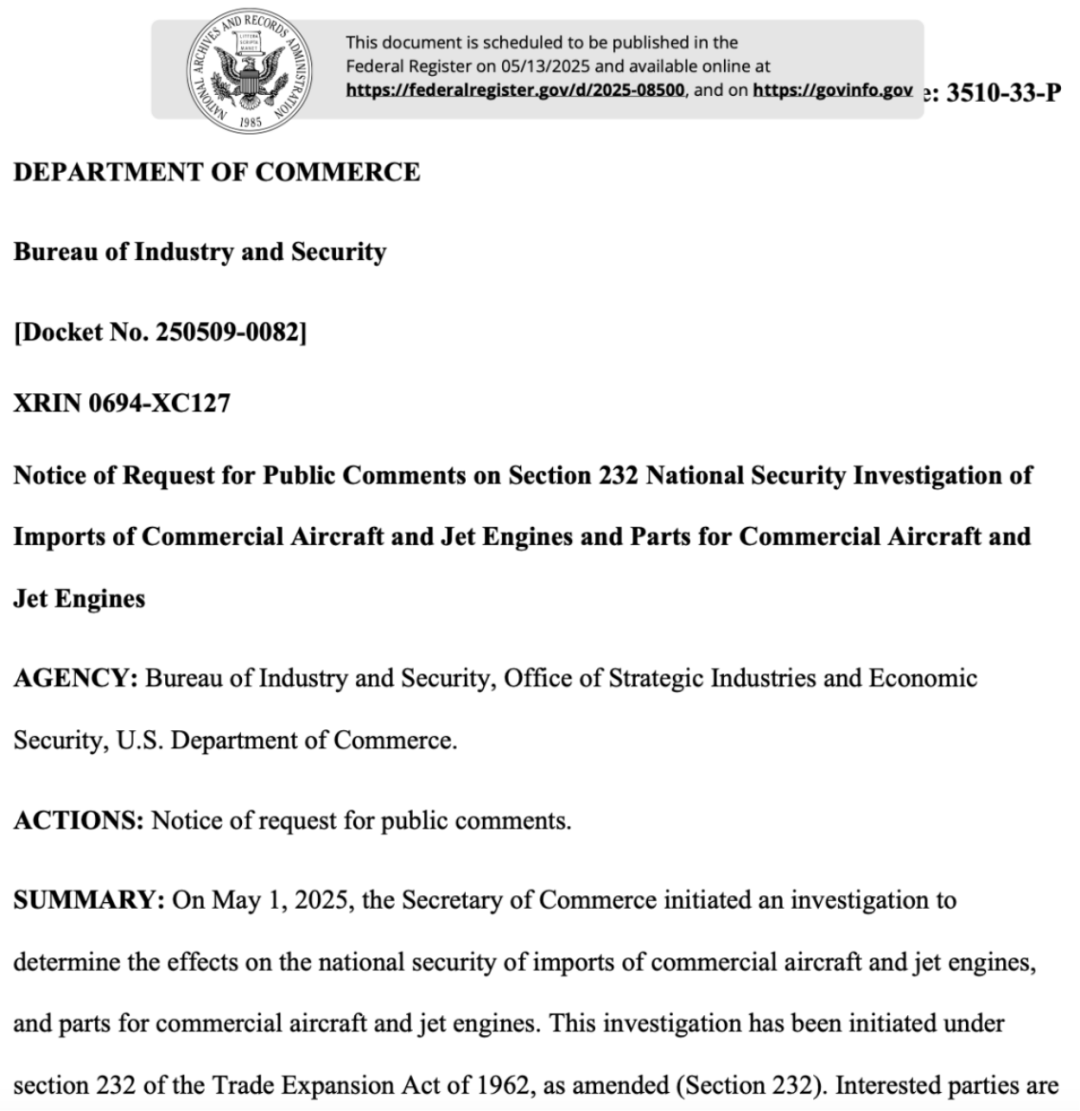
Core Viewpoint - The U.S. Department of Commerce is considering imposing additional tariffs on imported aircraft and parts, following similar measures on automobiles and ships, which could significantly impact the aviation supply chain and related industries [1][2][14]. Group 1: Import and Export Data - In 2024, the U.S. is projected to import aircraft worth $62.1 billion and export aircraft worth $123.6 billion, indicating a substantial trade balance in favor of exports [4]. - Boeing primarily exports aircraft globally but relies on imported parts and materials, highlighting the interconnectedness of the supply chain [4][10]. Group 2: Impact on Aircraft Manufacturers - The potential tariffs could affect two main categories: aircraft imported from Europe and parts supplied globally to Boeing [5]. - Airbus, despite being a competitor, has a significant market presence in the U.S., with models like the A320 and A321 series being popular due to their operational efficiency [6][7]. Group 3: Supply Chain Implications - A single aircraft consists of approximately 3 million parts, and imposing a "plane tax" could disrupt Boeing's global supply chain, particularly affecting Japanese suppliers [8]. - Japanese manufacturers play a crucial role in Boeing's production, with significant contributions to models like the 787, where Japanese firms account for 35% of the production [9]. Group 4: Broader Economic Impact - The automotive industry in Japan, already affected by U.S. tariffs on cars, could face further challenges if tariffs extend to aircraft, potentially harming both Japanese and U.S. industries [15]. - The U.S. has also announced additional fees for ships, indicating a broader trend of increasing tariffs across various sectors, which could further strain international trade relationships [16].

关税大逆转:如何构建稳健的交易框架?
Tebon Securities· 2025-05-13 05:32
Report Industry Investment Rating No relevant content provided. Core View of the Report The tariff exemption greatly exceeded market expectations, and the tariff trading is capricious, with the consensus expectation likely to reverse. Equities have odds, while bonds require caution. A robust trading framework should be established to guide investments in the year of tariffs. The impact of tariffs on the bond market should also be closely monitored [5][12]. Summary by Directory 1. How to Analyze the So - called "Reciprocal Tariffs"? - The most common analogy is to compare the "reciprocal tariffs" to the continuation of the 2018 China - US trade war, which affects the risk appetite of equity assets and the counter - cyclical adjustment mechanism. The intuitive "fast thinking" is that increased tariffs lead to reduced exports, affecting GDP and shifting the interest rate center downward [13]. - However, "comparing to 2018" is a view mainly held by A - share investors. The US economic and investment circles emphasize the 1930s Smoot - Hawley Tariff Act, but its reference value is questionable. The current trade war is a cyclical change in US trade policy, and tariffs are also a political movement to some extent [15][16]. - The market's previous over - pessimistic pricing and the current view that tariffs have quickly failed may oversimplify the complexity of the political impact of tariffs [20]. 2. The Cyclical Perspective of US Trade Policy - Since its establishment, the US federal government has been closely related to tariffs, with the initial goals of maintaining fiscal balance and protecting manufacturing. Economic and industrial changes lead to changes in tariff policies under the political cycle [7][21]. - Tariff policy is a policy that emphasizes regions rather than parties. Trade concept changes often play an important role in the six party realignments in US history [23]. - The current differences in the Trump administration are normal in US democratic politics and do not necessarily mean the failure of the tariff bill. In 2025, few technology companies, ordinary consumers, or manufacturing unions support the current radical tariff bill [26]. 3. The Economic Results of Trade Policy: Doubtful and Unimportant - The economic impact of trade policy can be understood from two aspects: its impact on the economy determines the direction and magnitude of the market, and its feedback on trade policy affects the market rhythm. The economic results of tariffs, both positive and negative, are doubtful [32]. - Historical evidence shows that trade protection policies have limited effects on enhancing industrial competitiveness and may have negative impacts on consumers and the overall economy [37]. 4. How to Set up a Robust and Investment - Guiding Trading Framework in the Year of Tariffs? - Step 1: Set a baseline for the possible final outcome of tariffs by reviewing the historical cyclical tariff policies of the US. - Step 2: Make qualitative predictions, such as the dollar appreciation ratio, the intervention rhythm of administrative departments and Congress, the frequency of opposition cases or lawsuits, and the counter - impact of public opinion and asset prices on tariff policy intensity. - Step 3: Conduct long - short trading if the implied expectation of short - term market fluctuations exceeds the set baseline, and adjust the baseline expectation if new developments deviate from the assumptions [39]. 5. Back to the Domestic Bond Market: Pay Attention to the Technical Attenuation of Tariff Factors - Since March, the bond market has experienced "oversold rebound → trading tariff factors → correction of tariff factors". In May, the bond market is likely to return to the main logic of March, and the reasons behind the "liability shortage" may not have simply ended [7][41][42].
释放诚意的部分完成,步入实质性阶段
China Post Securities· 2025-05-13 05:31
Group 1: Trade Negotiation Progress - The US has reduced tariffs on Chinese goods from 145% to 30%, with 24% of the tariffs suspended for the first 90 days[2] - After the suspension, the average tariff rate imposed by the US on China will be 51%, which is higher than the average non-MFN (Most Favored Nation) tariff rate of 42%[2][16] - The negotiations indicate a willingness to communicate, moving from an irrational tariff level to a more rational one, suggesting the start of substantive trade discussions[3][18] Group 2: Impact on Trade and Exports - During the 90-day suspension period, China's export growth to the US may decline by 21.6% to 27.6%[4][21] - In April, China's export growth to the US was -21.03%, indicating that further deterioration is unlikely within the year[4][21] - High price elasticity industries, such as optical and medical instruments, are more sensitive to tariff changes, with significant impacts expected from tariff adjustments[5][23] Group 3: Market Sentiment and Future Outlook - The positive outcome of the trade talks is expected to enhance market risk appetite and support domestic economic improvement[6][24] - The Chinese government is adopting a more proactive policy stance, which may lead to accelerated implementation of existing policies in the second quarter[6][24] - Future negotiations may still face uncertainties, reflecting the historical behavior of the Trump administration regarding trade policies[3][26]
打不下去了? 美国财长提“弃台”换免债,中方直接亮出十个大字
Sou Hu Cai Jing· 2025-05-13 00:08
这边关税战还没消停,台湾问题又被美国拿出来做文章。特朗普政府最近释放出"弃台"信号。美国债务 危机越来越严重,特朗普着急给经济止损,就想拿"弃台"当筹码,让中方减免债务。美国财长贝森特甚 至提议,用"弃台"换中国大陆免去部分美债。其实早在2015年,奥巴马当总统时,就有人提出过类似想 法。现在旧事重提,也暴露了美国一直把台湾当成战略棋子的真实想法。 美国(资料图) 据中国青年报报道,外交部发言人郭嘉昆重申,对美国关税战,中方不愿打也不怕打。这番表态背后, 是中美贸易博弈与台海局势交织的复杂局面。 2025年3月,美国突然在全球推行"对等关税",对中国关税税率飙升至145%。美国想靠这招实现"贸易 再平衡",巩固自己在全球贸易的老大地位。可现实狠狠打了美国一巴掌。美国国债早就超过36万亿, 每年光还利息就得花1.1万亿。财政一年收入才4.9万亿美元,支出却高达6.75万亿,债务每年以1.8 - 2.7 万亿美元的速度增加。 特朗普(资料图) 加征关税这招不仅没达到目的,反而把美国经济拖进泥潭。美国金融市场股、债、汇全下跌,农业、高 科技、汽车这些产业,供应链出问题,产品也卖不动。国内老百姓怨声载道,连英国、日本 ...
高水平开放助力中国经济行稳致远
Jing Ji Ri Bao· 2025-05-12 21:58
Core Viewpoint - The article emphasizes the importance of trade cooperation and the detrimental effects of protectionism on global economic collaboration, asserting that mutual benefits and open cooperation are essential for economic prosperity [1][2][5]. Trade Dynamics - The article critiques the prevailing notion in the U.S. that trade deficits equate to losses, arguing that imports enhance national welfare and that halting imports would lead to higher costs for consumers [2][3]. - It highlights that the U.S. trade deficit is primarily driven by its domestic economic model characterized by low savings, high consumption, and high debt, necessitating imports to fill the investment gap [3]. China’s Trade Strategy - China is expanding its diverse and balanced trade partnerships, with significant growth in trade with the EU and ASEAN, indicating a shift towards a more resilient trade structure [4]. - The article notes that China's trade with ASEAN reached 1.71 trillion yuan, a 7.1% increase, and trade with Belt and Road Initiative countries grew by 2.2% [4]. Economic Integration - The integration of domestic and international trade is advancing, with 87,000 industrial enterprises achieving integrated operations, reflecting a 6.3% growth [4]. - The article mentions that over 2,200 enterprises are leading in this integrated approach, enhancing the synergy between international and domestic markets [4]. Future Outlook - The article concludes that China's ongoing participation in global technological revolutions and industrial transformations will bolster its economic development, countering narratives of economic collapse [5].
欧美贸易争端或陷入拉锯战
Jing Ji Ri Bao· 2025-05-12 21:57
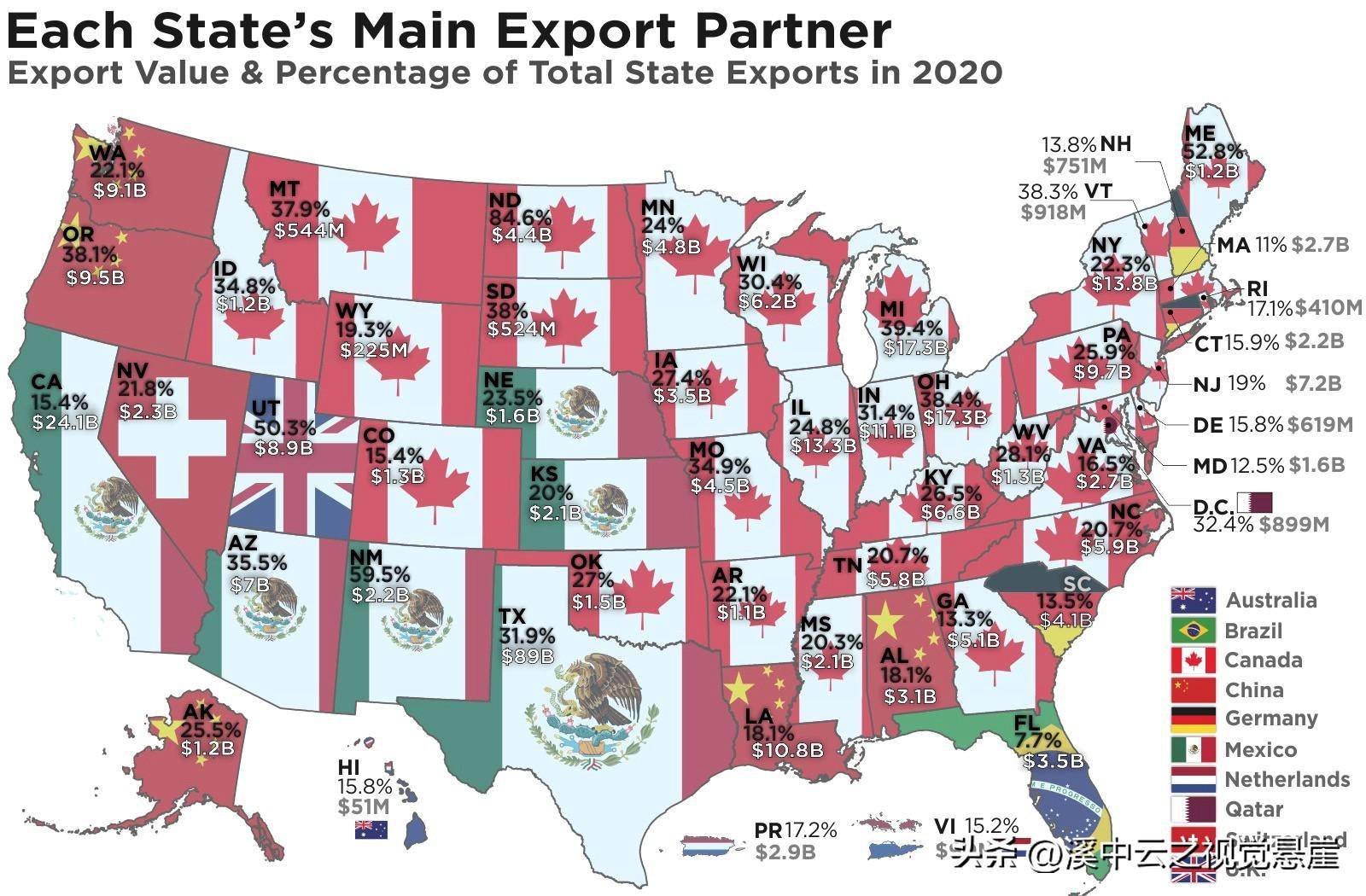
上周,在几轮你来我往的试探后,欧盟宣布将对美国加征关税实施反制措施,并向世界贸易组织提起诉 讼。美国一些人挑起的这场贸易争端不仅令两大经济体利益产生直接碰撞,更折射出全球经济在贸易保 护主义冲击下面临的深层次矛盾。从美国极限施压到欧盟决定反制,中间还掺杂着英国"另辟蹊径"式的 对美妥协,欧美贸易争端在复杂局面下或陷入拉锯战。 美国则持续通过极限施压与分化瓦解的策略交替对欧盟施压。一方面,美国关税目前覆盖了欧盟对美商 品贸易的70%,在美国对药品、半导体和其他产品进行进一步调查后,这一比例可能会上升到97%,美 国仍在通过持续制造经济压力迫使欧盟让步;另一方面,美国也试图通过各个击破方式瓦解欧盟,如拉 拢意大利等成员国,利用德法在汽车产业、农业补贴上的分歧制造内部裂痕。5月8日,美国甚至在诸多 细节尚未敲定、此前加征的10%所谓"对等关税"也未取消的情况下,迫不及待地宣布"美国与英国达成 一项新的贸易协议,部分撤回特定领域的关税,进一步扩大双方产品的市场准入"。这套美式"大棒加胡 萝卜"组合拳,本质上是在将经贸问题政治化,将双边谈判转化为更加复杂的地缘博弈,好方便一些人 浑水摸鱼。 欧盟和美国之间存在不少短期内 ...
日内瓦中美会谈结果出炉,中美一拍即合互降关税,全球市场迎强心针!
Sou Hu Cai Jing· 2025-05-12 16:33
正如专家所言,虽然这一次会谈的结果值得庆祝,但双边关系中的诸多不确定性仍需谨慎对待。中方明确表示,如果美方继续采取"言行不一"的策 略,甚至企图通过谈判来谋求利益,中方绝不会答应。在这样的博弈中,上述的"强硬"态度恰恰是中方维权的重要手段。 最近,中美之间的贸易谈判再次成为关注的焦点。刚刚闭幕的日内瓦经贸会谈,似乎为这两大经济体的关系带来了久违的曙光。令人意外的是,在曾 经剑拔弩张的局势中,中美双方竟然能达成诸多共识,这给全球市场注入了一剂强心针。 众所周知,在特朗普政府再次入主白宫以来,美方怀着"美国优先"的理念,加大了对中国商品的关税。这不仅加剧了两国间的紧张关系,也让全球经 济感受到阵阵寒风。在这样的背景下,日前在瑞士日内瓦举行的经贸会谈可谓是一次迫切而必要的外交尝试。 5月10日至11日的会谈成功超出了许多人的预期。双方表现出前所未有的坦诚和务实,特别是在关税问题上取得了实质性的进展。中方代表何立峰指 出,双方应当本着解决问题的务实态度进行深入磋商,以推进双边经济关系的健康发展。这一表态不仅展现了中方希望结束"关税战"的决心,也反映 了其对于持续合作的期待。 5月12日下午,中美各自发布日内瓦经贸会谈 ...
金砖出事了?只有一国反对,俄罗斯当年的决定,当真后患无穷
Sou Hu Cai Jing· 2025-05-12 13:15
Group 1 - The BRICS foreign ministers meeting in Rio de Janeiro concluded with a consensus against global "tariff wars" and trade protectionism, emphasizing the importance of WTO reform to resolve trade disputes [1][3] - The Brazilian Foreign Minister Vieira stated that the ministers expressed serious concerns over unilateral protectionist actions that violate WTO rules, including the misuse of reciprocal tariffs [1][3] - The meeting's chairman's statement did not directly name the United States, but it was clear to attendees that the comments were aimed at the U.S. actions during the Trump administration [3] Group 2 - India was the only member to oppose the joint statement at the meeting, aligning itself with U.S. positions and hindering the condemnation of U.S. hegemonic actions [3][5] - India's recent trade negotiations with the U.S. included a "zero-for-zero" tariff proposal for specific goods, but concerns were raised regarding India's quality control measures as non-tariff trade barriers [5] - The absence of Saudi Arabia's foreign minister at the meeting highlighted its focus on regional issues rather than aligning with the anti-U.S. sentiment expressed by other BRICS members [5][7] Group 3 - The internal coordination within BRICS is challenged by India's fluctuating stance, which complicates the group's ability to present a united front against U.S. unilateralism [7] - China's foreign minister's pointed questions during the meeting underscored the urgency for BRICS to avoid strategic ambiguity and to counteract U.S. attempts to reshape global economic rules [7] - The BRICS organization serves as a platform for economic cooperation, with many countries seeking to partner with China for economic growth, indicating a potential shift in alliances due to U.S. trade policies [7]